Aomori is the northernmost prefecture of Honshu, a land of festivals, Jomon culture and apples. Its highlights have real character: the World Heritage Sannai-Maruyama Jomon site, the seafood of Mutsu Bay and Japan's best apples, plus a gateway position — east to Oirase and Lake Towada, west to the cherry-blossom city of Hirosaki, south to Hakkoda. This guide covers what to see in the city, how to extend outwards, access and day-trip vs overnight; the summer Aomori Nebuta Festival 2027 has its own deep dive. It's the far-north deep-dive for Tohoku; the gateway city is in our Sendai guide.
- Honshu's northern tip, a land of festivals and Jomon heritage: a base for Oirase, Hirosaki and Hakkoda
- Sannai-Maruyama site: World Heritage Jomon settlement, admission ¥410
- Wa Rasse shows nebuta floats year-round, ¥620; the festival itself is in the Aomori Nebuta Festival 2027 guide
- Must-eat: nokke-don, Oma tuna, miso-curry-milk ramen, apples
- Access: ~3h from Tokyo by shinkansen, with a relay onward to Hakodate
📖 Table of contents
What kind of city Aomori is
Aomori City is the capital of Aomori Prefecture and the main city at Honshu's northern tip, facing Mutsu Bay. Its character differs from a metropolis — winter makes it one of Honshu's heaviest snow regions, the nature severe; but that same land produced the powerful Nebuta Festival, a Jomon culture thousands of years old, and Japan's finest apples and top-grade seafood. For travelers, Aomori is a far-northern base where festivals, archaeology and the bounty of mountain and sea come together.
Aomori has two layers. One, the city itself: Wa Rasse, Sannai-Maruyama and the seafood market, doable in a day. Two, a base for the far north of Honshu: fanning out to Hakkoda, Oirase/Lake Towada and Hirosaki. Below, the city first, then how to extend.
The Nebuta Festival and Wa Rasse
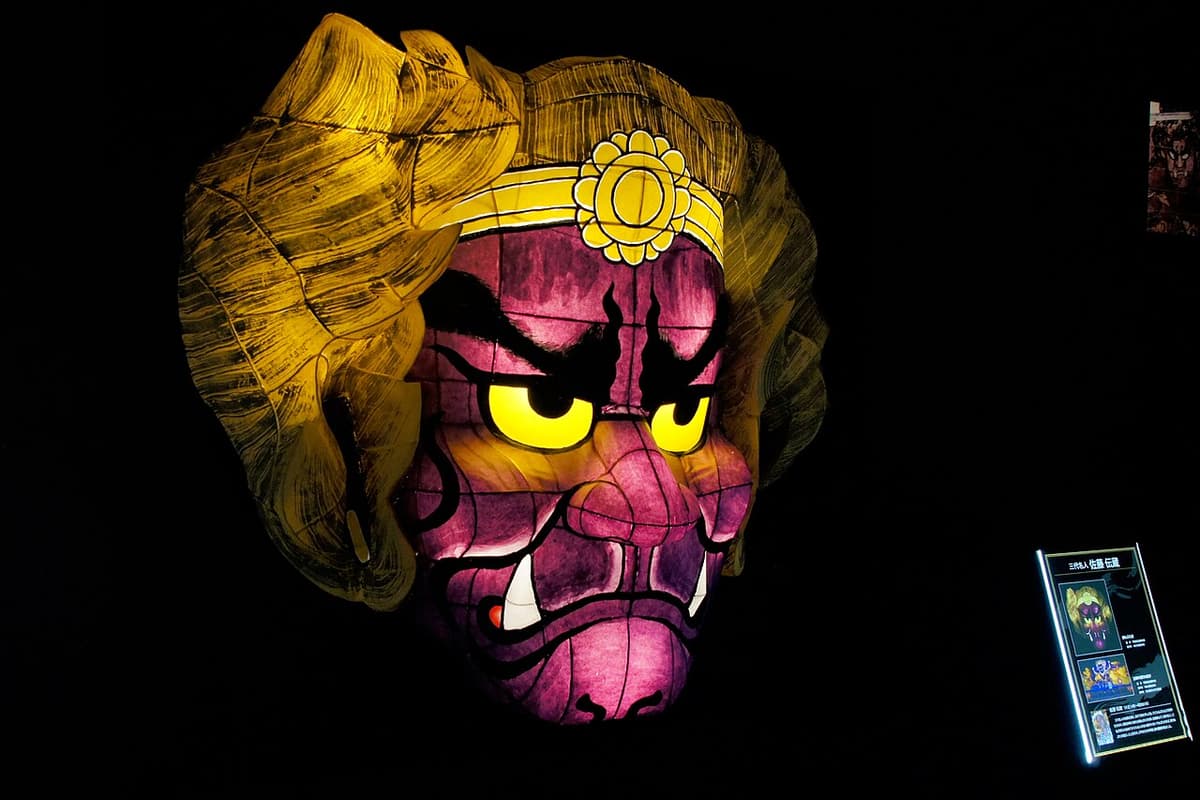
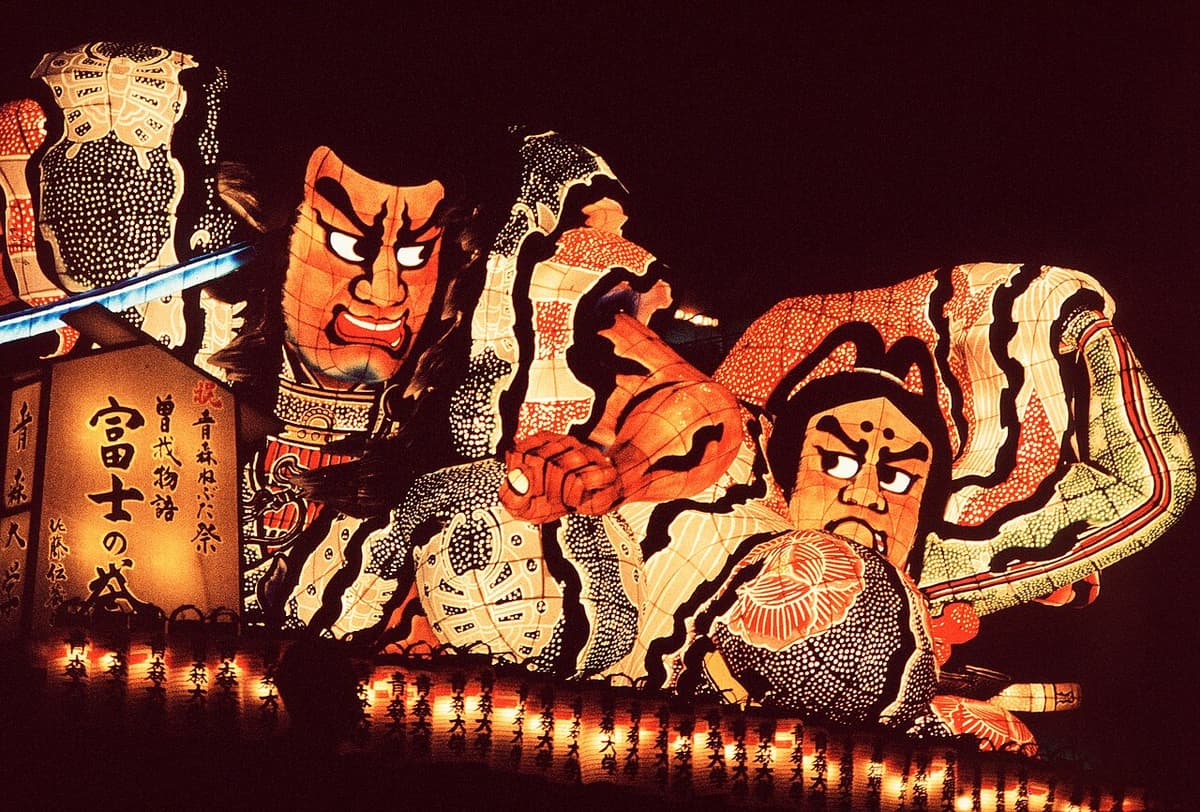
Nebuta is the one thing in Aomori worth moving your travel dates for — everything else here runs year-round, and those six days do not. The dates are fixed at 2–7 August every year, and after dark, giant warrior-figure floats meters tall, made of wire and washi paper, parade the streets lit from within in bold color, with crowds of dancing "haneto" jumpers and festival music. Which night to pick, whether a reserved seat is worth it, what you need to join the parade as a haneto yourself, and how the two separate ticket systems on 7 August work — all of it is in the Aomori Nebuta Festival 2027 guide. Lodging that week is extremely tight, so read that page before you book.
Miss the dates and don’t despair: by Aomori Station, the "Nebuta Museum Wa Rasse" displays the year’s prize-winning large nebuta all year, where you can walk right under a float to see its wire frame, washi and painted detail, admission ¥620 for adults. There is a closure trap in the days right after the festival — check Wa Rasse opening and closing days before you go.
The Sannai-Maruyama site
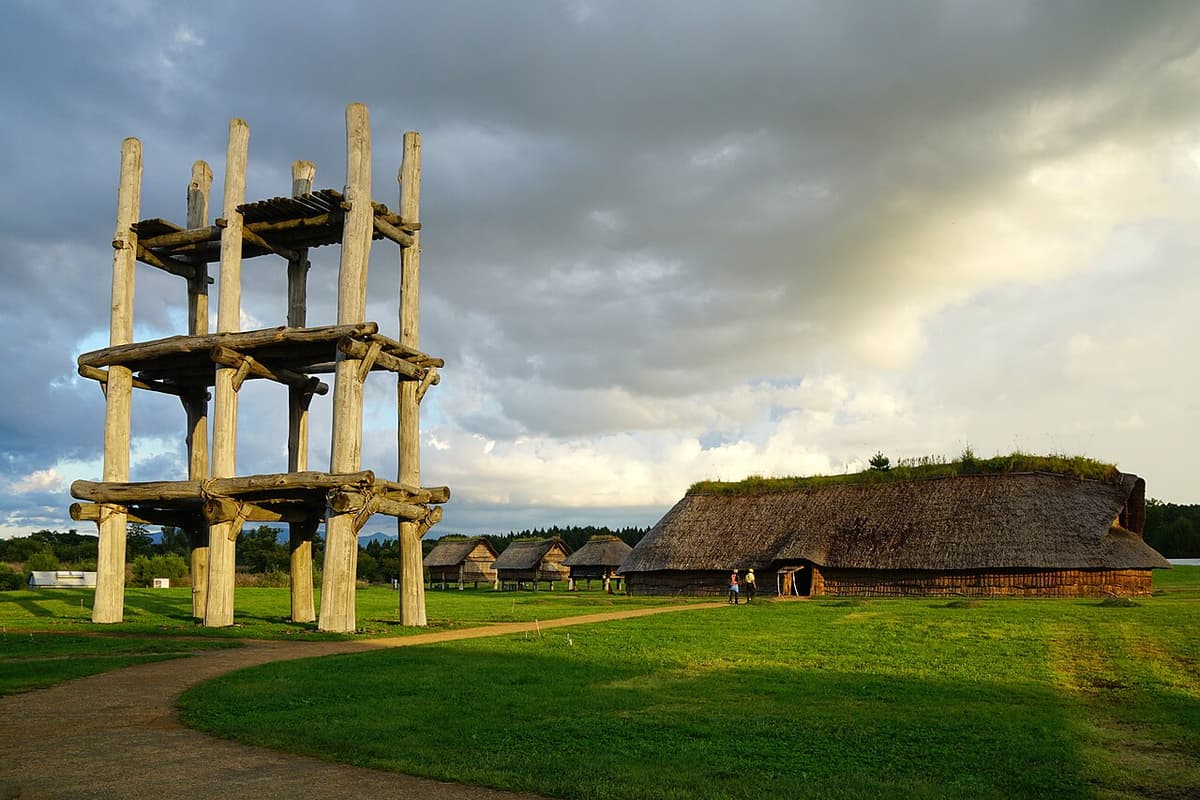
For history lovers, don't miss Sannai-Maruyama. It's Japan's largest large Jomon-period settlement site, roughly 5,900-4,200 years old, inscribed in 2021 as part of the "Jomon Prehistoric Sites in Northern Japan" World Heritage. From the excavations the grounds reconstruct a tall pillar-supported building, pit dwellings and storehouses, and with the pottery and clay figures (dogu) indoors you can picture a settled community of millennia ago — overturning the usual image of prehistory as brief hunter-gathering.
Admission is ¥410 for adults, free for junior-high and under, with volunteer guides available. It's about 30 minutes by city bus from Aomori Station, often paired with the adjacent Aomori Museum of Art (home to Yoshitomo Nara's "Aomori-ken" dog) — a deep half-to-full-day history-and-culture route.
Aomori food: seafood and apples
Aomori faces Mutsu Bay and the Tsugaru Strait with superb seafood and produce — a few must-eats:
- Nokke-don: at the Aomori fish market, buy a rice ticket, then carry your bowl along the stalls picking seafood piece by piece to build your own bowl — fresh, fun and the city's most enjoyable meal.
- Oma tuna (bluefin): bluefin from Oma at Honshu's northern tip is a byword for top-grade tuna, found in city sushi shops and the market.
- Miso-curry-milk ramen: an Aomori-city invention, a rich broth blending miso, curry and milk — an only-here local bowl.
For fruit, Aomori is Japan's top apple producer, so apple pie, fresh-pressed juice and seasonal apples are everywhere and make good souvenirs. By the water, A-FACTORY (by Aomori Station) has an apple-cidre workshop and a local-food market — easy for a browse and a buy.
Around: Hakkoda, Oirase, Hirosaki
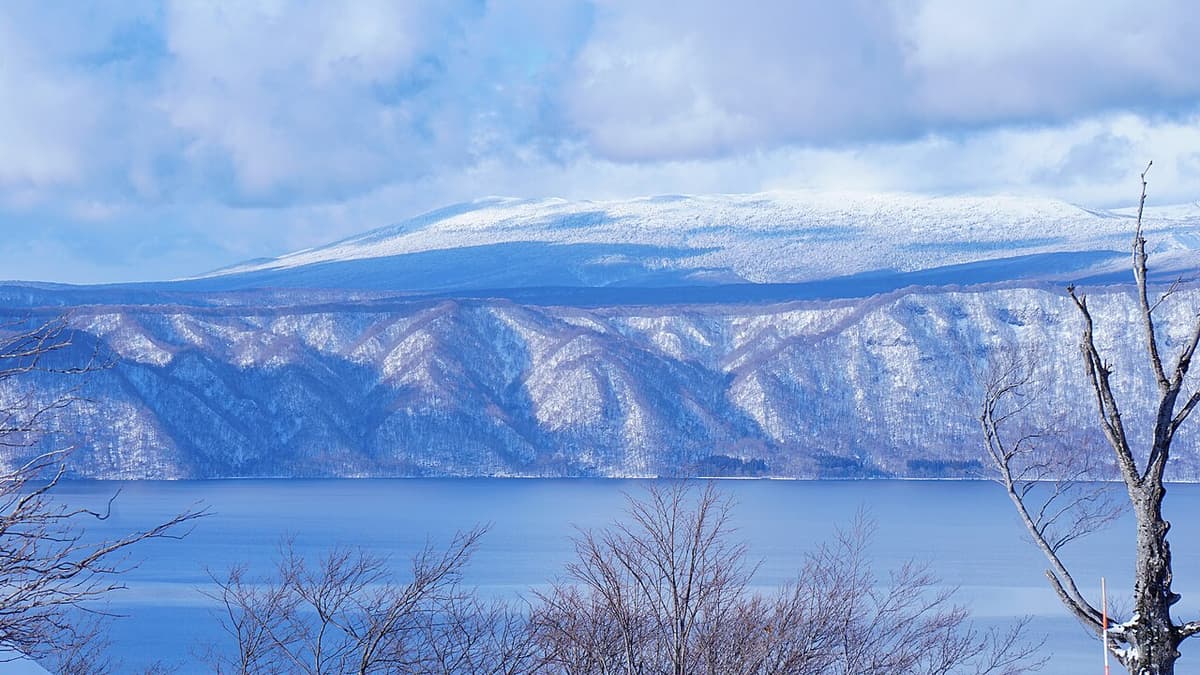
Aomori's greatest value is as Honshu's northern base, with three rewarding directions. East — Oirase Stream and Lake Towada: the moss-green stream and waterfalls are a quintessential Japanese gorge landscape, especially famous for autumn foliage, reached by JR bus; see our Oirase autumn guide, or our Towada-Hachimantai guide to do Lake Towada, Oirase and the Hachimantai plateau in one loop.
West — Hirosaki: the cherry blossoms of Hirosaki Castle and its moats are one of Japan's most famous hanami sights, peaking around late April; see our Hirosaki and Hokkaido cherry blossom guide. The keep itself is mid-relocation, though: the interior stays closed until 2033, and 2027 and 2028 are the only two cherry seasons left where you can even see the exterior — see what's actually visible at the castle keep right now. In summer Hirosaki has a second identity: Hirosaki Neputa, August 1 to 7 every year, where the floats are painted fans rather than Aomori's sculptural figures — and where the August 7 parade starts at 10:00 in the morning. Further west again, Goshogawara runs its Tachineputa August 4 to 8; see our Hirosaki Neputa and Goshogawara Tachineputa guide. South — Hakkoda: the Hakkoda Mountains offer ropeway-accessed summer hiking and alpine flowers, and in winter are famed for "snow monsters" (rime-frosted trees) and skiing, with the Sukayu Onsen and its "thousand-person bath" at the foot. For a milky secret hot spring further south in Akita, add Nyuto Onsen and Lake Tazawa. Combine the city, Oirase, Hirosaki and Hakkoda for a full far-northern Tohoku trip.
For travelers with more time and a taste for the unusual, the prefecture has two more singular places. On the axe-shaped Shimokita Peninsula to the northeast, Mt. Osorezan is one of Japan's three sacred mountains — a sulfurous, otherworldly volcanic landscape long considered a gateway to the afterlife, with a temple, bubbling vents and a pale "Sai-no-Kawara" shore that is genuinely unlike anywhere else in Japan. Closer to the city, Asamushi Onsen is a seaside hot-spring town about 20 minutes by train, an easy soak with a bay view. Neither is on the standard first-timer loop, but both reward a second or third visit to Aomori.
Access and day-trip vs overnight
Access: from Tokyo the Tohoku Shinkansen reaches Shin-Aomori in about 3 hours (the fastest Hayabusa), then about 6 minutes by JR to Aomori Station. Shin-Aomori is also the relay toward Hokkaido — the Hokkaido Shinkansen through the Seikan Tunnel to Shin-Hakodate-Hokuto takes about an hour, so you can chain Aomori and Hakodate. City sights are reachable by bus and on foot; Oirase and Hakkoda need a JR bus. For a multi-leg Tohoku rail loop, compare a JR East Pass; set up a KKday Japan eSIM first to check buses and timetables.
The awkward part of the JR bus is that services are sparse and the return timetables to Aomori and to Hachinohe are two different schedules — get it wrong and you wait two hours in the mountains. If you would rather not wrestle with that, GetYourGuide runs an Oirase, Lake Towada and Hakkoda Ropeway day tour from Aomori Station (US$145) — out at 09:00, back at 18:00, all three in one day, capped at nine people, with the Lake Towada cruise fare included. ⚠️ One thing to settle before booking: this tour is seen from the vehicle, not walked — the operator states outright that the 9 km through Oirase normally requires no walking, with short photo stops at the main waterfalls. If walking the gorge's best section is the reason you are going, take the JR bus instead and follow our Oirase Gorge guide; that is the right way to do it. One more catch: the tour rides the Hakkoda Ropeway between 15:30 and 17:00, but in winter the last car down leaves at 16:00, so in winter this tour cannot fit the ropeway in.
Day-trip vs overnight: the city core (Wa Rasse, Sannai-Maruyama, the fish market) fits a day; but the moment you extend to Oirase, Hirosaki or Hakkoda you need 2-3 days, with Aomori as the most convenient base. The smoothest plan: a day in the city, then by season a day at Oirase (autumn), Hirosaki (spring) or Hakkoda (winter). During the Nebuta Festival (early August) focus on the festival and book lodging very early. For how to connect, see our Sendai guide. Before you go, see our Japan packing & weather guide — Aomori is one of Honshu's heaviest snow regions, so pack serious winter gear.
When to go: Aomori rewards a season-led visit more than most. Late April-early May is for Hirosaki's cherry blossoms (weeks after Tokyo); summer is mild, green for Oirase hiking, and peaks at the August 2-7 Nebuta Festival (Hirosaki runs August 1-7 and Goshogawara August 4-8 in the same week, so all three towns are tight on rooms at once — see the three-festival trade-off guide); October turns Oirase and Hakkoda to brilliant foliage; and winter brings Hakkoda's snow monsters and deep powder, though heavy snow can disrupt buses. A simple plan if it's your first visit: spend a day in the city (Wa Rasse, Sannai-Maruyama, a nokke-don lunch), then build the rest around whichever seasonal headliner you came for — cherry, gorge or snow — keeping Aomori as the base you sleep in and return to.
Frequently Asked Questions
- Q1:If I miss the Nebuta Festival, can I still see the floats?
- Yes. The "Nebuta Museum Wa Rasse" beside Aomori Station displays prize-winning large nebuta year-round, where you can stand right under a float and study its wire frame and painting, admission ¥620 for adults — but it closes for a couple of days right after the festival to swap the display, so check the dates in the Aomori Nebuta Festival 2027 guide. The festival itself runs on fixed dates, August 2 to 7 every year, so 2027 is Mon 2 to Sat 7 August.
- Q2:What is the Sannai-Maruyama site, and is it worth it?
- Sannai-Maruyama is Japan's largest large Jomon-period settlement site, roughly 5,900-4,200 years old, inscribed as part of the "Jomon Prehistoric Sites in Northern Japan" World Heritage. The grounds reconstruct a tall large pillar-supported building, pit dwellings and storehouses, and with the excavated pottery and clay figures you can picture a settled community of thousands of years ago — striking against the usual "brief hunter-gatherer" image of prehistory. Admission is ¥410 for adults (free for junior-high and under), about 30 minutes by bus from Aomori Station.
- Q3:How many days does Aomori need?
- The city core (Wa Rasse, Sannai-Maruyama, A-FACTORY and the fish market) fits a tight day, but Aomori works better as a base for the far north of Honshu — extending to Hakkoda, Oirase/Lake Towada and Hirosaki. The common plan is a night or two in Aomori with a day at Oirase (autumn foliage) or Hirosaki (spring cherry blossoms), 2-3 days for the northern Tohoku leg.
- Q4:What should I eat in Aomori?
- Aomori faces Mutsu Bay and the Tsugaru Strait with superb seafood: at the fish market, "nokke-don" lets you carry a rice bowl and pick seafood stall by stall to build your own bowl, fresh and fun; Oma tuna (bluefin) from Honshu's northern tip is the top-grade name; and the city's own miso-curry-milk ramen is a rich Aomori-only bowl. For fruit, don't miss it — Aomori is Japan's top apple producer, so apple pie, juice and seasonal apples are everywhere and make good souvenirs.
- Q5:How do I get to Aomori from Tokyo?
- From Tokyo the Tohoku Shinkansen reaches Shin-Aomori in about 3 hours (the fastest Hayabusa), then about 6 minutes by JR to Aomori Station. Shin-Aomori is also the relay toward Hakodate (Hokkaido) — the Hokkaido Shinkansen through the Seikan Tunnel to Shin-Hakodate-Hokuto takes about an hour. City sights are reachable by bus and on foot; Oirase and Hakkoda need a JR bus. For a multi-leg Tohoku rail loop, compare whether a JR Pass pays off.
- Q6:Can I combine Aomori with Oirase, Hirosaki and Hakkoda?
- Yes — that's Aomori's greatest value. Oirase Stream and Lake Towada are autumn-foliage stars (reached by JR bus); see our Oirase autumn guide. Hirosaki, with Hirosaki Castle, is one of Japan's most famous cherry-blossom spots; see our Hirosaki and Hokkaido cherry blossom guide. In summer Hirosaki runs its own festival, Hirosaki Neputa, every August 1 to 7, overlapping Aomori Nebuta — if you come in early August you have to choose which town to stand in on which night; see our Hirosaki Neputa and Goshogawara Tachineputa guide. And Hakkoda offers summer hiking and winter "snow monsters" (rime-frosted trees) by ropeway. Fanning out from Aomori is the smoothest way to do the far north.