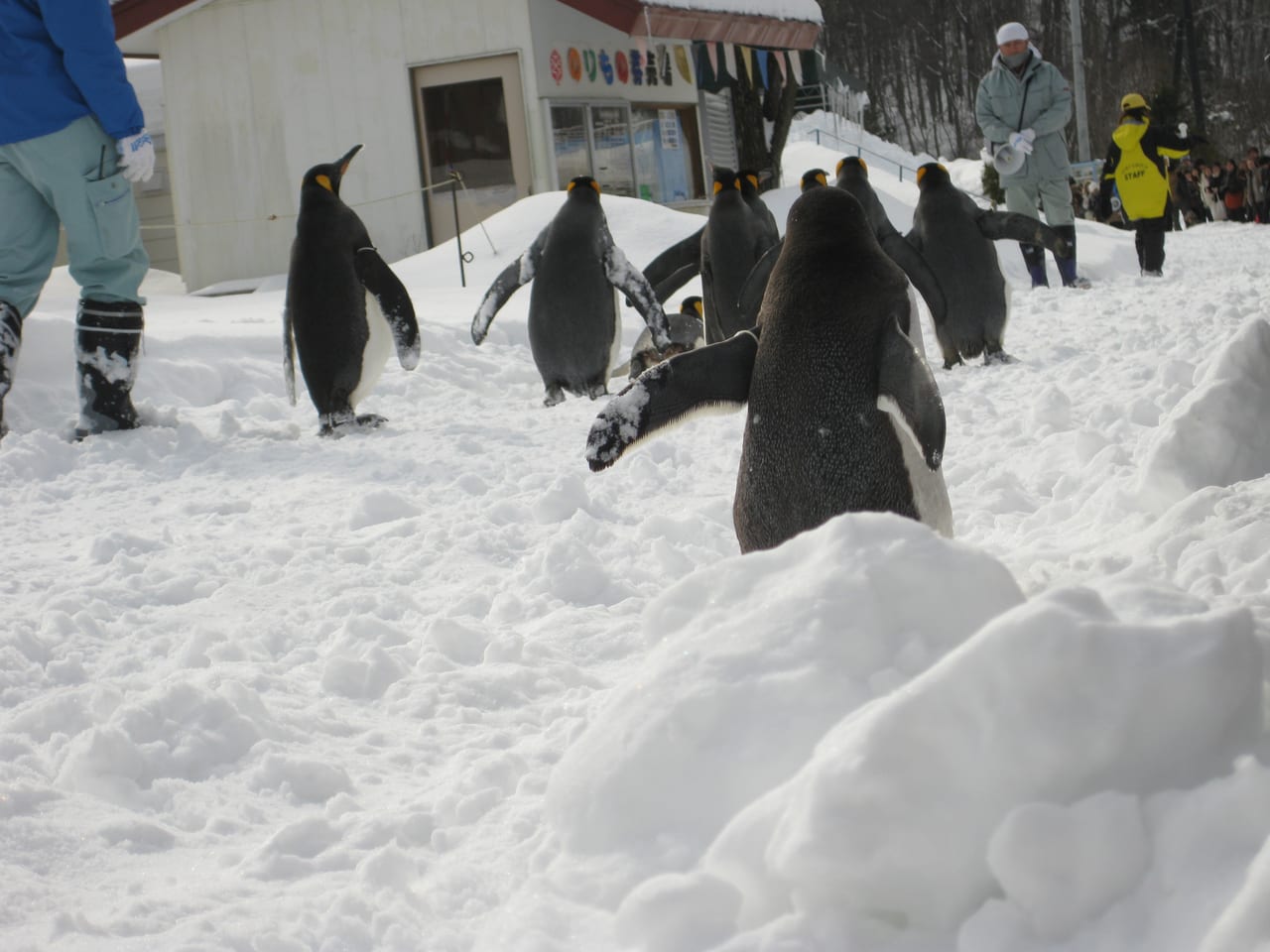
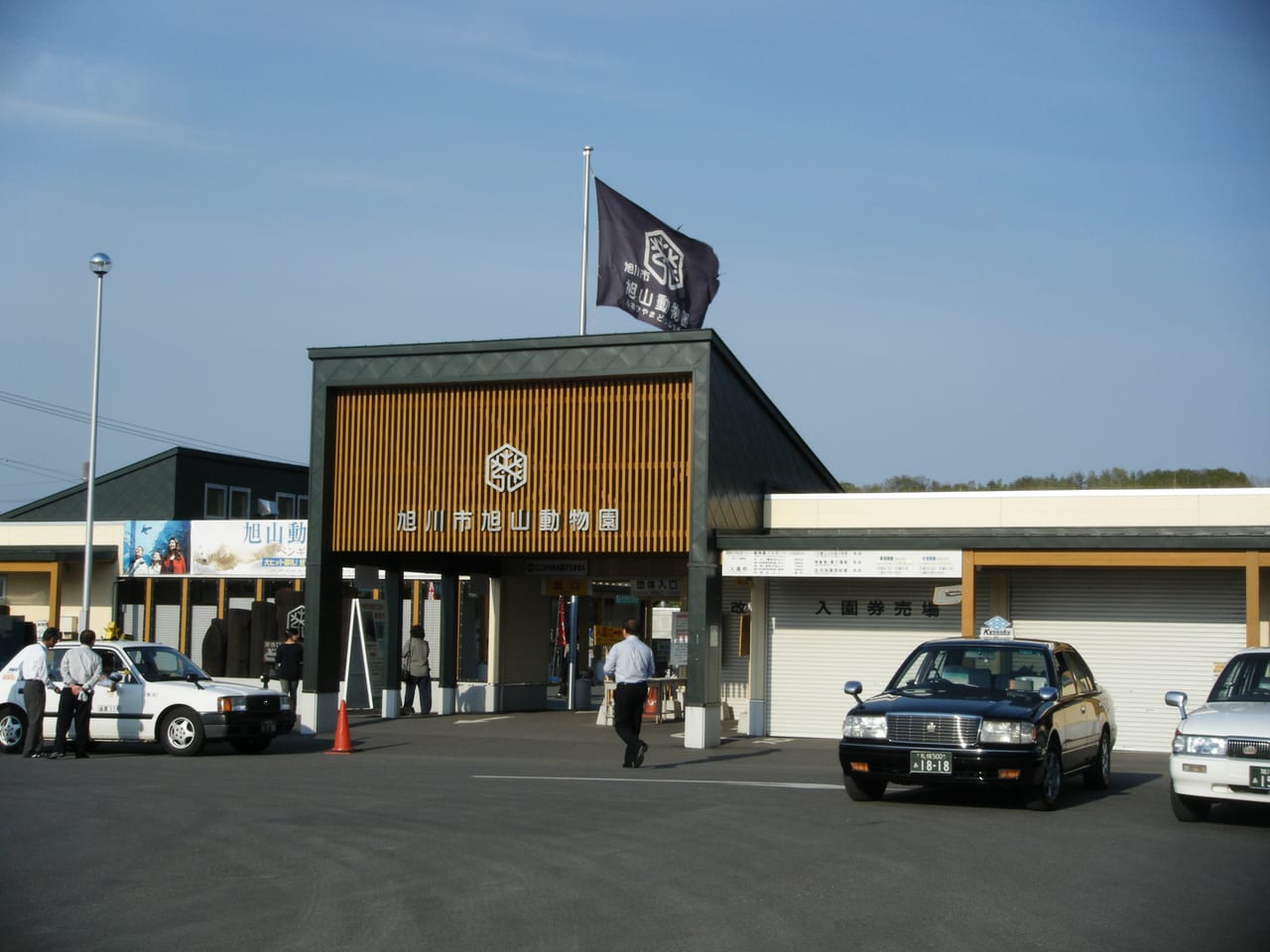
Asahiyama Zoo is Japan's northernmost zoo and was once the most-visited zoo in the entire country — and it earned that not with rare animals but with a design idea called the behavioural exhibit: polar bears that dive off a ledge above a deep pool, seals that shuttle up and down a clear glass tube, penguins that "fly" over your head through an underwater tunnel. Its signature draw, the winter-only penguin walk, sends a line of penguins waddling right past you across the snow twice a day, and it is the single reason a lot of people slot Hokkaido into January or February. The numbers up front: admission ¥1,000 (free for junior-high and younger), the penguin walk runs roughly mid-December to mid-March, and it is about a 40-minute, ¥670 bus ride from Asahikawa Station. This guide covers tickets, the summer-vs-winter call, penguin-walk times, access, Asahikawa ramen, and how to chain it with Biei and Furano. For how the wider trip connects, see our Sapporo guide and Hokkaido 7-day winter itinerary.
- Admission ¥1,000 (free for junior-high and younger; ¥700 for Asahikawa residents) — buy at the gate, no booking needed
- Penguin walk is winter-only: ~mid-Dec to mid-March, needs snow, twice daily at 11:00 and 14:30 (often just the morning walk after March starts)
- Three behavioural-exhibit houses: the seal tube, the penguin underwater tunnel, and the diving polar bears
- Access: Asahikawa Denki Kido bus #41/#47 from the station, about 39 minutes, ¥670 one way — no nationwide IC cards
- Gateway role: Asahikawa is the entry to the Biei Blue Pond and Furano flower fields — stay a night and split it over two days
📖 Contents
Why Asahiyama Zoo is worth the trip
Honestly, by Japanese standards Asahiyama is not a big zoo — no pandas, no sweeping African savanna. What it does is flip a single idea: instead of showing you what an animal looks like, it shows you what an animal does. That is the "behavioural exhibit" that took it from nearly closing to the most popular zoo in Japan. A traditional zoo parks a polar bear on a dry concrete slab; Asahiyama gives it a deep pool and lets it dive off a ledge chasing a seal decoy. A traditional zoo stands penguins on the bank; Asahiyama built an overhead underwater tunnel so you look up and watch them fly. The point is you are seeing the animal's natural behaviour, not a bored animal staring back.
So my framing is clear: Asahiyama is for people who want to see animals genuinely come alive, especially with kids. The fact that junior-high and younger get in free is a huge pull for families. Who it does not suit: anyone wanting a quick tick-the-box loop, because the best moments require you to wait for the animal to do its thing (feeding times are the key — more below). Treat it as a place to spend a slow half-day, not a 40-minute drive-by.
Behavioural exhibits: seal, penguin, polar bear
Break the behavioural exhibits down and these three houses are the can't-miss core. When planning your route, aim for each house's feeding time (mogu-mogu time) — that is when the behaviour is at its best. The zoo posts the day's feeding schedule, so photograph the board as you walk in and build your loop around it.
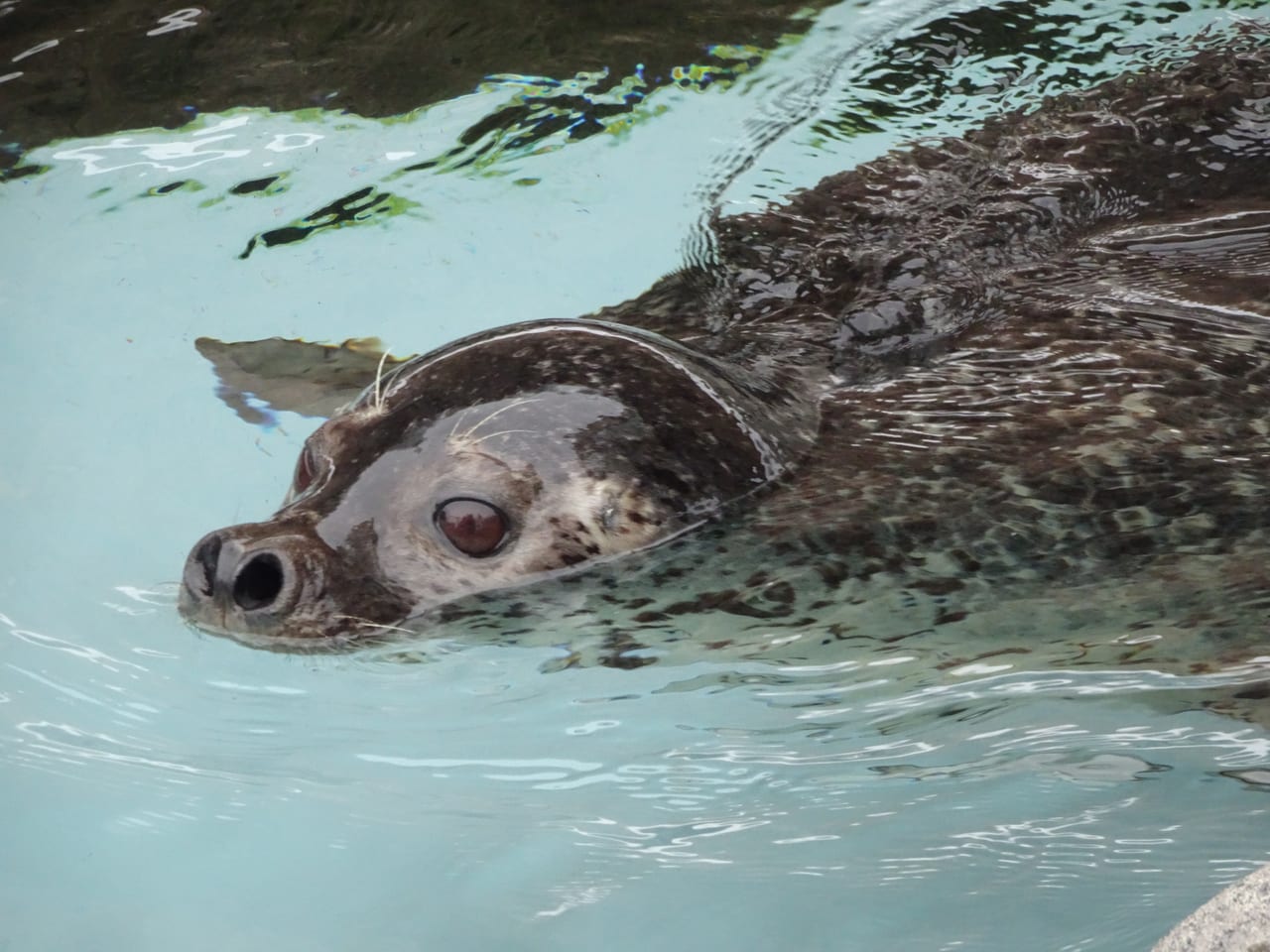
- Seal House (azarashi-kan): a clear vertical glass tube (the "marine way") links the indoor and outdoor pools, and the seals shuttle straight up and down inside it as if pulled through — close enough to count their whiskers. This is Asahiyama's signature image.
- Penguin House (pengin-kan): a 360-degree underwater tunnel runs beneath the pool, so you stand inside and look up while penguins "fly" overhead on their wings — the same birds you see waddling across the snow in winter, in both their active and their lumbering forms.
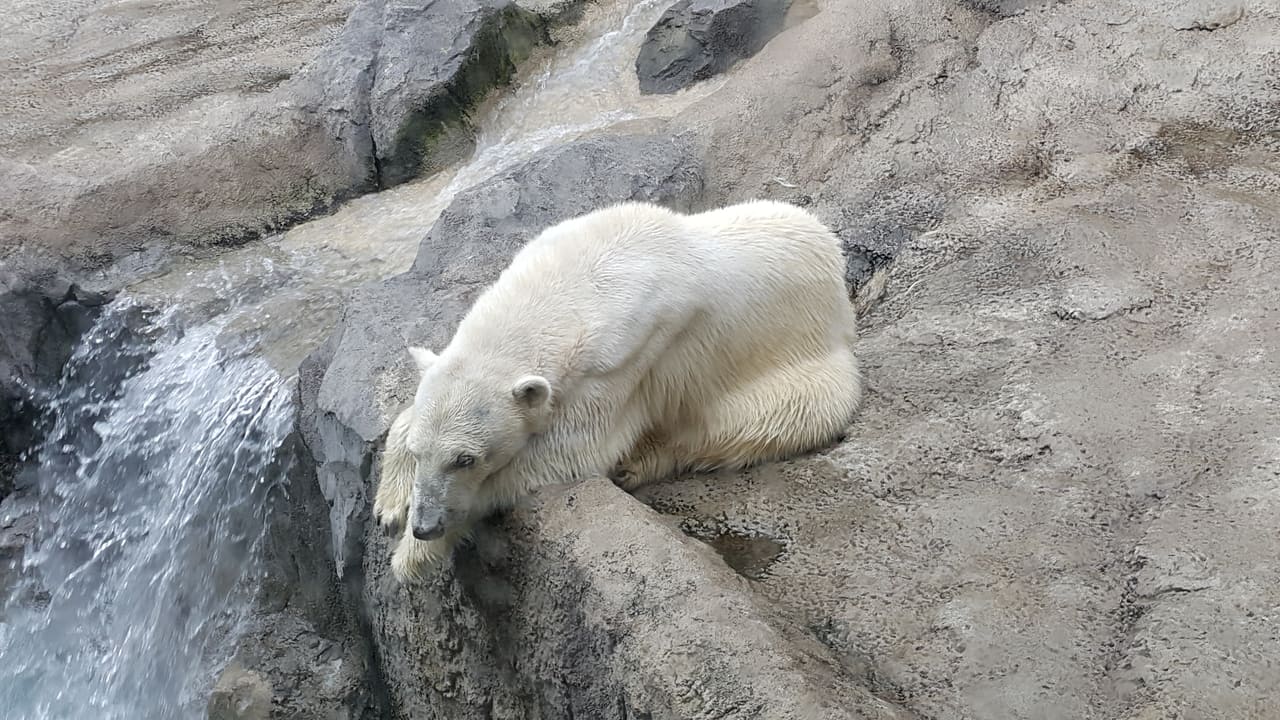
- Polar Bear House (hokkyokuguma-kan): an oversized pool sends the bears diving off the bank for food in a splash; there is also a clear dome where kids poke their heads up to stand "beside" the bear and see its world — a family-favourite photo spot.
Beyond those three, the big-cat house, the orangutan sky-bridge, and the hippo house all use the same three-dimensional design. My advice on flow: read the feeding board first, string the three houses into one loop, and visit other houses in the gaps between feeds — that way a half-day covers the highlights without standing idle in one spot.
The penguin walk: times and pitfalls
Say "Asahiyama" and most people picture the penguin walk (pengin no sanpo) — and it is the reason to fly to Hokkaido in winter specifically. At set times each day, keepers let a group of king penguins out and they waddle from the Penguin House to near the event hall and back, a loop of roughly 500 meters, while you stand just outside the rope watching them parade through the snow. Why winter only? It was designed to give the captive penguins exercise in the snow season and prevent obesity, so no snow on the ground means no walk.
The times to lock in (per the official 2025–2026 notice):
- Season: roughly mid-December 2025 to mid-March 2026, held daily through the snow season.
- Schedule: twice a day, 11:00 and 14:30; once March begins, usually only the 11:00 walk continues.
- Dates shift every year, and a mild winter, insufficient snow, or the penguins' health can cancel a given day — check the zoo's same-day notice on the day you go rather than betting the trip on it.
A few pitfalls, said plainly: (1) for a front-row spot, claim your place 20–30 minutes early in peak season; (2) no flash, do not enter the route, do not touch the penguins or throw snow — basic courtesy and the rules; (3) the snow is slippery and the cold is real, so grippy snow boots, hand warmers, and gloves are non-negotiable, and camera batteries drain fast in the cold, so carry a spare. For the cold-weather packing list, cross-check the gear notes in our Hokkaido 7-day winter itinerary.
Summer or winter?
This is the first thing to decide when planning Asahiyama, because summer and winter are nearly different zoos. Straight to the verdict: if it is your first visit and you can make it winter, come in winter for the penguin walk; in summer, lead with the underwater behavioural exhibits and the Furano–Biei loop.
| Factor | Winter (mid-Nov–early Apr) | Summer (late Apr–early Nov) |
|---|---|---|
| Signature draw | Penguin walk (only now), polar bears in snow | Seal & penguin underwater exhibits at their liveliest |
| Hours | Short, about 10:30–15:30 (last entry 15:00) | Long, open ~9:30 into the afternoon/evening |
| Comfort | Bitter outdoor cold, full snow gear needed | Comfortable to wander, animals active |
| Pair with | Sounkyo ice falls, winter festivals | Furano flower fields, Biei patchwork road |
| Crowds | Peaks at Lunar New Year / penguin-walk times | Busy in summer holidays but the grounds spread out |
One honest caveat: winter hours are short and the penguin walk is fixed at 11:00/14:30, so your route has to revolve around those two slots. Get in at opening, see the houses you most want first, claim a spot for the 11:00 walk, then fill in other houses after lunch; whether you bother with the second 14:30 walk depends on how cold you are. Summer is far more relaxed — you can take your time waiting out each house's feeding time.
Tickets, hours & closure periods
Pricing is simple, per Asahikawa City:
- Admission: adults (high school and up) ¥1,000, free for junior-high and younger; ¥700 for Asahikawa residents.
- Annual pass (zoo only) ¥1,400: pays off if you visit twice in a year — worth it if you live nearby or want one summer and one winter visit.
- How to buy: the gate window is simplest and queue-free on weekdays; for an e-ticket or bundle, KKday and Trip.com sell them (mostly adult admission), but that is convenience, not a requirement — the attraction does not close to you just because you did not buy online.
Note that hours are split into summer and winter seasons, with the zoo closing to prepare during the changeovers:
- Summer season: roughly late April to early November, long hours (from about 9:30, into the evening depending on the date).
- Winter season: roughly mid-November to early April, 10:30–15:30 (last entry 15:00).
- Closures: the summer/winter changeover prep periods in early April and early November, plus the year-end/New Year break (around Dec 30–Jan 1) — avoid those windows.
The exact opening dates and the penguin-walk start/end shift every year (the 2026 summer opening was even pushed back two days), so if your trip lands near a changeover or the New Year, confirm the current calendar on the official site rather than copying last year's dates.
Getting there from Asahikawa Station
Asahiyama Zoo sits on the east side of central Asahikawa, not next to the station. Two main ways in:
- Bus (best for independent travelers): the Asahikawa Denki Kido "Asahiyama Zoo Line," #41 (via 4-jo) or #47 (via 10-jo), boarding at stop 6 at the Asahikawa Station bus terminal: about 39 minutes, ¥670 one way for adults (¥340 children), paid on exit, roughly every 30 minutes, no reservation. Note: this bus does not take Suica/PASMO or other nationwide IC cards — bring cash or the local Asaca/Do card.
- By car: about 30 minutes from central Asahikawa, with a large car park; it is plowed in winter but snow tires are still wise. For a family in one car also running out to Biei and Furano, the rental gives the most flexibility.
For getting in from afar, the JR limited express "Lilac/Kamui" from Sapporo to Asahikawa takes about 1h25m, and Asahikawa is the hub for day trips, the northern reaches, and Sounkyo. If you will lean on JR across Hokkaido, run the math in our Hokkaido JR Pass guide first — but note the Asahikawa Denki Kido bus up to the zoo is not covered by the JR Pass and is paid separately. For overall in/out and lodging logic across the island, see our Sapporo guide.
Asahikawa ramen & nearby
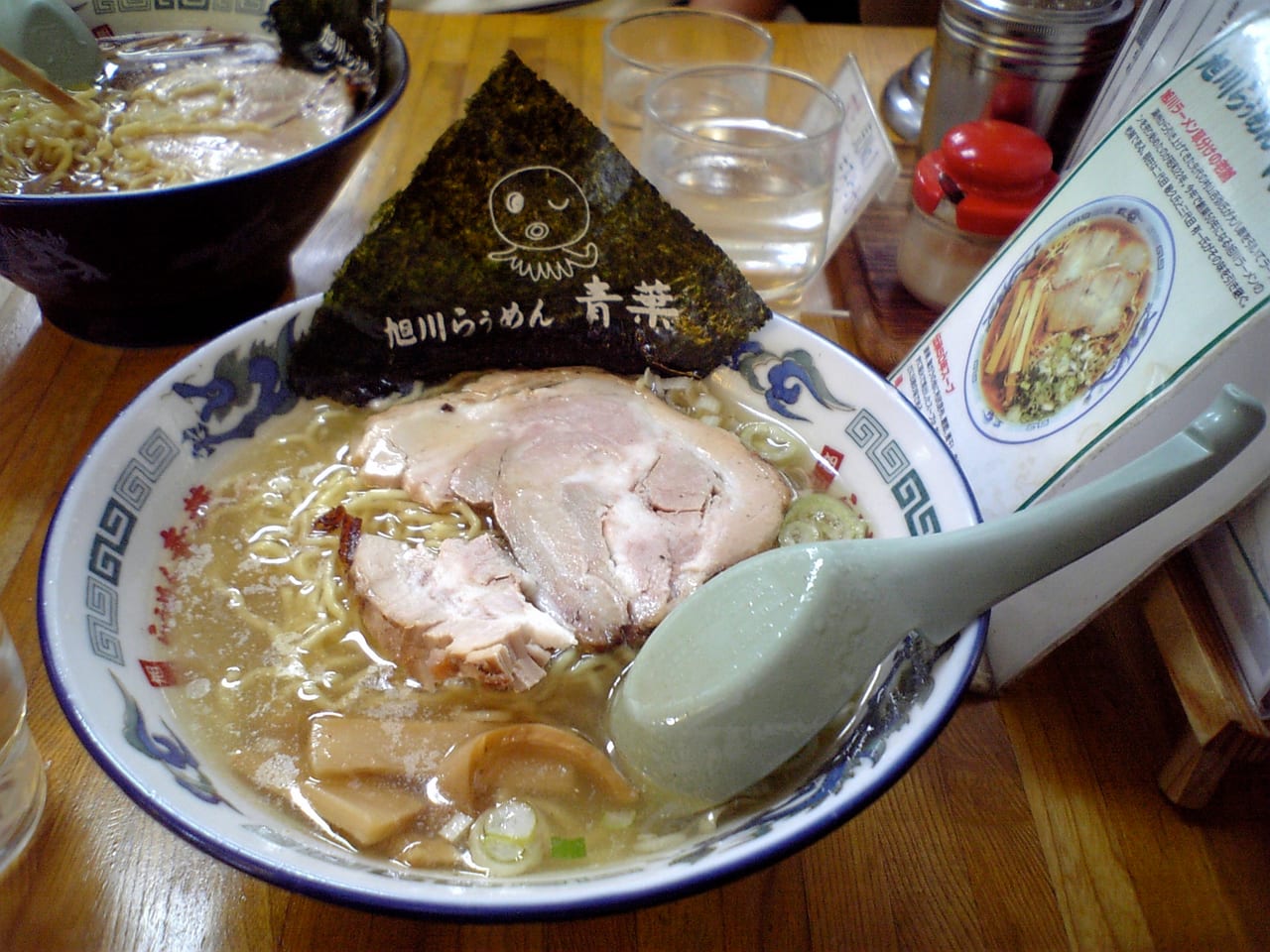
You would be missing out not to have a bowl in Asahikawa. Asahikawa ramen stands alongside Sapporo miso and Hakodate shio as one of Hokkaido's three great styles, and it has a sharp identity: a soy-sauce base fusing pork-bone and seafood broths, fairly thin low-hydration curly noodles, and a deliberate film of lard on the surface to lock in heat — at minus-teens in Asahikawa, that film keeps the noodles scalding long after serving, a trick the climate forced into being. Famous names like Baikohken and Santouka both started here.
To compare several at once, Asahikawa Ramen Village near the station gathers eight local shops together — an ideal way to cap the day after busing back from the zoo. Beyond ramen, Asahikawa is also home to the Otokoyama and Takasago sake breweries, so sake fans can fit in a brewery tour. Come in winter and the city also hosts the Asahikawa Winter Festival with its huge snow sculptures (early February), close in timing to the Sapporo Snow Festival, so you can pair the two.
Pairing in the Biei Blue Pond & Furano
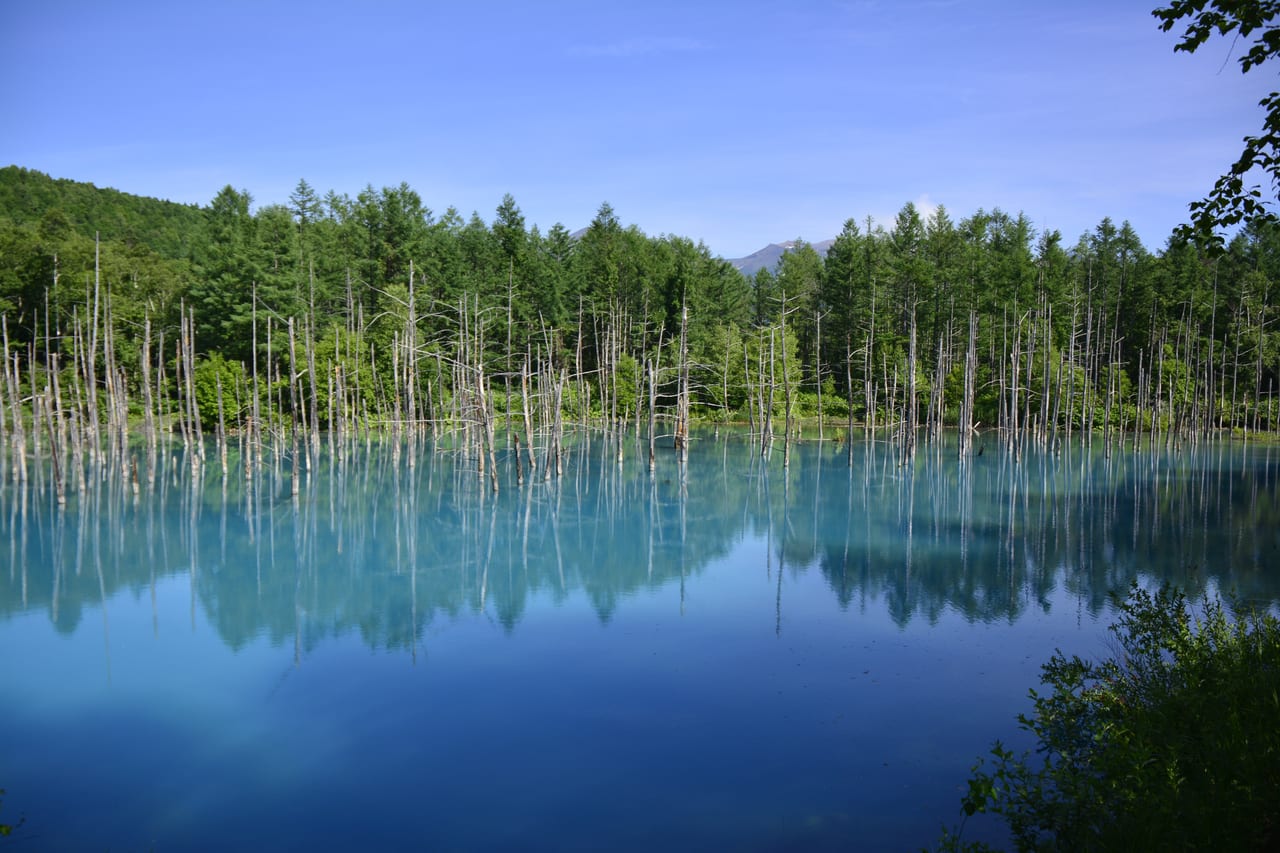
Asahikawa's other identity is the gateway to Biei and Furano. People often ask whether you can do the zoo and the Blue Pond (Shirogane Aoiike) on the same day — technically yes by car, but I would split it over two days rather than force it. The Blue Pond is in Biei, about 50 minutes to an hour by car from central Asahikawa, in a different direction from the zoo on the city's east side; "zoo in the morning, Blue Pond in the afternoon" means a day spent driving.
The relaxed way is to stay a night in Asahikawa and split it into:
- Zoo day: a half-day to full day at Asahiyama Zoo (claiming the penguin walk in winter), capped with Asahikawa Ramen Village.
- Biei–Furano day: in summer, the Furano lavender and Biei's patchwork road and Blue Pond; other seasons, the viewpoints and Shikisai-no-Oka, or snow country in winter. The Norokko scenic train stops for good on 23 September 2026, leaving JR Furano Line locals and limited expresses on this stretch — the full story is in our Furano–Biei Norokko train guide.
The Blue Pond itself is a free, anytime sight (it even has a winter night illumination), and the absence of a KKday product for it does not mean you can't go — you reach it by car, by sightseeing bus, or on a local route bus, so don't worry about that. Treat Asahikawa as your central-Hokkaido base, give the zoo, the ramen, and Biei–Furano each their proper time, and the trip is far more comfortable than racing through it in a single day.
FAQ
- Q1:How much is admission to Asahiyama Zoo, and do I need to book online?
- Per Asahikawa City, it is ¥1,000 for adults (high school and up) and free for junior-high schoolers and younger, with a ¥700 discount rate for Asahikawa residents. It is not a reserve-or-miss-out attraction — just buy at the gate, with no real queue on weekdays. Platforms like KKday and Trip.com sell e-tickets (mostly adult admission) if you want to skip the window or bundle, but that is purely for convenience; you can absolutely walk up and pay. Honestly, for independent travelers, buying on the spot is the simplest option. The zoo also sells its own annual pass (zoo only) for ¥1,400, which pays off if you visit twice in a year.
- Q2:When is the penguin walk, and how many times a day?
- The penguin walk (pengin no sanpo) is winter-only and runs only when there is snow on the ground. Per the official notice, the 2025–2026 season ran from mid-December 2025 to mid-March 2026, held daily during the snow season, with two times a day: 11:00 and 14:30 (in March, usually only the 11:00 walk continues). The route loops roughly 500 meters from the Penguin House to near the event hall and back. Be warned it is weather-dependent — heavy snow, a mild winter with too little snow, or the penguins not being up for it can cancel a given day, so check the zoo's same-day notice on the day you go. While watching: no flash, do not step into the route, and do not touch the penguins or throw snow.
- Q3:Is Asahiyama Zoo better in summer or winter?
- The two seasons are genuinely different zoos, and neither wins outright. Winter is the signature: the winter-only penguin walk, more energetic polar bears in the snow, and the whole snow-globe atmosphere — that is what made it famous across Asia — but winter hours are short (about 10:30–15:30) and the outdoor cold is brutal, so come in proper snow gear. Summer has long hours (open from 9:30 well into the afternoon/evening), animals are more active, and the underwater behavioural exhibits of the seals and penguins are at their best, plus you can chain on the Furano flower fields. My take: if it is your first visit and it happens to be winter, the penguin walk is worth building a Hokkaido trip around; in summer, lead with the behavioural exhibits and the Biei–Furano loop.
- Q4:How do I get from Asahikawa Station to the zoo — how long and how much?
- The simplest way is the Asahikawa Denki Kido bus "Asahiyama Zoo Line" (#41 via 4-jo, or #47 via 10-jo), boarding at stop 6 at the Asahikawa Station bus terminal: about 39 minutes, ¥670 one way for adults (¥340 children), paid on exit. Buses run roughly every 30 minutes with no reservation needed. Note this bus does not take Suica/PASMO or other nationwide IC cards — bring cash or the local Asaca/Do card. By car it is about 30 minutes from central Asahikawa, with a large car park. If you are day-tripping from Sapporo, take the JR limited express to Asahikawa (about 1h25m) and transfer to this bus.
- Q5:What is Asahikawa ramen, and where do I eat it?
- Asahikawa ramen is one of Hokkaido's three great ramen styles, defined by a soy-sauce base with a double broth of pork bone and seafood, fairly thin low-hydration curly noodles, and a layer of lard floating on the soup to lock in heat — which is why it stays scalding long after it reaches your table, a sensible design in freezing Asahikawa. Famous names like Baikohken and Santouka originated here. To compare several at once, head to Asahikawa Ramen Village near the station, where a cluster of local shops sit together — a perfect warm-up stop on the way back from the zoo.
- Q6:Can I do Asahiyama Zoo and the Biei Blue Pond in one day?
- You can, but I would split it across two days rather than cram one. Asahikawa is the gateway to Biei and Furano; the Blue Pond (Shirogane Aoiike) is in Biei, about 50 minutes to an hour by car from central Asahikawa, while the zoo sits on the east side of the city — different directions. By car you could just about manage "zoo in the morning, Blue Pond and the patchwork road in the afternoon," but it is rushed. The relaxed way is to stay a night in Asahikawa: one day for the zoo and Asahikawa ramen, one day for Biei and Furano (flower fields in summer, and the scenic train up to 23 September 2026). For the flower fields and the sightseeing train, see our Furano–Biei Norokko train guide.
Related reading:
Furano-Biei Norokko Train Final Year 2026: Last Summer to Ride
JR Hokkaido has announced 2026 as the final year for the Norokko sightseeing train, with the last run on Sept 23 and daily service through the Sept 19-23 holiday. Timetable, fares, the last-day special diagram, and booking.
Sapporo Travel Guide 2027: Odori Park, Snow Festival & Mt. Moiwa
Hokkaido's gateway and food capital — Odori Park and the Snow Festival, the Clock Tower, Mt. Moiwa's night view, miso ramen, Genghis Khan and soup curry.
Hokkaido Winter 7-Day Itinerary 2026
Sapporo → Otaru → Biei → Hakodate over 7 days, with JR Pass math, how to reach the Furano slopes, and a real two-person budget.