Electronics are where a Japan trip's single biggest purchases happen — and where the savings are most noticeable — and Bic Camera is the electronics chain tourists browse most, with about 59 stores nationwide, easy to find, and mobile payments accepted. The key is its official scan coupon: stack 10% tax-free with up to 7% off and the total reaches around 17%. But there's a catch — some items only get 5% or 3%, and Apple, game consoles and more take no coupon at all. This guide shows how to stack, what's eligible, must-buy electronics and voltage tips, and how to choose between Bic Camera and Yodobashi. For the all-store logic, see our Japan discount coupons guide.
- Max savings: tax-free 10% + scan coupon up to 7% ≈ ~17% (some items 5%/3%)
- Scan coupon: official, shown live online — no app, no screenshots; honored at Kojima too
- Excluded: Apple, imported watches, game consoles & software, some Panasonic/DJI/Fujifilm — no coupon
- Must-buys: beauty appliances, cameras, kitchen appliances — choose "overseas 100–240V" models
- vs Yodobashi: many small items → Bic (scan coupon); one big-ticket item → Yodobashi — and no, Yodobashi has no tourist coupon in 2026, it pays 10% in points instead
📖 Contents
What Bic Camera is & the group
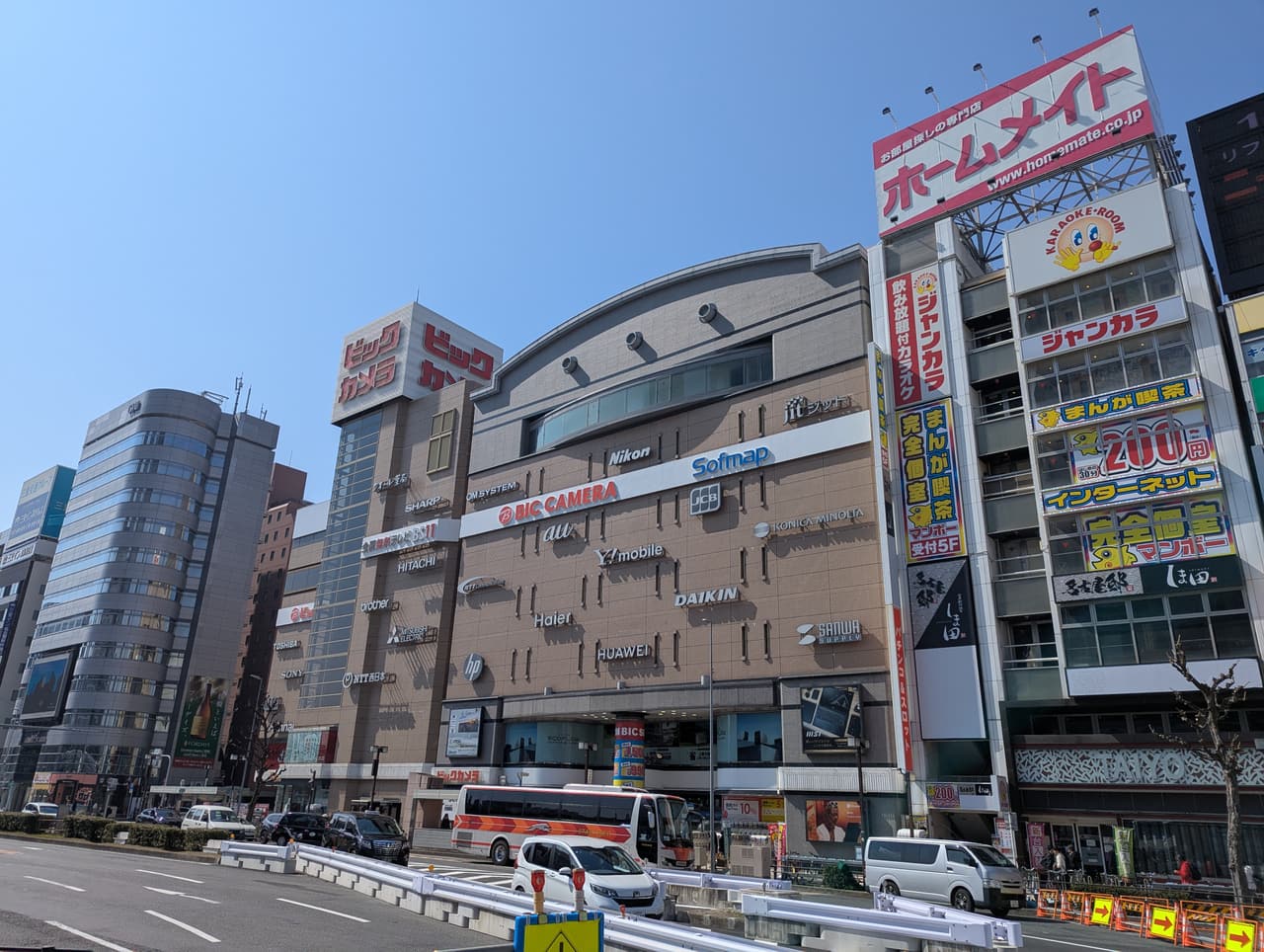
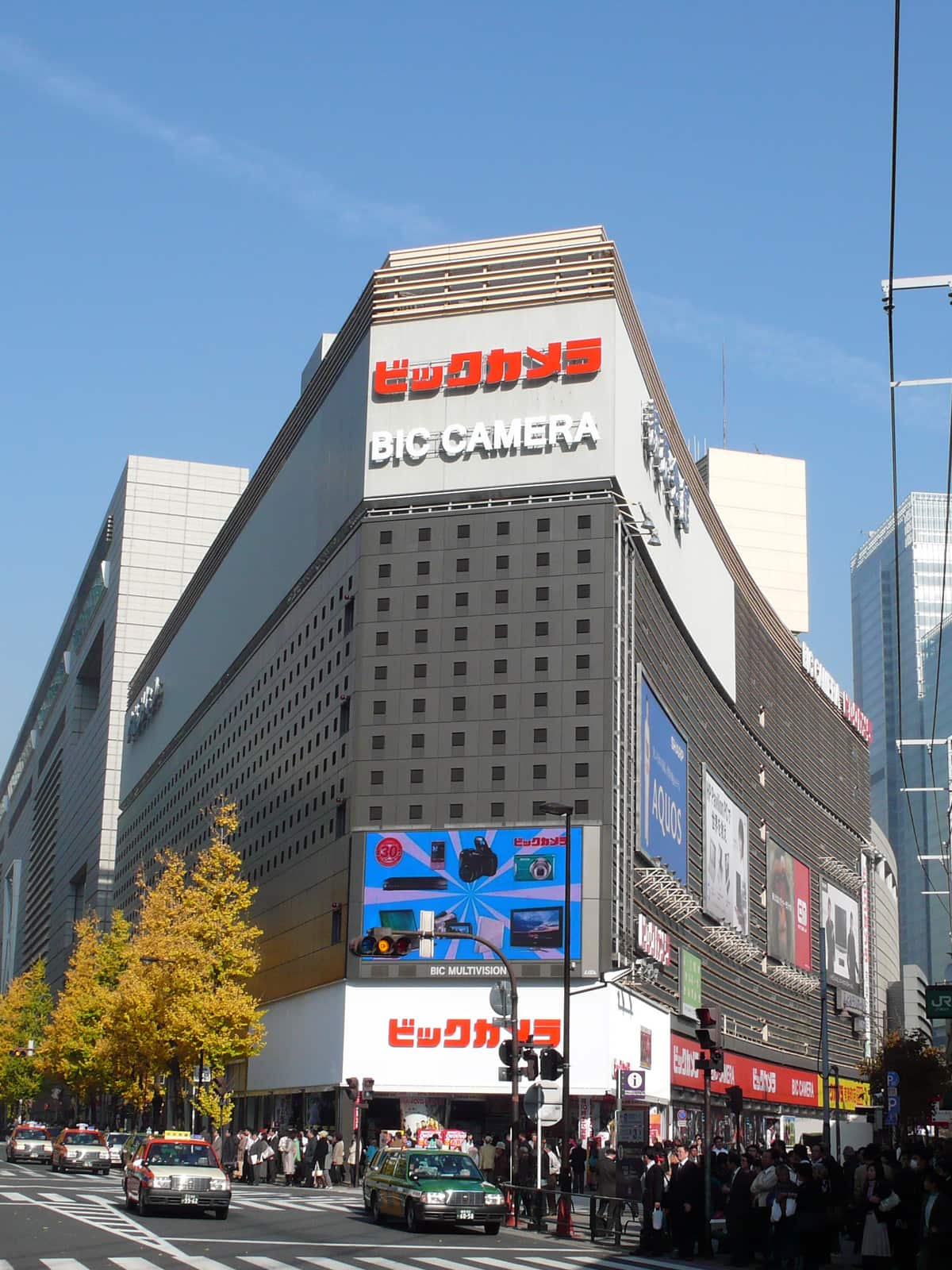
Bic Camera is a major Japanese electronics chain, known for its red signs and earworm jingle. Its model is to take space in buildings beside train stations and keep overall prices low, with around 59 stores, mostly by major stations and very easy for tourists to find. Beyond electronics, branches often fold in cosmetics, alcohol, toys and watches, so one building covers both restocking and electronics.
It's also a big group: it owns Kojima and Sofmap, the scan coupon works at both Bic Camera and Kojima, and points are interchangeable — effectively wider coverage. Bic Camera accepts PayPay and other mobile payments, handy if you pay by phone. There's an online arm ("Air BicCamera") too, but for tourists the point is the in-store tax-free plus scan coupon.
Practically, what makes Bic Camera the default for visitors is location and hours. Because the stores sit inside or next to station buildings, you rarely have to make a special trip — you pass one between dinner and your hotel. Most large branches stay open until around 21:00–22:00, so electronics shopping is the easy thing to slot in at the end of a sightseeing day when temples and museums have closed. The flagships run to several floors — typically cameras and computers on the lower floors, beauty and kitchen appliances mid-building, toys, watches, alcohol and cosmetics above or below — and there's almost always English, Chinese or Korean signage plus multilingual staff at the tax-free counter, so language is rarely a barrier.
How to stack the discounts
Saving at Bic Camera is two discounts stacked:
- Official scan coupon: the Bic Camera scan coupon (issued via LiveJapan, a JNTO-partner platform) — at the register, open the live page on your phone online and show it to be scanned (no app download, no screenshots). The discount is up to 7% off the post-tax-free price — but some items only get 5% or 3%, depending on category.
- Tax-free 10%: present your passport; spend ¥5,000 (pre-tax) at the same store on the same day.
The order is "coupon first, tax-free second," stacking to about 17% total. How much do you save? A worked example: buy a ¥40,000 (pre-tax) beauty appliance that qualifies for the 7% coupon — the tax-inclusive price is about ¥44,000; tax-free saves ¥4,000 and the 7% coupon knocks off about ¥2,800, so you pay roughly ¥37,200, saving about ¥6,800 — a real difference. The scan coupon only opens with a live connection, so check your phone is online before you walk in. Bic has a points card and app too, but points are of limited use to short-term visitors — focus on the scan coupon + tax-free. For the full tax-free system and the Nov 2026 reform, see our Japan tax-free guide.
What's excluded from the coupon (still tax-free): common exclusions are Apple products, imported watches, game consoles and software, some Panasonic items, DJI products, some Fujifilm items, outlet and used goods. To save most with the coupon, target the sweet spot — beauty appliances, cameras and lenses, kitchen appliances; don't expect an extra coupon on Apple or consoles, and confirm at checkout.
How the tax-free counter works: large Bic Camera stores have a dedicated Tax-free Counter — bring your passport, the receipt and the goods. Bought up to 31 October 2026: pricey electronics are “general goods,” the counter hands the tax back on the spot, nothing is sealed and you can use the item before you fly home. Bought from 1 November 2026 (it goes by purchase date, not departure date, with no transition period): you pay the full tax-inclusive price and register your refund method at the till, then on departure day scan your passport at a self-service kiosk landside, before the security checkpoint — and before you check any bags, because official guidance is explicit that checked baggage cannot be retrieved. Customs clears one receipt at a time, so a single missing item voids that whole receipt; you have 90 days from purchase to leave; and the airport pays you nothing — Bic Camera or its refund operator sends the money afterwards. Pay at a normal register first then visit the counter, or at some stores do it on a designated floor — look for the in-store "Tax-free" signs.
Must-buy electronics & voltage
The categories visitors sweep most at Bic Camera (look up the model first):
- Beauty appliances: hair dryers (Dyson, Panasonic Nanocare, ReFa), straighteners/curlers, facial massagers and rollers — the most popular, and squarely in the coupon sweet spot.
- Cameras & lenses: mirrorless bodies, lenses, instax instant cameras, GoPro, drones (note DJI is coupon-excluded).
- Kitchen appliances: Zojirushi/Tiger rice cookers, coffee makers, small appliances — rice cookers are a classic gift.
- Health gadgets: electric toothbrushes (Philips, Panasonic Doltz), shavers, massagers.
- Audio & small gadgets: earphones and headphones, portable speakers, mobile batteries, SD cards — small enough to carry home and frequently cheaper than back home.
A note on price: Japanese electronics are not automatically cheaper than everywhere else, and for global brands (Apple, Sony cameras) the gap can be small once you factor in exchange rates. Where the math genuinely works is Japan-domestic beauty and kitchen appliances — Panasonic Nanocare dryers, ReFa rollers, Zojirushi/Tiger rice cookers — which are cheaper here, sit in the coupon sweet spot, and are hard to find abroad. So don't assume "everything's a deal"; look up the price back home first, then let the tax-free-plus-coupon stack tip a borderline purchase. Big stores often display the post-tax-free price on the tag, but the scan-coupon discount comes off at the register, so the final number is lower than the shelf price suggests.
Voltage and warranty are the biggest traps with electronics — check before you buy:
- Voltage: Japan runs on 100V, and many domestic models are 100V only; back home (often 110–240V) they may run weakly, overheat or fail. For rice cookers, dryers, curlers etc. look for an "overseas-compatible (100–240V)" model, and check the plug shape.
- Warranty: for high-ticket items, confirm whether there's an international warranty, or repairs back home will be hard. Cameras and lenses often have maker warranties; small appliances may not.
- Language/specs: rice-cooker menus and recipes may be Japanese-only and capacity units differ — make sure it suits you before buying.
Bic Camera vs Yodobashi
The two are Japan's electronics-retail giants; here's how they differ for visitors:
| Compare | Bic Camera | Yodobashi |
|---|---|---|
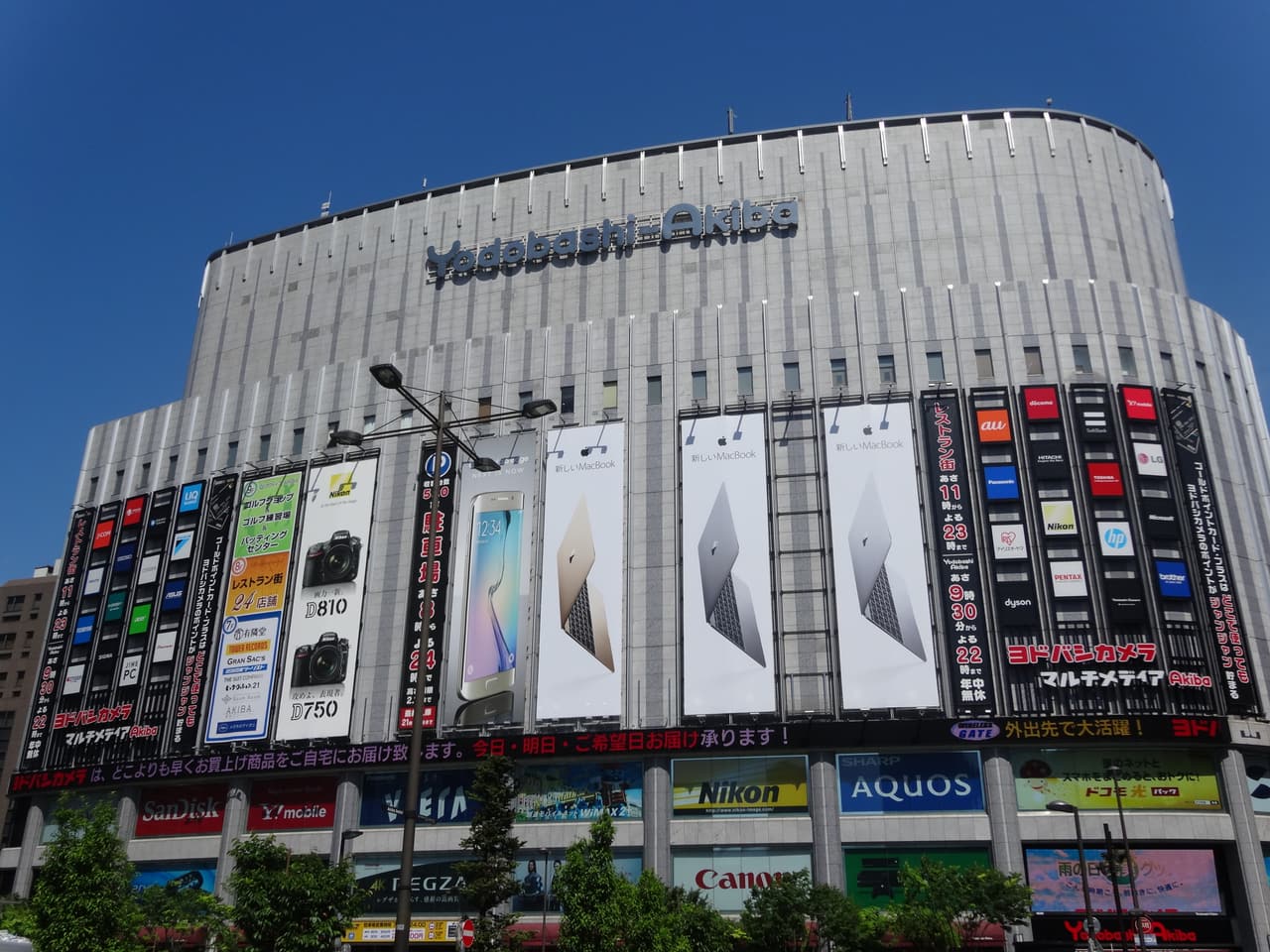
| Branches | ~59, in station buildings, easy to find | ~24, own buildings, each huge |
| Official scan coupon | Yes (up to 7%, works at Kojima) | Mainly tax-free + points |
| Points | Yes, but limited use for visitors | 10% on cash or app-card, 8% bare card; redeemable same day |
| Mobile payment | PayPay etc. supported | Fewer options (cash/card) |
| Group | Includes Kojima, Sofmap | Independent |
Bottom line: if you're buying lots of small items or want a voucher, Bic Camera usually wins — official scan coupon, more easy-to-find branches, easy mobile payment. But if you're buying one expensive item, Yodobashi is the better room: deeper stock to compare models, and its points are worth more than they look.
On that point, because it is widely misreported: Yodobashi's Gold Points are not store credit for a future visit. They are credited at checkout, worth exactly 1 yen each, and redeemable the same day at any Yodobashi, Ishii Sports or Art Sports store. Buy a JPY 110,000 camera and you can pay for your memory cards, filters and spare batteries with the points before you leave the building. The one thing to get right is the payment method — a bare credit card drops you from 10% to 8% unless you use the official app. Full breakdown in our how Yodobashi’s point rate actually works. And don't agonize over the choice: in big cities the two chains are often a few minutes apart, so if a model is out of stock or the price looks off at one, walk to the other.
Best branches
The easiest stores for tourists:
- Tokyo: Yurakucho (a large flagship by Ginza), Shinjuku West/East, the Ikebukuro main store, Shibuya — the city is in our Tokyo 5-day itinerary.
- Osaka: Namba and others — Kansai is in our Osaka & Kyoto 5-day itinerary.
- Elsewhere: Nagoya, Fukuoka Tenjin, Sapporo and other major stations all have one — just look for the red sign beside the station. Most big stores run until around 22:00, so an after-dinner visit works.
A timing tip: do your electronics shopping near the end of the trip rather than day one. You avoid hauling a boxed rice cooker around for a week, and — more importantly — once the November 2026 airport-refund system is in, anything you buy tax-free has to leave Japan with you and may be checked at customs, so buying late keeps the paperwork simple. Leave a buffer before closing time, though: the tax-free counter can build a queue in the last half hour, and at big flagships like Yurakucho or Yodobashi-Akiba you'll want time to compare models without rushing.
Things to watch out for
- Tax-free rules: ¥5,000 (pre-tax) threshold, bring your passport; from 1 November 2026 it switches to a pay-first, refund-later system (what decides it is the purchase date, not your departure date, and there is no transition period) (see our Japan tax-free guide).
- Scan coupon: shown live online, no screenshots — have a signal.
- Voltage & warranty: for pricey electronics confirm overseas compatibility and an international warranty so it works back home.
- Excluded items: Apple, imported watches, game consoles and software, some Panasonic/DJI etc. don't take the coupon — confirm before buying.
Get the "scan coupon + tax-free" routine down and the savings on a pricey appliance add up fast. For snacks and sundries see our Don Quijote coupon guide, and for every store's coupon, our Japan discount coupons guide and the coupons hub.
Frequently Asked Questions
- Q1:How do I get a Bic Camera coupon, and how big is the discount?
- The best value is the official authorized scan coupon (issued via LiveJapan, a JNTO-partner platform) — at the register, open the live coupon page on your phone online and show it to be scanned; no app download, no screenshots. The discount is, on top of 10% tax-free, up to 7% (calculated on the post-tax-free price), though some items only get 5% or 3%. Group sibling Kojima honors the same coupon. Discounts change, so check the official coupon page for current terms.
- Q2:Which items are excluded from the coupon?
- Know up front that many high-ticket or specific brands are excluded from the coupon (still tax-free): common exclusions include Apple products, imported watches, game consoles and software, some Panasonic items, DJI products, some Fujifilm items, outlet and used goods. In other words, the sweet spot for the coupon is beauty appliances, cameras and lenses, kitchen appliances and Japanese small appliances. Don't expect an extra coupon discount on Apple or game consoles — confirm at checkout.
- Q3:Can I use tax-free and the coupon together, and in what order?
- Yes. At checkout, show the scan coupon first (3–7% off), then do tax-free (removes 10% consumption tax); they apply to the item price and the tax respectively and don't conflict, stacking to about 17% total on coupon-eligible items at the 7% tier. (⚠️ Bought from 1 November 2026, the coupon is still instant but the 10% is paid back by the shop after you leave, not deducted at the till.) For tax-free, bring your passport and spend ¥5,000 (pre-tax) at the same store on the same day. The full stacking logic is in our Japan discount coupons guide.
- Q4:What should I buy, and do I need to worry about voltage?
- Popular picks: (1) beauty appliances — hair dryers (Dyson, Panasonic Nanocare, ReFa), curlers, facial massagers; (2) cameras and lenses — mirrorless bodies, lenses, instax, GoPro; (3) kitchen appliances — Zojirushi/Tiger rice cookers, small appliances; (4) health gadgets — electric toothbrushes, shavers. Always check the voltage: many Japan-domestic models are 100V only and may run weakly or need a converter at home; for rice cookers, dryers etc. look for an "overseas-compatible (100–240V)" model and confirm international warranty.
- Q5:Bic Camera or Yodobashi — which should I pick?
- It depends what you are buying. Bic Camera has ~59 stores (easy to find), an official scan coupon (up to 7%), supports PayPay and other mobile payments, and its group includes Kojima and Sofmap — best for lots of small items. Yodobashi has fewer but far larger stores with deeper stock, and pays 10% in Gold Points on cash or app-linked card payments (only 8% on a bare credit card) — points that are redeemable the same day, so they work well when you buy one expensive item and then spend the points on accessories. See our whether Yodobashi has a tourist coupon for the full rules.
- Q6:Anything else to watch out for at Bic Camera?
- A few things: (1) tax-free threshold is ¥5,000 (pre-tax) and you need your passport; from 1 November 2026 (by purchase date, not departure date) you pay tax-inclusive at the till and the shop refunds you after customs confirms the goods at departure — that check happens landside before security and before bag drop, and it clears one receipt at a time, so one missing item voids the lot (see our Japan tax-free guide); (2) the scan coupon must be shown live online, no screenshots — have a signal; (3) for pricey electronics, confirm an international warranty and voltage compatibility; (4) excluded items (Apple, game consoles, etc.) don't take the coupon — check before buying.