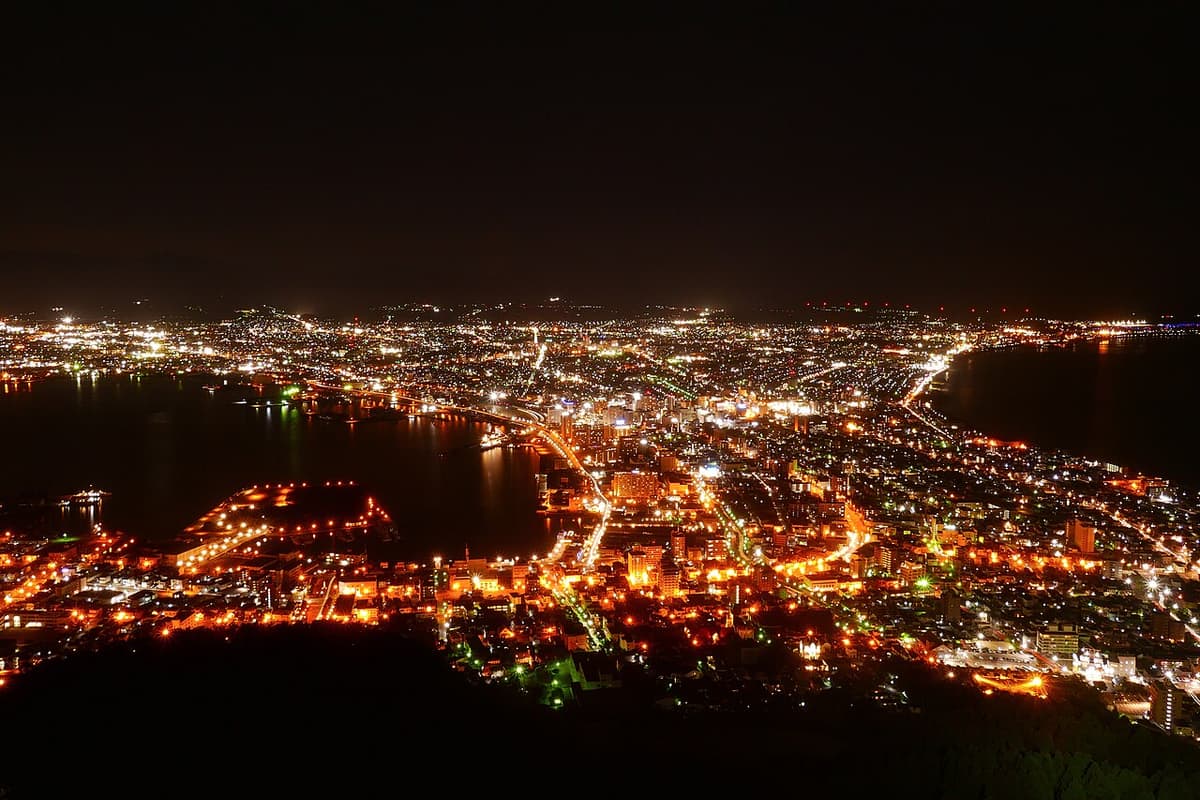
The Mt. Hakodate Ropeway shuts completely for 20 days from October 20 to November 8, 2026 — and from 11:00 on November 9 the road up the mountain closes to buses, taxis and cars until April 12, 2027 (planned). If you're in Hakodate in late October or early November, you need to read those two together. This guide sets out the hours, closure dates, where to check wind and fog, every way up by month, whether to pre-buy tickets and when the night view is busiest, based on notices from the ropeway company, Hakodate City and Hakodate Bus (checked September 14, 2026).
- Closure: Oct 20–Nov 8, 2026 (summit deck still open 10:00–21:00), plus occasional single-day maintenance with a late first ride
- Hours: Apr 20–Sep 30 10:00–22:00 (last up 21:30); Oct 1–Apr 19 10:00–21:00 (last up 20:30)
- Winter: road closed to all vehicles Nov 9, 11:00 to Apr 12, 2027 (planned) — the ropeway is the only way up
- Wind and fog: no published stoppage threshold; check the live status, and weather stoppages aren't refunded
- Night view: the operator suggests riding up about an hour after the night view appears
- Fare: adult round trip ¥1,800; e-tickets give no discount or priority
Table of contents
When is the Mt. Hakodate Ropeway closed?
From Tuesday, October 20 to Sunday, November 8, 2026 — 20 days. This is the annual statutory maintenance, which the ropeway company announced on April 6, 2026. The summit observation deck stays open from 10:00 to 21:00 during the closure; you just need another way up, and those only run until early November (see the table below). Outside this period there are occasional single-day maintenance changes, such as September 17, 2026, when the first ride moves to 14:00. These appear in the news list on the ropeway's website, so check it a week before you go. As of September 14, 2026.
What are the Mt. Hakodate Ropeway hours?
10:00 to 22:00 from April 20 to September 30, and 10:00 to 21:00 from October 1 to April 19; the last rides up are 21:30 and 20:30.
| Period | First ride | Last up | Last down |
|---|---|---|---|
| Apr 20 – Sep 30 | 10:00 | 21:30 | 22:00 |
| Oct 1 – Apr 19 | 10:00 | 20:30 | 21:00 |
| Oct 20 – Nov 8, 2026 | Closed | ||
Cars run every 15 minutes (on the hour, :15, :30 and :45), or every 5-10 minutes when busy; the ride takes about 3 minutes and the gate closes 1 minute before departure. In summer, ticket gates close at 21:29, so buy before 21:28. The operator notes that hours can change for weather, maintenance or the timing of the winter road closure.
When is the Mt. Hakodate night view busiest?
Crowds build from about an hour before sunset and peak about 30 minutes after the night view appears; the ropeway company recommends going up about an hour after the night view appears. On weekends, holidays and in peak season the queue up at night-view time is often 30 minutes or more, and the queue down can reach about an hour; when waits pass 20 minutes, both stations queue outdoors. The status panel on the official homepage shows the day's sunset time, the time the night view appears and the live wait at the base station — add an hour to that. At the top, Isaribi Park, to the left as you exit the ropeway, is relatively quiet. The ropeway has no partner or free car park, and route buses may be too full to board.
Does wind or fog stop the Mt. Hakodate Ropeway?
Weather can change operations, but no wind-speed threshold is published, so you can only check on the day. The "operating status" panel on the ropeway's homepage and its Mt. Hakodate info page (334.co.jp/mtinfo/) shows the current interval and wait, with a live camera of the summit. Under the English conditions of carriage, a temporary stoppage caused by wind, rain, snow, fog, thunder, earthquake or power failure is not refunded (the Japanese version takes precedence). If you only have one night in Hakodate and it's foggy, that's it — leave a second evening free if you can.
How do I get up Mt. Hakodate when the ropeway is closed?
By the Tozan Bus or taxi until early November; after the road closes at 11:00 on November 9, nothing on wheels goes up.
| Period (2026–27) | Ropeway | Tozan Bus | Taxi / tour bus | Private / rental car |
|---|---|---|---|---|
| Apr 20–Sep 30 | 10:00–22:00 | Yes (from Apr 13) | Yes | Banned 17:00–22:00 |
| Oct 1–Oct 19 | 10:00–21:00 | Yes | Yes | Banned 16:00–21:00 |
| Oct 20–Nov 8 | Closed | Yes, until "early November" | Yes | Banned 16:00–21:00 |
| Nov 9–Apr 12, 2027 | 10:00–21:00 | No (road closed) | No (road closed) | All vehicles banned |
The Tozan Bus (Hakodate Bus Route 1) leaves from stop 4 in front of Hakodate Station and takes about 30 minutes; adults ¥700, children ¥350. The 2026 season runs from April 13 to "early November" with no exact last day given, so don't assume it runs through November 8 — check Hakodate Bus's notices. The bus-and-tram 1-day and 2-day passes aren't valid; Hakodate Bus's own "Kanpass" day ticket and nationwide transit IC cards are. During restricted hours, private and rental cars can't use the road or the summit car park and must be back down before restrictions start; buses and taxis may pass. Motorcycles are never allowed. The "Hakodate Yakei-go" sightseeing bus is reservation-only.
How do I get up Mt. Hakodate in winter?
Only by ropeway. Hakodate City closes the road to all vehicles from 11:00 on November 9, 2026 to 11:00 on April 12, 2027 (planned). The ropeway runs its October 1–April 19 hours, 10:00 to 21:00 with the last ride up at 20:30, though the operator may adjust them around the road closure. The ropeway shuttle bus (Hakodate Bus Route 2) runs year-round to the base station — not the summit — in about 11 minutes for adults ¥250 or ¥280 depending on the stop; its winter timetable changes, and it stops whenever the ropeway does. For fitting Hakodate into a winter trip, see our 7-day Hokkaido winter itinerary.
Should I buy Mt. Hakodate Ropeway tickets in advance?
You don't need to. Buying ahead only skips the ticket line — no discount, no priority boarding, and you still queue for the car. Adults (junior-high and up) pay ¥1,800 round trip or ¥1,200 one way; children ¥900 round trip or ¥600 one way. Ages 0-2 ride free, and each adult may bring one preschooler aged 3 or over free.
- Official e-ticket (Webket): round trip, QR code by email, straight to the gate, valid 90 days from purchase, requires Webket registration; the operator states it is not priority boarding, has no dedicated line and is not discounted.
- FamilyMart: JTB convenience-store tickets from the in-store multi-copy machine, no exchange needed.
- KKday: round trip scanned once each way, valid 90 days from issue, no cancellations or changes, no priority boarding, no refund for low visibility from fog or snow.
See Mt. Hakodate Ropeway round-trip tickets on KKday →
How do I get from Hakodate Station to the ropeway base station?
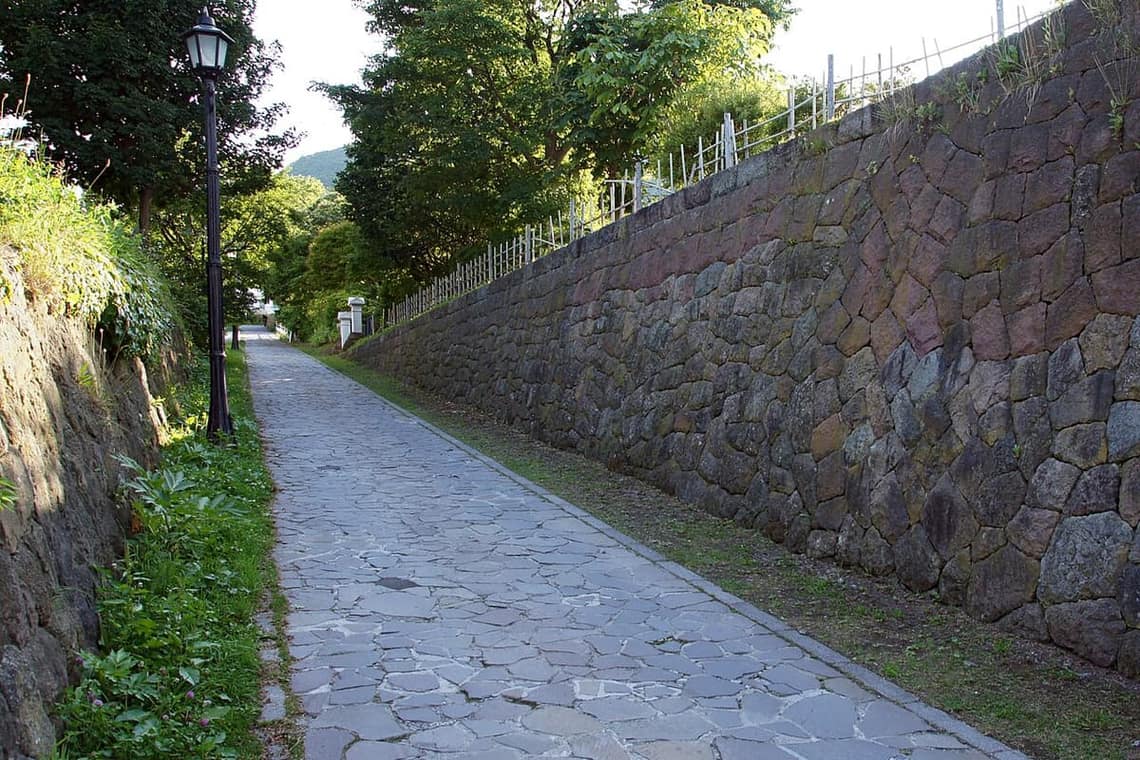
About 10 minutes by taxi or about 25 minutes by tram; in the evening the ropeway shuttle bus takes about 11 minutes. From Hakodate Airport a taxi takes about 30 minutes. The base station is in Motomachi, so you can wander its slopes before riding up.
For getting to Hakodate from Tokyo or Sapporo and choosing a rail pass, see our Hokkaido JR Pass guide; for Hokkaido's main city, our Sapporo guide.
Frequently Asked Questions
- Q1:When is the Mt. Hakodate Ropeway closed in 2026?
- From Tuesday, October 20 to Sunday, November 8, 2026 — 20 days of statutory maintenance. The summit observation deck stays open 10:00 to 21:00, but you need another way up. There are also occasional single-day maintenance changes where the first ride moves to the afternoon, such as 14:00 on September 17, 2026 (as of September 14, 2026).
- Q2:Can I still get up Mt. Hakodate when the ropeway is closed?
- Until early November, yes: the Mt. Hakodate Tozan Bus runs from Hakodate Station in about 30 minutes, and taxis can drive up. The bus operator only says it runs until "early November", so check its notices for the last day. From 11:00 on November 9, 2026 the summit road closes to all vehicles until April 12, 2027 (planned), leaving the ropeway as the only way up.
- Q3:Can I get a refund if fog hides the night view?
- No. Under the ropeway's English conditions of carriage, a temporary stoppage caused by wind, rain, snow, fog or thunder is excluded from refunds, and KKday's ticket page also says low visibility from fog or snow is not refunded. On foggy evenings, check the live camera on the official site before buying.
- Q4:What time is the last ropeway up Mt. Hakodate?
- From April 20 to September 30 the last ride up is 21:30 (last down 22:00); from October 1 to April 19 it is 20:30 (last down 21:00). The first ride is 10:00. Maintenance or weather can change the day's hours.
- Q5:Does a pre-bought ropeway e-ticket let me skip the queue?
- Only the ticket-buying queue. The ropeway company says its e-ticket gives no priority boarding, has no dedicated line and is not discounted. At night-view times the queue up is often 30 minutes or more, and the queue down can reach about an hour.
- Q6:Can I drive up Mt. Hakodate?
- Only outside restricted hours. Private and rental cars are banned from 17:00 to 22:00 between April 17 and September 30, 2026, and from 16:00 to 21:00 between October 1 and November 8, including the summit car park. From 11:00 on November 9 the road is closed to all vehicles for winter. Motorcycles can never use the road.