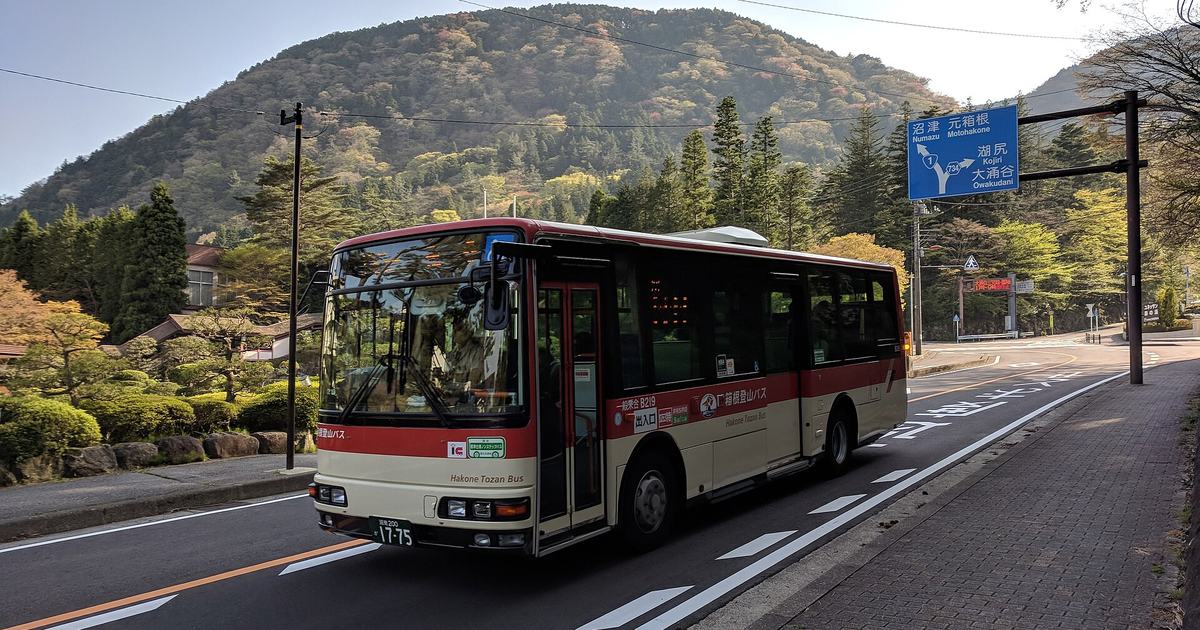
Four and a half hours. That is how long buses from Hakonemachi Port toward Hakone-Yumoto and Odawara stopped running on the outbound day of the last Hakone Ekiden. This guide is not about which university wins. It is about what happens to you on 2 and 3 January 2027 if you are in Hakone and have no intention of watching a road race: Hakone does not become unreachable, but the driving version of Hakone stops working for a few hours, and if you travel by train, cable car, and boat, exactly one leg of your day breaks. Below: the mountain-section restriction windows, the bus suspensions section by section, the directional crush at Hakone-Yumoto Station, and a longer restriction that has nothing to do with the race at all.
A note on dates before anything else. The organisers have published the date and course for the 103rd running (2 and 3 January 2027), but not one traffic-regulation document for that edition has been released yet. Every clock time in this guide comes from the 102nd running (January 2026) official PDFs and is here to show you the shape of the day. The pattern repeats reliably year to year; the exact minutes shift. Check the sources listed at the end before you travel.
- The warning is aimed at drivers, not at everyone. The official English text asks motorists to keep off the course roads and then tells spectators to come by public transport.
- What breaks is the bus, not the whole loop. Last year on 2 January, buses from Hakonemachi Port toward Hakone-Yumoto and Odawara were suspended 10:00–14:30 — the exact direction most itineraries use to finish.
- The two days are not symmetrical. On the outbound day buses genuinely stop; on the return day the operator lists no suspensions, only possible delays.
- The station crush has a direction. Officials state that after the runners pass, Odawara-bound trains may be too full to board. That is 09:30–14:00 on the 2nd but only 07:30–09:30 on the 3rd.
- There is a second restriction nobody mentions. The lakeside road by Hakone Shrine runs one-way from the evening of 31 December through 3 January, for longer hours than the race itself.
📖 Contents
- Does any of this apply to you?
- Which roads close, and when
- Does the Hakone Free Pass still work?
- The two days, side by side
- Will Hakone-Yumoto Station be too full to board?
- How drivers get around it
- If you want to visit Hakone Shrine too
- If you actually want to watch the race
- What is different about the 2027 running
- FAQ
- Appendix: official Japanese source text
Does any of this apply to you?
Only really if you have a car. The organisers publish a PDF titled, in Japanese, a notice to visitors, and its second page is the official English version. The addressee is stated without ambiguity: drivers are asked to refrain from using those roads on the days of the Ekiden. The English version of the Tokyo regulation sheet from the same edition goes further and tells readers to use public transport when they come to cheer the runners on. What the organisers want to suppress is traffic volume through the mountains, not the number of people in Hakone.
That distinction decides how you should react. If you spent New Year's night in a Hakone ryokan and check out on the morning of 2 January to head back to Tokyo, you do not need to cancel anything — you need to re-time it. If you are driving up the mountain in a rental car, you do genuinely need to redraw the route, and you need to include the expressway interchanges, which the organisers list in the same PDF.
One counterintuitive line comes straight from the organisers: even the oncoming lane, the one that is not under restriction, jams up every year with sightseeing traffic. So the instinct that says "just stay off the closed side and you're fine" is wrong. On those two days on the mountain, it is not only the closed half that stops moving.
Which roads close, and when
The mountain section is restricted roughly 11:00–14:00 on the outbound day and 07:30–09:30 on the return day. That pair of windows comes from the header of the organisers' visitor notice, and it is one of the few summary figures here with direct official wording behind it.
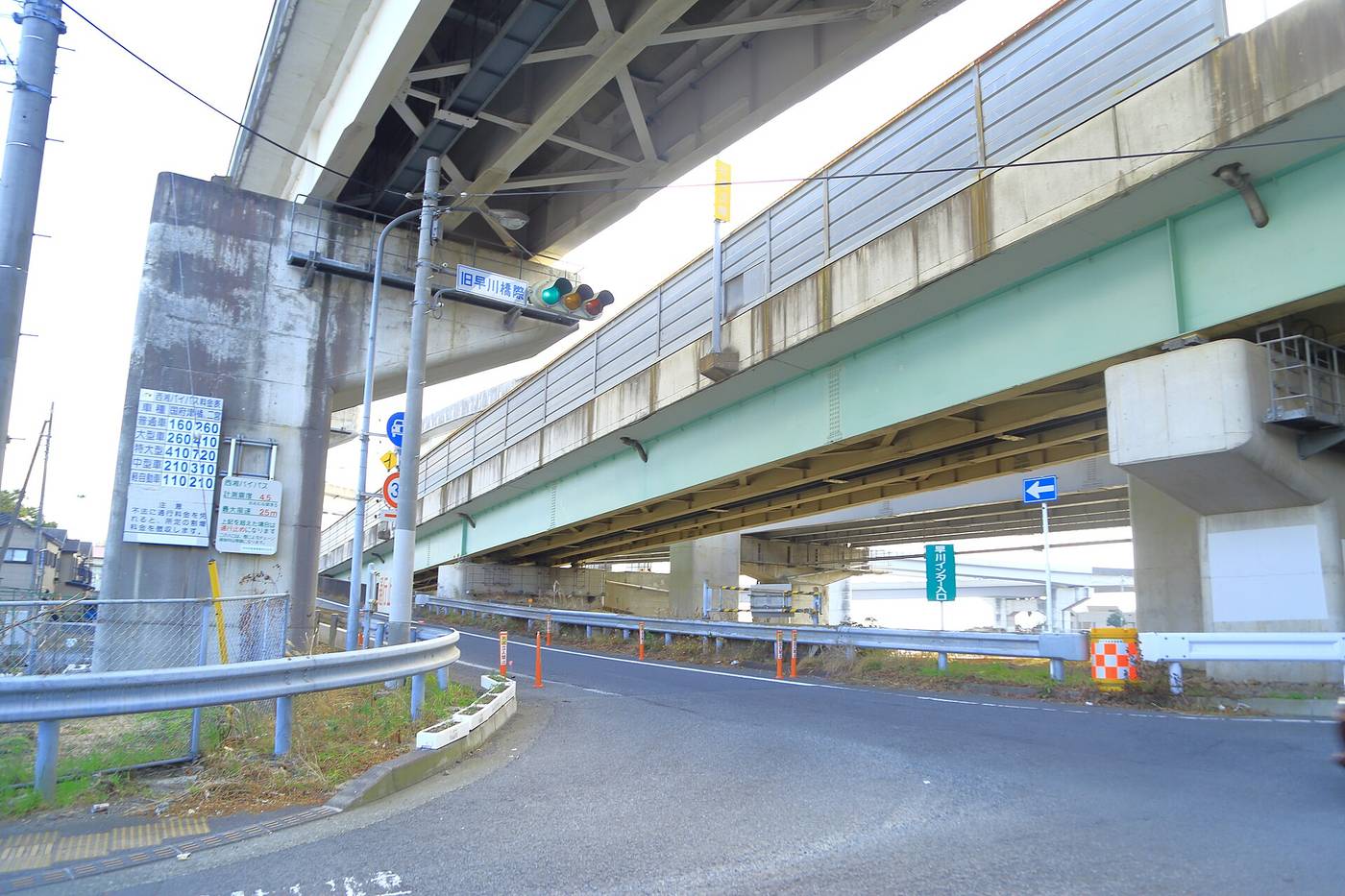
The road being closed is National Route 1, from around Hayakawaguchi through the Hakone mountain section to the finish area at Lake Ashi. The full Kanagawa Prefecture course is considerably longer: it starts on Route 15 at Rokugobashi, follows Route 1 through Yokohama, Hodogaya, Totsuka, transfers to the Totsuka-Chigasaki prefectural road toward Fujisawa, runs Route 134 along the coast to Oiso, then rejoins Route 1 from Oiso Station entrance through Oyagibashi, Hayakawaguchi, Miyanoshita, to Hakone Sekisho-minami. The return day is the same road in reverse.
A few hard rules are worth carrying in your head. The runners move at roughly 20 km/h. Vehicles travelling towards the runners cannot turn right or make a U-turn from three minutes before a runner passes. Stopping and parking are banned along the entire course. Following the runners to cheer them from a vehicle is prohibited. And the organisers explicitly note that restriction times may be extended or shortened depending on how the race unfolds — so treat every clock time above as a band, not a boundary.
Large vehicles and bicycles get a separate, harder rule
On the outbound day, Route 1 from around Yamazaki IC to the Lake Ashi finish was closed to large vehicles from 10:45 to 13:00 last year. The regulated categories are listed as large motor vehicles, specified medium motor vehicles, large special-purpose vehicles — and ordinary bicycles. The organisers add that anything with a seating capacity of eleven or more counts, so microbuses and tour coaches cannot get through either.
The bicycle clause, combined with the Turnpike rules further down, produces a genuine dead end. I come back to it in the detour section.
The expressway interchanges themselves close
Per last year's Kanagawa regulation PDF, the interchanges closed on the outbound day were Hakoneguchi IC on the Odawara-Atsugi Road; Hakoneguchi, Hayakawa, Odawara, Sakawa, Kozu, Tachibana, Seisho-Ninomiya, Oiso-nishi, and Oiso-higashi on the Seisho Bypass; and Chigasaki-kaigan IC on the Shin-Shonan Bypass. On the return day the same Seisho interchanges are listed in reverse order, and the Shin-Shonan section widens to the stretch from Chigasaki-nishi to Chigasaki-kaigan.
In plain terms: if your plan is to escape the jam by getting onto the expressway near Odawara, the nearest on-ramps are the ones that are shut. The same document also names the congestion points the police expect. Outbound: the Kamiyabe area of the Yokohama Shindo southbound, the Hodogayabashi area of Route 1 southbound, and the Fujisawabashi area of the Totsuka-Chigasaki road southbound. Return: the Hakoneguchi IC area of the Odawara-Atsugi Road, the Totsuka police station area of Route 1 northbound, and the Fujisawa Bypass exit northbound.
Does the Hakone Free Pass still work?
Trains, cable cars, and the cruise all run; the bus leg is what breaks. The official regulation map draws the Hakone Tozan Railway as a separate line from Route 1, because what is being closed is a road. So the sequence of mountain railway to Gora, cable car to Sounzan, ropeway over Owakudani, and pirate ship across Lake Ashi — rail, cable, and water — is entirely off the course.
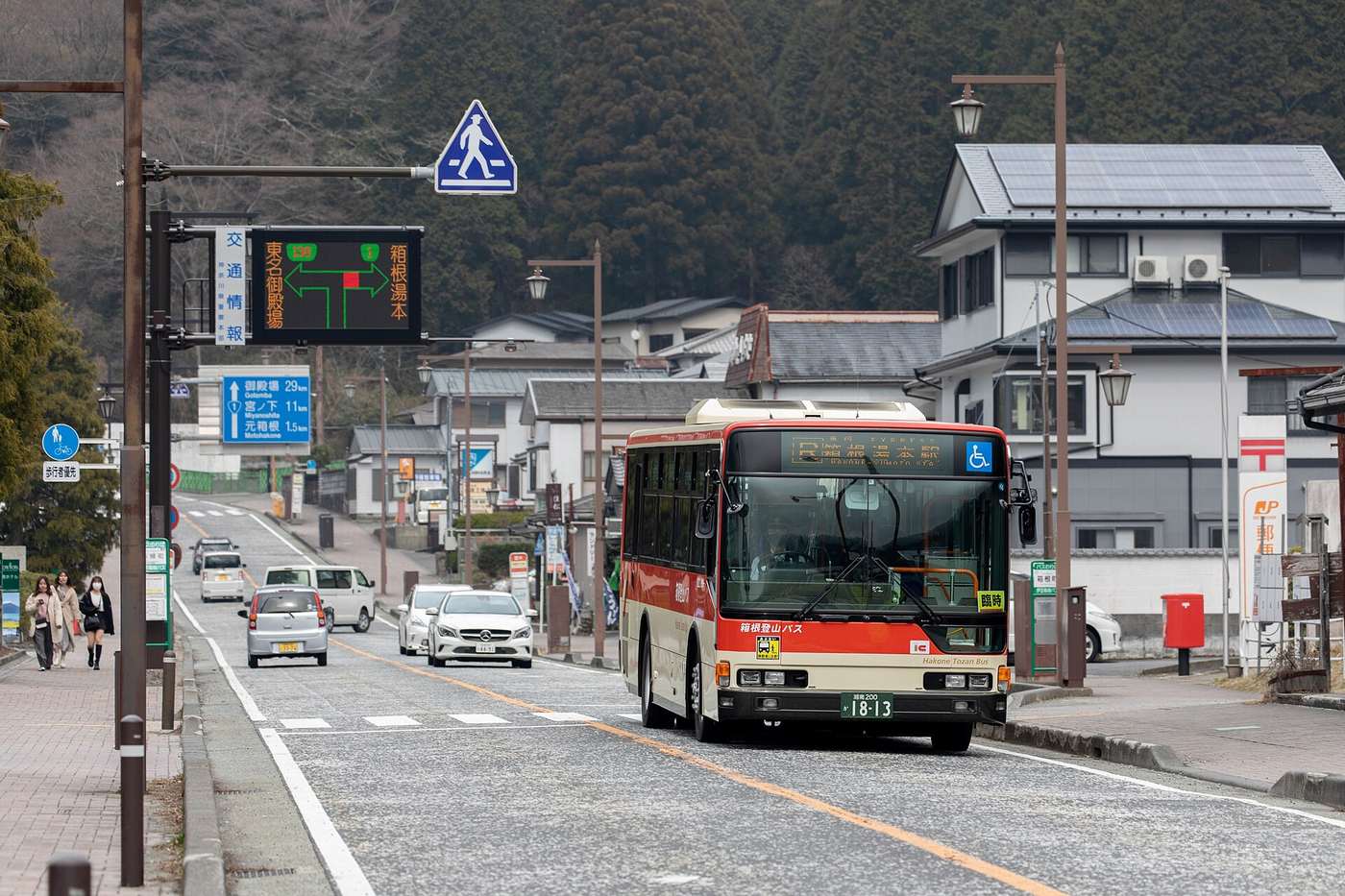
The failure is at the end. In the large-vehicle regulation PDF, the organisers write that bus routes will see suspensions, diversions, and partial-section suspensions, and ask passengers to check each service. The bus operator then publishes its own table, section by section and hour by hour. Last year's went out on 24 December 2025. Four sections:
| Suspended section (2 January, last edition) | Suspension window |
|---|---|
| Odawara Station → Hakonemachi / Togendai direction | approx. 10:00–13:00 |
| Hakone-Yumoto Station → Hakonemachi / Togendai direction | approx. 10:45–13:00 |
| Hakonemachi Port → Hakone-Yumoto / Odawara direction | approx. 10:00–14:30 (the longest) |
| Togendai → Hakone-Yumoto / Odawara direction | approx. 10:45–13:00 |
Look at the third row. That bus, from Hakonemachi Port back toward Hakone-Yumoto and Odawara, is the leg both of our Hakone guides describe as the way to close the loop. In the golden loop itinerary it appears as step six; in the elevation-by-elevation foliage route it is the "mountain bus back to Yumoto" at the end. Neither carries a date condition, and following either on 2 January leaves you stuck at the lake.
So on that day, draw the route as an out-and-back rather than a loop: from Togendai or Motohakone, take the ropeway back to Sounzan, the cable car down to Gora, and the mountain railway down to Hakone-Yumoto. All of it is inside the Free Pass, and none of it touches Route 1. Note the trap in the detail: the Togendai bus toward Hakone-Yumoto and Odawara is on the suspension table too (10:45–13:00), so the return has to go by cable and rail, not by bus from Togendai.
The pass itself is still worth buying. The Shinjuku two-day adult price is ¥7,100, covering the Odakyu round trip plus eight modes inside Hakone. If you intend to ride the outbound half of the loop, it pays off as usual — you simply do not use the bus entry that day.
Two limits to be honest about. First, this table does not appear every year. For the edition before last (January 2025) there is no equivalent notice in the same news listing; the closest item that year was a general New Year timetable announcement that does not contain the word Ekiden at all. So do not assume "they always post it in December, just check then" — check the race-suspension notices and the New Year timetable notices together. Second, nothing has been published for the 103rd running yet; based on precedent, expect it in late December.
The operator also attaches three disclaimers, all pointing in the unhelpful direction: services may be suspended or turned back at an intermediate stop depending on conditions on the day; the restriction windows may shift earlier or later; and delays can occur outside the restriction windows because of ordinary congestion. Build your buffers with all three in mind.
The two days, side by side
The outbound and return days are not the same event. On 2 January buses genuinely stop; on 3 January the operator lists no suspensions and only warns of delays. The table below lays both days out. The colours are severity: 🔴 closed or suspended, 🟡 delays or crowding likely, 🟢 running normally.
| Item | 2 January (outbound) | 3 January (return) |
|---|---|---|
| Route 1, mountain section | 🔴 approx. 11:00–14:00 | 🔴 approx. 07:30–09:30 |
| Large vehicles + ordinary bicycles | 🔴 Yamazaki IC area to Lake Ashi, 10:45–13:00 | No equivalent restriction listed |
| Buses toward Hakonemachi / Togendai | 🔴 From Odawara 10:00–13:00; from Hakone-Yumoto 10:45–13:00 | 🟢 Not listed |
| Buses toward Hakone-Yumoto / Odawara | 🔴 From Hakonemachi Port 10:00–14:30; from Togendai 10:45–13:00 | 🟡 Both routes may run off schedule |
| Hakone-Yumoto Station | 🟡 09:30–14:00; Odawara-bound trains may be unboardable | 🟡 07:30–09:30 |
| Expressway interchanges | 🔴 Hakoneguchi and 10 others closed | 🔴 Same group plus Chigasaki-nishi to Chigasaki-kaigan |
| Railway, cable car, ropeway, cruise | 🟢 Not on the course | 🟢 Not on the course |
| Hakone Shrine lakeside road (New Year visits) | 🔴 One-way 10:00–16:00 | 🔴 One-way 10:00–16:00 |
The Tokyo end runs on the opposite rhythm: the start area is restricted 06:00–09:00 on 2 January, and the finish area 12:00–15:00 on 3 January. If you are staying in central Tokyo near the Yomiuri Shimbun building at Otemachi, those are the windows that matter to you. For how the whole New Year period fits together, see the three-day Tokyo New Year plan.
Will Hakone-Yumoto Station be too full to board?
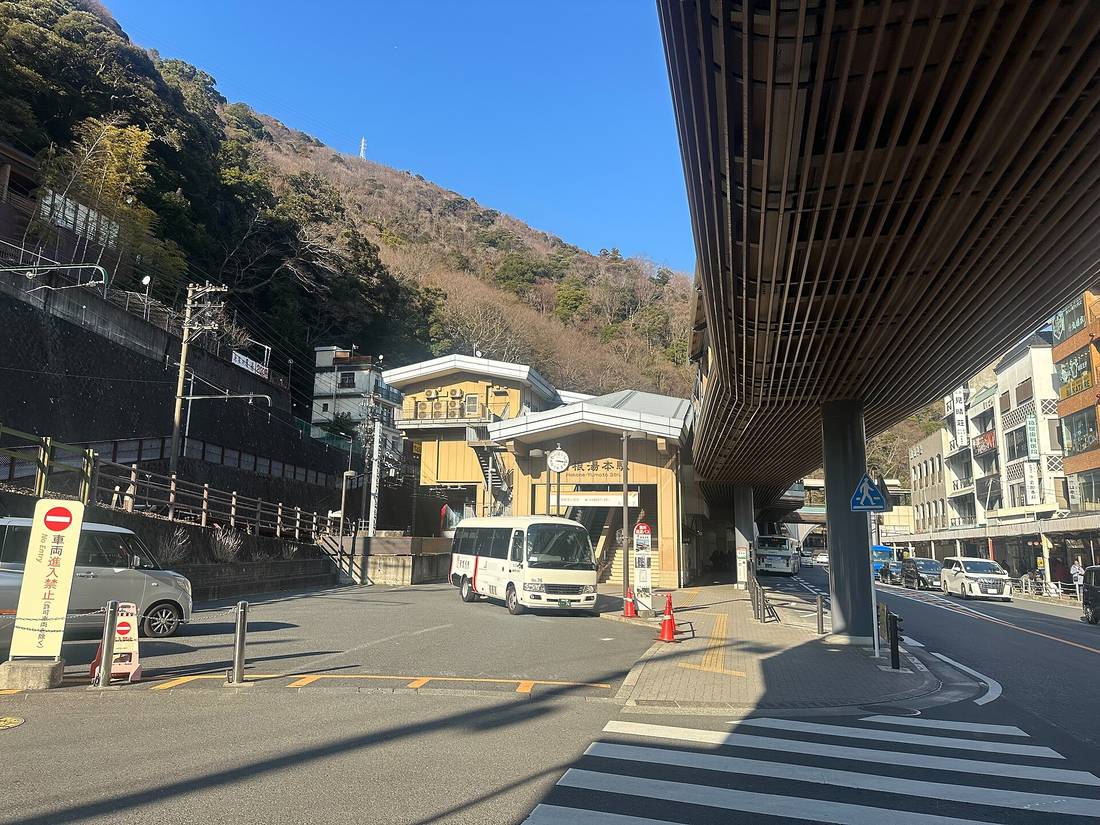
Yes, and the crush is specifically in the Odawara direction. The station-by-station PDFs say it plainly: after the runners pass, Odawara-bound trains may be full to the point that you cannot board, and boarding may take time. The same sheet warns that if you alight at Hakone-Yumoto, the Odawara-bound platform gets extremely crowded and entry restrictions may be imposed.
The congestion windows officials published last year:
| Station | 2 January | 3 January |
|---|---|---|
| Hakone-Yumoto | approx. 09:30–14:00 | approx. 07:30–09:30 |
| Kazamatsuri (Odawara relay point) | approx. 09:30–14:00 | approx. 08:00–10:00 |
| Odawara | Dates listed, no times published | |
Lay that over a ryokan checkout time and the answer falls out. Anyone who stayed in Hakone on New Year's night and checks out on the morning of 2 January lands squarely inside 09:30 to 14:00. Two ways out: come down before 09:00, or eat lunch and leave after 15:00. The one thing not to do is queue with luggage at 11:00.
By contrast, 3 January has a much shorter window and it sits at dawn — 07:30 to 09:30 at Hakone-Yumoto. Move after 09:30 and it is arguably the easiest travel of the two days. No itinerary change is needed for the return day.
The station PDFs also publish walking distances, which is exactly what you want when a train is unboardable: Odawara Station east exit to the course, about 10 minutes; Iriuda to Hakone-Yumoto, about 24 minutes; Hakone-Itabashi to Odawara about 23 minutes and to Hayakawa about 13; Kazamatsuri to Hayakawa about 2 km or 25 minutes, to Hakone-Yumoto about 3 km or 40 minutes, and to Odawara about 3 km or 40 minutes.
Can you still get a Romancecar seat that morning?
Not from Odawara, for a block of departures. For the edition before last (2 January 2025), the railway announced that because of Ekiden congestion it would stop selling limited-express tickets at Odawara Station for services from the 09:39 departure through the 12:33 departure, at platform 7, and directed passengers to take the local train to Hakone-Yumoto instead.
Read the scope carefully: this applies to boarding at Odawara. Services running direct from Shinjuku are not affected by that notice. Our own Hakone two-day plan opens with an early Romancecar from Shinjuku, which is fine — but if you were planning to reach Odawara first and pick up a limited-express seat for the last stretch uphill, that plan fails on the morning of 2 January.
Honest limit: whether the same measure was repeated last year was not confirmed in this round, and nothing has been published for 2027. Treat it as an item to re-check in late December.
How drivers get around it
The organisers name two roads: Hakone Shindo, which is free, and the Hakone Turnpike, ¥900 for a standard car and no ETC. That is the entire content of the official recommendation — two names and the toll status in brackets.
The Turnpike figures were checked against the operator directly. On the Hakone-Odawara main line, standard and light cars pay ¥900, motorcycles above 125cc pay ¥650, microbuses ¥2,500, and large vehicles ¥3,600; the Hakone-Izu connecting line is priced separately, at ¥200 for a standard car. Operating hours are 05:30 to 22:30 with last entry at 22:00. The operator marks the table as current at 1 July 2024, which is not the same as the date it was read.
Three traps to know before you reach the barrier:
- ETC does not work. The operator states outright that ETC is not supported. The cashless alternative is ETCX, which requires prior membership registration. Rental cars almost always come with an ETC card, and it will not open this gate. Carry cash.
- ¥900 buys one one-way passage, and U-turns are banned. The wording is explicit: the tabled fare applies per one-way trip. Going the wrong way costs you a second fare.
- It is a motor-vehicle-only road. Motorcycles of 125cc or under, mopeds, small electric vehicles including kick scooters, light vehicles including bicycles, and pedestrians are all prohibited.
Stack that last item against the race rules and you get a dead end. As noted above, the outbound-day large-vehicle restriction lists ordinary bicycles among the regulated categories. So on the morning of 2 January, a cyclist heading up Hakone can use neither Route 1 nor the Turnpike. Each side states half of this; no single document puts the two halves together.
One thing I did not verify and therefore will not promise you: where the Turnpike begins and ends, and whether it reaches Motohakone. On the official map the free Hakone Shindo route is drawn continuing to Lake Ashi and Hakonemachi, but the Turnpike line runs off the right-hand edge of the map. Treat it as one of the two detours the organisers named and confirm the routing yourself with navigation.
If you want to visit Hakone Shrine too
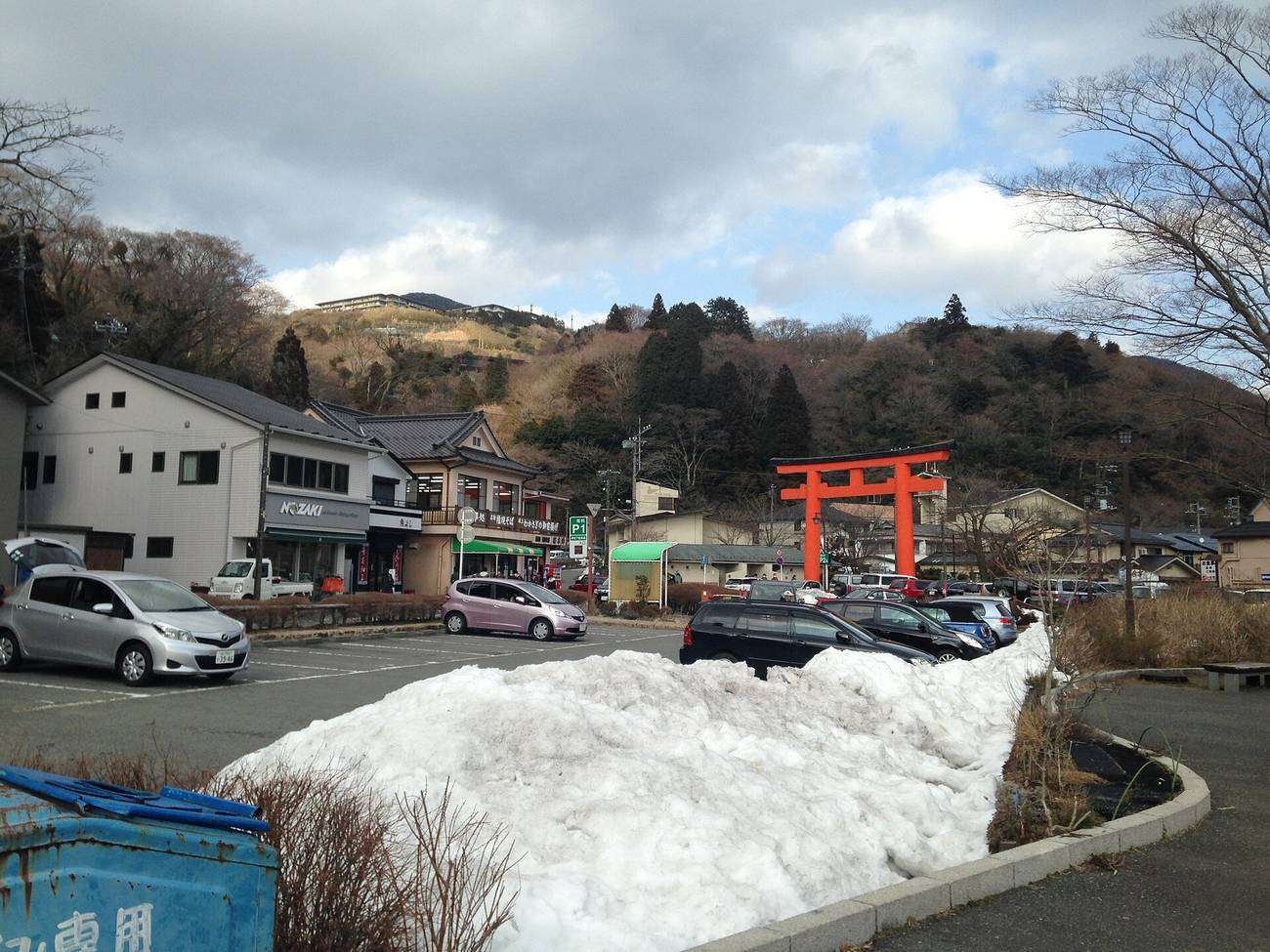
That lakeside road runs one-way from the evening of 31 December through 3 January, and it has nothing to do with the race. It has nothing to do with the race, so no Ekiden document will warn you about it.
The shrine's own New Year traffic-restriction map is specific. The restricted section is the road it calls Motohakone Shimizu-dori, running from the shrine's banner flags toward Hakone-en as far as the former Lakeside Annex. The hours are 23:00 on 31 December to 16:00 on 1 January, plus 10:00 to 16:00 on each of 2 and 3 January. The permitted direction runs from the shrine banners toward the former Lakeside Annex. The shrine adds that because of the restriction, buses cannot use the precinct car park from the 1st to the 3rd and must use the dedicated bus park beside the second torii; from the 4th, the precinct park reopens.
Put the timelines next to each other and the significance is obvious: the Ekiden restriction is a few hours, while the shrine's one-way system is six hours a day across all three New Year days. The famous torii standing in the lake sits on this road. On the middle of 2 January, when the race window and the shrine window overlap, that stretch is among the hardest driving in Hakone all year.
Two caveats. The shrine's PDF is a file reused year to year that does not print a year on it, and the Reiwa 9 (2027) version has not been published, so read the hours as "the fixed annual arrangement, per the 2026 version." And on road numbering: neither the shrine nor the police print a route number, calling it only Motohakone Shimizu-dori and Jinja-dori. Kanagawa Prefecture's road section table lists this lakeside road as Prefectural Route 75 (Yugawara-Hakone-Sengokuhara), running from the Oshiba intersection on Route 1 to the Koshiri junction — but that is a cross-reference between two documents, not something either the shrine or the police published.
For how a New Year shrine visit actually works — the order of things, the offering, what to do with last year's charms — see the hatsumode walkthrough. For what is open across the three New Year days, see the New Year opening-hours guide.
If you actually want to watch the race
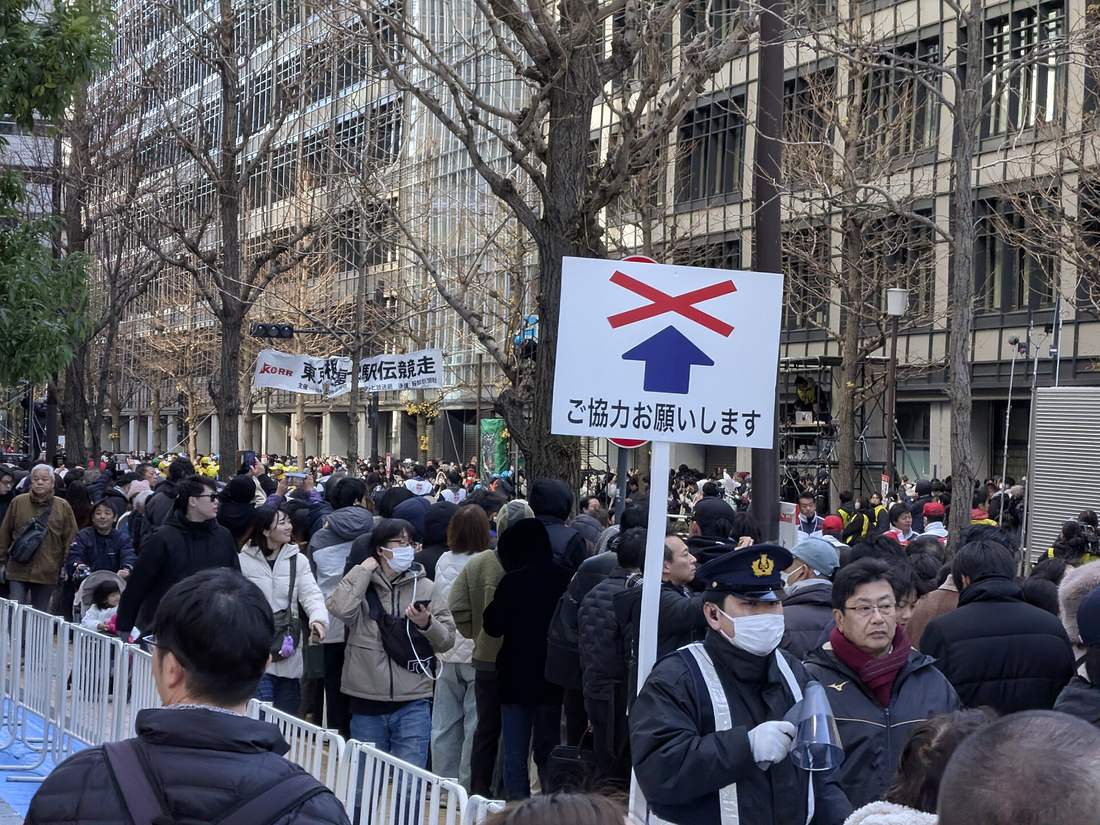
There is no ticket, no seat, and no such thing as a paid viewing stand. A full-text search of the organisers' site and the four regulation PDFs returns nothing for reserved seating, tickets, or paid spectator areas; the only paid item anywhere is the Turnpike toll. Watching means finding a stretch of pavement and standing on it.
The roadside rules are more numerous than most people expect:
- Do not leave belongings to reserve a spot. All four PDFs carry this, note that the start, finish, and relay points are especially dangerous because of crowds, and state that organisers may remove belongings. The phrasing is worth comparing with how officials word the same problem for cherry-blossom season — see the hanami spot-reservation rules.
- No step ladders. The organisers call them dangerous.
- Stand on the pavement, never in the roadway.
- No drones or radio-controlled aircraft anywhere near the course, and no selfie sticks.
- Tying banners or flags to guardrails, bridges, or other public roadside fixtures without permission breaks road-traffic law, per the organisers.
If you cannot get roadside, Nippon TV broadcast live from 07:00 on both days last year — the outbound broadcast ran 07:00 to 14:05 and the return 07:00 to 14:18, with NHK Radio covering 07:40 to 14:15 on both. The organisers themselves recommend TVer for watching on a phone. Whether TVer or Nippon TV are viewable from outside Japan was not verified here, so do not plan around it.
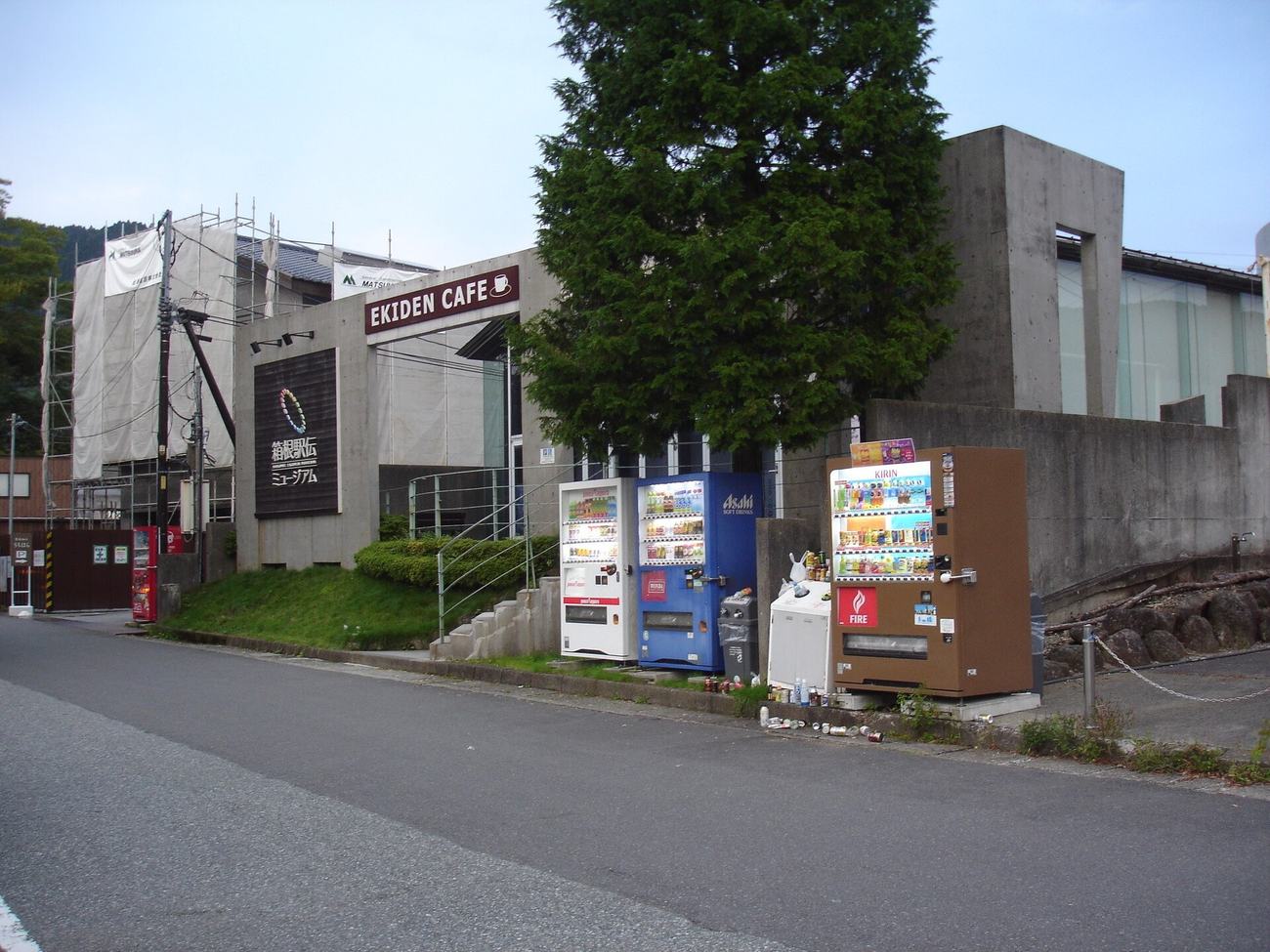
If you want to make the race itself a stop, the Hakone Ekiden Museum sits beside the finish at Lake Ashi: ¥750 for adults, ¥550 for school children. ⚠️ But the museum deliberately does not publish its hours for 2 and 3 January — its own listing says winter operating hours must be confirmed by contacting them directly. Do not extrapolate from the weekday and weekend hours; phone ahead.
What is different about the 2027 running
It is the last running with 21 teams. The organisers have confirmed the 103rd Tokyo-Hakone Round-Trip College Ekiden Race for Saturday 2 and Sunday 3 January 2027, from the Yomiuri Shimbun building in Otemachi to the Lake Ashi car park entrance in Hakone. The qualifying race is Saturday 17 October 2026, running from the JGSDF Tachikawa Garrison through Tachikawa city streets to Showa Kinen Park.
In December 2025 the organisers published a reform notice with two layers, and the arithmetic is easy to get wrong. First, the commemorative edition moves from every five years to every four, with the next one being the 104th in January 2028, and subsequent ones falling whenever both the edition number and the year are multiples of four — that is, at the start of each Olympic year. Second, from the 104th running, both regular and commemorative editions add three teams each: regular editions go from 21 to 24, commemorative from 23 to 26. The notice adds in brackets that the 103rd runs with the pre-change total of 21.
Here is the trap. Copying "21 to 24 from the 104th" at face value misleads, because the 104th is itself a commemorative edition and fields 26 teams. The correct sequence:
| Edition | Year | Type | Teams |
|---|---|---|---|
| 103rd | 2027 | Regular | 21 (the last time) |
| 104th | 2028 | Commemorative | 26 |
| 105th | 2029 | Regular | 24 (the first time) |
Commemorative editions also change structurally in two ways: their qualifying race opens to universities nationwide, with qualifiers advancing to the main race, and in the main race the Kanto Student Union team is replaced by a Japan Student Select team assembled from qualifying results. Separately, for the 103rd running the entry roster grew from a maximum of 14 to a maximum of 16, with no change to the number who actually run.
Some background numbers worth having. The 21 teams comprise the top 10 schools that earned seeded places at the previous edition, the 10 that came through the October qualifier, and the Kanto Student Union. The course is five outbound legs totalling 107.5 km and five return legs totalling 109.6 km — ten legs and 217.1 km. Leg 5 climbs about 834 m of elevation difference. Schools submit their leg entries on 29 December, and reserve runners can be slotted into any leg at a final entry one hour before the race starts. The first running took place at 1 p.m. on 14 February 1920, with four schools: Waseda, Keio, Meiji, and Tokyo Higher Normal, now Tsukuba.
I am not giving you a start time. The organisers' about page, course page, all four regulation PDFs, and the Yomiuri Shimbun's dedicated site were searched, and none of them states one. What you do get with direct official wording is the Tokyo start-area restriction window (06:00 to 09:00 on 2 January) and the broadcast start (07:00) — which are more useful for planning anyway.
Seen from a distance, these two days belong to the same family as Japan's other holiday traffic measures, just at a much smaller scale. The nationwide ones — all-reserved bullet trains, suspended expressway discounts — are collected in the guide to holiday crowd structure and transport measures.
Frequently Asked Questions
- Q1:Can I still visit Hakone on 2 and 3 January 2027?
- Yes. The organisers have never asked visitors to stay away. Their own English-language notice is unambiguous about who it is addressed to: it asks motorists to avoid the course roads, and the very next line tells spectators to use public transport when they come to cheer. Three things genuinely change. National Route 1 through the mountain section is closed to traffic around the time runners pass. Some bus routes are suspended, diverted, or turned back partway. And Hakone-Yumoto Station may impose platform entry restrictions. What does not change is the loop most visitors actually ride: the mountain railway, the cable car, the ropeway, and the Lake Ashi cruise run on rail, cable, and water, and the official maps draw them as separate lines from Route 1. Roughly eighty per cent of a normal Hakone day is untouched. The part that breaks is the bus leg back from the lake.
- Q2:Is the Hakone Free Pass still worth buying on those two days?
- Yes, but you will not use the bus leg. Of the eight transport modes the pass covers, the mountain railway, cable car, ropeway, and pirate-ship cruise all ran normally on 2 January last year, so you can complete the outbound half of the golden loop without trouble. The problem is the return. In the bus operator's own notice, services from Hakonemachi Port toward Hakone-Yumoto and Odawara were suspended between roughly 10:00 and 14:30 — precisely the bus most people want after stepping off the cruise. The fix is to retrace your steps: ropeway back from Togendai to Sounzan, cable car down to Gora, mountain railway down to Hakone-Yumoto. All of it is covered by the pass, and none of it touches Route 1. So buy the pass; just draw that day as an out-and-back rather than a loop.
- Q3:Are there grandstand seats or tickets for the race?
- No. Searching the organisers' site and all four traffic-regulation PDFs turns up no reserved seating, no ticket, and no paid spectator area of any kind. The only paid item anywhere in those documents is the Hakone Turnpike toll. Watching this race means standing on a pavement and waiting. The roadside rules are stricter than at most Japanese festivals: do not leave bags to reserve a spot (organisers state they may remove them), do not use step ladders, do not stand in the roadway, no drones or selfie sticks anywhere near the course, and do not tie banners or flags to guardrails or bridges — that last one, the organisers note, breaks road-traffic law. If you cannot get roadside, Nippon TV broadcast live from 07:00 on both days last year, and the organisers themselves recommend TVer for phone viewing. Whether TVer works from outside Japan was not verified here, so do not count on it.
- Q4:If I am not watching the race, when is it safe to move?
- After 15:00 on 2 January, and after 09:30 on 3 January. On the outbound day the mountain-section restriction runs roughly 11:00 to 14:00, the longest bus suspension stretches to 14:30, and the official congestion window at Hakone-Yumoto Station ends at 14:00 — so mid-afternoon is when everything finally clears at once. On the return day the whole pattern flips to early morning: Hakone-Yumoto is flagged for 07:30 to 09:30 only, and moving after 09:30 is genuinely the smoothest travel of the two days. The people most likely to get caught are those who spent New Year's night in a Hakone ryokan and check out on the morning of 2 January, because 09:30 to 14:00 covers that window completely. Either come down before 09:00 or have lunch and leave after 15:00. The one thing not to do is drag a suitcase to a bus stop at 11:00.
- Q5:Hakone Shindo or Hakone Turnpike — which detour should a driver take?
- Hakone Shindo is free; the Turnpike is ¥900 for a standard car and does not accept ETC. These are the two detours the organisers name by name in their visitor notice, with the toll status written in the original Japanese. The Turnpike carries three traps worth knowing before you reach the barrier. First, the operator states plainly that ETC is not supported — the only cashless option is ETCX, which requires prior membership registration, so the ETC card in your rental car will not work and you need cash. Second, ¥900 buys one one-way passage and U-turns are prohibited, so taking the wrong direction costs you a second fare. Third, it is a motor-vehicle-only road: motorcycles of 125cc or under, mopeds, electric kick scooters, bicycles, and pedestrians are all barred. Separately, highway interchanges themselves close — on the outbound day that includes Hakoneguchi IC on the Odawara-Atsugi Road and nine interchanges on the Seisho Bypass.
- Q6:Do I need to change my plans for 3 January?
- No. On the return day the bus operator listed no suspended sections at all — only a note that two routes may fail to run on schedule around the time runners pass. That is delay, not cancellation. Do two things: widen your connection buffers, and avoid the early window. Hakone-Yumoto Station is flagged for 07:30 to 09:30, and the crush is specifically in the Odawara-bound direction, so it eases after 09:30. The thing that genuinely deserves attention on 3 January has nothing to do with the race: the lakeside road beside Hakone Shrine runs one-way from 10:00 to 16:00 on both 2 and 3 January because of New Year shrine visits, and the shrine states that buses cannot use the precinct car park from the 1st to the 3rd.
Appendix: official Japanese source text
Longer official quotations cited above are collected here so you can check them yourself. All times are from the 102nd running (January 2026).
1. Organisers' notice to visitors (Kanto Student Athletics Federation / Kanagawa Prefectural Police)
駅伝コースとなる国道1号(早川口付近から箱根山間部を経て芦ノ湖フィニッシュ付近までの区間)は、例年交通規制のない対向車線も見物渋滞が発生しております。
箱根駅伝を観戦される方、旅館等に宿泊される方、初詣に行かれる方、通過交通の車両利用の皆様にはご不便をお掛けしますが、山間部の交通量の抑制にご協力をお願いいたします。
なお、選手の通過に際しては一時的に交通規制も行われます。開催時間帯を避けて通行するよう重ねてお願いいたします。迂回路として、箱根新道(無料)または、箱根ターンパイク(普通車900円など)のご利用もご検討ください。
Mountain-section windows, from the PDF header: outbound approx. 11:00–14:00, return approx. 07:30–09:30.
2. Official English text (page 2 of the same PDF, and page 2 of the Tokyo regulation sheet)
Traffic will be temporarily restricted when runners are passing through. We ask drivers to avoid these roads during these times. To bypass this, please consider the Hakone Shindo or the Hakone Turnpike toll road (¥900 for a normal car).
The traffic will be heavily congested along the Ekiden course and its vicinity. We'd like motorists to refrain from using those roads on the days of the Hakone Ekiden.
● Use public transportation when you come to cheer the runners on.
3. Large-vehicle traffic regulation notice
山崎I.C.付近~芦ノ湖フィニッシュまでの駅伝コースとなる国道1号について、10時45分ごろから13時ごろまで大型等の車両交通規制を行います。
※規制される車両:大型自動車、特定中型自動車、大型特殊自動車及び普通自転車(駅伝大会関係車両を除く)
※バス路線で運休やう回・区間運休となりますので、各系統の運行にご注意ください。
※乗車定員11人以上の車両が規制対象ですのでマイクロバス、観光バスも通れません。
A note beside the regulated-vehicle heading reads 「(一部路線バスを除く)」 — some route buses are exempted, but the organisers do not list which, so this guide does not name any.
4. Hakone Tozan Bus / Odakyu Hakone suspension notice
第102回 東京箱根間往復大学駅伝競走 大型等の車両交通規制に伴う運休のお知らせ。2026年1月2日(金)、3日(土)の箱根駅伝開催に伴う大型車両等の交通規制のため、当社の路線バスは次の時間帯で運休となりますのでご注意ください。
Wording for 3 January (no suspensions listed, only possible delays):
選手が通過する前後におきまして以下の区間で時刻どおり運行できない場合がございます。・箱根町港→小田原・箱根湯本方面 ・桃源台→小田原・箱根湯本方面
Three disclaimers:
※当社路線では、当日の状況に沿って、運休や途中バス停での折り返し運行となる場合がございます。
※交通規制の時間帯は前後することがございます。
※交通規制時間帯以外も道路渋滞により、時刻どおり運行できない場合がございます。
5. Limited-express ticket sales suspended at Odawara (2 January 2025)
2025年1月2日は箱根駅伝(東京箱根間往復大学駅伝競走)開催にともなう混雑のため、小田原駅における下記特急列車の特急券の発売を中止いたします。…各停「箱根湯本行」をご利用くださいますようご理解とご協力をお願いいたします。■期 日 2025年1月2日(木) ■場 所 小田原駅7番ホーム ■特急券を発売中止する特急列車 はこね23号(9時39分発)~メトロはこね93号(12時33分発)まで
6. Hakone Shrine New Year traffic restriction map
①規制の区間=元箱根清水通り箱根神社のぼり旗から箱根園方面元レイクサイドアネックスまで ②期間と時間=12月31日23:00~1月1日16:00/1月2、3日の両日10:00~16:00
この区間が一方通行規制となります(元レイクサイドアネックス←←←神社通り幟旗)
*1〜3日は通行規制の為、バスは境内駐車場が使えません。第2鳥居横のバス専用駐車場をお使い下さい! 4日以降は境内バス専用駐車場にどうぞ。
The prefectural route number is a cross-reference, not shrine or police wording. Kanagawa's road section table reads: 「(6) 県道75号(湯河原箱根仙石原) 7.0 自 箱根町元箱根93(国道1号大芝交差点) 至 箱根町元箱根159(湖尻三叉路)」.
7. Station congestion PDFs (Hakone-Yumoto, Kazamatsuri)
箱根湯本駅で降車される場合、小田原方面の電車が大変混雑し、駅ホームへの入場規制が行われる可能性があり、時間を要しますので、ご注意ください
選手通過後、小田原方面の電車は満員で乗車できない可能性があります また乗車までお時間を要する場合があります
小田原方面へ戻る電車は、箱根湯本駅から乗車のお客様が多い為、乗車できない場合がありますのでご注意ください
The spectator page adds: 「混雑状況に応じて、駅構内への入場規制を行う場合があります」.
8. Roadside prohibitions (all four regulation PDFs)
コース沿道において、荷物を置いて場所取りをすることはご遠慮ください。特に、スタート・フィニッシュ・中継所付近は観客が多く危険です。なお、主催者によって荷物を撤去する場合がございます。
脚立を使っての応援は危険ですので、お控えください。
車道上での応援は危険です。必ず歩道から応援してください。
コース周辺での無人飛行機(ラジコン、ドローン)の操縦、飛行、自撮り棒の利用はできません。
無断で、横断幕、旗、のぼり等をガードレールや橋などの沿道公共物へくくりつける行為は道路交通法等に違反します。
Official English: "Refrain from placing your belongings on the ground along the course to reserve space. … Please note that organizers may remove any belongings found in such locations."
9. Kanagawa traffic regulation PDF (rules and toll roads)
選手の走るスピードは、おおむね時速20kmです。
選手の走行方向に対面して進む車両は、選手の通過3分前から右折・転回はできません。
駅伝コース上では全線にわたり駐停車禁止です。
規制時間は、競技の状況により延長または短縮することがあります。
Interchanges closed, 2 January (outbound): Odawara-Atsugi Road Hakoneguchi IC; Seisho Bypass Hakoneguchi, Hayakawa, Odawara, Sakawa, Kozu, Tachibana, Seisho-Ninomiya, Oiso-nishi and Oiso-higashi IC; Shin-Shonan Bypass Chigasaki-kaigan IC. 3 January (return): Odawara-Atsugi Road Hakoneguchi IC; Seisho Bypass Oiso-higashi, Oiso-nishi, Seisho-Ninomiya, Tachibana, Kozu, Sakawa, Odawara, Hayakawa and Hakoneguchi IC; Shin-Shonan Bypass Chigasaki-nishi IC to Chigasaki-kaigan IC.
10. Hakone Turnpike (Anest Iwata Turnpike Hakone)
※ 片道1回通行ごとに上記表の料金がかかります。また、Uターンは禁止です。
■ ETCには対応しておりません。
自動車専用道路につき、排気量125cc以下・電動モーター出力1.0kw以下の自動二輪車、原付、特定原付(カート・電動キックボードなど)、軽車両(自転車など)、歩行者はご通行できません。
The fare table is marked 「※ 2024年7月1日現在。」 Operating hours 05:30–22:30, last entry 22:00.
11. Commemorative-edition reform notice (25 December 2025)
これまで5 年に1 回だった記念大会について、以下のとおり変更します。・記念大会の頻度を4 年に1 回とし、次は2028 年1月実施の第104 回を記念大会とします。以降は、開催回数・西暦ともに4 の倍数の年(オリンピック開催年)の年明けに、記念大会が実施されることとなります。
第104 回大会から、以下のとおり、通常大会・記念大会ともに出走チーム数を3 チームずつ増加します(なお、第103 回は変更前の合計21 チームで実施します。)。
記念大会の予選会には、全国の大学が参加可能(予選会を突破すれば本選も出場可能)とし、かつ、記念大会の本選では関東学生連合チームに代えて、予選会の結果によって編成される日本学生選抜チームを出走チームに加えます
第102回大会からの変更点として、エントリー人数が14名以下から16名以下に変更いたしました。なお、出場人数に変更はございません。
12. Race overview and broadcast
関東学生陸上競技連盟加盟大学のうち、前年大会でシード権を獲得した上位10校と、10月の予選会を通過した10校、および関東学生連合を加えた合計21チームが出場します。
東京・読売新聞社前~箱根・芦ノ湖間を往路5区間(107.5Km)、復路5区間(109.6Km)の合計10区間(217.1Km)で競う、学生長距離界最長の駅伝競走です。
5区の高低差は大きく標高差約834mを選手は一気に駆け上がります。
出場する各大学は、12月29日に1区から10区までの10名と補欠枠6名の区間エントリーを行うことになっています。…補欠枠の選手はレース開始1時間前の最終エントリーでどの区間にでも入ることができるからです。
1920年(大正9)2月14日午後1時、早大、慶大、明大、東京高師(現筑波大)の4校で第1回大会がスタートしました。
日本テレビ系列にて 1/2・1/3のAM7:00から生中継
13. Hakone Ekiden Museum
開館時間 【平日】10:00~16:30 【土・日・祝】9:30~17:00 ※入館は閉館の30分前までとなります
休館日 無休 ※冬期営業については直接お問い合わせください
Admission ¥750 adults / ¥550 school children. Address: 167 Hakone, Hakone-machi, Ashigarashimo-gun, Kanagawa.
14. Where to check before you travel
- Organisers' traffic regulation page (will switch to the 103rd running once documents are released): hakone-ekiden.jp / regulation
- Hakone Tozan Bus news listing: hakonenavi.jp / groupnews / tax_groupnews / bus
- Hakone Tozan Railway news listing: hakonenavi.jp / groupnews / tax_groupnews / train
- Hakone Shrine New Year information (Reiwa 9 version expected mid-to-late December): hakonejinja.or.jp
Related reading:
Hakone Guide 2026: Free Pass, Owakudani & Lake Ashi
About 85 minutes from Shinjuku by Romancecar — the 2026 Hakone Free Pass, Owakudani, Lake Ashi pirate ships, the floating torii, and a two-day onsen loop.
New Year's Eve in Tokyo 2026-27: Countdown & Sunrise
Shibuya has cancelled its street countdown six years running, the city’s own event needs a November ballot, and the subways stop at their usual hour.
Hatsumode 2027: Your First Shrine Visit in Japan
There is no official deadline for hatsumode, and you may pray from the side when it is packed — both straight from the Shinto authority itself.