If you're an intermediate-and-up skier who wants steep, long terrain and off-piste, and you'd like to ski as part of a Tokyo trip — Hakuba is the answer. It's a valley of 10 resorts and the host of the 1998 Nagano Olympics, with steeper, longer terrain and some of Japan's richest off-piste, reachable from Tokyo by shinkansen to Nagano plus a bus in under 3 hours — no domestic flight as Hokkaido requires. This guide covers Happo-one and the main resorts, the Hakuba Valley Pass, access and lodging, and who it suits. It's the Hakuba deep-dive companion to our guide on how to choose a Japan ski resort.
- An advanced skier's playground: 10-resort valley, steep long terrain, the richest off-piste, the 1998 Olympics venue
- Easiest from Tokyo: shinkansen to Nagano → bus, under 3 hours — ideal for a "Tokyo + skiing" trip
- Beginners have a home too: Tsugaike Kogen's wide gentle runs are the valley's most beginner-friendly
- The Hakuba Valley Pass skis all 10 resorts on one ticket, sold at any resort window — ¥11,100 adult for 2026-27; the valley shuttle is not free
- The one hard deadline is Tsugaike's early-bird: on sale to 2026/11/30 at ¥6,500 vs ¥9,800 at the window
- vs Niseko: fewer snow days but often bigger dumps, steeper and more varied terrain
📖 Table of contents
Why choose Hakuba
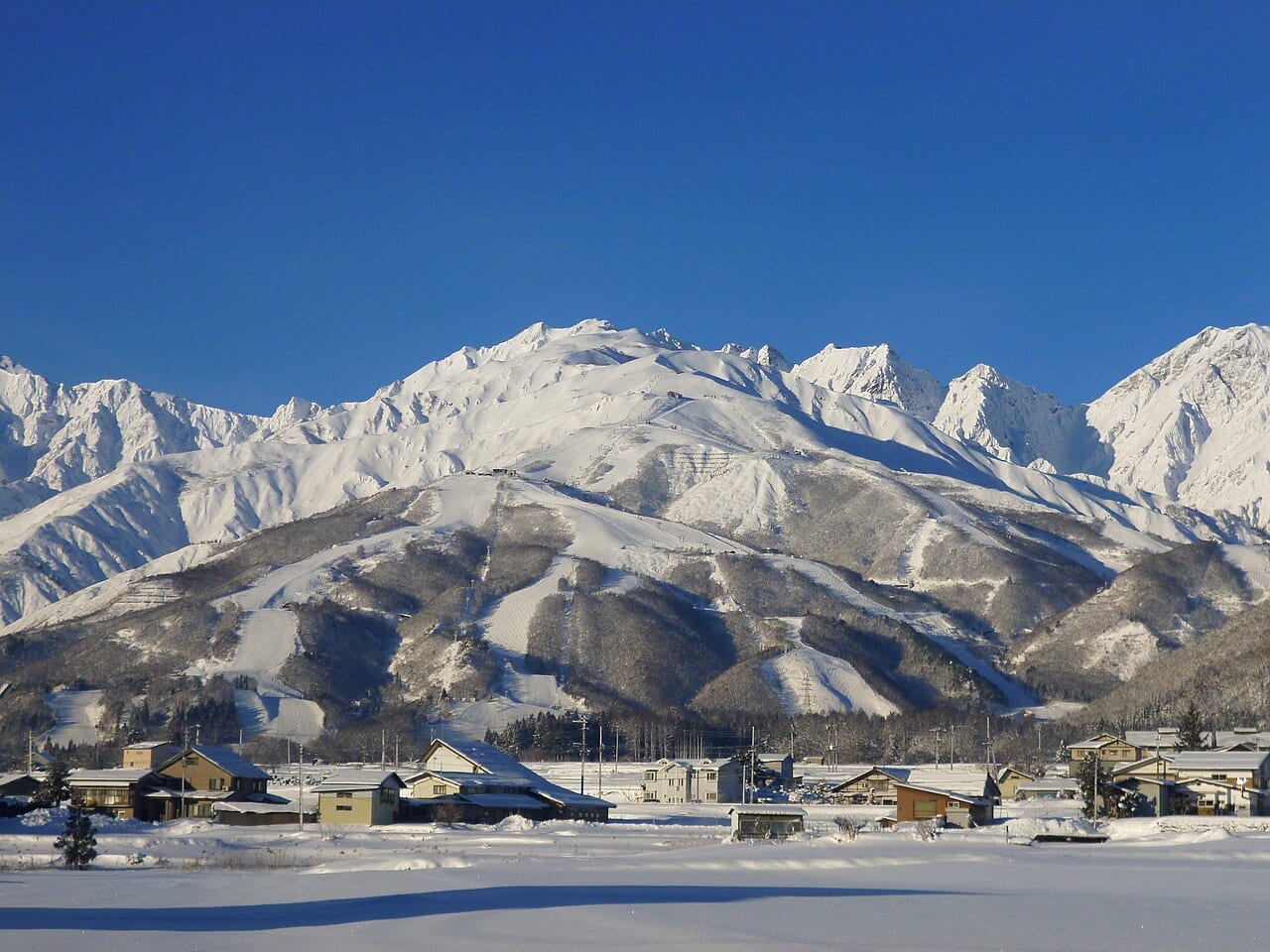
Hakuba sits in northern Nagano beneath the 3,000m-class Hakuba range, with steeper terrain, longer runs and bigger vertical drop than Hokkaido resorts, plus rich off-piste and advanced lines — one of Japan's most popular destinations for advanced skiers, and the alpine events of the 1998 Nagano Olympics were held at Happo-one. Its other big edge is access: for anyone basing in Tokyo who wants to add two or three days of skiing, Hakuba is far easier to reach than Hokkaido — no extra domestic flight.
In return, Hakuba's international ease and beginner-friendliness are a touch below Niseko's — English service isn't quite as pervasive, so the language bar is a little higher. But foreign visitors have grown sharply and English rental and instruction keep improving, and with the right resort (like Tsugaike Kogen) beginners and families do fine.
The main resorts and the valley pass
The Hakuba Valley is 10 resorts spread on both sides of the valley; the main ones:
- Happo-one: the biggest, steepest, with the most vertical, home of the Olympic course — the top pick for advanced skiers; it has beginner-intermediate runs too, but skews challenging.
- Tsugaike Kogen: wide gentle runs and lots of beginner terrain — the valley's most beginner- and family-friendly resort, with a kids' snow park.
- Hakuba Goryu & Hakuba47: two linked resorts with the best terrain parks and tree runs — a favorite of younger skiers and snowboarders.
- Iwatake: famous for the "Mountain Harbor" panorama deck — good for off-snow, photos and relaxed cruising.
All can be skied on the Hakuba Valley Pass, one ticket for 10 resorts; single-resort passes exist if you'll stay put. The 2026-27 adult day pass is ¥11,100, child (primary school) ¥6,400. You don't need to buy ahead. The official FAQ states any resort's ticket centre sells it, and the all-mountain pass carries no IC card deposit (only the Goryu, 47, Cortina and Kashimayari area passes need the ¥500). The official webshop is flagged for "around November" and as of September still says to wait. Note the all-mountain pass has no senior rate — Happo-one's single-resort ticket does.
One correction worth making plainly: the valley shuttle is not free. It's free only if you hold the all-mountain or season pass; otherwise it's ¥800 adult and ¥400 child per ride, and it doesn't take cash — online tickets only (¥1,000 / ¥500 if you must pay onboard in an emergency). Those are 2025-26 figures; the official page hadn't rolled over as of September. The free half has conditions too: a day-pass holder rides free only on a day they actually ski, and riding the shuttle without skiing still burns one of your days. Reach the resort first, then use the bus.
Season and snow (vs Niseko)
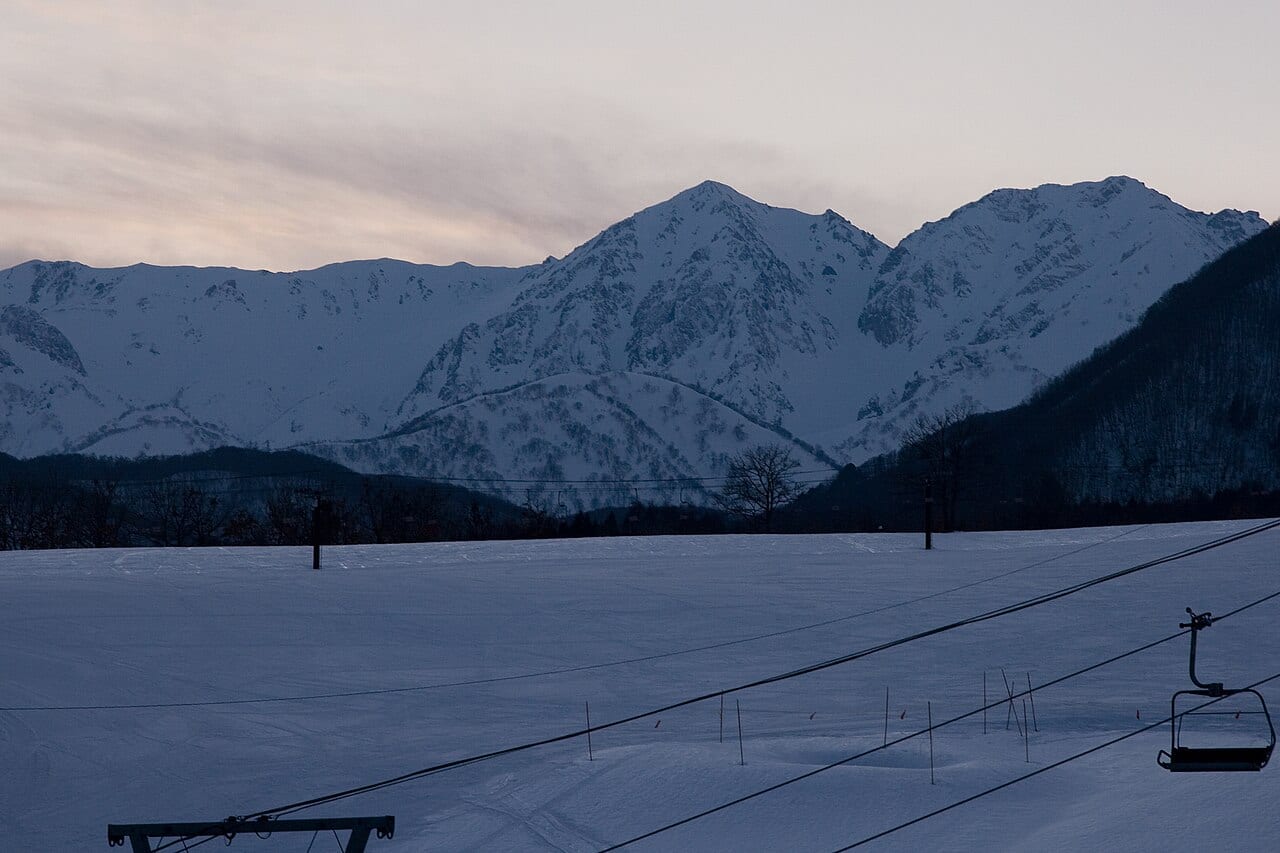
Hakuba's season runs roughly mid-December to early April, with the same January to mid-February core. Compared with Niseko, Hakuba has fewer snow days (~55+ vs Niseko's 90+) but often bigger single dumps, plus higher altitude and steeper, longer terrain for a more thrilling advanced and off-piste experience. The snow is dry, just not the "powder every day" of Niseko. Rule of thumb: choose Niseko for consistent daily powder, Hakuba for steep-and-long terrain, variety and proximity to Tokyo. The full rundown is in our five resorts compared in one table.
Access and lodging
Access: take the Hokuriku Shinkansen from Tokyo to Nagano (~1.5 hrs), then an express bus to Hakuba (~1 hr) — under 3 hours total; there are also direct highway buses from Shinjuku. That "no domestic flight needed" convenience is Hakuba's biggest draw for Tokyo-based travelers.
The two bus routes work differently, so don't lump them together. Alpico states the Nagano–Hakuba express is not a reservation service on its spring/summer/autumn timetable — buy at the window or onboard on the day. The winter timetable isn't published yet, and the same page already flags that some winter departures become reservation-only, so check again before you go. The Shinjuku–Hakuba highway bus will take you without a booking, but you pay the most expensive fixed fare and a full bus can turn you away. Booking online is cheaper: the published variable fare starts at ¥5,200, against fixed fares of ¥6,100 on weekdays and ¥7,000 at weekends and holidays, with ¥2,000 more on overnight departures.
If you want to go straight from the airport to the snow without stopping in Tokyo, be clear on the situation: Alpico's own Narita and Haneda lines currently carry the words "no service at present", and their booking system returns zero departures. What is still sold is a seasonal ski coach, such as SNOW LINER; that kind of service is reserved-seat and finite, unlike the two turn-up-and-pay routes above. Take it and you have to book.
Check SNOW LINER airport–Hakuba departures on KKday →
As checked on 10 September 2026 its 2026-27 departures were on sale and all in stock, earliest travel date 19 December, with the cheapest Haneda-to-Hakuba leg at TWD 1,333 — Narita departures and other services price separately. Three things to know first: the product page states onboard announcements are in Japanese only; children pay the adult fare and infants also need their own seat; and each passenger gets one bag plus one set of ski gear, with ¥1,500 charged on the spot from the second piece.
Lodging: for a first trip, stay around Happo or the Hakuba village center, where restaurants, rental and bus stops cluster. The ski season is peak, so good rooms go 8-12 weeks out; Hakuba lodging ranges from hostels to resort hotels and is generally a bit friendlier on price than Niseko. If you're slotting Hakuba into a Tokyo trip, the Tokyo end is in our Tokyo 5-day itinerary; also in Nagano, if you'd like an onsen soak after your runs, see our Nozawa Onsen ski guide.
Hakuba’s beds are spread across the village rather than one booking hub, and each platform carries a different slice of them. Rakuten Travel keeps its own Hakuba Village area page, which lists what it has in one place: See Hakuba Village stays on Rakuten Travel →. ⚠️ The area page defaults to the day you open it, not the ski season — change the dates first, or you are looking at the wrong inventory.
Off-snow
Iwatake's "Mountain Harbor" deck overlooks the whole Hakuba range over a coffee and is famous — riding the gondola up to see the row of snowy peaks is worth it on its own in winter; the valley has several natural onsen for a post-ski soak; and you can try snowshoeing and snow activities. Hakuba village itself has plenty of restaurants and cafes, so a non-skiing companion is covered. Warm, waterproof packing is in our Japan packing & weather guide.
Which Hakuba resort for your needs
Each of Hakuba's 10 resorts has a role — figure out which type you are and you won't pick wrong:
- First time skiing / with kids → Tsugaike Kogen: wide gentle runs, lots of beginner terrain, a kids' snow park — the valley's friendliest entry.
- Intermediate-and-up, wanting steeps and off-piste → Happo-one: the most vertical and the Olympic course, the advanced skier's home base.
- Snowboarding, terrain parks → Hakuba Goryu & Hakuba47: the most complete parks and jumps, where younger riders gather.
- Relaxed cruising + panoramas + a non-skiing companion → Iwatake: the Mountain Harbor deck is the highlight, with easy runs.
Because of the Hakuba Valley Pass, you can also "base in one place and switch resorts each day" by snow and mood — the great advantage of a wide valley.
Season planning, gear and budget
A few practical tips to make a Hakuba trip smoother:
- Rent gear on-site: wear, boots, skis and boards rent at Happo and Tsugaike, with full English service these days — beginners needn't lug gear overseas. None of the shops on Happo-one's official rental directory states that booking is required, but they're independent businesses, so call ahead if you need unusually large or small sizes.
- The early-bird has a deadline, and only one of them is any use to an overseas visitor: Tsugaike Kogen's early-bird day pass is on sale until 30 November 2026 at ¥6,500 adult, against the window price of ¥9,800 afterwards. It's also the only resort in the valley selling cancellation as an add-on: about ¥780 more buys an 80% refund up to 31 March 2027. Happo-one runs an early-bird over the same window, but it requires a Japanese My Number card, which tourists cannot obtain — so that one is a zero for you.
- Beginners, take a lesson: Happo-one's ski school takes phone, web and walk-up counter bookings, so a lesson isn't something you must arrange in advance. What you can't get by walking up is a Chinese- or English-speaking private instructor — that needs arranging. Two channels sell it on different terms; see the table below.
- Avoid Lunar New Year and the January peak: mid-to-late December and late February into March still have good snow with calmer crowds and rates — better value.
- Turn the access into an advantage: Hakuba's biggest draw is its proximity to Tokyo, so plan a "3-4 days in Tokyo + 2-3 days in Hakuba" combo to get both city and slopes in one trip.
| Channel | Resorts covered | Listed from | Reviews | What to know |
|---|---|---|---|---|
| KKday · Jade Ski School | Hakuba Goryu, Iwatake | TWD 16,363 | 4.51 / 59, 400+ booked | These two only — Happo-one and Tsugaike are not included |
| Klook · partner ski school | Hakuba Goryu, Happo-one, Iwatake, Tsugaike | TWD 8,718 | 5.0 / 15, 200+ booked | A promotional starting price that moves with the campaign; the listing also names Norikura Kogen, which is outside the valley and not on the all-mountain pass |
The two differ in hours and in which resorts they cover, so the prices aren't directly comparable. Both sell instruction only — neither includes lift tickets or rental, which you buy separately.
Overall, Hakuba's lodging and dining are a bit friendlier on price than Niseko, and with no domestic flight needed, it's a practical pick for budget-conscious skiers who still want good terrain.
Frequently Asked Questions
- Q1:Who is Hakuba best for? Can beginners go?
- Hakuba is most recommended for intermediate to advanced skiers — steeper, longer terrain and the richest off-piste and varied terrain, host of the 1998 Nagano Olympics. But beginners aren't shut out: Tsugaike Kogen has wide gentle runs and is the valley's most beginner- and family-friendly resort. If your whole group is first-timers wanting zero language stress, Niseko is still the better entry; if you want terrain to challenge yourself and you're basing in Tokyo, Hakuba fits best.
- Q2:What are the main Hakuba resorts, and do I need the valley pass?
- The Hakuba Valley is 10 resorts, the main ones being: Happo-one (biggest, steepest, the Olympic venue), Tsugaike Kogen (wide gentle runs, best for beginners and families), Hakuba Goryu & Hakuba47 (the best parks and tree runs), and Iwatake (panoramas and off-snow facilities). They're spread on both sides of the valley, so the Hakuba Valley Pass lets you ski all 10 on one ticket — worth it if you'll move around; single-resort passes exist too. The 2026-27 adult day pass is ¥11,100. You do not need to buy it online: the official FAQ states any resort ticket centre sells it, and the all-mountain pass carries no IC deposit. One correction worth making plainly — the valley shuttle is not free. It costs ¥800 adult / ¥400 child per ride unless you hold the all-mountain or season pass, and it takes online tickets only, not cash.
- Q3:How does Hakuba's snow compare with Niseko's?
- Both are good but different in character: Niseko snows more often with more consistent powder (10-15m annual, ~90+ snow days); Hakuba has fewer snow days (~55+) but often bigger single dumps, plus higher altitude and steeper, longer terrain for a richer advanced and off-piste experience. In short, choose Niseko for daily powder and ease, Hakuba for steep-and-long terrain, variety and proximity to Tokyo.
- Q4:How do I get to Hakuba from Tokyo?
- Access is Hakuba's biggest edge: take the Hokuriku Shinkansen from Tokyo to Nagano (~1.5 hrs), then an express bus to Hakuba (~1 hr) — under 3 hours total. That's ideal for a "few days in Tokyo plus skiing" trip, with no domestic flight as Hokkaido resorts require. There are also direct highway buses from Shinjuku to Hakuba. On booking: Alpico states its Nagano–Hakuba express is not a reservation service on the spring/summer/autumn timetable, and the winter timetable is not yet published; the Shinjuku route publishes a "no advance booking" fare tier, so you can board without booking but pay the highest fixed fare and can be turned away if it is full. Alpico's own Narita and Haneda direct lines currently state "no service at present".
- Q5:What is there to do in Hakuba if you don't ski?
- Iwatake's "Mountain Harbor" viewpoint overlooks the whole Hakuba range over a coffee and is famous — riding the gondola up to see the wall of snowy peaks is worth it on its own in winter; the valley has several natural onsen for a post-ski soak; and you can try snowshoeing and snow activities. Hakuba village itself has plenty of restaurants and cafes, so a non-skiing companion is well covered.