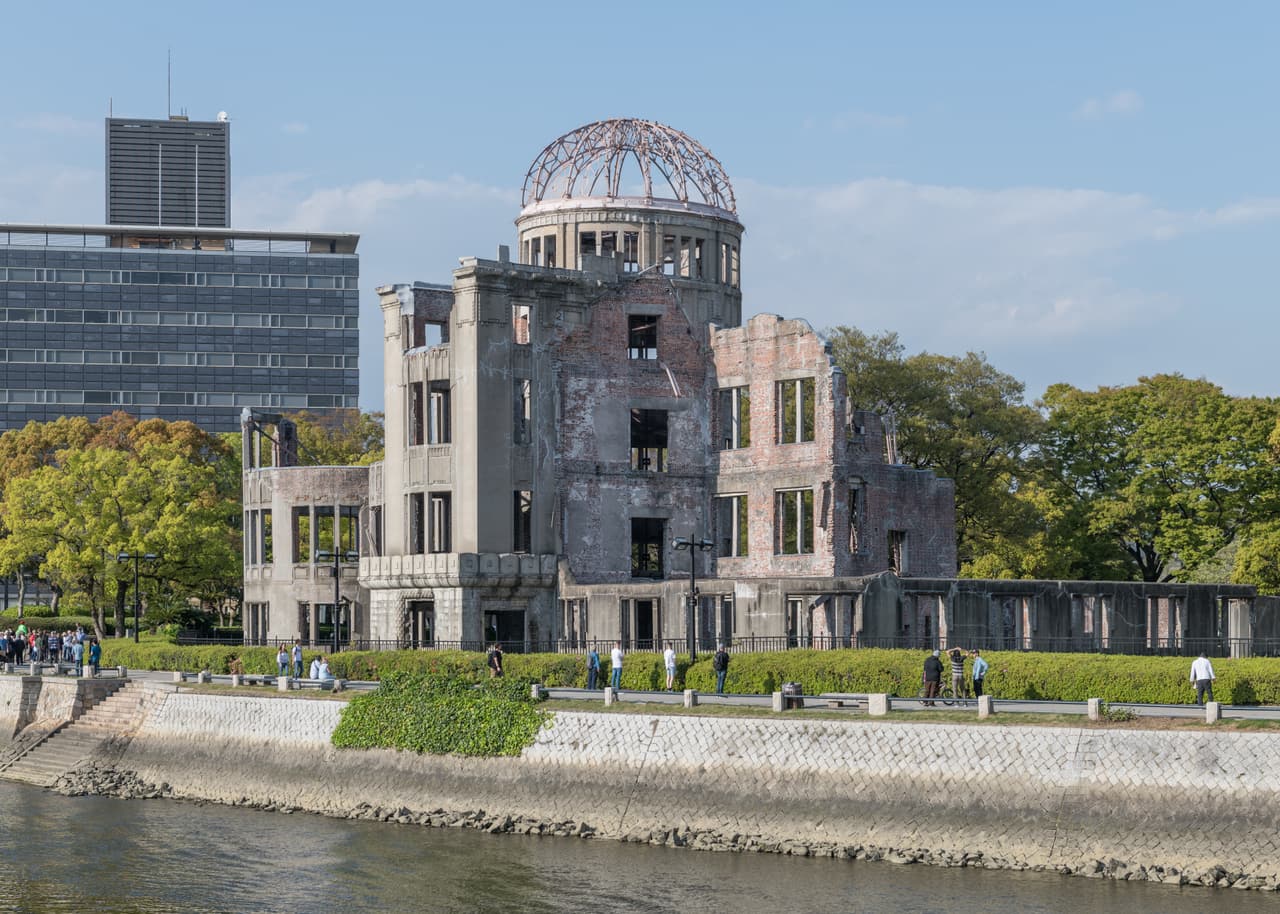
Hiroshima is often a second- or third-trip city for travelers, but it is the most convenient gateway to the Chugoku region: the Sanyo Shinkansen puts it 1 hour 23 minutes from Shin-Osaka and about 1 hour from Hakata. It holds two UNESCO World Heritage Sites — the A-Bomb Dome in the city, and Miyajima's Itsukushima Shrine offshore — plus okonomiyaki built in layers unlike anywhere else, and an afternoon of history that everyone should sit with at least once. This guide covers the Peace Memorial Park and museum, Hiroshima Castle (note: the keep closed in March 2026 for a wooden rebuild), the Shukkeien garden, how to eat Hiroshima okonomiyaki, a Miyajima day trip, and transport and lodging. The deep dive on the island is in our Miyajima & Itsukushima Shrine guide.
- The Kansai–Kyushu stopover: 1.5 hr from Shin-Osaka, 1 hr from Hakata, 3 hr 50 from Tokyo by Shinkansen
- Peace Memorial Museum ¥200: one of Japan's best-value tickets; the outdoor A-Bomb Dome and park are free, 24 hours
- The castle keep is closed (Mar 22, 2026) for a wooden reconstruction; the grounds are still walkable
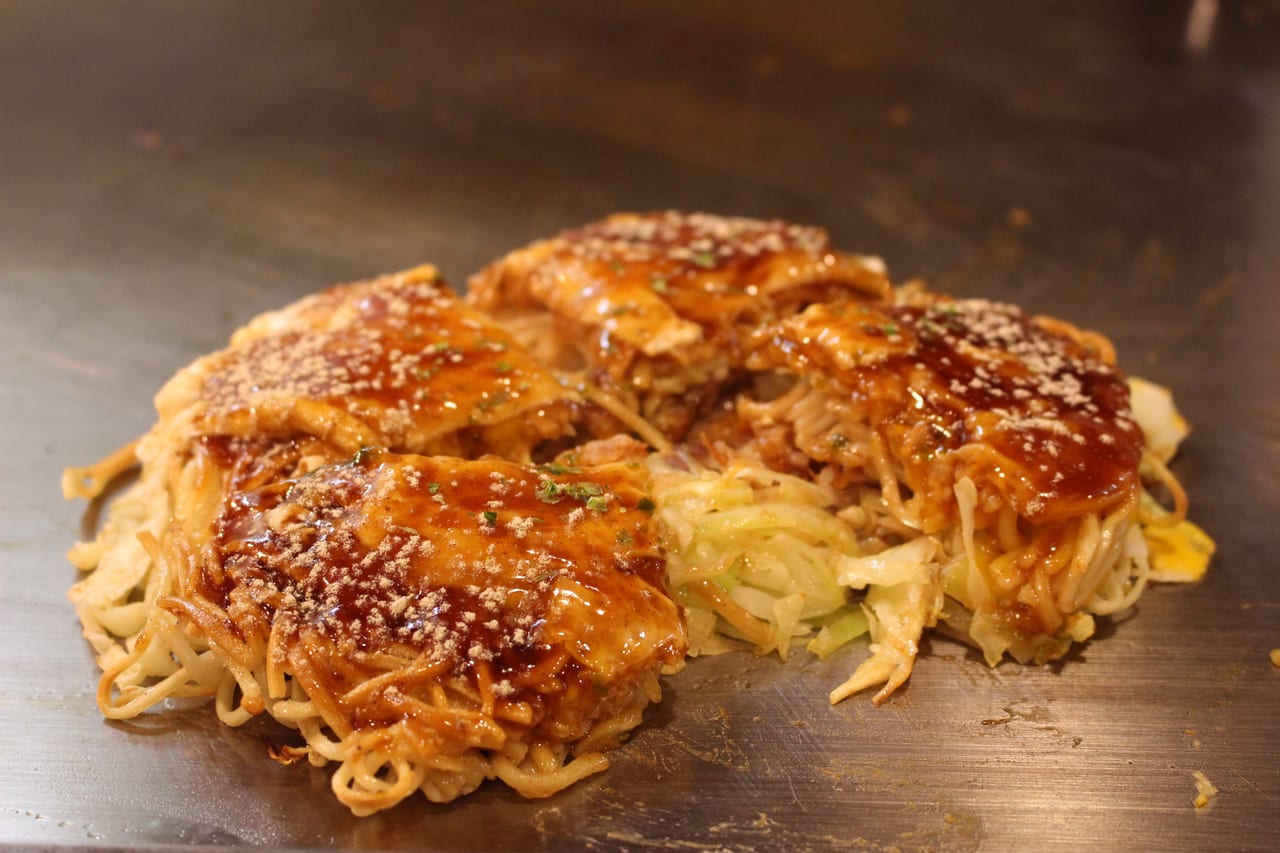
- Hiroshima okonomiyaki is layered, not mixed — bigger, more cabbage, with noodles folded in
- Pair Hiroshima + Miyajima over two days; the city runs on the flat ¥240 Hiroden streetcar
📖 Contents
Why visit Hiroshima
Honestly, Hiroshima is not the kind of city that overflows with sights you cannot finish in three days. Its value is in density and meaning. The center is small and walkable, the main sights cluster around the Peace Park and Hiroshima Station, and a single streetcar line ties them together. Its two strongest cards are the weight of its history and the torii on the sea — one quiets you, the other amazes you — and you can take in half of each in a day. On top of that it sits squarely between Kansai and Kyushu, so the cost of "stopping for a night" is low. My advice is simple: if you only have one day, do the city; if you can stay a night, put Miyajima in, because that is Hiroshima's real signature.
On timing: Hiroshima works year-round, but two windows stand out. Spring brings cherry blossoms along the Peace Park's rivers and around the castle moat, which softens an otherwise solemn place; November turns Shukkeien and Mt. Misen on Miyajima deep red, and the island's maple valley is the namesake of momiji manju. The window I would flag for care is early August: the August 6 anniversary draws large crowds and ceremonies, museum hours extend, and hotels fill — moving but not the relaxed visit some expect. Summer is also hot and humid on the bay, so pace the outdoor walking. As for what to skip: do not over-invest a day trying to "do" the closed castle keep, and do not treat the museum as a quick photo stop — it rewards time, not speed. Give the heavy half-day the morning, then let okonomiyaki and the streetcar-paced evening lift the mood.
Peace Memorial Park & Museum
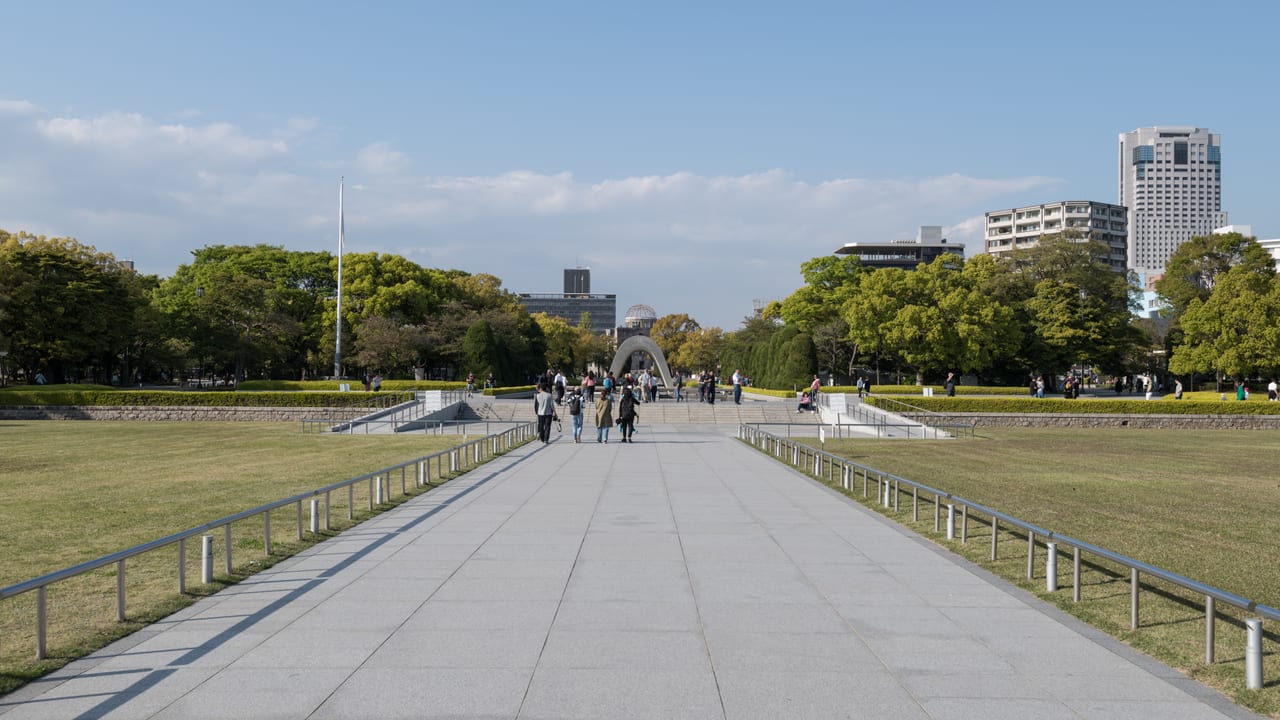
This is the heart of the city and the reason almost everyone comes. On August 6, 1945, at 8:15 a.m., an atomic bomb detonated roughly 600 meters above this district and flattened it. Today's Peace Memorial Park is built across that hypocenter area — an open, quiet, tree-filled green space — and it strings together three things you should not miss:
- The A-Bomb Dome (Genbaku Dome): the building almost directly below the blast, which miraculously kept part of its walls and the steel ribs of its dome. It became a UNESCO World Heritage Site in 1996. You cannot go inside; you circle it along both banks of the Motoyasu River, and it carries the most weight at dusk and when lit at night. Free, 24 hours.
- The Cenotaph and Flame of Peace: the arched stone monument on the park's axis, inscribed "Let all the souls here rest in peace, for we shall not repeat the evil." Stand before it and the cenotaph, flame, and dome line up perfectly — the core of the park's design.
- The Peace Memorial Museum: ¥200 for adults, ¥100 for high schoolers, free below. It is not a light exhibit — it reconstructs that day in very concrete terms through belongings, photographs, and testimony, which is exactly why it deserves at least 60–90 unhurried minutes.
A few practical notes: for normal hours you can buy a ticket on the spot — no reservation; only the first hour after opening and a handful of slots need booking online. The crowd peaks between 10 a.m. and 2 p.m., so go at the 7:30 opening or in the last 90 minutes before closing. Early August (around the anniversary) is extremely busy with extended hours. Budget half a day for the park and museum together. It is a heavy visit — schedule it when your mood and energy are good, and do not rush it.
Hiroshima Castle & Shukkeien (closure status)
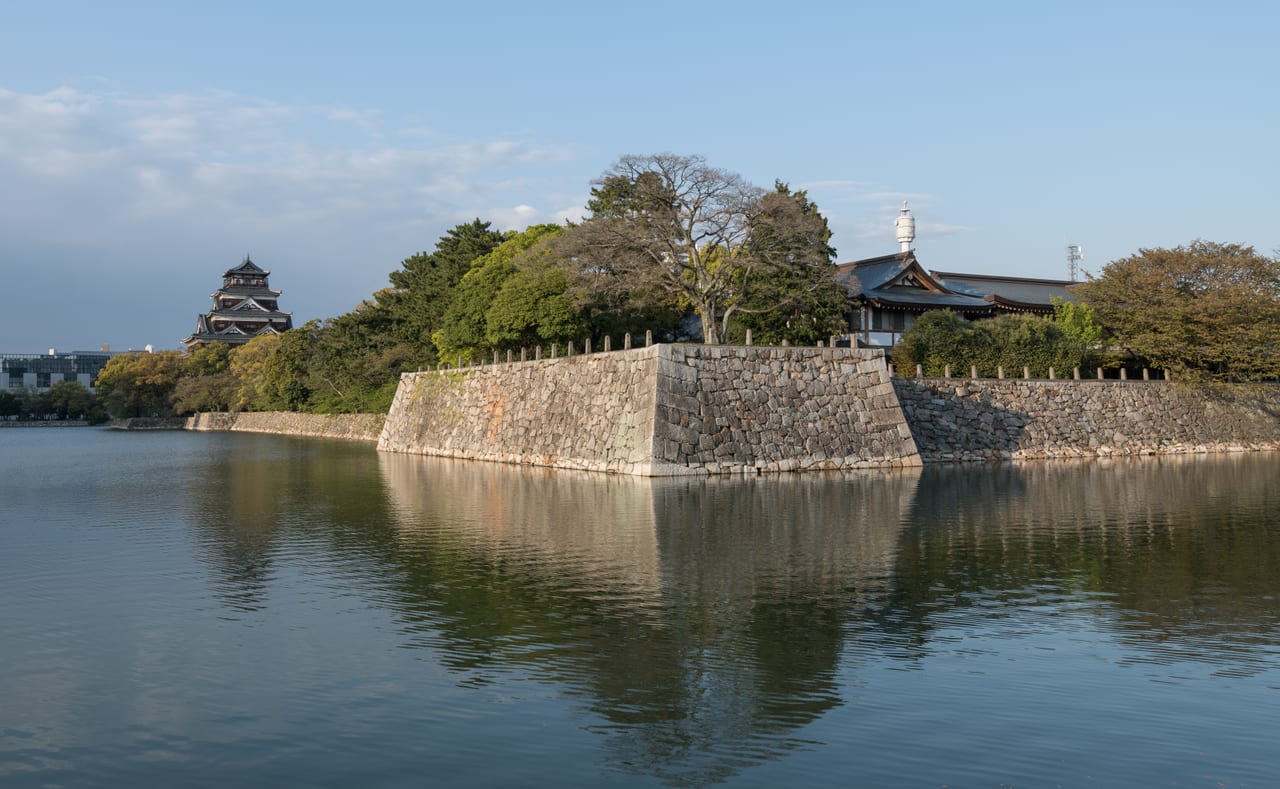
Get the current status straight first so you do not waste a trip: the Hiroshima Castle keep closed on March 22, 2026. The keep you see now is a 1958 reinforced-concrete exterior reconstruction (the original wooden keep was destroyed by the bomb in 1945), and because of aging and inadequate earthquake resistance, the city decided to tear it down and rebuild it in wood (the main and small keeps plus connecting turrets, at a projected cost of about ¥13.1 billion). In other words, from mid-2026 the keep interior and observation floor are off-limits, and the displays inside are being moved to a new "Hiroshima Castle Sannomaru History Museum."
So is it still worth going? It depends on what you wanted from it. If you came to climb the keep for a city view, you can skip it; but the grounds, moat, stone walls, and Ninomaru remain freely walkable, the exterior photographs well, and the new Sannomaru complex makes the area more pleasant to wander. My take: pencil the castle in as a walk-and-photo stop, not a half-day plan.
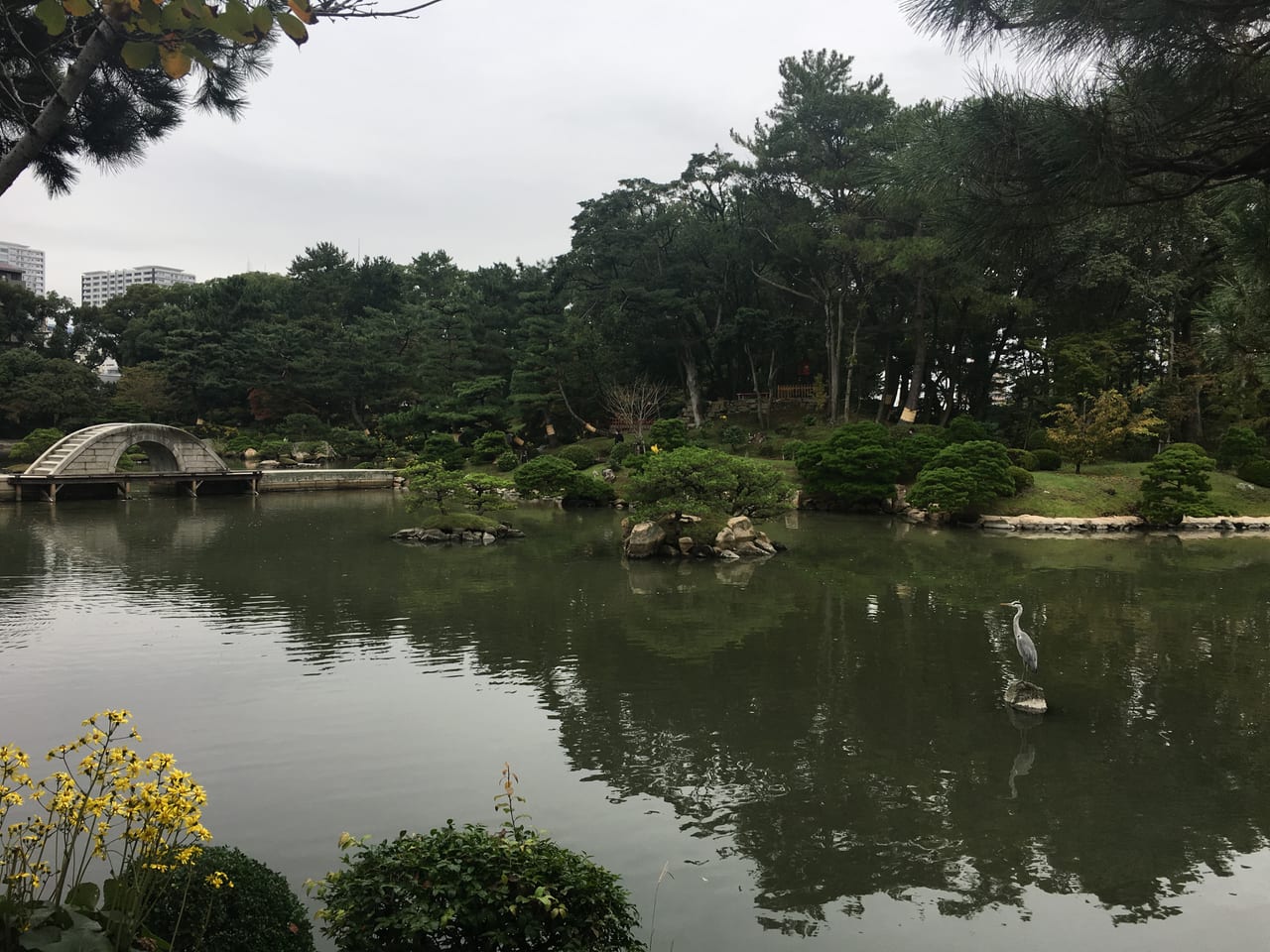
Not far away, Shukkeien is the stop I actually push harder. Built in 1620 by the Asano lords of Hiroshima, it is a stroll garden that shrinks mountains and water to garden scale (hence the name, "shrunk scenery"), with the central Takuei Pond and the Kokokyo bridge as its signature view. Admission is ¥260 for adults, ¥150 for those 65+, ¥80 for children (free on Greenery Day, May 4, and Culture Day, Nov 3). It sits next to the castle and the Hiroshima Prefectural Art Museum, so you can string "castle exterior + art museum + Shukkeien" into a half-day of culture. Autumn foliage and early-summer green both look great, and the garden is small enough to finish in an hour — a rare quiet corner in the city.
Hiroshima okonomiyaki, the layered way
Coming to Hiroshima and skipping okonomiyaki is missing the point. It is a completely different dish from the Osaka version: Osaka style mixes batter, cabbage, and fillings and griddles them as one thick pancake; Hiroshima style is layered. They start a thin crepe, pile on a startling mound of cabbage, bean sprouts, and pork belly, fold in a portion of crisped-up fried noodles (soba or udon), set it over an egg, and finish with sweet okonomi sauce. The bite is crepe, cabbage, noodle, and egg in distinct layers — bigger and more cabbage-forward, easily a full meal on its own.
One local detail: Hiroshima people rarely say "Hiroshima-yaki" — they just say "okonomiyaki," and you ask for the noodle version as "soba-iri." The famous cluster is Okonomimura, a building in the Shintenchi area stuffed with 20-plus stalls across three floors — the easiest pick for visitors — and the EKIE food hall inside Hiroshima Station has several good options for a quick meal around your train. A serving runs about ¥900–1,300, and most places take cards. For add-ons I would get local oysters (Hiroshima is Japan's top oyster producer) and cheese; the stretchy cheese against the sweet sauce is indulgent but worth it. Eat it straight off the griddle with the metal spatula (hera) the way locals do.
The Miyajima day trip
If Hiroshima got just one "do not miss," I would pick Miyajima over the city center. Miyajima (Itsukushima) is a small island off Hiroshima Bay, and its Itsukushima Shrine is a UNESCO World Heritage Site. The vermilion Great Torii that appears to float on the sea at high tide is one of Japan's most iconic images (after its 2019–2022 restoration it is fully restored and back to normal worship). Beyond the shrine, you can ride a ropeway up Mt. Misen for views over the island-dotted Seto Inland Sea, meet the free-roaming deer, and eat grilled oysters and momiji manju.
Getting there is simple: from the city, take the JR Sanyo Line or the Hiroden Miyajima Line to Miyajimaguchi, then a ferry of about 10 minutes to the island. Two operators (JR West and Matsudai) run frequent boats. Remember one thing: whether you see the "floating torii" depends entirely on the tide — at high tide the torii and shrine sit in the water at their most beautiful; at low tide you can walk out to the base of the torii. Check the day's tide table before you go. Note also that since October 2023 the island charges a ¥100 visitor tax per person. The full tide logic, ropeway, route, and oyster tips are in our Miyajima & Itsukushima Shrine guide.
Transport & lodging
Getting in is all Sanyo Shinkansen: Shin-Osaka → Hiroshima in about 1 hr 23 min (Nozomi), Tokyo → Hiroshima in about 3 hr 50 min, Hakata → Hiroshima in about 1 hr. Hiroshima Station connects the Shinkansen, local lines, and the streetcar in one place. If your trip is a Chugoku loop like "Okayama + Kurashiki + Hiroshima + Miyajima," paying for each Shinkansen leg gets pricey, and a Sanyo-area regional JR Pass (Okayama–Hiroshima version) is usually better value — it also covers the JR leg to Miyajimaguchi and the JR ferry. Price your route with the Okayama–Hiroshima Area Pass first. Whether the nationwide JR Pass pays off is covered in our JR Pass guide and its break-even math.
Around town, the main mode is the Hiroden streetcar — flat ¥240 across all lines since February 2025 (¥120 for children), with IC cards (ICOCA, Suica) tapping straight on. The Peace Park (Genbaku-Dome-mae stop), Hiroshima Station, Kamiyacho, and Miyajimaguchi are all on the network, with lines 1 and 2 doing most of the work. For 2–3 rides a day, just tap an IC card — no day pass needed. To reach Miyajima you can ride the Hiroden Miyajima Line all the way to Miyajimaguchi (slower than the Shinkansen-area JR but cheaper). The "Hiroshima Meipuru-pu" loop bus circles the Peace Park, castle, and Shukkeien when you would rather not change trains.
For lodging, choose around Hiroshima Station or the Kamiyacho / Hondori area: the former is easiest for Shinkansen in-and-out and ideal if you are only staying one night as a stopover; the latter sits in the downtown shopping district, walking distance to the Peace Park and the okonomiyaki streets. Hiroshima has plenty of hotels at gentler prices than Kyoto or Osaka, but early August around the anniversary and autumn weekends get tight — book ahead. If Miyajima is your priority, you can also stay a night on the island itself: the floating torii after the day-trippers leave, and the empty approach at dawn, are scenes you cannot get on a same-day return (island lodging is limited, so book even earlier).
A two-day Hiroshima + Miyajima plan
Here is the same content shaped into a route that walks well:
- Day 1 (city): arrive and drop bags → Hiroden to Genbaku-Dome-mae, walk the Peace Park, A-Bomb Dome, and Cenotaph → into the Peace Memorial Museum (60–90 min) → okonomiyaki lunch (Okonomimura or around Hondori) → afternoon stroll past the castle exterior, the prefectural art museum, and Shukkeien → evening shopping along Hondori → dinner of more local okonomiyaki or oysters.
- Day 2 (Miyajima all day): early JR or Hiroden to Miyajimaguchi → ferry to the island → time the high tide for the floating torii and Itsukushima Shrine → Mt. Misen ropeway over the Seto Inland Sea → lunch of grilled oysters and anago-meshi → walk out to the torii base at low tide → evening ferry back, then the Shinkansen onward to Osaka or Hakata.
If you only have one day, take the morning Peace Park from Day 1 and half of Miyajima from Day 2 — but it is rushed and you see neither in depth, which is exactly why I keep saying one night is worth it. With a little more time, Hiroshima extends easily: about 45 minutes west by Shinkansen or local train brings you to the Kintaikyo Bridge in Iwakuni, whose five wooden arches and hilltop castle make a fine half-day; eastward in Hiroshima Prefecture, Onomichi is the start of the Onomichi and Shimanami Kaido cross-sea cycling route. Further east, the Chugoku region continues to Okayama and Kurashiki (see our Okayama & Kurashiki guide); on the San'in side lies Izumo Taisha. Pre-trip weather and packing are in our Japan packing & weather guide.
FAQ
- Q1:How many days do you need in Hiroshima? Is one day enough?
- The city core — Peace Memorial Park, the museum, and an okonomiyaki dinner — takes half a day to a full day. But most people come for "Hiroshima + Miyajima" together, and that works best over two days: day one for the city (Peace Park, castle grounds, Shukkeien, okonomiyaki at night), day two entirely on Miyajima (the floating torii, Itsukushima Shrine, the Mt. Misen ropeway). One day forces you to choose between the Peace Park and Miyajima, so stay at least one night. Full island details are in our Miyajima & Itsukushima Shrine guide.
- Q2:How much is the Peace Memorial Museum, and do I need to reserve?
- Admission is ¥200 for adults, ¥100 for high schoolers, free for junior-high and under — one of the best-value ¥200 in Japan. Hours shift by season: 7:30–19:00 (Mar–Jul, Sep–Nov), until 20:00 in August (21:00 on Aug 5–6), and until 18:00 (Dec–Feb). You can buy on the spot for normal hours — no reservation needed; only the first hour after opening (7:30–8:30) and a few slots require booking online. The outdoor A-Bomb Dome and Peace Park are free and viewable 24 hours. Expect a 20–40 minute queue at peak; go early or late.
- Q3:Can you still go up Hiroshima Castle? I heard it is being rebuilt.
- Important to know first: the Hiroshima Castle keep closed on March 22, 2026. The current keep is a 1958 reinforced-concrete exterior reconstruction (the original wooden keep was destroyed by the atomic bomb in 1945); due to aging and poor earthquake resistance, the city decided to demolish it and rebuild it in wood (roughly ¥13.1 billion). So from mid-2026 you cannot enter the keep or go up the observation floor. The grounds, moat, stone walls, and Ninomaru are still freely walkable, and a new "Hiroshima Castle Sannomaru" complex and history museum are opening nearby. Treat the castle as a walk-and-photograph stop, not a climb.
- Q4:How is Hiroshima okonomiyaki different from Osaka style? Where do I eat it?
- Very different. Osaka style mixes batter, cabbage, and fillings together and griddles them as one thick pancake. Hiroshima style is layered — a thin crepe, then a huge mound of cabbage, bean sprouts, pork, a folded-in nest of fried noodles (soba), and an egg, all brushed with sweet sauce. It is bigger, more cabbage-forward, and more textured. Locals just call it "okonomiyaki," not "Hiroshima-yaki." The most famous cluster is Okonomimura (a building packed with 20+ stalls in Shintenchi) and EKIE inside Hiroshima Station. Expect ¥900–1,300; add local oysters and cheese.
- Q5:How do I get to Hiroshima from Osaka, Tokyo, or Fukuoka?
- All by the Sanyo Shinkansen: Shin-Osaka → Hiroshima in about 1 hour 23 minutes (Nozomi), Tokyo → Hiroshima in about 3 hours 50 minutes, and Hakata → Hiroshima in about 1 hour. Hiroshima is the natural stopover between Kansai and Kyushu — many travelers go "into Osaka, stop in Hiroshima, out of Fukuoka" or the reverse. If your route covers Okayama, Hiroshima, and Miyajima, a Sanyo-area regional JR Pass usually beats paying leg by leg — price it with the Okayama–Hiroshima Area Pass.
- Q6:How does getting around the city work? Do I need a day pass?
- The backbone is the Hiroden streetcar, which went to a flat ¥240 across all lines in February 2025 (¥120 for children); IC cards (ICOCA, Suica) tap straight on. The Peace Park, A-Bomb Dome, Hiroshima Station, and Kamiyacho are all on the network — lines 1 and 2 cover most needs. For just 2–3 rides a day, tapping an IC card is fine; no day pass required. To reach Miyajima you can ride the Hiroden Miyajima Line all the way to Miyajimaguchi. The "Hiroshima Meipuru-pu" loop bus circles the Peace Park, castle, and Shukkeien.
Related reading:
Miyajima Guide 2026: Floating Torii Tides, Mt. Misen & Oysters
World Heritage Itsukushima Shrine — how to time the floating torii by tide, the Mt. Misen ropeway, ferries, the visitor tax and grilled oysters.
Okayama & Kurashiki Guide 2026: Korakuen, Bikan & Denim
Korakuen (one of Japan's three great gardens), the white-walled Kurashiki Bikan quarter and Kojima denim — the best stop on the Sanyo Line.
JR Pass 2026: Is It Still Worth It?
Four real routes calculated, six alternatives that may beat the Pass.