Ten days is, to me, the ideal length for a Japan trip — the three days you gain over a 7-day route are exactly enough to upgrade from "two metros, rushed" to "two metros done properly, plus one place you'll remember for life." The base is simple: Tokyo (3 days) + Kansai (4 days) covers the east and west metro regions thoroughly. The remaining 3 days should not be wasted cramming in a third big city — instead, slot in one add-on region: Hiroshima & Miyajima, Kanazawa, or Takayama & Shirakawa-go. Pick one. Below: the day-by-day route, who each add-on suits, how to do the JR Pass 7-vs-14-day math without overpaying, and how to pace your moves so it never feels like a forced march. If you're still deciding whether to stretch past a week, start with our 7-day first-timer itinerary; if you want the full fortnight, jump to the 14-day Japan itinerary.
- Golden skeleton: Tokyo 3 nights → Kyoto 3 nights (with Osaka USJ / Nara) → add-on 1–2 nights → fly home. At most 3 hotel bases.
- Pick one add-on: A Hiroshima & Miyajima (history + sea), B Kanazawa (gardens + art, lowest effort), C Takayama & Shirakawa-go (mountain old-town + gassho villages, most photogenic).
- My pick: first-timer wanting easy access + high completion → B Kanazawa; winter snow-village chaser → C; World-Heritage-and-sea lover → A.
- JR Pass: cluster long legs into 7 days and the 7-day pass (¥50,000) is enough; the 14-day (¥80,000) is overkill for most.
- Budget: ~US$1,850–3,050 per person (flights, hotels, JR Pass, food, tickets).
Table of Contents (click to expand)
- The 10-day map (with three add-on routes)
- Three decisions: airports, hotel bases, connectivity
- Day 1–3 | Tokyo core
- Day 4 | Tokyo → Kyoto transit day
- Day 4–7 | Kansai: Kyoto, Osaka, Nara
- Day 8–10 | Pick one add-on
- Which add-on should you pick?
- JR Pass 7-day vs 14-day for a 10-day trip
- 10-day budget breakdown (per person)
- Pacing: three rules so 10 days isn't exhausting
- FAQ
The 10-day map at a glance
Here's the skeleton laid bare. The golden structure is "3 + 4 + 3": Tokyo 3 days, Kansai 4 days, add-on 3 days (including one travel-home day). The table below uses add-on B Kanazawa as the demo line; A and C differ only in the Day 7–9 destination.
| Day | Region | Route highlights | Sleep |
|---|---|---|---|
| 1 | Tokyo | Arrive Narita/Haneda → Asakusa, Skytree, Ueno | Tokyo (Shinjuku/Ueno) |
| 2 | Tokyo | Shibuya, Harajuku, Meiji Shrine, Omotesando | Tokyo |
| 3 | Near Tokyo | Hakone (Fuji + onsen) or Kamakura, back by evening | Tokyo |
| 4 | Transit day | Tokyo → Kyoto shinkansen (2h15) → Fushimi Inari at dusk | Kyoto |
| 5 | Kyoto | Arashiyama at dawn + Kinkaku-ji + Pontocho at night | Kyoto |
| 6 | Osaka / Nara | Osaka Castle, Dotonbori, USJ (or Nara deer) | Kyoto |
| 7 | Kyoto → add-on | Kiyomizu at dawn → Hokuriku Shinkansen to Kanazawa, Kenroku-en PM | Kanazawa |
| 8 | Add-on | Kanazawa: Omicho Market, Higashi Chaya, 21st Century Museum | Kanazawa |
| 9 | Add-on → home | Kanazawa → Tokyo (Hokuriku Shinkansen 2h30) or fly from Osaka | Tokyo / airport |
| 10 | Departure | Last shopping, tax-free refund, fly out | - |
Notice this skeleton changes only 3 hotel bases (Tokyo, Kyoto, Kanazawa) — that's the core of staying fresh over 10 days. Swap the add-on for A Hiroshima or C Takayama and the structure is identical; only Days 7–9 change.

Three decisions before you go
1. Airports: into Tokyo, out of Osaka
The cardinal sin of a 10-day trip is "into and out of the same airport" — it forces you to burn a half-day backtracking on the last day. The smoothest structure is into Tokyo (Narita/Haneda), out of Osaka (Kansai KIX), or the reverse. If your add-on is A Hiroshima (closer to Kansai), flying home from Kansai or Hiroshima flows best; for B Kanazawa or C Takayama (near Nagoya and Hokuriku), "into Tokyo, out of Osaka" still works. Decide your add-on first, then your airports.
2. Hotel bases: Tokyo → Kyoto → add-on, max 3
Over 10 days I change hotels only 3 times. Tokyo 3 nights in Shinjuku or Ueno (best transfers, direct airport access), Kyoto 3 nights in Karasuma or Kyoto Station (covers Kyoto, Osaka, and Nara), and 1–2 nights in the add-on region. Every extra hotel change adds a luggage-dragging morning of check-out, storage, and retrieval. Minimising moves is the only way to make "10 days" feel relaxed rather than a forced march.
3. Connectivity: one eSIM, all the way
For 10 days, an eSIM is simplest: a 10GB-class plan runs roughly ¥640–¥11,000, with the QR code emailed instantly and data live the moment you land — no airport pickup counter, no return, no deposit. Unless 4+ of you share a pocket Wi-Fi, the eSIM is the answer. Our head-to-head of five Japan eSIM brands (speed and coverage) is in the eSIM recommendation guide.
Japan unlimited eSIM (perfect for 10 days)
A 10-day route crosses Tokyo, Kansai, and rural add-on regions; a dual-carrier eSIM holds coverage better in Hokuriku and San'yo. Install on the plane, data live on landing.
Get Japan eSIM →Day 1–3|Tokyo core
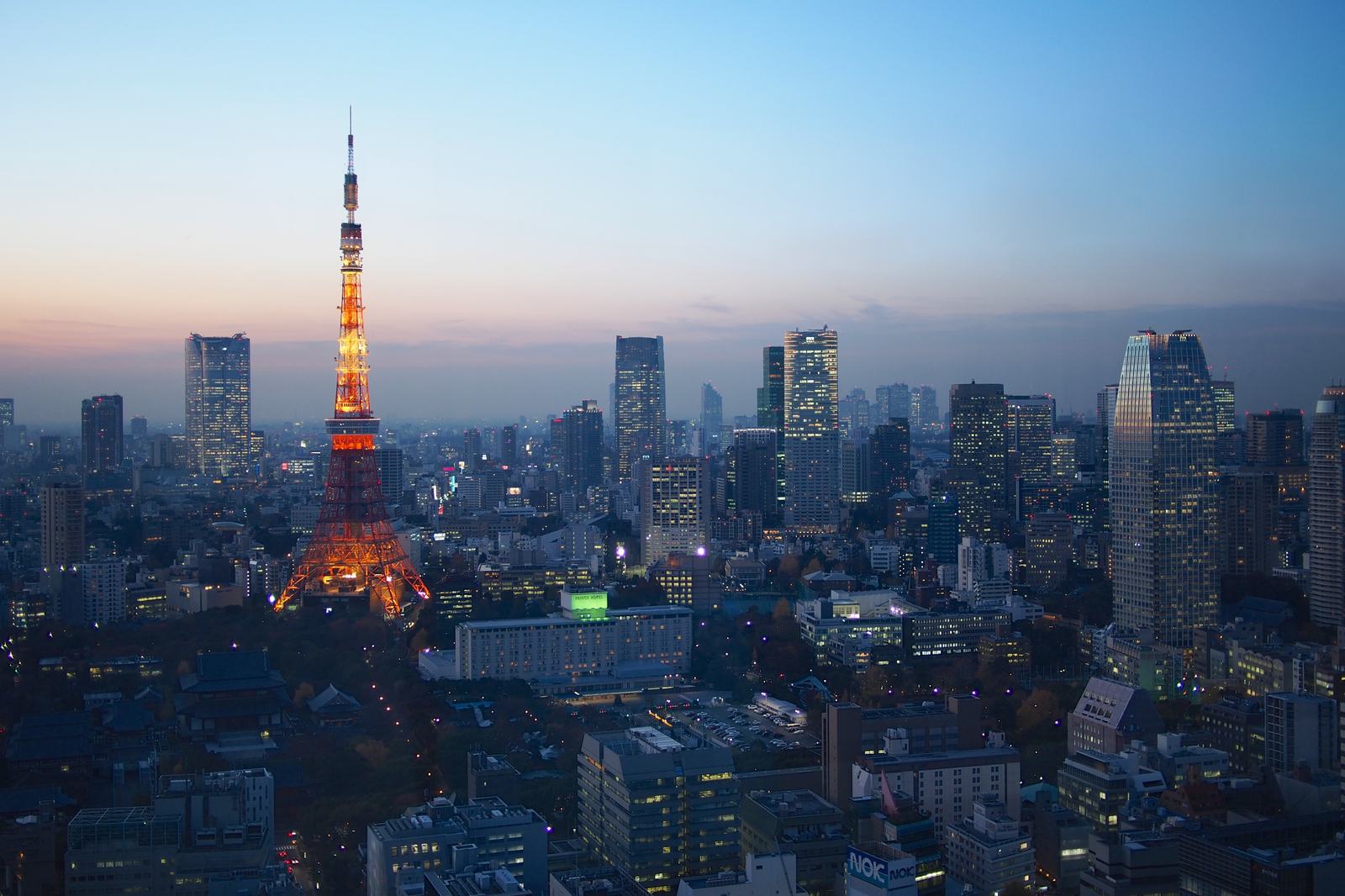
The three Tokyo days go "metro day + metro day + near-Tokyo day" to avoid the fatigue of two hard city days back to back.
- Day 1 (traditional east): a light opener after landing — Asakusa's Kaminarimon, Nakamise-dori, Skytree, then dinner at Ueno's Ameyoko. Don't overload the jet-lagged first day.
- Day 2 (trendy west): Shibuya crossing, Harajuku's Takeshita-dori, Meiji Shrine, Omotesando. Save the afternoon for the free observation deck at the Tokyo Metropolitan Government Building, or dinner in Shinjuku.
- Day 3 (near-Tokyo breather): Hakone (Mt Fuji + onsen, chain the pirate ship and Owakudani with a Hakone Free Pass) or Kamakura (Great Buddha, Enoden coastal line) — pick one, back by evening. This is the buffer day of the Tokyo segment.
Want to go deeper and fill a full five days in Tokyo? See the Tokyo 5-day itinerary and simply stretch these three days.
Day 4|Tokyo → Kyoto transit day
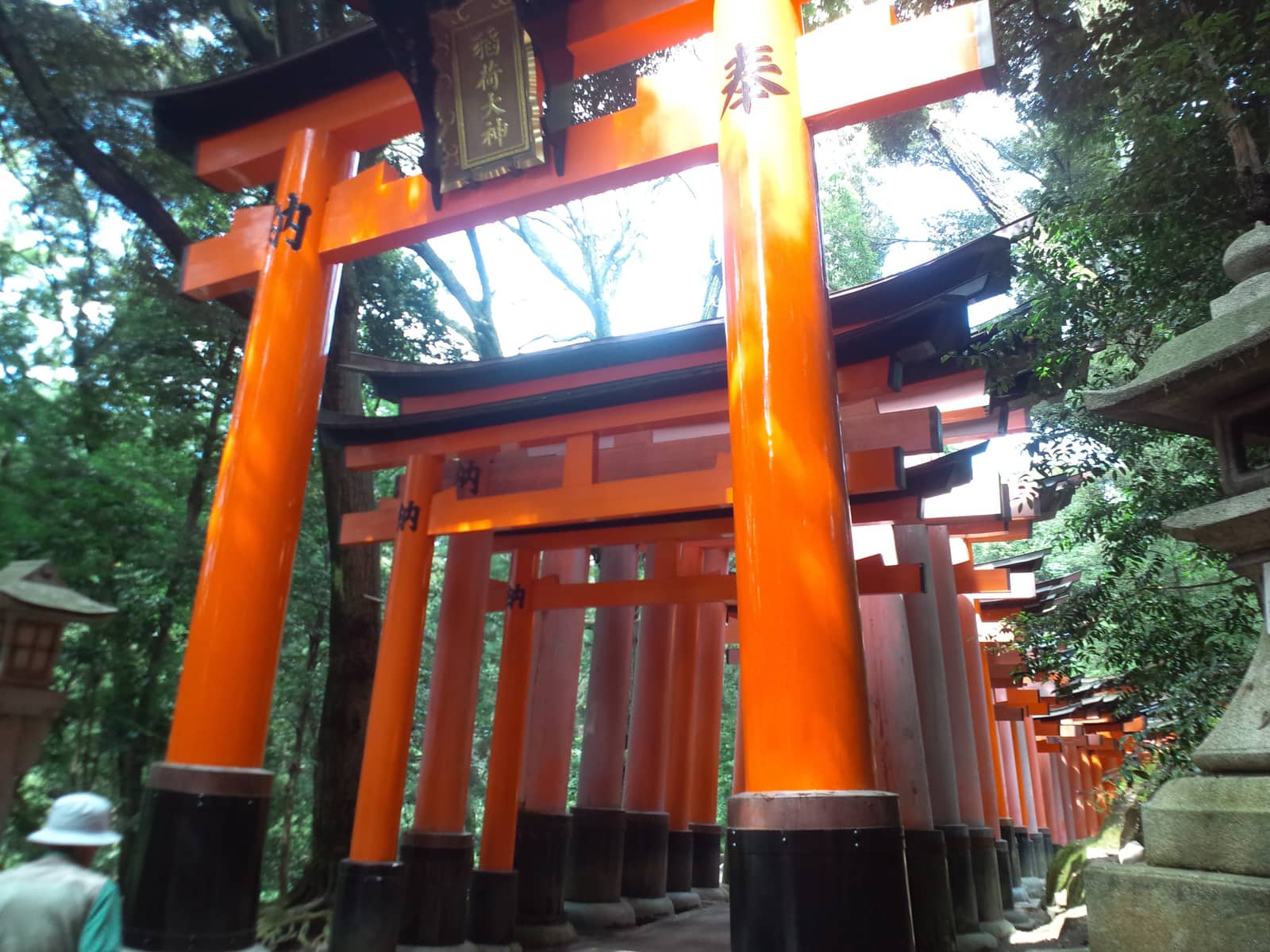
Check out in the morning, ride the Tokaido Shinkansen "Nozomi" from Tokyo Station to Kyoto in about 2h15. This is your first long-distance travel day, so make it a half-day: ride in the morning, arrive at noon, drop bags at the Karasuma hotel, and open softly in the afternoon at Fushimi Inari Shrine. The grounds are open 24 hours and free, so there is no closing time to beat, and after 4pm the dusk light through the vermilion gates is the prettiest of the trip — perfect ahead of a Gion dinner. Don't stack hard sights on a transit day; save your legs for the next four Kansai days.
Day 4–7|Kansai: Kyoto, Osaka, Nara
The four Kansai days follow "Kyoto deep, Osaka for food, Nara as a half-day." Base in one Kyoto hotel and day-trip to Osaka and Nara without moving luggage.
- Day 5 (west Kyoto): Arashiyama bamboo grove before 8am is 80% emptier; pair it with Tenryu-ji's Zen garden. Bus to Kinkaku-ji at noon, Ryoan-ji's rock garden in the afternoon. Pontocho izakaya by the Kamogawa at night.
- Day 6 (Osaka or Nara): theme-park lovers head to USJ (grab the Super Nintendo World timed ticket at park open); history lovers take the Kintetsu line 45 minutes to Nara for the deer, Todai-ji's Great Buddha, and Kasuga Taisha. Cap Osaka nights with Dotonbori's Glico sign and Shinsekai kushikatsu.
- Day 7 (Kyoto dawn → add-on): Kiyomizu-dera opens at 6am — empty and best for photos; walk down Sannenzaka and Ninenzaka, back to Karasuma to check out, then ride to the add-on region in the early afternoon.
To go deep on Kansai specifically — the full logic, hotels, USJ tactics, and autumn timing — see the Osaka & Kyoto 5-day itinerary and graft its first four days in here.
Day 8–10|Pick one add-on
This is the prize the extra three days buy you. Three add-on routes, each with its route below; which one to pick comes in the next section's sort table.
Route A: Hiroshima + Miyajima (history and sea)
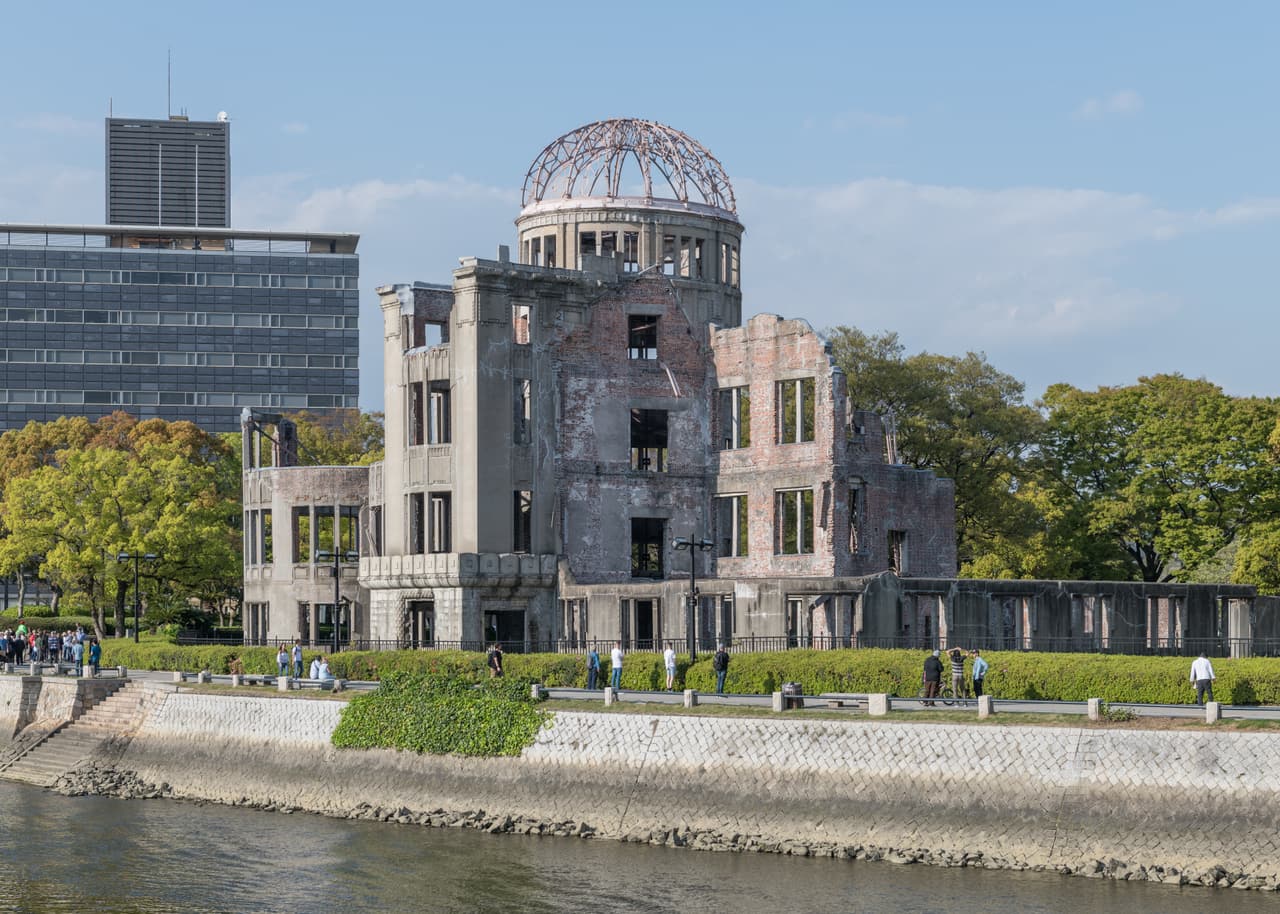
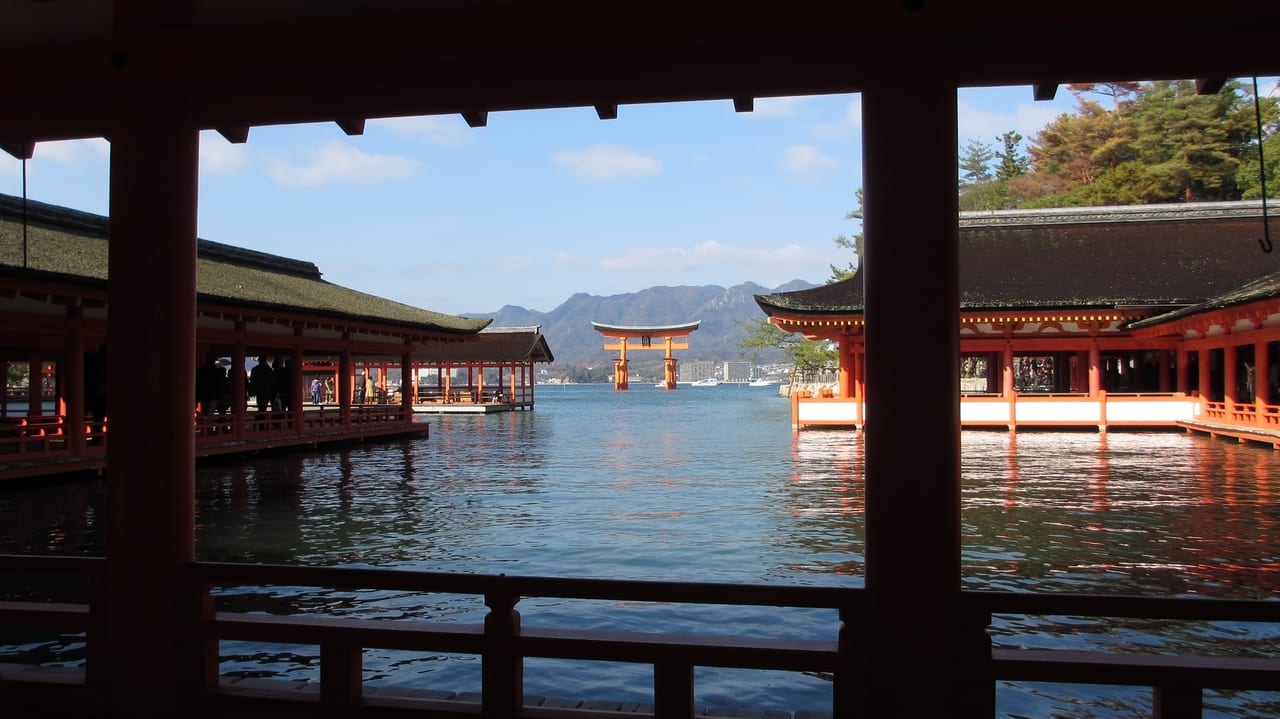
From Kyoto, the San'yo Shinkansen reaches Hiroshima in about 1h40. Day 8 morning walks the Peace Memorial Park, the Atomic Bomb Dome, and the Peace Memorial Museum — a heavy half-day, not a checklist stop but a place to move slowly through. In the afternoon, take the tram and ferry to Miyajima, where Itsukushima Shrine's offshore great torii appears to float at high tide and lets you walk to its feet at low tide; sunset against the gate is the most beautiful frame of the trip. Stay a night on Miyajima to dodge the day-trippers and see the empty torii at dawn. Full route in the Hiroshima guide and Miyajima Itsukushima guide.
Route B: Kanazawa (gardens, art, seafood)
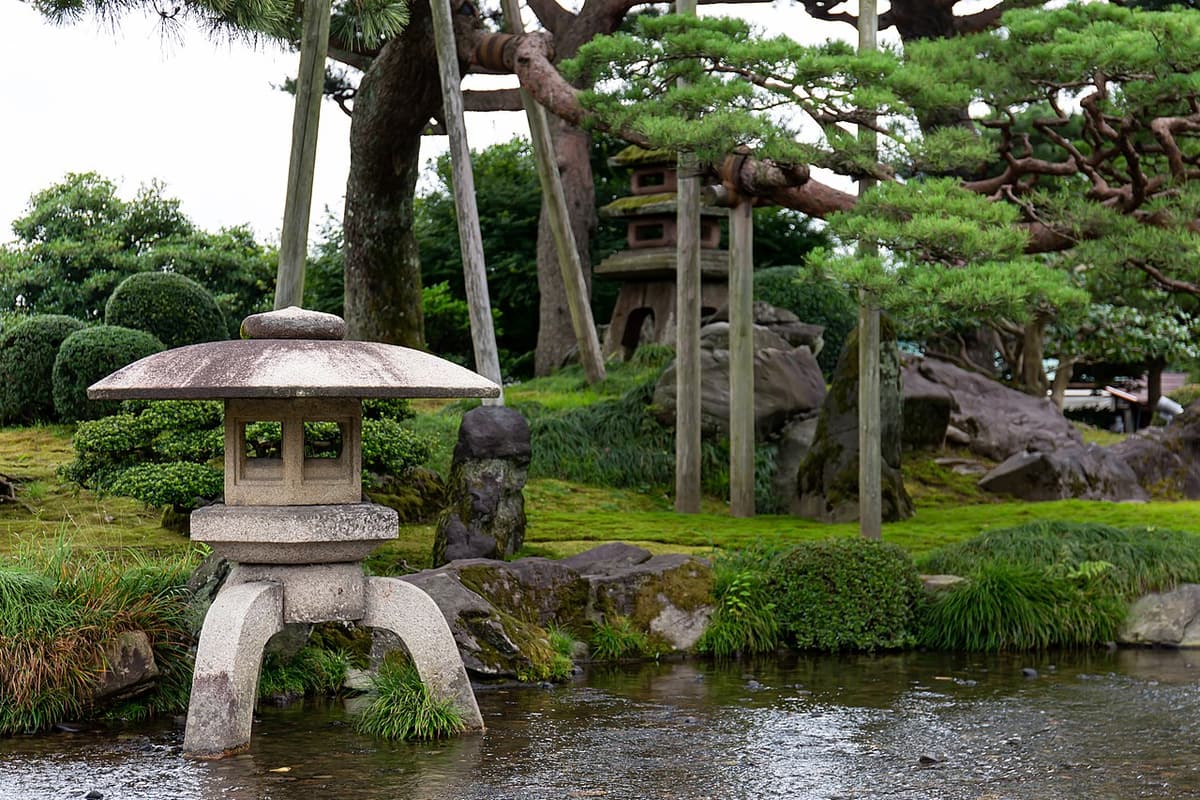
Kanazawa is the one I most recommend for "lowest-effort add-on" travellers. From Kyoto, take the Thunderbird limited express via Tsuruga and transfer to the Hokuriku Shinkansen (about 2 hours+); on the way home you can ride the Hokuriku Shinkansen straight to Tokyo (2h30), closing the loop neatly. The city is compact — finishable in half a day to a day: Kenroku-en (one of Japan's three great gardens, best in winter snow-cones), the adjacent Kanazawa Castle, the 21st Century Museum (the famous swimming-pool installation), Omicho Market for seafood bowls, and the Higashi Chaya district for gold-leaf ice cream and old machiya. Full route in the Kanazawa guide.
Route C: Takayama + Shirakawa-go (mountain old-town, gassho villages)
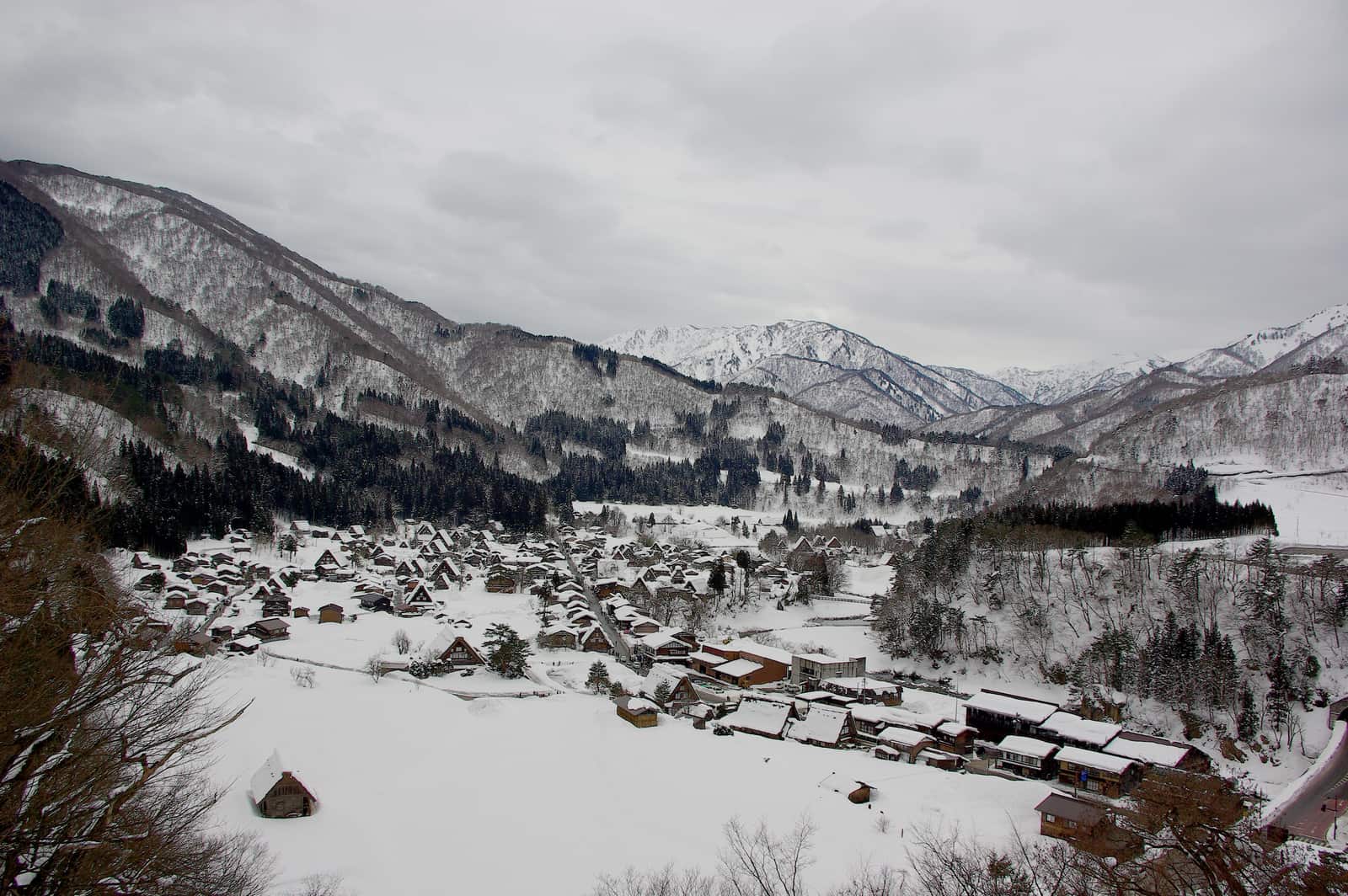
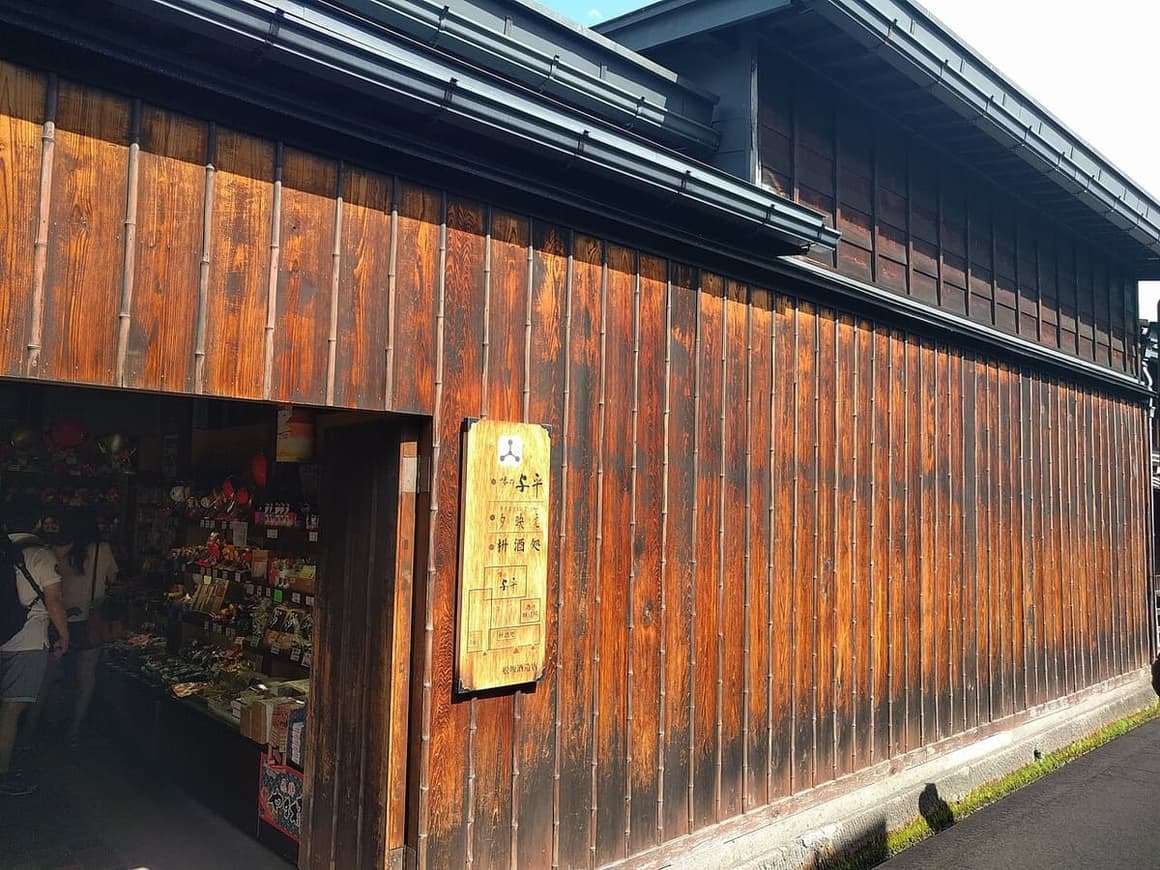
Hida-Takayama and Shirakawa-go are the most "postcard Japan" add-on. From Kyoto/Nagoya, the Hida limited express reaches Takayama in about 2.5 hours. Day 8 walks Takayama's old town (Sanmachi) — beautifully preserved Edo merchant houses, old sake breweries, Hida-beef skewers, and the morning market. Day 9 takes a 50-minute bus to Shirakawa-go, where the gassho village is most dramatic seen from the Ogimachi Castle observation deck. Winter (the limited January–February night illuminations) is the peak of this route — snow-covered gassho houses lit at night top many people's Japan list, but illumination slots require an advance lottery reservation. Full route in the Takayama guide and Shirakawa-go winter illumination guide.
Which add-on should you pick?
Each route suits a different traveller. Read the sort table first, then my clear recommendation.
| Route | Best for | From Kansai | Stay | Best season |
|---|---|---|---|---|
| A Hiroshima & Miyajima | History, peace themes, sea views, World Heritage torii | San'yo Shinkansen 1h40 | 1.5–2 days | Spring/autumn (Miyajima maples) |
| B Kanazawa | Gardens, art, seafood; lowest-effort, easy loop home | Express + Hokuriku Shinkansen ~2h+ | 1–1.5 days | Year-round (winter snow-cones best) |
| C Takayama & Shirakawa-go | Mountain old-town, gassho villages, most photogenic rural Japan | Hida limited express ~2.5h | 2 days | Winter illumination (Jan–Feb) / autumn |
My clear recommendation:
- First-timer wanting easy access + high completion → pick B Kanazawa. Direct Hokuriku Shinkansen from Tokyo, compact city, Kenroku-en gorgeous in every season, and you can close the loop straight back to Tokyo by shinkansen. Smoothest route, lowest chance of a misfire.
- Travelling in winter (Jan–Feb), chasing snow villages → pick C Takayama & Shirakawa-go. Snow-lit gassho villages are the top of many Japan winter lists with no substitute — just reserve illumination slots ahead.
- Love history and want the World Heritage torii and the sea → pick A Hiroshima & Miyajima. The weight of the Peace Memorial Park and Miyajima sunset are things the other two can't give, and you can fly home from Kansai or Hiroshima.
If I truly had to pick one for a first-timer wanting reliability, I'd choose B Kanazawa — it's the most balanced across access, completion, year-round beauty, and an easy loop home.
JR Pass National (7-day covers the long legs)
Cluster the Tokyo↔Kansai↔add-on long shinkansen legs into 7 days and one national JR Pass covers them. Book online, shipped to Taiwan/HK/SG/KR.
Check JR Pass National →JR Pass 7-day vs 14-day: the 10-day math
This is the most-asked question for a 10-day trip. Straight answer: most 10-day trips need only the 7-day pass (¥50,000); the 14-day (¥80,000) is overkill for most people.
It comes down to clustering your long-distance travel. The legs in 10 days that actually need a shinkansen are:
- Tokyo → Kyoto (Nozomi, ~¥13,000 one-way)
- Kansai → add-on (e.g. Kyoto→Hiroshima ~¥11,000, Kyoto→Kanazawa ~¥7,000)
- Add-on → home (e.g. Hiroshima→Tokyo ~¥19,000, Kanazawa→Tokyo ~¥14,000)
Pack those three long legs into a single 7-day window (say Day 4 Tokyo→Kyoto, Day 7 Kansai→add-on, Day 9 add-on→home all inside one 7-day span), activate one 7-day national JR Pass, and those three legs bought à la carte already approach — or exceed — the ¥50,000 price; the pass pays for itself plus every local JR line along the way. The days you spend on the subway inside Tokyo or Kyoto just need Suica/ICOCA, no pass coverage required.
| Scenario | Recommendation | Why |
|---|---|---|
| Long legs clustered in 7 days (most common) | 7-day pass ⭐ | Three long shinkansen legs à la carte already near the pass price; tap IC inside cities |
| Long legs spread beyond 7 days, or multiple backtracks | 14-day pass | e.g. add-on out and back to Kansai, then north again — a longer travel window pays off |
| Add-on is Kanazawa, and you fly into/out of Tokyo | Possibly no pass | Hokuriku Shinkansen à la carte + a one-way Tokaido can total below the pass — price each leg |
The pass break-even, per-route one-way fares, and activation-day strategy are in the JR Pass 2026 guide. The point: plan which days you go long-distance first, then set the pass activation day so the 7-day window blankets every long leg.
10-day budget breakdown (per person)
| Category | Economy | Comfort | Notes |
|---|---|---|---|
| Flights (into Tokyo, out of Osaka) | US$380 | US$700 | Shoulder LCC vs peak full-service |
| Hotels (9 nights) | US$580 | US$1,150 | Business hotels vs mid-tier + one ryokan |
| JR Pass 7-day | US$315 | US$315 | National ordinary, covers the long legs |
| City transit | US$80 | US$110 | Suica/ICOCA + Hakone Free Pass + buses |
| Food (10 days) | US$290 | US$510 | ~US$29/day vs US$51/day |
| Tickets & experiences | US$130 | US$225 | USJ/sights/Miyajima ferry/illumination booking |
| eSIM + insurance | US$38 | US$58 | 10-day eSIM + travel insurance |
| Shopping / gifts | flexible | flexible | Most variable line |
| Per person, 10 days | ~US$1,850 | ~US$3,050 | Spread driven by hotel tier and ryokan night |
To swap one night for a ryokan (Arashiyama, Hakone, or a Hokuriku onsen like Yamanaka or Wakura), see our 5 best onsen ryokan or filter on the Japan ryokan page. Check the current situation before booking Wakura: as of 2026 the local association reports 11 of 19 member inns reopened, some operating provisionally mid-construction with no entrance hall or front desk, and seawall works impairing sea views from inside. Details in our Noto Peninsula status guide.
Pacing: three rules so 10 days isn't exhausting
Fatigue comes from how many times you move hotels, not how far you walk. Three rules:
- Change accommodation bases at most 3 times. Tokyo 3 nights → Kyoto 3 nights → add-on 1–2 nights → home. Every hotel change adds a check-out morning and a luggage drag; minimising moves is the core.
- Make long-distance travel days half-days. Ride the shinkansen in the morning, arrive midday, do light sightseeing in the afternoon (Fushimi Inari, a market, a city stroll); never stack a hard sight or a mountain hike after a long move. Treat the shinkansen as transit plus rest.
- Build a "blank afternoon" every 2–3 days. Lie down at the hotel for 90 minutes before dinner — this is what keeps a 10-day campaign from collapsing. The biggest advantage of 10 days is that you can afford to go slow; don't spend it like a crammed 7-day trip.
🧭 Still deciding whether to stretch to 10 days? Start with the foundational 7-day first-timer itinerary and upgrade if you want more; if you want the full fortnight, jump to the 14-day Japan itinerary. Ten days is the sweetest length between the two.
Frequently Asked Questions
- Q1:Is 10 days enough for Japan, and how should I use the extra 3 days over a 7-day trip?
- Ten days is the sweet spot. The base is the same as a 7-day trip — Tokyo (3 days) + Kansai (4 days) — covering Japan's two great metro regions properly. The extra 3 days should not go toward cramming in a third or fourth big city (that just means daily train-and-check-in fatigue). Instead, use them for one "add-on region": Hiroshima & Miyajima, Kanazawa, or Takayama & Shirakawa-go — pick one. Ten days gives you "two metros done properly + one place you'll remember for life" without rushing. Full day-by-day route is in Day 1–10 below.
- Q2:Which add-on region should I pick — Hiroshima, Kanazawa, or Takayama/Shirakawa-go?
- Quick sort: pick A (Hiroshima & Miyajima) if you love history, sea views, and the World Heritage floating torii; pick B (Kanazawa) if you love gardens, art, seafood, and want the lowest-effort add-on; pick C (Takayama & Shirakawa-go) if you love mountain old-towns, gassho-zukuri villages, and the most postcard-perfect rural Japan. If I had to recommend one for a first-timer wanting easy access plus a high completion rate, I'd choose B Kanazawa — direct Hokuriku Shinkansen from Tokyo, a compact city you can finish in a day, and Kenroku-en is gorgeous in every season. Winter travellers chasing snow-lit gassho villages are the exception: pick C. Comparison table is in the article.
- Q3:JR Pass 7-day vs 14-day — which is worth it for a 10-day trip?
- It depends on how you cluster your long-distance travel. If you pack the long shinkansen legs (Tokyo→Kyoto, Kansai→add-on, add-on→home) into a single 7-day window, a 7-day national JR Pass (¥50,000) is enough — the days you spend inside Tokyo or Kyoto on the metro don't need a pass. The 14-day version (¥80,000) only pays off if your long legs genuinely spread beyond 7 days or you backtrack multiple times. For most 10-day trips, a 7-day pass plus Suica/ICOCA inside the cities is the cheapest combo. Break-even math is below.
- Q4:Will 10 days be exhausting, and how do I pace the moves so it doesn't feel like a forced march?
- Fatigue comes from how many times you move hotels, not how far you walk. Three rules: (1) Change accommodation bases at most 3 times — Tokyo 3 nights → Kyoto 3 nights → add-on 1–2 nights → home. (2) Make long-distance travel days half-days — ride the shinkansen in the morning, arrive midday, do light sightseeing in the afternoon; never stack a hard sight after a long move. (3) Build in a "blank afternoon" every 2–3 days — lie down at the hotel for 90 minutes before dinner. Treat the shinkansen as both transit and rest, and 10 days is actually easier than a crammed 7-day trip.
- Q5:What about connectivity, IC cards, and budget for a 10-day trip?
- For connectivity, an eSIM is simplest — a 10GB-class plan for 10 days runs roughly ¥700–1,950, with the QR code emailed instantly and no airport pickup or return. For IC cards, use Suica in Tokyo and ICOCA in Kansai, though the two are interchangeable nationwide, so one card tapped everywhere is fine (just top up as needed). Budget-wise, a 10-day independent trip (flights, hotels, JR Pass, food, tickets) lands at roughly US$1,850–3,050 per person, with the spread driven mostly by hotel tier and whether you include one ryokan night. Itemised breakdown is below.
- Q6:Does flying into Tokyo and out of Osaka (or vice versa) matter for a 10-day trip?
- Yes, and it's worth planning deliberately. The smoothest flight structure is into Tokyo (Narita/Haneda) and out of Osaka (Kansai KIX), or the reverse — so you don't lose half a day backtracking to your original airport. If your add-on is A Hiroshima (closer to Kansai), "into Tokyo, fly home from Kansai or Hiroshima" flows best. For B Kanazawa or C Takayama (near Nagoya and Hokuriku), "into Tokyo, out of Osaka" still works cleanly. Decide your add-on first, then choose your entry/exit airports to save a half-day of backtracking.
Read next
Osaka & Kyoto 5-day itinerary
Dotonbori, Kiyomizu, Arashiyama — full tested route.
Tokyo 5-day itinerary 2026
A clear 5-day plan: Shinjuku base, two zones per day, honest budget.
JR Pass 2026: Is It Still Worth It?
Four real routes calculated, six alternatives that may beat the Pass.