Two weeks (14 days) in Japan is a luxurious amount of time — you no longer have to cram sights the way a 5-day trip forces you to; you can actually do a place properly. But two weeks falls into one trap over and over: filling every single day, going hard for 14 days straight, and burning out by Day 8 wanting only to lie in the hotel. Here is a road-tested structure: the first 8 days run the "Tokyo + Kyoto/Osaka" golden route (easy even for a first Japan trip), then the final 6 days are a big extension you choose — south to Kyushu (Beppu, Yufuin, Kumamoto, Aso) or north to Hokkaido (Sapporo, Otaru, Hakodate). I’ll tell you plainly which version suits whom, which season points you which way, whether a 14-day JR Pass is actually worth it, whether to take the bullet train or fly for the long-haul leg, and how to use luggage forwarding so transit days don’t crush you. The short version: onsen and warmth → Kyushu; snow and seafood → Hokkaido.
- Golden 8 days: 3 nights Tokyo → 3 nights Kyoto/Osaka, with built-in rest days, minimising hotel changes.
- Pick one for the second week: south to Kyushu (Beppu/Yufuin/Kumamoto/Aso — onsen, food, easy, mild winters) vs north to Hokkaido (Sapporo/Otaru/Hakodate — snow, seafood, summer escape, longer drives).
- How to choose: snow in winter → Hokkaido; spring/autumn, tighter budget/time, or a first trip → Kyushu.
- 14-day JR Pass: the nationwide pass (¥80,000) has a high bar; the Kyushu leg fills it more easily, the Hokkaido leg often doesn’t. Splitting into a 7-day nationwide + a regional pass is smarter.
- Long-haul leg: Kansai to Kyushu by shinkansen (2.5 hrs direct); to Hokkaido just fly budget (saves a whole day).
- Don’t burn out: stay multiple nights per base, forward big luggage, keep a flex day.
Table of Contents (click to expand)
- The 14-day map (golden leg + two versions)
- First 8 days: Tokyo + Kyoto/Osaka golden route
- The big extension: Kyushu vs Hokkaido
- Version A: south to Kyushu (Days 9–14)
- Version B: north to Hokkaido (Days 9–14)
- Kyushu vs Hokkaido comparison
- Is a 14-day JR Pass worth it? How to split it
- Long-haul transit & luggage: don’t wreck yourself
- Two-week budget breakdown (per person)
- FAQ
The 14-day map
The skeleton is simple: the first 8 days are a golden route everyone shares (in via Tokyo, covering the cores of Kanto and Kansai), and from Day 9 it forks into two versions. The table below puts both side by side so you get the whole picture before we break each leg down.
| Day | Shared golden leg | Version A (Kyushu) | Version B (Hokkaido) |
|---|---|---|---|
| 1–3 | Tokyo: Asakusa, Shibuya, Shinjuku, teamLab, day trip (Kamakura or Nikko) | ||
| 4 | Tokyo → Kyoto (shinkansen ~2.5 hrs, forward luggage) | ||
| 5–6 | Kyoto: Kiyomizu-dera, Arashiyama, Fushimi Inari, Gion | ||
| 7–8 | Osaka: Dotonbori, Osaka Castle, USJ (golden leg finale) | ||
| 9 | fork point | Osaka → Hakata (shinkansen 2.5 hrs) | Kansai/Narita → Sapporo (budget flight 2 hrs) |
| 9–10 | — | Fukuoka: Hakata, Dazaifu, yatai stalls | Sapporo + Otaru: canal, seafood, markets |
| 11–12 | — | Beppu + Yufuin: hell hot springs, onsen town | Furano/Noboribetsu or eastern Hokkaido (season-dependent) |
| 13 | — | Kumamoto + Aso: castle, volcanic crater | Hakodate: night view, morning market, Motomachi |
| 14 | fly home | Out of Fukuoka (FUK) | Out of New Chitose or Hakodate |
First 8 days: Tokyo + Kyoto/Osaka golden route
These 8 days are the "first-timer’s required course," covering both Kanto and Kansai cores so that the big extension afterward doesn’t leave you with "I missed all the essentials" regret. The key is to stay multiple nights per base, not change hotels daily.
Days 1–3 | Tokyo: fix the jet lag and rhythm first
Stay 3 nights in Tokyo without moving rooms (Shinjuku, Shibuya or Ueno — any transit hub works). Day 1 you usually land in the afternoon; don’t over-schedule — ease in around Asakusa’s Kaminarimon and the Skytree area, eat ramen, sleep early to beat jet lag. Day 2: Shibuya Crossing, Omotesando, Meiji Shrine, Shinjuku night views. Day 3 is your pick: teamLab Planets for digital art, or a day trip out — Kamakura (Enoden, the Great Buddha, the coast) or Nikko (Toshogu, Kegon Falls). For the full Tokyo breakdown, see our Tokyo 5-day itinerary and pull the first three days from it.
Day 4 | Tokyo → Kyoto: transit day, forward your bag first
The Tokaido Shinkansen is about 2 hours 15 minutes Tokyo to Kyoto. Key move: the night before, forward your big suitcase by takkyubin hotel-to-hotel for around ¥2,000, arriving next day — you board the shinkansen with only an overnight bag and never wrestle luggage on the platform. Check in to Kyoto in the afternoon, then catch Fushimi Inari’s thousand torii at dusk — the grounds are open 24 hours and free, and the light is best then.
Days 5–6 | Kyoto: dawn is Kyoto’s secret weapon
Stay 2 nights in Kyoto (Karasuma or near Kyoto Station). Day one: Arashiyama bamboo grove before 8am (one-fifth the crowd) plus Tenryu-ji, Kinkaku-ji at noon, a 90-minute hotel reset in the afternoon, izakaya in Pontocho at night. Day two: enter Kiyomizu-dera at the 6:00 opening when it’s empty, walk down Ninenzaka and Sannenzaka, lunch at Nishiki Market, Gion’s Hanamikoji in the evening. The full Kyoto routing is in our Osaka & Kyoto 5-day itinerary.
Days 7–8 | Osaka: a lively finish to the golden leg
Kyoto to Osaka is just 28 minutes by Special Rapid (¥580), so you could commute without moving hotels, but if you’re doing USJ, just relocate to Osaka. Day 7: Dotonbori, Shinsaibashi, Osaka Castle, kushikatsu in Shinsekai. Day 8: a full USJ day (including Super Nintendo World). That’s the last day of the golden leg — tomorrow you fork into the big extension.
Japan unlimited eSIM (5–30 day)
For a 14-day trip that reaches rural Kyushu or eastern Hokkaido, an eSIM is the easy choice: QR by email, data live on landing, no pickup, no return.
Get Japan eSIM →The big extension: Kyushu vs Hokkaido
This is the most important decision in the whole plan. I won’t give you the useless "both are great, depends on you" line — here’s the real trade-off:
- Choose Kyushu if: you hate cold, love hot springs, love eating (tonkotsu ramen, mentaiko, basashi, chicken tempura), want an easy first-timer route, and don’t want another sea crossing. Kyushu sits right next to Kansai (2.5 hours by shinkansen to Hakata), cities are dense and transfers are smooth, even winter is only chilly, and Beppu + Yufuin are sacred ground for onsen lovers.
- Choose Hokkaido if: you want dramatic snow, love seafood (crab, sea urchin, sashimi bowls), want a summer escape (22°C in July–August when Honshu bakes), and don’t mind long drives. The December–February snow, the February Sapporo Snow Festival, and the Furano lavender fields are things Kyushu can’t give you. The price: you cross over (fly), and stops are 2–3 hours apart.
My specific call: if this trip is in winter (December–February) and you want snow → Hokkaido clearly wins, that’s its strongest season; if it’s spring/autumn, or you want to save budget and time, or it’s a first Japan trip → Kyushu is the safer pick. Want both? Treat this trip as your first, pick one, and save the other for next time — forcing Kyushu and Hokkaido into the same 14 days burns 2–3 days on long-haul transit alone. Not worth it.
Version A: south to Kyushu (Days 9–14)
Days 9–10 | Fukuoka: soft landing in Hakata
Osaka to Hakata on the Sanyo Shinkansen is about 2.5 hours, and you step off into Kyushu’s biggest city. Fukuoka’s charm is in the eating: Hakata ramen, yatai (street food stalls), mentaiko, motsunabe (offal hot pot). The first night, go to the Nakasu-Kawabata yatai — a row of riverside stalls along the Naka River, ramen and beer elbow-to-elbow, the warmest meal in Kyushu. Next day, a half-day at Dazaifu Tenmangu (the shrine of learning, umegae-mochi), then the Tenjin shopping district. For more, see our Fukuoka guide.
Days 11–12 | Beppu + Yufuin: twin onsen towns
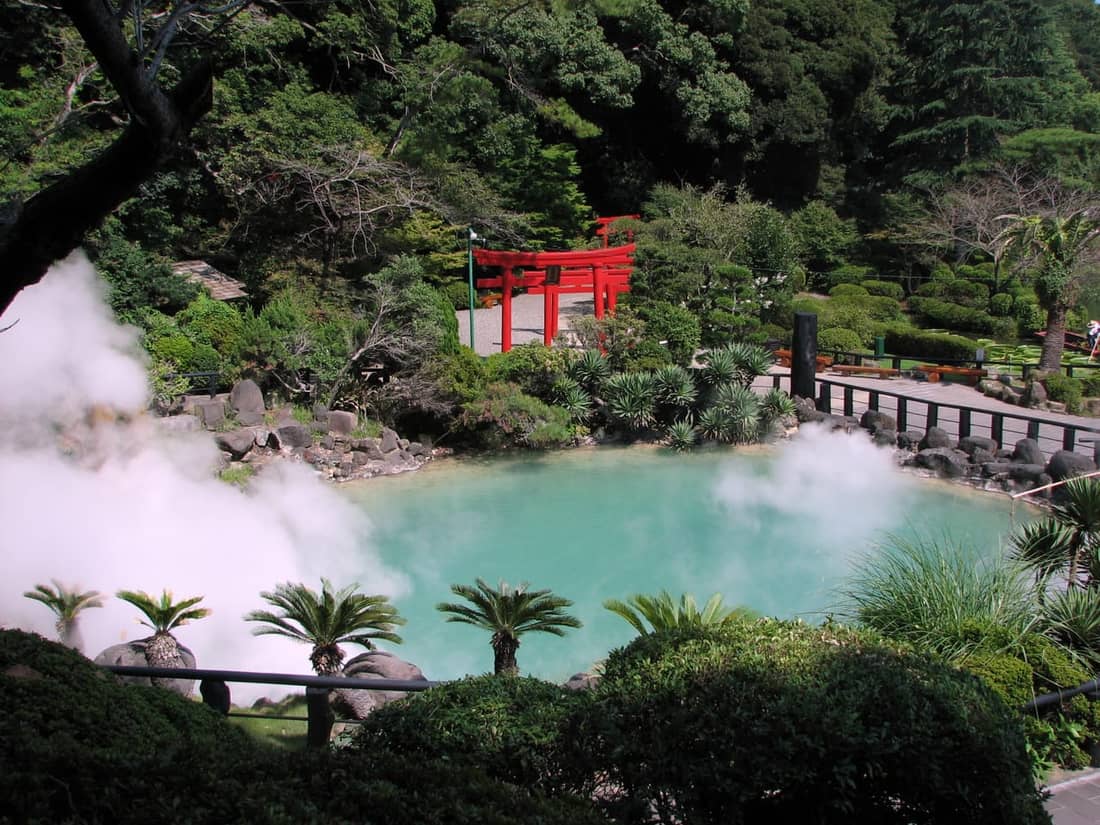
From Hakata, take the "Yufuin no Mori" or "Sonic" limited express toward Oita. Beppu has Japan’s highest hot-spring output, and its signature is the "hells tour" (jigoku meguri) — seven high-temperature springs of wildly different colours (cobalt-blue Sea Hell, blood-red Chinoike Jigoku), a ¥2,200 combo ticket; these are for looking, not soaking. Spend a night in an onsen ryokan and soak your fill.
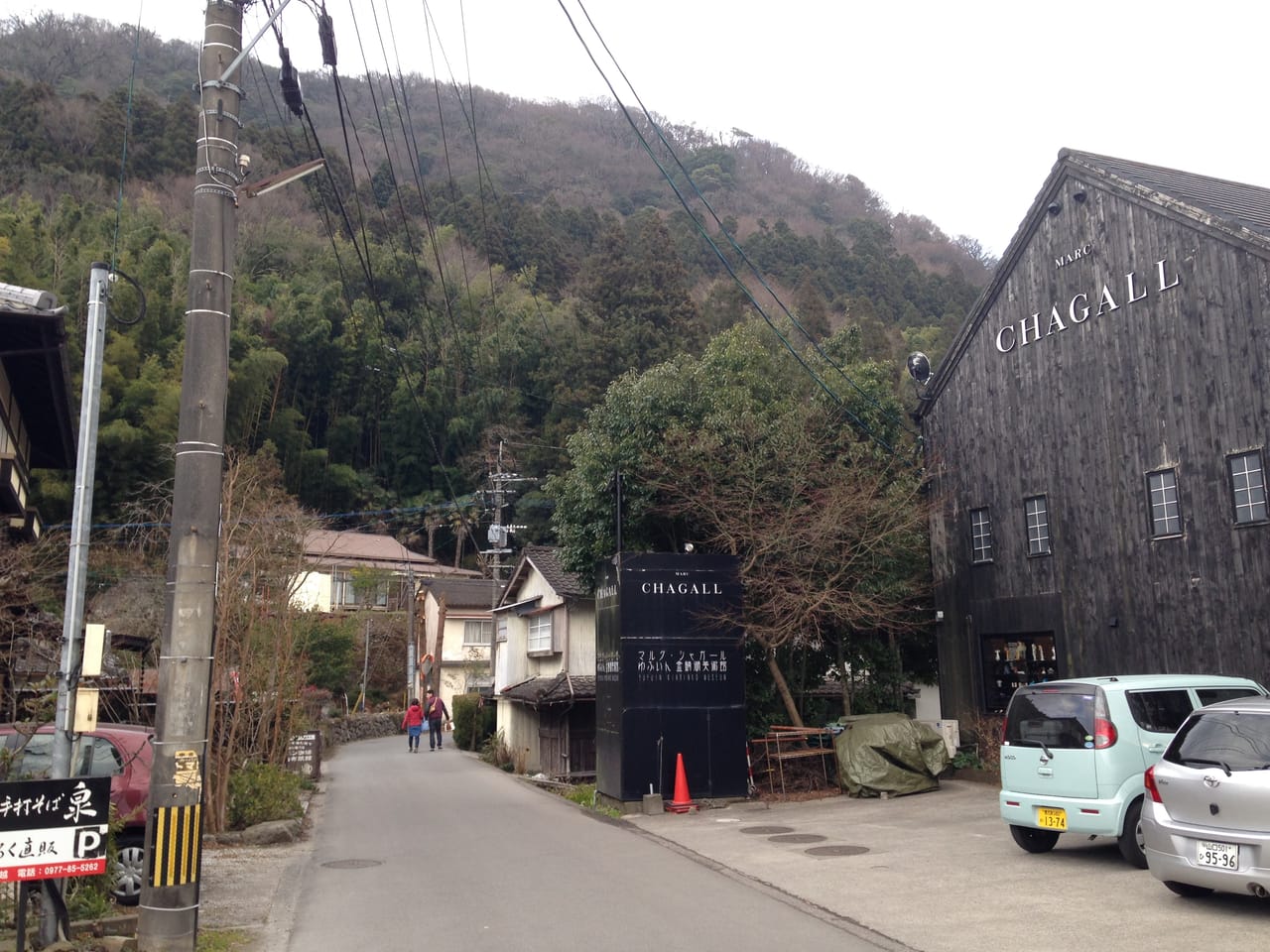
Yufuin is close to Beppu but a completely different mood — an arty onsen village. The dawn mist over Lake Kinrinko, the cafes and sweets along Yunotsubo street, Mount Yufu in the background — half a day of slow wandering is just right. Beppu for the spectacle, Yufuin for the slow life; pair them for the complete experience.
Day 13 | Kumamoto + Aso: castle and volcano
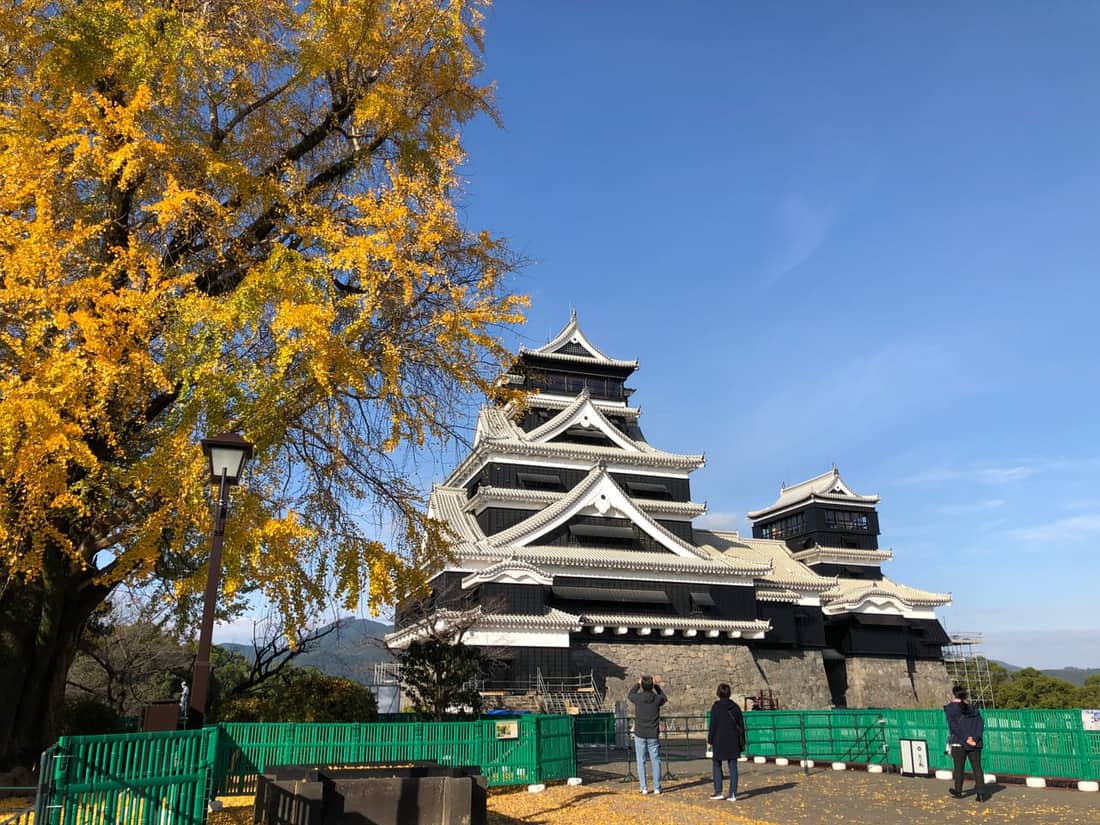
Kumamoto Castle is one of Japan’s three great castles. After damage in the 2016 Kumamoto earthquake it was restored in phases, and the main keep has reopened (per official notices, some areas remain under repair and routes are adjusted — check the official site before you go). The Sakura-no-baba "JoSaien" complex below the castle serves Kumamoto specialties like basashi and karashi-renkon. With energy to spare, head east into Aso — one of the world’s largest caldera landscapes. Whether the Nakadake crater rim is open depends on daily volcanic activity and gas levels (the authorities restrict access in real time; check the Aso Volcano Museum or official site — and don’t read "no KKday product" as "you can’t go," since on-site and official channels confirm the open status).
JR Kyushu Rail Pass (save on fares)
Kyushu’s cities are dense with frequent limited expresses; if your final 3–6 days link Fukuoka, Beppu, Yufuin and Kumamoto, a regional JR Kyushu Pass usually beats buying leg-by-leg. Buying tickets on the spot or via the official site are also valid options.
Check JR Kyushu Pass →The full station-by-station version of this 3-day Kyushu rail extension (with limited-express reservations and fare math) is in our Kyushu 3-day rail itinerary.
Version B: north to Hokkaido (Days 9–14)
The Hokkaido version’s crucial first step is to not grind it out by land — fly a budget airline from Kansai or Narita straight to New Chitose Airport (about 2 hours, often ¥6,000–12,000), which saves a full day versus changing trains all the way north.
Days 9–10 | Sapporo + Otaru: city and canal
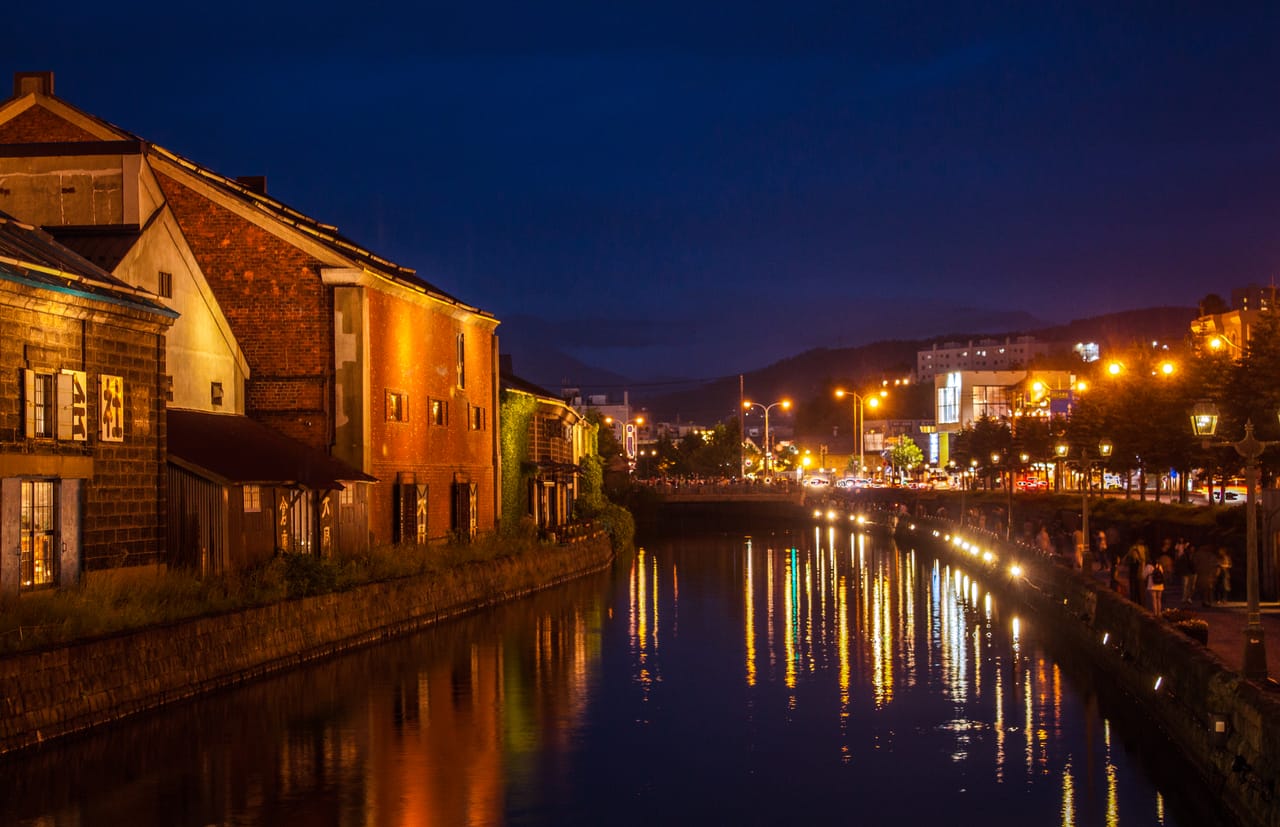
Sapporo is the regional hub — Odori Park, the Tanukikoji arcade, seafood bowls at Nijo Market, soup curry and Genghis Khan grilled lamb in Susukino are the basics. In winter, early February brings the Sapporo Snow Festival (giant snow sculptures in Odori Park), the strongest seasonal draw of the Hokkaido version. Otaru is just over 30 minutes from Sapporo by JR Rapid; the brick warehouses, gas lamps, glass workshops and sushi street along the canal are the classic scene, best as the gas lamps light up at dusk (that’s the cover shot of this article). For more, see our Sapporo guide.
Days 11–12 | Furano/Noboribetsu or eastern Hokkaido (season-dependent)
These two days change drastically by season. In summer (July–August) head for Furano and Biei — lavender fields, the Patchwork Road, the Blue Pond, Hokkaido’s summer signature. In winter, go for Noboribetsu Onsen (Jigokudani hell valley, sulphur springs) or push to eastern Hokkaido (Shiretoko drift ice, Kushiro marsh, Lake Akan — but the drives are long, brace for it). For a first trip that wants a safe bet, Noboribetsu Onsen wins: close to Sapporo, top-tier springs, good in summer and winter alike.
Day 13 | Hakodate: night view, morning market, Motomachi
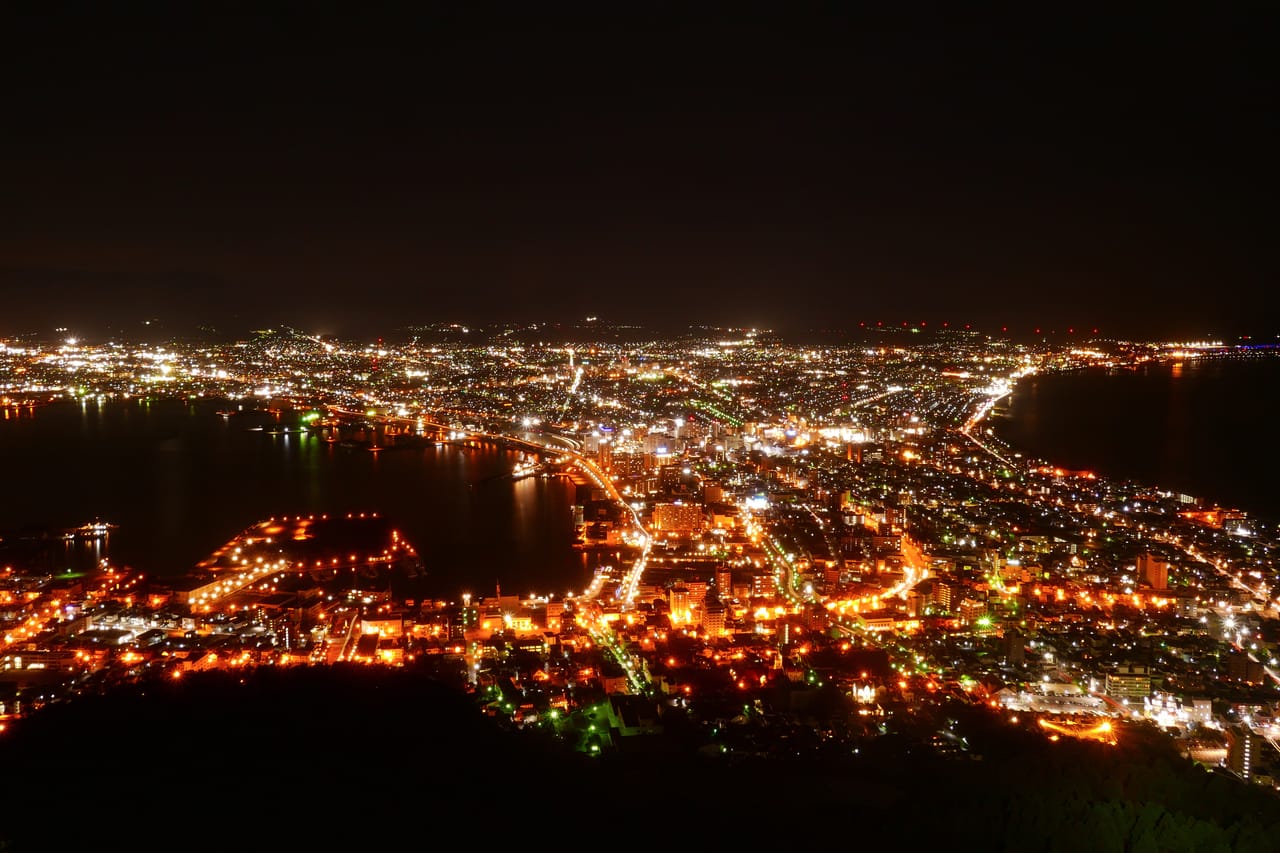
Hakodate closes out the Hokkaido version. The night view from Mount Hakodate (one of Japan’s three great night views, the fan-shaped lights pinched between two bays) is best with a dusk ropeway ride to grab a spot; the Hakodate Morning Market is a breakfast heaven of sea-urchin bowls and grilled scallops; Motomachi’s Western-style slopes and the Kanemori red-brick warehouses are made for slow wandering. Sapporo to Hakodate is about 3.5 hours by limited express, so treat it as the wind-down and fly home from Hakodate the next day (or loop back to New Chitose). The full winter 7-day Hokkaido plan, snow-country transit and warm clothing are in our Hokkaido winter 7-day itinerary.
JR Hokkaido Rail Pass
Inside Hokkaido you lean on JR Hokkaido’s own regional pass (¥28,000 advance). Linking Sapporo–Otaru–Asahikawa–Hakodate it usually beats leg-by-leg tickets; for a single fixed base you may not need it.
Check Hokkaido Rail Pass →Kyushu vs Hokkaido comparison
| Aspect | Version A: Kyushu | Version B: Hokkaido |
|---|---|---|
| Long-haul leg | Shinkansen 2.5 hrs direct to Hakata (smooth) | Fly budget to New Chitose (saves a day) |
| Between cities | Dense, frequent expresses, easy transfers | 2–3 hours apart, budget travel time |
| Best season | Year-round; even winter only chilly | Winter snow (Dec–Feb), summer escape (Jul–Aug) |
| Signature experiences | Beppu hells, Yufuin onsen, yatai food | Otaru canal, Hakodate night view, seafood, snow festival |
| Food highlights | Tonkotsu ramen, mentaiko, basashi, chicken tempura | Crab, sea urchin, sashimi bowls, grilled lamb |
| Onsen | ★★★★★ (a pilgrimage for onsen lovers) | ★★★★ (Noboribetsu, Toya also strong) |
| Suits whom | Hate cold, love onsen/food, first trip, easy | Want snow/seafood, summer escape, OK with long drives |
| JR Pass payoff | Easier (long-haul + regional pass both fill) | Harder (mostly budget flight + regional pass) |
Is a 14-day JR Pass worth it? How to split it
Plenty of people hear "two weeks in Japan" and reflexively buy the 14-day nationwide JR Pass — but after the big October 2024 hike, the bar on that pass is high. The nationwide 14-day ordinary pass is now ¥80,000, with a rough break-even of "your reserved bullet-train fares over those 14 days have to add up to more than the pass costs." Unless you cross regions like a maniac, a two-week "stay-put, go deep" itinerary often doesn’t fill it.
The smarter approach is to buy in segments:
| Plan | Combination | Best for |
|---|---|---|
| Kyushu version ⭐ | 7-day nationwide pass (¥50,000) for the Tokyo–Kansai leg + a Kyushu regional pass (¥22,000) | Tokyo⇔Kyoto⇔Hakata fills the 7-day nationwide pass; dense Kyushu cities then use the Kyushu pass — both legs pay off |
| Hokkaido version ⭐ | 7-day nationwide pass for Tokyo–Kansai + a budget flight across + a Hokkaido pass (¥28,000) inside | Cross to Hokkaido by air, ride on JR Hokkaido’s own regional pass — the 14-day nationwide is poor value here |
| Plain 14-day nationwide | Nationwide 14-day (¥80,000) | Only pays off with "14 days of frenetic cross-region, near-daily long shinkansen" — most people don’t fill it |
Bottom line: don’t blindly buy the 14-day nationwide pass for a two-week trip. Add up your leg-by-leg fares first, then compare against the pass price. Full break-even math, regional pass comparisons and five sample itineraries are in our JR Pass guide.
Long-haul transit & luggage: don’t wreck yourself
What wears people out over two weeks isn’t the sights — it’s moving and luggage. Three rules make it far easier:
- Under 1,000 km with a JR Pass → take the shinkansen. Kansai to Hakata is 2.5 hours, frequent, no airport-early hassle — unbeatably smooth (and effectively free with a pass).
- Crossing to Hokkaido → fly budget. Kansai/Narita to New Chitose is about 2 hours, often ¥6,000–12,000, saving a full day versus changing trains all the way (Tokyo to Sapporo by land is 7+ hours).
- On transit days, use takkyubin (Yamato forwarding). Send the big bag hotel-to-hotel for about ¥1,500–2,500, arriving next day, while you carry only an overnight bag. This one trick erases every "dragging a 28-inch suitcase up the escalator" meltdown.
For connectivity, on a long trip that reaches mountains and eastern Hokkaido, an eSIM is the least-hassle option — no pickup, no deposit, no return, roughly ¥640–¥11,000. Five brands compared in our eSIM guide. If your route passes through Hiroshima, our Hiroshima guide can slot Miyajima in as a stopover between Kansai and Kyushu.
Two-week budget breakdown (per person)
Below is a rough per-person estimate for two weeks in mid-range business hotels plus 1–2 onsen-ryokan nights (excluding international flights); real numbers swing with your hotel tier and shopping:
| Category | Kyushu version | Hokkaido version | Notes |
|---|---|---|---|
| Accommodation (13 nights) | ¥130,000 | ¥140,000 | Mostly business hotels + 1–2 onsen ryokan |
| Intercity transit | ¥40,000 | ¥45,000 | Kyushu by shinkansen + pass; Hokkaido incl. flight + regional pass |
| Local transit | ¥12,000 | ¥15,000 | IC card on subway/buses + occasional taxi |
| Food (14 days) | ¥56,000 | ¥60,000 | ~¥4,000–4,300/day incl. a few splurges |
| Tickets / experiences | ¥25,000 | ¥22,000 | USJ, hells tour, ropeways, snow festival, etc. |
| eSIM + insurance | ¥6,000 | ¥6,000 | Long-stay eSIM + travel insurance |
| Shopping / gifts | ¥30,000 | ¥30,000 | Most flexible line |
| Per-person total (excl. flights) | ~¥299,000 | ~¥318,000 | Roughly US$1,900–2,050 (FX-dependent) |
Note: these are "scenario" estimates that swing widely with hotel tier, season (peak hotels run 30–50% higher) and shopping — treat them as a ballpark, not a precise figure.
🏨 Slotting 1–2 nights of a proper onsen ryokan into two weeks is what gives the whole trip a memory anchor. On the Kyushu version, spend a night at an established ryokan in Yufuin or Kurokawa Onsen; on the Hokkaido version, at Noboribetsu or Toya. See our 5 best onsen ryokan or filter on the ryokan recommendations page.
Frequently Asked Questions
- Q1:Do I need a 14-day nationwide JR Pass for two weeks in Japan? Is it worth it?
- It depends where your second week goes. The nationwide 14-day ordinary pass is now ¥80,000 (after the big October 2024 hike), so the break-even bar is high — roughly "your reserved bullet-train fares over those 14 days have to add up to more than the pass costs." The golden route plus the Kyushu version fills that more easily, because you cover long mainline legs from Kanto down to Hakata. The Hokkaido version usually does not pay off the nationwide pass, because inside Hokkaido you lean on JR Hokkaido’s own regional pass and you typically fly a budget airline to cross over. The smarter split: run the Tokyo–Kyoto–Osaka leg on a ¥50,000 7-day nationwide pass, then switch to a ¥22,000 Kyushu pass, or a ¥28,000 Hokkaido pass. The full break-even math is in our JR Pass guide.
- Q2:Should the second week be Kyushu or Hokkaido? How do I decide?
- One line: choose Kyushu if you hate cold weather, love hot springs and food, and want an easy first-timer route; choose Hokkaido if you want dramatic snow, seafood, summer escape, and don’t mind long drives. Kyushu is close to Kansai (the Sanyo Shinkansen reaches Hakata in 2.5 hours), the cities are densely connected, and even winter is only chilly — Beppu and Yufuin are a pilgrimage for onsen lovers. Hokkaido means crossing over (fly), and 2–3 hour gaps between stops, but the December–February snow, the February Sapporo Snow Festival, and the July–August Furano flower fields are things nowhere else can offer. Travelling in winter and want snow? Hokkaido clearly wins. Spring/autumn, or tight on budget and time, or a first trip? Kyushu is the safer pick.
- Q3:For the long-haul leg, bullet train or budget flight?
- By distance. Kansai to Kyushu (Hakata): the Sanyo Shinkansen from Osaka to Hakata is about 2.5 hours, frequent, no airport-early hassle — unless you snag a very cheap flight, the train usually wins, especially if you already hold a JR Pass (then it’s effectively free). Tokyo/Kansai to Hokkaido: just fly a budget airline to New Chitose (Kansai or Narita to Sapporo is about 2 hours, often ¥6,000–12,000) — that saves a full day versus the train (Tokyo to Shin-Hakodate-Hokuto is ~4 hours, then another 3.5 hours by limited express to Sapporo). The rule of thumb: under 1,000 km with a JR Pass → shinkansen; crossing to Hokkaido → budget flight.
- Q4:How do I handle luggage over two weeks? Will dragging a big bag every day wear me out?
- Yes — and this is the single biggest energy drain on a two-week trip. Two fixes: (1) stay multiple nights in each base instead of switching hotels daily — the golden segment here is 3 nights Tokyo, 2–3 nights Kyoto, then 2–3 nights at your second-week city, minimising moves. (2) Use takkyubin (Yamato luggage forwarding): on a long-haul day (say Kansai to Kyushu or Hokkaido), send your big bag hotel-to-hotel for about ¥1,500–2,500, arriving next day, while you travel with just an overnight bag. Airports also have forwarding and storage counters.
- Q5:Connectivity for two weeks — eSIM or pocket Wi-Fi?
- For a long trip that also reaches rural Kyushu or eastern Hokkaido, an eSIM is the best value: no airport pickup queue, no deposit, no return, data live the moment you land. Expect roughly ¥640–¥11,000 depending on days and data. Unless four or more of you want to share one device, one eSIM per person is the call for solo or couple travellers. Our eSIM head-to-head compares five brands on speed and coverage.
- Q6:Is two weeks too long? Will I get bored toward the end?
- You won’t get bored — but the pacing has to be right. The usual two-week failure isn’t too few sights, it’s cramming every single day and burning out by Day 8. This plan deliberately builds in a "do-nothing half-day" and a "90 minutes back at the hotel" reset, and keeps a flex day in the second-week city. Think of 14 days as "8 classic + 6 deep + rests in between," not "14 days stuffed with 40 sights." If two weeks still feels long, see the shorter Osaka & Kyoto 5-day or Tokyo 5-day plans.
Read next
Kyushu 3-Day Rail Itinerary 2026
Yufuin no Mori + Aso Boy chain Hakata → Yufuin → Beppu → Kumamoto → Aso. JR Kyushu Pass saves ~¥2,500 post-hike.
Hokkaido Winter 7-Day Itinerary 2026
Sapporo → Otaru → Biei → Hakodate over 7 days, with JR Pass math, ski-shuttle reality, and a real two-person budget.
JR Pass 2026: Is It Still Worth It?
Four real routes calculated, six alternatives that may beat the Pass.