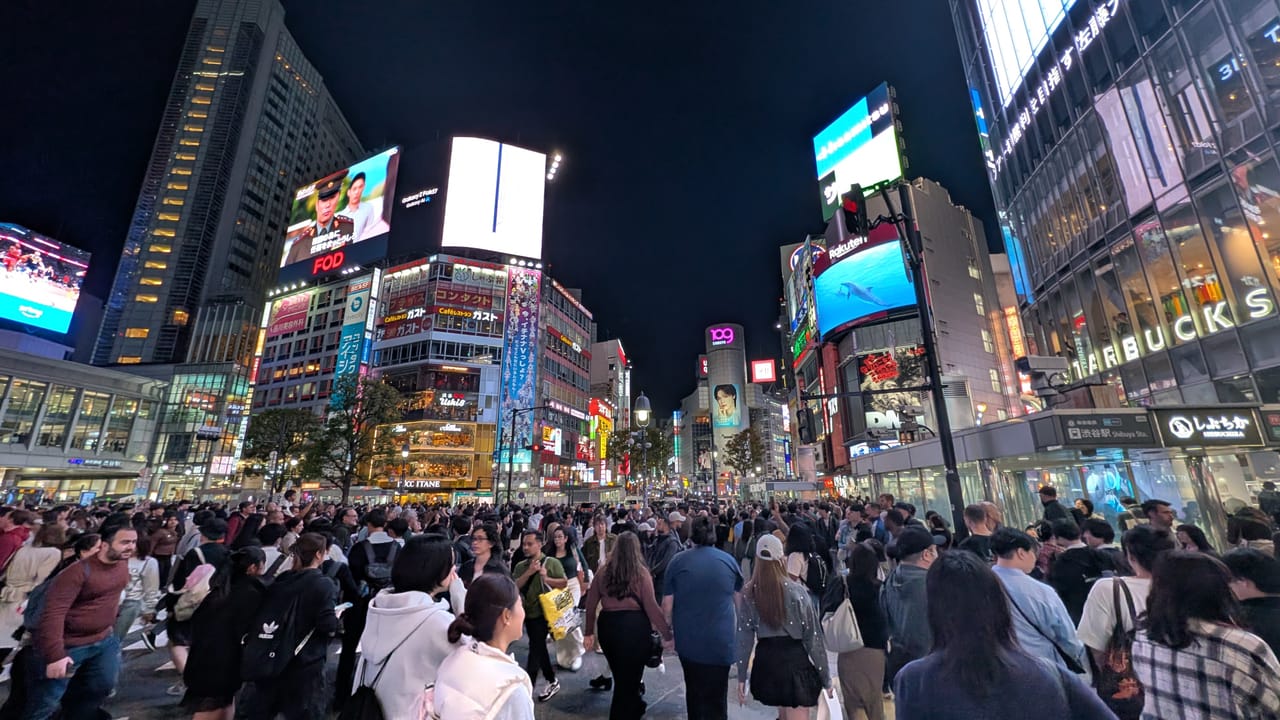
First trip to Japan, only 7 days? The smartest way to spend it is not "Tokyo, Kyoto, Osaka, Nara and Hokkaido in one go." It is the classic axis of 3 days in Tokyo, 1 transit day, and 3 days in Kansai: two metropolitan regions done properly, one intercity move, and your luggage dragged only twice. This guide plans those 7 days into one smooth flow. Every day has a morning-noon-night route. It answers whether to take the bullet train or a budget flight between Tokyo and Kansai, whether the JR Pass is worth it, which neighbourhood to sleep in, roughly what each day costs, and the mistakes first-timers make. Follow it and a first trip will not feel chaotic.
The logic of this plan is simple: depth beats breadth. Far too many first-timers cram all seven days full and end up remembering nothing but train transfers and luggage drop-offs. So here each day has only two anchor areas, with the rest left open for the unplanned little shops, street corners and slow walks. Those are the things that actually stay in your memory after a trip to Japan.
- The golden structure: Tokyo 3 days (D1 to 3), a half-day bullet-train move (D4), then Kansai 3 days (D4 to 7). Fly into Tokyo, out of Osaka.
- Intercity transport: Tokyo to Kyoto by bullet train is about 2 hours 15 minutes and around 14,000 yen; budget flights and night buses rarely win.
- JR Pass: This route uses only one long leg, so the nationwide 7-day ¥50,000 mostly will not break even. Buy a one-way ticket instead.
- Hotels: Stay in Shinjuku or Ueno in Tokyo, Kyoto Station or Osaka Namba in Kansai. Change hotels only once.
- Budget: NT$ 45,000 to 70,000 per person, excluding heavy shopping.
Table of Contents (click to expand)
- The 7-day golden structure: why Tokyo plus Kansai
- Before you fly: open-jaw ticket, hotels, data, tickets
- Day 1 | Land in Tokyo: skip the sights, learn your neighbourhood
- Day 2 | Old-town loop: Asakusa, Skytree, Ueno, Akihabara
- Day 3 | Style or theme park: Shibuya-Harajuku, or Disney
- Day 4 | Transit day: bullet train to Kyoto, sightsee that afternoon
- Day 5 | A full Kyoto day: Kiyomizu, Fushimi Inari, Gion
- Day 6 | An Osaka day: Dotonbori and Osaka Castle, or USJ
- Day 7 | Half a day in Nara, then fly home
- Tokyo to Kansai: bullet train vs budget flight vs night bus
- How to choose where to stay
- 7-day budget table (one person)
- The 6 mistakes first-timers make
- FAQ
The 7-day golden structure: why Tokyo plus Kansai
Japan has too many great places, and a first-timer's first hurdle is choosing. My call is clear: on a first trip of only 7 days, lock onto Tokyo and Kansai (Kyoto plus Osaka plus Nara), and do not get distracted by Hokkaido or Kyushu. Three reasons:
- The transport is the most mature. Tokyo and Kansai are strung together by a single bullet-train line, so you move once, in half a day, and spend your precious travel time on sights rather than stations.
- The mix is the most representative. Tokyo gives you modern Japan (Shibuya, Skytree, Disney), Kyoto gives you a thousand-year-old capital (Kiyomizu-dera, Fushimi Inari, Gion), Osaka gives you working-class food (Dotonbori), and Nara gives you deer and a Great Buddha. One trip collects the whole "image of Japan."
- It is the hardest route to get wrong. The tourist infrastructure is complete, the signage is clear in English, and the cost of a misstep is low, which is ideal for a first independent trip.
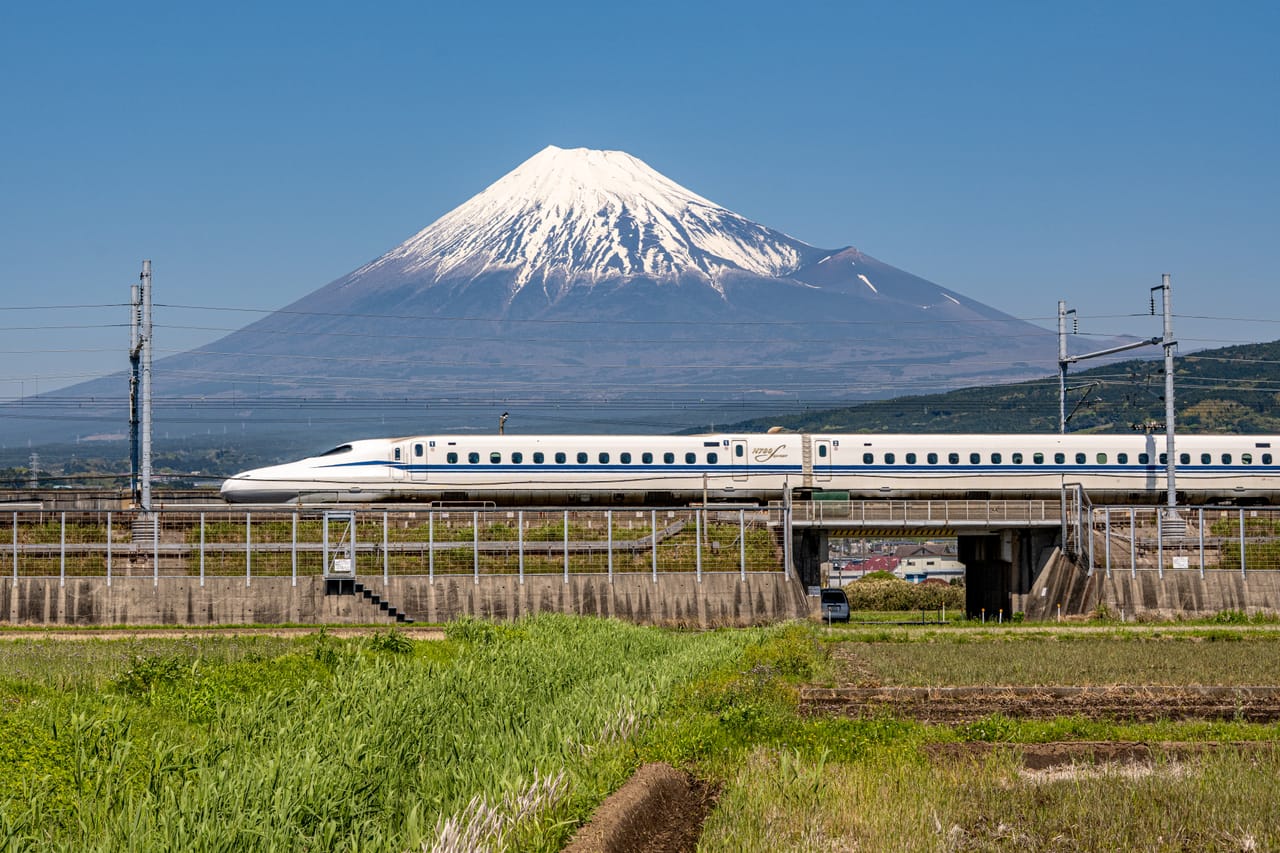
The concrete skeleton looks like this: an open-jaw ticket into Tokyo and out of Osaka (Kansai). Days 1 to 3 are Tokyo. Day 4 is a morning bullet train to Kyoto, then sightseeing that afternoon. Days 5 to 7 wrap up Kyoto, Osaka and Nara, before flying out from Kansai or Itami airport. Planned this way, you never backtrack and you move your luggage only twice, which squeezes the most actual sightseeing out of 7 days.
Before you fly: open-jaw ticket, hotels, data, tickets
Flights: book an open-jaw ticket to skip the backtrack
The most common first-timer mistake is booking a round trip "into Tokyo and out of Tokyo," then losing half of Day 7 hauling back from Osaka to fly home. The right move is an open-jaw (multi-city) ticket: fly out to Tokyo (Narita or Haneda) and fly home from Osaka (Kansai or Itami). The fare difference is usually small, but it saves an entire backtracking leg. Both segments are typically around NT$ 12,000 to 20,000 on budget carriers in peak season, and lower off-peak.
Hotels: just two, one in Tokyo and one in Kansai
For a 7-day trip I book only two hotels: Tokyo for the first three nights, Kansai for the last three (the transit-day night counts as the Kansai hotel). That way you move luggage only twice and save all the fiddly check-out and bag-storage time. Choose Shinjuku or Ueno in Tokyo, and Kyoto Station or Osaka Namba in Kansai; the hotel section below goes deeper. Pick "free cancellation" rates so you keep flexibility if the plan shifts.
Connectivity: you need data the moment you land
Independent travel in Japan leans heavily on Google Maps for train transfers, so you cannot afford to lose your connection. The easiest fix is to buy an eSIM before you fly, scan the QR code to install it on the plane, and have data the instant you power up on landing. If your phone is too old to support eSIM (iPhone XR and earlier), buy a physical SIM instead.
Japan eSIM, a 7-day plan ready on landing
A 7-day plan fits this itinerary exactly: scan to activate, no physical SIM to swap, priced from about ¥640–¥11,000. The thing first-timers forget most is "finding data on arrival" — buy it before you go for peace of mind.
Get a Japan eSIM →Tickets: book popular attractions online first
Skytree, Shibuya Sky, Disney and USJ regularly mean an hour-plus queue if you buy on the spot, so always book a timed-entry slot online. For transport, get the Tokyo Subway 72-hour pass (¥2,000) in Tokyo, and use an ICOCA tap card or a Kansai transit pass in Kansai. Paired with the one-way bullet ticket below, that covers your getting-around.
Day 1 | Land in Tokyo: skip the sights, learn your neighbourhood
After landing, once you subtract immigration, baggage, the Skyliner or limousine bus into the city and hotel check-in, you realistically have at most three hours of daylight. First-timers tend to cram those three hours full and then burn out on Day 2. My advice: treat Day 1 as the day you get to know the neighbourhood you are staying in, and skip any hard sights.
- Afternoon (after landing): drop your bags and walk your hotel area to learn the streets. If you are in Shinjuku, head to the narrow lanes of Omoide Yokocho for grilled skewers; in Ueno, browse Ameyoko. Memorise the nearest convenience store, drugstore and station exits first.
- Early evening: find a small local spot for your first meal. A bowl of ramen or a set meal under 1,200 yen hits the spot. Skip the Michelin chase on day one and let your palate ease in.
- Night: if you are in Shinjuku, end the day on the free observation deck of the Tokyo Metropolitan Government Building (45th floor), looking over the West Shinjuku skyline. It is free and you can sit down, which suits a tired body fresh off a flight better than a paid tower.
Top up your IC card first: the moment you leave the airport, add 3,000 yen to a Suica or Welcome Suica at a convenience store or machine, so you are not fumbling at the gates the next morning. iPhone users can add Suica straight to Apple Wallet and tap through the gate with their phone, which is the easiest option.
Day 2 | Old-town loop: Asakusa, Skytree, Ueno, Akihabara
Your first full day of fun goes to Tokyo's old-school "shitamachi" districts. The route runs from Asakusa south to Akihabara, all linked by subway, which is exactly when the 72-hour pass earns its keep.
- 07:30 morning: beat the crowds to the Kaminarimon at Senso-ji. Early morning has almost no tourists and the best photos. Grab a bag of freshly baked ningyo-yaki and eat it beside the shop before you continue to the main hall — Nakamise-dori posts signs asking visitors not to eat while walking — then browse the rest of the street.
- 10:00 midday: the Skytree observation deck (book online to skip the line), or the free 8th-floor deck of the Asakusa Culture Tourist Information Center across the street, the best free photo spot for getting Kaminarimon, Skytree and the Sumida River in one frame. For lunch, head to Ueno's Ameyoko for seafood bowls and drugstore shopping.
- 17:30 evening: subway to Akihabara for Electric Town, gachapon shops and the retro-game floors of Super Potato. Dinner in Akihabara or back in Ueno.
Tokyo Subway 24 / 48 / 72-hour pass
Day 2 alone involves four or five subway rides, so the 72-hour pass at ¥2,000 beats single fares by a wide margin. Redeem it at the airport or major subway stations, and it neatly covers your main Tokyo sightseeing days.
Get the Tokyo Subway Pass →Day 3 | Style or theme park: Shibuya-Harajuku, or Disney
Day 3 has two forks, picked based on who you are travelling with:
- Route A (style day): start in the forest of Meiji Shrine in the morning, walk Takeshita-dori, Ura-Harajuku and Omotesando for contemporary architecture, then ride Shibuya Sky at sunset for the dusk-into-night view (book a timed slot in advance). Cap the night with regional cuisine at Shibuya Yokocho. Good for couples, friends and people who love to browse.
- Route B (Disney): give the whole day to Tokyo Disney. For a first visit, if you are not a hardcore Disney fan, I would choose DisneySea, the world's only ocean-themed park, where the Fantasy Springs area that opened in 2024 is still the hottest ticket in Japan in 2026. Good for families and Disney devotees.
Both are classics with no wrong answer; it comes down to what your travel companions want from a single day. To go deeper on Tokyo or add another day or two, work through the Tokyo 5-day itinerary and pick the stops you want to add.
Day 4 | Transit day: bullet train to Kyoto, sightsee that afternoon
Many first-timers burn the whole transit day on the train, which is the most wasteful mistake of the lot. In reality, a morning train means an afternoon of sightseeing. Check out in the morning (leave bags in a station coin locker or have the hotel forward them), take the Tokaido Shinkansen Nozomi from Tokyo Station, and you reach Kyoto in about 2 hours 15 minutes.
- Morning: bullet train from Tokyo Station to Kyoto Station, arriving before noon. Drop your bags at the Kansai hotel or a Kyoto Station coin locker.
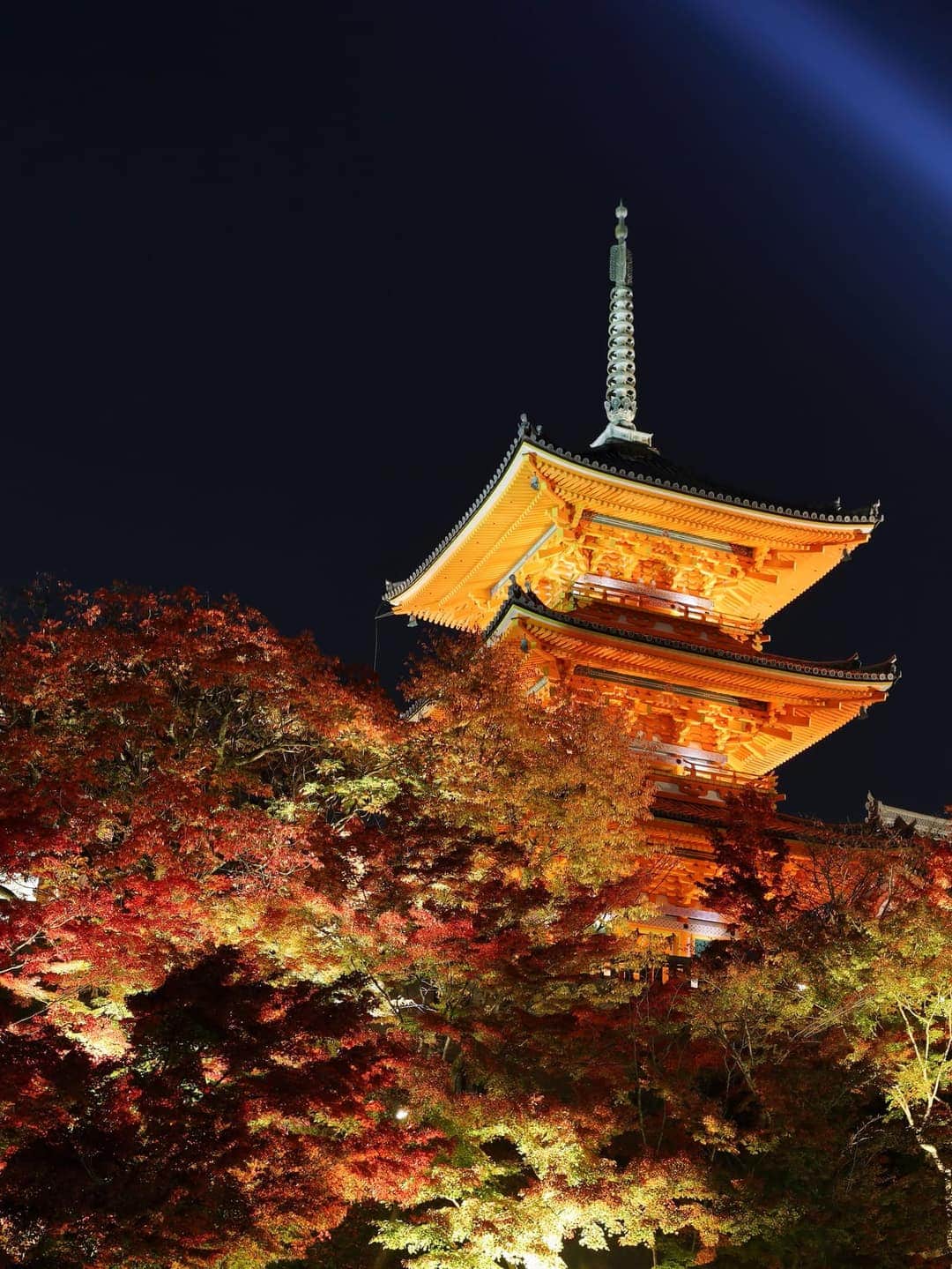
- Afternoon: the highlights start right near Kyoto Station — the five-storey pagoda at To-ji, or take a bus straight to Kiyomizu-dera plus the Ninenzaka and Sannenzaka lanes. Renting a kimono to walk the stone-paved slopes is a favourite first-timer experience.
- Evening: stroll Gion at dusk. Hanamikoji Street itself is a public road and you are free to walk it, but the six narrow lanes branching off it are private roads where signage prohibits photography and entry by tourists and guided tours — and those lanes are the routes geiko and maiko use to and from work. Do not turn into them, and do not stop on the pavement to raise a camera (Kyoto City's leaflet cites the Road Traffic Act, up to ¥50,000). If you want to actually watch a dance, the official leaflet names Gion Corner; see the three ways to see maiko in Kyoto. Dinner is Kyoto-style yudofu (hot tofu) or small plates in Pontocho.
Cheapest way to buy the bullet ticket: a one-way Tokyo to Kyoto Nozomi non-reserved seat is about 13,850 yen. First-timers do not need the nationwide JR Pass (this trip will not break even on the 50,000-yen cost). Just buy a one-way ticket at a green ticket window, a machine, or via the EX reservation app. For how to judge whether a pass pays off, see the break-even math in the JR Pass guide.
JR Pass (nationwide and regional versions)
If you plan to add Hiroshima, Kanazawa or a Tokyo round trip after these 7 days, that is when the JR Pass starts to pay off. For pure Tokyo plus Kansai, a one-way bullet ticket is cheaper. Compare before you commit.
Check JR Pass options →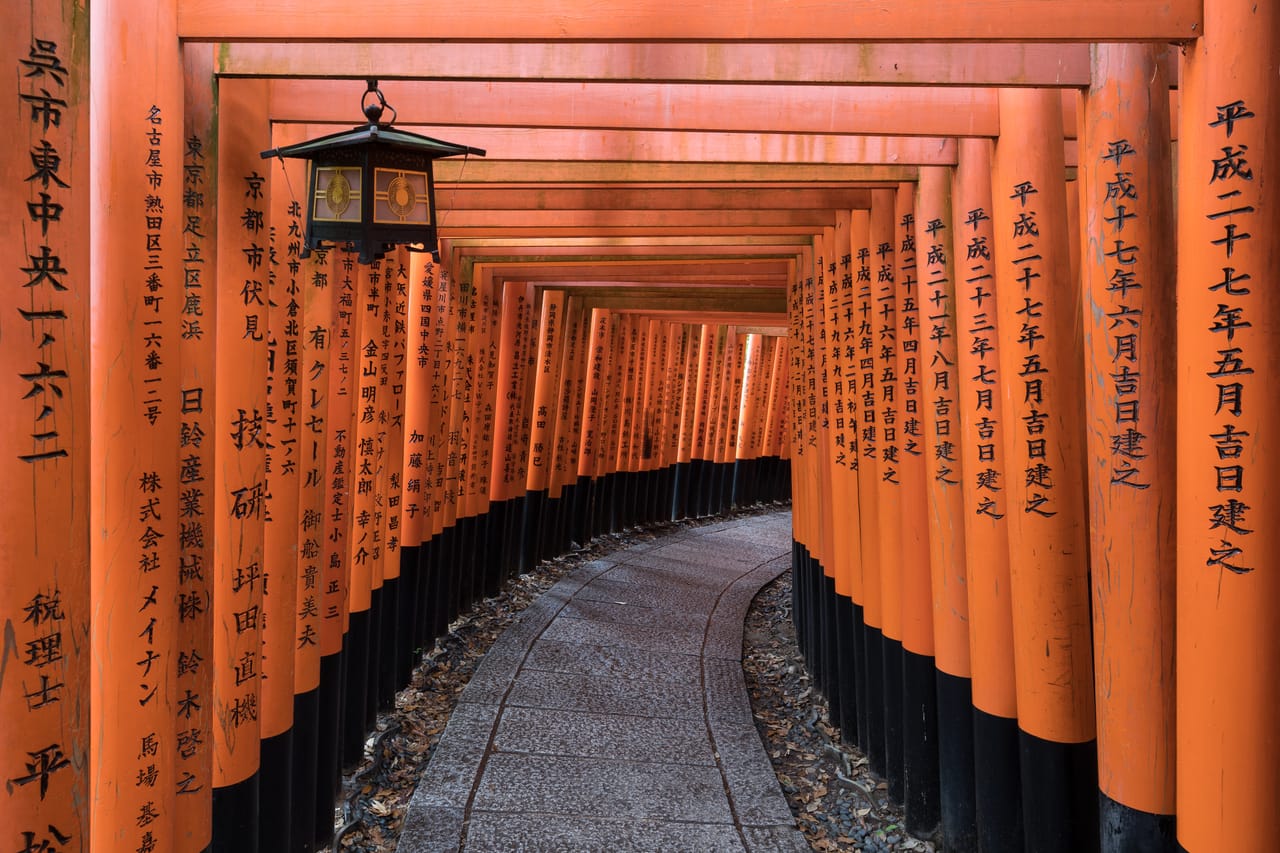
Day 5 | A full Kyoto day: Kiyomizu, Fushimi Inari, Gion
Kyoto's highlights cluster around the Higashiyama and Fushimi areas, and a single day links them smoothly. The key is to start early — Kyoto's popular sights flood with tour groups after 9am, and at dawn it is a completely different world.
- 06:30 morning: head straight for the senbon torii at Fushimi Inari Taisha. Before 7am there is almost no one, so you can shoot the vermilion tunnel empty. Climb to the Yotsutsuji lookout for a view over Kyoto, then turn back.
- 10:00 midday: move to Kiyomizu-dera, walk Ninenzaka, Sannenzaka and the Yasaka Pagoda, and have lunch nearby with a yuba bowl or matcha sweets. If you already did Kiyomizu on Day 4, swap this for the bamboo grove and Togetsukyo Bridge of Arashiyama.
- 16:00 evening: wander back through Gion and Shirakawa at dusk; the stone-paved lanes are at their most atmospheric in the fading light. Pick a spot for dinner in Pontocho or Kiyamachi.
For a more complete day-by-day Kyoto plus Osaka plan, cross-reference the Osaka & Kyoto 5-day itinerary and fold in the extra sights you want.
Day 6 | An Osaka day: Dotonbori and Osaka Castle, or USJ
Kyoto to Osaka is about 40 to 60 minutes by train, so a day trip is no problem at all (and even easier if you are based in Osaka). Osaka has two forks too:
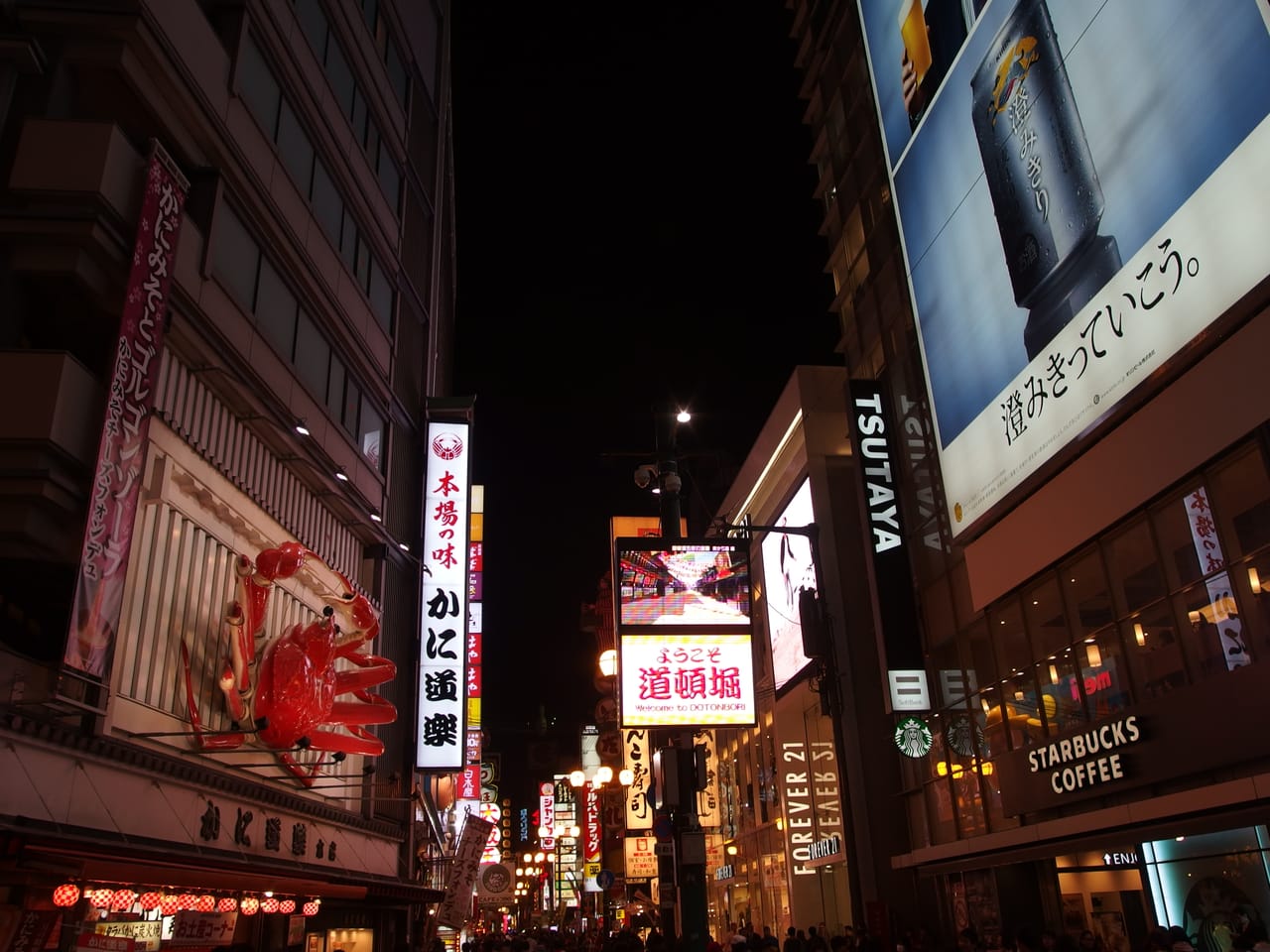
- Route A (city and food): tour the keep of Osaka Castle in the morning, eat seafood at Kuromon Market at noon, sweep drugstores in Shinsaibashi in the afternoon, then hit Dotonbori at dusk for the Glico running-man sign, takoyaki and okonomiyaki. Osaka is the "capital of working-class food," and this route eats well.
- Route B (USJ): give the whole day to Universal Studios Japan, where Super Nintendo World and the Harry Potter area are the highlights. Buy your ticket plus express pass online first, or the popular rides run two-hour-plus queues.
If a first-timer can only choose one: pick the city if you love to eat, and USJ if you have kids or are a Harry Potter or Nintendo fan. You cannot fit both into one day, so do not get greedy.
USJ Universal Studios Japan, 1-day ticket
Booking online lets you fix the date and scan a QR straight in without the ticket booth, from ¥8,400–11,900. Nintendo World and the Harry Potter area draw fierce crowds, so pair it with an express pass to actually enjoy them.
Buy USJ tickets →Day 7 | Half a day in Nara, then fly home
The last day usually has an afternoon or evening flight, which leaves the morning perfect for a half-day in Nara. From Osaka Namba or Kyoto, the Kintetsu line reaches Kintetsu Nara Station in about 35 to 45 minutes, and the deer of Nara Park are right outside the exit.
- Morning: Kintetsu Nara Station to Nara Park to feed the deer (a bundle of deer crackers is 200 yen), then the Great Buddha Hall at Todai-ji (admission 800 yen), and Kasuga Taisha for the lanterns. Walk it as one loop and a half-day is just right.
- Midday: have kamameshi or kakinoha-zushi in Nara, then head back to collect your luggage.
- Afternoon: fly home from Kansai or Itami. For Kansai airport, use the HARUKA limited express (the foreign-tourist version is about ¥2,200 from Kyoto) or the Nankai railway, and leave a full 3-hour buffer.
Deer-feeding etiquette, Todai-ji admission and the latest on the Kofuku-ji restoration are all in the Nara travel guide. If you would rather give Nara a whole leisurely day, you can swap it with the Osaka day.
Tokyo to Kansai: bullet train vs budget flight vs night bus
This is the only intercity move in the 7-day plan, and choosing wrong hits both your energy and your wallet. The three options side by side:
| Method | Time | Cost (one way) | Pros | Cons / who it suits |
|---|---|---|---|---|
| Bullet train | About 2 hr 15 min | About 13,850 yen | City to city, frequent departures, easy luggage, lowest stress | Higher fare; the first-timer's top pick |
| Budget flight | About 1 hr flying, 4 to 5 hr real with airport transfers | Fare from 5,000 yen plus transfers and baggage | Cheapest when you grab a low fare | Check-in, security and airport runs make it slow; only worth it at a very low fare |
| Night bus | About 8 hr (overnight) | About 4,000 to 8,000 yen | Cheapest, and saves a hotel night | Poor sleep, no energy next day; only for tight budgets and good bus-sleepers |
My advice is blunt: first-timers should take the bullet train. On a 7-day trip your time and energy are both precious, so hand the Tokyo-to-Kyoto leg to the most reliable, fastest option, rather than spending it queueing at an airport or losing sleep on a night bus to save a few thousand yen. The night bus looks cheap, but what it costs you is a whole next day of sightseeing quality, which is a bad trade for a first-timer already under move pressure. A budget flight only makes sense if you grab a fare near 5,000 yen and your hotel happens to sit close to the airport.
How to choose where to stay
With only two hotels across 7 days, picking the right neighbourhood matters. Here are the two most reliable options for the Tokyo side and the Kansai side:
Tokyo side (first three nights)
- Shinjuku — the transport king. JR, subway and airport buses all connect, and any sight is within 35 minutes. Good for first-timers who want zero thinking and maximum convenience.
- Ueno — direct from the airport, friendly prices. The Keisei Skyliner runs to Narita in 41 minutes, and the surrounding Ameyoko offers cheap eats and drinks. Good for budget travellers and anyone with an early flight home.
Kansai side (last three nights)
- Near Kyoto Station — smooth old-capital routes. You arrive right off the bullet train, and Kiyomizu, Fushimi Inari, Nara and Arashiyama are all convenient. Good for those whose focus is Kyoto.
- Osaka Namba / Shinsaibashi — nightlife and food. Dotonbori, drugstores and USJ are all close, and the nights are lively. Good for those who love to eat and shop, with a focus on Osaka.
Kyoto Station to Osaka Namba is only about 40 minutes by train, so either base works for both — just put the hotel in the city where you spend the most time. Pick free-cancellation rates so you keep flexibility if the plan shifts. For more detail on city transport and airport access, see the Tokyo airport transport guide for the Tokyo side and HARUKA or Nankai from Kansai Airport for the Kansai side.
7-day budget table (one person, in NT$)
| Item | Economy | Comfort | Notes |
|---|---|---|---|
| Flights (open-jaw) | 12,000 | 20,000 | Into Tokyo, out of Osaka; big peak vs off-peak gap |
| Hotels, 6 nights | 13,000 | 26,000 | 8,000 to 12,000 yen a night; halve if sharing |
| One-way bullet train | 3,000 | 3,000 | Tokyo to Kyoto Nozomi non-reserved |
| City transport | 1,500 | 2,000 | Tokyo Subway Pass + ICOCA + airport express |
| eSIM | 300 | 500 | 7-day plan |
| Meals × 7 days | 9,000 | 15,000 | Convenience-store breakfast, set-meal lunch, nicer dinner |
| Tickets / experiences | 5,000 | 10,000 | Disney or USJ + two observation decks |
| Shopping buffer | 3,000 | 10,000+ | Depends on your shopping resolve |
| Subtotal | 46,800 | 86,500 | Most people land at NT$ 45,000 to 70,000 |
The biggest swing factors are accommodation and shopping; meals are easiest to control with a rhythm of convenience-store breakfast, set-meal lunch and a slightly nicer dinner. Tickets depend on whether you pick a theme park on Day 3 and Day 6 — choosing Disney or USJ pushes you toward the "comfort" column.
The 6 mistakes first-timers make
- Overpacking the days. Five or six sights a day and your legs give out by day three, leaving you grinding through the rest. Hold to "two main blocks a day."
- Wasting the transit day. Burning the whole Tokyo-to-Kyoto day on travel. A morning train means an afternoon of sightseeing — do not lose half a day.
- Buying the wrong tickets. Impulse-buying a nationwide JR Pass you never break even on, or buying Skytree, Shibuya Sky or USJ on the spot and queueing an hour. Book popular tickets online first, and run the break-even before buying a pass.
- Changing hotels every night. The luggage-dragging, check-out and bag-storage time adds up to a lost half-day. Book just two hotels for 7 days.
- Booking the wrong flight. Booking "round trip to Tokyo" and then having to backtrack from Osaka on Day 7. Always book an open-jaw ticket.
- Leaving no airport buffer. Kansai airport security and tax refunds often have queues, so leave a full 3 hours on the last day and do not schedule a tight early-morning sight.
Avoid those six and your first 7 days in Japan will feel far lighter. For the pre-departure checklist of documents, insurance, tax-free shopping and apps, see the Japan travel essentials guide, and run through it once more before you fly.
Frequently Asked Questions
- Q1:How should a first-timer split 7 days between Tokyo and Kansai?
- The most reliable split is 3 days Tokyo, 1 transit day, 3 days Kansai. On the Tokyo side, give one day each to the Asakusa-Skytree cluster, the Shibuya-Harajuku cluster, and either Disney or Shinjuku. The middle day uses a half-day on the bullet train to Kyoto, so you can already walk the Kiyomizu-dera area that afternoon. On the Kansai side, 1.5 days for Kyoto, 1 day for Osaka and a half-day for Nara is just right. The classic first-timer error is trying to cram Hokkaido plus Tokyo plus Kansai into a week and spending the whole trip in transit. For a first visit, hold the line on the Tokyo plus Kansai axis; depth beats breadth. For a more granular Tokyo plan, pair this with the Tokyo 5-day itinerary.
- Q2:Bullet train, budget flight or night bus between Tokyo and Kansai?
- For a first-timer, just take the bullet train. Tokyo to Kyoto on a Nozomi non-reserved seat is about 2 hours 15 minutes and under 14,000 yen, city centre to city centre, no need to show up two hours early at an airport, and luggage is easy. A budget flight (Narita/Haneda to Kansai/Itami) looks cheap on the fare alone, but once you add airport transfers on both ends, check-in time and baggage fees, the real door-to-door time often matches or beats the train only if you snag a rock-bottom fare. A night bus (about 4,000 to 8,000 yen) is the cheapest and saves a hotel night, but 8 hours of bad sleep wrecks the next day. Unless your budget is very tight and you sleep well on buses, leave it out of an already move-heavy first trip. How to buy the bullet ticket cheaply is in the transport section below.
- Q3:For 7 days in Tokyo plus Kansai, do I need the nationwide JR Pass?
- In most cases, no. The nationwide 7-day JR Pass jumped to ¥50,000 (ordinary car) in October 2024, and the only long-distance bullet leg you actually use on this trip is Tokyo to Kyoto (about 14,000 yen). That one leg plus city subways comes nowhere near the 50,000-yen break-even. The pass only pays off once you add somewhere like Hiroshima, Hokkaido, or a Tokyo round trip. So for this classic 7-day route I would buy a one-way Tokyo to Kyoto bullet ticket, use Suica or a Tokyo Subway Pass in Tokyo, and ICOCA in Kansai. Full break-even math is in the JR Pass guide.
- Q4:How do I choose hotels, and do I need to keep switching?
- Whatever you do, do not change hotels every night. The most comfortable way to do 7 days is one base in Tokyo and one in Kansai, so you only move your bags twice. In Tokyo, stay in Shinjuku (the transport king, with JR, subway and airport buses all connected) or Ueno (the Keisei Skyliner runs straight to Narita and prices are friendly). On the Kansai side it depends on your focus: for the old-capital mood of Kyoto, stay near Kyoto Station (you step off the bullet train and you are there, and Nara and Arashiyama are easy); for nightlife, drugstores and USJ, stay in Osaka Namba or Shinsaibashi. Kyoto Station to Osaka Namba is only about 40 minutes by train, so either base works for both. Put the hotel in the city where you spend the most time.
- Q5:How much should I budget for 7 days of independent travel in Japan?
- For one person, excluding heavy shopping, roughly NT$ 45,000 to 70,000 is a sensible range. That breaks down to flights (open-jaw) around NT$ 12,000 to 20,000, hotels at 8,000 to 12,000 yen per night for 6 nights, intercity transport (one-way bullet ticket plus two city transit passes) around NT$ 4,000, meals of about 4,000 to 6,000 yen a day, and tickets and experiences (Disney or USJ plus a couple of observation decks) around NT$ 6,000 to 10,000. The biggest swing factors are accommodation and shopping; meals are easiest to control with a rhythm of convenience-store breakfast, set-meal lunch and a slightly nicer dinner. There is a day-by-day budget table further down.
- Q6:What are the most common 7-day planning mistakes first-timers make?
- The four big ones: (1) Overpacking the days. Five or six sights a day and your legs give out by day three; two main blocks a day is plenty. (2) Wasting the transit day. Burning the whole Tokyo-to-Kyoto day on travel, when a morning train means you can sightsee that afternoon. (3) Buying the wrong tickets. Impulse-buying a JR Pass you never break even on, or buying Skytree or Shibuya Sky on the spot and queueing an hour. (4) Changing hotels every night. The luggage-dragging and check-out time adds up to a lost half-day. Avoid those four and the week feels far lighter.
- Q7:Is 7 days enough, or should I plan longer?
- Seven days covering the highlights of Tokyo plus Kansai is just right, and the length I recommend most for a first trip to Japan. It lets you hit the signature sights of both metropolitan areas without burning out. If you have 9 to 10 days, I would slot in a day at Mt. Fuji or Lake Kawaguchi to see the mountain, or add a day on the Kansai side for Nara and Arashiyama. But do not force extras into 7 days. Cramming in Fuji or Shirakawa-go only squeezes the depth of Tokyo and Kyoto themselves. Walk this classic route first, then push north to Hokkaido or south to Kyushu next time.
Read next
Tokyo 5-day itinerary 2026
A clear 5-day plan: Shinjuku base, two zones per day, honest budget.
Osaka & Kyoto 5-day itinerary
Dotonbori, Kiyomizu, Arashiyama — full tested route.
JR Pass 2026: Is It Still Worth It?
Four real routes calculated, six alternatives that may beat the Pass.
📊 See the 2026 Price Index (JR Pass, DPA, eSIM, Airport Transport) →