At midnight on October 1, 2026, the tax inside a 350 ml can of beer in Japan falls by 9.1 yen, and in the same instant the tax inside a can of third-category beer rises by 7.26 yen. They meet at 54.25 yen. This is the last of three stages spread over six years, and there is no fourth. Before you read that as "beer is getting cheaper", three things run against the obvious: chuhai rises too, but it is not joining them — it stays the cheaper can after October 1; the category word printed on the can becomes the least reliable thing to judge tax by, starting that same day; and the 9.1 yen cut comes with an official document that pre-authorises other costs eating it.
This page covers liquor tax inside Japan — how much tax is sitting inside the price you pay at a Japanese shop. Bringing alcohol home is governed by your own country's customs rules, and what you may carry through a Japanese airport is a separate set again: see Japan's airport security and baggage rules for the alcohol-strength limits that decide carry-on versus hold.
- Beer −9.1 yen a can, third-category beer +7.26 yen; both land on 54.25 yen on October 1. This is the final stage — nothing further is scheduled.
- Chuhai does not join them. It rises to 35 yen and stays 19.25 yen below beer. The gap halves rather than closing, so canned chuhai remains the cheaper choice.
- Stop reading the category word on the can. The three beer-type rates become identical, and brewers may legally print a category that is not their legal one — approvals run as late as September 2029.
- The tax falls; the price is not promised. The National Tax Agency explicitly allows brewers to pass on raw material and logistics increases in the very same price revision.
- Tax-free shopping removes consumption tax only. Liquor tax stays in the price everywhere except 131 licensed breweries nationwide — four of them in Tokyo, none in Osaka.
📖 Table of contents
- What actually changes on October 1?
- Does chuhai catch up with beer?
- Can you still read the can?
- "New genre" has not existed for three years
- So will beer be cheaper?
- Why midnight on October 1 is a hard line
- The biggest single change is a 94.5 yen cut
- Which tax does duty-free actually remove?
- Is this the final stage?
- What this means if you visit in October
- Appendix: official Japanese text
What actually changes on October 1?
Beer loses 9.1 yen of tax per can, third-category beer gains 7.26, and the two meet on the same number. The full picture has four rows, and the rest of this page unpacks them one at a time.
| Category | Current (to 2026-09-30) | From 2026-10-01 | Change per can |
|---|---|---|---|
| Beer | ¥63.35 | ¥54.25 | −9.1 yen |
| Happoshu (malt ratio under 25%) and third-category beer (happoshu ②) | ¥46.99 | ¥54.25 | +7.26 yen |
| Happoshu (malt ratio 25% to under 50%) | ¥54.25 | ¥54.25 | no change |
| Chuhai and other sparkling liquors | ¥28 | ¥35 | +7 yen |
Those per-can figures are not conversions done here. Japanese official leaflets print two columns side by side — per litre and per 350 ml can — and these are the numbers in the second column. The statutory rates themselves are per kilolitre: beer drops from 181,000 yen to 155,000; happoshu and third-category rise from 134,250 to 155,000; chuhai's bracket rises from 80,000 to 100,000.
Japan groups the first three as beer-type drinks, and the exercise is called unification — collapsing three different rates onto one number. Chuhai is not part of that. It simply moves on the same date, in a different direction of travel and by a different amount.
The row marked "no change" is the only one in the whole reform
The third row is easy to skip and it is the one that decides whether "happoshu is going up" is true for the can in your hand. Happoshu with a malt ratio of 25 percent or more but under 50 percent already sits at 155,000 yen per kilolitre, and does not move at all on October 1. It reached the end point back in October 2023.
The evidence is an absence. The National Tax Agency's August 2026 leaflet lists every category going up and every category coming down, row by row, and this band is not on it — nothing that stays still gets listed. So "happoshu is getting more expensive" holds only for the low-malt half of the category. The malt-percentage line printed on the can still tells you which half you are holding; that labelling was not withdrawn.
One more set of numbers to file away: low-alcohol distilled spirits and liqueurs — shochu, whisky, brandy, spirits and liqueurs under 10 percent, non-sparkling — also see their special rate rise the same day, by 10 yen per litre or 3.5 yen per 350 ml. Small, but it explains why some low-alcohol items in the chiller move on October 1 as well.
Does chuhai catch up with beer?
No. The gap halves, from 35.35 yen to 19.25 yen.
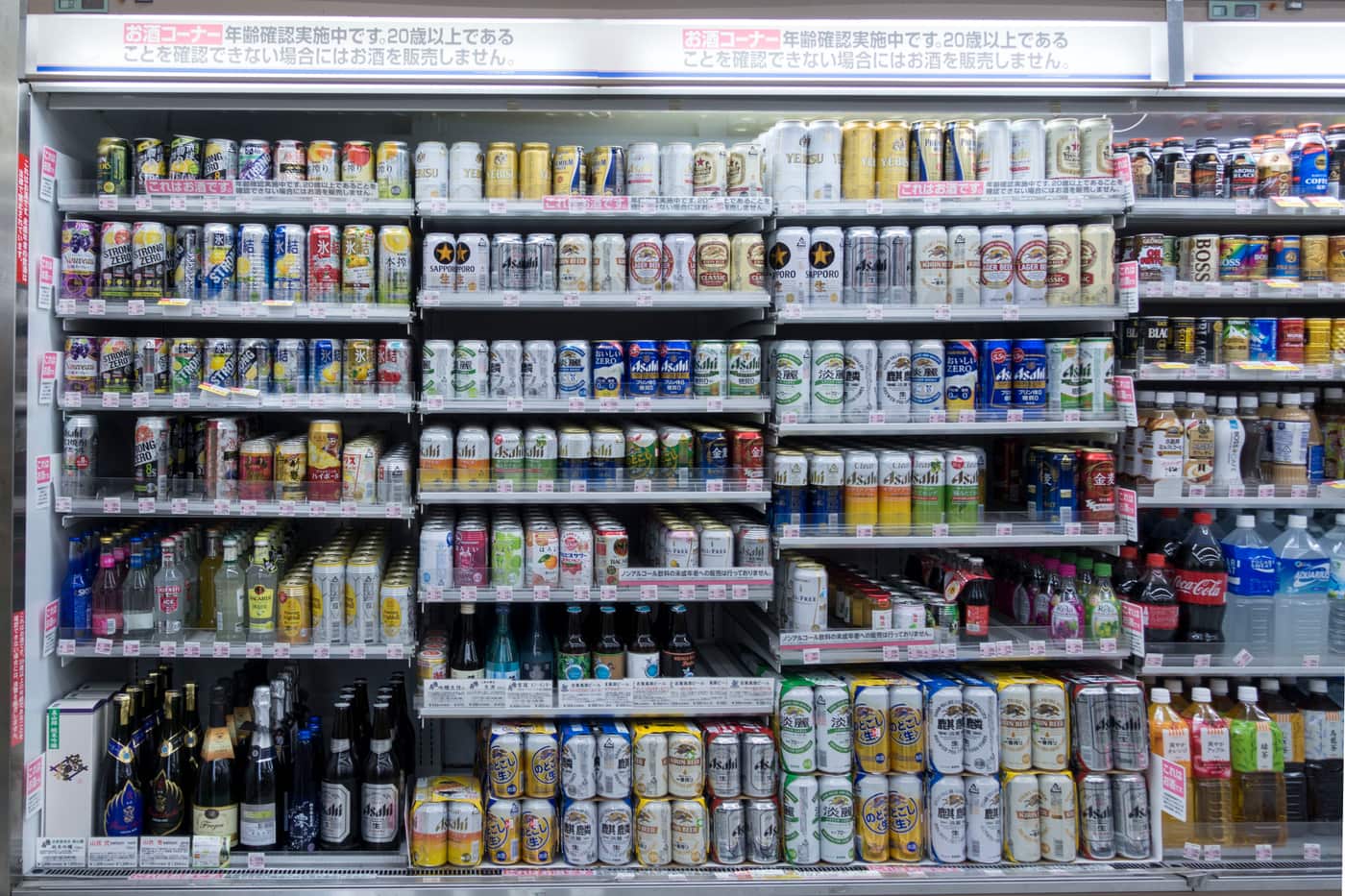
Two subtractions make it obvious. Today beer carries 63.35 yen and chuhai 28, a gap of 35.35. From October 1 beer carries 54.25 and chuhai 35, a gap of 19.25. Unification applies to the three beer-type drinks; chuhai belongs to other sparkling liquors, a fourth bracket, and although it rises it lands nowhere near beer.
| Current | From 2026-10-01 | |
|---|---|---|
| Tax in a can of beer | 63.35 yen | 54.25 yen |
| Tax in a can of chuhai | 28 yen | 35 yen |
| Gap | 35.35 yen | 19.25 yen |
So nothing about how you shop needs to change — only how much you expect to save. Chuhai stays the cheaper side of the chiller, by less. If the thirty-odd yen was the whole reason you reached for it, half that reason is about to disappear and the rest comes down to what you feel like drinking.
One phrasing to watch for. Plenty of coverage describes this reform as "the three-way tax gap disappearing". Those three are beer, happoshu and third-category beer. Chuhai is not one of them. Whenever you see that sentence, check which three it is counting.
Can you still read the can?
No — and after October 1, less than ever. Three reasons, each sufficient on its own.
One: the category stops corresponding to a rate. Beer, happoshu and third-category beer share an identical rate from that date, so the category word carries no price information.
Two: "new genre" is not a legal category any more. That gets its own section below, because the date involved surprises people.
Three: a can may legally print a category that is not its legal one. This is the part almost nobody covers. Japan operates an approval scheme called kotonaru hyoji — different labelling — under which a brewer that applied to its tax office in time may keep the old wording on the can. The National Tax Agency published its own worked example, which lays the situation bare:
| Product | Volume | ABV | Legal category (Oct 2023–Sep 2026) | Legal category (from Oct 2026) | What the can may print |
|---|---|---|---|---|---|
| Mugi no Osake | 350ml | 4.5% | happoshu ② | happoshu | liqueur (sparkling) ② |
| ◯◯ no Kaori | 350ml | 5.0% | happoshu ② | happoshu | other brewed liquor (sparkling) ② |
That last column is what you see when you pick the can up in the shop. It differs from the legal category, and it is entirely lawful. Approvals run to September 30, 2027 for the hop-based classes and to September 30, 2029 for the 10-to-11-percent sparkling class. Separately, the "happoshu (malt usage ◯◯%)" style of labelling may continue after October 2026 with no application at all.
A common misuse of the source is worth flagging. The official document that spells all this out is written for liquor producers, not for shoppers — its own title states that the goal is minimising label-replacement costs for domestic producers when categories change. Read as a consumer guide, it leads to the opposite of the right conclusion.
So what is still worth reading?
One line, and it does not require small print. After October 1 the only division that touches your wallet is beer-type (54.25 yen) versus chuhai-type (35 yen). You can call that from the front of the can: fruit flavour, lemon or grapefruit artwork, an ABV in the 3-to-9 percent range with a juice-forward design. No need to turn it over and hunt for eight-point type.
If you genuinely need the legal category, there is an official route. Brewers granted kotonaru hyoji approval are required to publish a comparison list on their own website, showing product name, volume, ABV, the proper label and the different label. The answer lives on the brewer's site, not on the can in your hand.
"New genre" has not existed for three years
It became happoshu in the Liquor Tax Act in October 2023. Not this year, not on October 1 — three years ago.
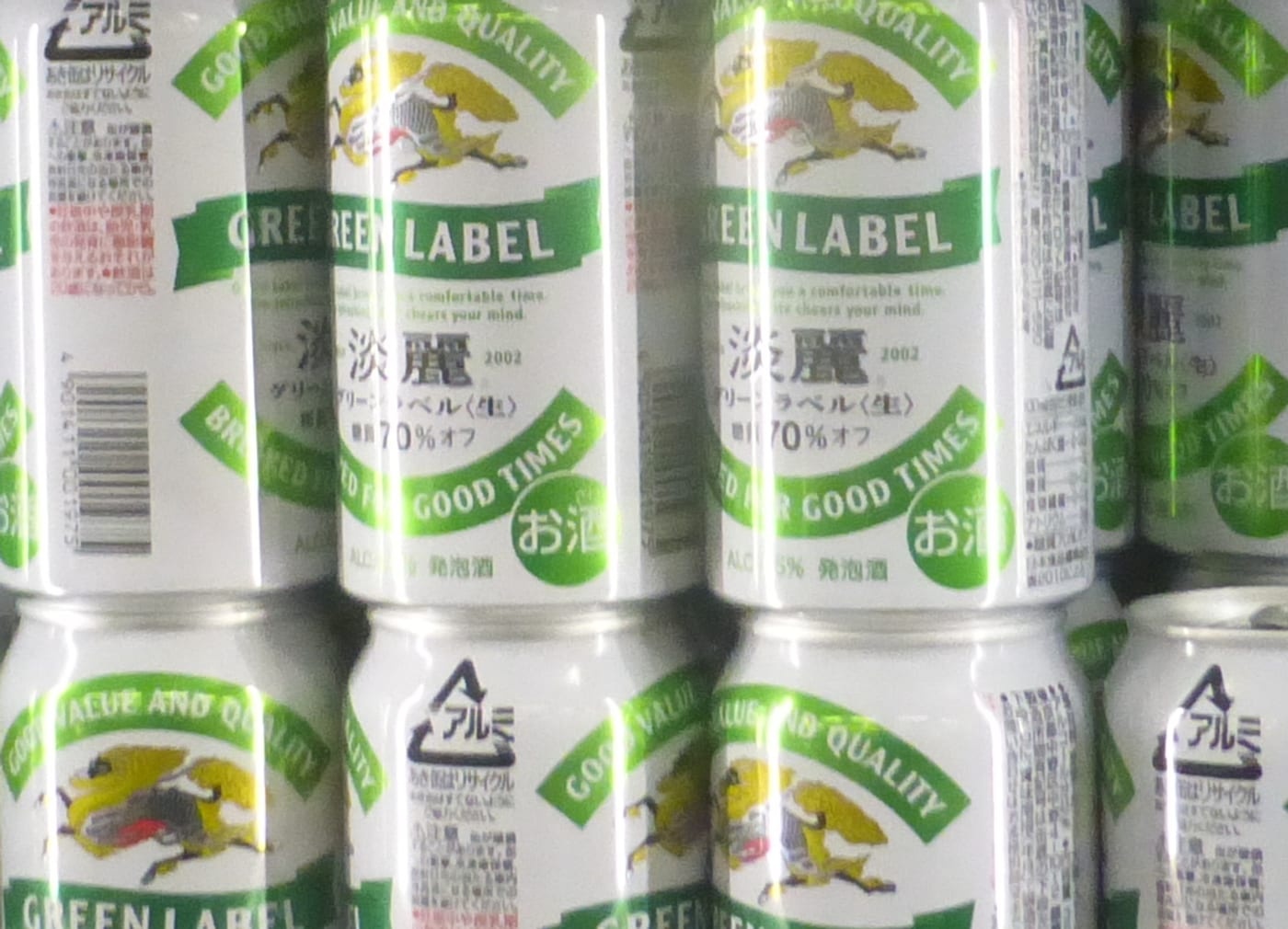
The official wording is unambiguous: within other sparkling liquors, drinks using hops as part of the ingredients and meeting certain conditions — the ones commonly called new genre — had their category changed to happoshu in October 2023, with the rate matched to happoshu under 25 percent malt. Which is why cans print happoshu ② today. The ② is a rate-application marker, not a grade.
Two practical consequences. Vocabulary first: English and Chinese guides still tell visitors to look for "third-category beer" as the budget option, and that term has been three years out of date at the till. More usefully: even if you find that shelf, from October 1 it carries the same 54.25 yen of tax as beer. Three years ago it was more than 34 yen a can cheaper in tax. That era is over.
Keep the two events apart when you read about this: the category vanished in 2023; the rate caught up in 2026. Blurring them makes it sound as though third-category beer disappeared this year.
So will beer be cheaper?
The tax falls for certain. The price is not promised — and that is a documented position, not a gap in the research.
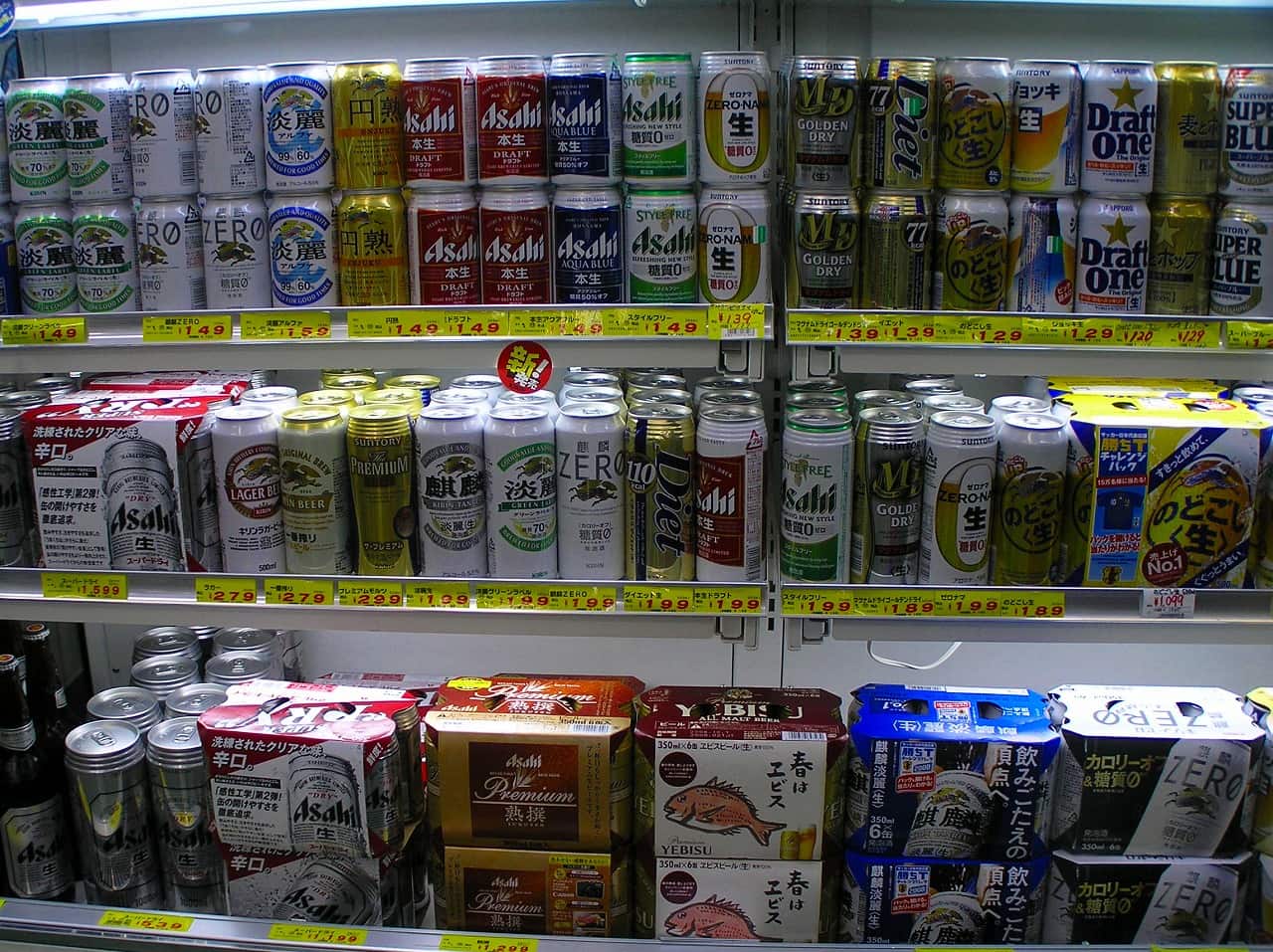
Start with what the brewers actually announced. Kirin published on May 20, 2026 and Sapporo on June 4, and both used the identical term: what is being revised is the producer price, effective for deliveries from October 1, 2026. A producer price is what leaves the brewery for the distributor. Two more layers — wholesale and retail — sit between that and the sticker you read in a konbini, and each sets its own margin.
The document that matters more is the National Tax Agency's pass-through request to the industry, dated July 1, 2026. It contains two statements pointing in opposite directions. The first: amounts corresponding to liquor tax increases or decreases should be passed through properly and reasonably, via increases or decreases in selling prices, given that liquor tax is ultimately intended to fall on the consumer. The second, in the same breath: passing on recent rises in raw material costs, logistics costs and the like, at the time of a price revision accompanying the tax change, is not thereby obstructed.
Which is why "beer will be 9.1 yen cheaper in October" is not a publishable sentence. It is not that the shelf price is unknowable — it is that the government has already said in writing that the 9.1 yen may be absorbed by something else. The honest formulation is short: the tax is minus 9.1 yen, and that is certain; whether the price follows is guaranteed by nobody, the government included.
Two limits stated plainly. Asahi's and Suntory's own price-revision announcements returned 403 to every attempt I made, so the paragraph above names Kirin and Sapporo only and does not claim all four majors have spoken. And actual October shelf prices do not exist yet — when the date arrives, look at the shelf.
Some products may change category entirely
Several Japanese outlets have reported that Suntory's Kinmugi and Kirin's Hon Kirin will lift their malt ratio above 50 percent and be reclassified as beer. If it happens, the cheap third-category shelf shrinks, which affects a shopper more directly than any rate does.
Treat it as a direction, not a done deal. I obtained no primary source. Kirin's own May 20 price-revision document still files Hon Kirin under the existing new-genre (happoshu ②) heading with no mention of reclassification, and Suntory's entire site returns 403. To check, read the brewer's site or the can itself.
Why midnight on October 1 is a hard line
Because stock already sitting in shops, with tax already paid on it, gets adjusted too. This is not a gradual change that only reaches new deliveries.
Liquor tax is normally charged when the drink is shipped from the production site, so on the day rates change there is a large float of already-taxed stock in the chain. Japan settles it with temochihin kazei (stock-on-hand taxation) and temochihin modoshizei (stock-on-hand refund): stock in distribution at 00:00 on October 1, 2026 has the difference between old and new rates adjusted. Retailers are covered, and so are bars and restaurants.
The thresholds are where it gets interesting, because they are asymmetric:
| Increased categories (happoshu, third-category, chuhai) | Decreased category (beer) | |
|---|---|---|
| Filing required? | Only if holding 2,000 litres or more | No filing obligation |
| How the difference moves | Additional tax paid | Must apply and file to receive the refund |
| Deadlines | Filing by November 2, 2026; payment by March 31, 2027 | |
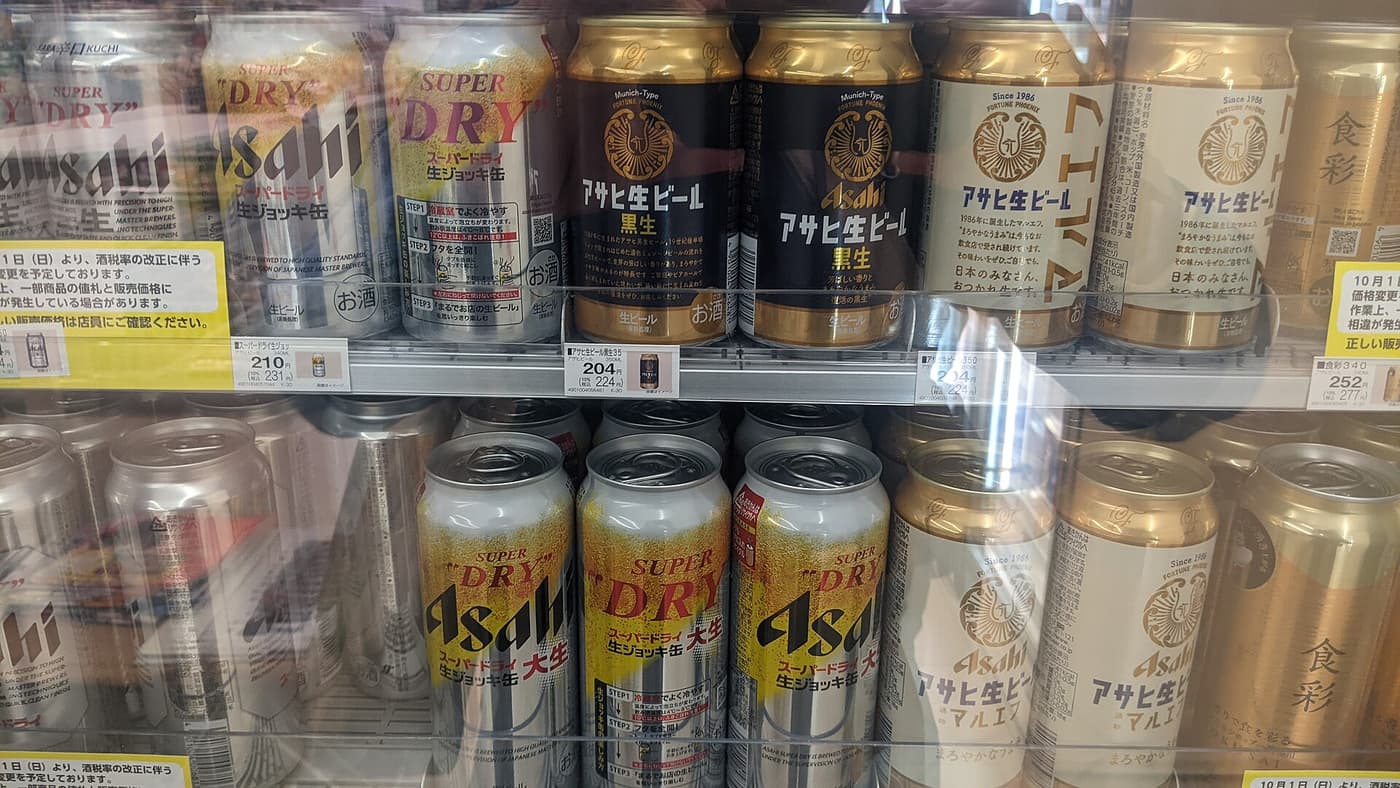
Translated into what you will see: large chains and discount stores will almost certainly reprice on October 1; small neighbourhood bottle shops may not. Two thousand litres is a high bar for a small shop — roughly 5,700 cans of 350 ml — and below it there is no obligation. On the refund side a shop has to actively apply, and many will not bother for a few cases of beer.
So keep this in mind if you are in Japan that week: old and new prices sitting side by side in early October is expected behaviour. It is one of the few periods in the year when walking to a second shop has a documented reason behind it.
The biggest single change is a 94.5 yen cut
Sparkling drinks between 10 and 11 percent ABV drop into the 100,000 yen bracket on October 1 — inside the category that is nominally going up.
Alongside the rate change, a definition changes: the alcohol range eligible for other sparkling liquors widens from under 10 percent to under 11 percent. Sparkling products that were previously pushed into the far higher spirits or liqueur rates simply because they exceeded 10 percent now fall into the 100,000 yen per kilolitre bracket instead.
Run the arithmetic and that band sees up to 94.5 yen less tax per 350 ml — over ten times the size of beer's cut, and the largest single movement anywhere in this reform. "Chuhai is going up" is exactly backwards here.
Now the restraint. I did not survey which products actually sit between 10 and 11 percent. Most strong chuhai on Japanese shelves is labelled 9 percent; products above 10 exist but were not counted. So this section describes a rule, names no product, and makes no prediction that any particular can gets cheaper. The rule creates room; whether a brewer uses it is a separate question, and the pass-through request from the previous section still stands between that room and the price tag.
Which tax does duty-free actually remove?
Consumption tax only. Liquor tax stays in the price. The shops that remove both number 131 in the whole country.
These are two different taxes with two different mechanisms. The tax-free counters at airports, drugstores and discount chains operate under the consumption tax law's export goods sales place scheme, and consumption tax is all they touch. Liquor tax was charged much earlier, when the drink left the brewery, and it is baked into the cost travelling with the bottle.
Removing liquor tax needs a different licence — the export liquor sales place — and the official conditions are narrow: a liquor producer, at a production site it holds the licence for, selling liquor it made itself to a non-resident by a prescribed method. In plain terms: buy at the brewery or distillery, and buy what they brew.
| Where you buy | Consumption tax waived | Liquor tax waived | Does the Oct 1 change affect what you pay? |
|---|---|---|---|
| Konbini, drugstore, discount chain, ordinary tax-free shop | Yes | No | Yes |
| Brewery or distillery shop (export liquor sales place) | Yes | Yes | Essentially no |
The 131 figure is the licence count as of April 1, 2026, and the geography is worth a look before you build an itinerary around it: Hiroshima leads with 16, then Kagoshima 8, Hyogo 7, Okinawa 7, Ehime 6, Gunma 6 — while Osaka, Kanagawa, Nara, Yamaguchi and Niigata have none, and Tokyo has four. Chasing this saving means routing through sake country, not through big cities.
Two footnotes. Secondary sources widely quote 138 licences as of April 2025, which does not match the official page; use 131. And this route is largely irrelevant to the October reform anyway — breweries mostly sell sake, and sake sits in the brewed liquors bracket, which does not move in 2026.
The tax-free system itself — thresholds, the 90-day export window, and the refund-method change coming on November 1, 2026 — is covered in full in Japan's tax-free shopping rules and airport refund process, so none of it is repeated here. One timing note to carry across: export liquor sales places switch to the same refund method on November 1, 2026, so if you are buying at a brewery after that date, read both pages.
Is this the final stage?
Yes for beer-type drinks. The official documents label October 2026 the final stage and state that the post-amendment statutory rate applies from then.
The full path, laid out:
| From | Beer statutory rate (yen/kl) | Per 350 ml |
|---|---|---|
| to September 2020 | 220,000 | 77 yen |
| October 2020 | 200,000 | 70 yen |
| October 2023 | 181,000 | 63.35 yen |
| October 2026 | 155,000 | 54.25 yen |
Three distinctions that get muddled in most coverage:
- Chuhai's rise is not staged. It goes 80,000 to 100,000 in one move. Calling it "the third stage" is wrong.
- Sake and wine do not move at all. The brewed liquors bracket finished its own two-stage path at 100,000 yen in October 2023. Sake, plum wine and Japanese wine are untouched in 2026.
- The 2020 step was 220,000 to 200,000. Accounts that start the story at 181,000 have skipped a stage.
Anything scheduled beyond this? A full-text search of the fiscal 2026 tax reform outline summary page returns zero hits for "liquor tax", so I found nothing further. That sentence has to stop there, though: only the summary page was checked, not the full outline document. Nothing found is not the same as the government having stated that nothing is coming.
What this means if you visit in October
Very little, unless you are buying by the case. Nine yen a can is roughly six US cents.
Four things are worth carrying with you:
- Different prices in neighbouring shops in early October are normal. The 2,000-litre stock-on-hand threshold means chains and small shops reprice on different days. Walking to a second shop is genuinely worth it that week.
- Chuhai stays the cheaper can, by less. The gap goes from 35.35 yen to 19.25. The direction of the advice does not change.
- Stop using the category word as a price signal. The three beer-type rates are identical, and the printed word may not be the legal category anyway.
- Skip any article promising a specific saving. Nobody guarantees the shelf price, and the government has explicitly allowed other costs to be passed on at the same moment.
If you are carrying bottles home, two separate rule sets apply on top of everything above, and neither has anything to do with Japanese liquor tax: what your own customs authority lets you import duty-free, and what a Japanese airport lets you take through security. Anything over 24 percent ABV has to go in the hold and anything over 70 percent cannot fly at all — those limits, plus the liquids rules that catch people out on the way home, are in Japan airport security rules for carry-on and checked baggage. And if you are pricing Japanese goods against home, the Japan price gap breakdown is a better tool than this page — just do not feed the 9.1 yen into it, because whether that reaches the shelf is precisely what nobody can promise.
Appendix: official Japanese text
Every passage quoted above, in the original Japanese, so you can verify it yourself.
1. Unification and the chuhai increase (Ministry of Finance)
○ ビール系飲料の税率について、2026年(令和8年)10月に、1㎘当たり155,000円(350㎖換算54.25円)に一本化します(2020年(令和2年)10月から3段階で実施)。
○ その他の発泡性酒類(チューハイ等)の税率について、 2026年(令和8年)10月に、1㎘当たり100,000円(350㎖換算35円)に引き上げます。これにあわせて、低アルコール分の蒸留酒類及びリキュールに係る特例税率についても、2026年(令和8年) 10月に引き上げます。
2. Three stages, final stage (National Tax Agency labelling guide, August 2023)
この経過措置により、令和2年10月~令和5年9月まで、令和5年10月~令和8年9月までは経過的な税率を適用することとされ、令和8年10月から上記改正後の本則税率が適用されることとなります。すなわち、三段階で税率が統一されることとなりました。
3. "New genre" reclassified (same source)
その他の発泡性酒類のうち、ホップを原料の一部とした酒類で一定のもの(いわゆる「新ジャンル」)については、令和5年10月に品目が発泡酒となり、税率も麦芽比率25%未満の発泡酒と同一になります。
4. Alcohol range widened to under 11 percent (same source)
令和8年10月1日からその他の発泡性酒類のアルコール分の範囲が10度未満から11度未満とする改正が行われています。
5. The "different labelling" approval scheme (same source)
令和6年3月末までに税務署の「異なる表示」の承認を受けることによって、同年4月以降も原則以外の従前どおりの表示をすることができます。(承認期間は令和9年9月30日まで。)
なお、何ら手続き無く、令和8年10月以降も酒類の品目の表示と合わせて「②」の表示が行えます。
The document's stated purpose, in its own title: 「国内の酒類製造者の品目変更等に伴うラベル貼替コストの最小化を図りつつ」 — written for producers, not shoppers.
6. Stock-on-hand taxation and refund (National Tax Agency)
通常、酒類は製造場から出荷された段階で酒税が課されますが、酒税率が改正される酒類に対しては、令和8年10月1日の午前0時時点で流通段階にある課税済みの酒類に対して、新旧税率の差額を調整する措置(手持品課税又は手持品戻税)が行われます。
The filing threshold, verbatim: 「所持する引上対象酒類の数量が2,000リットル以上である方」. Decreased categories carry no filing obligation; a refund must be applied for.
7. Pass-through request (National Tax Agency, July 1, 2026)
酒税の税率引上げ又は引下げ相当額については、酒税が最終的に消費者負担を予定している税であることを踏まえ、酒類の販売価格の引上げ又は引下げを通じて適正かつ合理的に転嫁されるべきであること。
なお、酒税増減税相当額の転嫁に伴う価格改定に際し、近年の原材料費、物流費等の各種コストの上昇分に係る価格転嫁が妨げられるものではないことに留意すること。
8. Export liquor sales place (National Tax Agency)
酒類製造者が、消費税法に規定する輸出物品販売場の許可を受けた酒類の製造場において、自ら製造した酒類を外国人旅行者などの非居住者に対して、一定の方法で販売する場合には、当該酒類に係る消費税に加えて酒税が免除されます。
Licence count: 131, as of April 1, 2026.
9. What the brewers announced (Kirin Beer, May 20, 2026)
今年10 月の酒税改正に伴い、2026 年10 月1 日(木)より、国内で販売するビール、発泡酒、新ジャンル(発泡酒②)、RTD、その他樽詰商品について、生産者価格を改定します。
Sapporo Breweries used the same term on June 4, 2026: 「生産者価格を改定します」「2026年10月1日(木)納品分から」. Asahi's and Suntory's announcements returned 403 to every request I made, so the body text names Kirin and Sapporo only.
Frequently Asked Questions
- Q1:Will beer actually get cheaper in Japan after October 1, 2026?
- The tax falls for certain. The shelf price does not. Beer's liquor tax drops from 181,000 yen per kilolitre to 155,000, which the National Tax Agency itself prints as 9.1 yen less on a 350 ml can. That number is fixed. What you pay in a convenience store is set by the brewer and the retail chain, and on July 1, 2026 the National Tax Agency issued a pass-through request to the industry that says two things in sequence. First, tax increases and decreases should be passed on to consumers through selling prices, properly and reasonably. Then, in the same document, that passing on recent increases in raw material and logistics costs at the same time as this price revision is not obstructed. In other words the government has pre-authorised that 9.1 yen being absorbed by other costs. What the brewers announced in May and June 2026 was not the shelf price either — it was the producer price, the price at which they ship to distributors. Check the shelf yourself in October and ignore any article that promises you a specific saving.
- Q2:Does chuhai now cost the same tax as beer?
- No. That is the single most common misreading of this reform. What gets unified is the three beer-type drinks — beer, happoshu, and the category people still call third-category beer — all of which land on 155,000 yen per kilolitre, or 54.25 yen per 350 ml can. Chuhai sits in a fourth bracket, "other sparkling liquors", which rises the same day from 80,000 to 100,000 yen per kilolitre, or 28 yen to 35 yen a can. So the tax gap between beer and chuhai goes from 35.35 yen to 19.25 yen. It halves. It does not close. Canned chuhai stays the cheaper option on the konbini shelf after October 1 — just by less.
- Q3:Can I still read the category printed on the can to find the cheaper option?
- No, and after October 1 even less so. Three separate reasons, any one of which is enough. First, the three beer-type categories share one rate from that date, so the category word tells you nothing about tax. Second, the category "new genre" stopped existing in the Liquor Tax Act in October 2023; cans now print happoshu ②, where the ② is a rate-application marker. Third, and least known: Japan runs an approval scheme called kotonaru hyoji (different labelling) under which a brewer, once approved by the tax office, may legally print a category word on the can that is not its legal category. The National Tax Agency published its own worked example: a drink whose legal category is happoshu may keep printing "liqueur (sparkling) ②". Approvals run to September 30, 2027 for most classes and September 30, 2029 for the 10-to-11-percent sparkling class. The only line still worth reading is beer-type (54.25 yen) versus chuhai-type (35 yen), and you can see that from the front of the can.
- Q4:Why do two shops near each other have different prices in early October?
- Because of a stock-on-hand adjustment with a threshold, and the threshold cuts both ways. Liquor tax in Japan is normally charged when the drink leaves the production site, so on the day rates change there is already tax-paid stock sitting in shops. Japan settles this with temochihin kazei and temochihin modoshizei: stock in the distribution chain at 00:00 on October 1, 2026 gets the difference between old and new rates adjusted. But filing is only compulsory for anyone holding 2,000 litres or more of the increased categories, and for the decreased category — beer — there is no filing obligation at all; a shop that wants the refund has to apply for it. The practical result: large chains and discounters will almost certainly reprice on October 1, while small bottle shops may not. Seeing old and new prices side by side in early October is normal, not a mislabelled shelf.
- Q5:Does duty-free shopping remove the alcohol tax too?
- No. An ordinary tax-free shop removes consumption tax only; liquor tax stays in the price. These are two different taxes. The tax-free counters you use at airports, drugstores and discount chains operate under the export goods sales place scheme, which handles consumption tax. Liquor tax was charged much earlier, when the drink left the brewery, and it travels with the product. There is a second, much rarer licence that removes liquor tax as well — the export liquor sales place — and the conditions are narrow: a liquor producer, selling liquor it made itself, at its own licensed production site, to a non-resident. In practice that means buying at the brewery or distillery itself. Japan has 131 of them as of April 1, 2026, distributed very unevenly: Hiroshima has 16, Kagoshima 8, Hyogo 7, Okinawa 7, while Osaka, Kanagawa, Nara, Yamaguchi and Niigata have none and Tokyo has 4. Secondary sources circulating a figure of 138 are out of date.
- Q6:Is this the last stage of the reform?
- Yes for beer-type drinks. Official documents label October 2026 the final stage and say the post-amendment statutory rate applies from then. The full path for beer is 220,000 yen per kilolitre, down to 200,000 in October 2020, 181,000 in October 2023, and 155,000 in October 2026 — three stages. Two things not to conflate: chuhai's increase is not staged, it goes from 80,000 straight to 100,000 in one move; and sake and wine, which sit in the brewed liquors bracket, finished their own two-stage path at 100,000 yen back in October 2023 and do not move at all in 2026. As for anything scheduled after this, a full-text search of the fiscal 2026 tax reform outline summary page returns zero hits for "liquor tax" — so I found nothing further, which is not the same as the government stating that nothing more is planned.
- Q7:Which drink sees the biggest change?
- A 94.5 yen cut per 350 ml — and it happens inside the category that is supposedly going up. On the same date, the alcohol range eligible for the "other sparkling liquors" bracket widens from under 10 percent to under 11 percent. Sparkling drinks between 10 and 11 percent, which until then were taxed at the much higher spirits or liqueur rate, drop into the 100,000 yen bracket. That is more than ten times the size of beer's 9.1 yen cut, and the largest single movement in the whole reform. One caveat worth stating plainly: I did not survey which products on Japanese shelves actually sit in the 10-to-11-percent band — most strong chuhai is labelled 9 percent — so this is a rule change, not a prediction about any specific can.
- Q8:Are third-category beers disappearing from the shelves?
- Possibly, but treat it as a direction rather than a fact. Several Japanese outlets have reported that Suntory's Kinmugi and Kirin's Hon Kirin will raise their malt ratio above 50 percent and be reclassified as beer. If that happens it matters more to a shopper than the tax rate itself, because the cheap third-category shelf shrinks. I obtained no primary source, though: Kirin's own May 20, 2026 price revision document still lists Hon Kirin under the existing new-genre (happoshu ②) heading with no mention of a category change, and Suntory's site returns 403 to every request. Check the brewer's own site, or pick up the can and read the category and malt-ratio line.