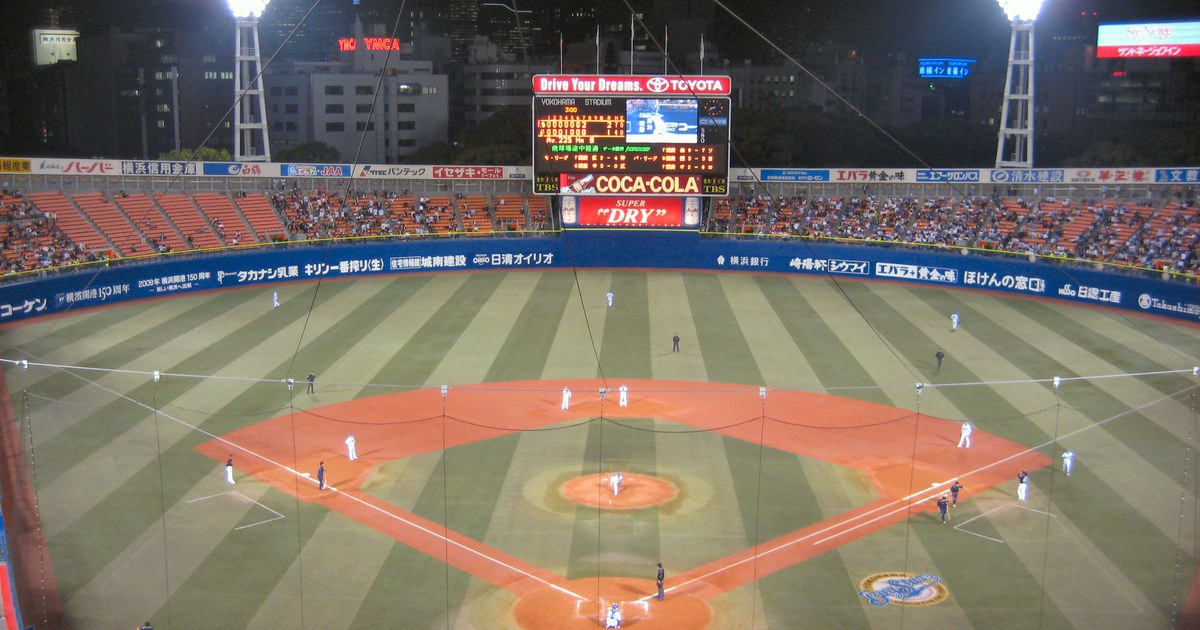
The cheapest general seat on the Yomiuri Giants' official price table at Tokyo Dome is ¥2,000, and anyone under 18 pays ¥1,000 for a Seat C. At Hanshin Koshien Stadium, outfield seats start at ¥1,700. The thing that actually catches visitors out at a Japanese ballgame is not the price — it is sitting in the wrong block. The rules do not care which team you support; they care what you are wearing and which section you are in, and in the Giants' own home park, wearing a Giants jersey in the visiting-team cheering section is prohibited. This guide works from club price pages, the published rules of six stadiums, and the full English text of NPB's league-wide spectating provisions, and covers ticket prices (fixed grades and dynamic pricing coexist), the two-way jersey rules, why the plastic-bottle rule is different at every park, and how the summer Koshien high school tournament works.
- Tickets are cheap: Tokyo Dome Seat D ¥2,000, under-18 Seat C ¥1,000, Koshien outfield from ¥1,700 — cheaper than the cheapest sumo seat
- Ask which team before asking the price: the Giants publish three game grades and Hanshin four, both as fixed tables; Chiba Lotte states officially that an AI adjusts prices daily and publishes no price list at all
- Jersey rules run both ways: visitor sections ban home-team gear, Seibu bans opposing colours in its own Lions Zone, and Koshien's visitor block bans Hanshin colours
- PET bottles have no national rule: NPB Article 5 bans only bottles, cans and ice boxes; Tokyo Dome allows under 1,000ml, Jingu allows them outright, Es Con Field bans them
- No baseball from November to mid-February: 2026 opens 27 March and the Japan Series can run to 1 November; for 2027 only the 26 March opening date is published
📖 Contents
- First, check your travel dates
- All 12 clubs and their home stadiums
- Fixed grades vs dynamic pricing
- Tokyo Dome: the full Giants price table
- Koshien: the full Hanshin price table
- The cheering sections and the jersey rule
- How to buy Japanese baseball tickets
- The NPB provisions, and why every park differs
- What you can carry into six stadiums
- Which seats not to buy
- Summer Koshien: high school baseball
- The Koshien museum and stadium tour
- FAQ
First, check your travel dates
This section goes first because it may save you reading the rest. Japanese professional baseball does not run year-round. From the NPB official calendar, verified 15 August 2026, the 2026 season looks like this:
| Stage | Official 2026 dates |
|---|---|
| Pre-season exhibition games | 21 February – 22 March |
| Regular season opening | Friday 27 March, both leagues on the same day |
| Interleague play | 26 May – 18 June (including reserve dates) |
| All-Star Games | 28 July, Game 1 at Tokyo Dome; 29 July, Game 2 at Toyama Municipal Stadium |
| Climax Series (playoffs) | First stage 10, 11, 12 October (reserve 13th); Final stage 14–19 October, up to six games (reserve 20th and 21st) |
| SMBC Japan Series | 24 and 25 October at the Central League club's park, 27–29 October at the Pacific League club's, 31 October and 1 November back in the Central League park |
Translated into travel terms: from late March to early October there is a game almost every day, which is what makes baseball far easier to slot into an itinerary than a festival or a sumo tournament — you do not need to hit a specific date, you just need a day when someone is playing at home. From early October to the start of November only the playoffs remain, meaning fewer games and much harder tickets. And from November to mid-February there is nothing at all.
The NPB calendar page does not publish the final day of the regular season. Since the Climax Series starts on 10 October, the regular season finishes in the first days of that month.
If your trip falls in winter and you still want a live spectator sport, the answer is sumo. The January tournament is held at Ryogoku Kokugikan in Tokyo, and our grand sumo guide covers prices, the five-stage ticket release and the official schedule that explains why arriving at two in the afternoon is enough. The two sports are seasonally complementary: baseball in summer, sumo in winter.
For 2027, the position can be stated precisely rather than vaguely. NPB's official 2027 calendar page exists, but it contains only two lines: a new-player training session on 8 January, and both leagues opening on Friday 26 March. All-Star, Climax Series and Japan Series dates are not yet published. Any article stating 2027 Japan Series dates is not working from the official source.
All 12 clubs and their home stadiums
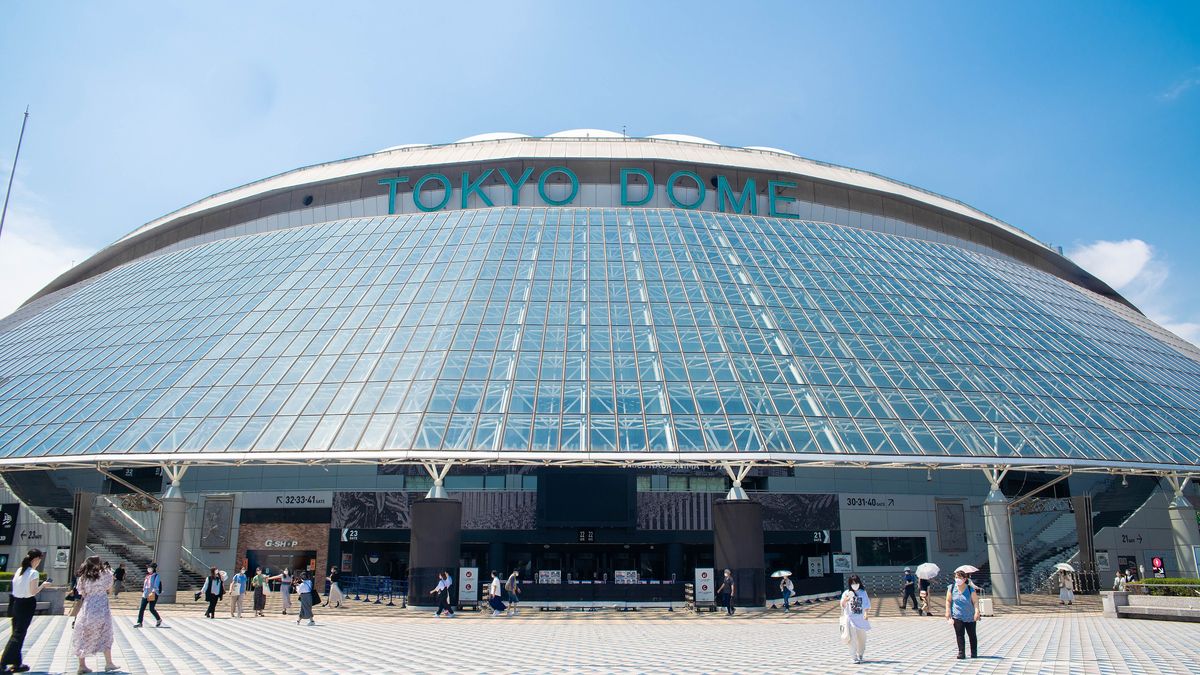
NPB has twelve clubs, six in each league. The table below is the official NPB club list as of 15 August 2026, with an assessment of how easily each park fits into a typical visitor itinerary:
| League | Club | Home stadium | Ease of visiting |
|---|---|---|---|
| Central | Yomiuri Giants | Tokyo Dome | Easiest — central Tokyo, Suidobashi/Korakuen |
| Central | Tokyo Yakult Swallows | Meiji Jingu Stadium | Easiest — central Tokyo, Gaienmae/Shinanomachi |
| Central | Yokohama DeNA BayStars | Yokohama Stadium | Easy — beside Kannai station |
| Central | Hanshin Tigers | Hanshin Koshien Stadium | Easy — Hanshin line, Koshien station |
| Central | Chunichi Dragons | Vantelin Dome Nagoya | Moderate — Nagoya |
| Central | Hiroshima Toyo Carp | MAZDA Zoom-Zoom Stadium Hiroshima | Moderate — Hiroshima, just off the Peace Park route |
| Pacific | ORIX Buffaloes | Kyocera Dome Osaka | Easy — Taisho/Dome-mae, central Osaka |
| Pacific | Fukuoka SoftBank Hawks | Mizuho PayPay Dome Fukuoka | Easy — central Fukuoka |
| Pacific | Hokkaido Nippon-Ham Fighters | Es Con Field HOKKAIDO | Moderate — Kitahiroshima, a trip out from Sapporo |
| Pacific | Saitama Seibu Lions | Belluna Dome | Moderate — Tokorozawa |
| Pacific | Tohoku Rakuten Golden Eagles | Rakuten Mobile Park Miyagi | Moderate — Sendai |
| Pacific | Chiba Lotte Marines | ZOZO Marine Stadium | Moderate — Kaihin-Makuhari, Chiba |
A detail that looks trivial but will send you to the wrong search results: Japanese stadium names are naming-rights names and they change. Rakuten Mobile Park Miyagi, Mizuho PayPay Dome Fukuoka and Belluna Dome have all been renamed. Search by club name rather than stadium name and you will land on the official page.
The practical advice is to pick the park that fits your route rather than the team you have heard of. In Tokyo, drop a game into an evening of your five-day Tokyo itinerary; in Kansai, Koshien or Kyocera Dome fits neatly into an Osaka and Kyoto trip. Our city guides for Nagoya, Sendai, Fukuoka, Hiroshima and Sapporo cover the surrounding logistics. One disclosure up front: the spectating rules page for Yokohama Stadium could not be obtained for this guide, so the rules sections below do not cover Yokohama — only its location and ticketing system (see our Yokohama guide for the rest of the city).
Fixed grades vs dynamic pricing
The plan for this section was originally to explain that most NPB clubs use dynamic pricing so no fixed prices can be quoted. Checking the sources proved that wrong. The two clubs most relevant to overseas visitors both publish complete fixed price tables.
The accurate framing is this: Japanese baseball has no unified ticket pricing system, and the two approaches coexist.
| Fixed grade pricing | Dynamic pricing | |
|---|---|---|
| Example clubs | Yomiuri Giants / Hanshin Tigers | Chiba Lotte Marines |
| How it works | Fixtures are graded and the same seat costs more in a higher grade. Giants: Category I, II, S. Hanshin: grades I to IV | Official wording: prices vary according to when you buy, are set by an AI analysing sales conditions, weather and other factors, and change in 100-yen increments |
| Is there a published price list? | Yes, in full | No. The club states prices are sold dynamically and fluctuate daily, and directs you to check M-Ticket online |
| What it means for you | You can budget in advance and compare seat types | You can only check close to the date, and popular fixtures are likely to rise |
So when someone asks what a Japanese baseball ticket costs, the correct first response is another question: which team? The two tables below were taken from official price pages on 15 August 2026 and cover the fixed-price clubs. The pricing systems of the other nine clubs were not verified for this guide, so no prices are quoted for them — a gap left deliberately rather than filled from secondary sources.
Tokyo Dome: the full Giants price table
Source: the Giants' official English seating page. The three categories are fixture grades — bigger opponents and weekends cost more — so read each row horizontally to see the spread on the same seat.
| Seat type | Category I | Category II | Category S |
|---|---|---|---|
| Infield S | ¥6,800 | ¥7,300 | ¥7,700 |
| Infield A | ¥5,800 | ¥6,200 | ¥6,600 |
| Infield B | ¥4,500 | ¥4,900 | ¥5,300 |
| Orange Seat | ¥4,500 | ¥4,900 | ¥5,300 |
| Infield B (visiting team cheering) | ¥4,500 | ¥4,900 | ¥5,300 |
| Seat FC (central) | ¥3,200 | ¥3,600 | ¥4,000 |
| Seat FC | ¥2,800 | ¥3,200 | ¥3,600 |
| Seat C | ¥2,200 | ¥2,500 | ¥2,800 |
| Seat C (under 18) | ¥1,000 across all three categories | ||
| Seat D | ¥2,000 | ¥2,200 | ¥2,200 |
| Outfield (right) | ¥2,300 | ¥2,600 | ¥2,900 |
| Outfield (left, Giants cheering) | ¥2,300 | ¥2,600 | ¥2,900 |
| Outfield (left) | ¥2,300 | ¥2,600 | ¥2,900 |
| Outfield (left, visiting team cheering) | ¥2,300 | ¥2,600 | ¥2,900 |
Three official notes on that page are worth pulling out:
- The club adds that prices may vary depending on the event. The table is a fixed grid for regular fixtures, not a guarantee for every date. Treat it as your budgeting figure and confirm at checkout.
- To reserve a seat, children under six also require an admission ticket, and Excite Seats are not available to under-sixes.
- The club states outright that the seats are narrow — the official wording is that seat size is designed for the average Japanese person, so it may be uncomfortable for larger individuals. It is unusual for a club to publish that, and if you are tall or broad it is worth choosing an aisle seat or an upper tier.
My recommendation: for a first Japanese ballgame, buy Seat C or Seat D. Between ¥2,000 and ¥2,200 you get the whole spectacle — the organised chanting, the seventh-inning balloon ritual, the atmosphere that makes NPB different from baseball anywhere else — and none of that plays better from an expensive seat. Infield S at ¥6,800 is for people who want to read the pitch-by-pitch battle, not for a first-time visitor.
⚠️ These figures come from the Giants' official English price page. If a figure differs at checkout, the checkout page is the one that counts.
Koshien: the full Hanshin price table
Hanshin grades its fixtures into four tiers, I to IV, and all prices include tax. One official note has to travel with these numbers: the club states that ticket prices for some seats were revised from 2026, which means any price table you find online dated 2025 or earlier is out of date.
| Seat type | I | II | III | IV |
|---|---|---|---|---|
| Ivy Seat | ¥4,800 | ¥5,000 | ¥5,500 | ¥5,600 |
| Breeze Seat | ¥4,800 | ¥5,000 | ¥5,500 | ¥5,600 |
| Alps seats, 1st/3rd base (adult) | ¥2,600 | ¥2,800 | ¥3,200 | ¥3,300 |
| Alps seats, 1st/3rd base (child) | ¥900 | ¥1,000 | ¥1,200 | ¥1,300 |
| Outfield, left and right (adult) | ¥1,700 | ¥1,900 | ¥2,400 | ¥2,500 |
| Outfield, left and right (child) | ¥600 | ¥700 | ¥800 | |
| Restricted-view Alps seats (adult) | ¥2,300 | ¥2,500 | ¥2,900 | ¥3,000 |
| Left-field visitor-only cheering seats | Adult ¥1,700–2,500 / child ¥600–800 depending on fixture grade (see note below) | |||
Three things to notice in that table:
- The right-field seats are labelled a Hanshin Tigers-only cheering section. That is not merely a location, it is a declared allegiance — which the next section unpacks.
- There is a separate fan club fare column, generally one to three hundred yen below the general fare (the right-field adult grade I fan club price, for example, is ¥1,500). Short-term visitors have no reason to join, but if a Japanese friend is a member it is worth knowing.
- The fan club column for the visitor-only cheering block is entirely blank. Hanshin fan club discounts do not apply in the away section — a design decision that tells you exactly who that block is for.
⚠️ Why the visitor block only gets a range: the official price table shows five letters, A through E, above that row — apparently a separate grading scheme for the away section — but only four price sets underneath, and the correspondence between the letters and grades I to IV could not be established. So the visitor block is quoted here only as a band, ¥1,700–2,500 — do not assume grade I is the lowest figure.
One more source of confusion worth heading off: Hanshin also hosts home games at Kyocera Dome Osaka, under a completely separate single-tier price list with no grades. Do not carry the Koshien figures over, because that table applies to Hanshin-hosted games only, not to ORIX-hosted ones, and mixing them up will wreck your budget. If you are heading to Kyocera Dome, check who is hosting first, then open that club's price page.
The cheering sections and the jersey rule
If you read only one section, read this one. It is where overseas visitors most often get caught, and the version circulating in English is only half right.
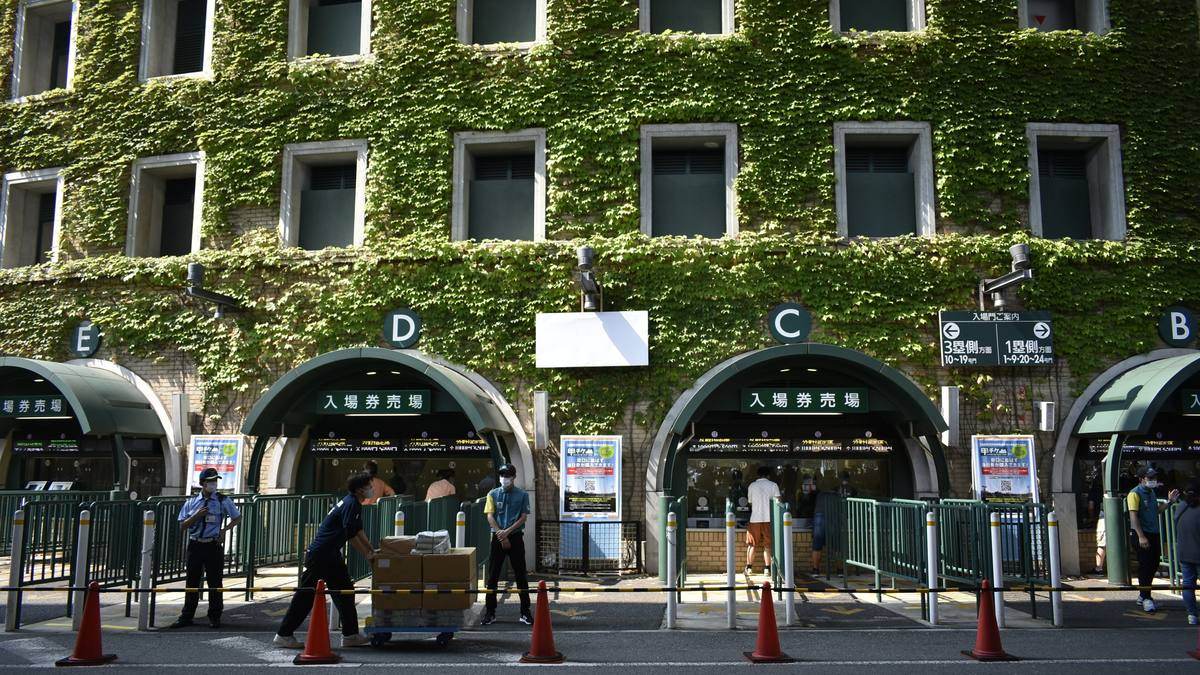
The half-right version is "do not wear an away jersey in the outfield". Having read the official pages of six clubs, the accurate statement is that the rules run in both directions.
| Club / stadium | Official rule (key points) |
|---|---|
| Yomiuri Giants / Tokyo Dome | Official English text: visiting-team merchandise and jerseys are not permitted in Outfield (Right), Outfield (Left Giants Cheering) or Orange Seat; Giants merchandise and jerseys are not permitted in Outfield (Left Visiting team Cheering) or Infield B (Visiting team Cheering) |
| Hanshin Tigers / Koshien | In the left-field visitor-only cheering section, cheering for, wearing the colours of, or using goods of any club other than that day's visiting team is prohibited — and the text explicitly includes the Hanshin Tigers |
| Saitama Seibu Lions / Belluna Dome | Strictest of the six: in both the Lions Zone and the Visitor Zone, wearing the opposing team's jersey, shirt or cap, cheering for them, using their goods, or even displaying them is refused, to avoid trouble between spectators |
| Fukuoka SoftBank Hawks / Mizuho PayPay Dome | The area enclosed by yellow fencing is the visitor cheering area; within it, cheering for the Hawks, bringing in Hawks goods, and watching or even passing through in clothing that identifies you as a Hawks fan are prohibited |
| Hokkaido Nippon-Ham Fighters / Es Con Field | The visitor cheering area is for supporting the visiting team; cheering for the Fighters is refused, as is bringing in or wearing Fighters jerseys and goods |
| Tokyo Yakult Swallows / Meiji Jingu | The visitor sections are the visiting-side outfield seats (A, B, C1, C2, C3) and the visitor-side Sedia seats in left field; cheering for any club other than that day's visiting team, and wearing their jerseys or goods, is prohibited |
Once you have that table, the rule can be restated in a far more useful form: the stadium does not police who you support, it polices what you are wearing and which block you are in.
For a first visit, the advice is concrete:
- Do not wear any team's jersey through the gate. Buying merchandise is something to do after you are inside and have picked a side for the evening.
- Read the seat name word by word when booking. Anything containing "visitor" or "visiting team" is the away block; anything containing a club name (Giants Cheering, Hanshin Tigers-only cheering) is the home block. You do not need to read Japanese, you only need to recognise those two markers.
- When in doubt, buy a general infield seat. Most infield blocks carry no allegiance restriction, and they are not necessarily more expensive — Tokyo Dome's Seat D at ¥2,000 is cheaper than the outfield at ¥2,300.
One more piece of precision. The claim that you must stand for the whole game in the cheering block is not a rule. What the clubs publish is an advance notice: Seibu says many customers stand to cheer while the visiting team bats and asks for your understanding in advance, and SoftBank's wording is nearly identical. Nobody will require you to stand — the club is warning you that everyone around you will. That has a real planning consequence: if you are with older relatives or small children, avoid the core cheering blocks, because an obstructed view is the expected outcome, not bad luck.
Cheering equipment has published dimensions too. SoftBank specifies small cheering flags of no more than 60cm by 60cm; Seibu specifies gate flags within 60cm by 60cm on a pole of up to 70cm, usable only before the game starts and during changeovers, with additional restrictions in certain blocks. If you want to join in, buy to those dimensions and you will be fine.
How to buy Japanese baseball tickets
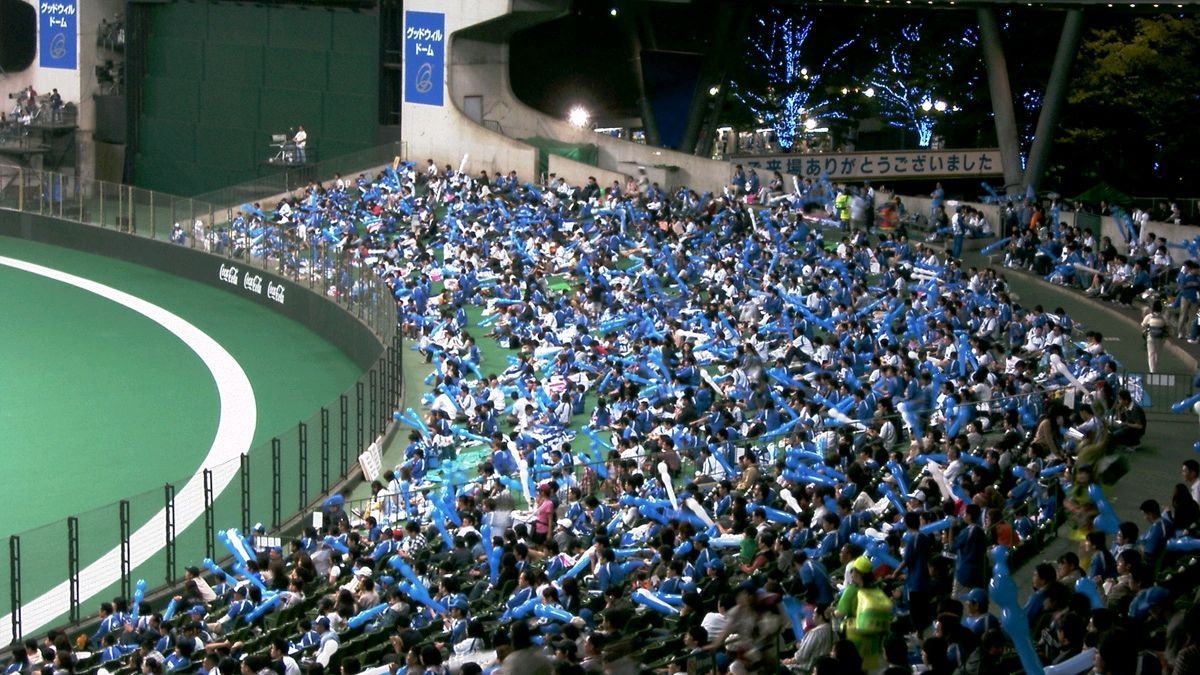
The headline point first: there is no unified NPB ticket portal. The single-organisation, single-ticketing structure that makes sumo simple does not exist here. Twelve clubs run twelve systems, with different accounts, rules and on-sale dates.
| Club | Official ticketing | Official conditions to note |
|---|---|---|
| Yomiuri Giants | Giants Online Ticket and others | The English page also lists e+, Quickpia, KLOOK, KKday, GET YOUR GUIDE, Yomiuri Travel and the box office |
| Hanshin Tigers | Club website (price table and seat availability) | General and fan club fares run in parallel |
| Yokohama DeNA BayStars | BayTicke | Official: a DeNA account is required |
| Chiba Lotte Marines | M-Ticket | Fully dynamic pricing; no fixed price list published |
| Saitama Seibu Lions | Lions Ticket (web) | Requires fan club membership or free ticket-member registration |
| Hokkaido Nippon-Ham Fighters | F-Ticke | The club also links out to ticketsinjapan.com, which describes itself as a ticket service exclusively for international visitors and covers Nippon-Ham, ORIX and Tohoku Rakuten |
The clearest official answer to "can foreigners buy NPB tickets" comes from the Giants' own English page, and its candour is worth quoting in full. The club states that tickets can be purchased through services such as Giants Online Ticket, e+, Quickpia, KLOOK, KKday and GET YOUR GUIDE, all of which allow single-game bookings; that Yomiuri Travel offers special ticket packages; and that tickets can be bought directly at the stadium box office in advance or on the day, though popular games may sell out fast. Then come three notes:
- Tickets purchased through platforms not listed on the site may be resold illegally and could result in denied entry; buy only from authorised sellers.
- The Japanese-language ticket page may not function properly for international users — use the English BUY TICKET page for a smooth purchase.
- If tickets sell out during the advance or general sales period, same-day tickets may not be available on the day.
The second of those deserves underlining: the club itself acknowledges that its Japanese checkout may not work for overseas users, and lists international platforms among its authorised routes. Two conclusions follow — being stuck at a Japanese checkout page is not your fault, and the official route is not limited to the club's own site. Buy only from the channels a club lists officially, and stay away from the secondary market entirely.
So what do those international platforms actually sell, and at what price? Take the Tokyo Dome Giants home-game ticket on GetYourGuide (it bundles an official supporting towel): checked on 7 September 2026, it starts at US$153.87. That sits far above the cheapest SEAT D in the official price table above — what the premium buys is not a better seat but a checkout that accepts an overseas-issued card, in a language you can read, without stalling on a Japanese payment page. The test is simple: try the club's English BUY TICKET page first, and if the card goes through, the official site is the cheapest route. If it does not, or your dates are locked and you cannot gamble on it, use one of the authorised platforms to lock the game in.
See the Tokyo Dome Giants ticket on GetYourGuide →Giants home games at Tokyo Dome only, and nothing outside the season; the price moves with the fixture and date, so the checkout page is the authority. For the other five clubs, use the official systems listed in the table above.
Understand same-day tickets correctly, too. They exist, but what they sell is reserved seats that did not sell in advance — not a cheaper day-of category. This is exactly the same structure as sumo. Treat them as a fallback, never as a plan, particularly for weekends and marquee fixtures.
Last practical note: dynamically priced clubs can only be checked online in real time, and seat names often have to be opened to read properly. If you are not on Japanese roaming, sort out data before you travel; our Japan essentials guide compares the options.
The NPB provisions, and why every park differs
This section explains, in one go, why every stadium rule page you find says something different.
NPB maintains league-wide Game Watching Contract Provisions — the official English version is a nine-page document revised in February 2025, in force since 4 February 2010 and amendable mid-season. Article 5 lists prohibited items, and there are only six:
- Firearms, swords, fireworks, explosives, drugs, or any other dangerous articles
- Articles that emit a strong odour or sounds that interfere with the watching of a game
- Bottles, cans, ice boxes, and similar articles
- Pets and other animals (excluding guide dogs, hearing dogs and the like)
- Articles intended for securing an excessive number of seats
- Any other articles designated separately by the host organisation or stadium manager
The interaction between items 3 and 6 is the whole story: PET bottles are not on the league list, and item 6 lets each stadium add its own prohibitions. So the fact that the plastic-bottle rule differs everywhere is not chaos — it is the designed outcome, and every local rule is valid. Clause 2 of the same article also gives the host the right to ask you to open your bags at the gate and to conduct baggage inspections.
Other clauses that affect visitors directly:
- Article 4 (resale): no person may resell a ticket, including through an online auction, or otherwise let a third party acquire it without permission — but there is an explicit exception for transfers that are not for profit and not conducted as a business, based on a specific relationship such as family, friends or customers. So "NPB tickets can never be transferred" overstates the rule; passing a spare ticket to a friend is covered by that exception. Equally, this guide will not claim that all third-party platforms are illegal, because the provisions do not say that and NPB names no platform.
- Article 8 (prohibited acts): occupying seats other than those on your ticket, or loitering and watching from aisles, stairways and gateways, is prohibited — sitting in the wrong seat is itself a breach. Using flashes or lights that may disturb the game is prohibited (photography yes, flash no). Throwing objects into the stands, concourse or field is prohibited. And clause 15 prohibits chasing balls and any other act that may cause damage to other spectators.
- Article 9 (cheering): without the organiser's permission, cheering with trumpets, drums, bells, whistles and other instruments is prohibited, as is cheering with flags and banners, and group cheering that organises spectators or leads their cheering. Individual clapping, shouting and singing along are not prohibited.
- Article 12 (refunds): where entry is refused or ejection measures are taken, the admission fee is not refunded.
- Article 13 (liability): no compensation for damage caused by a home run ball or foul ball, or by game, fan service or practice activity; clause 3 requires spectators to constantly and carefully observe the trajectory of the balls and pay sufficient attention to avoid harm.
Article 13 is worth one more thought. It is not just boilerplate — it is the organiser telling you how you are expected to watch. You are not buying a seat you can zone out in, particularly not in the low infield rows. That shapes the seating advice below.
What you can carry into six stadiums
These six parks had their official rules read directly. The differences are large, so check the one you are actually going to:
| Stadium | Prohibited items (key points) | PET bottles |
|---|---|---|
| Tokyo Dome | Bottles, cans and PET bottles that are frozen or over 1,000ml, plus all alcohol; also oversized bags exceeding your seat area (pushchairs excepted) and non-regulation cheering equipment | ✅ Under 1,000ml and unfrozen is fine; alcohol banned outright |
| Meiji Jingu Stadium | Glass bottles, cans and ice boxes — PET bottles and flasks explicitly permitted | ✅ Permitted, no stated volume limit |
| Belluna Dome (Seibu) | Bottles, cans, cool boxes and alcoholic drinks; folding chairs may not be used; cameras may be raised only to the photographer's eye level, and monopods and tripods are not allowed | ✅ Permitted (not listed as prohibited) |
| Mizuho PayPay Dome Fukuoka | Bottles, cans and dangerous items refused for safety reasons; heatstroke exception allows one PET bottle or carton up to 1L per person, plus flasks and tumblers up to 2L | ⚠️ Up to 1L, one per person |
| Hanshin Koshien Stadium | Cans and bottles refused, to prevent danger | ✅ Permitted (not listed as prohibited) |
| Es Con Field HOKKAIDO | Bottles, cans and PET bottles plus outside food and drink in general; own tables and chairs may not be used; tripods prohibited inside the ballpark including the seats | 🔴 Banned, the strictest of the six |
On re-entry, only two of the six publish an explicit rule: Meiji Jingu asks you to present your ticket at the re-entry gate, and Mizuho PayPay Dome designates specific gates for re-entry and asks you to keep your proof of purchase for inspection. The other four are not covered here because no official text was obtained.
A useful contrast: several professional ballparks allow re-entry, but the summer high school tournament at Koshien states plainly that once you leave you cannot come back in. Same stadium, different organiser, different rule — which is precisely why second-hand experience is a bad guide.
No official page says canned drinks have to be decanted into paper cups at the gate — none of the six rules pages checked mentions it, however often you hear it. Tokyo Dome's page is also silent on umbrellas, folding chairs and lens length, and the rules pages for Kyocera Dome Osaka and Yokohama Stadium were unreachable — for those, open the stadium's own page again nearer your date.
Which seats not to buy
With prices and rules on the table, here is the opinionated part. Two categories of seat are the wrong choice for most first-time visitors.
One: the low infield rows
They look like the best seats and they are priced accordingly — Infield S at Tokyo Dome starts at ¥6,800. But read Article 13 into them and their character changes: the organiser accepts no liability for home run or foul ball damage, and requires you to watch the ball's trajectory throughout. That is not a seat for looking at your phone and chatting. If you want a relaxed evening, take photographs or bring children, one tier up or out in the outfield is more comfortable — and the three or four thousand yen you save covers food and drink for the night.
The flip side: if you genuinely want to read the pitcher-batter duel, the pitch selection, the runner's jump, then Infield S or A is money well spent. This is a trade-off, not a ranking.
Two: the wrong side's cheering block
This one has no upside at all. Buy into the away cheering block wearing home colours, or the reverse, and the outcome is that you spend the evening with your jacket zipped over your shirt. And under Article 12, if refused entry or ejected, the admission fee is not refunded.
So the order of preference:
- First game, no allegiance: a general mid or upper infield seat (Seat C or D at Tokyo Dome, the Alps seats at Koshien). Full view, no restrictions, friendliest price.
- You want the cheering culture: buy into the home outfield block, and accept that everyone around you will stand all game. It is the strongest experience NPB offers, but go in knowing that.
- Travelling with elderly relatives or toddlers: avoid all cheering blocks, sit in the infield, and check that stadium's carry-in rules first, since whether you can bring drinks in matters a lot with small children.
- Photographers: check the equipment rules first. Seibu restricts cameras to eye level and bans monopods and tripods; Es Con Field bans tripods. Find out before you pack a long lens, not at the security check.
And one rule that applies to everyone: Article 8 makes sitting anywhere other than your assigned seat a prohibited act. Empty seats are common, but empty does not mean available. Japanese venues are consistently firm about this — the same rule applies at sumo.
Summer Koshien: high school baseball
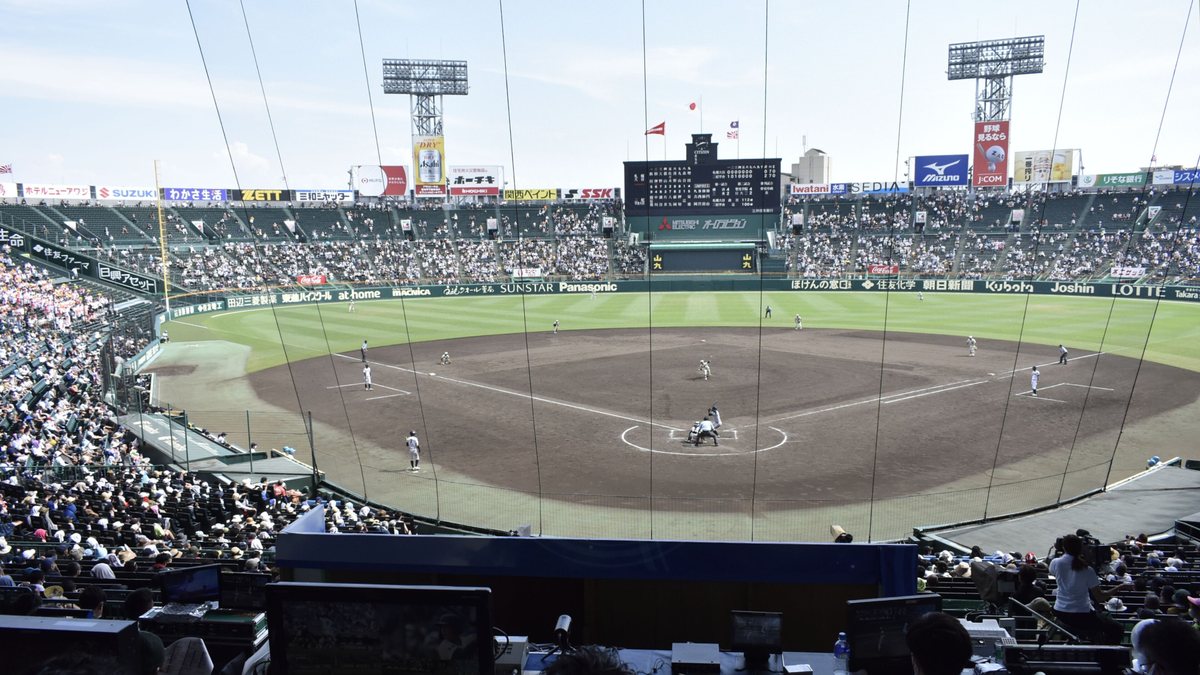
For many overseas fans, "Koshien" means the summer high school championship rather than the Hanshin Tigers. It is a different organiser (the Japan High School Baseball Federation with the Asahi Shimbun) and a different ticketing system in the same stadium, so treat it separately.
The 2026 edition, the 108th National High School Baseball Championship, ran from Wednesday 5 August to Saturday 22 August — 18 days, with the final starting at 10:00 on 22 August and rest days on 17, 19 and 21 August.
Every seat is reserved and sold in advance, with prices split into two categories by session (Category A covers the afternoon sessions of 7–12 August and everything from 13 August; Category B covers 5–6 August and the morning sessions of 7–12 August):
| Seat type | Category A | Category B |
|---|---|---|
| Central reserved (adult) | ¥4,800 | ¥1,500 |
| 1st/3rd base reserved (adult / child) | ¥3,900 / ¥1,000 | ¥1,200 / ¥300 |
| Alps seats (1st/3rd base side) | ¥2,000 | ¥700 |
| Outfield reserved (adult / child) | ¥1,000 / ¥200 | ¥300 / ¥100 |
The official child fare covers ages 4 through junior high school. The Alps seat child fare is not listed here — check it on the ticketing site when you buy.
Tickets are sold through the Ticket Pia, Lawson Ticket, Asa-Tike and Ko-Tike websites, or at convenience store terminals (excluding the quarter-finals onward). Same-day tickets are sold only where seats remain, and the official wording is that if advance tickets sell out, no same-day tickets are issued. On-sale timing is staggered: games from 5 to 12 August went on sale from 10:00 on 16 July until 22:00 the day before each game; games from 13 August through the third round from 10:00 on 23 July; and from the quarter-finals onward, sales run only from 10:00 to 22:00 on the day before — a twelve-hour window.
Three entry rules deserve to be read word for word, because they are what stops visitors at the gate:
- Without the admission ticket itself, a purchase-history screen on a smartphone, tablet or computer will not admit you.
- A photocopied QR code, or one photographed with a camera, will not admit you either.
- Once you leave the stadium, you cannot re-enter.
⚠️ The organiser states only that purchase-history screens and photographed codes are invalid; it does not say whether tickets are issued on paper or electronically. Confirm the collection method on the ticketing site when you buy.
One more official detail on the outfield: you can choose the lower or upper tier of the left or right outfield, but you cannot choose the specific seat within that area. And on the claim that the Koshien outfield is free — the current system is paid, reserved and sold entirely in advance. A Category B adult outfield seat at ¥300 is genuinely cheap, but it is not free.
2027 dates and prices had not been published at the time of writing. The spring invitational tournament is a separate event with separate ticketing, organised by the Mainichi Shimbun with the federation.
The Koshien museum and stadium tour
Turning up at Koshien on a day with no game is not a wasted trip: the Koshien Museum operates year-round and can be visited on its own. Official prices:
| Item | Adult | High school student | Child (age 4 to junior high) |
|---|---|---|---|
| Admission (general) | ¥900 | ¥700 | ¥500 |
| Admission (groups of 20+) | ¥700 | ¥500 | ¥400 |
| Stadium tour, Tigers course (with tour and OB commentary) | ¥2,000 | ¥1,800 | ¥1,400 |
| Tigers course (practice viewing only) | ¥1,500 | ¥1,300 | ¥1,000 |
| AR Koshien Experience | ¥1,500 | ¥1,300 | ¥1,000 |
Opening hours are 10:00 to 18:00, shortening to 10:00 to 17:00 from November to February, with a 9:00 opening on day-game days and last admission 30 minutes before closing. Closed Mondays except game days and public holidays, plus the New Year period — which in practice means a Monday with a game or a holiday stays open, and other Mondays do not.
⚠️ No official page states whether the tours need a reservation, or how the museum operates during the spring and summer tournaments. Check the official calendar before you go, particularly if you are visiting during the high school championship.
A checklist you can actually follow
- Check the dates first. No professional baseball from November to mid-February; the winter substitute is the January sumo tournament.
- Pick the ballpark, not the team. For a first game, take the one that fits your route: Tokyo Dome or Jingu in Tokyo, Koshien or Kyocera Dome in Kansai.
- Establish whether the club uses fixed or dynamic pricing before you budget. The Giants and Hanshin publish tables; Chiba Lotte prices move daily.
- Read the seat name word by word. "Visitor" or "visiting team" means the away block; a club name means the home block. When unsure, buy a general infield seat.
- Do not wear any team's jersey through the gate. The rules run both ways — home colours in the away block are refused too.
- Open the carry-in page for your specific stadium. Tokyo Dome allows PET bottles under 1,000ml; Es Con Field bans them entirely.
- Buy only from officially listed channels. The Giants publish their authorised list and warn that unlisted platforms may be illegal resale.
- Plan summer Koshien separately. All-reserved advance sale, no same-day tickets once sold out, no purchase-history screens at the gate, and no re-entry.
Prices, dates and stadium rules change from season to season. Before you travel, open the official pages of the club and the stadium you are actually going to and confirm the figures there.
Frequently Asked Questions
- Q1:How much does an NPB baseball ticket actually cost?
- Less than most visitors assume, and the answer depends entirely on which team you are watching. At Tokyo Dome, home of the Yomiuri Giants, the cheapest general seat on the official price table is Seat D, at ¥2,000(SEAT D・CATEGORY I) for the lowest of the three game grades. The most striking line on that table is the Seat C under-18 fare: ¥1,000(SEAT C・18歳以下(CATEGORY I/II/S 共通)), identical across all three grades. At Hanshin Koshien Stadium the outfield seats start at ¥1,700(ライト/レフト外野席 おとな・Ⅰ) for adults and ¥600(ライト/レフト外野席 こども・Ⅰ/Ⅱ) for children. All of those figures come straight from the clubs' own price pages, not from resellers. For comparison, the cheapest sumo seat in Tokyo is ¥2,500(イスD席 大人(2階14列・全日程同価)) — so a Japanese baseball game is one of the cheapest live sporting events you can attend in a major Japanese city. What does move the price is the game grade: the Giants split fixtures into Category I, II and S, Hanshin into four grades numbered I to IV, and the same physical seat costs more on a weekend or against a marquee opponent.
- Q2:Can foreigners buy NPB tickets online, and do I need a Japanese phone number?
- Yes, you can buy online, but there is no single NPB-wide ticket portal — all twelve clubs run their own systems. Yokohama DeNA uses BayTicke and states you need a DeNA account; Chiba Lotte uses M-Ticket; Seibu requires either a paid fan club membership or a free ticket-member registration; Nippon-Ham uses F-Ticke. The most useful official statement comes from the Giants' English site, which lists Giants Online Ticket, e+, Quickpia, KLOOK, KKday, GET YOUR GUIDE, Yomiuri Travel and the stadium box office as purchase routes — and then adds, in the club's own words, that the Japanese-language ticket page may not function properly for international users and that you should use the English BUY TICKET page instead. The club assumes you will get stuck and has published a detour. The Nippon-Ham Fighters separately link out to ticketsinjapan.com, a service that describes itself as existing specifically for international visitors and which covers Nippon-Ham, ORIX and Tohoku Rakuten. None of the six club sites checked says whether a foreign credit card or a non-Japanese phone number works at checkout. If the club's own system rejects you, use one of the official alternative routes above.
- Q3:What happens if I wear the wrong team jersey in the outfield?
- This is the single most misunderstood rule in Japanese baseball, and the common English-language version of it is only half right. The rules are two-way. The Giants' official English seating page states that visiting-team merchandise and jerseys are not permitted in the right outfield, the left outfield Giants cheering section or the Orange Seat — and, in the same breath, that Giants merchandise and jerseys are not permitted in the left outfield visiting-team cheering section or in Infield B visiting-team cheering. Saitama Seibu goes further: at Belluna Dome both the Lions Zone and the Visitor Zone prohibit wearing, cheering for, using goods of, or even displaying the opposing team's colours. Hanshin's wording at Koshien is the bluntest of all — in the left-field visitor-only cheering section, cheering for or wearing the colours of any team other than that day's visiting side is prohibited, and the text explicitly includes the Hanshin Tigers themselves. So the rule is not about who you support. It is about what you are wearing and which block you are sitting in. The safest approach for a first visit is simple: buy a general infield seat and do not wear any team's jersey through the gate.
- Q4:Can I bring a plastic bottle of water into a Japanese baseball stadium?
- There is no national answer, and that is by design rather than by accident. NPB's league-wide Game Watching Contract Provisions ban, in Article 5, only bottles, cans, ice boxes and similar articles — plastic PET bottles are not on the league list. Clause 6 of the same article then authorises the host club or stadium manager to designate additional prohibited items, which is exactly why every park differs and why every one of those local rules is legitimate. In practice: Tokyo Dome bans bottles, cans and PET bottles that are frozen or larger than 1,000ml, which means an unfrozen bottle under a litre is fine, while all alcohol is banned outright. Meiji Jingu Stadium explicitly permits PET bottles and flasks while banning glass, cans and ice boxes. Mizuho PayPay Dome Fukuoka allows one PET bottle or carton of up to 1L per person as a heatstroke measure, plus flasks and tumblers up to 2L. Es Con Field Hokkaido is the strictest of the six checked: bottles, cans, PET bottles and outside food and drink in general are all refused. Check the page for the specific stadium you are visiting; do not port over a rule you read about somewhere else.
- Q5:Which months of the year is there baseball to watch in Japan?
- Per the NPB official calendar, the 2026 season opens on Friday 27 March for both leagues, interleague play runs 26 May to 18 June, the All-Star Games are on 28 July at Tokyo Dome and 29 July in Toyama, the Climax Series playoffs begin on 10 October, and the Japan Series can run as late as 1 November. Pre-season exhibition games run 21 February to 22 March. Put together, that means there is no baseball at all from November through to mid-February, which catches out a lot of winter itineraries. If you are visiting Japan in winter and want a live spectator sport, the substitute is sumo: the January tournament runs at Ryogoku Kokugikan in Tokyo, and the Grand Sumo spectating guide covers ticket prices and timings. For 2027, the honest position is that only the opening date is known — NPB's official 2027 calendar page currently contains just two lines, a training session on 8 January and both leagues opening on Friday 26 March. All-Star, Climax Series and Japan Series dates for 2027 have not been published, so treat any guide that states them as unsourced.
- Q6:Is it true you should not chase home run balls, and who pays if a ball hits me?
- Both answers run against the intuition of visitors used to North American ballparks. Article 8 of the NPB contract provisions lists prohibited acts, and clause 15 names chasing balls explicitly, on the grounds that it can cause damage to other spectators. Article 13 then limits liability: the organiser accepts no responsibility for damage caused by a home run ball or foul ball, or by any other activity of the game, fan service or practice. Clause 3 of the same article goes further and requires spectators to constantly and carefully observe the trajectory of balls during practice, home runs and foul balls, and to pay sufficient attention so as not to suffer damage. Read together, those two clauses produce a practical seating conclusion: the low infield rows are not a good place to sit if you plan to look at your phone or chat through the game. If you want a relaxed evening, take a seat higher up or in the outfield — it is cheaper too. And a separate note from the same article: photography is fine, but flashes and lights that may disturb the game are prohibited.
- Q7:Do I have to stand for the entire game in the cheering section?
- No — and this is a place where the precise wording matters. The clubs do not have a rule requiring you to stand. What the official pages actually contain is an advance notice. Seibu writes that many customers stand to cheer while the visiting team is batting, and asks for your understanding in advance; SoftBank's wording is almost identical. So nobody will make you stand, but the club is warning you that the people around you will, and that your view will be affected. The practical implication is straightforward: if you are travelling with older relatives, small children, or you simply want to sit down for three hours, do not buy into the core cheering blocks. Related: Article 9 of the NPB provisions prohibits, without the organiser's permission, cheering with trumpets, drums, bells, whistles and other instruments, cheering with flags and banners, and group cheering that organises or leads other spectators. Individual clapping, shouting and singing along are not prohibited — the organised cheering squads operate under permission, which is not something an individual visitor can simply start doing.
- Q8:How do I get tickets for the summer Koshien high school tournament?
- Treat this as a completely separate event from professional baseball: different organisers (the Japan High School Baseball Federation with the Asahi Shimbun), a different ticket system and different rules, even though it uses the same stadium. The 2026 edition — the 108th national championship — ran from 5 to 22 August, 18 days, with the final at 10:00 on 22 August and rest days on 17, 19 and 21 August. Every seat is reserved and sold in advance, through the Ticket Pia, Lawson Ticket, Asa-Tike and Ko-Tike websites or at convenience store terminals (excluding the quarter-finals onward). Prices split into two categories by session: an adult outfield reserved seat is ¥1,000(外野指定席 おとな・カテゴリーA) in Category A and just ¥300(外野指定席 おとな・カテゴリーB) in Category B, with the child fare covering ages 4 through junior high school. Same-day tickets are sold only if seats remain, and the official text is unambiguous that if advance tickets sell out, no same-day tickets are issued. Three entry rules matter most for overseas visitors: a purchase-history screen on a phone, tablet or PC will not get you in; a photocopied or photographed QR code will not get you in; and once you leave the stadium you cannot re-enter. Dates and prices for the 2027 tournament had not been published at the time of writing.
Read next
Watching Sumo in Japan 2026: Official Tickets from ¥2,000
Official chair seats start at 2,500 yen in Tokyo and 2,000 in Fukuoka. Resale is banned, and the association enforced it 138 times last year.
Tokyo 5-day itinerary 2026
A clear 5-day plan: Shinjuku base, two zones per day, honest budget.
Osaka & Kyoto 5-day itinerary
Dotonbori, Kiyomizu, Arashiyama — full tested route.
📊 See the 2026 Price Index (JR Pass, DPA, eSIM, Airport Transport) →