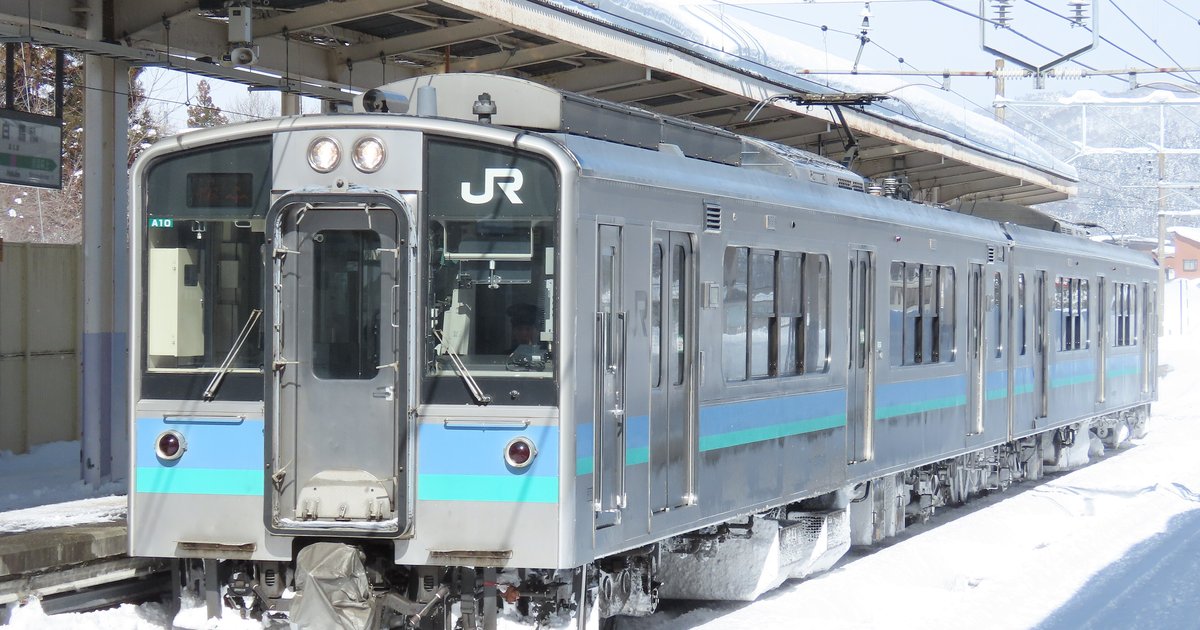
The winter Seishun 18 Ticket goes on sale on 27 November and can be used from 11 December: ¥10,000 for 3 days or ¥12,050 for 5, which works out at roughly ¥3,334 and ¥2,410 a day. This guide runs the official rules against your itinerary: how much rail you need to ride each day to break even, whether the 3-day or 5-day ticket fits, and when you should skip it altogether.
The short version: since the winter 2024 overhaul, this ticket only suits one person who can travel several days back to back and is happy to spend whole days on local trains. If you remember Seishun 18 as "a group of friends split one ticket" or "pick any five days in the season", those were the old rules and neither works any more. Prices, dates and rules below follow the JR Group joint press release of 5 February 2026 and JR West's product page (checked 14 September 2026); "kippu" in the Japanese name simply means "ticket".
- Winter tickets go on sale 27 Nov, valid 11 Dec 2026 to 11 Jan 2027; each ticket is sold only from one month before its start date.
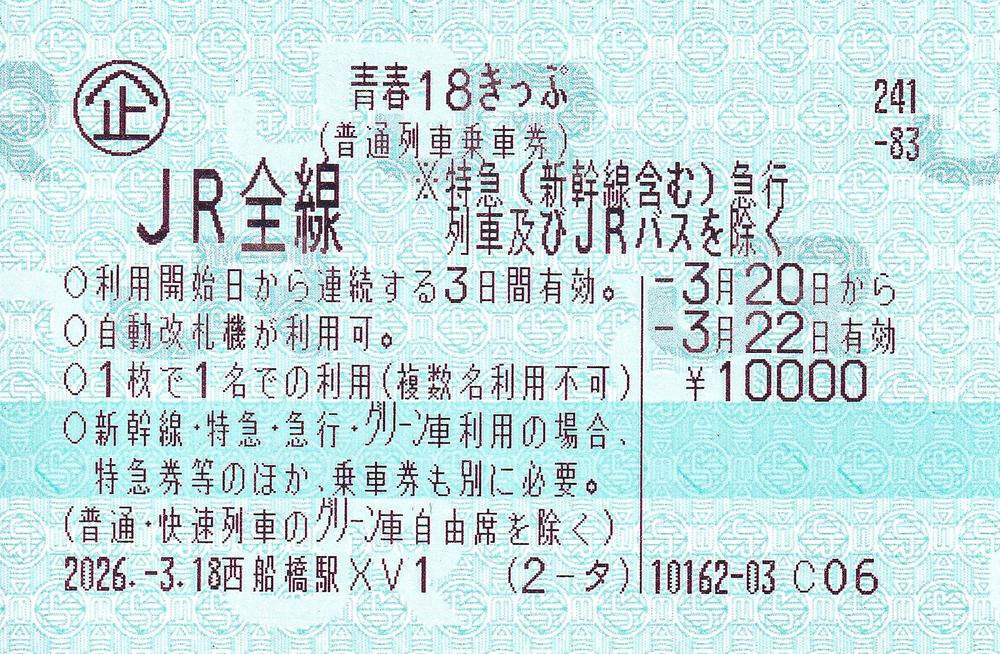
- 3-day ¥10,000, 5-day ¥12,050, same for adults and children; days run consecutively from the start date, one person per ticket.
- Break-even: about ¥3,334 a day on the 3-day, ¥2,410 on the 5-day; if days 4 and 5 would cost you more than ¥2,050 in fares, take the 5-day.
- No shinkansen, limited express or express trains; Hokkaido needs the separate option ticket at ¥4,650.
- On a tight schedule, wanting two or three scattered days, or hoping to share one ticket? Skip it.
Table of Contents
- What is the Seishun 18 Ticket, and can foreigners buy it?
- What changed in 2024? Can several people still share one?
- When is the winter 2026 ticket sold and valid?
- 3-day or 5-day? How much do you need to ride to break even?
- Which trains are covered? Shinkansen, limited express, BRT, Miyajima ferry
- Seishun 18, JR Pass or overnight bus: which fits your trip?
- What about Hokkaido?
- Where to buy, how to get through the gates, and refunds
- One table: 3-day, 5-day and the Hokkaido option ticket
- Who should not buy the Seishun 18 Ticket?
- What to read for the rest of your budget
- Frequently Asked Questions
What is the Seishun 18 Ticket, and can foreigners buy it?
Yes — JR West's product page says anyone can use it, regardless of age. The "18" in the name is not an age limit, and adults and children pay the same.
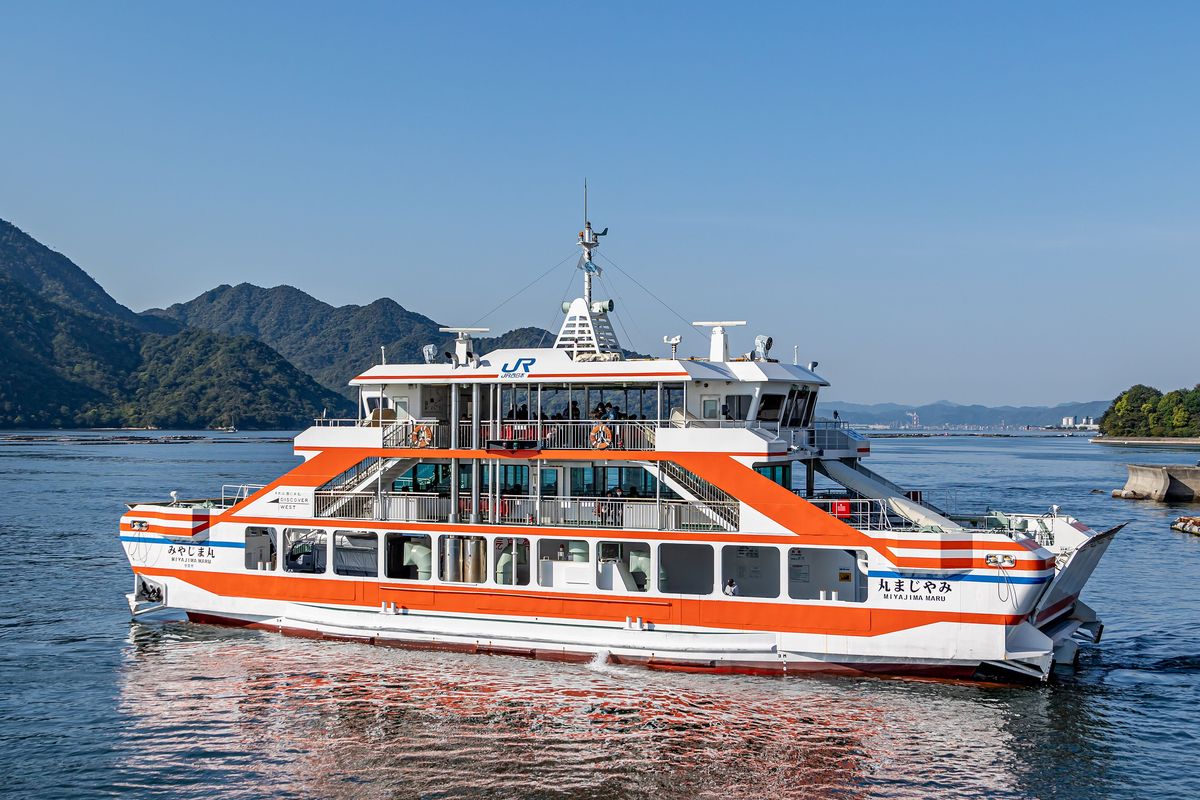
It is a nationwide JR ticket: for 3 or 5 consecutive days from the start date you choose when buying, you can hop on and off local and rapid trains on every JR line in the country (non-reserved seats in ordinary cars), plus BRT (bus rapid transit) services and the JR West Miyajima ferry. What you are buying is slowness: shinkansen and limited express trains are not included, so you trade time for fares.
Whether you have to show a passport when buying, or whether station ticket machines offer other languages, is not stated officially — so do not assume either way before you go.
What changed in 2024? Can several people still share one?
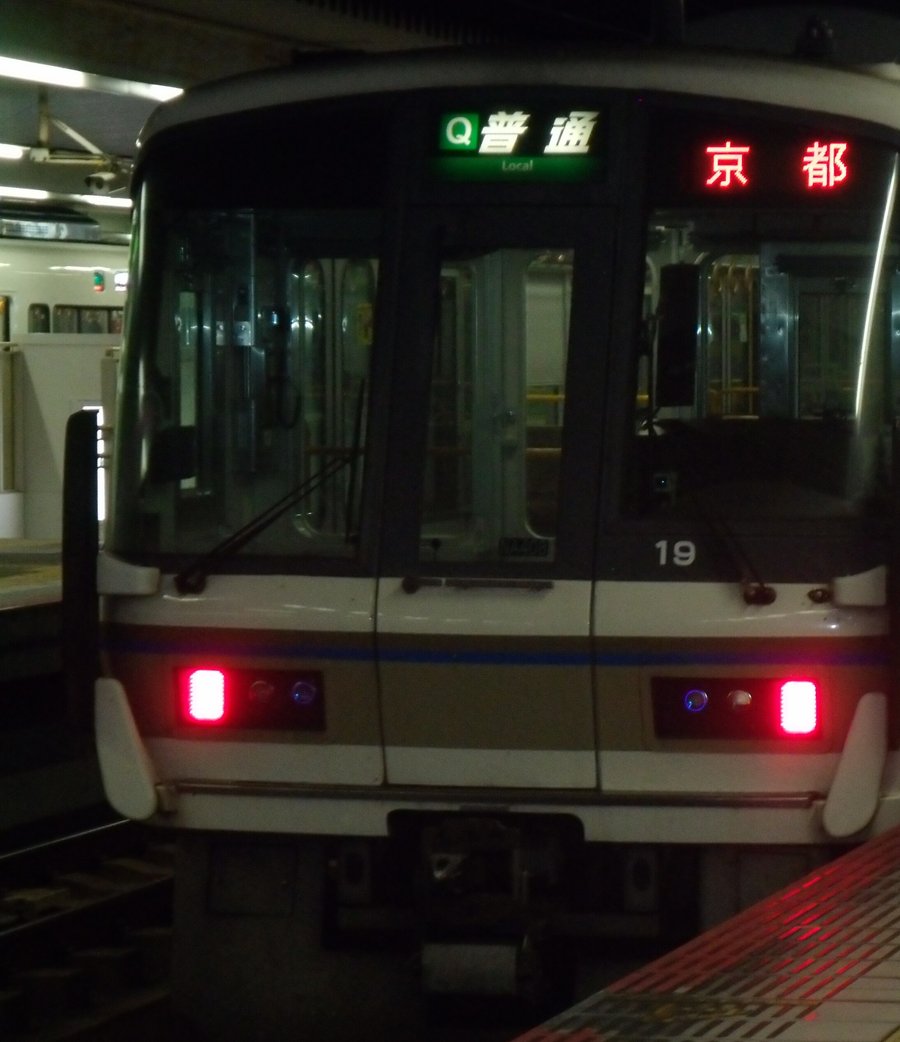
No sharing — one ticket covers one person. The official wording is blunt: one ticket cannot be used by several people, a single ticket cannot cover two children, and it cannot be transferred or lent.
| Item | Before the winter 2024 overhaul | After (still the rules for 2026) |
|---|---|---|
| How days count | Five uses, on any days within the season | 3 or 5 consecutive days from the chosen start date |
| Number of people | Could be split among several people | One person per ticket, no transfer or lending |
| Station gates | Staffed window | Automatic ticket gates work |
"Consecutive" matters most. Buy a 5-day ticket and take day 3 off in one city, and that day still counts. So plan the itinerary first, then pick the ticket length — do not cram in extra travel just to use up days. The one thing that got easier is the gates: no more detours to a staffed window.
When is the winter 2026 ticket sold and valid?
On sale from 27 November, valid from 11 December 2026 to 11 January 2027. Both versions share the same last valid day; they differ in the latest day you can start.
| Winter 2026 | 3-day | 5-day |
|---|---|---|
| Sales period | 27 Nov 2026 – 9 Jan 2027 | 27 Nov 2026 – 7 Jan 2027 |
| Latest start date | 9 Jan 2027 | 7 Jan 2027 |
| Valid for use | 11 Dec 2026 – 11 Jan 2027 | |
Note that the launch date does not mean every ticket is on sale: a ticket is only sold from one month before its start date. On 27 November you can buy tickets starting up to 27 December; to start on 3 January you have to wait until 3 December. JR West's page also confirms you can buy on the day.
On the last day you can ride until the last train. If your last day happens to be New Year's Eve, the official rule is that even when extra trains run all night, the ticket is only valid until the last train of the normal timetable.
Spring, summer or winter: which season is the best deal?
The price is the same in all three seasons; only the length of the window differs — and for 2026, winter is the only one still to come.
| 2026 | Valid for use | Days | Status |
|---|---|---|---|
| Spring | 1 Mar – 10 Apr | 41 | Ended |
| Summer | 18 Jul – 8 Sep | 53 | Ended |
| Winter | 11 Dec – 11 Jan 2027 | 32 | On sale 27 Nov |
Winter is the shortest window and ends on 11 January, so a trip in mid-January or later cannot use it. Whether the ticket returns for spring and summer 2027, and at what price, has not been announced — do not plan next year around this year's dates.
3-day or 5-day? How much do you need to ride to break even?
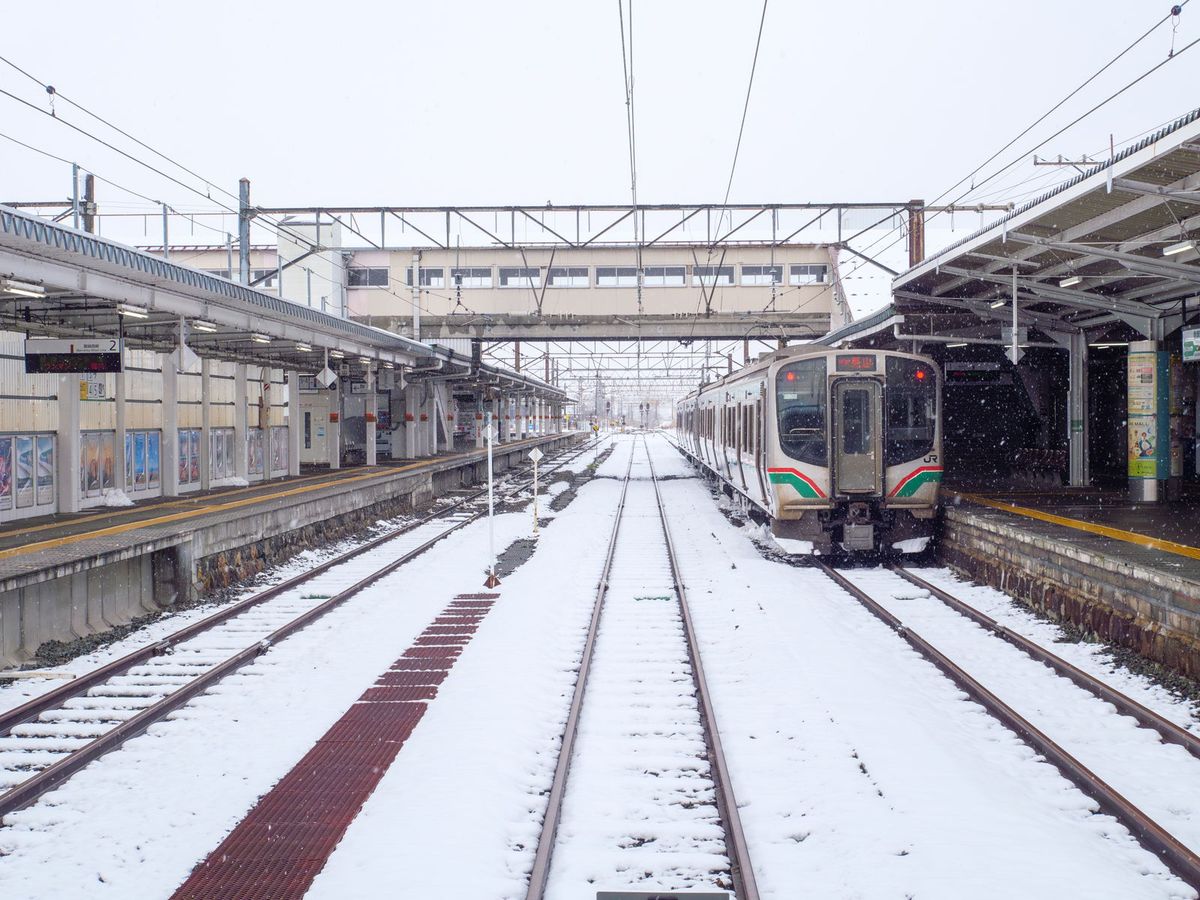
If you can travel 4 days or more in a row, look at the 5-day; if you only have 3, buy the 3-day. You only need two numbers:
| Ticket | Price | Per day | Breaks even when |
|---|---|---|---|
| 3-day | ¥10,000 | about ¥3,334 | Your fares over 3 consecutive days exceed ¥10,000 |
| 5-day | ¥12,050 | about ¥2,410 | Your fares over 5 consecutive days exceed ¥12,050 |
The method: add up the ordinary fare (the basic ticket, no limited-express surcharge) for every leg you would ride each day, and compare with the prices above. The 5-day costs only ¥2,050 more than the 3-day, so if you are travelling 4 or 5 days in a row anyway and days 4 and 5 would cost more than ¥2,050 in fares, the 5-day beats "3-day plus two days of single tickets". If days 4 and 5 are just short hops within one city, those fares usually will not reach that figure — stick with the 3-day.
This guide does not list fares for specific routes (such as Tokyo to Osaka one way), because ordinary fares have to be looked up leg by leg on each JR company's fare search, and they were not verified leg by leg for this update. Check your own legs before you go and plug them into the sums above. I would count how many consecutive days genuinely involve long-distance travel first, and let that number decide the ticket — it is the hardest way to get it wrong.
Which trains are covered? Shinkansen, limited express, BRT, Miyajima ferry
Local trains, rapid trains, BRT and the Miyajima ferry are in; shinkansen, limited express and express trains are out. Green Car reserved seats on local and rapid trains are also excluded.
- Covered: local and rapid trains on all JR lines (non-reserved seats in ordinary cars), BRT, and the JR West Miyajima ferry. Visiting Miyajima also means paying the Miyajima visitor tax of ¥100 locally.
- Not covered: shinkansen, limited express, express; Green Car reserved seats and similar on local and rapid trains.
Exception one: limited express allowed on these 5 sections
The official rules make an exception for these 5 sections, where you can ride limited express trains within the section:
| Line | Section | Condition |
|---|---|---|
| Sekisho Line | Shintoku – Shin-Yubari | Vacant reserved seats in ordinary cars |
| Muroran Main Line | Higashi-Muroran – Muroran | — |
| Ou Main Line | Shin-Aomori – Aomori | — |
| Sasebo Line | Haiki – Sasebo | — |
| Miyazaki Airport Line | Miyazaki Airport – Miyazaki | — |
Exception two: passing through 4 non-JR sections
These 4 sections are no longer JR but "third-sector" railways, jointly owned by local governments and private companies. You can only use the Seishun 18 Ticket on them when coming from a JR line and connecting back onto a JR line the same day, and you may only get off at designated stations — check the stations listed in the official press release before leaving the train midway:
- Aoimori Railway: Aomori – Hachinohe
- Ainokaze Toyama Railway: Toyama – Kurikara
- IR Ishikawa Railway: Kurikara – Tsubata
- Hapi-Line Fukui: Tsuruga – Echizen-Hanando
Seishun 18, JR Pass or overnight bus: which fits your trip?
If your trip needs shinkansen or limited express trains, Seishun 18 is out; it only comes into play when you have more time than money and several days of travel in a row.
| Your trip | Choose | Why |
|---|---|---|
| Solo, 3–5 consecutive days of long-distance travel, fine with local trains all day | Seishun 18 | Roughly ¥2,410–¥3,334 a day, best value when every day is used |
| Relying on shinkansen or limited express to save time | JR Pass or single tickets | Seishun 18 excludes shinkansen and limited express |
| Only one or two long legs, and overnight travel is fine | Overnight bus | No need to buy several consecutive days for one or two legs |
| Two or three people hoping to split one ticket | Not possible | One person per ticket; more people means more tickets |
| Only want two or three scattered days | Single tickets | Days without travel still count |
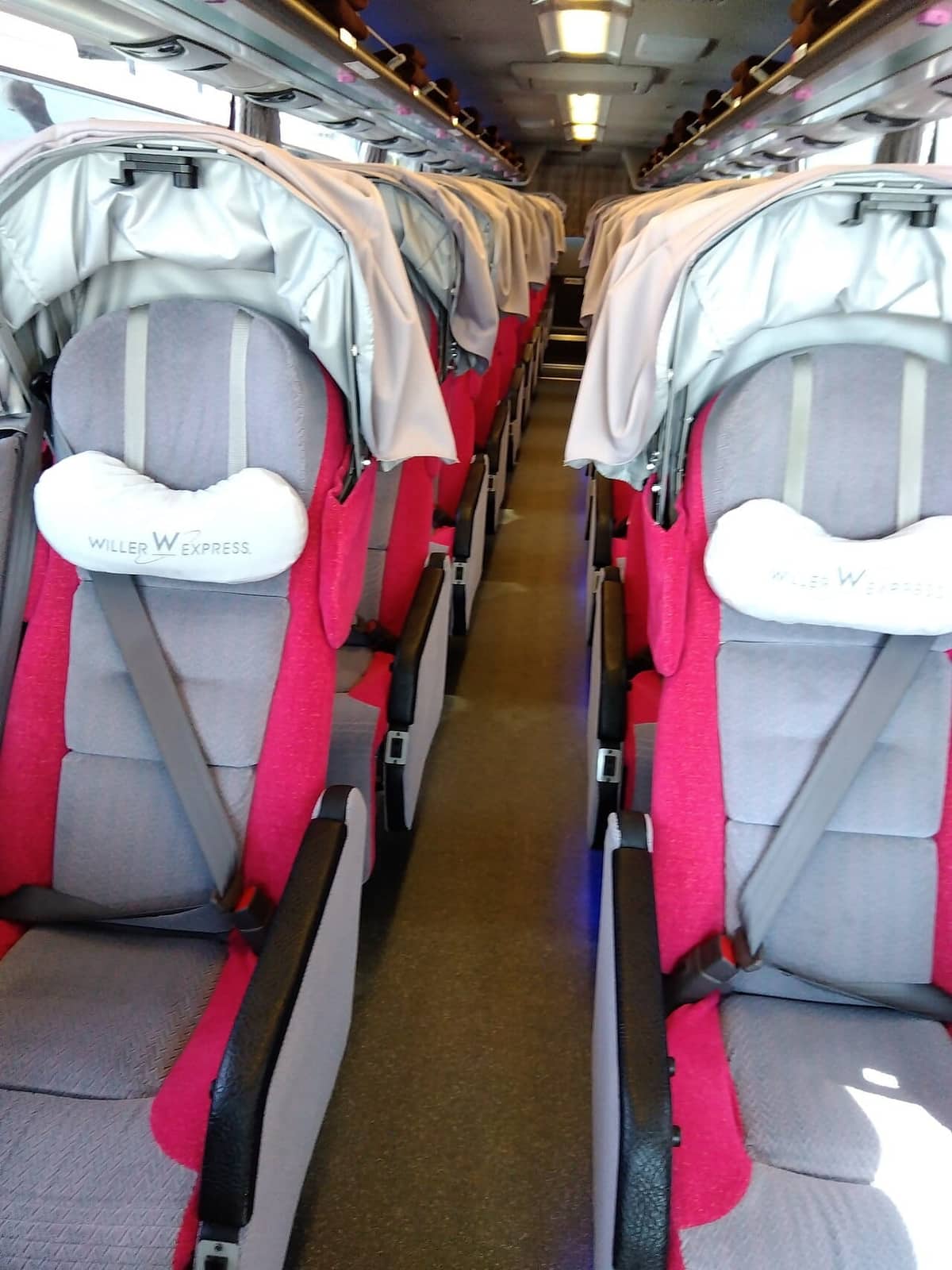
If your trip includes the shinkansen, the nationwide 7-day JR Pass (ordinary class) is ¥50,000, but whether it pays depends on the route — purchase channels and the break-even maths are in our JR Pass worth-it calculator. For bus types, booking and picking a departure, see the Japan highway and overnight bus guide.
What about Hokkaido?
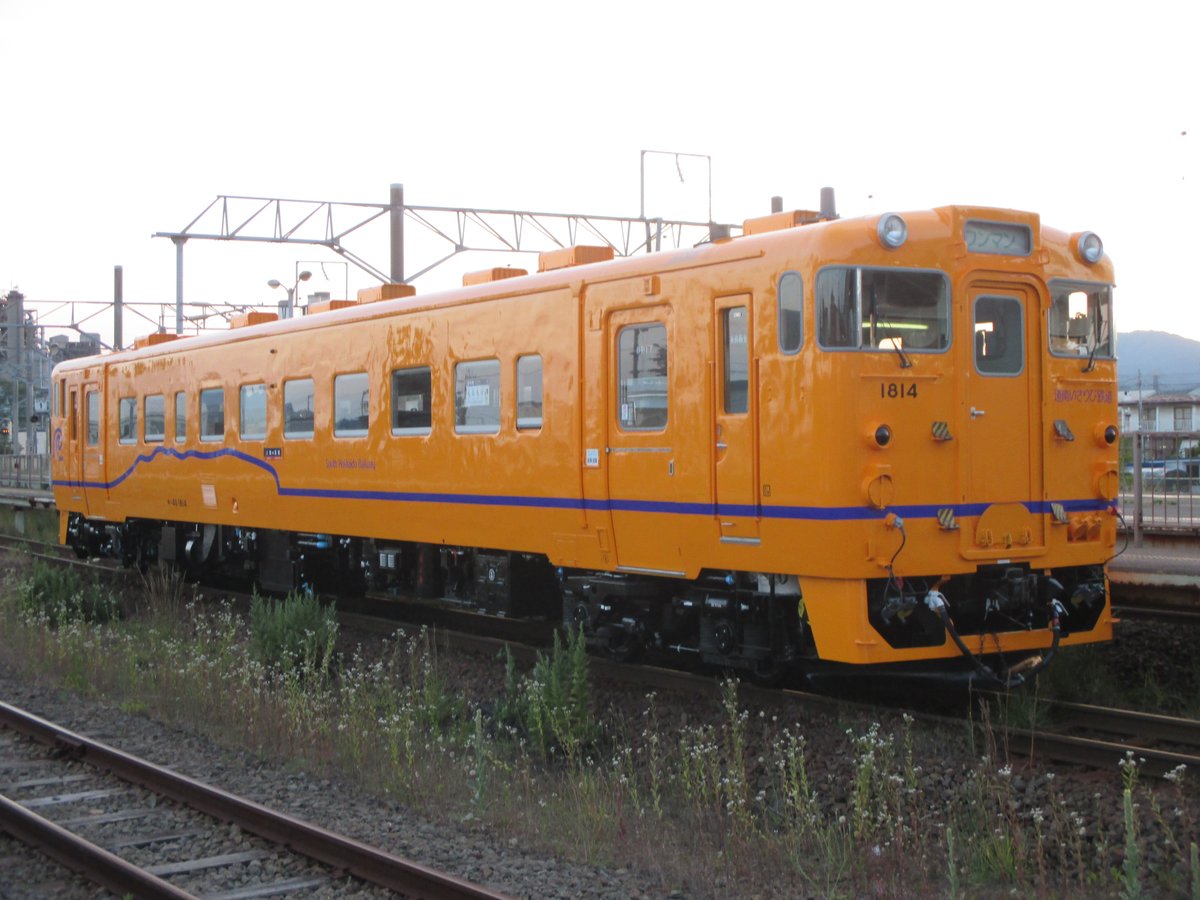
You need the separate Hokkaido Shinkansen option ticket at ¥4,650, and it cannot be used on its own. Shin-Aomori to Kikonai is Hokkaido Shinkansen, which the Seishun 18 Ticket itself does not cover; the option ticket fills exactly that gap.
- Coverage: the Hokkaido Shinkansen between Shin-Aomori and Kikonai, plus the South Hokkaido Railway (Donan Isaribi Tetsudo) between Kikonai and Goryokaku.
- Uses: one person, one one-way trip, valid for 1 day, same price for adults and children.
- Pairing: must be used together with a valid Seishun 18 Ticket; the option ticket alone gets you nowhere.
- Refund: ¥440 fee (refunded together with the Seishun 18 Ticket).
Past Goryokaku you are back on JR, and the normal Seishun 18 rules apply to local and rapid trains.
Where to buy, how to get through the gates, and refunds
Buy it at major JR stations nationwide (including reserved-seat ticket machines), JR travel centres and major travel agencies; KKday, Klook and GetYourGuide were checked and none of them sell it. You choose the start date when you buy.
- Gates: automatic ticket gates work.
- Changing the start date: only before the start date, or during validity if unused, and only once; you cannot switch between 3-day and 5-day.
- Refunds: under the same conditions, ¥220 fee per ticket. Once you have started using it, cancelled or delayed trains are not refunded.
- Lost tickets: buy a new one; the old one is not refunded even if found.
Because there is no refund for cancellations once the ticket is in use, leave some slack in the plan rather than hanging the whole journey on one train on one day. For rerouting when lines stop, see what to do when Japanese trains are suspended.
One table: 3-day, 5-day and the Hokkaido option ticket
The 3-day and 5-day tickets differ only in length and price; every other rule is identical. The option ticket only covers the Hokkaido Shinkansen gap.
| Item | 3-day | 5-day | Hokkaido Shinkansen option |
|---|---|---|---|
| Price (adult = child) | ¥10,000 | ¥12,050 | ¥4,650 |
| Per day | about ¥3,334 | about ¥2,410 | — |
| Validity | 3 consecutive days | 5 consecutive days | 1 day, one one-way trip |
| Winter sales | 27 Nov – 9 Jan | 27 Nov – 7 Jan | — |
| Covers | JR local and rapid trains (non-reserved), BRT, Miyajima ferry | Shin-Aomori – Kikonai + Kikonai – Goryokaku | |
| People | One per ticket | One per ticket, with a Seishun 18 Ticket | |
| Refund fee | ¥220 | ¥220 | ¥440 (refunded together) |
| Start date change | Once only; no switching between 3-day and 5-day | — | |
Who should not buy the Seishun 18 Ticket?
Anyone on a tight schedule, anyone who only wants two or three scattered days, anyone who needs the shinkansen, and anyone hoping to share one ticket.
- Tight schedules: local and rapid trains only, so journeys take longer; it does not suit packing many stops into a day.
- Two or three scattered days: days run consecutively from the start date, and rest days still count.
- Shinkansen in the plan: shinkansen and limited express are excluded, and even the Hokkaido Shinkansen section costs extra.
- Sharing: one person per ticket; that trick no longer exists.
- City-only short hops: if a day's fares do not reach ¥2,410, just tap an IC card — see our Suica vs ICOCA comparison.
What to read for the rest of your budget
This guide only covers rail tickets; for lodging, food and shopping, use these instead.
- How much the whole trip costs and where the money goes: Japan trip cost breakdown
- Choosing a place to stay and comparing booking platforms: Japan accommodation booking guide
- What convenience stores sell that works as a meal: Japan konbini food guide
- Tourist discounts on attractions, transport and shopping: Japan discount coupons roundup
- How tax-free shopping works: Japan tax-free guide
Frequently Asked Questions
- Q1:When does the Seishun 18 Ticket go on sale for winter 2026?
- On 27 November 2026, for use from 11 December 2026 to 11 January 2027. The 3-day ticket is sold until 9 January and the 5-day ticket until 7 January, and a ticket only goes on sale one month before its start date — so if you want to start on 3 January, you can buy it from 3 December. Prices: 3-day ¥10,000, 5-day ¥12,050, same for adults and children.
- Q2:Can two people share one Seishun 18 Ticket?
- No. Since the winter 2024 overhaul each ticket covers one person only; one ticket cannot be shared by two children either, and it cannot be transferred or lent. Two travellers need two tickets.
- Q3:Can you ride the shinkansen with a Seishun 18 Ticket?
- No. Shinkansen, limited express and express trains are all excluded, as are Green Car reserved seats on local and rapid trains. The one shinkansen-related exception is the Hokkaido Shinkansen option ticket: the Shin-Aomori to Kikonai section costs an extra ¥4,650, and it only works together with a valid Seishun 18 Ticket — it cannot be used on its own.
- Q4:Can I get a refund on an unused Seishun 18 Ticket?
- Yes, with conditions. Before the start date, or during the validity period if it has not been used, you get a refund minus a ¥220 fee per ticket. Once you have started using it, there is no refund for cancelled or delayed trains; a lost ticket must be bought again and is not refunded even if found.
- Q5:Can I change the start date of a Seishun 18 Ticket?
- Yes, but only once, under the same conditions as a refund: before the start date, or during validity if unused. You cannot switch between the 3-day and 5-day versions; changing the length means refunding and buying again.
- Q6:How late can I ride on the last day?
- Until the last train of that day. If your last day falls on a night with all-night extra trains, such as New Year's Eve, the ticket is still only valid until the last train of the normal timetable.
- Q7:Do foreigners need to show a passport to buy a Seishun 18 Ticket?
- The official sources do not say. JR West's product page states that anyone can use it regardless of age, with no age or nationality restriction, but whether a passport is required at purchase is not stated officially, so do not assume you will not be asked.
Official Japanese sources (click to expand)
Sources: JR Group joint press release on the Seishun 18 Ticket (5 February 2026, PDF on the JR Kyushu site: jrkyushu.co.jp/news/__icsFiles/afieldfile/2026/02/05/260205_seishun_18tickets.pdf); JR West JR Odekake Net Seishun 18 product page (tickets.jr-odekake.net). Checked 14 September 2026.
1. What it covers and the price
全国のJR線の普通・快速列車の普通車自由席、BRT(バス高速輸送システム)およびJR西日本宮島フェリーを連続する3日間または連続する5日間自由に乗り降りできるきっぷです。
おねだん(おとな・こども同額)【3日間用】10,000円 【5日間用】12,050円
2. Who can use it; one person per ticket
年齢にかかわらず、どなたでもご利用いただけます。
1枚につき1人、購入時に指定した利用開始日から連続する3日間または連続する5日間…(1枚を複数人でご利用いただくことや、1枚購入してこども2人でご利用いただくことはできません)
他人への譲渡・貸与はできません
3. Winter validity and sales
2026 年12 月11 日(金)から2027 年1 月11 日(月・祝)まで
【3日間用】2026 年11 月27 日(金)から2027 年1 月9 日(土)まで/【5日間用】2026 年11 月27 日(金)から2027 年1 月7 日(木)まで
発売開始以降、利用開始日の1 ヵ月前より発売します。
乗車日の1ヶ月前から当日までの発売となります。
4. Excluded trains; Miyajima
特急列車(新幹線を含む)、急行列車はご利用いただけません。また、普通・快速列車のグリーン車指定席等もご利用いただけません。
別途、現地にて宮島訪問税(100円)が必要です。
5. Date changes, refunds, last day, loss
利用開始日の変更は、有効期間の開始日前または有効期間内で未使用の場合に限り1回のみ
1枚につき220円の手数料を差引いて払いもどし
利用開始後の列車の運休や遅れによる払いもどしはいたしません。
最終列車までご利用になれます。終夜運転等を行う場合であっても、通常ダイヤにおける最終列車まで有効
あらためてきっぷをお買い求めください
6. Where to buy; automatic gates
全国のJR の主な駅(指定席券売機を含む)、JR の旅行センターおよび主な旅行会社で発売します。
自動改札機をご利用いただけます。
7. Hokkaido Shinkansen option ticket
【1 日間用】4,650 円
「青春18きっぷ北海道新幹線オプション券」のみではご利用になれません
Read next
JR Pass 2026: Is It Still Worth It?
Four real routes calculated, six alternatives that may beat the Pass.
How Much Does a Trip to Japan Cost? 2026 Breakdown
A full 2026 cost breakdown by trip length and travel style — flights, hotels, transport, food, tickets, shopping — with yen conversions and where budgets blow up.
Japan Highway Bus Guide 2026: The Pass Changed Hands
WILLER stopped selling the Japan Bus Pass on 30 Sep 2025; JBL Pass took over the next day — 56% dearer, half the validity, but 60-plus operators.