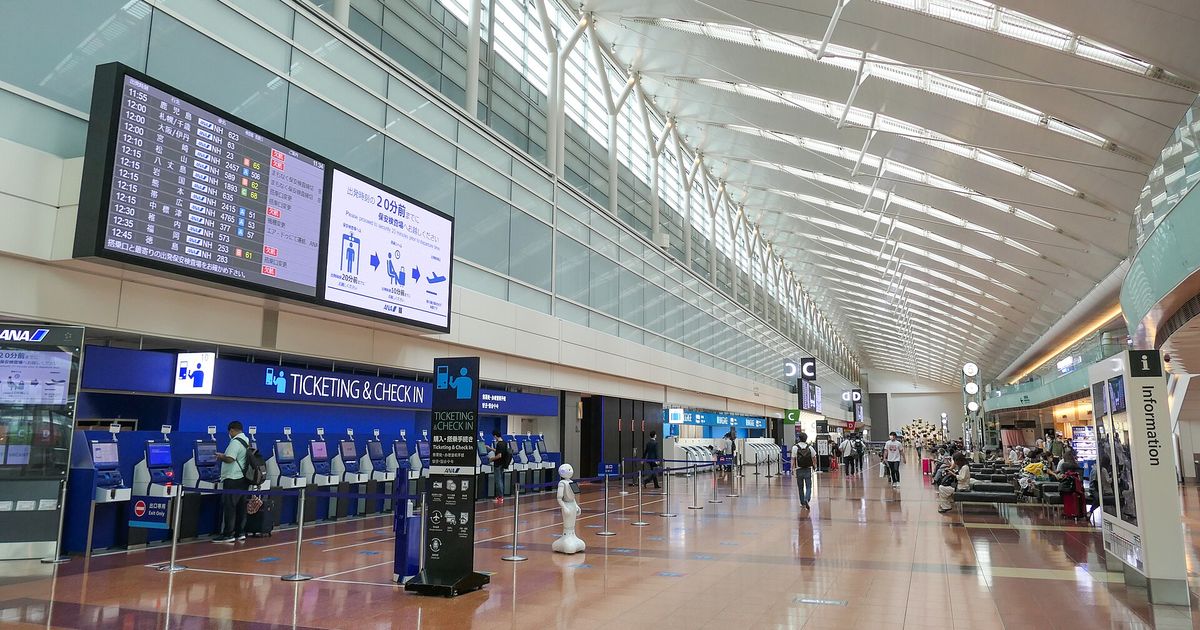
StarFlyer, Haneda to Fukuoka, one way. The foreigner-only fare is ¥21,230. On the same website, for the same route in the same fare period, the 28-day advance fare that anyone can buy starts at ¥9,900. The ticket a Japanese resident can walk up and buy costs less than half the one reserved for you. Most travellers assume a foreign passport unlocks a price nobody else can reach, but put the three published tables side by side and the product turns out to be selling something else entirely: the promise that the number will not move even if you book the day before you fly. The price of that promise is printed on the same table - no changes, no refunds, and no child discount. This guide lays out what survives across four airlines, what ANA killed on 18 May 2026 and why it was not a cut to your benefits, how three sets of eligibility rules differ in ways that will bounce you at the check-in desk, and one piece of official wording that makes people believe they bought a refundable ticket when they did not.
- The visitor fare is not the cheapest ticket: StarFlyer Haneda-Fukuoka is ¥21,230 for visitors, ¥9,900 up on the 28-day advance fare anyone can buy. What the visitor fare beats is the ¥54,780 walk-up fare
- ANA killed its visitor fare on 18 May 2026: not a benefit cut, but fallout from merging domestic reservations into the international system
- Three airlines, three eligibility tests: JAL checks residence only, StarFlyer checks passport and residence, ANA checks neither (it checks whether your sector connects to an international flight)
- What ANA abolished was the handling fee, not the cancellation fee: Simple and Sale cost 60 percent to cancel inside 27 days of departure
- Families should skip visitor fares: StarFlyer and AIRDO both state in writing that children pay the adult price
📖 Contents
- 1. Which visitor fares still exist
- 2. Is the visitor fare actually cheap?
- 3. When ANA's visitor fare disappeared, and why
- 4. Foreign passport and living abroad are not the same test
- 5. The handling fee went. The cancellation fee stayed
- 6. More baggage, and a ticket for your 2-year-old
- 7. AIRDO: listed in English, gone in Japanese
- 8. These fares sell only on the airline's own site
- 9. JAL's prices could not be retrieved. Here is how to check yours
- 10. FAQ
Which visitor fares still exist
Two are confirmed on sale, one is confirmed withdrawn, and one sits in a state nobody has publicly resolved. Here is the map; every section after this one unpacks a single cell of it.
| Airline | Product | Status | Published fare table? |
|---|---|---|---|
| ANA | ANA Discover JAPAN Fare ANA official fare list (fare absent; check for yourself) | 🔴 Withdrawn (18 May 2026) | Gone. Replaced by Flex (For combination with INT Fare), open to anyone |
| JAL | JAL Japan Explorer Pass JAL official page | 🟢 On sale | No, search form only. Route network covers 41 airports |
| StarFlyer | Fly JAPAN Value StarFlyer official fare table | 🟢 On sale | Yes - six routes across three seasonal bands, fully published |
| AIRDO | Welcome to HOKKAIDO Fare AIRDO English page / Japanese current fare list — the two disagree; compare them yourself | ⚪ Unresolved | English site has a table covering only up to 18 May 2026; Japanese site no longer lists the fare |
Three carriers people usually mention in the same breath are absent from that list, for a simple reason. Skymark's fare index runs from adult and child normal fares through disability fares, Imatoku, Tasutoku, SKY Sale, regional specials, a U25 discount and a senior fare, and not one entry in it is conditioned on nationality or residence. Solaseed Air publishes a page listing exactly which fares require identification, and the only two are the under-25 fare and the senior fare - no passport, no international ticket. Peach's full fare-type page has no nationality-conditioned product either. Jetstar Japan is the awkward one: its site could not be reached at all during verification, so this guide states no Jetstar rules whatsoever, including no claim that it lacks a visitor fare. Failing to retrieve a page and confirming a product does not exist are two different things.
Is the visitor fare actually cheap?
No - and proving it needs no cross-airline price hunting, because StarFlyer prints all three tables on the same website.
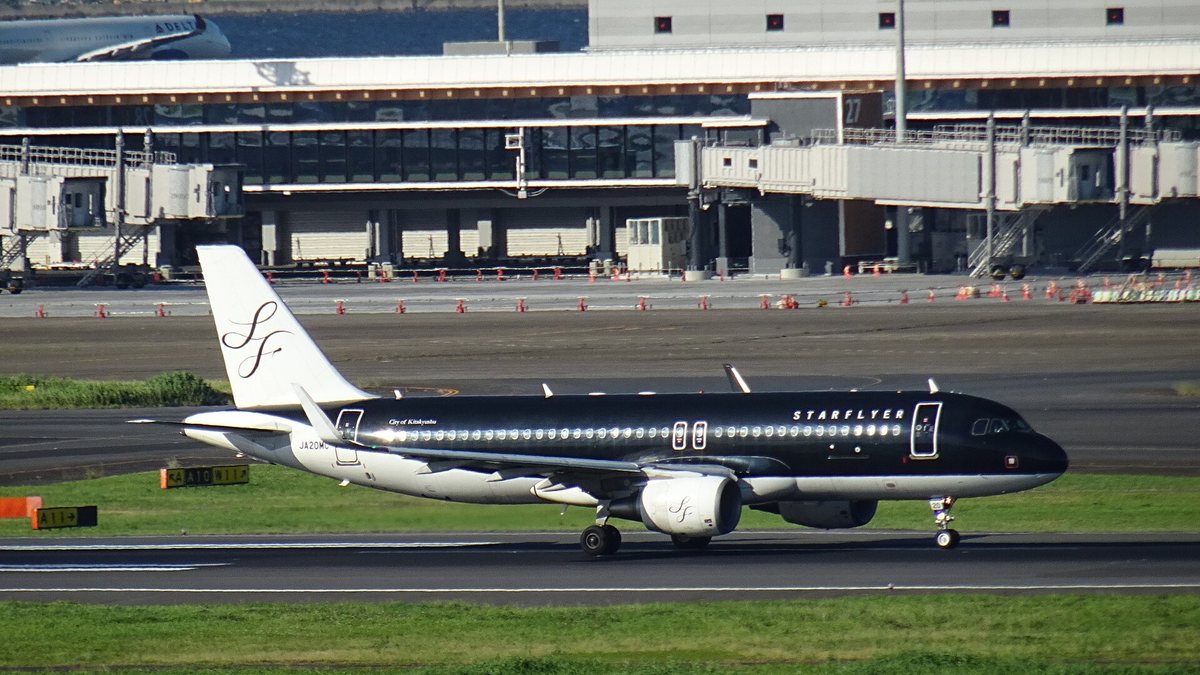
StarFlyer works as the measuring stick because it is the only one of the four that publishes the visitor fare and the general-sale fares as fixed tables, simultaneously, broken out by fare period. ANA and JAL price their general fares dynamically against seat availability and publish no table at all; low-cost carriers publish even less. To compare a visitor fare against what an ordinary buyer pays, you need one airline, one route, one period, one source - and, crucially, numbers that will still be there when a reader goes to check them next month.
Haneda to Fukuoka, three tickets side by side
| Fare | Who can buy it | One-way published price | Changes | Child discount |
|---|---|---|---|---|
| Standard (walk-up fare) | Anyone | ¥54,780-68,310 | Permitted | Yes |
| Fly JAPAN Value (visitors only) | Foreign passport + resident abroad + international ticket | ¥21,230 (peak 1 ¥23,760 / peak 2 ¥26,070) | Not permitted | 🔴 None - same as adults |
| SORATABI (28 days ahead) | 🟢 Anyone, Japanese residents included | ¥9,900-46,860 | Not permitted | Yes |
StarFlyer published fares for the 19 May to 24 Oct 2026 fare period (SORATABI for 25 Oct 2026 to 27 Mar 2027 is ¥11,000-47,300), one way per person, passenger facility charge extra. Verified 30 Aug 2026.
Three conclusions fall straight out of that table.
- ¥9,900 undercuts ¥21,230 by more than half. The only condition attached is booking 28 days ahead. It does not look at your passport; the Japanese traveller in the next seat bought the same ticket.
- What the visitor fare really beats is the ¥54,780 walk-up fare. That is the fully flexible, change-anytime ticket a business traveller buys at the counter on the day. Quote a discount percentage against it and you have picked the wrong denominator.
- The visitor fare sells certainty, not value. Decide a week out that you need to be in Fukuoka, and the advance fare has closed while the walk-up fare is over fifty thousand yen - at that moment ¥21,230 is genuinely good. Treat it as a price lock, not a discount.
One trap when you read the tables yourself: Fly JAPAN Value uses a different peak calendar from the Standard fare, and StarFlyer publishes both on the same page. For the visitor fare in 2026, the regular band runs 19 May to 30 Jun and 31 Aug to 24 Oct, peak 1 covers 1 to 30 Jul and 17 to 30 Aug, and peak 2 covers 31 Jul to 16 Aug. Do not infer visitor-fare pricing from the general fare's seasons.
With children, this is the worst ticket on the page
One short line in StarFlyer's rules settles the question for every family: There are no discounts for children. (Same as adults), with infants under 2 not occupying a seat carried free. AIRDO's English page says almost exactly the same thing, with the infant threshold at under 3.
Put numbers on it. Two adults and two children, Haneda to Fukuoka, on Fly JAPAN Value: ¥21,230 x 4 = ¥84,920, four tickets at an identical price, the children saving nothing. On the same route the 28-day advance fare starts at ¥9,900 for adults and does apply a child discount, though the rate only surfaces inside the booking engine, so no figure is estimated here. Travelling with kids, check the advance fare first and only look at the visitor fare if it has closed.
When ANA's visitor fare disappeared, and why
18 May 2026 - new bookings, ticketing and travel all ended together, and it was not a cut to visitor benefits.
Names first, because this is where most write-ups go wrong. The product ANA withdrew was the Discover JAPAN Fare. A second name still circulating in travel content, the Experience JAPAN Fare, is an earlier-generation product that appears nowhere on ANA's site today - not in the pre-withdrawal fare list, not in the post-renewal one.
The cleanest evidence is ANA's own fare rules page, which lists both families side by side:
- Boarding until 18 May 2026: Full Flex (Premium Class) / Full Flex (Economy) / Value (ANA Discover JAPAN Fare) / Super Value (ANA Discover JAPAN Fare) / Super Value Limited Offer (ANA Discover JAPAN Fare)
- Boarding on or after 19 May 2026: Flex / Standard / Simple / Flex (For combination with INT Fare) / Sale
Nothing in the new list carries the Discover JAPAN name, and the old dedicated product page now redirects to that same rules index with no content of its own.
The URL survived. The product did not
This matters if you are searching right now. A URL containing the string experience_jp still resolves on ana.co.jp and returns a normal page, which looks exactly like a product that is still alive. The content behind it, though, has been swapped out for a generic Japanese domestic fare explainer that never once mentions a visitor fare. When that link appears in your search results, do not treat the URL as evidence - open it and check whether the product name appears on the page.
The cause was a systems merger, not a price rise
ANA's press release of 20 May 2025 (number 25-009) sets this out clearly, and it was published a full year ahead of the change - announced May 2025, effective 19 May 2026. The headline describes bringing reservation and boarding rules into common alignment with international operations, and the underlying cause is that ANA folded its in-house domestic passenger service system into the Amadeus platform already running its international network.
Inside that architecture a visitor-only fare has no reason to exist, because everybody is now buying from the same rule set. The release describes the three new fares - Simple, Standard, Flex - as fares anyone can purchase, and states that customers buying from overseas will have more choice than before, not less. (Full Japanese wording in the appendix at the foot of this article.)
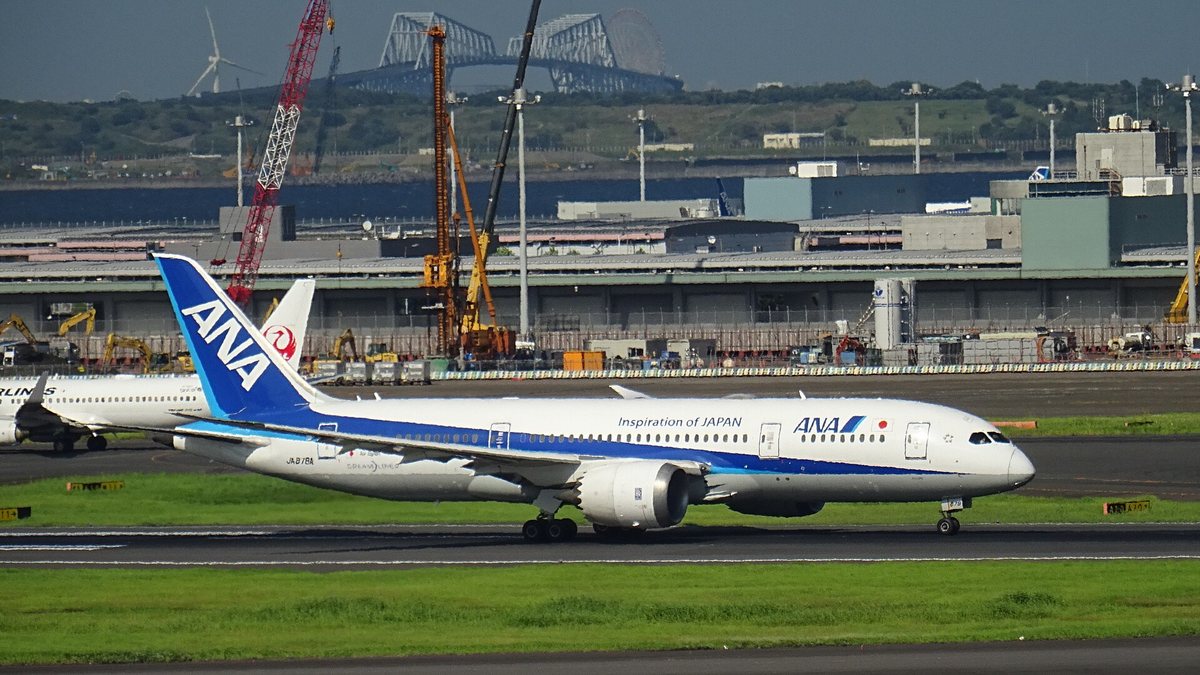
So "ANA scrapped its foreigner discount" gets the story backwards. The accurate version: ANA retired a nationality-gated fare and replaced it with one that anyone can buy and that is designed specifically around international connections - Flex (For combination with INT Fare), officially defined as Available for Japan-domestic flight segments connecting to an international flight. There is no nationality in that sentence and no residence either.
Foreign passport and living abroad are not the same test
Three airlines, three tests: JAL checks residence only, StarFlyer checks both, ANA checks neither. People who get bounced usually did read the conditions - they just assumed all four airlines shared them.
| Airline | Nationality | Residence | International ticket | When it is checked |
|---|---|---|---|---|
| ANA Flex (For combination with INT Fare) | ⚪ Not tested | ⚪ Not tested | Required - the sector must connect to an international flight | Not stated on the official page |
| JAL Japan Explorer Pass | ⚪ Not tested | 🔴 Must be outside Japan | Required | Not stated (passport details requested at purchase) |
| StarFlyer Fly JAPAN Value | 🔴 Non-Japanese passport | 🔴 Must not live in Japan | Required - an international ferry ticket also counts | 🔴 At check-in: passport plus international itinerary |
| AIRDO Welcome to HOKKAIDO | 🔴 Non-Japanese passport | 🔴 Must not live in Japan | Required - any airline, any class | At check-in: passport plus e-ticket itinerary |
Three differences will bite in practice.
First, foreign residents of Japan need to check which airline they are dealing with. JAL's condition reads Only individuals residing outside of Japan with an international air ticket to and from Japan - residence is the entire test. A Taiwanese national living in Tokyo does not qualify; a Japanese national living in Taipei does. StarFlyer applies both tests and states plainly that customers living in Japan are not eligible.
Second, StarFlyer is the only one that writes the verification moment into the fare conditions. Its rules require you to show, at check-in, your passport and the itinerary for your international flight or ferry. Practically: save the international e-ticket receipt to your phone and consider printing a copy. Booking successfully online is not the same as clearing the desk. Worth noting too, StarFlyer explicitly accepts an international ferry ticket - if you arrived in Japan by sea, you still qualify.
Third, ANA's product tests your itinerary, not your identity. As long as the domestic sector connects to an international flight, a Japanese national can buy it too. That is the biggest structural difference among the four, and it is why calling the ANA change a removal of foreigner benefits misleads - what ANA removed was the eligibility gate, not the price.
Anyone connecting off an international flight tends to run into Japan's cabin-baggage and liquids rules on the same trip; those are set out in full in our guide to airport baggage and cabin item rules rather than repeated here.
The handling fee went. The cancellation fee stayed
ANA abolished the refund handling fee. The cancellation fee is untouched - and the cancellation fee is the big one.
The confusion is structural: two similar-looking Japanese terms sit next to each other in the same line of ANA's page. What was abolished is the refund handling fee, a small fixed administrative charge. The word immediately before it is cancellation fee, which continues to apply. Read the sentence as "refunds are now free" and you will pick the wrong fare type.
| Fare | Changes | Cancellation fee | Free checked bags (Economy) |
|---|---|---|---|
| Flex | Free, including on the day | ¥500 before departure | 23 kg / 2 pieces |
| Standard | Charged at 5 / 8 / 10 percent | 10 / 20 / 30 / 100 percent | 23 kg / 2 pieces |
| Simple | 🔴 Not permitted | 🔴 20 / 40 / 60 / 100 percent | 23 kg / 1 piece |
| Sale | 🔴 Not permitted | 🔴 20 / 40 / 60 / 100 percent | 23 kg / 1 piece |
| Flex (For combination with INT Fare) | Permitted within the same sector and fare | 🟢 No cancellation fee | 23 kg / 2 pieces |
The four cancellation bands are always: 45 or more days before departure / 44 to 28 days / 27 days to departure time / after departure. Verified 30 Aug 2026.
The row that matters most is the last one. Across the entire family, exactly one fare's published rule reads No cancellation fee, and it is the international-connection fare. For inbound visitors that is genuinely good news - conditional on your domestic sector actually being tied to the international itinerary.
The row that hurts most is Simple and Sale: cancel inside 27 days of departure and you forfeit 60 percent, after departure 100 percent. Before you buy the cheapest ticket on the page, be honest about whether your dates can still move.
One more rule binds all three surviving visitor fares: none of them can be changed. JAL states that reservation changes are not permitted after purchase and all tickets are non-refundable. StarFlyer states that reservations cannot be changed and that you cannot switch to an earlier flight on the day even if seats are empty, with no refunds at the passenger's convenience. AIRDO states that neither the booking nor the passenger name can be changed. The price certainty you buy is paid for in itinerary certainty - you have to know your dates before the saving is available to you.
Weather cancellations run on an entirely separate rulebook, where the airline owes you only its own next seat; that is covered in what an airline actually owes you when weather cancels your flight and is not repeated here.
More baggage, and a ticket for your 2-year-old
The May 2026 renewal changed three things that touch passengers directly: two in your favour, one that costs families money.
One, free checked baggage switched to a piece count. ANA lists it among the renewal items, and the Economy allowances appear in the table above: 23 kg x 2 pieces on Flex, Standard and the international-connection fare, 23 kg x 1 piece on Simple and Sale. Connecting off a long-haul flight with heavy bags, that is a clear improvement.
Two, 2-year-olds now need a ticket. The infant age band moved from under-3 to under-2, meaning a 2-year-old must occupy a seat and therefore hold a ticket. This is a rule-level change independent of fare and price, and it will add a full fare to plenty of family bookings. Check how old your child will be on the travel date, not on the booking date.
Three, passenger names moved from katakana to Hepburn romanisation. For foreign travellers this removes friction: you can enter the name exactly as it appears in your passport, without transliterating it and without the risk of a mismatch surfacing at the desk.
A useful side note: round-trip fares are new, not restored
The same renewal introduced round-trip fares alongside the existing one-way fares, with some fare types excluded. The condition is that outbound and return must be the same fare type, purchased at the same time.
The genuinely useful part is the example ANA itself gives: the two cities do not have to match. Fly Tokyo to Fukuoka, travel overland to Nagasaki under your own steam, then fly Nagasaki back to Tokyo, and that still counts as a round trip. Planning an open-jaw route through Kyushu or the San-in coast, test the round-trip price before defaulting to two one-ways.
This was not only an ANA change
AIRDO's current Japanese fare index has dropped the entire AIRDO Special 75 / 55 / 45 / 28 / 21 family, leaving DO Value and DO Sale, with the normal fare renamed Flex. Solaseed Air's site now carries fare rules split at boarding dates on or after 19 May 2026. The ANA group carriers changed together. If a guide you are reading was written before May 2026, treat its fare-type names as expired.
AIRDO: listed in English, gone in Japanese
Unresolved - and that is the finding, because no page announces a withdrawal and no page publishes a current price.
Four official pages, four different stories:
| Page checked | What it returned |
|---|---|
| English fare index | Carries a section headed Discount fare for visitors to Japan from abroad, listing the Welcome to HOKKAIDO Fare |
| English dedicated page | 🔴 Loads, but the fare table is headed 29 Mar to 18 May 2026 - a period that has already ended |
| Japanese dedicated page | 🔴 Loads, and says the page cannot be displayed |
| Japanese fare index | Current fares are DO Value, DO Sale, Hokkaido resident, shareholder, job-seeker support, DO Senior 65, DO Youth 25, and normal (Flex) - no Welcome to HOKKAIDO |
There is a structural clue on top of that: the English fare index carries two tabs, Boarding until May 18, 2026 and Boarding on/after May 19, 2026, and the tab selected by default is the expired one (tested 30 Aug 2026; clicking the other tab changed nothing on screen).
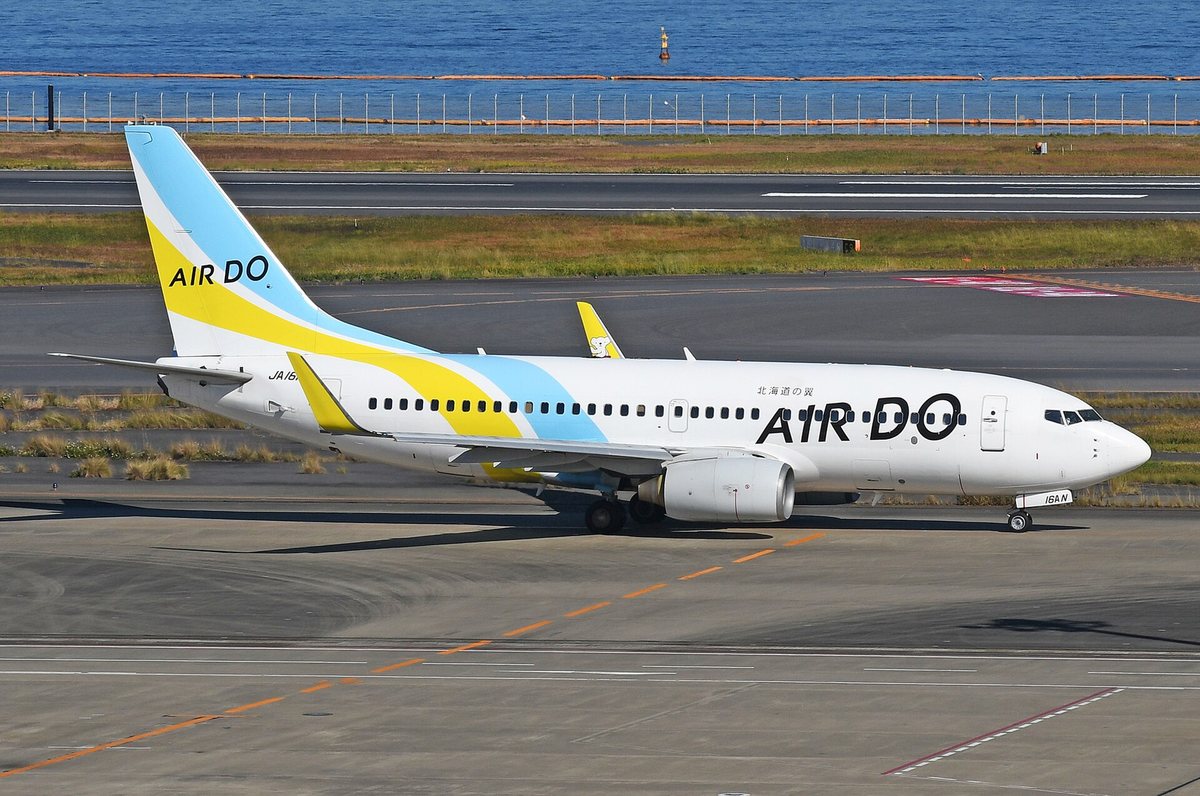
So read the situation as follows: the only price table this fare has ever published covers a period that has closed, the Japanese-language current fare list no longer contains the product, and the English list still does. The one way to settle it is to open the booking engine yourself - AIRDO's documented path is to choose Other fare at step two, then pick your flight from the Welcome to HOKKAIDO fare field at step three. If the field appears, the fare is alive. If it does not, buy a different fare type.
These fares sell only on the airline's own site
None of the three surviving products reaches third-party channels. Two airlines put the restriction in the fare conditions; the third publishes an in-house booking path instead.
- JAL: Reservation and purchase of domestic flight sectors must be completed through the JAL website.
- StarFlyer: Reservations and purchases may be made online only, and Not accepted at airport check-in counters, customer service centers or travel agencies - airport desk, call centre and agency, all closed in a single sentence.
- AIRDO: online booking available; the documented route is to select Other fare, then pick from the Welcome to HOKKAIDO fare field.
- ANA: the renewed fares sell through ANA's own channels, with a note that booking and purchase may not always be possible on the website, in which case you are asked to phone.
The practical instruction is short: open the airline's own site and book there. Whatever price a comparison platform shows you for the same route is a general fare - a different product from the one this article is about.
One unknown to plan around, unrelated to fare type: none of the three fare pages states any restriction on where your payment card was issued, and no official wording on overseas-issued card acceptance could be found at all. Treat it as untested and carry a second card. (Japan's online rail booking portals do impose explicit eligibility and payment gates, which are mapped out in choosing between Japan's three online train booking systems.)
JAL's prices could not be retrieved. Here is how to check yours
JAL no longer publishes a fixed fare table, so this section gives you a method rather than a number.
The verification trail matters, because it tells you what to trust. JAL's Explorer Pass booking page opens as a bare search form - origin, destination, date, passenger count - with no price anywhere on the page; the booking engine that form submits to returned Access Denied on 30 Aug 2026. So this guide quotes no Explorer Pass amount, and the flat per-sector figure circulating in travel content has no counterpart on any JAL domain, so it is not reproduced or converted here.
What is confirmed is the rule set, which is what should drive your decision anyway:
- Economy Class only. Class J and First may only be purchased on a standby basis at check-in.
- Tickets are issued in the currency of the country of sale, based on the prevailing yen exchange rate.
- Fares include 10 percent Japanese consumption tax; passenger facility charge is added for certain airports.
- 🔴 No changes after purchase. All tickets non-refundable.
- The network covers 41 airports, including Tokyo (Haneda and Narita), Osaka (Itami and Kansai), Sapporo (New Chitose and Okadama), Nagoya Chubu, Fukuoka and Naha, plus island routes such as Kumejima, Yoron, Okinoerabu, Tanegashima, Yakushima, Rishiri and Okushiri.
- The booking form has a child field defining a child as ages 2 to 11, but no official page states whether a child discount applies - that one is genuinely unknown, so check it on your own search results.
Three steps to price your own route
Rather than trusting any guide's figure, including this one, spend five minutes running the comparison yourself. The method works for all four airlines:
- Price the general fare on the airline's own site first, using the date you actually intend to fly. That is your baseline.
- Move the date to 28 or more days out and price it again. StarFlyer's published tables already tell you this gap can exceed half the fare.
- Only then price the visitor fare, and put all three numbers next to each other. The visitor fare wins in exactly one situation: you have missed the advance-purchase window and your dates will not move again.
If that exercise leaves flying looking less attractive than you expected, whether a given route is better done by rail is a separate question, and our route-by-route shinkansen versus flying comparison already covers it in full.
Three closing points
One: a visitor fare is a price lock, not a discount. StarFlyer's three published tables settle it - ¥21,230 for the visitor fare, from ¥9,900 for the 28-day advance fare anyone can buy. What the visitor fare beats is a fifty-thousand-yen walk-up ticket that was never going to be your purchase. Price the advance fare first; fall back to the visitor fare only when it has closed.
Two: ANA's version is gone, but nothing was taken from you. It ended on 18 May 2026 because the domestic reservation system merged into the international one and the rules were unified; ANA's own release describes the replacements as fares anyone can buy and says overseas purchasers now have more choice. The successor, Flex (For combination with INT Fare), ignores both passport and residence and looks only at whether your domestic sector connects to an international flight - and it is the only fare in the whole family published with no cancellation fee.
Three: skip visitor fares if you are travelling with children, and settle two things before you buy. StarFlyer and AIRDO both state that children pay the adult price, so four tickets cost four full fares; and from 19 May 2026 an ANA 2-year-old needs a seat and a ticket. On top of that, all three surviving visitor fares are non-changeable and effectively non-refundable. What you are buying is price certainty, and it is only worth buying once your dates are certain too.
Appendix: original official wording (Japanese and English)
Longer official quotations cited above are collected here so you can check them yourself. Short phrases were left inline. All retrieved 30 Aug 2026.
1. ANA: Discover JAPAN Fare withdrawal
Source: ana.co.jp — domestic fare renewal page (both fare lists)
The ANA Discover Japan Fare was discontinued for new bookings, ticketing, and travel as of May 18, 2026.
ANA Discover Japan 運賃は、2026年5月18日をもちまして新規予約・発券・搭乗を終了いたしました。
Note: the date fields on that ANA page are client-side template placeholders; the raw HTML contains a placeholder string, and the dates above were read from the rendered page in a browser.
2. ANA press release 25-009 (20 May 2025)
Source: anahd.co.jp — press release 25-009
Headline: 「2026年5月19日搭乗分から国内線の運賃をリニューアル 予約・搭乗ルールを国際線と共通化していきます」
2026年5月19日(火)ご搭乗分より、どなたでもご購入いただける運賃は「シンプル」「スタンダード」「フレックス」の3つのラインアップにリニューアルいたします。
2026年5月19日搭乗分以降から導入する新運賃では、国内のみならず、海外のお客様にもご利用いただきやすくなるよう、多様化するニーズに、よりお応えできる運賃体系へ見直しを行いました。海外から購入されるお客様の選択肢もこれまでより広がります。
3. ANA: fees and the new round-trip fare
Source: ana.co.jp — fare renewal microsite
航空券の払い戻し時:取消手数料(払戻手数料は廃止いたします)
(2)往復運賃の設定:片道運賃に加えて、往復運賃を導入いたしました(一部運賃対象外)。往復運賃をご購入いただくことによりおトクにご利用いただけます。
往復運賃は往路・復路を同じ運賃かつ同時にご購入いただく時に適用されます。/往路の到着地と復路の出発地が異なる場合〔例〕往路:東京-福岡-(車・鉄道などでの移動)-長崎/復路:長崎-東京
4. ANA: other renewal changes
Source: anahd.co.jp — press release 25-009
・無料でお預かりする手荷物について、個数を基準としたルールに変更します。
・搭乗者名の文字形式をカタカナからヘボン式ローマ字に変更します。
・幼児の対象年齢が2歳以下から1歳以下に変更になります。2歳のお子様は座席の確保が必要です。
5. StarFlyer Fly JAPAN Value: eligibility and rules
Source: starflyer.jp — Fly JAPAN Value fare table
Fare may be used by overseas travelers visiting Japan. Customers living in Japan are not eligible. For use by foreign national customers who hold passports from countries other than Japan only. For use by customers who hold an international flight ticket or international ferry ticket, etc to and from Japan only on flights for the duration of their stay in Japan as a result of using that ticket or ferry ticket.
During check-in, always be sure to show your passport and international ticket information for flights, ferry, etc to and from Japan (e-Ticket Itinerary Receipt etc).
Reservations cannot be changed. Flights cannot be changed on the day of the flight even if there are empty seats on an earlier flight. Refunds are not given at the passenger's convenience. There are no discounts for children. (Same as adults) * Infants under the age of 2 who do not use seats fly free.
Reservations and purchases may be made online only. Not accepted at airport check-in counters, customer service centers or travel agencies.
6. JAL Japan Explorer Pass: eligibility and rules
Source: jal.co.jp — Japan Explorer Pass landing page
Only individuals residing outside of Japan with an international air ticket to and from Japan are eligible to purchase JAL Japan Explorer Pass Fares. Reservation and purchase of domestic flight sectors must be completed through the JAL website.
Fare is valid for Economy Class travel only. Class J and First Class may be purchased at the time of check-in on a standby basis. / Tickets are issued in the currency of the country of sale, based on the current JPY exchange rate. / Above listed fares include Japan Consumption Tax (10%) of per sector. / Passenger Facility Charge will be added to fares for flights to and from specific airports. / Reservation changes are not permitted after domestic ticket purchase. All tickets are non-refundable.
7. AIRDO Welcome to HOKKAIDO: eligibility and current state
Source: airdo.jp/en — product page (still listed; table covers only to 18 May 2026) · airdo.jp — Japanese current fare list (this fare is absent)
Passengers with a foreign passport and an international ticket for departure from and arrival to Japan may receive this value fare. Residence Outside Japan — Non-Japanese passport required at time of boarding. Applicable to passengers using international flights in any class on any airline to and from Japan.
No discount applies to children (same as for adults). Free of charge for infants under the age of 3 and not occupying a seat. / The reservation and the name of the passenger cannot be changed.
The Japanese-language page for the same product currently returns: 「このページは表示できません。」
8. ANA Flex (For combination with INT Fare): definition
Source: ana.co.jp — domestic fare renewal page
Available for Japan-domestic flight segments connecting to an international flight.
Frequently Asked Questions
- Q1:Does a foreign passport actually get me a cheaper domestic flight in Japan?
- Not necessarily, and on busy trunk routes it is usually the opposite. StarFlyer is currently the only carrier that publishes all three fare tables for the same route on the same website, so you can check the comparison yourself. On Haneda-Fukuoka, the foreigner-only Fly JAPAN Value fare is ¥21,230 one way (¥23,760 and ¥26,070 in the two peak bands), while SORATABI, the 28-day advance fare that anyone including Japanese residents can buy, starts at ¥9,900. That is less than half the visitor fare. What the visitor fare actually beats is the Standard walk-up fare of ¥54,780 to ¥68,310 - a price almost no leisure traveller pays. So the product is not a discount. It is a guarantee that the number stays the same even if you book the day before departure. Figures are StarFlyer published fares for the 19 May to 24 Oct 2026 fare period, verified 30 Aug 2026, passenger facility charge extra.
- Q2:Can I still buy the ANA Discover JAPAN Fare?
- No, and the cut-off date is precise. ANA states that new bookings, ticketing and travel on the Discover Japan Fare all ended on 18 May 2026. The clearest evidence sits on ANA's own fare rules page, which lists the old and new fare families side by side. Boarding up to 18 May 2026: Full Flex (Premium Class), Full Flex (Economy), Value (ANA Discover JAPAN Fare), Super Value (ANA Discover JAPAN Fare) and Super Value Limited Offer. Boarding from 19 May 2026: Flex, Standard, Simple, Sale and Flex (For combination with INT Fare). Nothing in the new list carries the Discover JAPAN name. One trap worth flagging: a URL containing the string experience_jp still resolves on ana.co.jp, but the page behind it is now a generic domestic fare explainer that never mentions a visitor fare. A surviving URL is not a surviving product.
- Q3:I live in Japan on a foreign passport. Can I buy these fares?
- Mostly no, but it depends on the airline, and the three tests are genuinely different. JAL Japan Explorer Pass looks only at residence: Only individuals residing outside of Japan with an international air ticket to and from Japan qualify. A Taiwanese national living in Tokyo fails; a Japanese national living in Taipei passes. StarFlyer applies both tests - it requires a non-Japanese passport and states explicitly that customers living in Japan are not eligible. AIRDO likewise requires a foreign passport plus residence outside Japan. ANA's replacement product, Flex (For combination with INT Fare), applies neither test: its condition is Available for Japan-domestic flight segments connecting to an international flight, which describes the shape of your itinerary rather than who you are.
- Q4:Is a visitor fare worth it when travelling with children?
- This is the one group that should almost always skip it, and the airlines say so in writing. StarFlyer states There are no discounts for children. (Same as adults), with infants under 2 not occupying a seat carried free. AIRDO uses near-identical wording, with the infant threshold at under 3. Run the numbers on Haneda-Fukuoka: two adults plus two children on Fly JAPAN Value is ¥21,230 x 4 = ¥84,920, four tickets at the identical price. The same route on the 28-day advance fare starts at ¥9,900 for adults and does carry a child discount, though the exact rate only appears in the booking engine and is not published as a table. There is also a rule change to watch on ANA from 19 May 2026: the infant age band dropped from under-3 to under-2, so a 2-year-old now needs their own seat and their own ticket.
- Q5:ANA says it abolished the refund handling fee. Does that mean free cancellation?
- No, and this is the most expensive misreading in the whole topic. Two Japanese terms sit next to each other on ANA's page and mean different things. What was abolished is the refund handling fee, the small fixed administrative charge. The cancellation fee remains, and it is by far the larger number. By fare type and by days before departure: Simple and Sale are 20/40/60/100 percent, Standard is 10/20/30/100 percent, Flex is a flat ¥500 before departure. The four bands are always the same: 45 or more days before departure, 44 to 28 days, 27 days to departure time, and after departure. The only fare in the entire family whose published rule reads No cancellation fee is Flex (For combination with INT Fare) - which happens to be the one an inbound visitor connecting from an international flight would use.
- Q6:Can I buy these visitor fares on Klook, KKday, Trip.com or a travel agent?
- No. Two of the three airlines write the restriction directly into the fare conditions. JAL: Reservation and purchase of domestic flight sectors must be completed through the JAL website. StarFlyer is blunter still: Reservations and purchases may be made online only, and Not accepted at airport check-in counters, customer service centers or travel agencies - airport counter, call centre and agency, all closed off in one sentence. AIRDO does not use that phrasing but gives an in-house booking path instead: choose Other fare at step two of the booking flow, then pick your flight from the Welcome to HOKKAIDO fare field. The practical rule is simple: open the airline's own site, do not route through a comparison or resale platform. Anything you see on an aggregator for the same route is a general fare, not this product.
- Q7:Did the May 2026 change make the free checked baggage allowance better or worse?
- Better, and the basis switched from total weight to piece count. ANA lists it among the renewal items: free checked baggage moved to a piece-based rule. In Economy the actual allowance is 23 kg x 2 pieces on Flex, Standard and Flex (For combination with INT Fare), and 23 kg x 1 piece on Simple and Sale. If you are connecting off a long-haul flight with full bags, that is a clear improvement - but note it is tied to the fare type, and the two cheapest fares only get one piece. Separately, on the cabin-bag side, Peach publishes a single rule across all its fare types: 2 bags up to 7 kg in total. That is seven kilograms for both bags combined, not per bag, and it is the single most misread allowance in Japanese low-cost flying.
- Q8:How much does one sector on the JAL Japan Explorer Pass cost?
- This guide does not quote a figure, because no published one exists. JAL no longer prints a fixed fare table. Its Explorer Pass booking page opens as a bare search form - origin, destination, date, passenger count - with no price anywhere on it, and the booking engine behind that form returned Access Denied during verification on 30 Aug 2026. A widely repeated flat per-sector price circulates online but has no counterpart on any JAL domain, so it is not reproduced here. What is confirmed is the rule set: Economy Class only (Class J and First may only be bought on a standby basis at check-in); tickets issued in the currency of the country of sale at the prevailing yen rate; fares include 10 percent Japanese consumption tax with passenger facility charge added; and no changes after purchase, all tickets non-refundable. To learn your own route price, run one search on JAL's own site.