In spring 2026 Japan's expressway operators changed something that can strand a visiting driver at the barrier: NEXCO Central Nippon converted 35 toll gates and NEXCO West Nippon 30 more to "ETC-only". An ETC-only gate has no manned booth and takes no cash. Which means a tourist who declined the ETC card at the rental counter can now drive into a toll plaza where there is literally no way to pay. That is a more urgent question than the one most people search for — and almost nobody covers it.
So this guide answers two things properly. First, do I need an ETC card in Japan — how the card works, how visitors get one, what to do if you enter the wrong lane, and what your options are if you genuinely don't have one. Second, is a Japan Expressway Pass for tourists worth it — with official fares for the three passes we could verify against NEXCO's own pages (Hokkaido, Tohoku, and San'in-Setouchi-Shikoku) and a per-day break-even figure for each, so you can answer the question in one line instead of guessing. Everything that happens before you get the keys — licence paperwork, CDW and NOC insurance, choosing a region — lives in our self-drive in Japan guide, and is not repeated here.
- The 2026 change that matters — 65 toll gates (35 Central, 30 West) are now ETC-only, with no cash lane. If your trip includes expressway driving, take the card.
- If you enter an ETC-only lane by mistake — never reverse. Drive forward to a lane marked "ETC/Support" or "Support", stop, follow staff instructions.
- Passes are bundled, not standalone — Hokkaido, Tohoku and SEP passes are only sold by participating rental companies, together with an ETC card rental.
- Break-even per day — Hokkaido standard car ~1,925 yen/day, Tohoku standard ~2,125 yen/day, Tohoku kei car exactly 1,700 yen/day. Spend less than that per day and the pass loses.
- ⚠️ Tohoku deadline — official applications run only to use starting 30 September 2026. After that, NEXCO East's announcements are the only authority.
📖 Contents (tap to expand)
- Spring 2026: ETC-only toll gates, and why they matter to you
- How visitors actually get an ETC card
- Driving without an ETC card: what still works
- How Japanese tolls are calculated (and what a pass never covers)
- The three verified Expressway Passes, compared
- Break-even maths: the per-day threshold method
- Three trips where the pass loses money
- The other passes: what we could and could not verify
- Pre-expressway checklist
- FAQ
Spring 2026: ETC-only toll gates, and why they matter to you
Start with the fact. Per official press releases from both operators, during spring 2026 NEXCO converted a substantial batch of toll gates to ETC-only operation:
| Operator | Gates converted | Rollout | Routes affected |
|---|---|---|---|
| NEXCO Central Nippon | 35 toll gates | Phased, March-May 2026 | Tomei, Shin-Tomei, Chuo, Ken-O expressways and others |
| NEXCO West Nippon | 30 toll gates | Phased, 17 March - 8 April 2026 | Across the West Nippon network |
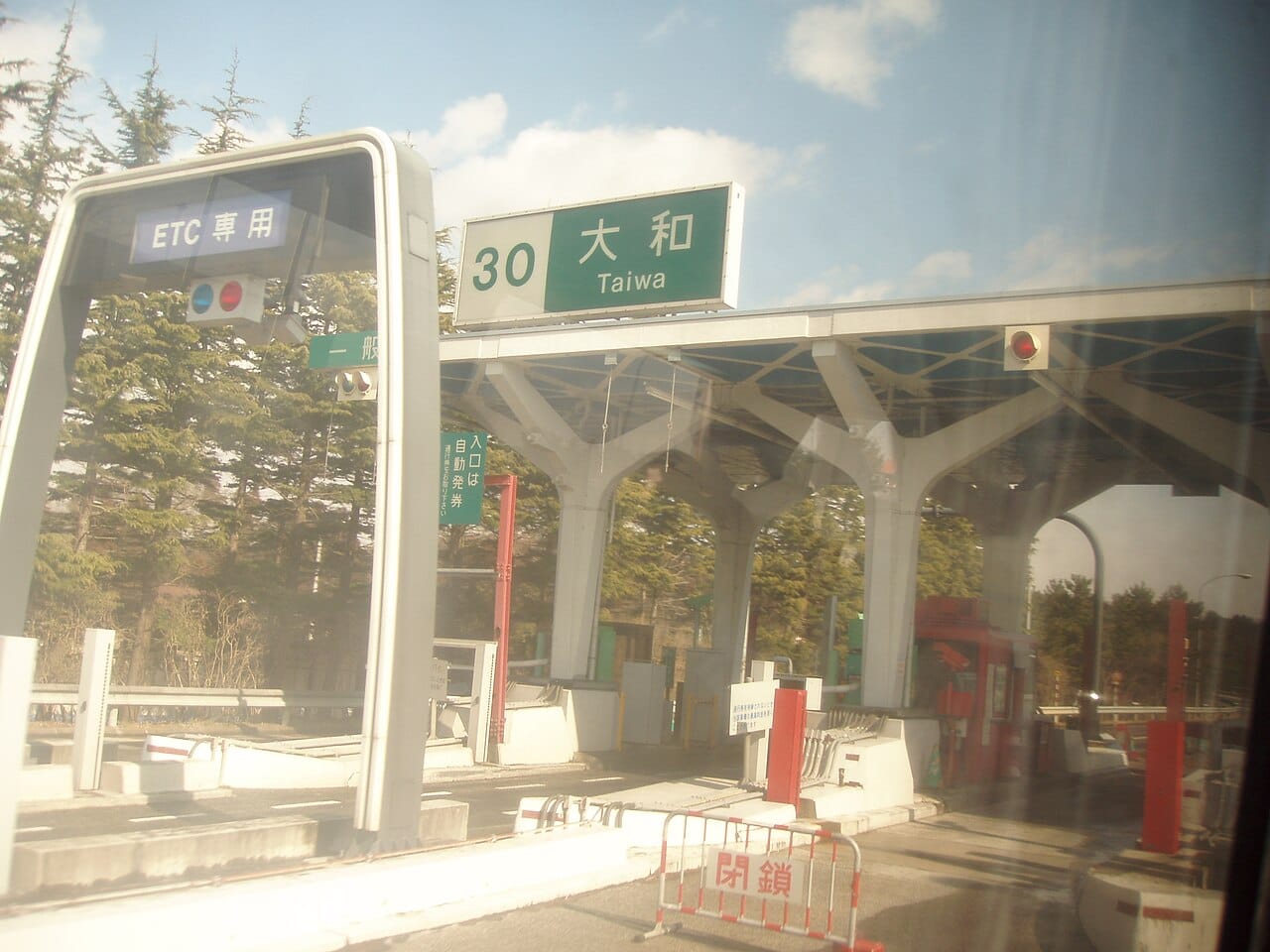
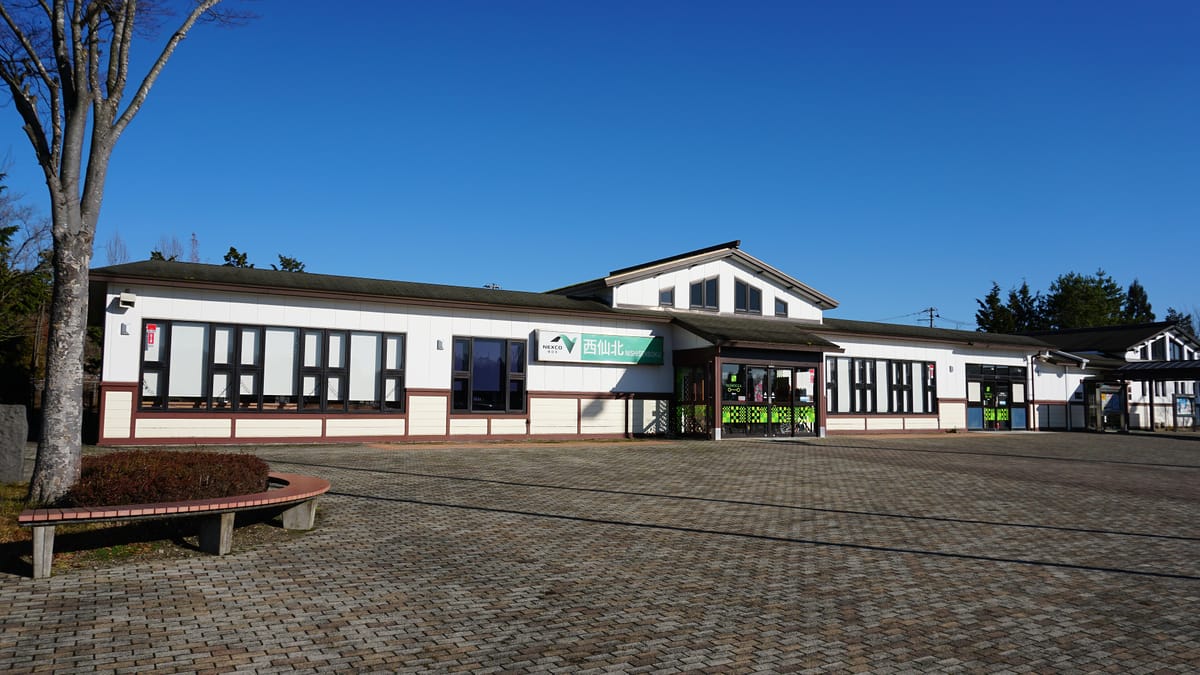
"ETC-only" means exactly what it says: that gate reads an ETC transponder with a valid ETC card inserted, and nothing else. Historically a Japanese toll plaza almost always kept one general lane open for cash and cards. At these 65 gates, that lane is gone. And look at the Central Nippon list — Tomei, Shin-Tomei, Chuo, Ken-O. Those are the arteries out of Tokyo toward Mt Fuji, Hakone and the Japan Alps, which is to say the exact roads a first-time visiting driver is most likely to take.
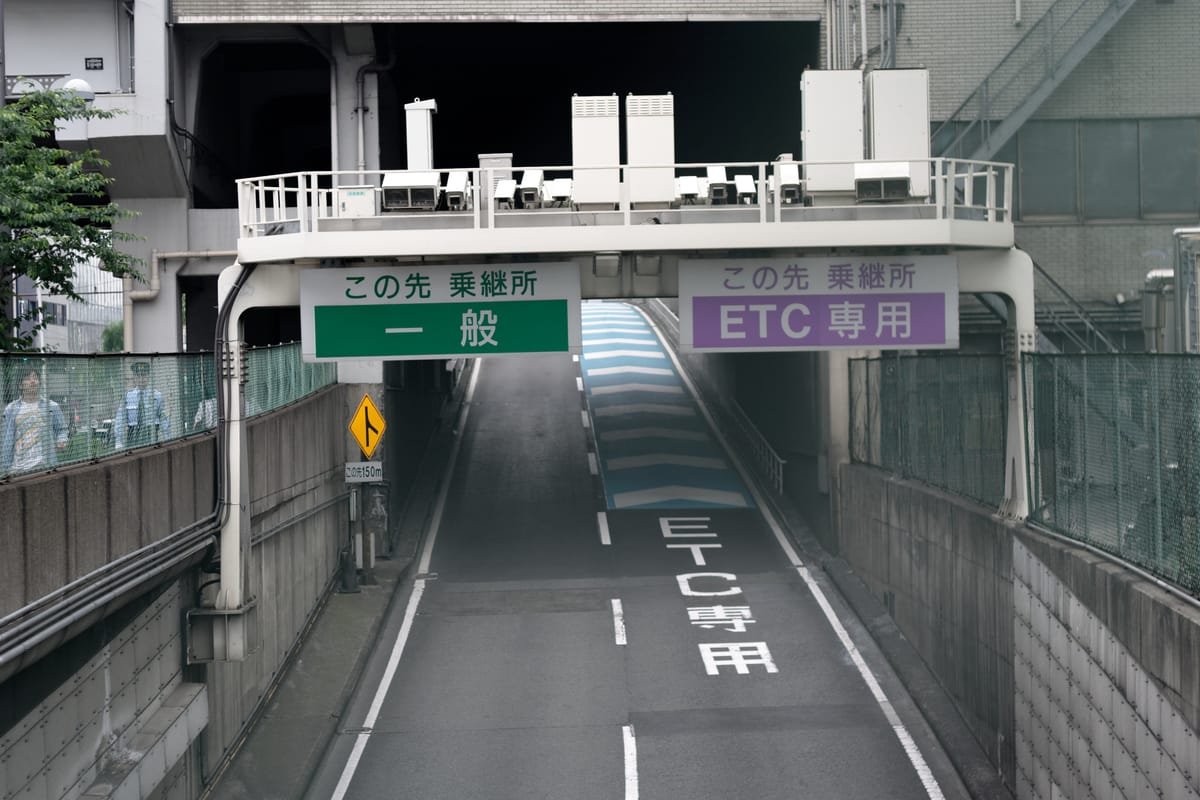
None of this is aimed at foreign drivers. It is part of Japan's broader push toward unstaffed infrastructure, and the direction of travel is one-way — expect more ETC-only gates, not fewer. Which is why the practical takeaway isn't "memorise 65 gates". It's a behaviour rule: if any day of your itinerary involves an expressway, add the ETC card when you book the car.
How visitors actually get an ETC card
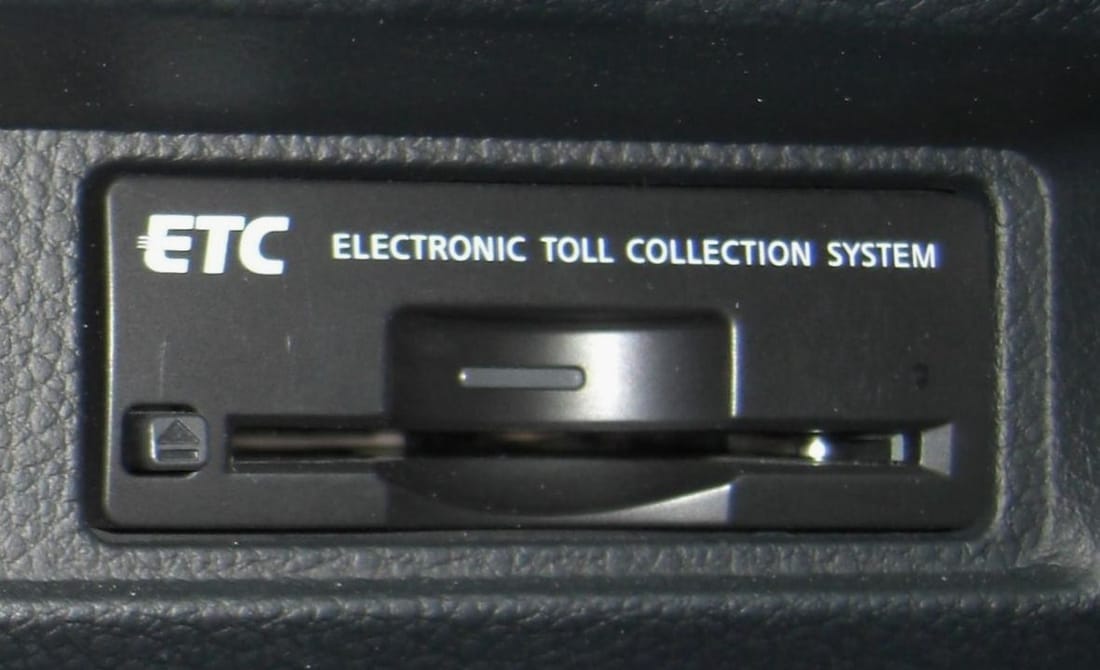
Japan's ETC is a two-part system: an in-car transponder plus a physical IC card. If you're used to a windscreen sticker tag from home, this is the detail that trips people up — a transponder with no card in it is an inert box. It will not open the barrier, and it will not beep at you helpfully.
Three things to do at the rental counter
- Add the ETC card when you book, not when you arrive. The transponder is normally standard equipment at no extra charge; the card is a separate rental line item with a daily fee that differs by company. Booking pages list it as an optional extra. Counters can and do run out during peak season.
- Insert it and confirm at pickup. Ask the staff member to show you the slot and the correct orientation, and listen for the transponder's confirmation chime (it announces card recognition in Japanese). Ten seconds here removes all the anxiety at your first toll gate.
- Settle at drop-off. ETC is post-paid: every toll you accumulate is totalled and charged by the rental company when you return the car, usually to the card they pre-authorised at pickup. Leave the ETC card in the vehicle — do not pocket it.
If Hokkaido is your driving destination, Toyota Rent a Car's New Chitose Airport and Sapporo Station branches are among the most commonly used pickup points, and the ETC card and insurance options are selected in the same booking flow:
Hokkaido car rental (Toyota, New Chitose / Sapporo pickup, ETC card add-on) →KKday is not the only route — the rental companies' own English sites and comparison platforms such as Tabirai all work. What matters is that the ETC card goes into the booking, not onto a mental to-do list. And there's a second reason, coming up next: without an ETC card you cannot buy an Expressway Pass at all.
Driving without an ETC card: what still works
Let's be precise, because alarmism helps nobody. The ETC-only conversion affects 65 specific toll gates. It does not mean you cannot drive, and it does not mean expressways are closed to you. The large majority of Japanese toll plazas still have cash and card lanes. So if you're already in Japan, already holding the keys, and only now realising you skipped the card, the situation is manageable:
- Use the general (cash) lanes. Most plazas still have them. Read the overhead gantry before committing: the green "一般 / General" lane takes cash and cards; the purple "ETC 専用 / ETC only" lane does not.
- Take the ordinary roads instead. Japan's national routes are well surfaced and well signed. Over short hops, the surface road often costs you only 20-40 minutes while saving the entire toll — and gives you roadside stops along the way. In rural Hokkaido and Tohoku this is a perfectly respectable strategy, not a consolation prize.
- Ask about adding the card mid-rental. If the long-distance leg is later in your trip, a city branch of the same company may be able to add an ETC card. Policies vary; it costs nothing to ask.
Still, an honest opinion: all three of those are damage control, not a plan. If you know at the planning stage that long drives are coming, take the card at pickup. What you're really buying isn't the toll discount — it's the removal of a decision at every gantry, at speed, while you're also concentrating on driving on the left in an unfamiliar car.
How Japanese tolls are calculated (and what a pass never covers)
Three concepts before the pass maths, or the break-even numbers will mislead you.
1. Tolls are distance-based and vehicle-class-based
Japanese expressway tolls scale with distance and vary by vehicle class. Two classes matter to most visitors: the kei car (light vehicle, yellow number plate) and the standard car. Kei cars pay materially less — which is exactly why two of the three passes below price kei cars separately, at roughly 20% below the standard rate. For two travellers with modest luggage, choosing a kei car saves twice: on the rental rate and on the tolls or pass. It's the most overlooked economy in this whole article.
2. Get exact figures from the official toll search
You will not find specific section fares quoted in this guide. Toll levels and time-of-day schemes get revised, and feeding you a stale number to build a break-even calculation on would be worse than useless. The correct method: use NEXCO's official toll search tools (NEXCO East's "Doraputa" portal and each operator's site), enter your actual interchange-to-interchange legs, and add them up. It takes ten minutes before departure and it's the only figure that describes your trip.
3. "Toll road" is not the same as "expressway"
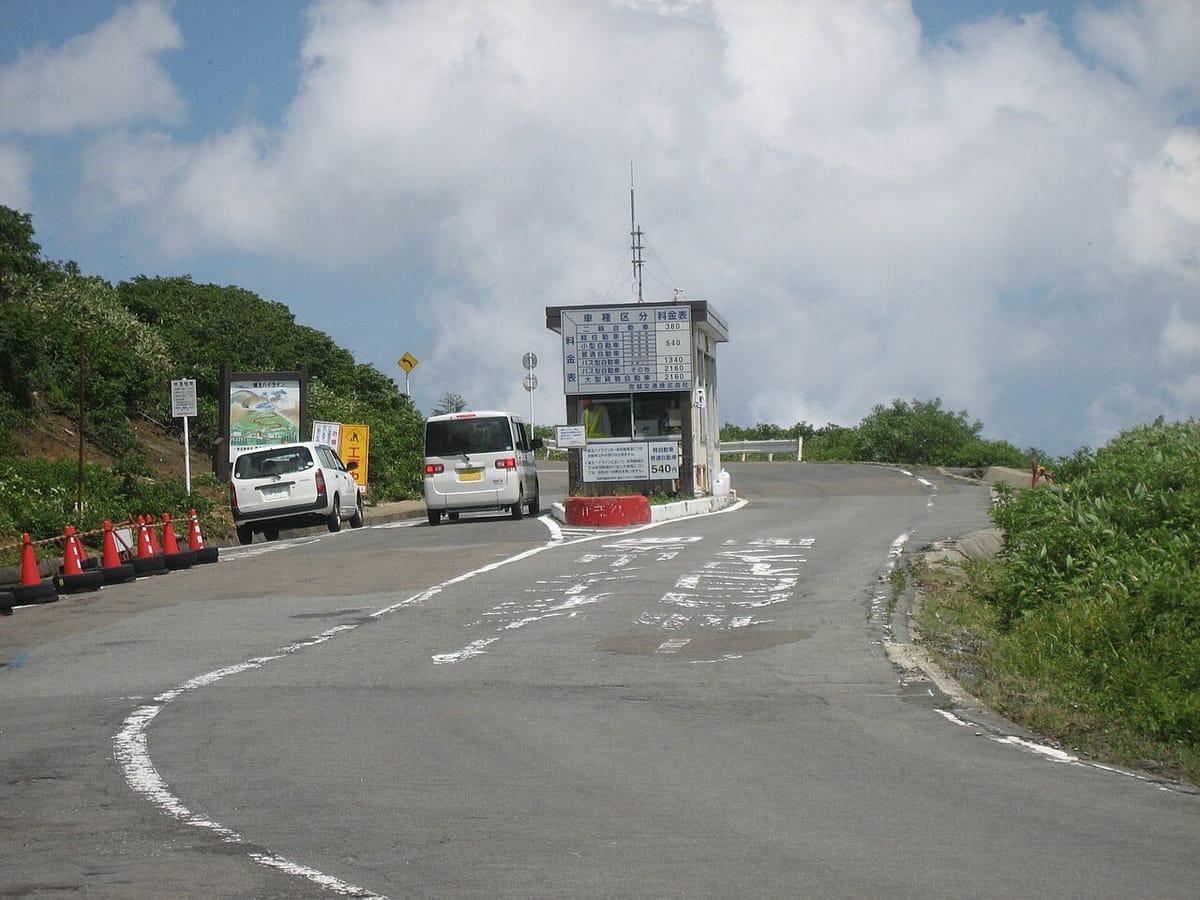
This is where pass buyers most often come unstuck. Japan has a large population of independent toll roads run by prefectures, municipalities and third-sector operators — mountain scenic highways, causeways and bridges, private sightseeing roads. They sit outside the NEXCO network, many of them do not accept ETC at all, and they take cash at a booth. The Zao Highline up to the Okama crater, the Aso volcano access road and the Fukuura Bridge at Matsushima are all in this category. No Expressway Pass covers any of them. Budget them as a separate line.
The three verified Expressway Passes, compared
An Expressway Pass gives inbound visitors flat-rate unlimited use of one region's expressway network for a set number of consecutive days. Eligibility is straightforward: holders of non-Japanese passports (plus Japanese nationals with foreign permanent residency).
Two structural rules shape everything else:
- Bundled with the car and the ETC card. A pass is not a standalone online purchase. You apply for it through a participating rental company at the time you rent, and the rental fee and ETC card fee are charged on top. This is what makes the ETC card a prerequisite rather than a convenience.
- Regions don't combine. A Hokkaido pass is dead weight in Tohoku. Multi-region road trips get no help from this product.
Official fares (verified 2 August 2026)
| Days | Hokkaido (standard) | Hokkaido (kei) | Tohoku (standard) | Tohoku (kei) | SEP |
|---|---|---|---|---|---|
| 3 days | — | — | — | — | ¥10,700 |
| 4 days | ¥7,700 | ¥6,200 | ¥8,500 | ¥6,800 | ¥11,700 |
| 5 days | ¥9,600 | ¥7,700 | ¥10,600 | ¥8,500 | ¥12,700 |
| 6 days | ¥11,600 | ¥9,300 | ¥12,800 | ¥10,200 | ¥13,700 |
| 7 days | ¥13,500 | ¥10,800 | ¥14,900 | ¥11,900 | ¥14,700 |
| 8 days | ¥15,400 | ¥12,300 | ¥17,000 | ¥13,600 | ¥15,700 |
| 9 days | — | — | — | — | ¥16,700 |
| 10 days | — | — | — | — | ¥17,700 |
Hokkaido Expressway Pass (HEP)
The most mature of the three and the easiest to justify. Four to eight days, priced separately for standard and kei cars. The current terms have applied since 1 October 2024, when NEXCO East did three things at once: raised prices, opened the product to kei cars, and narrowed the available lengths from the old 2-14 day range down to 4-8 days. So if you find a blog quoting a "2-day Hokkaido pass", you are reading pre-2024 information.
Hokkaido's geography is what makes this pass work. Cities sit 150-300 km apart, and Sapporo to Abashiri or Kushiro to Obihiro without the Doo and Doto expressways is a full day surrendered to the road. Our central and eastern Hokkaido autumn drive is exactly the shape of itinerary this pass was built for.
Hokkaido car rental (Nissan — New Chitose, Sapporo, Asahikawa, Hakodate) →The HEP is only available through participating rental companies, bundled with an ETC card — confirm availability for your branch and dates when you book, as not every location or period offers it.
Tohoku Expressway Pass ⚠️ deadline approaching
Structurally the Tohoku pass mirrors Hokkaido's: 4-8 days, standard and kei priced separately, with 13 participating operators officially listed (Nippon, Toyota, Budget, ORIX, Nissan, Times and others). It sits a tier above Hokkaido on price — roughly 2,125 yen per day for a standard car, and a tidily exact 1,700 yen per day for a kei car. For route ideas see our Tohoku winter itinerary, but if you're driving Tohoku between December and March, read the Japan winter driving guide first. The pass is a money question; snow is a safety question, and they should not be traded off against each other.
San'in-Setouchi-Shikoku Expressway Pass (SEP)
The widest geographic footprint of the three, covering ten prefectures: Tottori, Shimane, Okayama, Hiroshima, Yamaguchi, Hyogo, Kagawa, Tokushima, Ehime and Kochi. It also has the widest choice of durations, from three to ten days. The official page lists no kei car tier, so the single fare shown above is what NEXCO West publishes.
Where the SEP genuinely shines is the inland and coastal driving either side of those crossings — the Iya Valley gorges covered in our Tokushima, Naruto and Iya guide, or the San'in coast road out to Tsunoshima in Yamaguchi. Both are textbook "the trains don't go there" destinations, which is the only reason to be driving in the first place.
Break-even maths: the per-day threshold method
We use the same approach here as in our JR Pass worth-it analysis: divide the official pass fare by its duration to get a daily break-even line. Spend more than that per day in actual tolls and the pass wins; spend less and it loses. The elegance of this method is that it deletes the fake question — "which duration is the best value?" — entirely.
| Pass | Vehicle class | Cost per day | What the structure tells you |
|---|---|---|---|
| Hokkaido (HEP) | Standard | ~1,920-1,935 yen | Essentially linear — no bulk discount for longer passes |
| Kei | ~1,540-1,550 yen | ||
| Tohoku | Standard | ~2,120-2,133 yen | Also linear; kei works out to exactly 1,700 yen a day |
| Kei | 1,700 yen | ||
| SEP | Single class | 3 days ≈ 3,567 yen/day | Non-linear: high entry price, then only +1,000 yen per extra day — longer is much better value |
| 10 days ≈ 1,770 yen/day |
Three conclusions worth acting on
- For Hokkaido and Tohoku, never buy extra days "because it's better value". It isn't — the daily rate barely moves. Buy exactly the number of days you'll actually be on expressways, no padding.
- SEP behaves the opposite way, and short SEPs are poor value. The 3-day version costs twice as much per day as the 10-day. That pricing curve is aimed squarely at long-stay road trips; if you're driving the region for three or four days, I'd skip the pass and pay as you go.
- The kei car saves twice. Lower rental rate, and roughly 20% off the pass itself (about 380 yen a day on HEP, about 425 yen a day on Tohoku). For two people travelling light this is free money.
Mapping the threshold onto your itinerary
With a daily threshold in hand, one job remains: estimate what you'll actually spend per day. Lay the itinerary out day by day, mark which days contain a genuine intercity leg, and price those legs on the official toll search. In practice trips fall into three shapes:
- Rolling loop, new base each night (New Chitose → Furano → Abashiri → Kushiro → Obihiro → New Chitose): a long leg nearly every day. Very likely to clear the threshold.
- Single base, radial day trips (stay in Sapporo, day-return to Otaru, Noboribetsu, Furano): several days with little or no expressway use. Usually loses.
- Hybrid (long transfers up front, then a fixed base): remember the pass runs on consecutive days, so the stationary days still burn pass time. If the long driving is concentrated in the first three days, a shorter pass — or paying as you go — often wins.
To see how tolls sit alongside rental, fuel and parking in a whole-trip budget, pair this with our Japan trip cost breakdown.
Three trips where the pass loses money
A pass isn't standard equipment for a Japanese road trip. It's a tool for a particular itinerary shape. Here are three cases where I'd talk you out of it.
1. Buying it as "toll insurance"
Some people buy a pass so they don't have to think about tolls. Understandable, but if your route has few long legs you're purchasing peace of mind you never use. Do the arithmetic first. If you land below the threshold, that money buys a car-class upgrade or two good dinners instead.
2. Assuming it covers every toll you'll meet
It doesn't cover independent scenic toll roads, and the SEP explicitly excludes the Honshu-Shikoku bridges and urban expressways. Around Kansai, Hiroshima and Shikoku, those excluded categories can be a large share of what you'd actually pay — so the pass's real coverage ratio may be well below what the marketing implies.
3. Forgetting that the clock runs on consecutive days
The pass counts calendar days from your start date, not days driven. Two stationary days in the middle consume two pass days. Renting for eight days but driving expressways on four of them means an 8-day pass is subsidising your idle days; pay-as-you-go is usually cheaper in that scenario.
The other passes: what we could and could not verify
Several other Expressway Pass names circulate online. Here is the verification status as it actually stands, because a half-confirmed price is more dangerous than no price:
| Pass | Official page status (checked 2 August 2026) | How this guide treats it |
|---|---|---|
| Japan Expressway Pass (nationwide) | Only a 2017 press release found; no current official page located; cannot confirm it is still sold | No fares published here |
| Central Nippon Expressway Pass (CEP) | The known official URL returns 404; current page not located | No fares published here |
| Kyushu Expressway Pass (KEP) | Prices appear in secondary sources only; no NEXCO West official page obtained | No fares published here |
To be clear, this does not mean those products are dead. "We couldn't find the official page" and "it no longer exists" are different statements, and it isn't our place to announce the discontinuation of someone else's product. What we can give you is a reliable procedure:
- Ask the rental company at booking: "Is there an Expressway Pass that applies to this region and these dates?" Their current product sheet is the live answer, and passes are only sold through them regardless.
- Check the NEXCO operator for that region (Central, West and East each run their own site and their own products) and treat their announcements as final.
- No applicable pass is not a problem. Pay the tolls as you go. A Kyushu autumn driving route works perfectly well on metered tolls; they're rarely the dominant line in a road-trip budget.
Pre-expressway checklist
| When | What to confirm | Why it matters |
|---|---|---|
| Booking | Add the ETC card; ask whether an Expressway Pass applies | Passes are only issued with the car and card — they cannot be added later |
| Booking | Consider a kei car for two travellers | Cheaper rental and roughly 20% off the pass fare |
| Pickup | Insert the card, confirm the transponder acknowledges it | The transponder is built in; the card is rented. No card, no ETC |
| Before setting off | Price the day's legs on the official toll search | The only trustworthy basis for a break-even decision |
| Approaching a toll plaza | Read the gantry: purple "ETC only" — don't enter; green "General" — cash accepted | 65 plazas have had no cash lane since spring 2026 |
| If you enter the wrong lane | Don't reverse; continue to an "ETC/Support" lane, stop, await instructions | NEXCO's own guidance; reversing is the real hazard |
| Drop-off | Leave the card in the car; tolls settle with the rental | ETC is post-paid and totalled at return |
One last practical note: live traffic, closure notices and the toll search all require a data connection, and closures are routine in winter and typhoon season. Sort connectivity before you drive — see our Japan eSIM comparison.
Unlimited-data Japan eSIM for live traffic and toll lookups (KKday) →The one thing to take away
If you remember a single line from this guide, make it this: the ETC card is a necessity, the Expressway Pass is an option. The 2026 ETC-only conversion turned "should I take the card?" from a small savings question into a risk question you don't want to answer at 80 km/h with a barrier ahead. The pass is the opposite — it only pays on a specific itinerary shape, and one division sum tells you which shape you have.
Get the order right and the expressway part of a Japanese road trip becomes genuinely simple: take the ETC card and any applicable pass at booking, price the day's legs before you set off, and read the colour of the gantry before you commit to a lane. Everything else — the paperwork, the insurance, the choice of region — is in the self-drive in Japan guide, and Okinawa's local quirks are in the Okinawa car rental guide. Then the rest of your attention belongs to the road outside, which is the one the trains were never going to show you.
Frequently Asked Questions
- Q1:Do I need an ETC card in Japan, or can I just pay cash?
- Until recently the honest answer was "it depends". Since spring 2026 it is effectively yes, if you plan to use expressways. NEXCO Central Nippon converted 35 toll gates and NEXCO West Nippon 30 more to ETC-only, and an ETC-only gate has no cash booth at all. Most rental cars come with the ETC transponder built in at no extra cost, but the card that goes into it is a separate rental item you add when booking. If your itinerary never touches an expressway you can skip it — but the moment one long drive appears, add the card.
- Q2:What happens if I enter an ETC-only lane without a card?
- Do not reverse. Backing up at a toll plaza is both illegal and genuinely dangerous, and it is the single way to turn a small problem into a serious one. NEXCO's official instruction is to keep driving forward to a lane marked "ETC/Support" or "Support", stop there, and follow staff instructions — either an attendant or an intercom. Staff will process the payment arrangement with you; you are not being fined on the spot. Keep any paperwork you are given and hand it to the rental company at drop-off.
- Q3:What is a Japan Expressway Pass for tourists, and am I eligible?
- An Expressway Pass is NEXCO's flat-rate, unlimited-use pass for a single region's expressway network, sold specifically to inbound visitors. Pay one fixed amount, drive as much as you like within the covered region for the number of consecutive days you bought. Non-Japanese passport holders qualify (as do Japanese nationals with foreign permanent residency). Two structural catches: it is only available through participating rental car companies, bundled with an ETC card rental — you cannot buy it standalone online — and each region is separate, so a Hokkaido pass is worthless in Tohoku.
- Q4:Is the Hokkaido Expressway Pass worth it?
- Divide the official fare by the number of days and the answer gets simple. For a standard car it works out to roughly 1,920-1,935 yen per day at every length from 4 to 8 days; for a kei car, roughly 1,540-1,550 yen. In other words there is no bulk discount for buying more days, and the only question that matters is whether you will average more than about 1,900 yen per day in tolls. A Sapporo-based trip doing day returns usually will not. A loop that changes base city every night — New Chitose to Furano to Abashiri to Kushiro to Obihiro — almost certainly will. Price your actual route on NEXCO East's official toll search before deciding.
- Q5:Can I still get the Tohoku Expressway Pass?
- ⚠️ Check the deadline first. NEXCO East's official page states applications are accepted only for use starting on or before 30 September 2026. For trips beginning in October 2026 or later, the official page makes no commitment that the product continues. Whether a successor version appears, and at what price, is entirely up to NEXCO East's own announcements — this guide does not speculate. If your Tohoku road trip falls before the end of September 2026, the fares here apply; if it falls after, ask the rental company what is available at the time of booking.
- Q6:Does the San'in-Setouchi-Shikoku Pass cover the bridges to Shikoku?
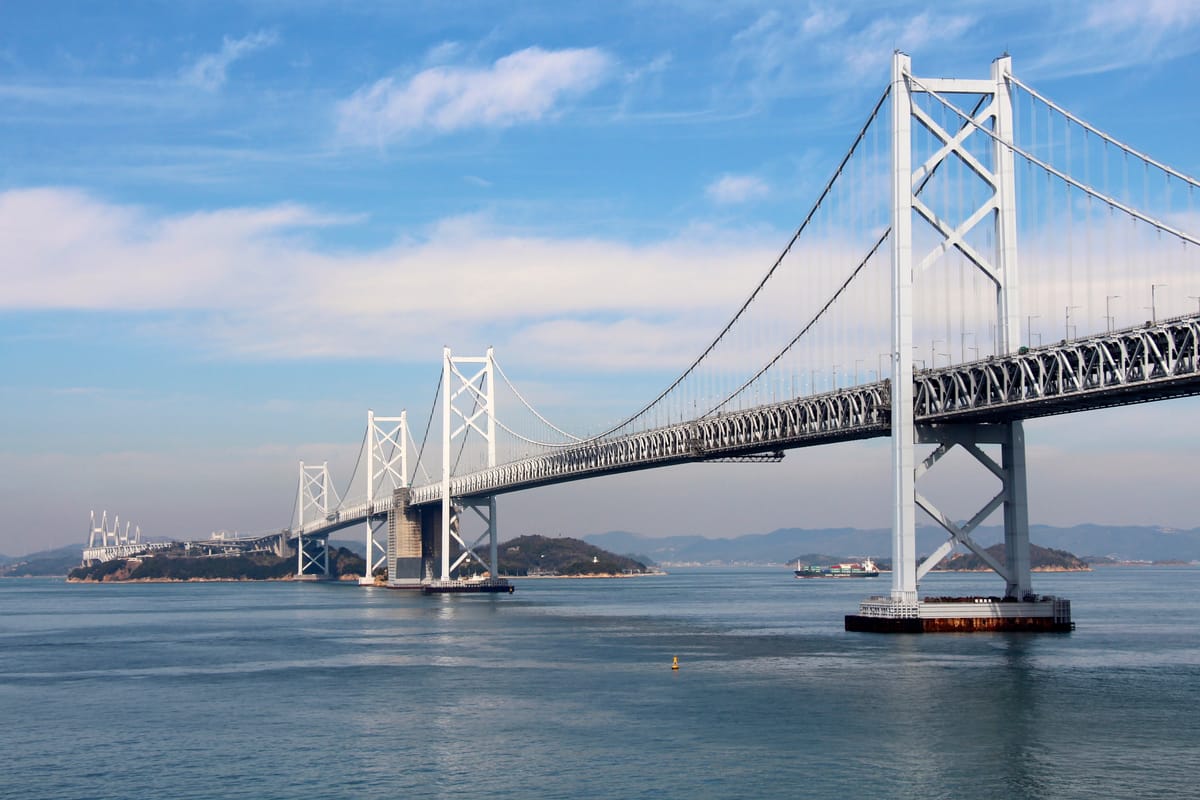
- No — and this is the most expensive misunderstanding in this whole article. The SEP officially excludes the Honshu-Shikoku Expressways (the Great Seto Bridge, the Akashi Kaikyo Bridge, the Shimanami Kaido) and urban expressways. If the whole point of your trip is crossing from Honshu to Shikoku, the pass does not cover the priciest segment of the drive. Budget the bridge tolls separately, then decide whether what remains still justifies the pass.
- Q7:What about the nationwide Japan Expressway Pass, the Central Nippon CEP, or the Kyushu KEP?
- Being straight with you: this guide could not verify current official pricing for any of the three, so it publishes no figures for them. The nationwide pass turns up only in a 2017 press release with no locatable current page; the old Central Nippon CEP URL returns a 404; the Kyushu KEP appears only in secondary sources, with no NEXCO West official page obtained. Note that "no official page found" is not the same as "discontinued". The reliable move is to ask your rental company at booking whether a pass applies to your region and dates — passes are only sold through them anyway, so their current product list is the authoritative answer.
Read next
Self-Drive in Japan 2026: License, Insurance & ETC Guide
The thing that stops first-timers isn't driving on the left — it's the licence. Geneva vs Vienna IDP, where to drive, CDW+NOC insurance, ETC cards, fuel and winter tyres.
Winter Driving in Japan: Snow Tires, 4WD & Whiteouts
Renting a car in snow country isn't enough — studless tires, 4WD, chain zones, whiteouts, roads to skip, plus insurance and JAF rescue.
JR Pass 2026: Is It Still Worth It?
Four real routes calculated, six alternatives that may beat the Pass.