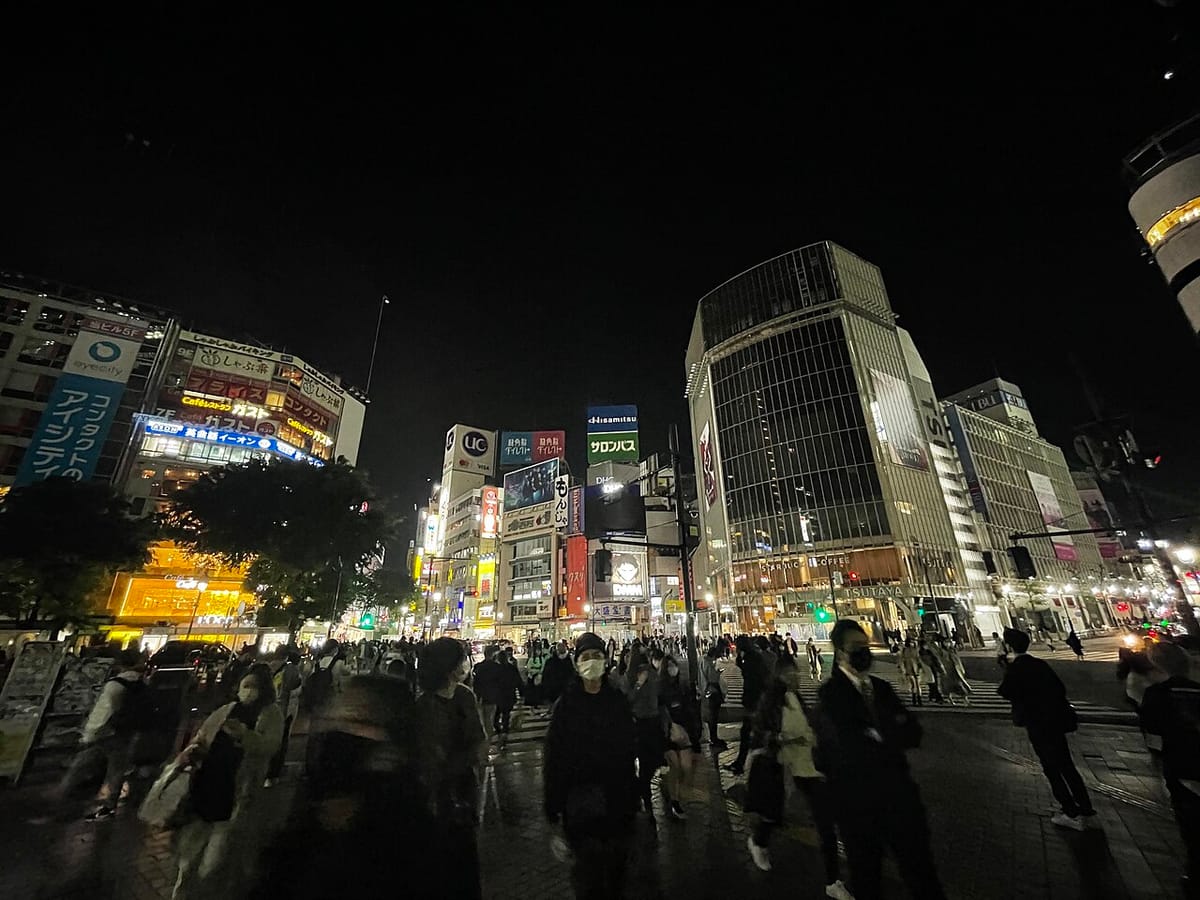
The thing that actually ruins a first trip to Japan isn't the language — the signage, restaurant ticket machines and translation apps are so good you'll barely need to speak. What ruins it is a handful of decisions made wrong at the planning stage: an itinerary stuffed with five cities and daily luggage drags, a 50,000-yen JR Pass that never pays off, the assumption that everywhere takes cards (until you freeze at a cash-only ramen machine), and turning up at teamLab to find it sold out. This guide lays out the 12 mistakes first-timers make most — and crucially, ranks them by how badly they wreck a trip, so you spend your prep where it counts.
The headline: the mistakes to fear are the structural ones — itinerary, transport, bookings. Get those wrong and there's no fixing it on the ground. The tattoo/tipping/season ones are, at worst, a moment of awkwardness; knowing about them in advance is enough. We'll start with the most damaging.
- Trip-wreckers — over-stuffing the itinerary, buying a JR Pass blind, not pre-booking sell-out attractions, underestimating mega-station transfers.
- Time/money drains — assuming card acceptance and carrying no cash, not pre-setting eSIM/Suica, dragging luggage instead of forwarding it, eating only beside the sights.
- Avoidable cringe — wrong season expectations (rainy June, typhoon September, freezing winter), tattoos at the onsen, trying to tip.
- Do the JR Pass maths — the national 7-day pass rose to ~50,000 yen in Oct 2023; total your fares first, don't bend the trip to a pass.
- Two highest-value pre-trip moves — install a Japan eSIM and add a digital Suica/ICOCA before you fly.
Table of Contents
- The Ranking: Which Mistakes Actually Ruin a Trip
- Mistake 1: Cramming Too Many Cities
- Mistake 2: Buying a JR Pass Without the Maths
- Mistake 3: Not Booking Sell-Out Attractions
- Mistake 4: Underestimating Mega-Station Transfers
- Mistake 5: Assuming Everywhere Takes Cards
- Mistake 6: Not Pre-Setting eSIM & Suica
- Mistake 7: Dragging Luggage Instead of Forwarding
- Mistake 8: Wrong Season Expectations
- Mistake 9: Eating Only Beside the Sights
- Mistakes 10-12: Tattoos, Tipping & Etiquette
- Quick Table: 12 Mistakes Ranked, with Fixes
- Frequently Asked Questions
The Ranking: Which Mistakes Actually Ruin a Trip
Not all mistakes are equal. I sort first-timer errors into three tiers: trip-wreckers (unfixable on the ground, they eat the whole trip's quality), drains (you stall in the moment and lose time or money), and avoidable cringe (knowing about them ahead is enough). Put your attention on the wreckers; the rest is polish.
- Trip-wreckers — over-stuffed itinerary, blind JR Pass, unbooked sell-outs, underestimated transfers. These are "decided wrong before you flew, too late once you land" mistakes — the highest impact.
- Drains — no cash, no data/IC card, dragged luggage, tourist-trap meals. Recoverable on the ground, but they waste time and money for nothing.
- Avoidable cringe — season, tattoos, tipping. Read this and you simply won't do them.
Mistake 1: Cramming Too Many Cities
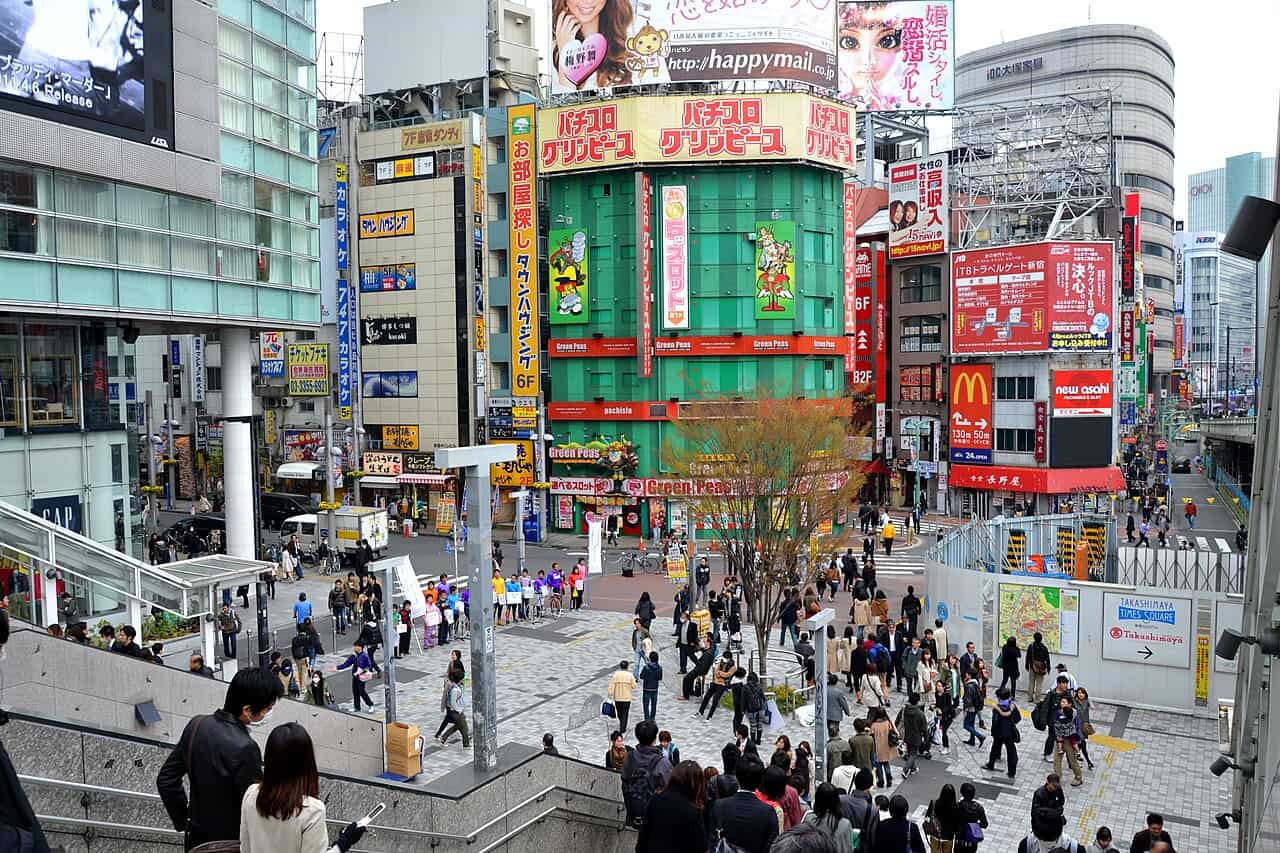
This is the number-one rookie mistake and the most damaging. The familiar script: seven days across Tokyo, Hakone, Mt Fuji, Kyoto, Osaka and Nara, on the logic that "we're only here once, we have to see it all." The result is dragging luggage to an early Shinkansen each morning, getting lost in an unfamiliar mega-station by afternoon, and being too wiped out by evening to do anything but collapse — every place reduced to a quick photo. The best of Japan happens when you slow down: a tiny shop down an alley, sitting by the Kamo River doing nothing, a whole evening in an izakaya. Over-stuffing the schedule deletes all of that.
My firm advice: two bases at most for seven days (Tokyo + Kyoto/Osaka is the classic), at least three nights each, with day trips (Hakone, Nara, Nikko) slotted in from a base rather than a new hotel every night. Plan one "main activity" plus a stop or two per day, and deliberately leave half-days blank as buffer for rain, a late start, or simply wanting to linger. For a tested first-timer rhythm with day-by-day pacing, build straight off our Japan 7-day first-timer itinerary — it's designed for people who don't want to rush.
Mistake 2: Buying a JR Pass Without the Maths
"Get a JR Pass for Japan" used to be gospel — but since the October 2023 price hike, it simply isn't true for many travellers any more. The 7-day national pass is now around 50,000 yen, and you only break even if your route has a Tokyo-to-Kyoto/Osaka round trip plus several more long hauls. If you're mostly exploring Tokyo with at most one Kyoto trip, or staying entirely within Kansai, individual Shinkansen tickets or a regional pass (Kansai, Tohoku, Hokkaido) are usually far cheaper.
The right order is: fix the itinerary first, total the fare for each leg, then compare against the pass — never reverse it and cram in long hauls to "make the pass pay." That's letting the pass hijack your trip. Break-even thresholds, which regional pass to pick, and five worked sample routes are all in our JR Pass vs regional passes comparison. Read it before deciding and you'll usually save several thousand yen.
If the maths genuinely works out (multi-city, long-distance travel), then it's worth buying — and in that case I'd grab the exchange voucher online through KKday and redeem the physical pass on arrival.
Only if the maths works: the nationwide JR Pass →Mistake 3: Not Booking Sell-Out Attractions
Some things aren't "a bit pricier on the day" — they're simply unavailable on the day, leaving you outside watching everyone else go in. The attractions first-timers get caught out by:
- teamLab (planets / Borderless) — timed-entry, and popular slots routinely sell out days to a week or two ahead. Book a slot online first.
- Ghibli Museum (Mitaka) & Ghibli Park (Aichi) — essentially online-advance only, with nothing sold inside the park. This is the single biggest "I assumed I could just buy at the gate" heartbreak. Ghibli Park's general sale is first-come-first-served, not a lottery (the only lottery is the monthly Aichi-residents day on the 27th); the sole on-site exception is same-day tickets for the three special buildings in Valley of Witches, and those need a numbered ticket collected the moment the park opens.
- Disney / Universal Studios — Tokyo Disney tickets are sold online only (the park ticket booths are closed), so you can't buy at the gate; Premier Access can only be bought in the app once you're inside, in limited numbers. USJ Express Pass sells out on busy dates, so buy it ahead.
- Viral-famous restaurants, sumo, some festivals — same logic; lock in 2-8 weeks out.
Don't over-correct, though: the vast majority of ordinary sights, temples, shopping streets and museums need no booking at all — just show up. Concentrate your booking effort on the handful above that truly sell out, and relax about the rest. For something like teamLab planets I'd lock a timed slot online in advance:
Book the sell-outs first: teamLab planets timed ticket (KKday) →Mistake 4: Underestimating Mega-Station Transfers
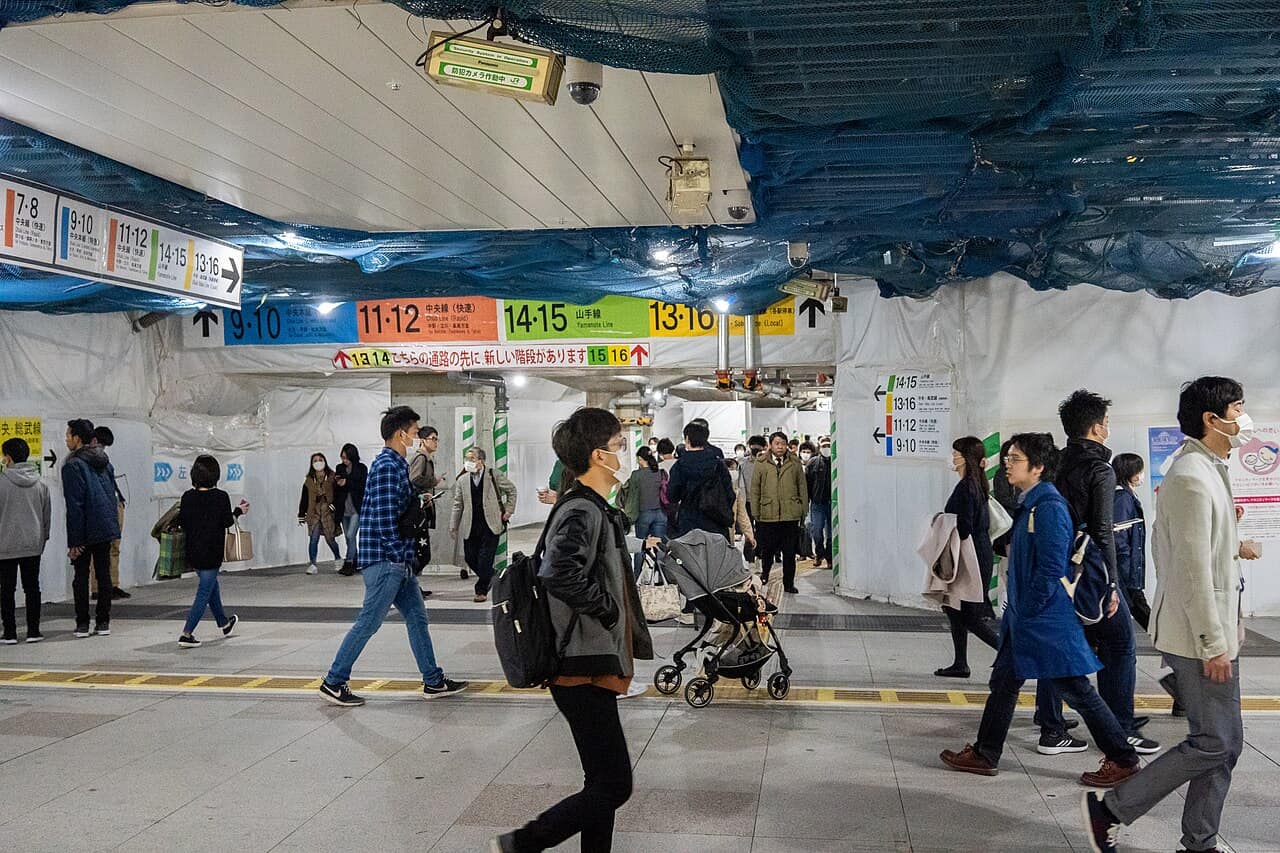
Google Maps tells you "4-minute transfer," but it doesn't account for the maze that is Shinjuku (the world's busiest station, 200+ exits), Tokyo Station, Shibuya or Osaka/Umeda, where getting from one line's platform to another can mean stairs, escalators, long corridors and well over ten minutes of walking. First-timers miss connections or melt down in the underground concourses because of exactly this.
- Add 10-15 minutes of buffer at big-station transfers — don't plan to the minimum transfer time.
- Navigate by exit number, not just direction — in Japanese mega-stations, the exit number is the fastest way to orient; look up the nearest exit to your destination before you leave the platform.
- Don't book a "just-in-time" Shinkansen at a giant station — arrive at the platform 20 minutes early, because finding the right platform is itself a task.
- You can only check routes with data on you, so the next mistake (no connectivity) amplifies this one.
Mistake 5: Assuming Everywhere Takes Cards
"Japan's all cashless now, right?" — that assumption will leave you stranded at a cash-only ramen ticket machine. The reality: department stores, chains, convenience stores and stations widely take cards or IC taps, but family-run eateries, traditional markets, shrine charms, local buses, rural shops, and the meal-ticket machines at plenty of popular restaurants are still cash-only.
- Keep 10,000-20,000 yen on you — for popular small spots, markets and local transport.
- Out of yen? Use a convenience-store ATM — 7-Eleven and LAWSON ATMs accept most overseas cards, usually at better rates and fees than airport exchange counters; withdraw as you go.
- Run cash + IC card + credit card together — don't bet a given shop will take any one of them.
The when-to-use-what details, plus overseas-card withdrawal tips, are in our Japan payment guide — worth a read before you fly.
Mistake 6: Not Pre-Setting eSIM & Suica
These are the two highest-value pre-trip moves — both save you serious time the moment you land.
Data: a Japan trip leans hard on connectivity — checking transfers, maps, translating menus, calling a taxi all need data. The smart move is to install a Japan eSIM before you fly, so you're online the instant your plane lands, with no airport queue for a pocket Wi-Fi or a physical SIM. eSIMs install from a QR code; set it up at home and it connects automatically on arrival.
Online the moment you land: unlimited Japan eSIM (KKday) →IC card: iPhones and many Android phones can add a digital Suica or ICOCA straight into Apple/Google Wallet; load it before departure and just tap your phone through the gates, skipping the physical-card queue (physical cards have faced purchase limits in recent chip shortages). For setup, the Suica/ICOCA difference, and whether they interoperate, see our Suica / ICOCA guide. Sort both at home and the landing will feel noticeably smoother.
Mistake 7: Dragging Luggage Instead of Forwarding
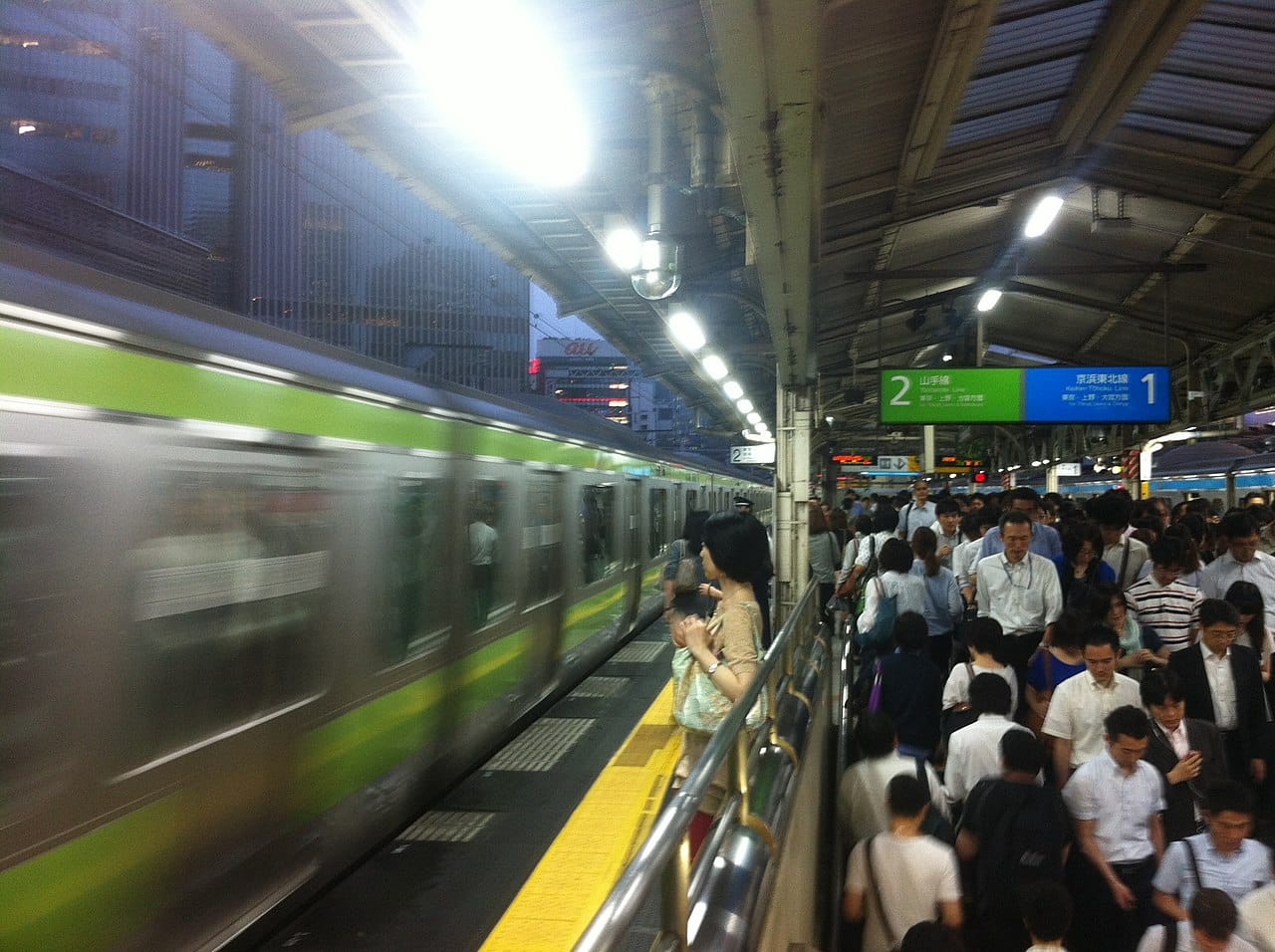
First-timers tend to quietly haul a 28-inch case — jamming in train doors at peak hour, climbing stairs in stations with no lift, shoving it between Kyoto hotels through the crowds. It's exhausting and graceless, and it blocks commuters trying to get to work. Yet Japan has the world's most convenient luggage forwarding (takkyubin): send your bag from one hotel to the next, or to the airport, travel light that day, and your luggage arrives the next — about 1,500-2,500 yen a piece.
- On a city-change day: forward the big bag to your next hotel and carry only an overnight pack — the Shinkansen transfer suddenly becomes effortless.
- Before flying home: send your luggage from the hotel straight to the airport and spend your last day hands-free.
- Almost every hotel front desk and convenience store can send it — fill in a slip, pay, done.
How to fill the slip, how many days ahead to send, and what not to forward are all in our Japan luggage forwarding guide. First time you use it, you'll wonder why you ever carried it all.
Mistake 8: Wrong Season Expectations
Many people picture Japan as "cherry blossoms + autumn leaves + snowscapes," then book flights and discover they've landed in the rainy season, typhoon season or deep cold. Get the reality straight first:
| Period | Weather reality | What first-timers should know |
|---|---|---|
| June (rainy) | Honshu is wet, humid, muggy | Pack light rain gear and indoor backups; hydrangeas are the highlight |
| Jul-Aug (high summer) | Hot and very humid, often 35°C+ | Hydrate, sun-protect, avoid midday; festival and fireworks season |
| September (typhoon) | Peak typhoon season; flights/rail may halt | Keep slack, get travel insurance, don't plan tight connections |
| Dec-Feb (deep winter) | Kanto dry-cold; Sea-of-Japan side gets heavy snow | Layer up; snow country needs grippy shoes and real warmth |
It's not that these seasons are off-limits — it's that you must pack right and plan backups: don't put a whole June day outdoors, don't schedule split-second inter-region connections in September, and dress properly for snow country in winter. Read each month's weather and what to wear in one go so the season never blindsides you.
Mistake 9: Eating Only Beside the Sights
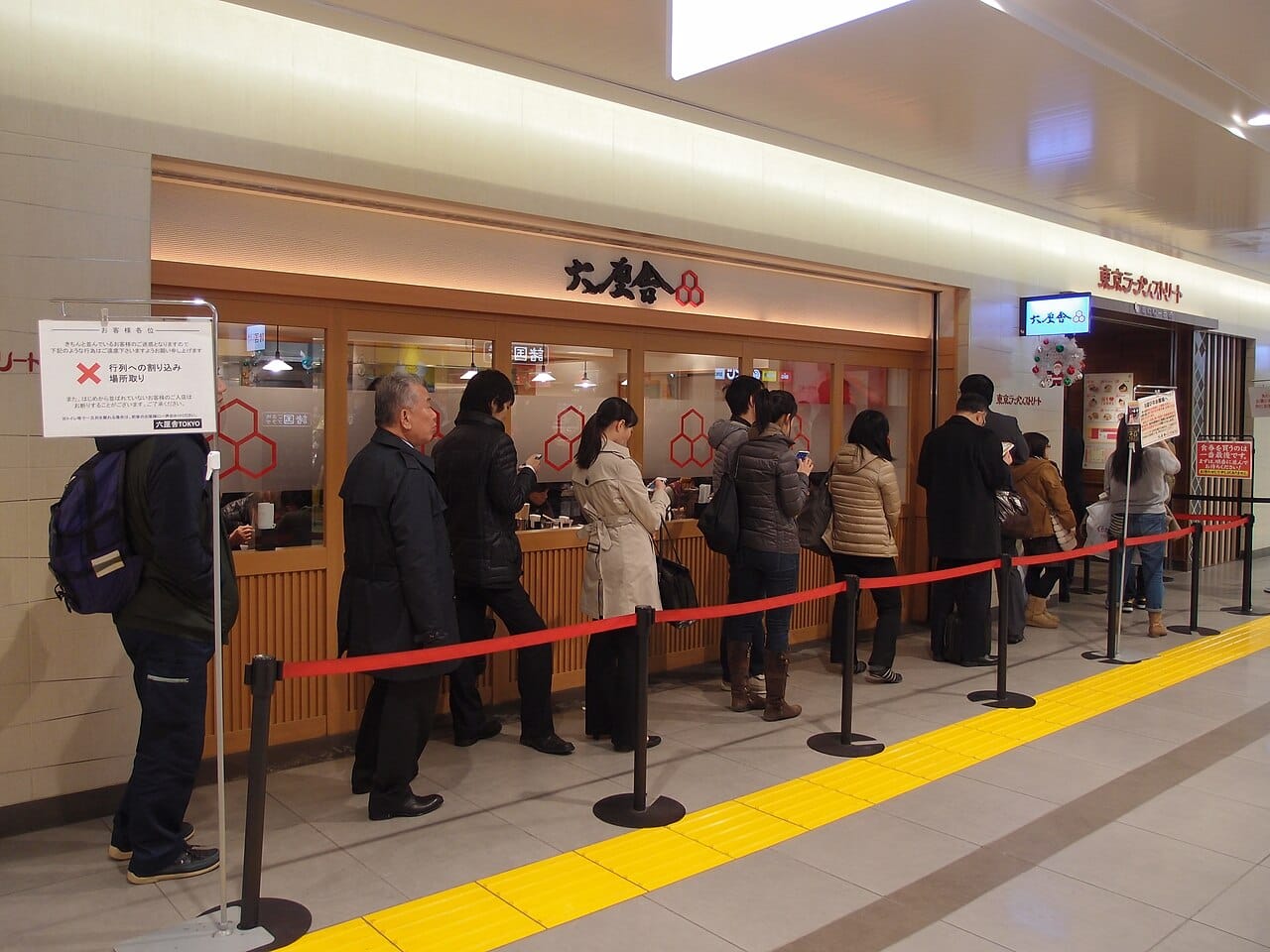
Japanese food is superb, but if every meal happens at the attraction's front gate, in a station concourse, or on a tourist shopping street, you'll keep hitting the "tourist version" — pricey, mediocre, long queues. First-timers get trapped here out of "can't be bothered walking" and "can't read the menu," wasting one of Japan's strongest selling points.
- Walk 2-3 blocks off the sight — prices drop, quality rises; this is where the set-meal spots and alley ramen the local office crowd eats actually are.
- Watch where locals queue — if Japanese people line up, there's usually a reason; a tourist queue isn't the same signal.
- Use ticket machines and picture menus — many great-value places order via a machine; point at the photo, drop in coins, no language needed.
- Depachika (department-store food halls) and convenience stores — astonishing value; don't sleep on them, they're a secret weapon for eating well cheaply.
Mistakes 10-12: Tattoos, Tipping & Etiquette
The last few are "avoidable cringe" — low damage, but awkward on the spot if you don't know them.
Mistake 10: Tattoos at a public onsen
Many traditional public onsen and sento still ban bathers with tattoos (a hangover from old yakuza associations). Three ways round it: cover a small tattoo with a waterproof patch; choose a bathhouse advertised as "Tattoo OK"; or book a private bath (kashikiri) or a ryokan room with its own bath. Check the facility's policy before you go rather than being turned away at the door. For ryokan onsen experiences, see the onsen section of our Japan essentials roundup.
Mistake 11: Trying to tip
Japan has no tipping culture. You don't tip restaurants, taxis, hotels or guides; pressing money on staff just confuses them — they may even chase you to return it, assuming you dropped it. Where a service charge applies it's already on the bill. Treat "no tip to calculate, no agonising over how much" as one of travelling here's quiet luxuries.
Mistake 12: Other common etiquette slips
- Phone calls / loud talk on trains: carriages are quiet — silence your phone and take calls in the vestibule between cars.
- Eating while walking: largely frowned on — finish street-stall food by the stall before moving on.
- No bins anywhere: public bins are scarce — carry a small bag and take rubbish back to your hotel.
- Standing on the wrong side of the escalator: Kanto stands left, Kansai stands right; leave the other side clear for walkers.
None of this is hard — knowing it is enough to avoid it; the full version is in our Japan etiquette guide. Japanese people won't be harsh on a visitor, but getting it right makes the trip smoother and earns goodwill.
Quick Table: 12 Mistakes Ranked, with Fixes
| Mistake | Damage | Fix |
|---|---|---|
| 1 Over-stuffed itinerary | 🔴 Wrecker | 2 bases max in 7 days, 3+ nights each, half-day buffer |
| 2 Blind JR Pass buy | 🔴 Wrecker | Total fares first, then compare; don't bend the trip |
| 3 Unbooked sell-outs | 🔴 Wrecker | teamLab/Ghibli/skip-line: book 2-8 weeks ahead |
| 4 Underestimated transfers | 🔴 Wrecker | Add 10-15 min at big stations, navigate by exit number |
| 5 No cash | 🟠 Drain | Carry 10k-20k yen, withdraw at conbini ATM |
| 6 No eSIM/Suica preset | 🟠 Drain | Set up before you fly, use the moment you land |
| 7 Dragging luggage | 🟠 Drain | Forward bags between cities, travel light |
| 8 Wrong season expectations | 🟠 Drain | Check the month, pack right, plan backups |
| 9 Eating only by the sights | 🟡 Cringe | Walk 2-3 blocks, follow local queues |
| 10 Tattoos at the onsen | 🟡 Cringe | Check policy; patch/private bath/in-room bath |
| 11 Trying to tip | 🟡 Cringe | Japan doesn't tip — don't press money on staff |
| 12 Other etiquette slips | 🟡 Cringe | Quiet on trains, no eating-and-walking, carry rubbish |
One Last Piece of Advice
Boil all twelve down to a sentence: for your first Japan trip, plan less, do the maths, pre-book what truly sells out, and have data and cash ready — then relax. The first-timer's real blind spot isn't a missed sight; it's pushing yourself too hard — over-stuffing days and trying to save money in ways that just get you stuck. Japan isn't going anywhere. Treat the first trip as getting to know it: leave gaps, move slowly, eat where the locals eat, soak in an onsen, and you'll have a far better time than anyone hitting five spots a day. Spend an hour before you go reading the linked guides above and you'll have filled in every pitfall ahead of time.
Frequently Asked Questions
- Q1:What is the single biggest mistake first-timers make in Japan?
- Cramming the itinerary. The classic rookie move is squeezing Tokyo, Kyoto, Osaka, Hakone and Mt Fuji into seven days, then spending every morning dragging luggage to a train, every afternoon lost in a mega-station, and never actually experiencing any one place. Japan's rail transfers, big-station walks and check-in times all eat more time than you expect, so three cross-region sights a day almost guarantees you'll be late, exhausted and grumpy. The fix: for a 7-day trip use two bases at most (e.g. Tokyo + Kyoto), stay at least three nights in each, and leave half-days blank as buffer. Empty time isn't wasted — it's what lets you wander a side street and actually enjoy the place.
- Q2:Do I really need a JR Pass for my first trip to Japan?
- Not necessarily — and after the October 2023 price hike, for many travellers it no longer pays off. The 7-day national pass is now around 50,000 yen, so you only break even if your route includes a Tokyo-Kyoto/Osaka round trip plus several more long hauls. If you're mostly in Tokyo with one Kyoto day trip, or staying entirely within Kansai, buying individual Shinkansen tickets or a regional pass (Kansai, Tohoku, Hokkaido) is usually far cheaper. Always fix your itinerary first, add up the fares for each leg, then compare against the pass price — never reverse it and bend your trip to justify a pass. See JR Pass vs regional passes for the maths and sample routes.
- Q3:Does everywhere in Japan take credit cards? How much cash should I carry?
- It's far better than it used to be, but assuming you can tap everywhere is a mistake that will leave you stranded at a cash-only ticket machine. Department stores, chains, convenience stores and stations almost all take cards or IC cards, but small family-run eateries, individual ramen shops, shrine charms, local buses, traditional markets and rural shops are frequently cash-only — and many popular restaurants use cash/IC-only meal-ticket machines. Keep 10,000-20,000 yen on you, and top up from a convenience-store ATM (7-Eleven, LAWSON) with your overseas card when needed. Run cash, IC card and credit card together rather than betting any one shop will take plastic. More in our Japan payment guide.
- Q4:What do I need to book in advance for a first trip to Japan?
- The things that sell out and can sink a plan if you turn up without a ticket are: teamLab (planets / Borderless), the Ghibli Museum and Ghibli Park (Ghibli is essentially online-advance only — you cannot buy on the day), Tokyo Disney tickets (the park ticket booths are closed, so they are sold online only), USJ Express Pass, Michelin/viral-famous restaurants, and sumo plus some festival tickets. Lock these in 2-8 weeks out. Conversely, the vast majority of ordinary sights, temples and shopping streets need no booking at all — don't let "book everything" anxiety run your trip. Spend your booking energy only on the handful of things that genuinely sell out.
- Q5:Should I set up Suica and an eSIM before I arrive in Japan?
- Yes — sorting both before you fly makes landing dramatically smoother. Data: install a Japan eSIM before departure so you have a connection the moment your plane lands, instead of queuing at the airport for a pocket Wi-Fi or a physical SIM. Without data you're stuck in Japan — routing, maps and translation all need a connection. IC card: iPhones and many Android phones can add a digital Suica or ICOCA straight to Apple/Google Wallet; load it before you land and tap straight through the gates, skipping the physical-card queue (physical cards have had purchase limits in recent chip shortages). See our Suica / ICOCA guide for the setup.
- Q6:Can I use onsen with tattoos, and do I tip in Japan?
- Two classic culture-shock mistakes. Tattoos: many traditional public onsen and sento still ban bathers with tattoos (a hangover from old yakuza associations). Cover a small tattoo with a waterproof patch, choose a "tattoo-OK" bathhouse, or book a private bath (kashikiri) or a ryokan room with its own bath — check the facility's policy before you go rather than being turned away. Tipping: Japan has no tipping culture. You don't tip restaurants, taxis or hotels; leaving money often just confuses staff, who may chase you down to return it. Any service charge is already on the bill. Treat "no tipping required" as one of the small pleasures of travelling here. More in our Japan etiquette guide.
Read next
Japan 7-Day Itinerary 2026: First-Timer Tokyo + Kansai
First trip to Japan with only 7 days? A clean split — 3 days Tokyo, 1 transit day, 3 days Kyoto-Osaka — with day-by-day routes, bullet train vs budget flight, JR Pass advice and a real budget.
JR Pass 2026: Is It Still Worth It?
Four real routes calculated, six alternatives that may beat the Pass.
Paying in Japan 2026: Cash, Card, IC or QR? Full Guide
Japan is 58% cashless now, but shrines, small shops and rural towns still want yen. How much to carry, where to withdraw at 7-Eleven and Japan Post ATMs, and the best exchange route.