"What should I actually eat in Japan?" is probably the most exciting and most overwhelming question before a trip. Japan's food map is enormous — a single city holds everything from a ¥120 conveyor-belt sushi plate to a ¥10,000 counter kappo meal — and first-timers easily blow their budget and stomach capacity in the wrong places. This guide breaks down sushi, ramen, yakiniku wagyu, tempura, donburi, takoyaki and okonomiyaki, izakaya, sweets and regional specialties, with a "specialty × region × budget" cheat-sheet, the rules for conveyor sushi and ticket machines, how to pick a shop without getting burned — and, at the end, an opinionated take on what to eat first, what's overrated, and what's underrated.
- Eat these 5 first: sushi, regional ramen, wagyu yakiniku, Osaka konamon, one izakaya night
- Budget: lunch ¥800–1,300 is the value sweet spot; izakaya dinner ¥2,500–4,000 per person
- Three ordering systems: conveyor-sushi tablets, ramen ticket machines, izakaya drink-first — all decoded below
- Regional specialties: Osaka konamon, Fukuoka yatai, Hokkaido seafood, Nagoya miso — very different personalities
- Opinionated: Kobe-beef tourist courses are overrated; teishoku diners and regional udon are underrated
📖 Table of contents
- 1. The big picture: how Japanese food breaks down
- 2. Sushi and seafood
- 3. Ramen
- 4. Yakiniku and wagyu
- 5. Tempura and donburi
- 6. Takoyaki, okonomiyaki and B-class food
- 7. Izakaya culture
- 8. Sweets: matcha, wagashi, fruit
- 9. The regional specialty map
- 10. Specialty × region × budget cheat-sheet
- 11. Ordering, ticket machines and not getting burned
- 12. My verdict: over- and underrated
- 13. FAQ
The big picture: how Japanese food breaks down
Japanese cuisine isn't just sushi and ramen. To allocate your appetite across a trip, it helps to split it into a few big buckets: high-end kappo / sushi (counter-made, pricey, one or two meals a trip is plenty); hotpot and grilled meat (sukiyaki, shabu-shabu, yakiniku, motsunabe — great to share); noodles (ramen, udon, soba — cheap and a window into regional differences); donburi and set meals (gyudon, tendon, kaisendon, grilled-fish teishoku — the lunchtime value kings); B-class food (takoyaki, okonomiyaki, kushikatsu, yakisoba — cheap and down-to-earth); izakaya (snacky drinking food, the most everyday meal); and sweets (matcha, wagashi, fruit parfaits).
Once you hold this map, you can spend each day's three meals smartly: lunch on set meals or noodles for value, dinner on a hotpot, yakiniku or izakaya by mood, B-class eats and sweets as snacks throughout, and one or two meals splurged on sushi or wagyu as the "peaks." That beats chasing a famous shop at every meal and ending up broke, exhausted and unable to finish.
Sushi and seafood
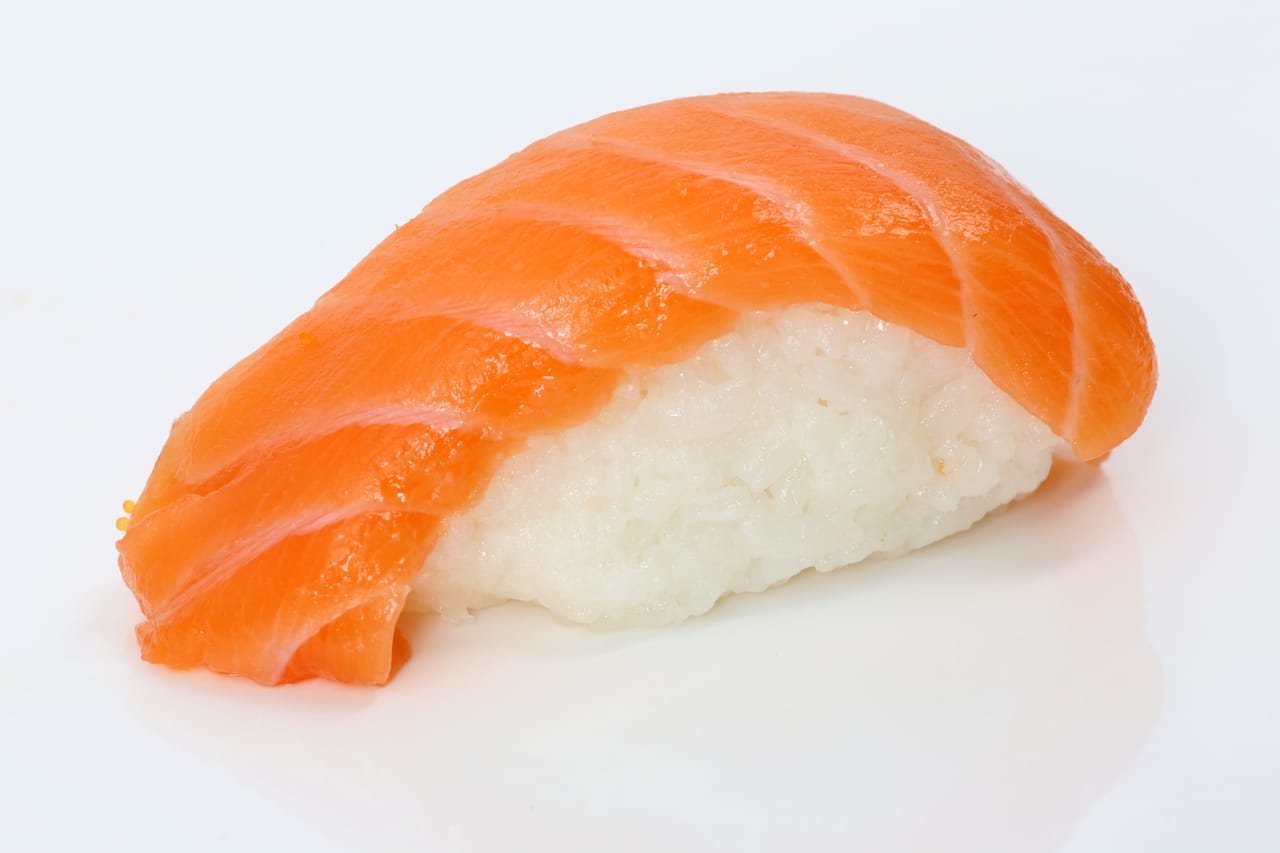
Sushi is the number-one target for most visitors, but the tiers vary wildly — understand them so you don't spend in the wrong place:
- Conveyor-belt sushi (kaiten-zushi): chains like Kura, Sushiro and Hama-Sushi, ¥120–360 a plate, tablet ordering and express-lane delivery — superb value, easy for families or solo. The best entry point for first-time sushi.
- Standing / market sushi: stand-up bars or counters inside markets (Tsukiji outer market, Kanazawa's Omicho, Fukuoka's Yanagibashi), high freshness at a mid price, ¥2,000–4,000 a meal, with far more "on-the-scene" energy than a chain.
- Omakase counters: the chef presses each piece in front of you by season, from ¥6,000 to ¥20,000+ at top shops. One a trip is deeply satisfying; you don't need it daily.
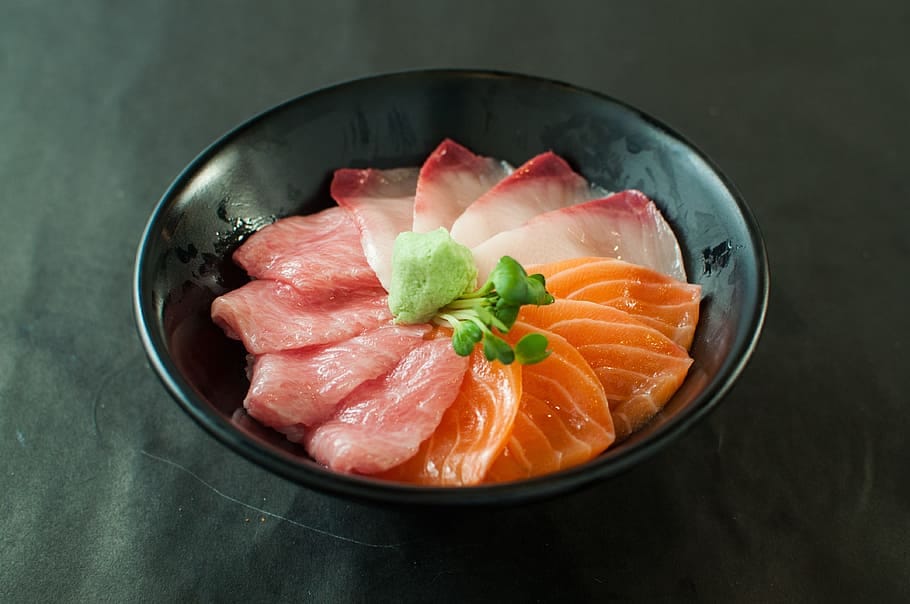
Beyond sushi, kaisendon (a rice bowl piled with sashimi) is the seafood to chase — staggering in port cities like Hokkaido, Kanazawa and Shizuoka. My take: for a first trip, "conveyor-belt sushi plus one market sushi or kaisendon" is plenty — save the high-end omakase for a later trip when you understand the nuances, and chase freshness and generous portions first.
Ramen
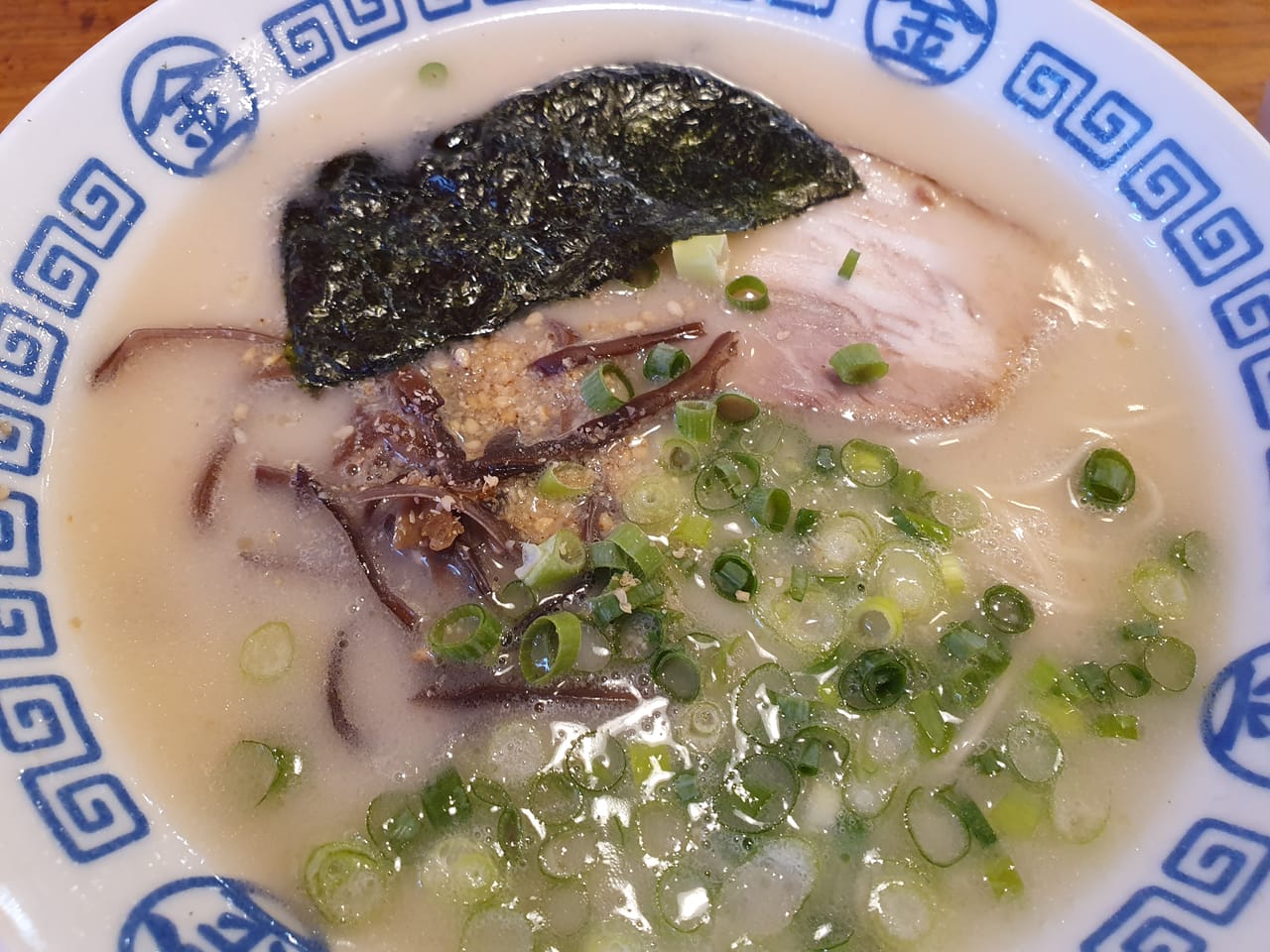
Ramen is Japan's most "regionally charactered" national dish — every city has its own style, so eat it where it's done best: Fukuoka/Hakata tonkotsu with very thin noodles (with kaedama refills), Sapporo miso ramen (rich, with corn and butter), Tokyo shoyu ramen (light and traditional), Kitakata's flat wavy noodles, and Yokohama iekei tonkotsu-shoyu for the heavy-broth camp. Chains like Ichiran and Ippudo are convenient and consistent, but local shops often have more soul. A bowl runs ¥800–1,200 — the lowest-stakes food experience there is.
This rabbit hole goes deep, from broth and noodles to fat and toppings. To pick styles by city and learn the ticket-machine and kaedama details, read alongside our complete Japan ramen guide; for Hakata ramen at Fukuoka's yatai stalls and local shops, see our Fukuoka travel guide.
Yakiniku and wagyu
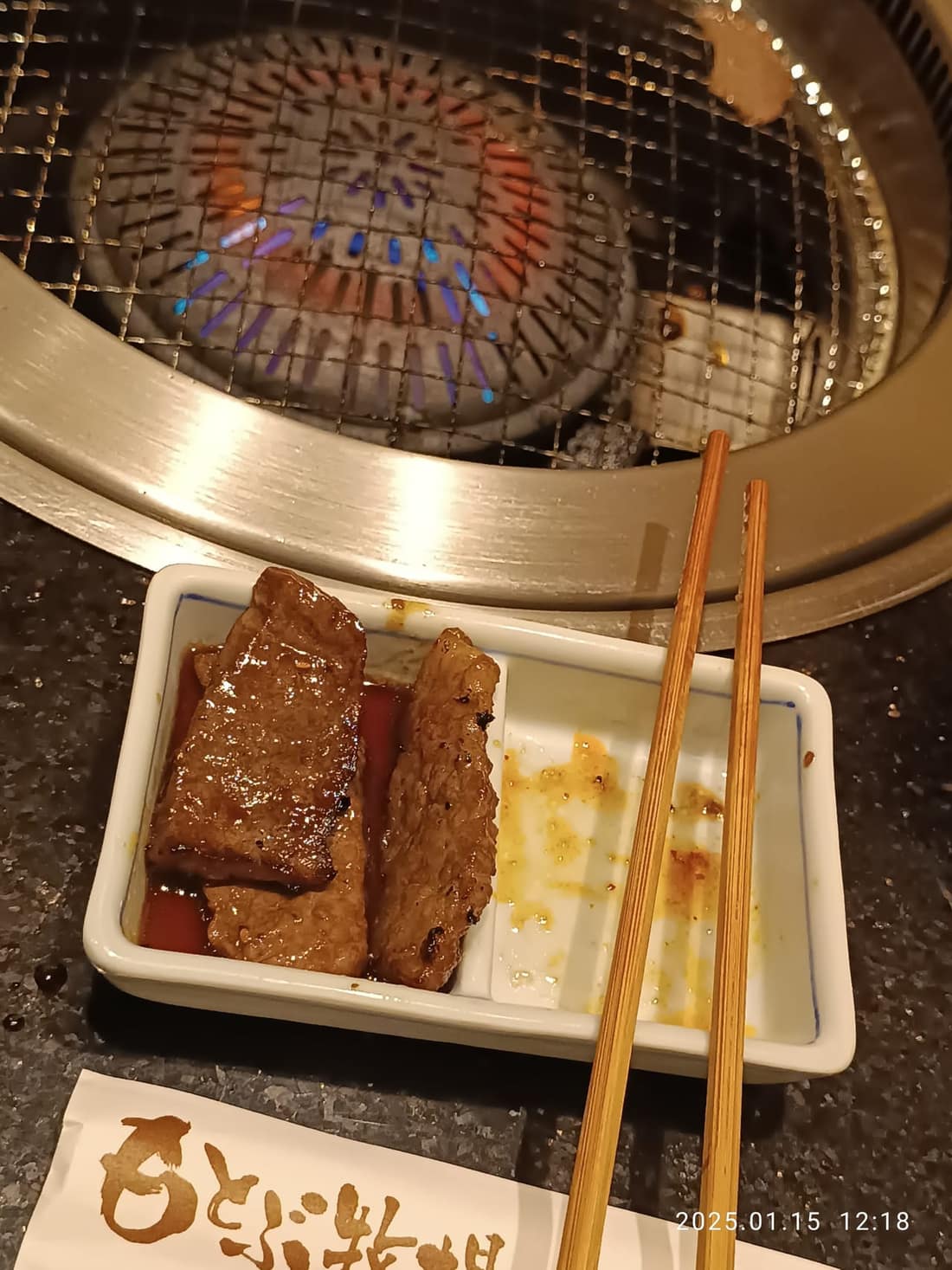
Wagyu is the "rite of passage" food for many visitors, eaten mainly three ways: yakiniku (grill it yourself), sukiyaki (simmered in sweet-soy, dipped in raw egg), and shabu-shabu (swished in clear broth), plus teppanyaki (a chef sears it in front of you). Grade tracks marbling, A5 being the top — but honestly, a whole meal of A5 gets cloying, and A4, or a mix that includes lean akami cuts, is often more enjoyable to eat through.
My take: this is the easiest category to get burned in. Tourist-zone "Kobe beef teppanyaki courses" are often over-marketed and overpriced. Equivalent wagyu is usually far cheaper, and more generous, at a local yakiniku shop in Osaka or Fukuoka. To experience high-end wagyu, skip the brand name and find a well-rated local yakiniku place, then order the day's recommended cuts — far better value. ¥3,000–6,000 for a yakiniku meal, ¥4,000+ at a sukiyaki specialist, are reasonable ranges.
Tempura and donburi
Tempura is all about a thin, crisp batter and oil temperature; at a high-end tempura counter the chef fries each piece to order and hands it to you straight from the oil — a world away from the cold prawn in a bento box. The budget version is tendon (tempura over rice, ¥800–1,500) or a set meal; a high-end counter tempura course runs ¥5,000+.
Donburi (rice bowls) are the value workhorse of Japanese lunch, with huge variety:
- Gyudon: the Yoshinoya / Matsuya / Sukiya trio, ¥400–700 a bowl — the cheapest warming option.
- Tendon: tempura over rice with a sweet-savory glaze.
- Oyakodon: chicken and soft egg over rice, gentle and homey.
- Butadon: Obihiro's Hokkaido specialty, charcoal-grilled pork with sauce.
- Kaisendon: the king in port cities, covered in the sushi section above.
Donburi is fast, cheap and easy to order — the savior when you're rushing or budget-tight. Gyudon chains almost all have ticket machines or table tablets, so you can eat without saying a word.
Takoyaki, okonomiyaki and B-class food
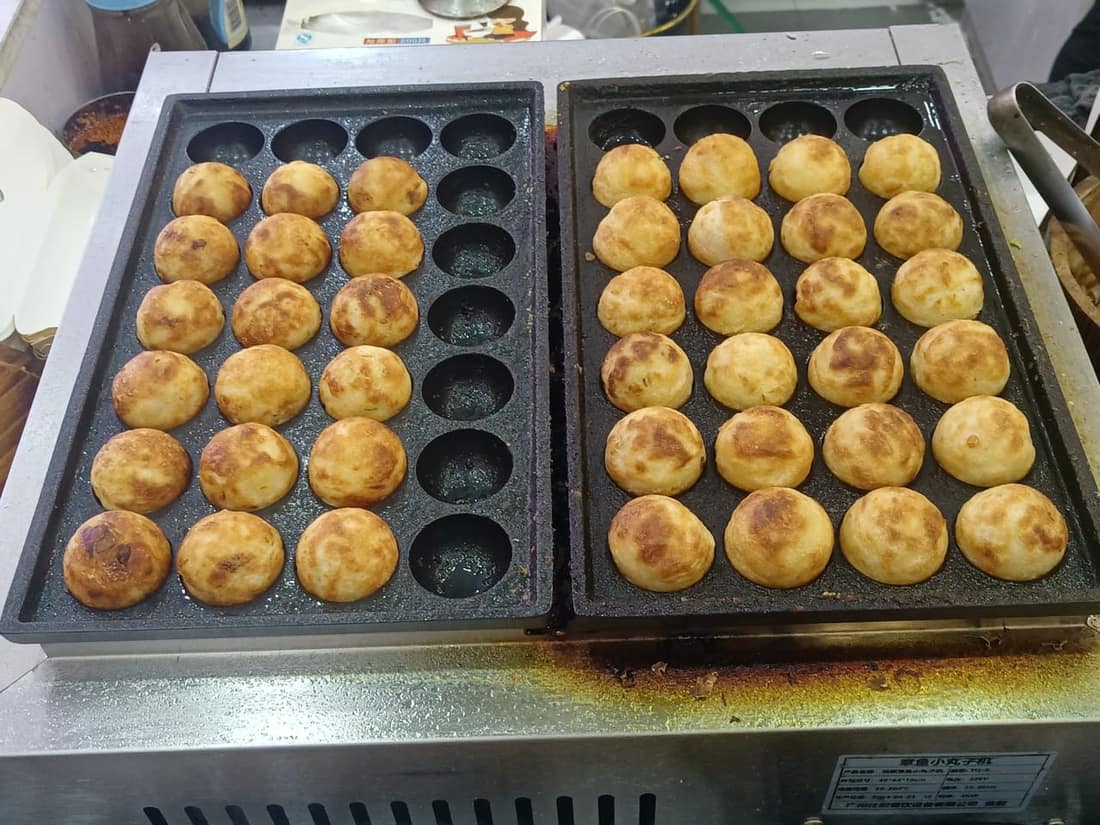
"B-class gourmet (B-kyu gurume)" means cheap, down-to-earth, generous everyday food — a part of Japan travel you should absolutely not skip, especially in Osaka. Osaka konamon (flour-based food) is the headliner:
- Takoyaki: crisp-outside, molten-inside batter balls with octopus, topped with sauce, bonito and aonori; 6–8 pieces for about ¥500–700. Dotonbori is lined with famous stalls.
- Okonomiyaki: a savory pancake — the Osaka style mixes batter and ingredients together, while the Hiroshima style layers them (including fried noodles) — two completely different schools.
- Kushikatsu: the specialty of Shinsekai, various ingredients breaded and deep-fried, dipped in a shared sauce — remember the rule: no double-dipping (sauce nidozuke kinshi), a strict hygiene custom.
For the full konamon playbook and where the shops cluster, read alongside our Osaka & Kyoto 5-day itinerary. Other cities have their own B-class pride too: Fujinomiya yakisoba, Utsunomiya gyoza, Hiroshima okonomiyaki — all things locals are quietly proud of.
Izakaya culture
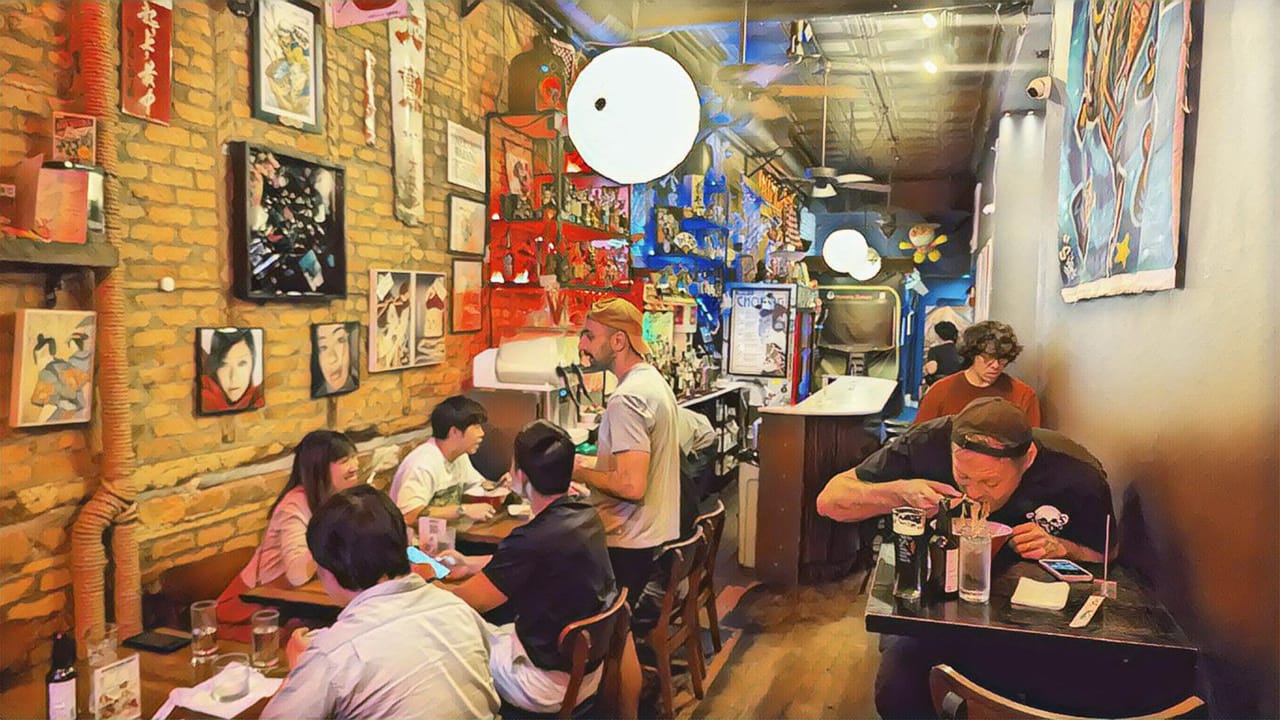
If sushi is the face of Japanese cuisine, the izakaya is its living room — where friends gather over drinks after work, the menu eclectic and the mood relaxed; the meal that lets you blend into daily life. Order yakitori (skewers), sashimi, karaage (fried chicken), tamagoyaki and edamame, with draft beer or sake. Chains (Torikizoku, Isomaru Suisan, Watami) are cheap, consistent and have picture menus; independent shops have more character but need some Japanese — point at a neighbor's dish or a menu photo if unsure.
A few things to know first: (1) most izakaya bring an otoshi (a small appetizer), a kind of seat charge, served automatically at ¥300–500 — that's normal, not a scam; (2) ordering a drink first is the seated etiquette, and staff will ask "o-nomimono wa?" first; (3) you usually pay at the register, and cash is still widely used. ¥2,500–4,000 per person (with a few drinks) is the common range. Fukuoka's yatai are essentially open-air izakaya with a wilder vibe — see our Fukuoka travel guide.
Sweets: matcha, wagashi, fruit
Japanese sweets split into two camps: wagashi (traditional) and yogashi / trend sweets (modern). On the traditional side, matcha is the soul of Kyoto — thick-tea soft serve, matcha parfaits, matcha warabi mochi — with the Uji area the matcha holy land; for the deep dive, see our Kyoto matcha journey. Wagashi like daifuku, dorayaki, monaka and nama-yatsuhashi pair best with tea and make elegant souvenirs.
On the modern side, Japan's fruit desserts are exceptional: strawberry daifuku, fruit sandwiches (furutsu sando) and seasonal fruit parfaits, made with premium-grade fruit, stunning to look at and to eat. Convenience-store and supermarket sweets (pudding, cream puffs, roll cakes) are surprisingly good too — low-cost, high-satisfaction snack fuel. My take: viral dessert queues are often overrated — a 40-minute pancake line rarely beats a konbini limited-edition sweet, so save the time for meals that matter more.
The regional specialty map
The most enchanting thing about Japanese food is how regional it is — the same dish changes character from city to city, never mind the specialties unique to each place. The personalities of a few key regions:
- Osaka (capital of konamon): takoyaki, okonomiyaki, kushikatsu, niku-sui — the ceiling of B-class food, the city of "kuidaore" (eat yourself bankrupt).
- Fukuoka (city of yatai): Hakata tonkotsu ramen, motsunabe, mizutaki, mentaiko and yatai culture — one of Japan's great food cities.
- Hokkaido (seafood and dairy): sea urchin, crab, kaisendon, soup curry, Genghis Khan grilled lamb, rich soft serve and cheese.
- Nagoya (miso family): miso katsu, miso-nikomi udon, hitsumabushi (eel three ways), Taiwan ramen — a distinctive red-miso style all its own.
- Kyoto (refined and matcha): kyo-ryori kaiseki, yudofu, pickles, matcha sweets — an elegant, delicate path.
- Tokyo (the great compendium): sushi, tempura, soba, ramen of every school, the world's highest Michelin density — every regional specialty turns up here.
When you plan, map "the must-eat specialty of this city" onto your itinerary, and you won't eat only ramen in Osaka and then regret skipping takoyaki until you reach Fukuoka. The table below gives you a one-glance reference.
Specialty × region × budget cheat-sheet
"Where to eat what, for what budget," condensed into one table to reference while planning:
| Category | Signature dishes | Best region | Per-person budget | Notes |
|---|---|---|---|---|
| Sushi / seafood | Nigiri, kaisendon | Tokyo, Hokkaido, Kanazawa, Fukuoka | ¥1,000–4,000 (belt → market) | Omakase ¥6,000+ extra |
| Ramen | Tonkotsu / miso / shoyu | Fukuoka, Sapporo, Tokyo | ¥800–1,200 | Ticket machine, kaedama refills |
| Yakiniku / wagyu | Grilled meat, sukiyaki | Osaka, Fukuoka, nationwide | ¥3,000–6,000 | A4 eats better than A5 |
| Tempura / donburi | Tendon, gyudon, oyakodon | Nationwide | ¥400–1,500 | Lunch value king |
| B-class food | Takoyaki, okonomiyaki, kushikatsu | Osaka, Hiroshima | ¥500–1,500 | No double-dipping kushikatsu |
| Izakaya | Skewers, sashimi, fried bites | Nationwide (Fukuoka yatai) | ¥2,500–4,000 | Includes otoshi seat dish |
| Sweets | Matcha, wagashi, fruit | Kyoto, Uji | ¥500–1,500 | Konbini sweets great value too |
| Nagoya food | Miso katsu, hitsumabushi | Nagoya | ¥1,200–3,500 | Distinctive red-miso style |
Ordering, ticket machines and not getting burned
The language barrier is why many travelers won't step into a local shop, but master three systems and you can go anywhere:
Conveyor-belt sushi: tablet ordering
Grab plates straight off the belt, or order specific items on the table tablet (usually with English/Chinese and photos), delivered on a dedicated express lane. Plate color maps to price; stack empties beside you rather than back on the belt, and they're counted at checkout. Tea, ginger and soy sauce are free and self-serve.
Ramen / set meals: ticket machines
The ticket machine (kenbaiki) at the door: insert cash or tap a card → press your dish → take the ticket → sit and hand it to staff. Newer machines have English/Chinese and photos; older ones are Japanese-only, with the signature dish usually top-left. Kaedama and extra egg are separate small buttons. If you can't read it, press by photo or hand the ticket over and point.
Izakaya: order a drink first
After you sit, staff ask for drinks first, and ordering one drink is the etiquette; the otoshi (small dish) arrives automatically with a charge — that's normal. Menus usually have photos, so just point.
Rules for picking a shop without getting burned
- Watch queues, don't worship the longest: small shops where locals line up at lunch are reliable; tourist-only viral shops aren't always.
- Head into the side alleys: avoid the main gate and station-ticket-gate shops; a street or two in is often better and cheaper.
- Specialists beat do-everything shops: a place doing one thing is usually stronger.
- Use Tabelog: 3.5+ is already good in Japan.
Checking reviews, maps and translating menus all need data on the spot. Setting up mobile data before you go is easiest — a KKday Japan eSIM works on arrival, installed by QR code with no physical SIM swap. If your trip is a Kansai food crawl (eating your way from Umeda to Namba to Shinsekai), the Osaka Amazing Pass bundles transit and some attractions so you can keep more budget for food.
My verdict: over- and underrated
A seasoned traveler writing about food makes choices, so here it is plainly:
Overrated:
- Kobe-beef tourist teppanyaki courses — heavy brand premium; equivalent wagyu is better value at an Osaka or Fukuoka yakiniku shop.
- Pricey sushi counters inside airports and stations — expensive locations, not always fresh; head into town for market sushi instead.
- Viral dessert queues — a 40-minute pancake line rarely beats a konbini limited edition, and wastes itinerary time.
Underrated:
- The grilled-fish set meal at a teishoku diner — cheap, balanced, delicious, and the everyday dish tourists most overlook.
- Regional udon and soba — the local versions are seriously good (Sanuki udon, Shinshu soba) and very affordable.
- Konbini and supermarket prepared food — rice balls, fried chicken, bento and sweets at almost unreasonable value.
- The lunchtime "higawari" daily set — a hidden cheap set at famous shops, often the best value of the day.
The conclusion is simple: concentrate the budget on peaks like "one wagyu meal, one sushi meal," and fill the rest with set meals, noodles, B-class food and konbini — that usually balances satisfaction and your wallet best. Don't aim for a famous shop every meal; that just leaves you tired, broke and unable to finish. For pre-trip prep like entry and tax-free, see our Japan prep checklist; for tax-free rules on buying food souvenirs, see our Japan tax-free guide.
Frequently Asked Questions
- Q1:On a first trip, what should I prioritize eating?
- If you can only lock in five things, a high-satisfaction lineup based on local consensus and traveler discussion would be: (1) a proper sushi meal (conveyor-belt or a market sushi counter both work — the point is fresh, hand-pressed); (2) a bowl of regional ramen (pick the style by city: Fukuoka tonkotsu, Sapporo miso, Tokyo shoyu); (3) one wagyu yakiniku or sukiyaki (the marbling of A4/A5 beef is worth experiencing once); (4) Osaka konamon (takoyaki plus okonomiyaki, the face of B-class food); (5) one izakaya evening (skewers and sashimi over beer — the most everyday slice of Japan). Add tempura, donburi and sweets if you have room. For picking ramen styles in depth, see our Japan ramen guide.
- Q2:How does conveyor-belt sushi work, and how is the bill calculated?
- Modern chains (Kura, Sushiro, Hama-Sushi) run almost entirely on tablet ordering: you can grab plates straight off the belt, or order specific items on the table tablet and they arrive on a dedicated express lane. Plate color = price, mostly ¥120–360 per plate; stack your empty plates beside you rather than putting them back on the belt, and the staff count them (or the system tallies automatically) at checkout. Tea is free (matcha powder and a hot-water tap at the table), with ginger and soy sauce self-serve. One person eats well for about ¥1,000–1,800.
- Q3:How do ramen-shop ticket machines work if I can't read Japanese?
- Many ramen and set-meal shops have a ticket machine (kenbaiki) at the entrance: insert cash or tap a card, press the button for your dish, take the printed ticket, sit down and hand it to staff. Newer machines have English/Chinese toggles and photos; older ones are Japanese-only, but the top-left buttons are usually the signature dishes. Noodle refills (kaedama), extra egg and extra chashu are usually separate small buttons. If unsure, press by photo or hand the ticket to staff and point. The whole system is designed so you barely have to speak.
- Q4:What budget should I plan per meal in Japan?
- Based on common local pricing: breakfast is a konbini rice ball plus coffee at ¥300–600; lunch is the value sweet spot — set meals, gyudon and ramen mostly ¥800–1,300, and many famous shops have cheap lunch sets; dinner runs ¥2,500–4,000 per person at an izakaya (with a few drinks), ¥3,000–6,000 for yakiniku or sukiyaki, and ¥6,000+ for wagyu or a proper sushi course. To save, lean on lunch sets, konbini and B-class eats; to splurge, put the money into one or two wagyu or sushi meals. Eating well from convenience stores is in our Japan konbini food guide.
- Q5:How do I pick a good restaurant without speaking Japanese?
- A few practical rules: (1) watch the queues but don't worship the longest one — small shops where local office workers line up at lunch are reliable; tourist-only viral shops less so; (2) avoid places right at a sight's main gate or by station ticket gates — walking a street or two into the side alleys is often better and cheaper; (3) specialty shops beat do-everything places — a shop doing only ramen or only tempura is usually stronger; (4) use Tabelog scores — 3.5+ is already good in Japan; (5) sort out mobile data before you go so you can check reviews and maps on the spot.
- Q6:What Japanese foods are overrated, and what's underrated?
- Honestly: the overrated tend to be the "Kobe beef teppanyaki tourist course" (equivalent wagyu is better value at an Osaka yakiniku shop), pricey airport and station sushi counters, and over-marketed viral dessert queues. The underrated are the opposite: the grilled-fish set meal at a teishoku diner (cheap and balanced), regional udon and soba (the local versions are seriously good), konbini and supermarket prepared foods, and the lunchtime "higawari" daily set. Spend on one wagyu and one sushi meal, fill the rest with set meals and B-class food, and overall satisfaction is usually highest.