Japan has three stretches each year when the whole country goes on holiday at once. Pick the wrong dates and the same hotel can cost 1.5 to 2 times more — if you can even book it: reserved bullet-train seats vanish in seconds, expressways grind to a halt, and the restaurant you wanted is closed. Those three windows are Golden Week (around Apr 29–May 5), Obon (around Aug 13–16), and New Year (around Dec 29–Jan 3). But they aren't pure disaster either — the Gozan no Okuribi send-off fires, Bon Odori, and New Year's hatsumode are some of Japan's most atmospheric experiences, and they only happen on these dates. This guide helps you decide, the way a seasoned traveler would: which holiday to avoid most, how to plan smartly if you have no choice, and which experiences are holiday-only.
- Avoid Golden Week most: a nationwide holiday plus the year's best weather — flights and hotels spike hardest, sights overflow.
- Obon and New Year are homecoming holidays: the countryside and expressways jam worst, while Tokyo and Osaka empty out and become easier.
- Exact dates shift yearly: these are typical ranges — always check the actual Japanese calendar for your year.
- A JR Pass doesn't guarantee a seat: its value is skipping the ticket counter; reserve on the day booking opens.
- Holiday-only experiences: Kyoto's Gozan no Okuribi, regional Bon Odori, and New Year hatsumode happen only now.
📖 Table of contents
- 1. When the three holidays fall (and why dates shift)
- 2. The five ways holidays hit travelers
- 3. Three holidays compared at a glance
- 4. Avoid or go: a breakdown
- 5. Where to dodge the crowds (rural vs city reversed)
- 6. If you must travel now: minimize the damage
- 7. Experiences you only get during holidays
- 8. FAQ
When the three holidays fall (and why dates shift)
First, the names and timing. Japan has no Lunar New Year holiday (it switched to the solar calendar after the Meiji Restoration). Instead there are these three windows:
- Golden Week: typically around April 29 to May 5. It's formed by several public holidays bunched together — Showa Day (Apr 29), Constitution Memorial Day (May 3), Greenery Day (May 4) and Children's Day (May 5). Whether May 1–2 are days off depends on how that year connects, so Golden Week's length varies every year: a lucky weekend alignment can produce 9–10 consecutive days; an unlucky one splits it into two blocks.
- Obon: most regions run roughly August 13 to 16, centered on the 13th–15th when families welcome and send off ancestors' spirits. Two things to note: Obon is technically not a national holiday but a widely-given company break (obon-yasumi), so length varies by employer; and its dates run on three parallel systems, the Okinawan one drifting with the lunar calendar, so a week’s difference can rewrite your plans. Dates, the official transport restrictions and what happens each day are in Obon in Japan 2027: dates and how they are worked out.
- New Year (Nenmatsu-Nenshi): around December 29 to January 3, the most fixed of the three. Only New Year's Day (Jan 1) is a statutory holiday, but government offices and most companies close from Dec 29 to Jan 3, reopening on Jan 4. This is Japan's single most important homecoming-and-celebration period.
The five ways holidays hit travelers
Why do experienced travelers wince at these three windows? The impact breaks into five areas:
- Flight prices surge (and sell out early). For routes into Japan, Golden Week, Obon and New Year are the three most expensive windows of the year — return fares often run 1.5–2× the off-peak rate, and budget-carrier cheap fares clear out months ahead. For a rough feel: a return that's normally in the lower hundreds of dollars can climb well into several hundred at peak.
- Hotels get pricey and hard to book. Popular hotels in Tokyo, Kyoto and Osaka often sell out months before Golden Week / Obon, leaving only premium rooms or far-flung locations. Rates typically rise 30–80%, and Kyoto in peak season is worse still.
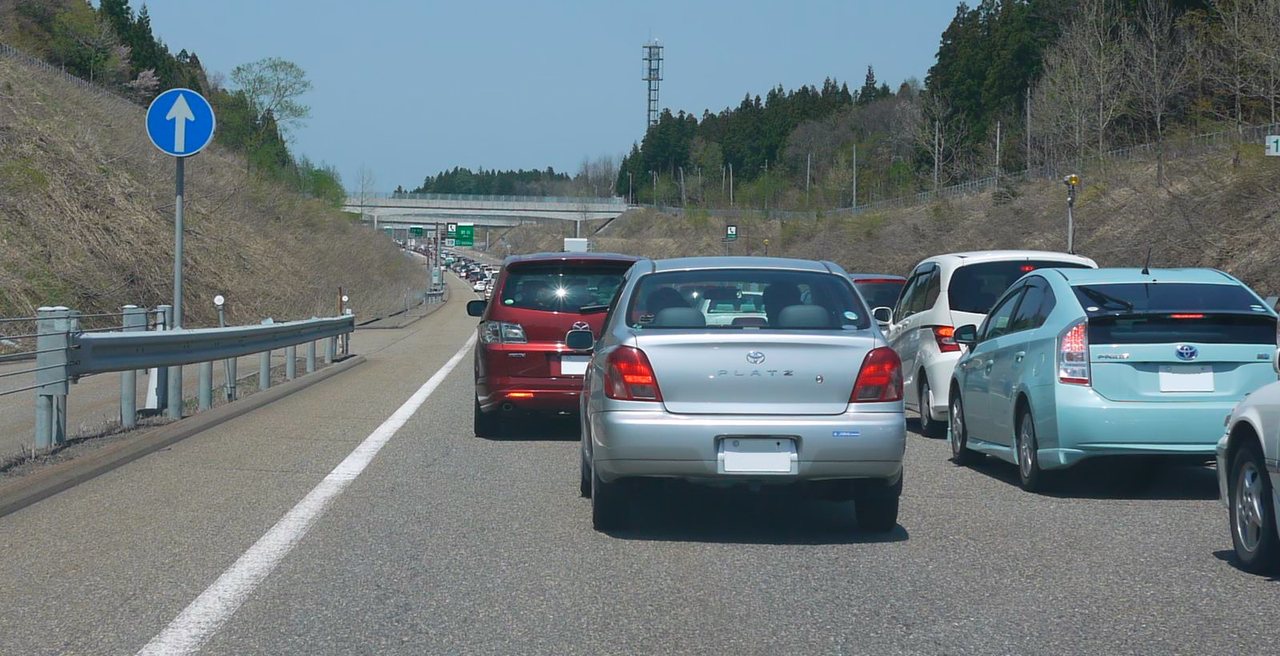
- Bullet trains and expressways jam. The first two days bring the outbound surge, the last two the return surge — reserved seats sell out in seconds and non-reserved means standing. Driving, the Tomei, Chuo and Kan-etsu arterials see tens of kilometers of jutai (traffic jam); a 3-hour drive can stretch to 6.
- Attractions overflow. Kyoto's Kiyomizu-dera and Fushimi Inari, the Fuji Five Lakes, Kamakura, Tokyo Disney and Osaka USJ all hit their annual crowd ceiling during Golden Week — expect queues, entry limits, and waiting just to take a photo.
- Shops close (worst at New Year). Independently-run restaurants, small shops and even some attractions stay shut through Jan 3 or 4 over New Year. Discount stores and outlet malls mostly open on Jan 1, but traditional department stores have shifted their first sale to Jan 2 or even Jan 3 (Takashimaya and Hankyu-Hanshin now open on the 3rd) — don't assume the depato is trading on New Year's Day. Which categories open and which don't is broken down in what's open in Japan over New Year.
Three holidays compared at a glance
Side by side, the differences become obvious fast:
| Holiday | Typical dates | Nature | Crowds | Flight/hotel surge | Verdict |
|---|---|---|---|---|---|
| Golden Week | ~Apr 29–May 5 (up to 9–10 days depending on the year) | Nationwide leisure + best late-spring weather | ★★★★★ year's highest | Worst: flights 1.5–2×, hotels +30–80% | Avoid most. If unavoidable, pick offbeat areas & book 6 months out |
| Obon | Most regions Aug 13–16 (July Bon Jul 13–16 runs in parallel; Okinawa on the lunar calendar) | Homecoming + peak summer | ★★★★☆ countryside / expressways worst | Flights & hotels clearly up, on par with Golden Week | Cities empty out: a surprisingly good time to roam Tokyo & Osaka |
| New Year | ~Dec 29–Jan 3 (most fixed of the three) | Homecoming + celebration + deep winter | ★★★☆☆ crowds focus on shrines / countdown | Flights pricey, hotels up, but daytime strolling is relatively easy | Shop closures hurt most — check opening hours first |
Dates are typical ranges that shift yearly with public-holiday alignment, regional custom and the lunar calendar — check the Japanese calendar for your year. Surge figures are rough estimates that vary a lot by route, city and how early you book.
Avoid or go: a breakdown
There's no lazy "just never go" answer — the trade-off logic differs for each, so let's take them one at a time:
Golden Week: avoid if you can — this is the one to dodge
The reason is simple: it stacks "the whole country off at once" on top of "the best weather of the year." Japanese travelers are out, and overseas visitors chase late blossoms (in the north) and fresh greenery at the same time — demand squeezes from both sides, so prices and crowds peak. If your dates are flexible, push your trip to mid-to-late May: the moment Golden Week ends, the weather is just as pleasant and the late-spring greenery is gorgeous, but flight and hotel prices drop and the crowds thin out — the value gap is enormous. The north (Tohoku, Hokkaido) still has late cherry blossoms then, dovetailing beautifully; see our Japan cherry blossom front guide for the timing.
Obon: the price hike is unavoidable, but cities are a hidden sweet spot
Obon is a homecoming holiday — huge numbers of Japanese leave the cities for rural hometowns to honor ancestors. That produces a counterintuitive effect: Tokyo and Osaka actually empty out during Obon — commuter crowds disperse, normally-impossible restaurants become bookable, and queues at popular spots shorten. So if your goal is big-city life (shopping, food, urban sights), Obon is a hidden good time. What truly jams is "the direction toward the countryside": homebound bullet trains, regional stations, and expressways — and note that NEXCO switches off the weekend toll discount during Obon and withdraws its touring passes from sale, making this the worst window of the year to drive. Obon is also peak season for summer fireworks — see our Japan summer fireworks & festivals roundup — while the Bon rites themselves, their dates, official times and ticket prices are covered in our complete Obon guide.
New Year: go ahead, but shop closures are the main enemy
New Year's tourist crowds aren't as fearsome as Golden Week's — they concentrate heavily at countdown spots and hatsumode shrines, so ordinary streets are actually easy to enjoy (department stores vary, though: outlets and discount chains open Jan 1, the Mitsukoshi Isetan camp Jan 2, the Takashimaya camp Jan 3). What can break your plans is closures: many independent restaurants, small shops, neighborhood eateries and even some attractions stay shut through Jan 3 or 4. The fix is simple but non-negotiable — check the New Year opening hours of every shop and spot on your list via Google Maps or its website, and don't assume it's open. Broader prep (currency, connectivity, comms) is in our Japan pre-trip checklist.
Where to dodge the crowds (rural vs city reversed)
The core principle of holiday survival: go the opposite way to where the Japanese are going. But the direction of "opposite" flips between Golden Week and Obon/New Year:
- Golden Week (leisure holiday): crowds pour into "classic sightseeing" — Kyoto, Kamakura, the Fuji Five Lakes, Karuizawa, theme parks. So head to less-trodden regional cities and the interior: San'in (Tottori, Shimane), inland Shikoku, deep Tohoku, eastern Hokkaido. The scenery's just as good, the crowds a fraction.
- Obon / New Year (homecoming holidays): crowds flow toward "rural hometowns," so regional stations, expressways and country attractions jam worst, while big cities like Tokyo and Osaka empty out. Invert it — stay in the metros for shopping, food and urban sights; it feels the most comfortable.
Another universal rule: anything during a holiday that needs a reservation, a queue, or a booking — do it early. Deciding on the spot almost always costs you. Choose lodging near major stations (flexible transit, easy to rebook), not a quiet minor stop you're betting on.
If you must travel now: minimize the damage
Many people can only get time off during a holiday, or specifically want to catch a holiday-only festival. In that case, nail these five things and you can keep the damage low:
- Book flights and hotels as early as possible. Popular Golden Week / Obon hotels often sell out 6 months ahead; booking 4–6 months out gets the best price and choice. Last-minute leaves only premium or remote rooms.
- Grab reserved bullet-train seats the day booking opens. JR usually opens seat reservations at 10:00 exactly one month before your travel date, and holiday trains sell out in seconds. Don't gamble on non-reserved cars — at peak you'll stand for hours.
- Avoid the peak travel days. The first and last days of a holiday are worst. The smart pattern: arrive the day before the holiday starts (depart a day early to dodge the outbound surge) and don't take a long train on the final day (stay put, sightsee slowly, and move the next day).
- Check shop closures (especially New Year). Run your shortlist through Google Maps / official sites for New Year hours, and have backup restaurants ready. Convenience stores, chains and department stores are reliable fallbacks.
- Have connectivity ready. Holidays mean checking crowds, rebooking seats, watching traffic, and booking via LINE — stable data is essential. Set up an eSIM before you fly so it's live on arrival, rather than hunting for a pocket Wi-Fi.
Experiences you only get during holidays
After all the downsides, the balanced truth: each of these three holidays offers something you genuinely cannot see on a regular day. If your trip is about experiencing Japanese festival culture, a holiday is actually the right time to come:
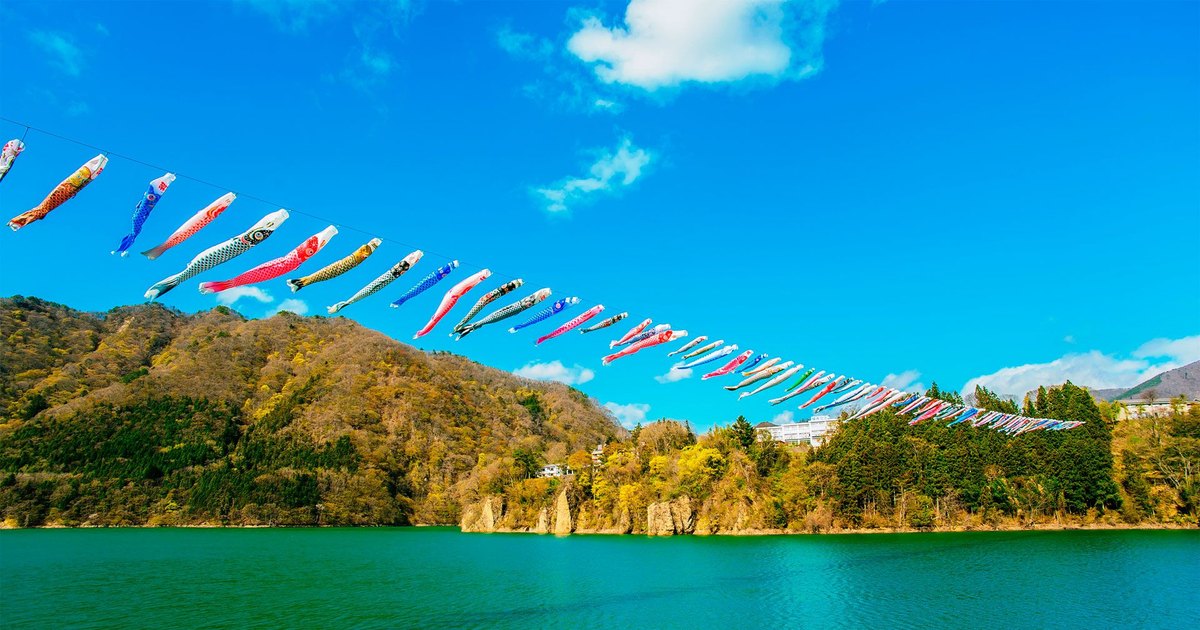
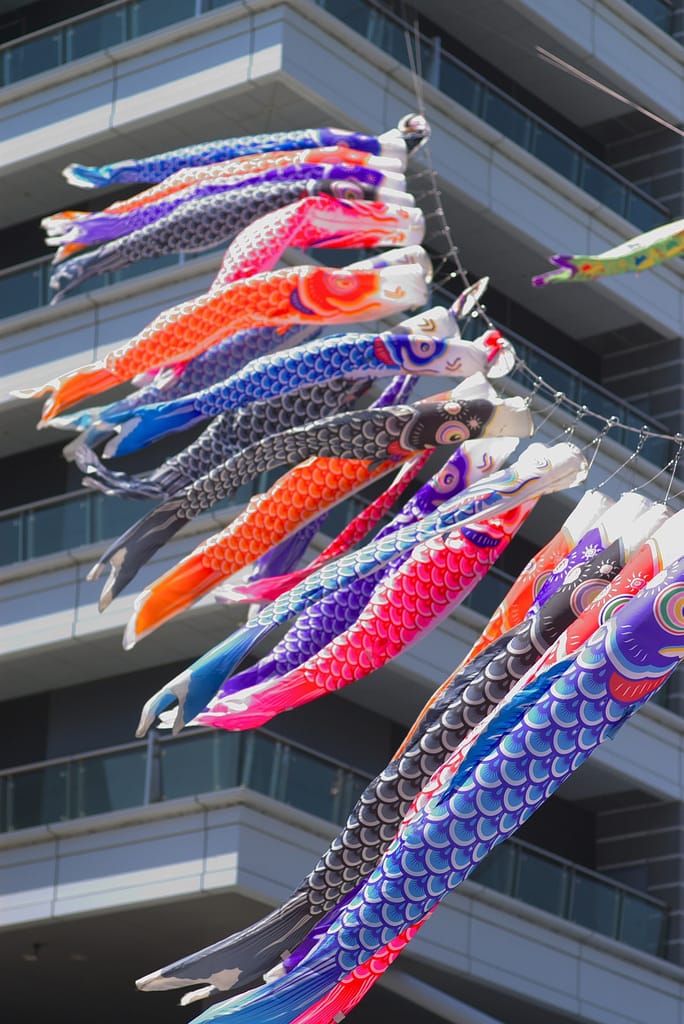
- Golden Week: koinobori and Children's Day. May 5 is Children's Day, when carp streamers (koinobori) go up in clusters — over rivers, in castle towns, at sightseeing spots — one of early-summer Japan's most iconic images.
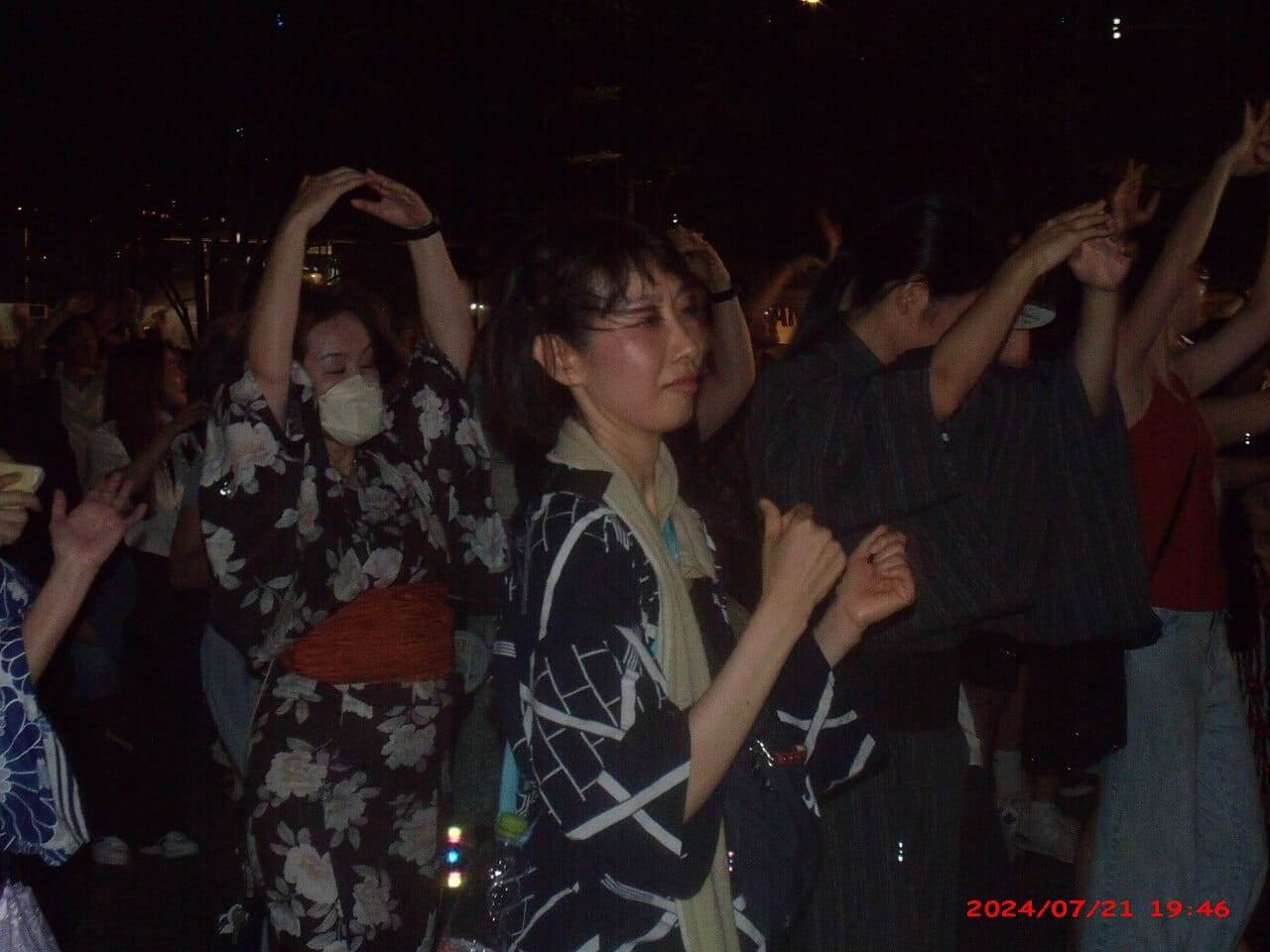
- Obon: Bon Odori and the Daimonji bonfires. Obon is an ancestor-honoring period, with Bon Odori dances and welcoming/sending fires nationwide. The most famous is Kyoto's Gozan no Okuribi, held every 16 August — giant characters on five mountainsides lit in sequence to send the ancestral spirits back. It is a Buddhist rite rather than a festival display. Tokushima's Awa Odori and the big fireworks meets also cluster here — for where to stand, the lighting times and what costs money, see how to watch the okuribi fires and Bon Odori, and for fireworks alone our summer fireworks & festivals guide.
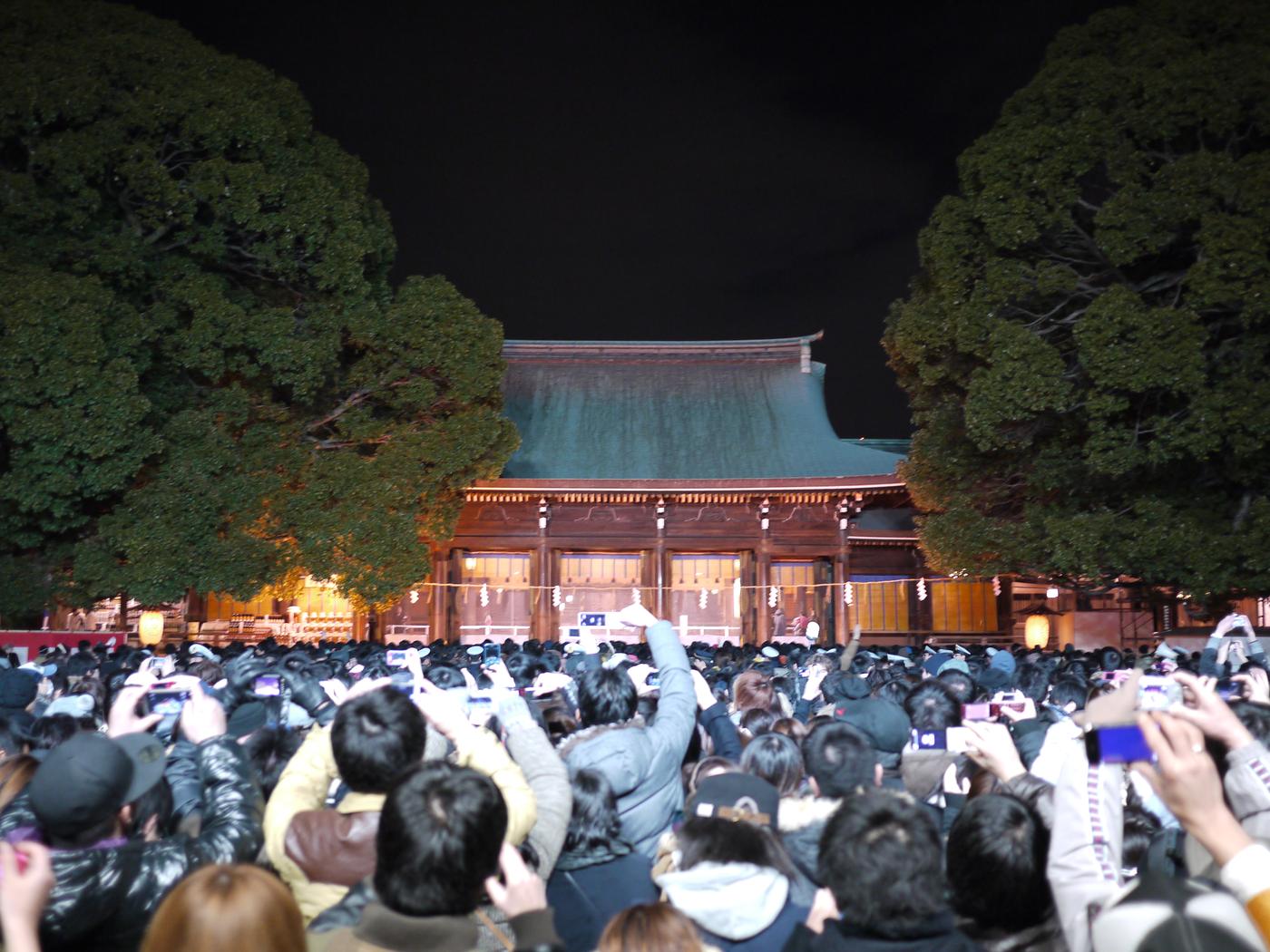
- New Year: countdown and hatsumode. On New Year's Eve, temples ring the joya-no-kane (108 strikes) and shrines hold their first rites of the year from midnight — though street countdowns are far rarer than visitors expect, with Shibuya's cancelled for several years running. New Year's Day is hatsumode (the first shrine visit) — Meiji Jingu, Senso-ji and Fushimi Inari are mobbed, with food stalls, charms, fortunes and lucky bags all out. It's the most direct way to experience a Japanese "New Year." If you are set on being in Tokyo for it, the ticketing traps and transport reality are in the Tokyo New Year guide.
One more thing: budget for holiday prices
Because flights and hotels are at peak rates, a holiday trip's total budget will run noticeably higher than the same number of days off-peak — estimate at peak prices, not off-peak figures. Our breakdown of where the money goes on a Japan trip (flights, lodging, transit, food, tickets) is in our Japan trip cost & budget guide; for a holiday, just revise the lodging and flight lines upward. For weather and packing (Golden Week's late spring, Obon's peak summer, New Year's deep winter), see our Japan weather by month table.
Frequently Asked Questions
- Q1:What exactly are Japan's three big holidays, and are the dates the same every year?
- They are Golden Week (typically around Apr 29–May 5), Obon (most regions roughly Aug 13–16), and New Year / Nenmatsu-Nenshi (around Dec 29–Jan 3). Only New Year is fixed almost every year. Golden Week's length depends on how the public holidays fall across the week — a midweek workday can split it in two, while a clean run can give 9–10 days off. Obon is technically not a national holiday at all but a customary company break (obon-yasumi) — August's only national holiday is Mountain Day on the 11th. Its dates also run on three parallel systems, one of which drifts with the lunar calendar — the August system is the one that affects visitors. For how the dates are calculated and what happens on each day, see Obon in Japan 2027: dates and how they are worked out.
- Q2:Of the three, which one should I avoid most?
- If you can only dodge one, avoid Golden Week. It stacks a nationwide holiday on top of Japan's best weather (late spring), so domestic and international travelers move at once — flights and hotels spike hardest, and marquee spots (Kyoto, Fuji, Disney/USJ) hit peak density. Obon also raises prices sharply, but summer heat and outbound overseas travel spread domestic pressure a little. New Year's biggest pain is shop closures rather than raw crowds — the tourist crush concentrates at shrines (hatsumode) and countdown spots, so daytime city strolling is actually easier.
- Q3:Is a JR Pass actually more worth buying during the holidays?
- It depends how you use it. During holidays, bullet-train reserved seats sell out and non-reserved cars mean standing — a JR Pass does not guarantee you a seat, it just lets you reserve one for free, and you still have to grab that reservation. So the Pass's value is in saving the cost and queue of buying expensive tickets at the counter, not in guaranteeing a ride. If your holiday plan involves long-distance hops (e.g. Tokyo↔Kansai↔Hiroshima), the ¥50,000 7-day national pass can pay off — but reserve seats the moment booking opens (JR typically opens reservations 1 month before your travel date at 10:00). For a single metro region it's usually wasted; a regional pass or IC card is more practical. Full math is in our JR Pass worth-it guide.
- Q4:Where should I go to dodge the crowds during a holiday?
- The rule is go the opposite way to where the Japanese are going. Obon and New Year are homecoming holidays — huge numbers of Japanese leave the cities and head back to rural hometowns, so countryside stations and expressways jam worst while Tokyo and Osaka actually empty out, making big-city dining and strolling easier than usual. Golden Week is the reverse — it's an outbound leisure holiday, so cities and classic sightseeing spots (Kyoto, Kamakura, the Fuji Five Lakes, theme parks) all overflow. During Golden Week, head instead to less-trodden areas: the Tohoku interior, San'in coast, inland Shikoku, or eastern Hokkaido.
- Q5:If I have to travel on these exact dates, how do I minimize the damage?
- Five moves: (1) book flights and hotels as early as possible — popular Golden Week / Obon hotels sell out months ahead; last-minute leaves only pricey rooms. (2) Book bullet-train reserved seats early — beyond the familiar “10:00, one month before travel” opening, Express Reservation and Smart EX let you book up to a year ahead — but that secures the travel date, not the fare and not the seat: EX Hayatoku discounts are explicitly excluded from year-ahead booking, and the actual seat is only confirmed at 14:00 one month before travel (see which booking system you are even allowed to use). For Obon specifically: per the joint JR Central / JR West notice of 21 May 2026, all Nozomi services between Tokyo and Hakata run fully reserved from 7 to 16 August 2026, and non-reserved ticket holders may only stand in the vestibule — so gambling on a non-reserved car is not an option in that window (Hikari, Kodama, Mizuho, Sakura and Tsubame still have non-reserved cars). ⚠️ That is the 2026 edition; the 2027 Obon period has not been announced. (3) Avoid the peak travel days — the first and last days of a holiday are worst; arrive the day before the holiday starts and don't take a long train on the final day. (4) Check shop closures, especially at New Year, when many restaurants and small shops stay shut through Jan 3–4. (5) Set up an eSIM before you fly so you can check real-time crowds and rebook on the spot.
- Q6:Are there experiences you can only have during these holidays?
- Plenty. Golden Week brings koinobori (carp streamers) and Children's Day (May 5) events; Obon is Japan's most important ancestor-honoring period, with Bon Odori dances nationwide and Kyoto's Gozan no Okuribi, lit in sequence from 20:00 every 16 August, which sets giant burning characters across five mountainsides for one night only (the English nickname “Daimonji bonfires” is informal — it is a Buddhist send-off rite, not a fireworks event); and New Year brings the joya-no-kane temple bells, countdown, and hatsumode (first shrine visit) — shrines are packed but the atmosphere is unique. So these holidays aren't pure disaster: if your trip is about experiencing Japanese festival culture, this is actually the right time to come.