No Japanese law caps what a hospital may charge a foreign tourist. What actually changed in 2026 sits at the other end of the transaction: the threshold at which an unpaid medical bill gets reported to immigration fell from 200,000 yen to 10,000 yen on April 1 — a twentyfold drop — while the health ministry's own survey puts the median unpaid bill at 11,150 yen, sitting barely above the new line. This article uses the ministry's notifications, its administrative circular and its national survey to answer three things: how a hospital calculates your bill, what happens to you at the reception desk, and what the government has actually written about leaving without paying.
What this article deliberately does not do: recommend a policy or compare insurers. For how much cover to buy and where, see the travel insurance guide — whose comparison table states plainly that it is editorial, with no partnership or commission behind it. The same applies here. Reimbursement from a national health system back home is a question for that country's rules and is out of scope. And everything downstream of being entered into the immigration database — how many people are actually refused entry, whether an appeal exists, whether you can query your own record, how long it is kept — could not be checked at all this round, because the Immigration Services Agency's site returned 403s and 404s throughout. So none of it appears below. No guessing.
- There is no "foreigner price list". More than 90% of hospitals take Japan's national fee schedule and multiply it, swapping "1 point = 10 yen" for "1 point = X yen". Ask this at the counter: 「1点いくらですか?」 (How much per point?)
- The "triple cap" almost certainly does not apply to you. It binds six categories of tax-privileged corporations only; the notification itself says other hospitals may bill their necessary costs regardless — meaning no cap at all.
- 85.4% of hospitals charge foreigners the local rate — but the hospitals friendliest to foreign patients are the expensive ones (September 2023 survey).
- From April 1, 2026 the unpaid-bill reporting threshold is 10,000 yen, down from 200,000. The official Q&A states that reported patients are, in principle, refused entry to Japan.
- Yet the system logged 106 cases in four years, and registration by hospitals is voluntary. The risk is real; the frequency so far is not. Hold both facts at once.
- The "¥7,000 without a referral" rule was written for insured patients. Self-pay patients sit in the ministry's may-waive box; what actually inflates your bill is the ¥30–50 per point university hospitals charge the uninsured.
📖 Contents
- How does a Japanese hospital calculate your bill?
- Does the "triple cap" apply to you?
- What do hospitals actually charge?
- Does walking into a big hospital without a referral cost extra?
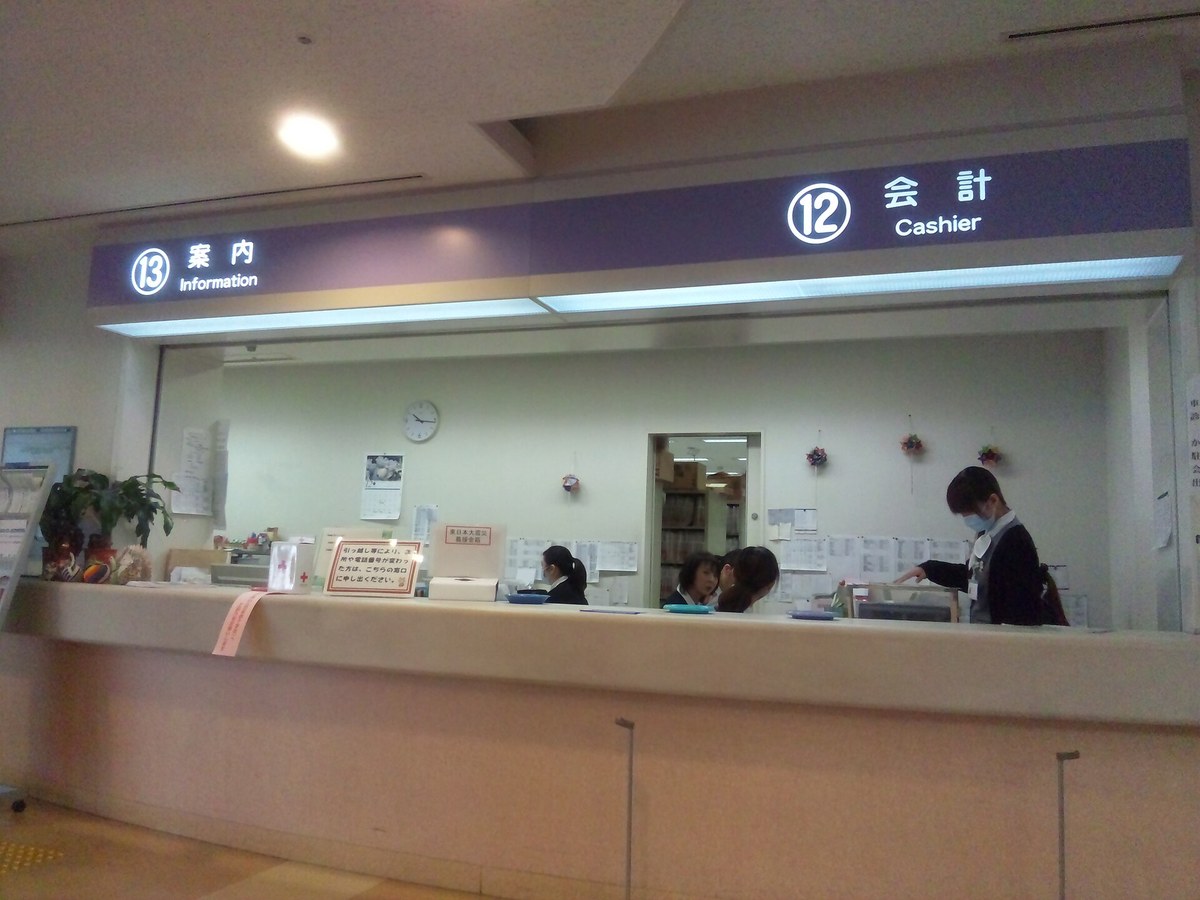
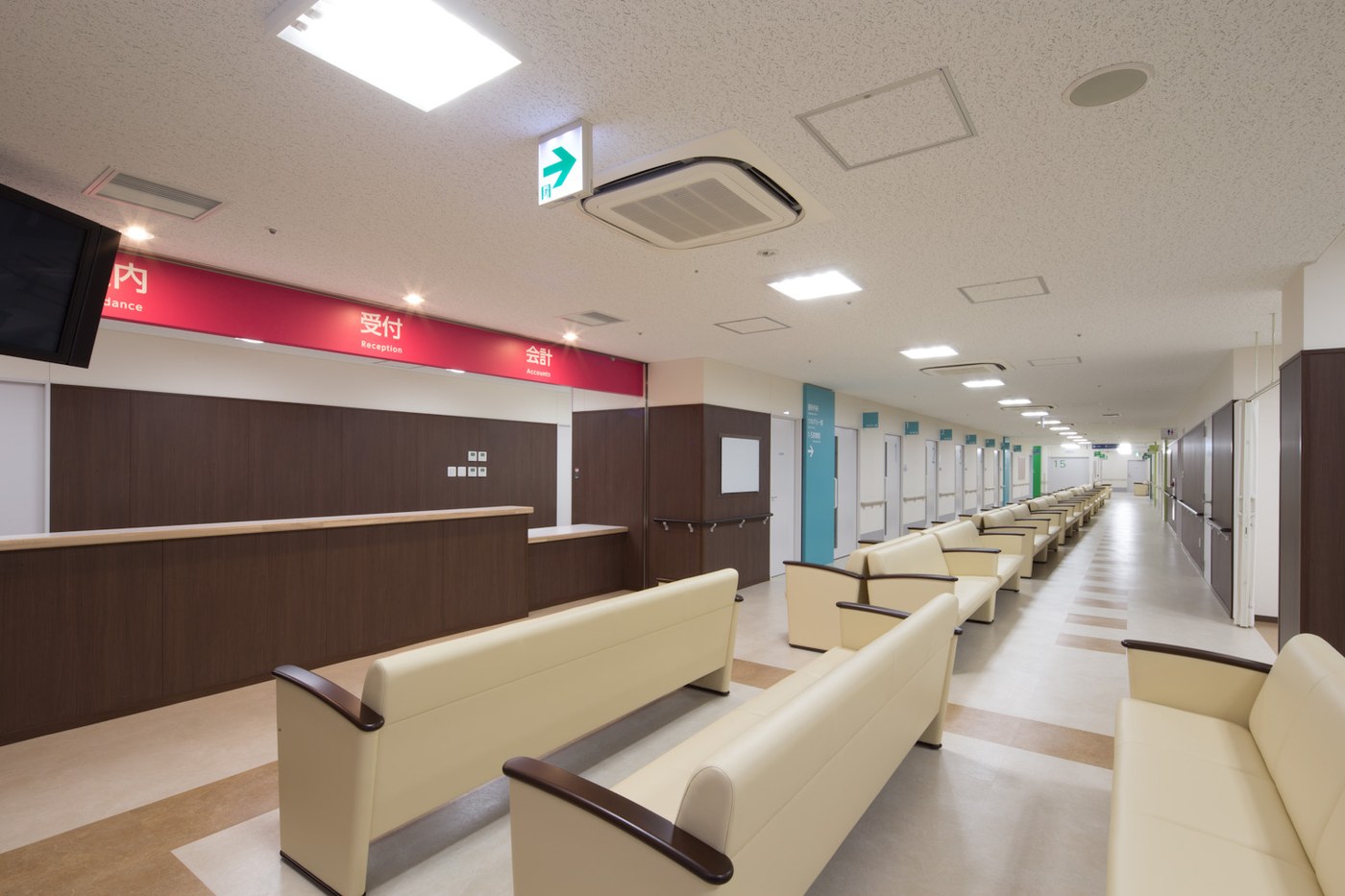
- What happens at the reception desk?
- Cash or card?
- What about the language barrier?
- What happens if you do not pay?
- Does paying it off clear your record?
- Is an ambulance free?
- What changes next?
- What should you prepare before you go?
- Appendix: official Japanese source text
How does a Japanese hospital calculate your bill?
There is no document anywhere called a foreigner price list. More than 90% of hospitals take the schedule they use for Japanese patients and multiply it. That is not an inference; it is what Japan's health ministry measured in its fiscal 2023 national survey.
Start with your status. Three conditions, all true at once, put you in self-pay treatment with no subsidy: you do not hold Japanese nationality, you do not live in Japan, and you are not enrolled in Japanese public health insurance. Tourists hit all three, so the choice people expect — "should I use insurance or not?" — does not exist here. There is one track, and you pay all of it. The 30% co-payment you read about elsewhere belongs to people inside the Japanese system.
So how is "all of it" worked out? Japanese hospitals bill against a national fee schedule called the shinryō hōshū tensū hyō, which assigns a point value to every procedure, test and night in a bed. Under public insurance, one point is fixed at 10 yen. Under self-pay treatment the hospital sets the value of a point itself — and the survey found that over 90% of hospitals keep the national schedule and simply change the unit, billing "1 point = X yen".
Which produces the single most useful sentence in this article, one you can read aloud at a counter:
「1点いくらですか?」
Itten ikura desu ka? — "How much per point?"
Ask it because it is the one pricing language everybody shares. Over 90% of hospitals run the same point schedule; the difference between them is the multiplier. Learn the multiplier and you can put two hospitals, or an outpatient visit and an inpatient stay, on the same scale. As for how much money to bring or how much cover to buy — a different question, one layer up — the travel insurance guide carries a set of cost bands compiled from traveller reports, and labels them as exactly that. This round of checking produced no official yen figures at all, which is why you will not find "an ER visit costs about X" anywhere below.
Does the "triple cap" apply to you?
Almost certainly not. The cap binds six categories of corporation, and the notification that creates it says outright that everyone else is free of it.
On April 1, 2026 the health ministry published a new Health Policy Bureau director-general notification (Isei-hatsu 0331 No. 41, dated March 31, 2026) together with implementing guidance (No. 19). A ceiling does appear in it: where the calculation for a foreign patient's treatment price exceeds ¥30 per point, it is cut back to that figure. Public insurance runs at ¥10 per point, hence the "triple cap" shorthand.
The catch is who it binds. The notification lists six corporate types by name: social medical corporations, specified medical corporations, certified medical corporations, welfare hospital business corporations, open hospital business corporations, and federations of agricultural cooperatives for health and welfare. Then, on page two, it says the thing nobody quotes — that this notification concerns those corporations, and that general corporations outside them may bill the necessary costs of treating foreign self-pay patients regardless of this notification (full Japanese text in the appendix, item 1).
In plain terms: the only ceiling that exists sits over some hospitals. The rest have no ceiling at all. Treating "triple" as a nationwide foreigner rate gets the situation backwards.
Why the rule exists — also the opposite of what people assume
The notification opens by naming its source: the fiscal 2026 tax reform outline, adopted by the Cabinet on December 26, 2025. Those six corporate types enjoy corporate tax advantages, and one condition for keeping them had been that amounts billed to self-pay patients be calculated on the same basis as insured treatment — 10 yen per point. The 2026 move relaxes that condition, letting them charge up to 30 yen per point without losing the tax status. It is not a new price control being imposed.
How the ceiling gets calculated is worth knowing too. A hospital first works out which bracket it falls into (JMIP-accredited, listed medical institution seeing 250+ foreign patients a year, BTV institution, or other), finds three or more peer hospitals in the same bracket — widening to adjacent secondary medical areas and then adjacent prefectures if it cannot find three — and takes the mean or median of what those hospitals already charge foreign patients as its ceiling, capped at 30 yen per point. So the "standard regional price" is an average of prices other hospitals are already charging foreigners. That is a self-referential market rate, not a cost-based one. Social medical corporations also need prefectural sign-off, and certified medical corporations ministry sign-off, before billing at the new prices.
What do hospitals actually charge?
85.4% charge foreigners the same unit price as Japanese patients — but the hospital you are most likely to walk into is not one of them. This is the most counter-intuitive table in the article.
The ministry's fiscal 2023 survey of foreign patient care (fieldwork September 2023, published July 31, 2024) breaks out the actual unit price at 5,424 hospitals:
| Price per point | All hospitals (n=5,424) | Regional hub hospitals (n=658) | JMIP / JIH accredited (n=81) |
|---|---|---|---|
| 10 yen or less (same as locals) | 85.4% | 74.0% | 28.4% |
| Over 10 to 15 yen | 7.3% | — | 2.5% |
| Over 15 to 20 yen | 4.8% | — | 29.6% |
| Over 20 yen | 2.5% | 8.2% | 39.5% |
Lay that right-hand column against the other statistics from the same survey and a blunt conclusion falls out: the hospitals best equipped for foreign patients are the expensive ones. JMIP/JIH accredited hospitals take credit cards at 98.8% (national average 62.6%), verify patient identity before treatment at 86.8%, and charge separately for interpretation at 23.5% (national average 2.2%) — while only 28.4% bill at 10 yen per point and nearly four in ten bill above 20 yen.
The reverse also holds: 85.4% of hospitals charge you the local rate, and 58.8% of hospitals have no language support of any kind. Communication and payment convenience cost money. The government's own numbers say so.
My own preference, stated plainly: for something that can wait, I would use an ordinary hospital and bring my own translation tools; for anything acute, anything needing admission, anything needing surgery, I would head straight for an accredited hospital and treat the price gap as the cost of being understood. Getting a diagnosis wrong costs far more than an extra 10 yen a point.
Three limits travel with these figures. This is a September 2023 survey, not "now". Japan has not re-surveyed price distribution since the April 2026 changes. And the survey population includes long-term residents and medical travellers, not just tourists.
To find accredited hospitals, JMIP runs a searchable directory (jmip.jme.or.jp), and the health ministry and tourism agency maintain a list of medical institutions that accept foreign patients. This round only confirmed those links exist — the list contents were not downloaded or verified — so this article does not describe how many hospitals are on it or which cities it covers.
Does walking into a big hospital without a referral cost extra?
The charge is real and its statutory floor is ¥7,000 for a first visit, tax included — but the rule was not written for you. The health ministry's own notice lists "self-pay patients" among the cases where a hospital may decline to charge it. The reason you fall in that box is the same one from the sections above: you are not in Japanese public health insurance. And the same fact cuts the other way somewhere far more expensive — at a university hospital, the point you pay 10 yen for becomes 30 to 50 yen.
Start with the system. Japanese outpatient care is meant to run in two stages: a clinic sees you first, and if you need more, the clinic writes a shōkaijō — a referral letter — that you carry to a big hospital. Skip stage one and you owe a charge called sentei ryōyōhi, roughly "fee for treatment you selected". It is not a fine. The government files it as the part you chose for yourself, accounted separately from insurance benefits. The ministry's one line to patients is that you may be seen with or without a referral, but arriving without one means a special fee "in principle" on top of the ordinary co-payment.
Which hospitals is defined tightly, not as a vague "large hospital":
| Hospital type | What the rule says | Statutory floor, first visit (medical) |
|---|---|---|
| Advanced treatment hospitals (university hospitals, national cancer centres; 88 on the list dated 24 April 2026) | A duty to collect | ¥7,000 |
| Regional medical support hospitals with 200+ general beds (719 in total as of 1 September 2025) | Same | ¥7,000 |
| Referral-focused hospitals with 200+ general beds, published by each prefecture | Same; added 1 October 2022 | ¥7,000 |
| Any other hospital with 200+ general beds | May collect | No floor |
| Hospitals under 200 beds, and clinics | Outside the scheme | — |
¥7,000 is a floor, not a price, and it already includes consumption tax. The ministry's explainer says so in as many words: the special fee contains the tax, and hospitals must collect at least that much tax-inclusive. So a published ¥7,700 is not the floor plus tax — it is a hospital pricing itself above the floor. Line up seven hospitals' own published first-visit figures and the spread is 1.7 times:
| Hospital | Published first-visit fee | Notes |
|---|---|---|
| Tohoku University Hospital | ¥7,700 | ¥5,500 dental; also charged outside clinic hours since 1 July 2023 |
| Kyushu University Hospital | ¥7,700 | Its page also warns some departments will not see you at all without a referral |
| Kyoto University Hospital | ¥7,700 | Since October 2022, up from ¥5,500. The current HTML pages no longer state a figure; the only source is two PDFs from 2022 |
| Osaka University Hospital | ¥8,800 incl. tax | Its fee schedule prints the ¥8,000 pre-tax figure in brackets beside it |
| Japanese Red Cross Medical Center | ¥11,000 incl. tax | Plus a separate ¥11,000 incl. tax for out-of-hours visits |
| Japan Institute for Health Security (former NCGM) | ¥11,000 incl. tax | ¥3,300 for follow-up visits |
| University of Tokyo Hospital | ¥13,200 | Nearly double the floor; ¥4,680 for follow-up visits |
Osaka is the only one of the seven printing both a tax-inclusive and a pre-tax figure (¥8,800 / ¥8,000); the rest publish one number with no tax label, so do not try to reverse-engineer theirs. The statutory floor was raised once, on 1 October 2022 — from ¥5,000 to ¥7,000 for a first visit and ¥2,500 to ¥3,000 for a follow-up, the same day referral-focused hospitals joined the scheme. Kyoto University's own announcement prints its two columns side by side, ¥5,500 becoming ¥7,700 and ¥2,750 becoming ¥3,300. The duty itself is older, dating to April 2016, when the floor was ¥5,000.
Now the part that matters. The ministry wrote two lists of exceptions, and they are not the same strength. The first goes deeper than a prohibition: the notification that defines this category of care excludes any first visit made under “emergency or other unavoidable circumstances” from the definition itself, so an emergency first visit is not selected care at all and there is no legal basis to bill it. That is why the guidance says collecting from emergency patients is not permitted. The second is headed "legitimate reasons" and merely permits a hospital to waive the fee; its ninth item groups workplace accidents, public-duty accidents, traffic accidents and "self-pay patients" together. A tourist sits in that last phrase. Both passages are in the appendix at the foot of this article.
Hold on to the difference: the first list is a prohibition, the second is a permission. So the accurate statement is not "foreign visitors are exempt" — it is "each hospital decides". Some say so plainly: Chita Hanto General Medical Center's public Q&A answers that an uninsured patient is a self-pay patient and is therefore not charged, and Tokyo Rinkai Hospital's Q&A separates genuinely self-paying patients from people who merely forgot their insurance card, who do get charged. None of the hospitals that spell this out is a university hospital, though, and they are a handful. On the seven pages above, self-pay treatment is never mentioned in the referral-fee section at all.
And "arriving by ambulance means no charge" has already stopped being true in two places, under two rules that contradict each other. Since 1 June 2024, three core hospitals in Matsusaka, Mie Prefecture, charge ¥7,700 incl. tax to patients who arrive by ambulance and are not admitted — the city's page concedes that emergency patients are in principle outside the scheme, then states that mild non-admitted ambulance cases are inside it anyway. Ibaraki Prefecture did the same thing across 23 hospitals from 2 December 2024, but on the opposite test: not whether you were admitted or how mild it turned out, but whether the call itself was urgent at the moment you made it. Its Q&A gives examples — heatstroke, a febrile seizure in a child, an epileptic seizure that had resolved by arrival and was logged as "mild" — and says those are not charged. Nor is the amount one number: five tiers from ¥2,200 to ¥13,200. Ibaraki's Q&A answers the question directly: non-residents of the prefecture are charged too. Both governments stress this is not a fee for the ambulance. These are the two cases confirmed here, not a national rule, and there is no national roster — so do not read it the other way either.
And that ¥7,000 will not be the biggest line on your bill. The same hospitals publish their self-pay point rates: Tokyo at ¥30 per point, Kyoto at ¥30 pre-tax, Kyushu at ¥30 plus interpreter charges (¥5,000 for the first hour, ¥3,000 per half hour after), and Osaka's schedule sets ¥50 per point for a patient who holds neither Japanese nationality nor valid Japanese public health insurance. Compare that with the national picture earlier, where 85.4% of hospitals bill visitors at the same ¥10 they bill locals. Whatever you save on the referral fee comes back on one blood panel and a scan.
Something else happens before money does. Osaka University's page states that a foreign national without Japanese health insurance cannot be seen even if that referral fee is paid — care has to be planned in advance and admissibility judged first. Kyoto requires such patients to apply through a medical-travel support company acting as guarantor, and Tokyo's English page routes them to a Medical Excellence Japan coordinator. Exactly one goes the other way: the Japan Institute for Health Security says injuries and sudden illness can walk in, and reserves the advance-contact requirement for everything else. Worth noting that Japan's tourism body lists "medical institution referral and arrangement" as a service bundled with travel insurance — which is precisely the hurdle these hospitals put in front of you; the cover-and-where-to-buy piece handles that side.
So the advice is blunt: do not head for a university hospital when you fall ill on a trip. That group is simultaneously the most expensive on the referral fee, the most expensive per point, and the most likely to put an administrative gate in front of an uninsured foreign patient. To find a hospital that is both foreigner-friendly and willing to take you, the JMIP directory and the ministry's published list beat guessing which building looks biggest. For something minor, exhaust the drugstore first — which medicines got restricted in May 2026 and how much of each you can buy is a separate piece.
One trap is reserved for people reading in English. The University of Tokyo's English page puts the fee at ¥8,100 while its Japanese page says ¥13,200 — a gap of ¥5,100. ¥8,100 looks like a figure from when consumption tax was still 8%. The Japanese Red Cross Medical Center runs the opposite way: its English exemption list carries a clause the Japanese version does not, saying a referral from a foreign medical institution does not count — and the words for "overseas" and "foreign" appear nowhere on the Japanese page. Same hospital, two languages, two sets of rules.
How do you check on the day? The notice requires hospitals to post the amount and its exceptions somewhere visible inside the building, and as a rule on their website too (the grace period for the website part ended on 31 May 2025). So you can look it up before you travel rather than at the counter. The ministry even fixed the wording of the sign — the full template is in the appendix, but the two strings worth recognising are 紹介 (referral) and 初診に係る費用 (first-visit charge).
Finally, the edges of what this section can claim. None of the official material written for visitors mentions any of this: JNTO's Traditional Chinese guide to seeing a doctor draws "clinic" and "general hospital" as two options in the same box and never mentions a referral; the ministry's eight-point checklist and four-page procedure sheet for hospital receptionists handling foreign patients contain none of these words; and the 150-page manual teaching hospitals how to price foreign self-pay patients returns zero hits for sentei ryōyōhi. Two further limits: the ministry never defines who counts as an "emergency patient", so do not read that as "turn up at night and it is waived"; and beyond the two prefectural exceptions above, whether the ride itself can be billed at all is a separate question, handled in the ambulance section.
What happens at the reception desk?
They ask for your passport, then work through eight checkpoints, and only then does treatment begin. That is a national ministry workflow, not one hospital's house rule.
The document is the ministry's checklist for receiving foreign patients (v1.2, partially revised October 9, 2025). Its eight checkpoints run: confirm the language → confirm why the patient has come → have them complete a treatment application form → verify identity → state an estimate of the medical fee → confirm the payment method (cash, credit card, etc.) → confirm any requests regarding fees → and only when every box is ticked, begin treatment. A footnote adds: for patients using overseas travel insurance, tell them to contact their insurance company.
Look hard at the fifth checkpoint. The government asks hospitals to tell you the price first. Now look at what the survey found actually happens:
| Does the hospital do this before treatment? | Among the 787 with written rules | As a share of all 5,673 |
|---|---|---|
| Verifies your identity (passport) | 74.3% (585) | about 10.3% |
| Tells you roughly what it will cost | 36.7% (289) | about 5.1% |
| Asks whether you have insurance | 31.6% (249) | about 4.4% |
| Requires a deposit or prepayment | 7.4% (58) | about 1.0% |
The denominator is small for a reason: 86.1% of hospitals — 4,886 of them — have no rules at all for receiving foreign patients. The government asks hospitals to quote a price up front; roughly 5% of them have written that into their own procedures.
So the question has to come from you. Japan's national tourism organisation says the same thing in its own visitor guidance: when you register at reception, ask about the approximate cost of treatment first.
The form they hand you
Reception will very likely give you a "notice regarding the handling of personal information" to sign. The ministry publishes official translations, and the Traditional Chinese version states that in order to deter unpaid medical fees by foreign visitors, foreign patients with a record of non-payment at insured medical institutions will face stricter immigration screening. It then lists exactly what gets submitted: name, nationality, sex, date of birth, passport number, the date the fee arose, and a breakdown of the unpaid amount (sum, number of reminders issued, length of default). It closes by asking you to present your passport before being examined, because some of that data is taken from it.
One translation trap worth flagging: the official Chinese rendering turns hoken iryō kikan — insured medical institution, meaning a hospital inside Japan's public insurance system — into a phrase that reads like "medical insurance authority", which Chinese readers routinely mistake for an insurance company. It means hospitals. That also draws the boundary of the whole scheme: it covers insured medical institutions only, not every medical facility in Japan.
Cash or card?
One hospital in three does not take cards, and QR payment is essentially absent. Do not assume a Japanese hospital works like a Japanese convenience store.
| Payment method | All hospitals | Emergency hospitals | Regional hubs | JMIP / JIH |
|---|---|---|---|---|
| Credit card (accepted) | 62.6% | 80.0% | 93.7% | 98.8% |
| Credit card (not accepted) | 35.9% | — | — | — |
| QR code payment (accepted) | 5.7% | — | — | — |
| QR code payment (not accepted) | 92.4% | — | — | — |
Read the table this way: the larger the hospital and the more it specialises in foreign patients, the more likely your card works. Small clinics and small regional hospitals have a high chance of being cash-only. Arrive by ambulance and you will most likely land in the emergency-hospital column at 80% — but there is no way to rule out the other 20% in advance, because you do not choose the hospital an ambulance takes you to.
Which makes the preparation simple: carry cash, and do not stake your entire medical budget on one card. Treat the QR row as a no: 92 hospitals in 100 do not take it. For what does and does not work as payment elsewhere in Japan, the payments guide covers the whole picture.
If you genuinely cannot pay in full, the most common route in the official statistics is instalments — asked how they recover unpaid amounts, 62.8% of hospitals named payment by instalment, the top answer. That matters for the next section, because instalment agreements have their own rule inside the reporting scheme: keep up the payments and you do not get registered.
What about the language barrier?
Nearly six in ten hospitals do not even have a translation tablet. "There will be English" is the wrong expectation to travel on.
The survey asked 5,673 hospitals what language support they have:
| Language support available | Share |
|---|---|
| In-house medical interpreter | 6.2% |
| Telephone interpretation | 13.2% |
| Video interpretation | 4.2% |
| Translation tablet or similar device | 34.8% |
| At least one of the four | 41.2% |
Turn it over and the number is 58.8% with none of them. Interpretation is not necessarily free either: 2.2% of hospitals nationally charge for it, rising to 23.5% at JMIP/JIH accredited hospitals. The ministry adds a note in the same survey that medical interpretation costs may be billed to the patient not only in self-pay treatment but in insured treatment as well.
For help by phone, Japan's tourism organisation runs the Japan Visitor Hotline: 050-3816-2787, 24 hours a day, 365 days a year, in English, Chinese and Korean. Set your expectations first, though — the official description states that it does not, in principle, provide three-way interpretation or booking services on your behalf. It will not interpret for you in the consulting room. What it will do is tell you where to go and what to do.
You may also see a number, 03-6371-0057, described as a ministry one-stop consultation line. That line is for medical institutions, not patients. Do not dial it.
For the consulting room itself, have a few short phrases ready — the one for calling an ambulance is 「救急車を呼んでください。」 (kyūkyūsha o yonde kudasai). The essential Japanese phrases guide already carries a full set of symptom and emergency lines, so there is no second table for them here.
What happens if you do not pay?
This is the one thing that genuinely changed in 2026, and it moved by a factor of twenty. For unpaid amounts arising on or after April 1, 2026, a hospital may register you once the cumulative balance reaches 10,000 yen.
Some history first. Since May 10, 2021 Japan has run a scheme in which the health ministry collects information reported by insured medical institutions about foreign visitors who left medical fees above a set amount unpaid, and shares it with the Immigration Services Agency for use at the next entry screening. Since October 11, 2022, hospitals no longer need the patient's consent to register that information.
What changed in 2026 is the threshold, and three official documents agree on it:
| Document | Date | What it says |
|---|---|---|
| Ministerial council decision (measure 122) | January 23, 2026 | Lower the qualifying unpaid amount from 200,000 yen to 10,000 yen |
| Health ministry administrative circular | February 4, 2026 | Registration threshold cut to "10,000 yen or more", effective April 1, 2026, for amounts arising on or after that date |
| Reporting manual v1.07 | Revised April 1, 2026 | Same sentence appears three times, on pages 4, 7 and 8 |
So two lines now run in parallel: amounts arising between May 10, 2021 and March 31, 2026 need a cumulative balance of ¥200,000 to be registered; amounts arising on or after April 1, 2026 need ¥10,000.
The ministry's web page still labels this manual with the old date (v1.07 tagged as partially revised April 1, 2025), but the file's own revision history reads v1.07 = April 1, 2026, and the first line of its revision notes is "changed registration target to a cumulative balance of 10,000 yen or more". Go by the file, not the label.
Why 10,000 yen is the number that bites
Put it next to the ministry's own survey and the point lands. The same ministry measured the distribution of unpaid amounts by foreign patients (n=1,993 cases): mean 128,497 yen, median 11,150 yen, maximum 18,465,191 yen.
A median of 11,150 yen. The new 10,000-yen threshold sits just underneath it.
| Unpaid amount per case | Cases | Old 200k threshold | New 10k threshold |
|---|---|---|---|
| 10,000 yen or less | 954 | ⚪ | ⚪ |
| Over 10,000 to 50,000 | 522 | ⚪ | 🔴 |
| Over 50,000 to 100,000 | 244 | ⚪ | 🔴 |
| Over 100,000 to 200,000 | 113 | ⚪ | 🔴 |
| Over 200,000 to 500,000 | 80 | 🔴 | 🔴 |
| Over 500,000 to 1,000,000 | 38 | 🔴 | 🔴 |
| Over 1,000,000 | 42 | 🔴 | 🔴 |
🔴 within the threshold (registrable) / ⚪ outside it
The old line covered roughly 160 of 1,993 cases, about 8%. The new line covers at least 1,039 of 1,993 — about 52%, a roughly 6.5-fold widening.
That is an estimate of direction and magnitude, not an official figure, and it comes with three limits. First, the survey's definition of "unpaid" (any part of a fee still unpaid one month after billing) is far looser than the reporting scheme's conditions, which use a reference date at the end of the second following month and require that recovery be considered hopeless. Second, the survey population includes long-term residents and medical travellers, not only tourists. Third, this is September 2023 data — the distribution as it stood before the new rules.
What being registered means: three official wordings, three intensities
Read these three side by side. They are not equally strong.
| Source | What it says |
|---|---|
| Health ministry public page | A policy has been decided to tighten entry screening from the next entry onwards for foreign visitors with a history of unpaid medical fees |
| Reporting manual Q&A, question 2 | Because of the risk of burdening national or local government, such a person may fall under the grounds for denial of landing under the Immigration Control and Refugee Recognition Act, and landing in Japan is, in principle, refused |
| National tourism organisation, visitor page | Foreign visitors with a record of unpaid medical fees may be unable to enter Japan in future |
The middle line is the heaviest and the least quoted. Note how it is written, though: the official Q&A says only that the case "may fall under the grounds for denial of landing (note)" — it gives no article, paragraph or item number from the Immigration Control Act, and this round did not obtain the corresponding statutory text. So no article numbers appear anywhere in this article. Only the Q&A's own words.
The other half of the picture: 106 cases in four years
What a system permits and what it does are different questions. Here is the ministry's published usage record, as at March 31, 2025:
| Fiscal year | Cases registered | Amount |
|---|---|---|
| 2021 | 0 | ¥0 |
| 2022 | 2 | ¥1,217,676 |
| 2023 | 61 | ¥82,340,239 |
| 2024 | 43 | ¥94,806,480 |
| Four-year total | 106 | — |
The 2024 average works out at roughly 2.2 million yen per case — under the old threshold this system was catching million-yen catastrophic cases and essentially nothing else. And the ministry attaches one more line to the same data: registration in this system is done by medical institutions voluntarily. It is not mandatory.
Hold both halves and the reading comes out like this: before April 2026 this was, for an ordinary tourist, a risk that barely existed; after April 2026 it reaches ordinary-tourist amounts for the first time. A 10,000-yen line brings "left the ER with part of the bill outstanding" into range. But do not scare yourself in the other direction either — voluntary registration and 106 cases in four years is a long way from routine.
Three conditions must be true simultaneously for you to fall inside the scheme: not a Japanese national, not resident in Japan, not enrolled in Japanese public health insurance. Miss any one and you are outside it.
There is also a buffer worth knowing. Registration runs on a reference date at the end of the second month following the month the unpaid amount arose, with entry made within three business days of the following month. Treatment in June has a reference date at the end of August. In practice you have roughly two to three months to make it right.
Does paying it off clear your record?
Not necessarily. Pay the money, and if the hospital never registers the recovery, you can still be treated as someone with a record.
The reporting manual is unusually direct about this: where a foreign visitor who left an unpaid amount pays it and then seeks to enter Japan again, if the recovery information has not been registered in the system, that person may still be subjected to the strict entry screening this scheme provides for (Japanese text in appendix item 5). Only the hospital can perform that registration. So keep your transfer receipt and ask the hospital directly to confirm they will update the record.
Four more practical rules, in one table:
| Situation | How the government counts it |
|---|---|
| You got a new passport | Does not help. If the passport number changes after registration, the hospital updates the system with the new number |
| A local government assistance scheme covered the bill | Not counted as recovery. The source is public funds, not the patient |
| An embassy or consulate paid it in | Counted as recovery. Explicitly entered as a recovered amount |
| You signed an instalment agreement and are keeping up payments | Not registered. Fall behind while still above the threshold and registration follows |
| The patient was a minor | Recorded against the child's own passport. A paying parent goes in the remarks field |
Read that last row twice if you travel with children. The person entered into the database, and screened harder on a future entry, is the child.
Three more boundaries that catch people out: unpaid interpretation and document translation fees may be added to the outstanding balance; unpaid amounts under publicly funded medical care are not covered by the scheme; and amounts a hospital has already written off in its accounts still have to be reported.
And here is what this article cannot tell you. Everything downstream of registration — how many people have actually been refused entry, whether any appeal or remedy exists, whether you can query your own record, how long records are kept — sits with the Immigration Services Agency, whose site was unreachable throughout this round (403 without a user agent; 200 with one, but a 389-byte empty shell; every other path 404). None of it is written here, not even as speculation.
Is an ambulance free?
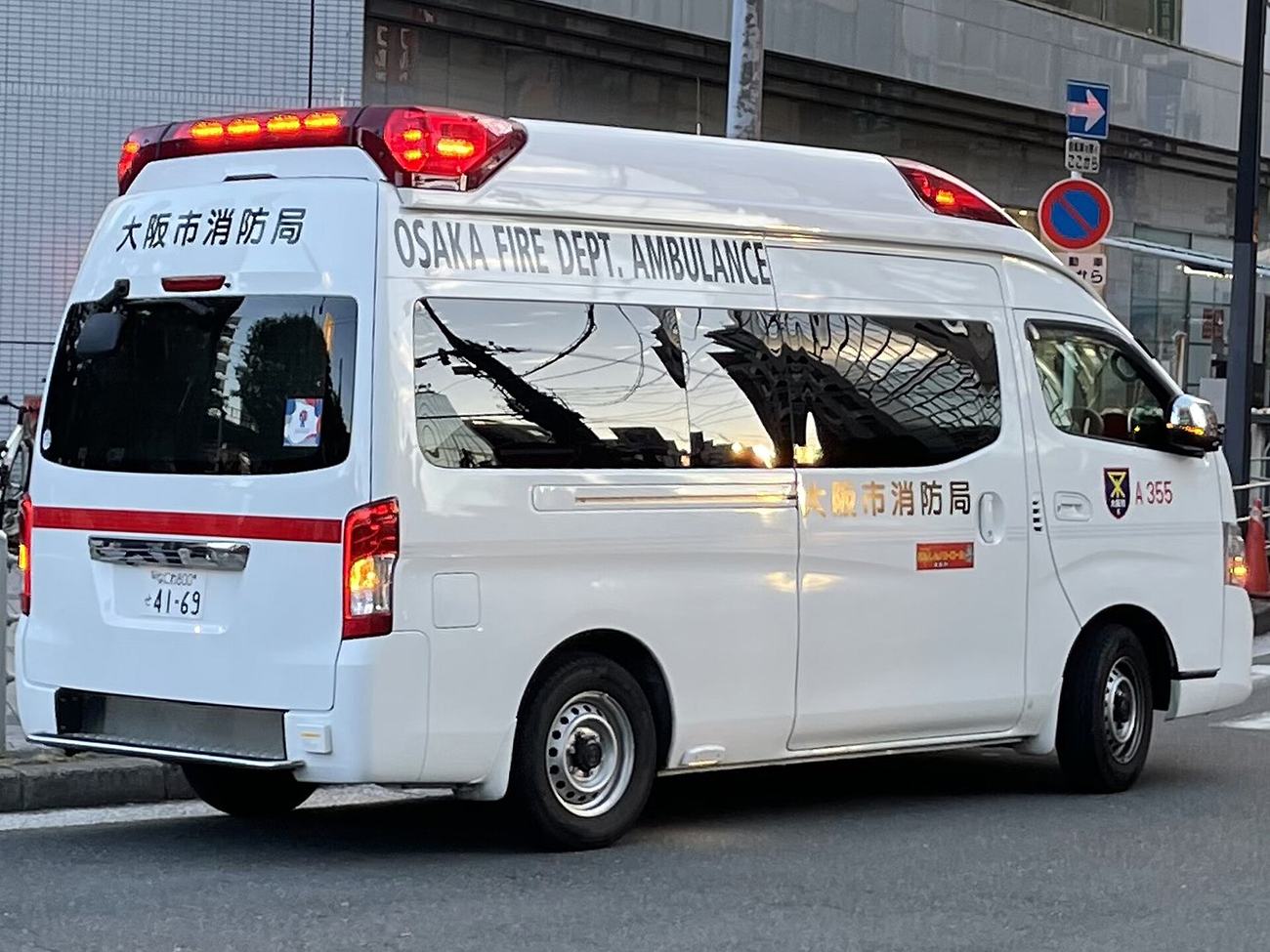
The Fire Service Act has no provision for charging the patient — but the official guide written for foreign visitors never says "free". It tells you to bring money for the hospital.
Take the document first. The Fire and Disaster Management Agency publishes an ambulance guide for foreign visitors in Traditional Chinese, eight pages long, in which the words for "free" and "no charge" do not appear once. What it does say is that anyone who is suddenly ill or injured may use an ambulance. Then on the last page it asks you to have three things ready before the ambulance arrives: your passport, cash or a credit card (to pay hospital fees), and any medication you take regularly.
On the legal side: Chapter 7-2 of Japan's Fire Service Act is the chapter that governs emergency services, and it contains no fee provision at all; that Act's fee provisions are concentrated in hazardous materials, fire equipment and various inspections, nothing to do with ambulances. So the accurate formulation is the law provides no basis for a charge — not "the government says it is free".
One thread carries over from the referral section: by default a patient brought in by ambulance owes no no-referral fee, because an emergency first visit is not “selected care” in the first place. But Matsusaka City and Ibaraki Prefecture have each pulled part of their ambulance arrivals back into the charge, on different tests and at different prices; that section sets them out.
Something matters more than the fee question, though: you do not choose which hospital the ambulance takes you to. Japan's national tourism organisation states it flatly — the receiving hospital cannot be decided by you. Every choice described in the sections above — ordinary hospital or accredited one, checking whether cards are accepted, asking the price per point — evaporates the moment you dial 119. Which is the other reason to keep cash on you.
An earlier version of this article said the claim that some municipalities charge for non-emergency ambulance transport could not be verified. It can now, in two places: Matsusaka City (three hospitals, ¥7,700, since 1 June 2024) and Ibaraki Prefecture (23 hospitals, ¥2,200 to ¥13,200, since 2 December 2024). What they charge is not a fare for the ambulance but the no-referral fee — which matters, because it means the ride still has no legal basis for a charge; what changed is the bill waiting at the other end. The tests and the differences between the two are in the section above.
For when to call an ambulance in the first place, and for medical situations arising from earthquakes, typhoons and heat, the disaster safety guide handles that side properly. This article stays on the bill.
What changes next?
Two things are decided, one is merely under study. Keep the categories apart.
| Status | What | Timing |
|---|---|---|
| In force | Reporting threshold 200,000 yen → 10,000 yen | April 1, 2026, for amounts arising on or after that date |
| Decided, not implemented | Extend the scheme to mid- to long-term residents, and use unpaid-fee information in residence status screening | Agreed at ministerial council; no implementation date published |
| Under study | Requiring foreign visitors to hold private medical insurance before entry | No bill, no timetable, no effective date |
The middle row needs precision. The ministerial council decision of January 23, 2026 did say the scheme should extend to mid- to long-term residents and feed residence screening. But the health ministry's February 4 circular states explicitly that there is no change to the categories of foreign nationals covered or to the registration reference dates, and the reporting manual's Q&A still says foreign residents living in Japan or enrolled in public insurance are not reporting targets. So the position is: April 2026 delivered only the threshold half. The extension to residents is decided, but as of this round of checking the government has published no implementation date.
The bottom row needs even more restraint. The same ministerial decision lists, among "future issues", a measure (number 123) jointly assigned to five ministries and agencies — health, financial services, justice, foreign affairs and transport — to study institutional arrangements requiring foreign visitors to take out private medical insurance before entering Japan, so that they can receive care without anxiety and return home safely, and to deter unpaid fees. Groundwork is running: fiscal 2024 mapped other countries' compulsory-insurance regimes and the issues Japan would face, and fiscal 2025 has been surveying useful cover amounts and terms.
But look at the verb. It is "study". No timetable has ever been published. The idea has reached the formal documents of five ministries, and that is the whole of it. Anything phrased as "Japan is about to require proof of insurance at the border" goes beyond what the government has said. Whether you insure, and for how much, is your call — not something this policy trend decides for you.
What should you prepare before you go?
Six things. Do these and the billing side will not bite you.
- Carry cash. 35.9% of hospitals nationally take no credit cards, and 92.4% take no QR payment.
- Keep your passport on you. Without it reception stalls, and immigration law requires you to carry it anyway.
- Ask 「1点いくらですか?」 when you register. Only about 5% of hospitals will volunteer the price.
- Using travel insurance? Call the insurer from the hospital. The government asks hospitals to remind you — the call is still yours to make.
- Settle the bill in full before you leave. Every yen. Since April 2026 the line is 10,000 yen.
- If something is left outstanding, clear it within two to three months and ask the hospital to register the recovery. The reference date is the end of the second month following.
If you remember only one, make it the fifth: 10,000 yen is low enough that a single partly-unpaid ER visit reaches it, and clearing the debt still leaves you one more action to chase. The other five have on-the-spot fixes. That one follows you to your next entry.
Two limits to close on. Every source here is an official document from the health ministry, the Cabinet Secretariat, the Fire and Disaster Management Agency or the national tourism organisation, and no yen figure appears in this article without an official source behind it — which is exactly why you will not find "an ER visit costs about X" anywhere above. And every percentage from the national survey is a September 2023 value; Japan has not re-surveyed since the 2026 rules took effect, so read them as magnitudes, not as the current state.
Appendix: official Japanese source text (click to expand)
The Japanese originals quoted above, collected here so you can check them yourself.
1. The triple cap binds only six corporate types (Isei-hatsu 0331 No. 41, March 31, 2026, page 2)
なお、この通知は、社会医療法人等…についてのものであり、これらの法人以外の一般の法人にあっては、自由診療である訪日外国人患者の診療については、この通知に関係なく必要な経費を請求できるものであるのでご留意をお願いします。
Scope, verbatim: 「社会医療法人、特定医療法人、認定医療法人、福祉病院事業法人、オープン病院事業法人及び厚生農業協同組合連合会(以下「社会医療法人等」という。)に係る認定又は承認等の要件のうち、自費患者…に対し請求する金額が社会保険診療の場合と同一の基準(1点10 円)により計算されるとの要件…」
Origin, verbatim: 「令和8年税制改正の大綱(令和7年12 月26 日閣議決定)において…」
2. The ceiling itself (Isei-hatsu 0331 No. 19, implementing guidance 2(1))
…算出した上限までの範囲(算出結果が1点30 円を超える場合は、1点30 円までとする)で訪日外国人患者診療価格を設定すること。
3. Threshold cut to 10,000 yen (administrative circular, February 4, 2026)
(1)登録基準額引き下げ 未払情報の登録の対象となる基準金額を「1万円以上」に引き下げます。
(2)運用変更予定時期 令和8年4月1日(令和8年4月1日以降に発生した未収金が対象)
※対象となる外国人の種別、登録基準日等についての変更はありません。
Reporting manual v1.07, verbatim (the same sentence appears on pages 4, 7 and 8): 「なお、令和3年5月10 日から令和8年3月31 日に発生した未収金については未収金の累計残高が20 万円以上、令和8年4月1日以降に発生した未収金については未収金の累計残高が1万円以上が登録対象となります。」
Ministerial council decision (January 23, 2026, measure 122), verbatim: 「医療費の不払がある訪日外国人に対する厳格な審査について、対象となる不払額を20 万円以上から1万円以上に引き下げ、新たな医療費の不払いの発生を抑止する。また、対象を中長期在留者に拡大し、外国人患者の医療費不払情報を在留審査においても活用する。」
4. What registration means (reporting manual Q&A, question 2)
Q2 web システムを通じて報告された訪日外国人受診者は、次回以降の日本への入国が拒否されるのでしょうか。
web システムを通じて報告された訪日外国人受診者は、国又は地方公共団体の負担となるおそれがあることから出入国管理及び難民認定法上の上陸拒否事由(注)に該当しうるため、原則として日本への上陸は拒否されます。
(注)上陸拒否事由とは、我が国にとって公衆衛生・公の秩序・国内の治安等が害されるおそれがあると認める外国人の入国・上陸を拒否する外国人の類型を定めたものです。
Health ministry public page, milder wording: 「…医療費の不払い等の経歴がある訪日外国人について、次回以降の入国審査を厳格化する方針が決定されました。」「…令和4年10月11日以降、患者から同意を求める必要はありません。」
5. Paying is not enough on its own (reporting manual III(3))
未収金を発生させた訪日外国人が当該未収金を支払った上で、再度入国しようとした場合であっても、回収情報のシステム登録が行われていなければ、当該外国人に対し、本取組みに基づく厳格な入国審査が実施されることとなるおそれがある
Minors (question 12): 「不払いとなった場合は、未成年の場合でも、訪日外国人受診者本人が報告対象となりますので、システムには本人の情報を登録ください」
Local government advances (question 16): 「原資は公費であり訪日外国人受診者自身が支払ったわけではないため…回収とはみなしません」/embassy payments (question 17): 「回収額として入力してください」
Residents excluded (question 3): 「在留外国人(日本に居住している者や公的医療保険に加入している者)については、本システムでの報告対象とはなりません。」
Voluntary registration, verbatim note: 「※1 本システムは医療機関から任意で情報登録されるもの」
6. The eight checkpoints (checklist for receiving foreign patients, v1.2, revised October 9, 2025)
言語を確認/来院目的を確認/診療申込書を記載してもらう/本人確認/医療費の目安を伝える/支払い方法を確認(※現金、クレジットカード等)/医療費に関する要望を確認/…全てチェックできれば診療開始
※海外旅行保険を使う方に対しては保険会社に連絡するように伝えましょう
7. The form handed to you (official Traditional Chinese notice on handling of personal information)
在日本為了抑止外國旅客滯納醫療費用,將對曾在醫療保險機關發生未繳費情況的外國患者進行嚴格的入國審查。
提交的個人資料如下…姓名、國籍、性別、出生年月日/護照號碼/醫療費用發生日/滯納的醫療費明細(金額、催繳次數、逾期期間)
由於部分資料取自護照,請在接受診察前提供護照。
8. Ambulances (Fire and Disaster Management Agency guide for foreign visitors)
※有急病或受傷時,任何人都可以使用救護車。
(叫救護車後如先準備好以下物品會更加方便)·護照 ·現金/信用卡(支付醫院費用) ·平時服用的藥物
Across all eight pages, the Chinese words for "free" and "no charge" score zero hits. National tourism organisation, verbatim: 「接收病人的醫院不能自己決定。」
8-2. The no-referral fee (Hoi-hatsu 0327 No. 10, 27 March 2024, pp. 23-26)
Scope and amount, section 18(1):
特定機能病院、地域医療支援病院(一般病床の数が200 床未満の病院を除く。)及び紹介受診重点医療機関(一般病床の数が200 床未満の病院を除く。)は、…他の保険医療機関等からの紹介なしに受診した患者については、選定療養として、初診時に7,000 円(歯科医師である保険医による初診の場合は5,000 円)以上の金額の支払を受けることとした
Prohibited, 18(3): 「救急の患者その他17 の(5)から(7)までに定める患者については、『緊急やむを得ない場合』に該当するものとして、特別の料金の徴収を行うことは認められないものであること。」
May be waived, 18(4)(9): 「(4) (3)に定める場合のほか、正当な理由がある場合は、他の保険医療機関等からの紹介なしに受診した患者について、(1)の金額の支払を求めないことができること。…⑨ 労働災害、公務災害、交通事故、自費診療の患者」
Template for the in-hospital sign, 17(2): 「他の保険医療機関等からの紹介によらず、当該病院に直接来院した患者については初診に係る費用として○○○○円を徴収する。ただし、緊急その他やむを得ない事情により、他の保険医療機関からの紹介によらず来院した場合にあっては、この限りでない。」
Consumption tax, ministry explainer note 3: 「「特別の料金」の額には、消費税分が含まれます。消費税分を含めて、対象病院は上記の額以上の「特別の料金」を徴収します。」 Notice 30(8) separately states 「『選定療養』に係る費用として徴収する特別の料金は消費税の課税対象であるところ…」.
The 2022 increase (fiscal 2022 fee revision, individual items, I-4-1): 「3.定額負担の金額を以下のとおり変更する。【初診の場合】医科:7,000 円/歯科:5,000 円【再診の場合】医科:3,000 円/歯科:1,900 円」「[施行日等](1)令和4年10 月1 日から施行・適用する。」The previous figures were 5,000 / 3,000 for a first visit and 2,500 / 1,500 for a follow-up.
Why an emergency visit is not selected care (Notification No. 495 of 2006, art. 2(4)): 「四 病床数が二百以上の病院について受けた初診(他の病院又は診療所からの文書による紹介がある場合及び緊急その他やむを得ない事情がある場合に受けたものを除く。)」 Art. 2(5) carries the same exclusion for follow-up visits.
The two places that charge ambulance arrivals anyway: Matsusaka City 「選定療養費は原則として救急の患者は対象外ですが、救急車利用の場合であっても、基本的に入院に至らなかった軽症の方は、選定療養費の対象となりますのでご留意ください。」 (from 1 June 2024, ¥7,700 incl. tax) / Ibaraki Prefecture 「救急車で搬送された際の選定療養費は、入院の有無や軽症かどうかではなく、救急車要請時の緊急性が認められない場合に対象病院において徴収されます。」「Q5:救急車を有料化するということですか? A5:救急車の有料化ではありません。」 (from 2 December 2024, 23 hospitals, ¥2,200–¥13,200).
Chain of authority: Health Insurance Act art. 63(2)(5) (definition of selected care) and art. 70(3) → Regulations on Insured Medical Institutions and Insurance Physicians, art. 5(3) → the minister's notified display items, item 1-3 → Ministry of Health, Labour and Welfare Notification No. 495 of 2006, art. 2(4) and 2(5).
Published hospital figures: Tokyo 「初診料+初診に係る選定療養費13,200円」/Osaka 「選定療養費(特別室使用料以外) 初診の場合 1回につき 8,800(8,000)」/Kyoto 「本院が定める初診時選定療養費7,700円(ご負担金額)を支払っていただくこととしています。なお、この7,700円に保険は適用されません。」/Tohoku 「7,700円(医科)、5,500円(歯科)」/Kyushu 「医科7,700円」/Japanese Red Cross 「初診時選定療養費 医科 11,000円(税込)」.
How self-pay patients are handled: Chita Hanto 「無保険は自費のため、徴収しません。」/Tokyo Rinkai 「自費診療で行う場合に、選定療養費はかかりません…が、保険証を忘れて受診される場合は…初診時選定療養費をいただくことになります。」/Japanese Red Cross exemption 9 「労働災害、公務災害、交通事故、自費診療の場合」.
Self-pay point rates: Osaka 「日本国籍を有さず、且つ日本国内で有効な公的健康保険を有しない患者における自費診療にあたっては50円とする」/Tokyo 「診療報酬点数1点につき30円で計算し、請求させていただいております。(消費税が別途発生します)」/Kyoto 「診療報酬点数 1点あたり 30円(税抜)」/Kyushu 「診療報酬点数1点につき30円で請求します。また、通訳料金として 1 時間まで 5,000 円、それ以降は 30 分毎 3,000 円加算されます。」
Paying does not get you in: Osaka 「健康保険をお持ちでない外国籍の方については、上記の選定療養費をお支払いいただいても受診することはできません。」/Kyoto 「日本の公的医療保険に加入していない海外在住の外国人患者さんが、当院受診を希望される場合は、安全で円滑な医療提供のため、必ず、医療渡航支援企業(身元保証機関)を通じてお申し込みください。」
English and Japanese disagreeing: University of Tokyo English page, "Some services may accept consultation without referral information. In this case, additional fee of ¥8,100 will be charged." (its Japanese page says 13,200 yen). Japanese Red Cross English exemption 1, "the patient has a referral from another medical facility (osteopathic, orthopedic, and acupuncture and moxibustion clinics and foreign medical facilities excepted)" — the Japanese version of the same page contains neither 海外 nor 外国.
Zero hits in the visitor-facing material: JNTO's Traditional Chinese illness guide contains nothing about referral letters; the ministry's 「訪日外国人の受診時対応チェックリスト」 (v1.2) and 「受付で使える訪日外国人受診者対応簡易手順書」 (v1.2, four pages) contain none of 選定療養, 紹介状 or 初診; the 150-page 「訪日外国人の診療価格算定方法マニュアル」 returns zero hits for 選定療養.
9. Pre-entry insurance is still only under study (ministerial council decision, "future issues", measure 123)
訪日外国人が、予期せぬ病気やけがの際に、不安を感じることなく医療等を受け、安全に帰国することができるよう、また、医療費不払の発生抑止のため、訪日外国人自身の適切な費用負担を前提として、入国前から民間医療保険への加入を求めるための制度的な取組を検討する。〔厚生労働省、金融庁、法務省、外務省、国土交通省〕
Groundwork (measures 120/121): 「入国前の民間医療保険への加入に係る調査研究について、諸外国の民間医療保険加入義務化の状況と日本に導入した際に想定される課題を整理(令和6年度)、有用な医療保険の補償額や補償内容等を調査している(令和7年度)」
10. Survey and system figures (fiscal 2023 survey / system usage record)
Survey (fieldwork September 2023, published July 31, 2024): of 2,813 hospitals treating foreign patients, 516 (18.3%) had unpaid amounts from foreign patients; per hospital, mean 3.9 cases, median 2, maximum 40; per hospital totals, mean ¥496,308, median ¥35,640, maximum ¥22,244,409; per case (n=1,993), mean ¥128,497, median ¥11,150, maximum ¥18,465,191.
Definition of "unpaid" used by the survey: 「請求日より1ヶ月を経ても、診療費の一部又は全部が支払われていない」
System usage (as at March 31, 2025): FY2021 0 cases (¥0) / FY2022 2 cases (¥1,217,676) / FY2023 61 cases (¥82,340,239) / FY2024 43 cases (¥94,806,480).
Frequently Asked Questions
- Q1:Can my travel insurer pay the hospital directly (cashless)?
- Japan has never put that in writing either way. The health ministry's official checklist for hospitals treating foreign patients carries one line on the subject, and it is a footnote: tell patients using overseas travel insurance to contact their insurance company. The action it assigns belongs to you, not the hospital — the hospital's job is to remind you to make the call, not to settle with your insurer. Whether any given Japanese hospital will accept a direct-billing arrangement from any given insurer is not covered by any general rule or statistic this round of checking could find, so treat it as a per-hospital, per-policy question. What the ministry has measured is the mirror image: among the 787 hospitals that have written rules for receiving foreign patients, only 31.6% (249) ask whether you have insurance before treatment. Most hospitals will not raise it. You have to.
- Q2:If a child leaves a bill unpaid, whose record does it go on?
- The child's own passport. The ministry's reporting manual answers this one bluntly: when a bill goes unpaid, the person reported is the patient who received treatment, even if that patient is a minor, and the hospital registers the patient's own details in the system; if a parent was the payer, that goes in the remarks field. So the person who ends up in the database — and who faces the stricter immigration screening on a future trip — is the child, possibly a three-year-old, not the adult holding the credit card. That makes it the single most important line in this article for anyone travelling with kids. If you take a child to a Japanese hospital, settle the bill on the spot and leave nothing outstanding.
- Q3:What happens if I turn up at a Japanese hospital without my passport?
- Reception will send you back for it. To register a foreign visitor in the unpaid-medical-fee reporting system, a hospital needs passport data, which is why the ministry's official workflow puts identity verification among the checks completed before treatment starts, and why the ministry's own Traditional Chinese notice to patients states in as many words that because some of the data is taken from the passport, please present it before being examined. The 2023 survey put the share of hospitals doing this at 74.3%, rising to 86.8% at internationally accredited hospitals. Do not read this as a loophole: the same official Q&A cites the Immigration Control Act's requirement to carry your passport with you in Japan. Forget it and you will lose a round trip's worth of time.
- Q4:I already left Japan with a bill unpaid. Can I still settle it?
- Yes, and paying is only half the job. The reporting manual contains a rule almost nobody quotes: where a foreign visitor pays off the outstanding amount and then tries to enter Japan again, if the recovery has not been registered in the system, that person may still be subjected to the stricter immigration screening the scheme provides for. Paying clears the debt. Clearing the record is a separate action, and only the hospital can perform it. So after you transfer the money, keep the receipt and ask the hospital directly to confirm they will update the registration. One more distinction matters here: money paid in by an embassy or consulate is explicitly counted as recovery, while money advanced by a local government's unpaid-medical-fee assistance scheme is explicitly not, because the source is public funds rather than the patient.
- Q5:Are internationally accredited hospitals in Japan better for foreign patients?
- Better, and more expensive — and the official statistics tie those two together. Japan's health ministry survey for fiscal 2023 breaks hospitals into groups. Nationally, 85.4% bill foreign self-pay patients at 10 yen per point, the same unit price Japanese patients get. Among the 81 JMIP/JIH accredited hospitals, only 28.4% do — and 39.5% charge more than 20 yen per point. The same accredited group takes credit cards at 98.8% (national average 62.6%) and charges separately for interpretation at 23.5% (national average 2.2%). Language support and payment convenience are things you buy. Pick whichever side suits your situation, but do not assume accreditation only means nicer service. These figures come from a September 2023 survey; Japan has not re-surveyed since the 2026 rule changes.
- Q6:Do I pay extra for going straight to a big hospital without a referral?
- Not necessarily, because the rule was not written for you. Japan's advanced treatment hospitals, regional medical support hospitals with 200 or more general beds and referral-focused hospitals with 200 or more general beds must charge patients who arrive without a referral letter at least 7,000 yen for a first visit, and the ministry states that figure already includes consumption tax; each hospital sets its own amount above the floor, with published examples running from 7,700 yen to 13,200 yen. But this charge is an add-on to insured treatment, and the health ministry's notice lists self-pay patients among the cases where a hospital may waive it — which is where a tourist sits. So whether you are charged is the hospital's call, not your legal obligation. A few hospitals say in their public Q&A that an uninsured self-paying patient is not charged, though none of those is a university hospital. The bigger number sits elsewhere: the same university hospitals bill patients without Japanese insurance at 30 to 50 yen per point rather than the 10 yen Japanese patients pay. And two of them state that such a patient cannot be seen at all without first going through a medical-travel support company or coordinator, even if the referral fee is paid.
- Q7:Is an ambulance free in Japan?
- The Fire Service Act contains no provision for charging the patient — but no official document aimed at foreign visitors says the word 'free' either. The Fire and Disaster Management Agency publishes an eight-page ambulance guide for foreign visitors; the words for 'free' and 'no charge' appear nowhere in it. What it does say is that anyone who is suddenly ill or injured may use an ambulance, and then, on the final page, asks you to have three things ready: your passport, cash or a credit card (to pay hospital fees), and any medication you take regularly. On the legal side, Chapter 7-2 of the Fire Service Act governs emergency services and contains no fee provision; that Act's fee provisions all sit with hazardous materials and fire equipment inspections. One more thing to know before you dial: you do not get to choose which hospital the ambulance takes you to. Japan's national tourism organisation says so in as many words.