Doing Japan in style isn't about charging everything to the top tier — it's about knowing where the money is well spent and where it's wasted. Japan is one of the few countries that takes luxury to an exquisite level of detail: a night in a ryokan with your own open-air bath, a sushi omakase placed piece by piece in front of you at the counter, a quiet, spacious shinkansen Green Car, a maiko dinner in a Gion townhouse. But the same budget can buy a trip full of small wonders or one that's merely expensive — the difference is in the choices. This guide opens up every part of a high-end Japan trip — stays, dining, transport, exclusive experiences, seasons and places — and tells you, honestly, what's worth the splurge and what isn't.
Here's my core view up front: the best money you spend on a luxury Japan trip goes on things only Japan can give you. The two-meal stay in a private-onsen ryokan, a real kaiseki or sushi counter, the slow hours of a luxury sleeper train — these can't be copied elsewhere. By contrast, things that are simply expensive but available anywhere (a standard room in an international chain, a private car for somewhere the trains reach perfectly well) deliver poor value. Pour the budget into the unique experiences and keep daily transfers and some of your stays at "comfortable but not showy," and the whole trip feels richer while staying sensible.
- The top splurge — one night in a private-onsen ryokan with two meals and kaiseki; the most Japanese thing money can buy.
- Where to stay — five-star city hotels in the big cities (Aman / Bvlgari / Park Hyatt / Ritz / 2024's Janu), top ryokan in onsen country (Hoshinoya / Gora Kadan / Amanemu).
- Michelin bookings — top sushi and kaiseki are near-impossible as a walk-in; the hotel concierge is your strongest route. Lunch courses are easier and cheaper.
- Transport upgrade — lottery-only cruise trains (Seven Stars / Shiki-shima / Mizukaze) are the summit; if you miss out, use the Green Car or GranClass on the Tohoku/Hokkaido lines.
- Exclusive experiences — a Gion geisha dinner, a private tea ceremony, after-hours access, a private guide and car, a helicopter tour — mostly arranged via concierge or a high-end DMC.
- Don't waste it — on standard rooms you can get anywhere, or a private car where transit already wins.
Table of Contents
- Spending Philosophy: Splurge vs Waste
- Top Ryokan: The Night Worth Splurging On
- Five-Star City Hotels: View, Spa & Concierge
- Michelin & Fine Dining: Kaiseki, Sushi, the Reservation Game
- Luxury Sleeper Trains: Seven Stars, Shiki-shima, Mizukaze
- Green Car & GranClass: Upgrading Everyday Travel
- Exclusive Experiences: Geisha, Tea, After-Hours, Helicopter
- Where & When: Kyoto, Hakone, Niseko, Okinawa
- Quick Table: Is It Worth the Splurge?
- Frequently Asked Questions
Spending Philosophy: Splurge vs Waste
The most common mistake in luxury travel is treating "expensive" as "good." People who travel well don't spend the most — they put each slice of budget where the return is highest. Japan rewards this approach especially well, because so many of its top experiences are the kind that can't be replicated anywhere else.
Worth it: the things only Japan gives you
- A night in a private-onsen ryokan — your own open-air bath plus a two-meal kaiseki stay. This is the heart of Japanese luxury; put it first.
- One real kaiseki or sushi omakase — a chef shaping each piece, serving each course in front of you. Few countries offer dining of this density.
- A leg on a luxury train or in GranClass — turning the journey itself into the experience, something only Japanese rail does this romantically.
- One exclusive cultural experience — a Gion maiko dinner, a private tea ceremony, an after-hours temple — rare and irreplaceable.
Skip it: what's available anywhere, or where transit already wins
- A standard room in an international chain — much the same in Tokyo as elsewhere; redirect that money into a top ryokan night.
- A private car where the trains reach perfectly well — central Tokyo and Kyoto have superb transit; a private car in the city core is usually a waste. Save the car for the countryside and point-to-point hops.
- Cramming the itinerary to "look luxurious" — luxury is about ease. Over-scheduling kills the feeling. Less but better; the empty space is itself a luxury.
Top Ryokan: The Night Worth Splurging On
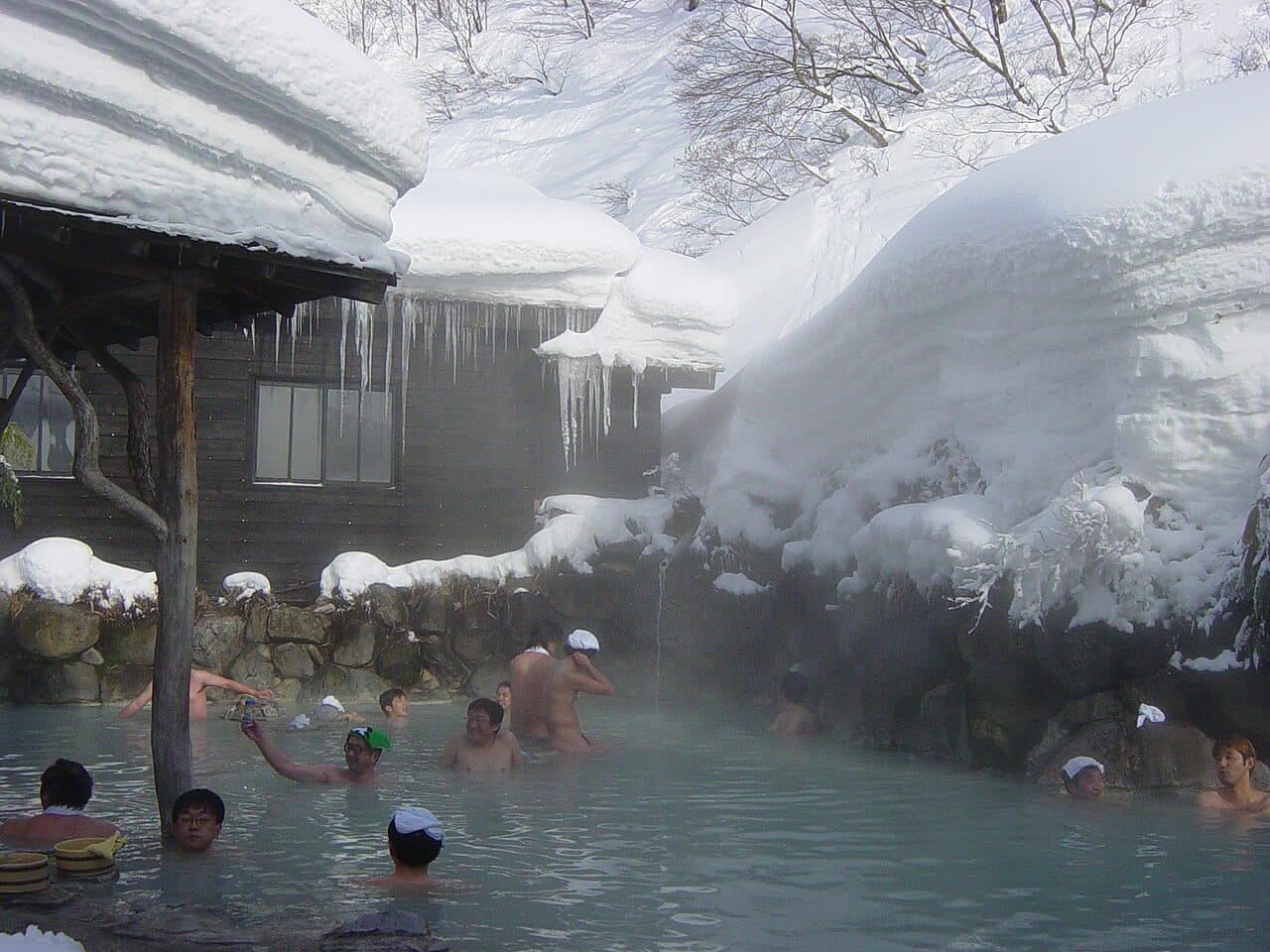
If you can only upgrade one thing on the whole trip, I'd choose without hesitation: one night in a top-tier onsen ryokan with a private bath. The reason is simple — it's a kind of luxury Japan gives you that nowhere else can. An open-air bath in or attached to your room, a kaiseki carried in course by course, the calm of tatami and a garden, total insulation from the world. You're not buying a room; you're buying a stretch of time that belongs only to you.
Choosing among the top ryokan brands
- Hoshinoya — the brand that modernises the traditional ryokan most successfully, balancing design and service, with very different-feeling properties in Tokyo, Kyoto, Karuizawa, Fuji and Okinawa. A great first choice if you want a "design-led" top ryokan.
- Gora Kadan — in Gora, Hakone, on the former grounds of an imperial summer villa; around 39 rooms, Zen-minimalist, with some rooms offering garden open-air stone baths and a kaiseki served course by course in-room. The benchmark luxury ryokan in Hakone — for the wider area, see our Hakone onsen guide.
- Aman / Amanemu — Aman brings its signature hush and minimalism to Japan; Amanemu (Ise-Shima) has just 24 suites and villas, each with a private onsen bath fed by the resort's thermal spring — Aman philosophy meeting ryokan tradition.
- Long-established regional inns — Asaba in Izu, the hidden single-inn retreats of Yufuin and Kurokawa Onsen, and more. You don't have to chase only the big names; the regional character is part of the reward.
On price, these top ryokan with a private bath and two meals typically start around 80,000-150,000 yen per person, with Aman properties and peak dates higher. For choosing inns and onsen etiquette, see our best onsen ryokan in Japan; to browse our curated shortlist directly, visit the ryokan picks hub.
Five-Star City Hotels: View, Spa & Concierge
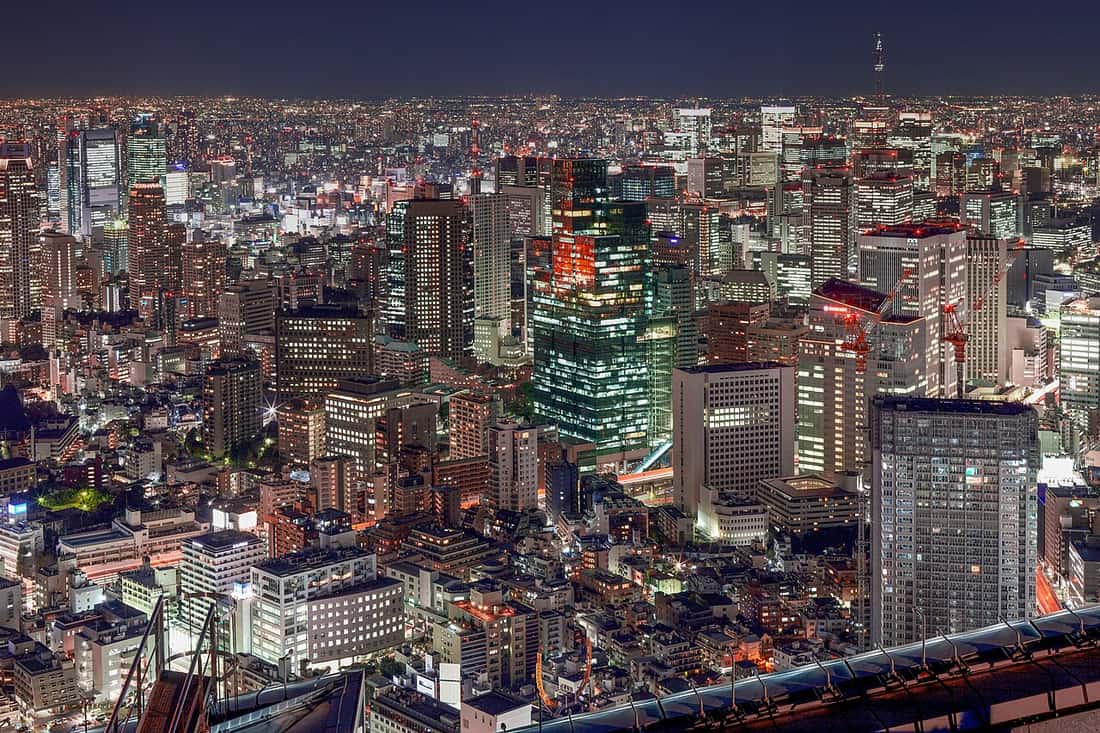
In the big cities, the top city hotel is a different luxury: not onsen and tatami but skyline views, world-class spa and dining, and the most underrated asset of all — the concierge. Tokyo in particular is a battleground for world-class hotels.
A map of Tokyo's top hotels
- Aman Tokyo — high in the Otemachi Tower, with washi-soft, monumental interiors, floor-to-ceiling views over the Imperial Palace, and a vast spa with onsen-style baths and a 30-metre pool. Aman's signature serenity, transposed onto the city skyline.
- Bvlgari Hotel Tokyo — on floors 40-45 of the Tokyo Midtown Yaesu tower, jewel-box Italian glamour with views of the Imperial Palace and Tokyo Bay, the Niko Romito restaurant and a spa with a 25-metre pool. One of the Three Michelin Key hotels in Japan.
- Janu Tokyo — the inaugural property of Aman's new sister brand, opened March 2024 in Azabudai Hills; 122 rooms, eight restaurants and a 4,000-square-metre wellness centre, with a more youthful, playful spirit than Aman. Tokyo's newest luxury talking point.
- Park Hyatt Tokyo — the Shinjuku classic, famed for the New York Grill and Fuji views on a clear day (it underwent a major renovation for its 30th anniversary; check the operator's reopening details).
- The Ritz-Carlton, Tokyo — high in Midtown Tower in Roppongi, 247 floor-to-ceiling rooms over the city; consistent service, the safe top-tier choice.
The biggest hidden value of a city hotel isn't the room — it's the concierge. As the next section explains, top restaurant reservations are very often unlocked precisely through your hotel's concierge.
Michelin & Fine Dining: Kaiseki, Sushi, the Reservation Game
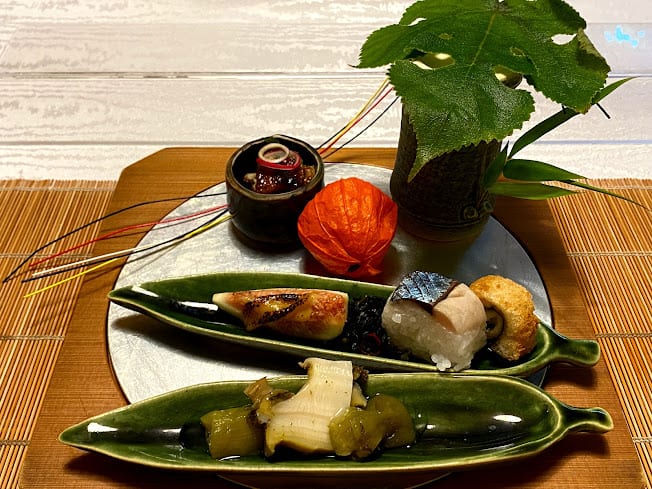
Japan has one of the highest concentrations of Michelin stars on earth; Tokyo, Kyoto and Osaka together rank near the top globally. For a luxury traveller, dining is often the most memorable part of the trip — and also the hardest to actually book.
Three fine-dining experiences not to miss
- Kaiseki — a sequence of small, seasonal dishes choreographed around tableware, the time of year, space and rhythm. Kyoto is the home of kaiseki; a proper kaiseki dinner often runs 20,000 yen+ per person.
- Sushi omakase — at the counter, the chef shapes each piece from the day's catch and you hand over the lead (omakase = "I leave it to you"). Top counters can reach 30,000-50,000 yen+ per person and are the hardest of all to book.
- Tempura, teppanyaki, kappo — equally home to many starred names, counter-style and made to order, ideal if you want artisan dining with more flexible budget.
How a foreign visitor actually books the famous kitchens
This is the real hurdle of luxury dining. The most coveted sushi and kaiseki often take regulars only, or work through specific channels, and you won't get a seat through an online platform. The two most effective routes:
- Have your five-star hotel's concierge book for you — the single biggest hidden value of staying somewhere top-tier. These hotels hold long-standing relationships and can secure seats a walk-in guest never could. This is one of the real reasons a top hotel earns its rate.
- Go through a high-end local travel specialist (DMC) — many specialise precisely in this kind of reservation and arrangement.
One more practical tip: many starred restaurants offer a lunch course that's easier to book and considerably cheaper — the best way to try a famous kitchen for the first time. Save your dinner firepower for the one or two you most want to visit, and use lunch courses to sample a few more, cheaply.
Luxury Sleeper Trains: Seven Stars, Shiki-shima, Mizukaze
If you're willing to pay for "the journey is the destination," Japan's luxury cruise sleeper trains are the summit of rail travel. The three flagships each have a distinct character; per the operators:
| Train | Operator | Route | Scale / itinerary | Price (per operator) |
|---|---|---|---|---|
| Seven Stars in Kyushu | JR Kyushu | Around Kyushu | Just 10 suites; mostly 4-day, 3-night | from ~855,000 yen pp (double) |
| Train Suite Shiki-shima | JR East | Tohoku, southern Hokkaido | 10 cars, ~34 passengers | 4-day top suites up to ~950,000 yen |
| Twilight Express Mizukaze | JR West | Western Japan (out of Kyoto) | Art Deco, 1-2 night trips | premium suites into the seven figures (yen) |
What they share: all three run on a lottery system, demand is extreme (applications often 10-20 times the cabins), and windows are usually 6-9 months ahead. To ride one, push your dates forward, apply early, and keep flexibility for "only if you win." Seven Stars was Japan's first (since 2013); Shiki-shima was designed by Ken Okuyama, the industrial designer behind Ferrari and Porsche work; Mizukaze takes an Art Deco "modern nostalgia" line — all three are "hotels on rails" that push Japanese hospitality to its limit.
Green Car & GranClass: Upgrading Everyday Travel
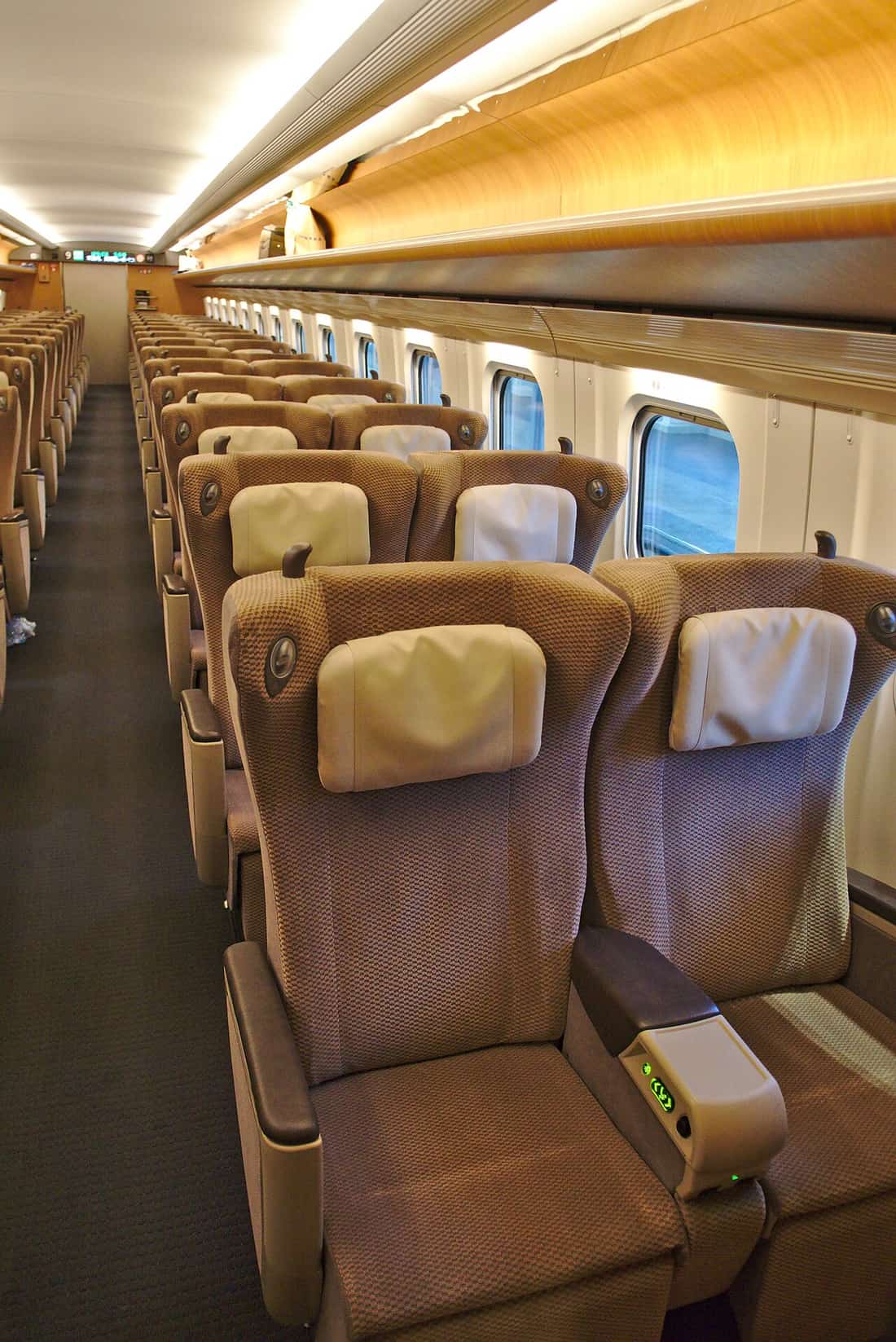
The lottery-only luxury trains are hard to get, and not every leg suits them. For everyday travel with a touch of class there's a far more practical upgrade: the shinkansen Green Car. Wider seats, a roomier 2+2 layout, a quiet aisle, footrests and reading lights — on long runs (Tokyo to Kyoto, Tokyo to Tohoku) the difference is real, especially when you want to escape the crowds in ordinary cars at peak times.
One tier up is GranClass — currently on selected Tohoku, Hokkaido and Hokuriku shinkansen, a first-class cabin: large leather seats (some nearly fully reclining), food and drink service and a dedicated attendant, just three seats per row. If you want a taste of premium overland travel but can't land a cruise train, GranClass is the best stand-in — and it's a practical point-to-point upgrade, not a lottery that eats half a week.
To work out Green Car upgrades, GranClass and how they pair with a rail pass (some passes let you pay to upgrade to Green Car; GranClass usually needs an extra fare on top), see our JR Pass guide. For long point-to-point hops, also consider first-class domestic flights and a private transfer to smooth the airport-to-hotel connection.
Upgrade long legs to the Green Car: the JR Pass →Exclusive Experiences: Geisha, Tea, After-Hours, Helicopter
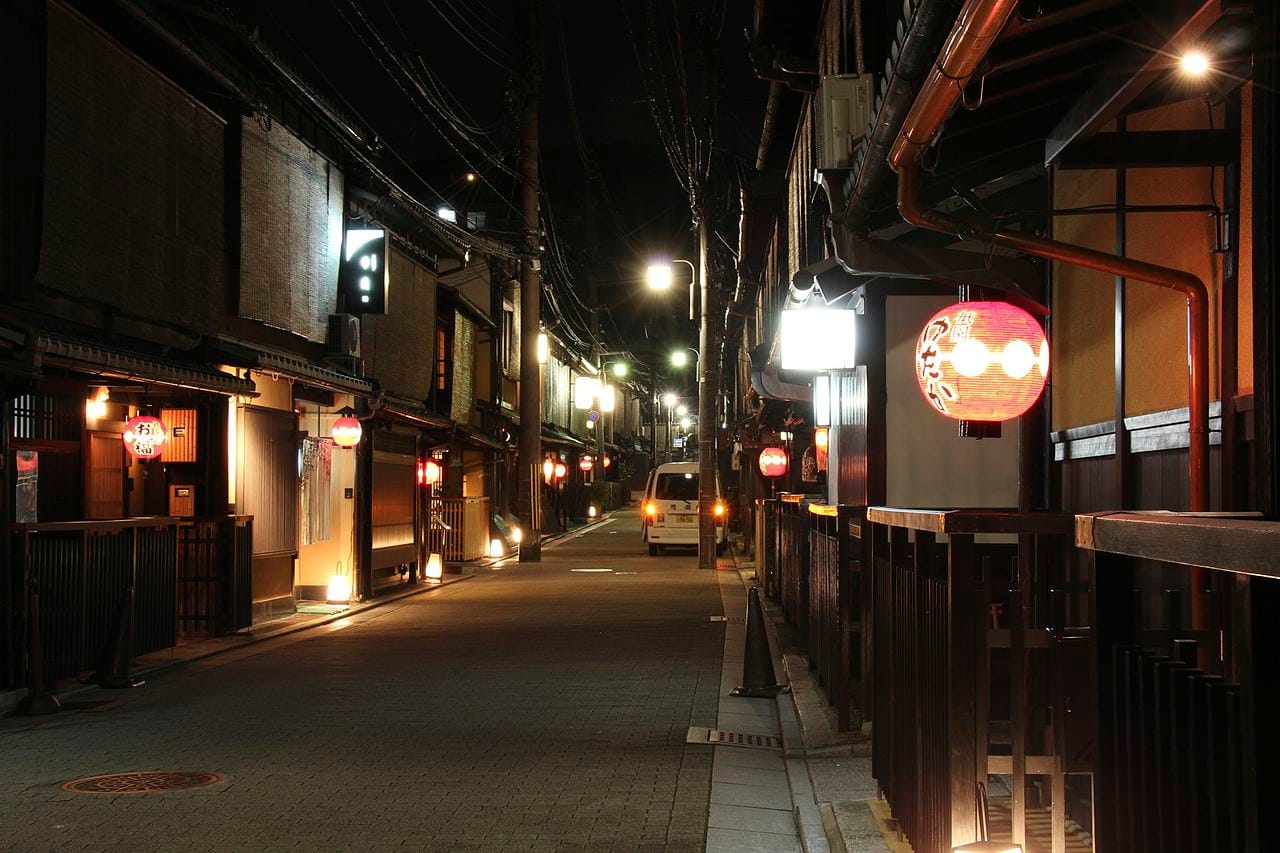
The truly rare part of luxury travel often isn't where you sleep or eat — it's buying access to an experience others can't get into. Japan is rich in these. The following, compiled from travel-operator and venue information, are the ones especially worth the spend:
- A geisha/maiko dinner (ozashiki) in Gion — traditionally introduction-only at the "ichigen-san okotowari" teahouses, but high-end operators can now arrange it: dine in a Kyoto townhouse, watch a maiko dance, hear the shamisen, play parlour games. One of Kyoto's most emblematic rare experiences.
- A private tea ceremony — one-on-one with a tea master, walking you through everything from whisking to etiquette, far deeper than a tourist demo. For the matcha and tea-ceremony context, see our Kyoto matcha journey.
- After-hours temple/museum access, or a garden at dawn — having a garden or gallery to yourself, with no other visitors, is the "time and space" money can buy.
- A private English-speaking guide with a chauffeured car — skip queues, link scattered sights and go deeper, ideal for countryside hops and tight schedules (though not where city transit already wins).
- A helicopter tour — an aerial view over Tokyo Bay or Mount Fuji, sightseeing taken to its luxurious extreme.
Most of these are arranged through a high-end travel specialist (DMC) or your hotel concierge — plan early and be clear about budget and the depth you want, so they can stitch it together.
Where & When: Kyoto, Hakone, Niseko, Okinawa
The luxury experiences cluster in a handful of places, each with its best season:
- Kyoto — the core for kaiseki, private tea ceremony, geisha dinners and top townhouse ryokan. Most beautiful in cherry blossom (late March-early April) and autumn foliage (mid-late November), but those are also the busiest, priciest and hardest to book, so plan extremely early. Early summer and early winter are quieter and more at ease.
- Hakone & Izu — the top onsen country closest to Tokyo, home to Gora Kadan and others, good year-round, with autumn leaves and winter bathing especially fine. Full plan in our Hakone guide.
- Niseko — the premier winter ski resort, world-class powder, full top-tier lodging and private-chef services; December-February is peak.
- Okinawa — the luxury choice for a summer island escape, with resorts like Halekulani Okinawa (opened 2019 on Onna's emerald coast, five pools and a private beach). Best in April-June and September-October, dodging the peak heat and typhoons.
Quick Table: Is It Worth the Splurge?
| Item | Worth it? | Rough price (per operator/inn) | Key point |
|---|---|---|---|
| Private-onsen top ryokan | ✅ The top splurge | ~80,000-150,000+ yen pp, two meals | Uniquely Japanese; insist on a private open-air bath room |
| Kaiseki / sushi omakase | ✅ Worth it | Kaiseki 20,000+; top sushi 30,000-50,000+ yen | Book via the hotel concierge; lunch courses are an easy entry |
| Luxury cruise train | ✅ A rail pilgrimage | from ~855,000 yen pp (Seven Stars, 4-day) | Lottery; apply 6-9 months ahead |
| Green Car / GranClass | ✅ High-value upgrade | A few thousand to tens of thousands of yen | The most practical everyday upgrade |
| Geisha dinner / private tea | ✅ Rare, worth it | From tens of thousands of yen, depending on arrangement | Through a concierge or high-end DMC |
| Five-star city standard room | △ It depends | Several hundred to 1,000+ USD/night | The concierge is worth it; the room itself you can get anywhere |
| Private car in the city | ❌ Usually a waste | Tens of thousands of yen per day | City transit is superb; save the car for countryside hops |
In one line: concentrate the money on what only Japan can give — a private-onsen ryokan, one real kaiseki or sushi, a leg on a luxury train or GranClass, a geisha dinner — and keep everything else comfortable but not showy. That's the richest trip for the most sensible budget.
One Last Piece of Advice
The essence of luxury travel in Japan isn't spending the most — it's spending with judgement. Ease, white space, and putting every yen on the experience that returns the most beats blanket top-tier with constant rushing, and it's far closer to true luxury. Decide first on the one or two "extraordinary moments" you most want from this trip — perhaps a private open-air bath on a snowy night, perhaps those fifteen pieces at the sushi counter, perhaps the journey if your Shiki-shima lottery comes through — tilt the budget toward those and keep the rest gracefully comfortable. You'll find the most luxurious thing of all is "just right."
Frequently Asked Questions
- Q1:How much does a luxury trip to Japan cost per night — is it worth it?
- It depends how you spread the budget. A top-tier onsen ryokan with a private bath and two meals (ichi-yado-nishoku) typically runs from about 80,000-150,000 yen per person per night, and Aman or Hoshinoya properties go higher; five-star Tokyo hotels such as Aman, Bvlgari and Janu mostly sit between several hundred and over a thousand US dollars a night. But luxury in Japan doesn't mean paying top dollar for everything. My view: spend on what only Japan can give you — a night in a private-onsen ryokan, one truly great kaiseki or sushi omakase, a leg in a shinkansen Green Car — and keep the rest at comfortable-but-not-extravagant. To spend smartly, map your overall budget first with our Japan trip cost guide.
- Q2:High-end ryokan or five-star city hotel — which should I book?
- They're completely different experiences, so the ideal answer is both, a night or two of each. A top-tier onsen ryokan (Hoshinoya, Gora Kadan, Amanemu, Aman) sells the uniquely Japanese: a private open-air bath in or attached to your room, a kaiseki dinner served course by course, the calm of tatami and a garden. This is the most Japanese thing money can buy, and where I'd splurge first. A five-star city hotel (Aman Tokyo, Bvlgari, Park Hyatt, Ritz-Carlton, and the 2024-opened Janu) sells skyline views, world-class spa and dining, and the strongest concierge service — and that concierge is decisive when it comes to dining reservations. In practice: city hotels in the big cities, ryokan when you head into the onsen country (Hakone, Yufuin, Izu).
- Q3:Michelin restaurants are hard to book — how do foreign visitors get a table?
- Japan has one of the highest concentrations of Michelin stars in the world; Tokyo, Kyoto and Osaka together rank near the top globally. But the most coveted sushi omakase and kaiseki counters often take regulars only, or work through specific channels — you simply can't book them on an online platform. The two most effective routes: (1) have the concierge at your five-star hotel book for you — this is the hidden value of staying somewhere top-tier, as they hold relationships that get walk-in guests in; (2) book through a high-end local travel specialist (DMC). One more tip: many starred restaurants offer a lunch course that's easier to get and far cheaper — a great way to try a famous kitchen for the first time. Kaiseki dinners often run 20,000 yen+ per person; top sushi omakase can reach 30,000-50,000 yen and up.
- Q4:What are Japan's luxury sleeper trains (Seven Stars, Shiki-shima, Mizukaze) and how do I book?
- These are the summit of Japanese rail travel, three flagship cruise trains. (1) Seven Stars in Kyushu — launched by JR Kyushu in 2013 as Japan's first luxury sleeper, just 10 suites; a four-day, three-night journey starts from around 855,000 yen per person per the operator. (2) TRAIN SUITE Shiki-shima — JR East, touring Tohoku and southern Hokkaido in champagne-gold carriages; top suites on a four-day trip can reach about 950,000 yen. (3) TWILIGHT EXPRESS Mizukaze — JR West, an Art Deco loop out of Kyoto through western Japan. All three run on a lottery system (applications often run 10-20 times the cabins), with windows usually 6-9 months ahead, so plan early.
- Q5:If I skip the luxury trains, how do I ride the shinkansen in style — is the Green Car worth it?
- You don't need a lottery-only train to travel well. For everyday legs, ride the shinkansen Green Car — wider seats, more legroom in a 2+2 layout, a quieter aisle, footrests and reading lights; on long runs (Tokyo to Kyoto, Tokyo to Tohoku) the upgrade is very noticeable. The Tohoku and Hokkaido shinkansen also offer a tier above, GranClass — a first-class cabin with large reclining leather seats, food and drink service and an attendant. If you want premium overland travel but can't get a cruise train, GranClass is the best stand-in. To plan Green Car upgrades alongside a rail pass, see our JR Pass guide.
- Q6:What other money-can-buy exclusive experiences does Japan offer?
- A few genuinely rare ones worth the spend: (1) a geisha/maiko dinner (ozashiki) in Gion — traditionally introduction-only, but specialist operators can now arrange it, with dance, shamisen and parlour games in a Kyoto townhouse; (2) a private tea ceremony — one-on-one with a tea master, far deeper than a tourist demo; (3) after-hours access to a temple or museum, or a garden at dawn with no crowds; (4) a private English-speaking guide with a chauffeured car, skipping queues and transit friction; (5) a helicopter tour over Tokyo Bay or Mount Fuji. Most are arranged through a high-end travel specialist or your hotel concierge. For the tea-ceremony side, start with our Kyoto matcha journey.
Read next
5 Best Japanese Onsen Ryokans 2026
From a 1925 Cultural Property to Michelin 3 Key — five definitive Japanese onsen inns.
Hakone Guide 2026: Free Pass, Owakudani & Lake Ashi
About 85 minutes from Shinjuku by Romancecar — the 2026 Hakone Free Pass, Owakudani, Lake Ashi pirate ships, the floating torii, and a two-day onsen loop.
How Much Does a Trip to Japan Cost? 2026 Breakdown
A full 2026 cost breakdown by trip length and travel style — flights, hotels, transport, food, tickets, shopping — with yen conversions and where budgets blow up.