If your Japan New Year guide still says "department stores open on January 2," "you can take the subway home after the countdown," and "just ride a non-reserved car if the seats sell out," then all three of those sentences are now wrong. Takashimaya has closed every store on January 1 and 2 since the 2025 New Year, moving its hatsuuri sale to January 3. Tokyo Metro last ran network-wide all-night service on New Year's Eve 2019, cancelled it in fiscal 2020, kept only a short Ginza Line section between Asakusa and Ueno in fiscal 2021, and hasn't even extended last trains since fiscal 2022. And JR Central has already confirmed that from December 25, 2026 to January 5, 2027, every Nozomi between Tokyo and Hakata is fully reserved — there is no non-reserved car to fall back on. This guide doesn't pretend to hand you a 2026-27 opening-hours table, because Japanese retailers and railways don't publish those until late November through mid-December. What it gives you instead is the judgment framework: which categories open, which close, when to check, and exactly which official page to check.
- New Year sales have split into three camps: outlets and discount chains open Jan 1, the Mitsukoshi Isetan camp opens Jan 2, and Takashimaya / Hankyu-Hanshin wait until Jan 3. "Everything opens on the 2nd" is dead.
- Tokyo's subways do not run all night on New Year's Eve — plan a countdown spot you can walk home from, or check which JR East lines run this year.
- Dec 25–Jan 5: every Nozomi is fully reserved (officially announced). JR Pass holders must still reserve; Hikari and Kodama keep non-reserved cars.
- Supermarkets are turning January 1 into a closing day; convenience stores are your reliable fallback, and bank branches are closed Dec 31–Jan 3 by law.
- Written August 2026: apart from three officially confirmed items, everything here is last season's pattern — the five official pages to re-check in December are listed at the end.
📖 Table of contents
- 1. What this guide can and can't tell you
- 2. How the 2026-27 calendar falls
- 3. Trains: reservations, all-night service, holiday timetables
- 4. Shopping: the three camps of New Year opening
- 5. Eating: a reliability ranking
- 6. Money: bank closures are written into law
- 7. Museums, theme parks and bathhouses
- 8. Markets: peak at year-end, dead in January
- 9. If you get sick (and your medication)
- 10. Luggage forwarding, post and hotels
- 11. Five official pages to check in December
- 12. Turning it into an itinerary
- 13. FAQ
What this guide can and can't tell you
Let's be upfront, because it changes how you should use this page. This was written in August 2026. As of that date, exactly three things about the 2026-27 New Year period have been officially announced:
- JR Central's all-reserved Nozomi period, December 25, 2026 – January 5, 2027;
- Tokyo Disney Resort's confirmation (announced July 6, 2026) that its "New Year's Eve" special overnight event will again not be held;
- Tokyo National Museum's year-end closure of December 26–31 and reopening on January 1, 2027.
Everything else — department-store sale dates, supermarket closures, which lines run all night, ATM downtime windows, museum closing dates — has not been published yet. Japanese retail and transport operators announce in late November through mid-December. So any article that confidently tells you in August what time a specific shop opens on January 1, 2027 is either recycling old data or inventing it.
How the 2026-27 calendar falls
Start with the arithmetic, because the day of the week decides how long the shutdown feels.
- December 31, 2026 — Thursday (Omisoka, New Year's Eve)
- January 1, 2027 — Friday (Ganjitsu, the only statutory holiday in this window)
- January 2 — Saturday; January 3 — Sunday
- January 4 — Monday, the first working day
That's good news for travelers. The three customary days land neatly on the weekend, so banks, post offices, companies and most facilities all snap back on January 4 rather than dribbling back over a week. If you're arriving in early January, you're barely affected. If your trip runs Dec 29 to Jan 3, though, you are sitting squarely in the awkward zone — read on carefully.
One more calendar note: the next long weekend is Coming-of-Age Day, Monday January 11, 2027, and JR Central has already listed January 9–11 as another all-reserved Nozomi period. So "skip the New Year rush and go mid-January instead" still runs into a Shinkansen squeeze. For the bigger picture of which Japanese holiday to dodge and how to revise your budget upward, start with our guide to Japan's three big holidays.
Trains: reservations, all-night service, holiday timetables
The all-reserved Nozomi window is the one hard fact
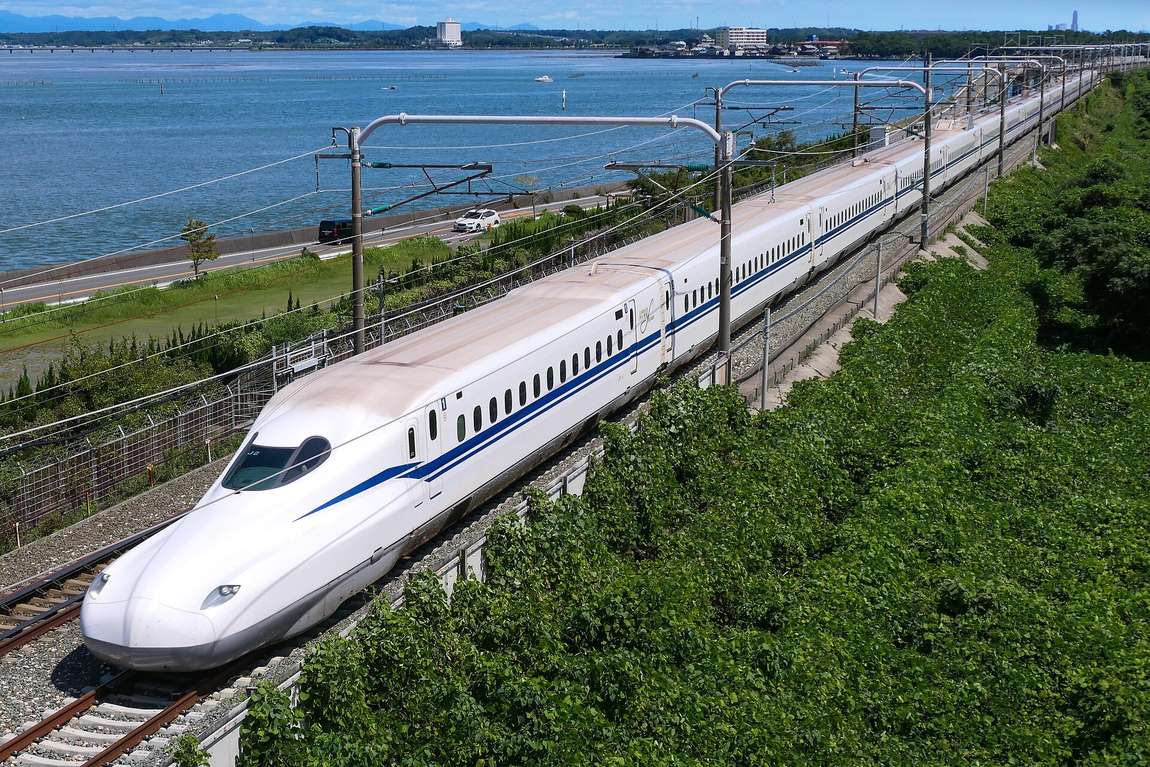
JR Central's official "peak-period all-reserved Nozomi" page now lists the full fiscal 2026 schedule, and the New Year block is Friday December 25, 2026 through Tuesday January 5, 2027, covering every Nozomi service operating between Tokyo and Hakata.
The official language leaves no wiggle room: a non-reserved limited-express ticket does not entitle you to a seat; you may board only if you use the vestibule area of an ordinary car; and crowding may prevent you from boarding your intended train at all. In plain English — during this window, no reservation means no seat, and possibly no ride.
For the mechanics of booking (EX early-bird fares, e5489, cancellation rules on discounted tickets) see our Shinkansen early-bird ticket guide; for whether a pass pays off at all, the full math is in is the JR Pass worth it.
Peak days: outbound around Dec 27, return on Jan 3
JR companies publish their New Year reservation figures in mid-December each year. Reporting on the 2025-26 season put the outbound peak (Tokyo to the regions) on December 27 and the return peak on January 3, with roughly 2.52 million reserved seats booked on the Tokaido-Sanyo Shinkansen — about 4% up on the previous year, and a record high for JR Group New Year reservations overall.
The 2026-27 peak days haven't been published yet (they come in mid-December). Plan around the same shape: travel out avoiding Dec 27–30, travel back avoiding Jan 2–3. Shifting by even one day helps enormously.
All-night New Year's Eve trains: who runs them, who doesn't
This is the second big interception point, and the one most likely to strand you. The headline: Tokyo Metro no longer runs all-night service on New Year's Eve.
The sequence matters, though, because “stopped from fiscal 2020” — which is how I compressed it previously — is not quite true. There are four stages:
- The last network-wide all-night service ran on New Year's Eve 2019.
- Fiscal 2020 was cancelled outright, the official notice citing requests from the four Tokyo-area governments and MLIT.
- 🔴 Fiscal 2021 was not a blank: the official notice of December 15, 2021 states that the Ginza Line ran all night between Asakusa and Ueno at roughly 15-minute intervals, with extended last trains on the Ginza Line (Ueno–Shibuya) and Marunouchi Line (Ikebukuro–Ginza) as well. So “nothing at all since fiscal 2020” is wrong — the service shrank to a single short section.
- No announcement for fiscal 2022 onward — no all-night service, and not even extended last trains or earlier first trains.
In the 2025-26 season, Tokyo Metro simply ran a Saturday/holiday timetable across the whole network from Dec 30 to Jan 3. Toei Subway, Tobu, Seibu, Sotetsu and the Yokohama Municipal Subway likewise don't run all night.
One distinction worth keeping straight: no all-night service on New Year's Eve is a separate matter from what time the last train leaves on an ordinary night — the latter was pulled forward across the Tokyo network in 2021 and no operator has announced a restoration since. The detail, and what your options actually are after midnight, is in the guide to missing the last train in Japan.
So who does? Here's the 2025-26 picture — treat it as a map of the landscape, not a timetable:
| Region | Runs all night | Extra late trains only | Nothing at all |
|---|---|---|---|
| Greater Tokyo | JR East (six lines in a typical year), Keisei, Keio, Tama Monorail, Izuhakone Railway | Odakyu, Keikyu, Tokyu, Tokyo Monorail | Tokyo Metro, Toei Subway, Tobu, Seibu, Sotetsu, Yokohama Municipal Subway |
| Kansai | Keihan, Kintetsu | JR West (late-night extras on the Osaka Loop Line and others) | Hankyu, Nankai and others |
| Nagoya | Nagoya Municipal Subway (except the Kamiiida Line) | — | — |
| Kyushu | Nishitetsu, Fukuoka City Subway and several others run late-night service | — | — |
Based on what operators actually ran in the 2025-26 New Year period; 2026-27 plans have not been announced (last season JR East published on October 17, JR West on October 31 and Keikyu on November 28).
JR East's 2025-26 all-night lines were the Yamanote (both directions, roughly 01:00–05:00), Keihin-Tohoku/Negishi (Sakuragicho–Omiya), Chuo-Sobu local (Mitaka–Chiba), Chuo rapid (Mitaka–Takao) and Yokosuka (Yokohama–Zushi), plus extra services on the Sobu and Narita lines.
The overlooked one: holiday timetables from around Dec 30
More travelers are tripped up by this than by all-night service. Most railway operators switch from weekday to Saturday/holiday timetables somewhere between around December 30 and January 3 (Tokyo Metro's 2025-26 window was exactly Dec 30–Jan 3). The practical effect: rush-hour extras disappear, intervals stretch out, and last trains can leave earlier than the time you looked up.
That 23:40 connection you found on Google Maps in August may simply not exist on January 2. Re-check every transfer on the day, using the operator's own app or timetable. It costs nothing and prevents the most avoidable kind of disaster.
Airport transfers: back the trains, not the buses
Here's a clear recommendation: for airport runs around New Year, prioritize rail — the Narita Express, Skyliner, Keikyu, Nankai rapi:t and their equivalents. They run to fixed timetables, are insulated from road conditions, and operate normally through the holidays. Airport limousine buses run to each operator's own timetable and services on January 1 may differ from a normal day. At the time of writing, the main Tokyo airport bus operator had no dedicated New Year notice on its site, so I'm not going to quote any specific reduction figures — if there's no official source, I'd rather give you nothing. If you must take a bus, re-check the day's timetable about three days before you travel.
Shopping: the three camps of New Year opening
This is the section that goes stale fastest, so check the dates against the year you are travelling.
"Department stores open on January 2" is no longer true
For two decades the rhythm was fixed: closed on January 1, hatsuuri (first sale) on January 2, crowds fighting over lucky bags. That pattern broke with the 2025 New Year.
Takashimaya lit the fuse: every store closed on both January 1 and 2, with the first sale pushed to January 3. The company's stated reason was improving morale for staff including partner-company employees; the backdrop is two very real pressures — consumer enthusiasm for New Year's Day bargain-hunting has been fading, and retail labour is desperately short. Others followed: Hankyu Umeda and Hanshin Umeda closed Jan 1–2, Daimaru Fukuoka Tenjin set both days as store holidays, Matsuya Ginza expanded its New Year closures (for the first time in 24 years), and the Marui group and Shinjuku Mylord widened theirs too.
Not everyone followed. Mitsukoshi Isetan stores still ran their January 2 first sale in 2026 (Isetan Shinjuku's "Shinshun-sai 2026"), with Sogo & Seibu starting winter clearance on the 2nd, PARCO's Grand Bazar on the 2nd and Omotesando Hills' New Year sale on the 2nd. GINZA SIX, meanwhile, started on the 3rd.
So the accurate mental model is three coexisting camps:
| Camp | Representative operators (2026 New Year) | What it means for you |
|---|---|---|
| Open Jan 1 | Premium Outlets and other outlet malls, LaLaport, Tokyo Solamachi, Laforet Harajuku, discount stores, electronics superstores, convenience stores | The only place to shop seriously on New Year's Day; the real lucky-bag battleground |
| Open Jan 2 | Mitsukoshi Isetan, Sogo & Seibu, PARCO, Omotesando Hills | The "old guard" department stores still closing only on the 1st |
| Open Jan 3 | Takashimaya (all stores), Hankyu Umeda, Hanshin Umeda, Matsuya Ginza, GINZA SIX | The camp the industry is drifting toward — and the easiest to get caught out by |
2026 New Year results per FASHIONSNAP and WWDJAPAN reporting plus individual store notices; each retailer publishes its 2026-27 dates from late November through December.
Outlet malls: open on January 1 and running the biggest sale
Outlets are the answer to New Year's Day shopping. Across the ten Premium Outlets sites (Gotemba, Rinku, Sano, Tosu, Toki, Kobe-Sanda, Sendai-Izumi, Ami, Shisui and Fukaya Hanazono), the 2026 New Year schedule was a New Year Sale from January 1 to 4, with Gotemba opening early at 09:00 on the 1st; a Countdown Sale ran Dec 26–31 beforehand, and a further bargain event followed in mid-January.
Access, tax-free logistics and which mall suits which shopper are covered in dedicated guides, so I won't repeat them here: for Gotemba see the Gotemba Premium Outlets guide, and for the Mitsui network how to pick a Mitsui Outlet Park. The tax-free system itself, including the refund-based scheme starting November 2026, is in our Japan tax-free shopping guide.
Discount stores, drugstores and electronics: usually open, but don't bet on the hours
- Don Quijote: in principle open year-round, with large tourist-area branches (central Tokyo, Dotonbori, Shinsaibashi, Umeda) typically staying 24 hours. But the company publishes neither a blanket "always open" statement nor a New Year notice, and individual branches can still shorten hours or close — check the specific store in the official store finder.
- Electronics superstores (Bic Camera and peers): they typically open on January 1 with a first sale, though opening times differ year to year, so I won't state one. Note that high-value lucky bags have largely moved to advance online lotteries in recent years — queueing in person doesn't guarantee anything.
- Drugstores (Matsumoto Kiyoshi and similar): generally open, with shortened hours at most branches Dec 31–Jan 3. The catch is the dispensing pharmacy counter, which mostly closes Dec 31–Jan 3 even while the shop floor stays open — a critical distinction covered in section 9.
- Convenience stores: your most reliable resupply point. The big three (7-Eleven, FamilyMart, Lawson) run 24 hours almost everywhere; in the 2025-26 season Lawson listed around 85 stores nationwide with shortened hours or closures — under 1% of the chain. What you can actually get done in one is in our convenience store guide.
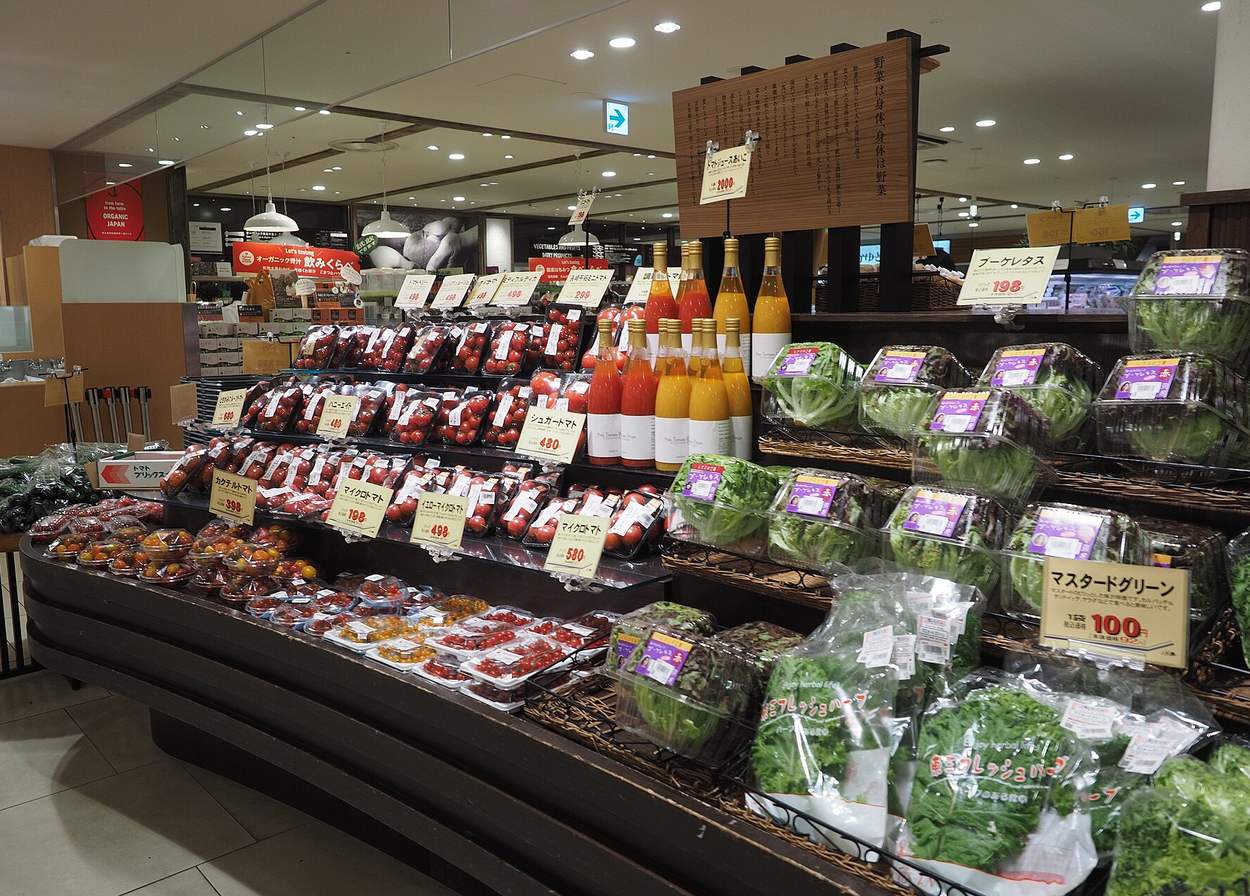
Supermarkets: Japan is turning January 1 into a closing day
This trend runs opposite to most people's assumptions. Life, one of the major supermarket chains, closed every store from January 1 to 3 for the 2026 New Year and reopened on the 4th (announced December 10, 2025), with only a handful of branches inside shopping complexes continuing to trade. Large general merchandise stores such as Aeon and Ito-Yokado have typically shortened hours rather than closing outright, though some branches do close on the 1st.
The takeaway is blunt: supermarkets are one of the easiest categories to get caught out by during the first three days of January. If you're self-catering, buying fresh food, or hunting discounted prepared meals, stock up before December 30 and rely on convenience stores and large discount chains for the rest.
Lucky bags: the honest verdict for short-trip visitors
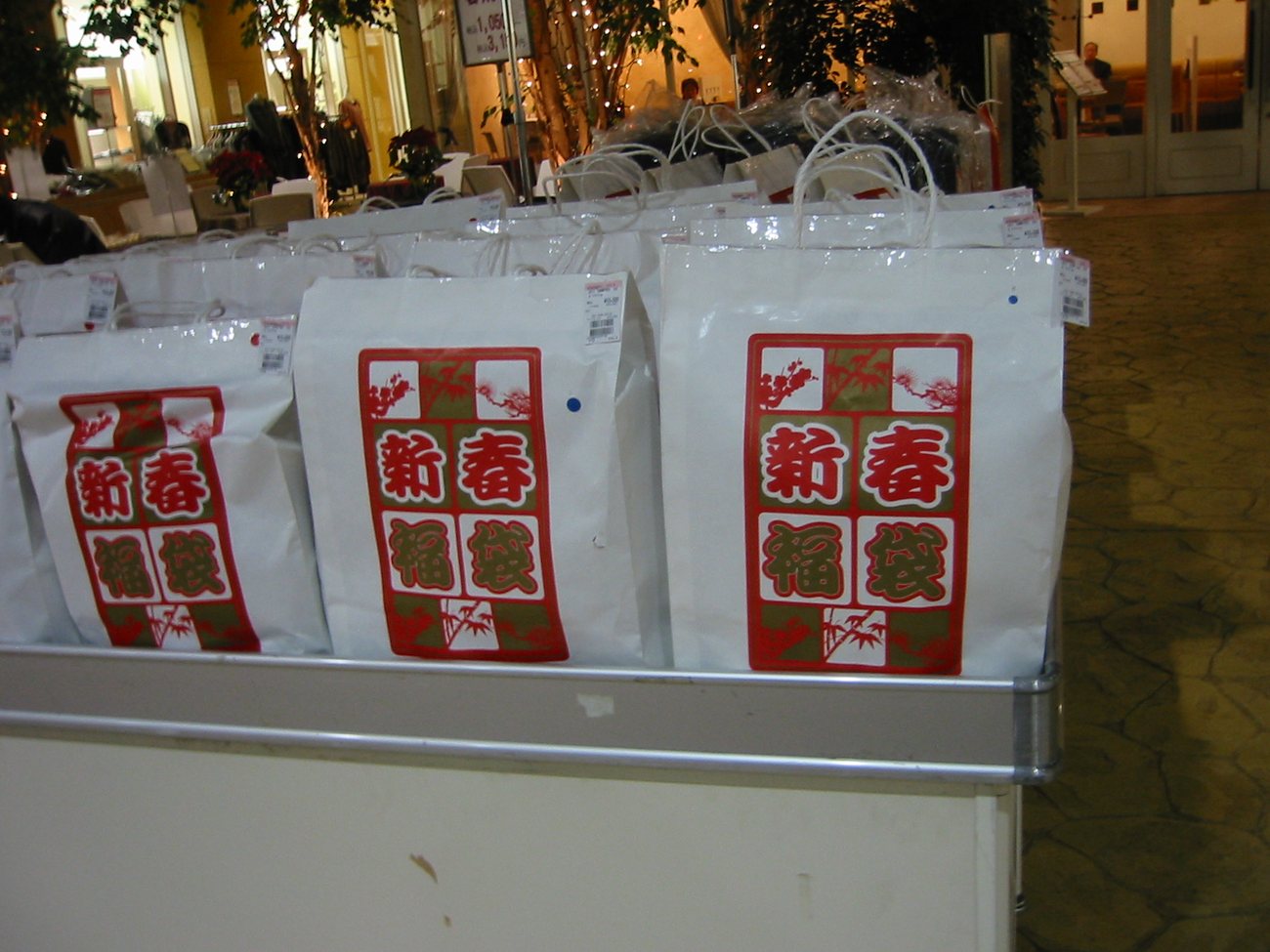
Fukubukuro go on sale with each store's first sale, so their dates split along the same three camps. But here's the unglamorous judgment: for a short-stay overseas visitor, lucky bags are not a must-chase item. The high-value electronics and department-store bags have largely shifted to advance online lotteries aimed at domestic members — being physically in the queue doesn't mean you'll get one. What's realistically available is the walk-up fukubukuro at outlets and discount stores that open on January 1. Treat anything else as a bonus. For discounts you can actually count on, the foreigner-specific coupons in our Japan discount coupon roundup are far more practical.
Eating: a reliability ranking
The biggest New Year trap isn't transport, it's "the place I wanted is closed." Break it down:
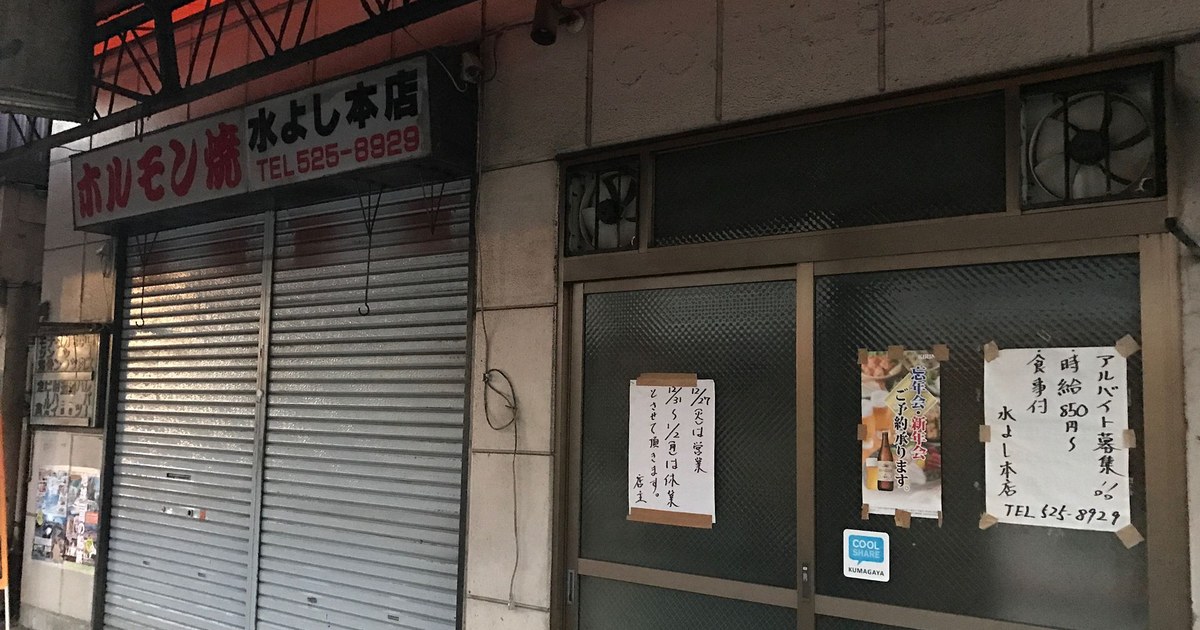
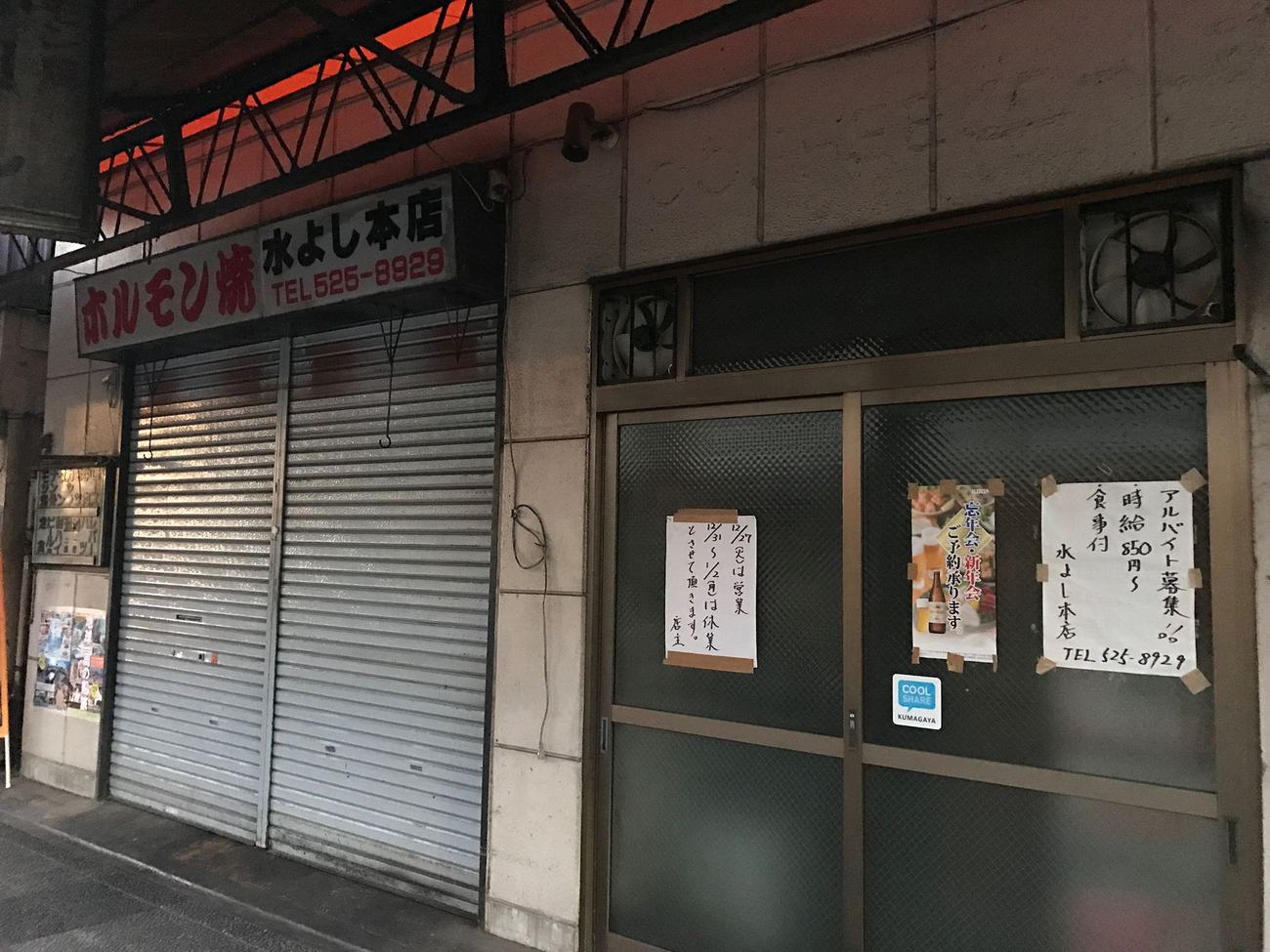
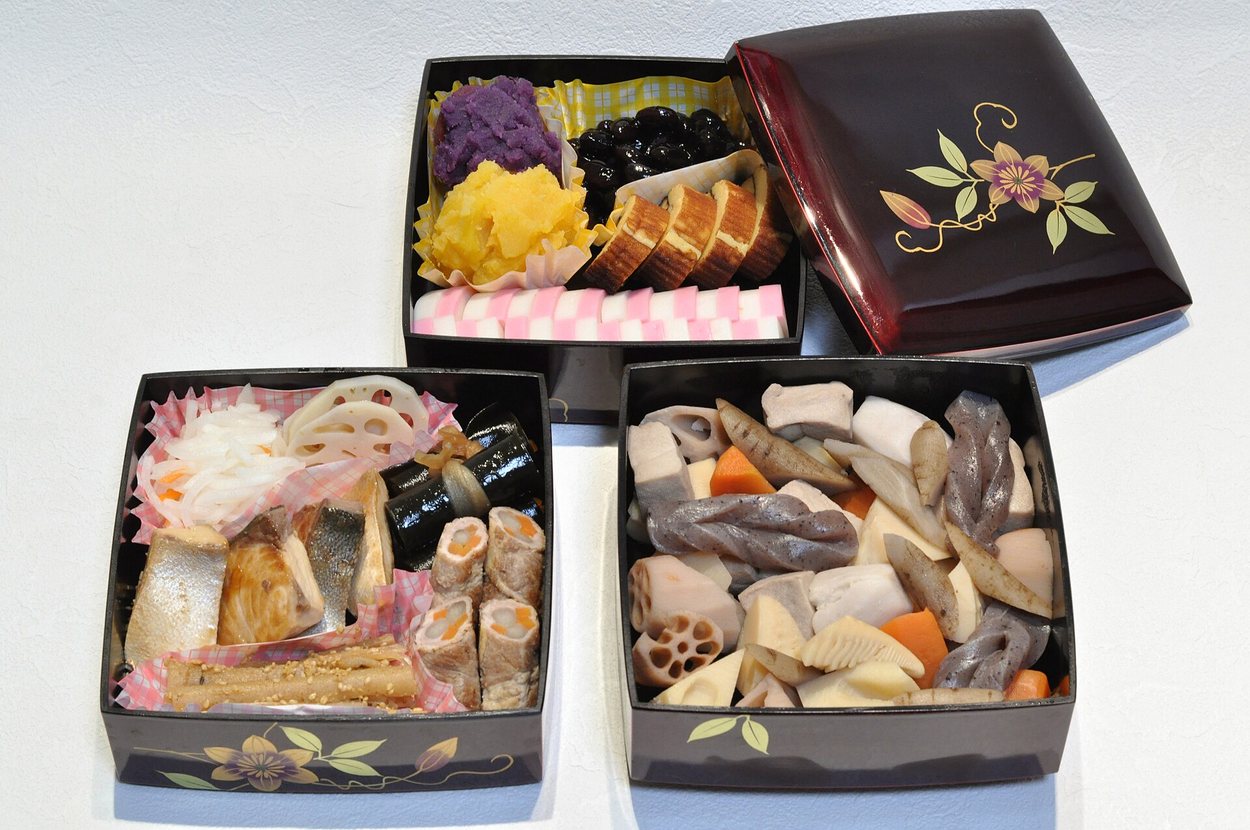
- Independent restaurants (ramen, izakaya, set-meal shops, neighborhood Chinese, sushi counters): typically closed from Dec 31 or Jan 1 until Jan 3–4. This is where most disappointment comes from. The fix is checking the "hours" field on Google Maps for the specific shop — but note that most shops only update their New Year hours in late December, so a check in mid-December often shows nothing and you'll need to look again close to departure.
- Chains: the common misconception is that a chain has a single nationwide New Year schedule. They don't publish one. Roadside, highway and service-area branches mostly run 24 hours or close to normal; branches inside stations and shopping complexes follow the host facility — when the mall closes, the restaurant closes. "Chain X is open on New Year's Day" is therefore a meaningless statement; look up the individual branch in the chain's own store finder, which carries the special holiday hours table during this period.
- Hotel breakfast and mall restaurant floors: restaurant floors follow their host facility, so their opening dates map exactly onto the three-camp table above. Hotel breakfast is the single most reliable meal of the period — adding it to your booking is better value over New Year than at any other time.
My reliability ranking for those first three days: hotel breakfast → department-store and mall restaurant floors (when the facility is open) → chain branches (check the specific one) → convenience stores → outlet food courts → independent shops (a gamble).
Money: bank closures are written into law
Dec 31–Jan 3: banks are closed by statute
Most visitors assume each bank chooses its own New Year break. It doesn't. Article 5 of the Banking Act Enforcement Order defines bank holidays as three categories: days connected to the national holidays law, December 31 through January 3, and Saturdays and Sundays.
So every bank counter in Japan is shut for those four days — not laziness, legislation. The knock-on effect matters: bank-counter currency exchange is simply unavailable Dec 31–Jan 3. Airport exchange desks and street exchange shops mostly operate as usual (varies by operator), though rates are typically worse than a bank's. Handle your exchange before December 30, or at the airport and via ATMs.
ATMs: Seven Bank is the safe bet, with one card trap
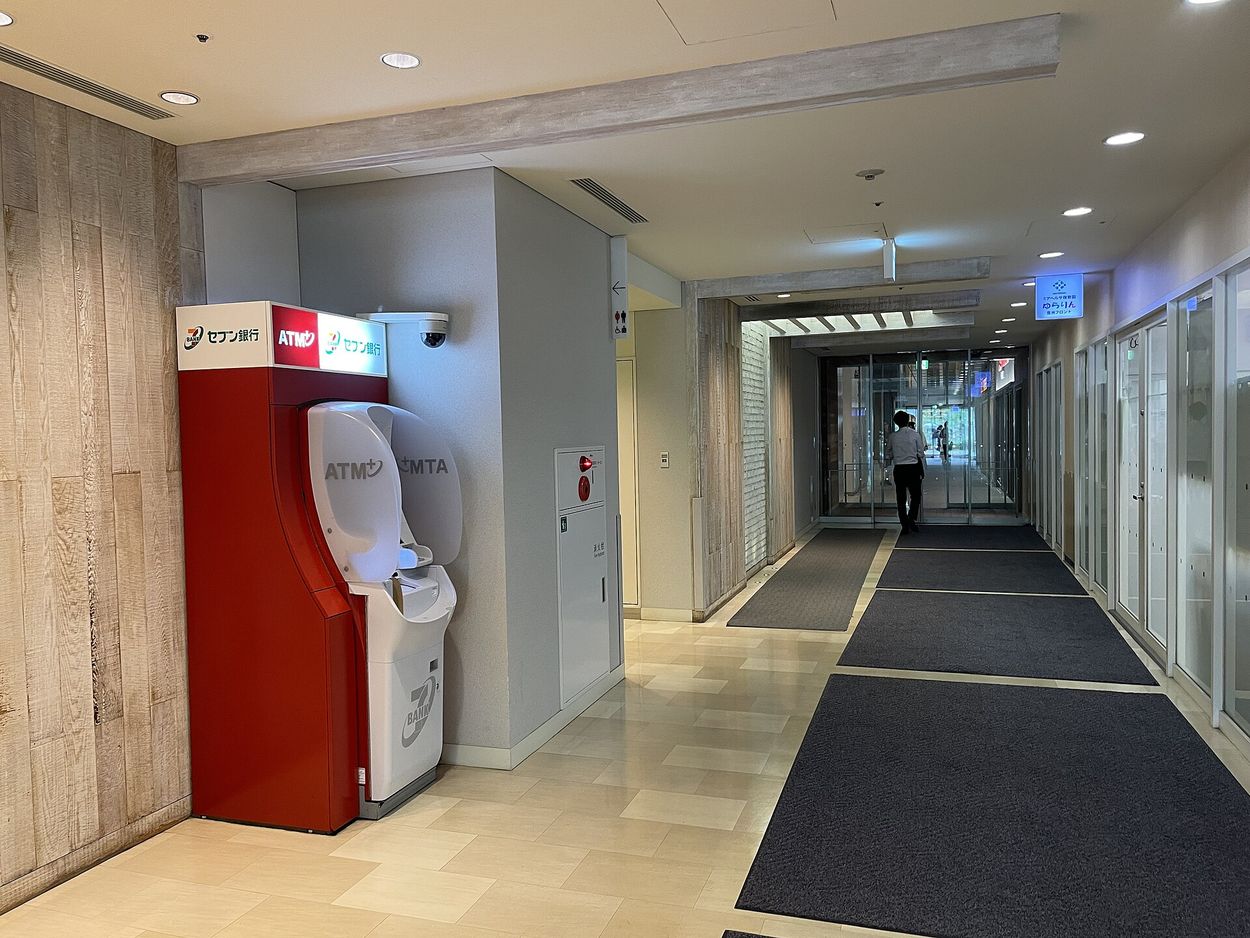
The answer to getting cash during the holidays is convenience-store ATMs. Seven Bank ATMs accept overseas-issued cards 24 hours a day, 365 days a year, with an 11-language interface, a ¥100,000 per-withdrawal ceiling (¥30,000 for magnetic-stripe transactions), and occasional brief limits during system maintenance.
Japan Post Bank ATMs also run through the period: per its official notice, roughly 14,000 locations and 18,000 machines nationwide handle ordinary deposits and withdrawals January 1–4. Watch the downtime windows, though — ATMs (except the compact ones) are offline from 21:00 on Dec 31 to 07:00 on Jan 1, transfers stop from 23:55 on Dec 31 to 07:00 on Jan 2, and the call center is unavailable Jan 1–3. Post office financial counters follow the same banking law and close Dec 31–Jan 3. For the wider picture of cash versus cards versus QR payments, see how payment actually works in Japan.
Museums, theme parks and bathhouses
Museums and zoos: closing is the norm
Public cultural facilities generally close from around December 28 to January 1 (or January 3), reopening on the 2nd or 3rd. From the 2025-26 season: the National Museum of Nature and Science in Ueno closed Dec 28–Jan 1, and the Tokyo Metropolitan Art Museum closed Dec 22–Jan 3 for the holidays plus facility maintenance. Ueno Zoo closes Dec 29–Jan 1 and reopens on Jan 2 (admission ¥600; 09:30–17:00, last entry 16:00, plus its regular Monday closure that shifts when Monday is a holiday).
There's one exception worth building a day around: Tokyo National Museum. It has officially announced a year-end closure of December 26–31 and reopening on January 1, 2027 (permanent collection ¥1,000). On a day when almost every other museum in Tokyo is dark, this one is open — and it traditionally runs a New Year programme with seasonal displays and performances such as lion dances. If you want an indoor, substantial, non-shoulder-to-shoulder option on January 1, this is the first thing I'd put on the list. (Opening times and programme content follow the museum's own announcement for the year.)
Theme parks: one cancelled, one you have to race for tickets
The two big parks have moved in opposite directions:
- Tokyo Disney Resort: the "New Year's Eve" special overnight event will again not be held for the 2026-27 turn of the year — officially announced on July 6, 2026. The old advice about entering at 22:00 on Dec 31 and playing until morning describes something that no longer exists; it hasn't run for several years. New Year programming does begin from January 1. The official calendar shows both parks open 09:00–21:00 on Dec 31 and Jan 1.
- Universal Studios Japan: the exact opposite — its countdown is a separately ticketed mega-event. The 2026-27 edition, NO LIMIT! Countdown 2027, is announced: 19:00 on Dec 31, 2026 to 21:00 on Jan 1, 2027, with a separate party pass required; ordinary Dec 31 tickets are valid only until 17:00. This season it is first come, first served, with no lottery: Grand Royal annual-pass presale from Oct 7, Lawson Ticket presale from Oct 23, then general sale from about 21:00 on Nov 4 only if tickets remain. The party pass is ¥16,900 including tax, one price for all ages. Without an annual pass, put October 23 in your calendar.
Sento: one of the few things reliably open
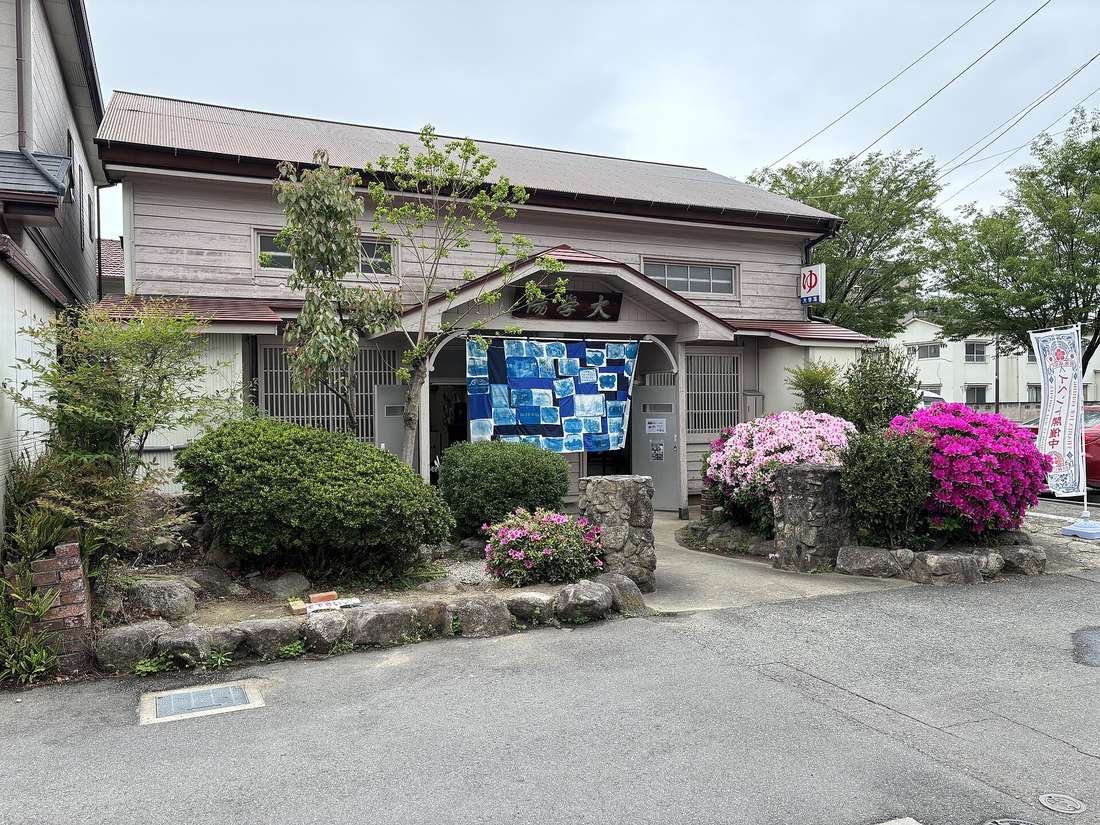
Here's a New Year backup plan I genuinely recommend. The Tokyo Sento Association publishes a dedicated New Year opening page each late December, where you click a district on a map to see that branch's holiday hours. As the association itself puts it, many Tokyo bathhouses run a morning bath (asa-yu) on one of the first three days of January, and some districts hand out New Year cards or small gifts to first-bath visitors.
In other words, a morning soak in the first days of January is not only possible, it's a seasonal experience in its own right. Individual bathhouse hours vary shop by shop and change annually, so I won't name any specific times — go straight to the association's official page in late December (linked in section 11).
Price is one thing you never have to check over New Year: the sento entry fee is a statutory ceiling designated by the prefectural governor, with no holiday or peak-season variant, so a New Year morning bath costs exactly what a wet Tuesday afternoon costs (Tokyo: ¥600 for adults from 1 August 2026). How that cap works, why the national range runs from ¥300 to ¥600, and the mixed-bathing age rule families need to check are all in our Japan sento guide.
Markets: peak at year-end, dead in January
The market section has the simplest structure of all: December 28–30 is the annual peak, the first three days of January are the annual trough.
Take Tsukiji Outer Market. Year-end (Dec 28–30) is its busiest stretch of the year as Japanese shoppers descend for New Year provisions, with Dec 29–30 the most crushed and 10:00–13:00 the worst window; 06:00–08:00 is comparatively walkable. Then roughly Jan 1–4 most shops close, with reopening trickling through around the 5th. The only official framing available is the market's own note that many Outer Market shops close on the Tokyo Metropolitan Central Wholesale Market's closed days — worth remembering, because it means you can infer shop closures from the wholesale market's calendar.
Kuromon Market in Osaka and Nishiki Market in Kyoto follow a similar rhythm: extended hours on Dec 29–30, most shops closed from Jan 1, and individual reopening dates all over the place. I'm not listing hours for any single shop, because a market is a collection of independent businesses with no unified announcement — checking shop by shop is the only honest answer.
Naha's Makishi Public Market in Okinawa closes Jan 1–3; Okinawa's New Year runs on a different set of rules altogether (Shuri Castle, first-sunrise spots, the lunar new year), covered in our Okinawa New Year guide. The three cities most visitors pick each get their own night: New Year's Eve in Tokyo, Kyoto's joya no kane and okera mairi, and Osaka, where the first thing to settle is which of the five railways actually run past midnight — Osaka Metro has now said no to all-night services two years running. The praying itself — arrows, fortunes, whether there is a deadline — sits in the hatsumode guide.
If you get sick (and your medication)
Almost nobody writes this section, and it's the one that causes real panic. Most clinics close for the first three days of January; coverage falls to each municipality's holiday clinics and holiday/night emergency centers plus rostered on-call facilities. Three numbers worth saving:
- Tokyo Metropolitan Medical Institution Information Service "Himawari": Japanese 03-5272-0303 (24-hour automated guidance). The foreign-language line is 03-5285-8181, daily 09:00–20:00, in English, Chinese, Korean, Thai and Spanish. Note the official caveat: staffed health consultations are not provided on holidays and during the New Year period, though the automated facility-lookup service runs 24 hours.
- #7119 (Tokyo Fire Department emergency consultation): 24 hours; 03-3212-2323 for the 23 wards, 042-521-2323 for the Tama area. Its purpose is helping you judge whether to call an ambulance — when you're unsure, call this before either dialing 119 or toughing it out.
- AMDA International Medical Information Center: 0120-339-266 / 03-6233-9266, offering referrals to multilingual-capable medical facilities and remote medical interpreting (English, Korean, Chinese, Spanish, Portuguese, Filipino, Thai, Vietnamese, each on set weekdays). Its New Year availability isn't stated on the site, so treat it as unconfirmed for those specific dates.
Luggage forwarding, post and hotels
- Luggage forwarding (takuhaibin): Yamato Transport continues collection and delivery through the New Year on its usual holiday roster, with no nationwide suspension. However, during the equivalent 2025-26 window (Dec 27–Jan 4) some branch counters closed or shortened hours, and same-day delivery could be suspended or its cut-off changed; the company also warns that holiday road congestion can cause delays. Translated for travelers: add a day of buffer to any hotel-to-hotel or hotel-to-airport luggage transfer over New Year. Mechanics in our luggage forwarding guide.
- Post: in the 2025-26 season, ordinary mail and Yu-Mail had no delivery on Dec 20–21, Dec 27–28, and Jan 2 and 4, while registered mail, express, Yu-Pack and registered international mail were delivered every day. For visitors that means a postcard home will be slow if you send it in this window — don't assume normal transit. Large post offices' "Yu-Yu counters" usually operate on Dec 31, but that's postal services only; banking business isn't available.
- Hotels: New Year is among the most expensive and hardest-to-book windows of the year, with good locations in popular cities gone months ahead. This guide doesn't run price estimates — the quantified side (how much rates rise, how to revise a budget) is in our three-big-holidays guide. One tip: book near a major station, because when timetables shift you'll want transfer flexibility.
Five official pages to check in December
This is the most useful part of the article — bookmark it. About a month before you fly (early to mid-December), run through these five official pages and you can replace this guide's "usual pattern" with that year's confirmed facts:
- JR Central, all-reserved Nozomi periods — confirm the window hasn't changed and check for added periods. railway.jr-central.co.jp/nozomi
- JR East all-night service information — which lines run all night this year, plus time bands and intervals (published October 17 last season). media.jreast.co.jp
- Your department store's New Year closure page — the official store-holiday and first-sale notice for the specific store you plan to visit; Takashimaya's is a good example. takashimaya.co.jp store holidays
- Japan Post Bank New Year service notice — ATM downtime windows and counter opening days (typically published in late November). jp-bank.japanpost.jp
- Tokyo Sento Association New Year opening information — for the first-bath plan; typically updated in late December. 1010.or.jp/newyear
Two more that aren't official pages but belong in your calendar: the USJ countdown party pass Lawson Ticket presale from October 23 (first come this season, no lottery), and run your restaurant shortlist through Google Maps in late December, since most independent shops only post their New Year hours then.
Turning it into an itinerary
Here's the whole guide compressed into something you can act on. Assume a seven-day trip arriving Dec 29 and leaving Jan 4:
| Date | What the environment is like | What to schedule |
|---|---|---|
| Dec 29–30 | Shops still open; markets at their annual peak; outbound Shinkansen rush | Department store and drugstore shopping, markets (go early), currency exchange, stock up on food and drinks for the closed days |
| Dec 31 (Omisoka) | Many shops close around midday; countdown at night; subways do not run all night | Toshikoshi soba; pick a countdown spot within walking distance of your hotel; note larger ATMs go offline after 21:00 |
| Jan 1 | Most department stores closed; supermarkets may close entirely; convenience stores and outlets open | Shrine visit, outlet New Year sale, facilities that open on the 1st such as Tokyo National Museum, a morning sento |
| Jan 2 | The Mitsukoshi Isetan camp opens; zoos and museums start reopening; return rush begins | First-sale shopping if that's your camp; museums and zoos; avoid long-distance moves |
| Jan 3 | The Takashimaya camp opens; the year's heaviest return-direction Shinkansen day | Remaining department-store shopping; do not take a long train today |
| Jan 4 (Mon) | First working day — banks, post offices and businesses all back | Anything administrative: tax refunds, shipping, currency exchange, seeing a doctor |
Two rules run through that whole table: shop before Dec 30 or after Jan 3, and travel avoiding the Dec 27–30 outbound and Jan 2–3 return peaks. Everything else is detail.
And once more, the honest part: what this guide provides is a structure and a method, not a 2026-27 opening-hours table — because that table doesn't exist yet in August 2026. Be suspicious of any page that states, right now, exactly what time a given shop opens on January 1, 2027. A month before you fly, spend five minutes on the five links in section 11; it will save you a trip's worth of locked doors.
Frequently Asked Questions
- Q1:Is the whole New Year period a public holiday in Japan?
- No.January 1 (Ganjitsu) is the only statutory holiday in the entire New Year window. January 2 and 3 are not national holidays — they're customary closures observed by government offices and most companies. The phrase sanganichi just means those first three days colloquially. The one hard exception is banking: Article 5 of the Banking Act Enforcement Order defines December 31 through January 3 as bank holidays by law, so that closure isn't a choice individual banks make. For the 2026-27 season the calendar falls kindly: Dec 31, 2026 is a Thursday, Jan 1, 2027 a Friday, Jan 2 a Saturday, Jan 3 a Sunday — which makes Monday January 4 the first working day, and everything snaps back at once.
- Q2:Can I take the subway home after a New Year countdown in Tokyo?
- Not on Tokyo Metro — this is the single most dangerous piece of outdated advice out there. The accurate sequence has four stages: the last network-wide all-night service ran on New Year's Eve 2019; fiscal 2020 was cancelled outright, following requests from the four Tokyo-area governments and MLIT; fiscal 2021 kept only a limited section — roughly 15-minute all-night intervals on the Ginza Line between Asakusa and Ueno, alongside extended last trains on the Ginza and Marunouchi lines; and no announcement has appeared for fiscal 2022 onward, with neither extended last trains nor earlier first trains. The 2025-26 season was the same. Toei Subway, Tobu, Seibu, Sotetsu and the Yokohama Municipal Subway also don't run all night. What does run: several JR East lines in the Tokyo area (in recent years the Yamanote, Keihin-Tohoku/Negishi, Chuo-Sobu local and Chuo rapid lines, plus Yokosuka), along with Keisei and Keio. In Kansai it's Keihan and Kintetsu; in Nagoya the municipal subway; in Fukuoka, Nishitetsu and the city subway. The line list changes every year — the Ome Line ran all night in 2024 but was dropped in 2025 — so wait for the official December announcements before you plan your route home.
- Q3:Can I ride a non-reserved Shinkansen car if the reserved seats sell out?
- Not on the Nozomi this season. JR Central has officially announced that from December 25, 2026 through January 5, 2027, every Nozomi service between Tokyo and Hakata is fully reserved — no non-reserved cars at all. The official wording is blunt: a non-reserved limited-express ticket does not entitle you to a seat, you may board only if you use the vestibule (deck) area of an ordinary car, and crowding may mean you can't board your intended train at all. A JR Pass does not exempt you — pass holders still have to make a seat reservation. Your fallback is the Hikari, Kodama, Mizuho, Sakura and Tsubame services, which JR explicitly confirms keep their non-reserved cars. Tokyo to Shin-Osaka on a Hikari costs you about 20 extra minutes and is far better than standing in a vestibule.
- Q4:What's actually open on January 1, and which day should I shop?
- Think of it as three camps. Open on Jan 1: convenience stores (the big three run 24 hours almost everywhere), outlet malls (which launch their New Year sale on the 1st, some opening early), suburban and station-attached malls, discount chains like Don Quijote, and electronics superstores. Opens Jan 2: part of the traditional department-store world — Mitsukoshi Isetan, Sogo & Seibu, PARCO, Omotesando Hills. Doesn't open until Jan 3: Takashimaya (all stores closed Jan 1–2 since the 2025 New Year), Hankyu and Hanshin Umeda, Matsuya Ginza, GINZA SIX — and the trend is moving toward this camp. Practical rule: do department-store shopping before Dec 30 or after Jan 3, and spend Jan 1–2 on outlets, discount stores, attractions and shrines. These are 2026 New Year results; each retailer publishes its 2026-27 dates from late November onward.
- Q5:Can I get cash out during the New Year holidays? Will my card work?
- Yes, if you pick the right ATM. Bank branches are closed Dec 31–Jan 3 by law, which also kills the bank-counter currency-exchange route; airport exchange desks and street exchange shops mostly stay open. For ATMs, Seven Bank ATMs accept overseas-issued cards 24 hours a day, 365 days a year, with an 11-language interface and a ¥100,000 per-transaction ceiling. But note the trap: Seven Bank supports Visa/PLUS and Mastercard/Maestro/Cirrus only — JCB, Discover, UnionPay, American Express and Diners Club are not supported. Travelers who assume a JCB card must work in Japan get stuck at convenience-store ATMs. Japan Post Bank ATMs also run through the holidays (roughly 14,000 locations available Jan 1–4), but the larger machines go offline from 21:00 on Dec 31 to 07:00 on Jan 1. If an ATM offers to bill you in your home currency, decline and choose yen — that's dynamic currency conversion and the rate is usually worse.
- Q6:Everything is closed — where do I eat during the first three days of January?
- You won't go hungry, but you need a different selection logic. Independent restaurants are the biggest risk — ramen shops, izakaya, small set-meal places and neighborhood Chinese joints typically close from Dec 31 or Jan 1 through Jan 3–4. Chains publish no nationwide New Year hours: roadside, highway and service-area branches mostly stay near normal, while branches inside stations and shopping complexes follow the host facility — if the mall is shut, so is the restaurant. So look up the specific branch in the chain's own store finder rather than trusting any blanket claim that a chain is "open on New Year's Day." Reliability ranking for those three days: hotel breakfast → department-store and mall restaurant floors (whenever the facility is open) → chains → convenience stores → outlet food courts → independent shops. And the upside: toshikoshi soba on Dec 31 and osechi boxes on Jan 1–3 exist only in this window — supermarkets and convenience stores sell both.