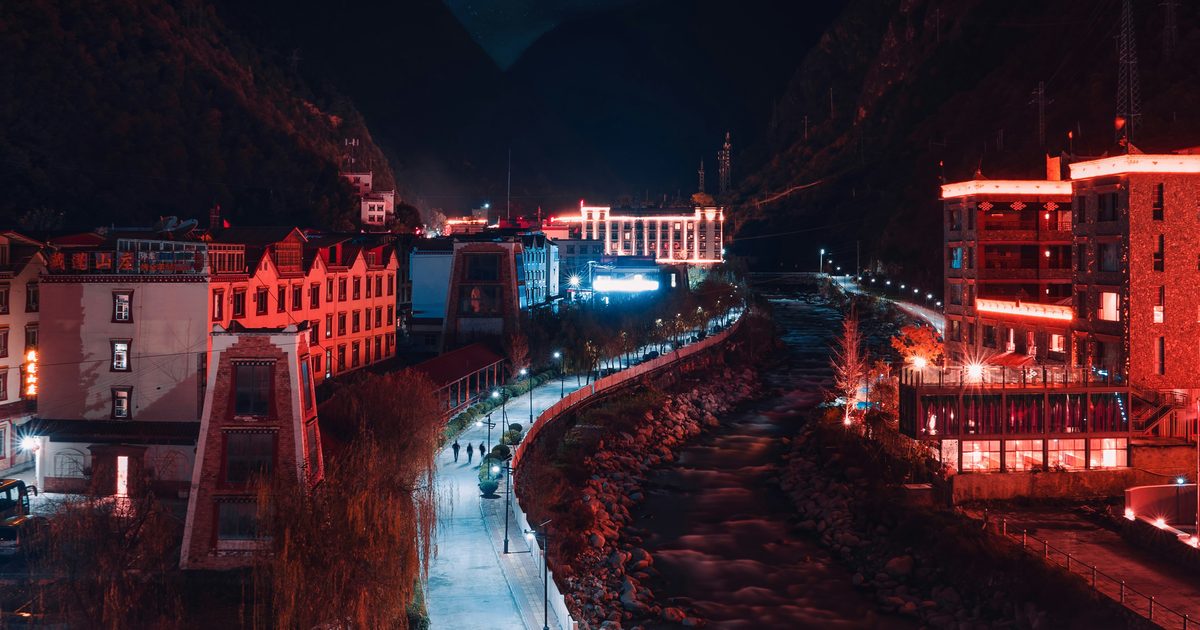
The real dividing line among Japanese onsen ryokans isn't expensive versus cheap — it's what each inn actually represents. A 1925 wooden tower designated a Cultural Property; a Michelin 3 Key flagship with imperial-villa roots; the inn directly facing Kusatsu's iconic Yubatake; the Big Three Yufuin choice with the most respected kaiseki; the founder-driven inn that defined "an entire village as one inn." These are the five slices that actually map onto Japanese onsen culture. This guide skips the "Top 100 ryokans" listicle exhaustion and picks five, each answering a question you'll actually ask while planning: which inn has the strongest sense of heritage, which is the top-tier representative, which has the best food, which is safest for a first-timer, and which lets you experience a whole onsen village rather than just one inn?
📋 Want quick price comparisons, filters by region/style, and Trip.com booking links? Skip to our main hub: Japan Hotel Picks (all 5 inns from this article appear there, plus region and feature filters). Below is the deeper "why these five, what you need to know" version. First-timers nervous about main-bath manners should skim the bathing section of our Japan etiquette guide before you go.
Table of contents
- How to pick a Japanese ryokan: three questions that actually matter
- 1. Ginzan Onsen Notoya (Tohoku · heritage tier)
- 2. Hakone Gora Kadan (Kanto · Michelin 3 Key flagship)
- 3. Yufuin Tamanoyu (Kyushu · food-focused Big Three)
- 4. Kusatsu Naraya (Kanto · Yubatake-front heritage)
- 5. Kurokawa Shinmeikan (Kyushu · village philosophy origin)
- Booking rhythm and pitfalls to avoid
- FAQ
How to pick a Japanese ryokan: three questions that actually matter
Most "Japanese onsen ryokan recommendation" articles are actually "Japanese onsen town recommendation" articles — they'll tell you Hakone, Kusatsu, and Yufuin are all great but won't help you decide which specific inn to book. Three questions are more useful than 100 listicles:
1. Are you after onsen facilities, or onsen culture?
"Facility-tier" inns sell shared baths, in-room outdoor onsen, kashikiri privates, rock saunas, 24-hour bath circuits — typically Kyoritsu Resort properties (like Tokinoniwa, where all 64 rooms have private outdoor onsen), Hoshino Resorts brands, or modern large-scale onsen hotels. "Culture-tier" inns sell architecture (Taisho wooden towers, imperial villa pavilions, hand-carved caves), source water (Shirahata source, in-house wells), and founding pedigree (150-year lineages, Cultural Property designations) — usually owner-operated small inns with 12-20 rooms, no buffet, but exceptionally serious kaiseki. All five picks in this guide lean culture-tier — because facility-tier inns are largely interchangeable, but pick the wrong culture-tier inn and you'll genuinely regret it.
2. Will you trade convenience for distinctiveness?
⚠️ Where these inns are described below as "free-flowing source water", that is the inn's own wording: the phrase has no legal definition — the Japan Spa Association and Beppu City each use a different one — so what a given bath actually does is settled by the statutory notice on the bathhouse wall, which must disclose added water, added heat, recirculation and disinfection.
The culture-tier trade-offs: (a) narrow booking windows — Notoya opens 6 months ahead and Tamanoyu peak weeks sell out in minutes; (b) no in-room outdoor onsen is common (none of Notoya's 15 rooms have any private bath, Tamanoyu has hinoki indoor only) — confirm before you book if this matters; (c) more rules — fixed meal times, lockup around 22:00, common refusal of visible tattoos, often no day-use bathing; (d) tougher access — Ginzan's bus runs 30-60 minutes late on Jan-Feb snowy days. If you want to sleep until 11, drag oversized luggage without friction, and come and go on your own schedule, culture-tier inns aren't the answer — book a hotel-style onsen resort instead.
3. How flexible are your travel dates?
This directly decides what you can book. The three peak windows — koyo week (Nov 20-Dec 5), the New Year holiday stretch, and yukimi weekends in January and February — basically require an alarm clock to grab any of Notoya, Tamanoyu, or Gora Kadan the moment reservations open. June (rainy season), September, and mid-January weekdays are wide open at all five. Practical warning: if your travel dates are locked into a peak weekend and you're a first-timer, give up on the flagship and book the area's #2 or #3 inn — the Top 5 lists never include the inns that are actually available during peak season for people who didn't plan a year ahead.
1. Ginzan Onsen Notoya (Tohoku · heritage tier)
Position: a three-story wooden tower built around 1925 (late Taisho era), registered as a Tangible Cultural Property in 1997. Member of Japan's Secret Hot Springs Society. The gas lamps light at 16:00 and every postcard image of Ginzan Onsen frames the inn from across the river. If your Tohoku itinerary already commits a night to Ginzan, this is the heritage choice; if you're a first-timer worried about peculiar restrictions, see the same-village alternative I recommend right below.
Price anchors (2026 June weekday · 2 people sharing · 2 meals · tax included):
- Bekkan mountain-side washitsu: ¥28,600 / person (Secret Hot Springs Society official plan 291862)
- Honkan comfort 10-jo room: ¥29,700 / person (Jalan official 2026-06 schedule)
- Honkan with hinoki bath, 10-jo: ¥31,900 / person
- Yukimi peak (Jan-Feb): official booking system requires same-day rate lookup; based on traveler blog observations, peak weekend prices typically run 20-40% over weekday baselines. This guide doesn't fix a peak number — verify on the 489ban widget when your dates open.
Why it deserves the spot: (a) the three-story tower is Ginzan's literal landmark — staying in it vs. photographing it from across the river is a different experience; (b) the 1997 Cultural Property designation applies to the building you sleep in, not a nearby museum; (c) Secret Hot Springs Society membership means heavy onsen travelers can collect stamps toward a free night; (d) the carp dishes, Obanazawa wagyu, and Taisho-era parlor lounge layer the cultural experience beyond just bathing.
Know before you book:
- None of the 15 rooms have private baths of any kind — all bathing happens in the shared facilities. If that's a dealbreaker, skip Notoya entirely
- No day-use bathing, no pets, no solo travelers
- Six months ahead, 1st of the check-in month is when reservations open (book January → previous July 1st). Online via 489ban or by phone
- The Hanagasa bus from Oishida Station runs 30-60 minutes late in January-February — leave a 1-2 hour buffer when planning Shinkansen connections
- Oishida Station does not accept Suica or PASMO — bring cash for the ticket gate
First-timer alternative: Kosekiya Bekkan. If you worry about not landing Notoya or aren't sure you'll be okay with toilet-less Cultural-Property rooms, Kosekiya Bekkan is the same-village first-timer choice — off-peak ¥28,000-35,000 / person, the 2016-renovated 5F Taisho Romance fusion rooms suit international travelers better than pure tatami-and-futon, reservations open 5 months ahead (one month later than Notoya, lower difficulty), and it accepts day-use bathing (Saturdays/Sundays, 11:30-14:00, ¥1,000 — useful if family wants to soak without staying). Ginzan is one onsen street, the gas-lamp evening photo looks the same wherever you're staying — the difference is whether your building is the designated Cultural Property. Full Ginzan itinerary planning is in our Ginzan Onsen day-trip vs overnight breakdown.
2. Hakone Gora Kadan (Kanto · Michelin 3 Key flagship)
Position: one of six Japanese hotels awarded 3 Michelin Keys in the inaugural 2024 Asia evaluation — Hakone's sole 3 Key. Originally Prince Kan'in Kotohito's 1930 summer villa, converted to a ryokan in 1948 by the prince's descendants; became Japan's 2nd-ever Relais & Châteaux member in 1991-92, now with 35 years of brand credibility. If the budget reaches, this is one of the apex representatives of Japanese onsen ryokan culture.
Price anchors (2026 · 2 people sharing · 2 meals · tax included):
- Standard washitsu weekday entry: ¥76,000-¥100,000 / person (japanuncharted secondary research)
- 2026's cheapest month (February): ¥56,652 / person
- Bettei / suites with private outdoor onsen: ¥122,000-¥242,000 / person (kakaku.com 2026 range)
- Peak koyo / New Year suites: ¥85,000+ / person at the lower end, reaching ¥240,000 / person at the top
Why it makes the cut: (a) 3 Michelin Keys is the freshest, most authoritative third-party benchmark — only 6 inns in all of Japan hold it; (b) three private hot-spring wells (two in the garden) — most Hakone inns share public sources, so private wells are genuinely scarce; (c) 41 rooms is small enough to preserve a ryokan's intimacy unlike 200-room "luxury hotels"; (d) the Kaiseki Kadan restaurant occupies the original 1930 imperial villa Western-style building — non-guest lunch from ¥8,470 is bookable if you want to experience the food without committing to a stay.
Know before you book (honest caveats):
- 2025 reviews flagged maintenance issues in some suites (aged furnishings, bugs in private outdoor baths) — pick room types carefully and email [email protected] with any special requests in advance
- Pricing spread is enormous (¥56K-¥240K / person) — don't be misled by the lowest figure when planning
- Fixed meal times (dinner 17:30-21:00, breakfast 8:00-10:00) — not for sleep-in brunch travelers
- Reservations open roughly 3 months out (secondary source); koyo and New Year sell out within the first hour
- Sources disagree on small details (41 vs 38 rooms, founded 1948 vs 1952, R&C joined 1991 vs 1992) — these don't materially affect the booking decision
Who should book this: anniversaries, honeymoons, once-in-a-lifetime Hakone trips, travelers collecting Michelin 3 Key stays, anyone with a ¥100,000+/person/night budget. Skip if: it's your first time in Hakone, you prefer modern W Hotel–style luxury, you're traveling with under-4s, or you want to be fully off-clock rather than dealing with attentive attendant service.
3. Yufuin Tamanoyu (Kyushu · food-focused Big Three)
Position: one of Yufuin's Big Three inns alongside Kamenoi Bessou and Sansou Muraota; awarded a Michelin Key in both 2024 and 2025. Founded 1953 by converting a former Zen temple retreat into a ryokan. Among the Big Three, Tamanoyu positions itself around "nature × refined modern × cuisine" — the food is widely seen as the best of the three, and the location is the most convenient (a quiet lane off Yu-no-Tsubo shopping street, 3 min walk to the promenade).
Price anchors (2026 June weekday · 2 people sharing · 2 meals · tax included):
- Kihada (entry, 60㎡): ¥45,350 / person (official 489ban standard plan opening rate)
- 60-72㎡ popular rooms: ¥49,750-¥60,750 / person
- Murasaki suite (115㎡) koyo / Christmas peak: ¥71,750-¥85,056 / person
Why Tamanoyu over the other two Big Three:
- Food: the in-house "Buntoya" mountain-village kaiseki is the consensus best of the Big Three — Oita wagyu, Toyono shamo chicken, Himeshima prawns, and the philosophy of food critic Yoshiko Tatsumi runs through the menu design
- Location: a quiet lane off Yu-no-Tsubo Street — 3 min to the promenade, 15 min walk to JR Yufuin Station
- All 16 rooms have hinoki indoor baths (the inn describes the water as free-flowing from the source), and the main bath looks out at Mt. Yufu
- Friendlier entry price: Kihada at ¥45,350 / person is the lowest entry rate among the Big Three — Kamenoi Bessou starts around ¥50,000+, Muraota around ¥60,000+
Know before you book (three common misinformation traps):
- Rooms do not have private outdoor onsen — a frequently repeated error. Tamanoyu rooms have hinoki indoor baths only; outdoor bathing happens in the main bath. For in-room outdoor onsen, choose Sansou Muraota
- No shuttle service — some secondary sources claim there is one; there isn't. The 15-min walk with luggage is real labor, take a taxi if it rains or it's winter
- Michelin Key applies to the hotel, not the restaurant — Buntoya itself does not hold a Michelin star, so don't conflate the two
- Reservations open 6 months ahead same-day; koyo / Christmas / New Year sell out within minutes of opening. Alternatives: (1) STAY Tamanoyu Annex (no dinner, from ¥18,250 / person), (2) non-guest Buntoya lunch from ¥8,800 (one-day advance reservation, experience the kitchen without staying), (3) shift to Kamenoi Bessou or Sansou Muraota
4. Kusatsu Naraya (Kanto · Yubatake-front heritage)
Position: founded 1877 (Meiji 10), roughly 150 years of operation, directly facing the Yubatake — Kusatsu's iconic hot-spring field. Draws from the Shirahata source (Kusatsu's oldest, said to have been discovered by Minamoto no Yoritomo in 1193), described by the inn as free-flowing source water 24 hours a day, with two yumori hot-spring keepers manually managing water temperature (Kusatsu's traditional method of cooling without diluting — a craft preserved at very few modern inns). If you're a first-timer wanting to experience why Kusatsu matters, this is the most direct answer.
Price anchors (2026 June weekday · 2 people sharing · 2 meals · tax included):
- Off-peak baseline (JTB / Jalan secondary): ¥36,500-¥41,090 / person
- Koyo / yukimi peak estimate: ¥45,000-¥60,000 / person (+20-40% over weekday baseline)
Why it deserves the spot: (a) Yubatake-front location — 0 min walk to Kusatsu's landmark, all six free public bathhouses (Shirahata / Chiyo / Jizo / Otaki / Goza / Sai-no-Kawara) within walking distance, ideal for car-free travelers; (b) the Shirahata source is Kusatsu's oldest and most storied, and the pH 1.4-2.1 strong-acid sulfur water is the textbook Kusatsu experience; (c) the two-yumori tradition is genuinely rare among modern ryokans; (d) two main baths (gender-swapped daily) plus three private outdoor baths for reservation.
Know before you book:
- Total room count and private-bath room availability are not published on the official site — call 0279-88-2311 before booking to confirm room types
- Kusatsu's Netsunoyu performance hall closes for maintenance in June (2026: Jun 2-23) — plan around it if you want to see the yumomi performance
- pH 1.4-2.1 strong acidic sulfur water: will tarnish jewelry and discolor dyed hair — remove all metal before bathing. ⚠️ Sensitive skin should test with a short first soak, and that advice has an official basis: in the 2014 Ministry of the Environment posting standard, acidic and sulphur springs are the only two spring types in Japan with statutory bathing contraindications (sensitive skin or mucous membranes, and dry skin in the elderly), and people with delicate skin are told to rinse with warm water afterwards
- Streets ice over in January-February — even the 5-min walk from the bus terminal needs proper non-slip footwear
5. Kurokawa Shinmeikan (Kyushu · village philosophy origin)
Position: Kurokawa Onsen's literal point of origin. The 30-meter hand-chiseled cave bath was hewn by founder Goto Tetsuya — a designated "Tourism Charisma" by the Japanese government — over 10-13 years with a single chisel; Goto also drove the tegata pass system and the "village as one inn" landscape unification that made Kurokawa what it is. Staying at Shinmeikan is staying inside the literal birthplace of modern Kurokawa.
The true draw of this slot is the Kurokawa Onsen village itself, not any single inn. Kurokawa's defining feature is the philosophy that ~30 inns share one village — unified signage, coordinated tree planting, the collective Yuakari bamboo lantern festival (annually Dec 20-Mar 31), and the tegata pass (¥1,500, 3 outdoor baths or 2 baths + 1 food redemption, valid 6 months) that lets you sample three different inns' outdoor onsens in a single overnight stay. This cross-inn sharing scheme is rare in Japanese onsen towns.
Price anchors (2026 June weekday · 2 people sharing · 2 meals · tax included, from secondary sources):
- Shinmeikan off-peak baseline: ¥20,900 / person (total ¥41,800 for two)
- Peak koyo / Yuakari season estimate: ¥25,000-¥40,000 / person
Why Shinmeikan over Kurokawa's other ~29 inns: (a) the 30m cave bath and Iwato bath are Kurokawa's historical origin — the cornerstone of the village's landscape movement; (b) the founder's hand-built backstory means staying here is staying inside Japan's "Tourism Charisma" work; (c) central village location — all tegata-participating inns are within walking distance, ideal for car-free travelers (Yamamizuki, in contrast, is a 30-min walk from the village center and impractical without a car); (d) irori (hearth-side) cuisine featuring Kumamoto akaushi beef, river fish, and Aso vegetables.
Know before you book:
- No online booking system, no published room count — call 0967-44-0916 directly
- The cave bath operates on a mixed-gender schedule (with women-only slots) — check the official time table if mixed-gender bathing is a concern
- Best tegata usage: two outdoor baths during the day (pick contrasting styles — riverside vs. cave) plus one food redemption (ice cream or pickles). The 6-month validity means a return visit can use leftover slots
- During Yuakari (Dec 20 - Mar 31), stay overnight — day-trippers miss the post-17:00 peak illumination
- From Hakata, the Kyushu Crossing Bus runs about 2hr 45min direct; car-free travelers should reserve the seat before they fly. The operator, Kyushu Sanko, sells a one-way Fukuoka → Kurokawa ticket that boards from Nishitetsu Tenjin Bus Terminal, Hakata Bus Terminal or Fukuoka Airport with no transfer, and it is a phone-screen e-ticket — nothing to collect at a counter. Two things to know before you click buy: the ticket is locked to the exact departure you pick (changing it means cancelling and rebooking, and terminal counters will not do it for you), and it is one-way, so book the return leg at the same time. Reserve the Fukuoka → Kurokawa bus seat →
Booking rhythm and pitfalls to avoid
Reservation opening windows compared
| Inn | Opens | Channels |
|---|---|---|
| Ginzan Notoya | 6 months ahead, 1st of check-in month | 489ban online / phone |
| Kosekiya Bekkan | 5 months ahead, 1st of month | 489ban online / phone |
| Gora Kadan | ~3 months ahead (secondary) | Official / Ikyu / JTB |
| Tamanoyu | 6 months ahead same-day (excl. New Year) | 489ban online / phone |
| Kusatsu Naraya | 3-6 months ahead | Official / Ikyu / Rakuten |
| Kurokawa Shinmeikan | 2-3 months ahead | Phone direct |
Three booking traps
- "Trip.com still shows rooms, so it can't be that hard to book" — the inference does not hold, though not for the reason you might think. Any channel shows only what that channel currently has, which is not the same as the inn's full set of room types; equally, a channel showing sold out does not prove the inn is full. ⚠️ As for the common claim that the best room types are released only on particular platforms, we can find no official or platform-published support for it, so we do not state it (the same goes for the claim that half-board packages appear only on Japanese platforms). One defensible rule remains: to confirm whether a specific room type is still available, check the inn's own booking system or phone them — that is the only inventory the inn itself maintains. For how booking platforms differ in Japanese law (who holds travel business registration, which bookings fall outside Japanese legal protection), see our Japan accommodation and booking guide.
- "The English website lists the price" — most heritage inns don't update their English pages in real time. Tamanoyu's English page still shows old rates; the 489ban system pricing has moved on. For accurate pricing, use the Japanese official booking system.
- "Booking two weeks ahead should be fine" — fine for weekday off-peak stays, but peak weekends at Notoya, Tamanoyu, and Gora Kadan sell out 1-3 months out. Set an alarm and book the moment reservations open.
Plan B: what to do when the flagship is sold out
- Notoya sold out → Kosekiya Bekkan (same group, opens 5 months out, easier) or Fujiya (weaker facilities but ¥20,000-25,000 / person off-peak)
- Gora Kadan sold out → other Michelin 1 Key Hakone inns like Kai Hakone or Gora Hanaougi, ¥40,000-60,000 / person weekday
- Tamanoyu sold out → the other two Big Three (Kamenoi Bessou / Sansou Muraota), or STAY Tamanoyu Annex (no dinner, from ¥18,250 / person), or book non-guest lunch at Buntoya
- Naraya sold out → other Yubatake-area inns (Yumotokan, Onyado Notori, etc.)
- Shinmeikan sold out → any other Kurokawa inn — the tegata pass system means you'll experience multiple inns regardless
📋 For quick price comparisons, filters, and Trip.com booking links → Japan Hotel Picks
FAQ
- Q1:How much does a Japanese onsen ryokan cost per night?
- Mid-tier ¥20,000-¥35,000 / person (double occupancy, 2 meals, tax included) covers Ginzan, Kurokawa, and traditional Kusatsu inns. Upper-mid ¥50,000-¥80,000 / person is the Yufuin Big Three range. Top tier ¥100,000+ / person is Gora Kadan, Hoshinoya, Kagaya's flagship suites. Solo travelers typically pay 30-50% more.
- Q2:Are tattoos accepted at traditional ryokans?
- Tolerance has loosened but still varies. Rooms with private in-room onsen sidestep the issue entirely. Kashikiri privates usually accept tattoos. Public main baths are the strictest — Notoya, Gora Kadan, and Tamanoyu typically refuse visible tattoos; Naraya and Shinmeikan are more relaxed. Safest path: book a room with private onsen or kashikiri access, or email the inn to confirm policy before paying. If you have tattoos but still want the main bath, our onsen with tattoos guide covers cover patches, kashikiri options, and a list of tattoo-friendly inns.
- Q3:Can I request vegetarian or allergy-friendly kaiseki?
- Most upper-tier inns accommodate dietary needs if you ask at booking — ideally a week ahead. Common accommodations: vegetarian, no raw fish, no pork, no peanut/shellfish/egg allergies. Strict vegan, kosher, and halal are harder — call directly. If Japanese is a barrier, ask Trip.com or Ikyu to relay the request.
- Q4:Are these ryokans good with elderly travelers or kids?
- Elderly travelers: confirm elevators (Naraya and Tamanoyu have them; some Notoya and Gora Kadan floors don't), avoid Tohoku heavy-snow in January-February if mobility is an issue, check whether your room has beds rather than just futons. Kids: Gora Kadan and Tamanoyu cultivate a quiet adult atmosphere; Shinmeikan and Naraya are more neutral. Most inns let 0-3 year olds share a bed free, half-price for 4-6, count 7+ as adults. Kaiseki rarely offers a kids menu — request alternatives separately.
Data integrity
The WaTabi editorial team has not personally stayed at the five inns in this article. Information is compiled from each inn's official website, Michelin Guide, official booking systems (489ban / Ikyu / Jalan), the Secret Hot Springs Society, and cross-checked against Tripadvisor / Reddit / blog reviews. This article contains no first-person "we stayed" or "field-tested" claims.
For some inns, peak-day rates can't be retrieved from publicly accessible official pages. Those figures are explicitly marked as "secondary source" or "not officially confirmed." For real quotes, always check the inn's booking system on your actual dates. Reference date: June 1, 2026.