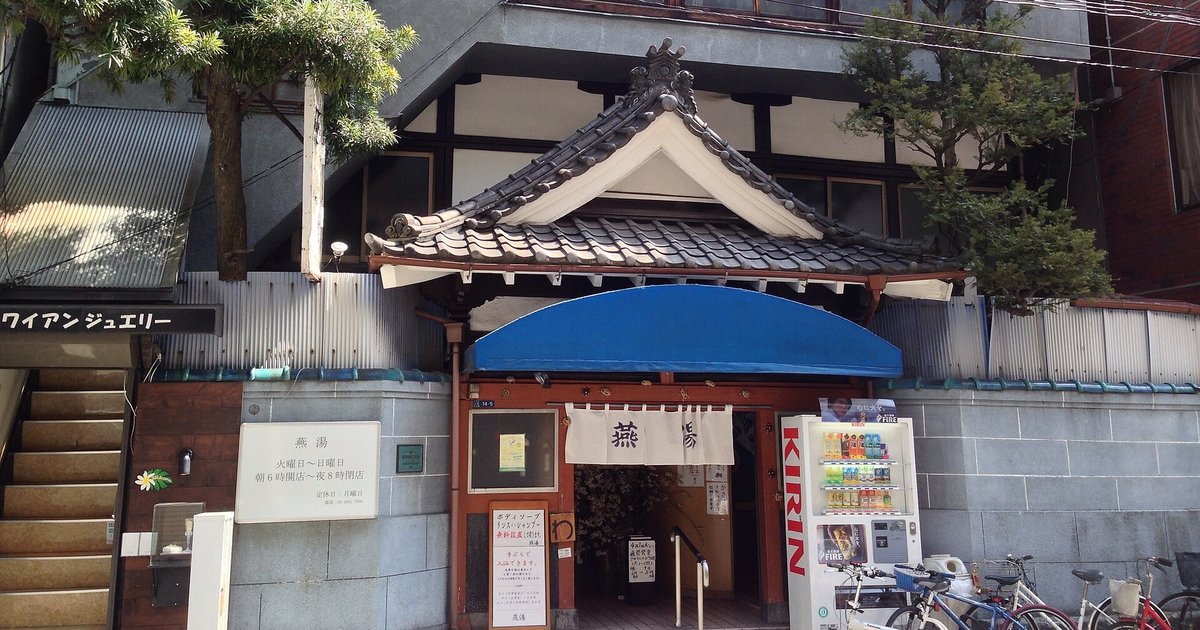
If you are budgeting from a guide written before this summer, update one number: a Tokyo sento now costs ¥600 for adults, effective 1 August 2026, up from ¥550 (announced by the metropolitan government on 24 July), a figure that itself only held from August 2024 to July 2026. But the ¥50 is not the interesting part. The interesting part is what that number actually is: not a price the owner chose, but a ceiling designated by the Tokyo governor in a formal decree, under a price-control ordinance issued in 1946 — and charging above it carries, under Article 33 of that ordinance, up to ten years of confinement or a five-million-yen fine. Because each governor sets their own figure, the same bucket of hot water costs ¥300 in Yamagata and ¥600 in Osaka and Tokyo: a two-fold national spread. This guide covers where the legal price comes from, which kind of bathhouse it actually applies to, and the mixed-bathing age rule that families get wrong most often.
- Tokyo adults pay ¥600 from 1 August 2026 (was ¥550); ages 6–11 ¥200, under-6s ¥100
- The fee is a statutory ceiling, not the operator's price: Article 3 of the 1946 Price Control Ordinance bans overcharging, Article 33 sets up to ten years or ¥5m
- Two-fold national spread: Yamagata ¥300 (unchanged since 1995) to Osaka and Tokyo ¥600; national adult average ¥477.9
- The price board is an ID card: the cap covers only ordinary public bathhouses, so hot-spring and sauna venues price freely
- 🚨 Mixed-bathing age is local ordinance, not a national rule: of 157 bodies, 111 say age 7, fifteen say 8, and 31 never legislated it (Osaka, Chiba, Hiroshima among them)
- The official hygiene standard tells you to rinse off on the way out, and bars intoxicated bathers and anyone with diarrhoea
📖 Contents
- 1. What Tokyo now charges, and the full price history
- 2. Why a bath needs a governor's decree: a 1946 law
- 3. Nationwide: ¥300 to ¥600 for the same hot water
- 4. Sento vs super sento: the price board tells you which
- 5. Travelling with kids: the mixed-bathing age rule
- 6. Two official rules that contradict what you have read
- 7. Tattoos: what the statute actually says
- 8. Is a sento worth going out of your way for?
- 9. Seasonal baths and the New Year period
- 10. FAQ
What Tokyo now charges, and the full price history
Start with the hard numbers. From 1 August 2026, the Tokyo ceiling reads:
| Band | From 1 Aug 2026 | Previous (from 1 Aug 2024) |
|---|---|---|
| Adult (12 and over) | ¥600 | ¥550 |
| Child (6 to under 12) | ¥200 | ¥200 (unchanged) |
| Infant (under 6) | ¥100 | ¥100 (unchanged) |
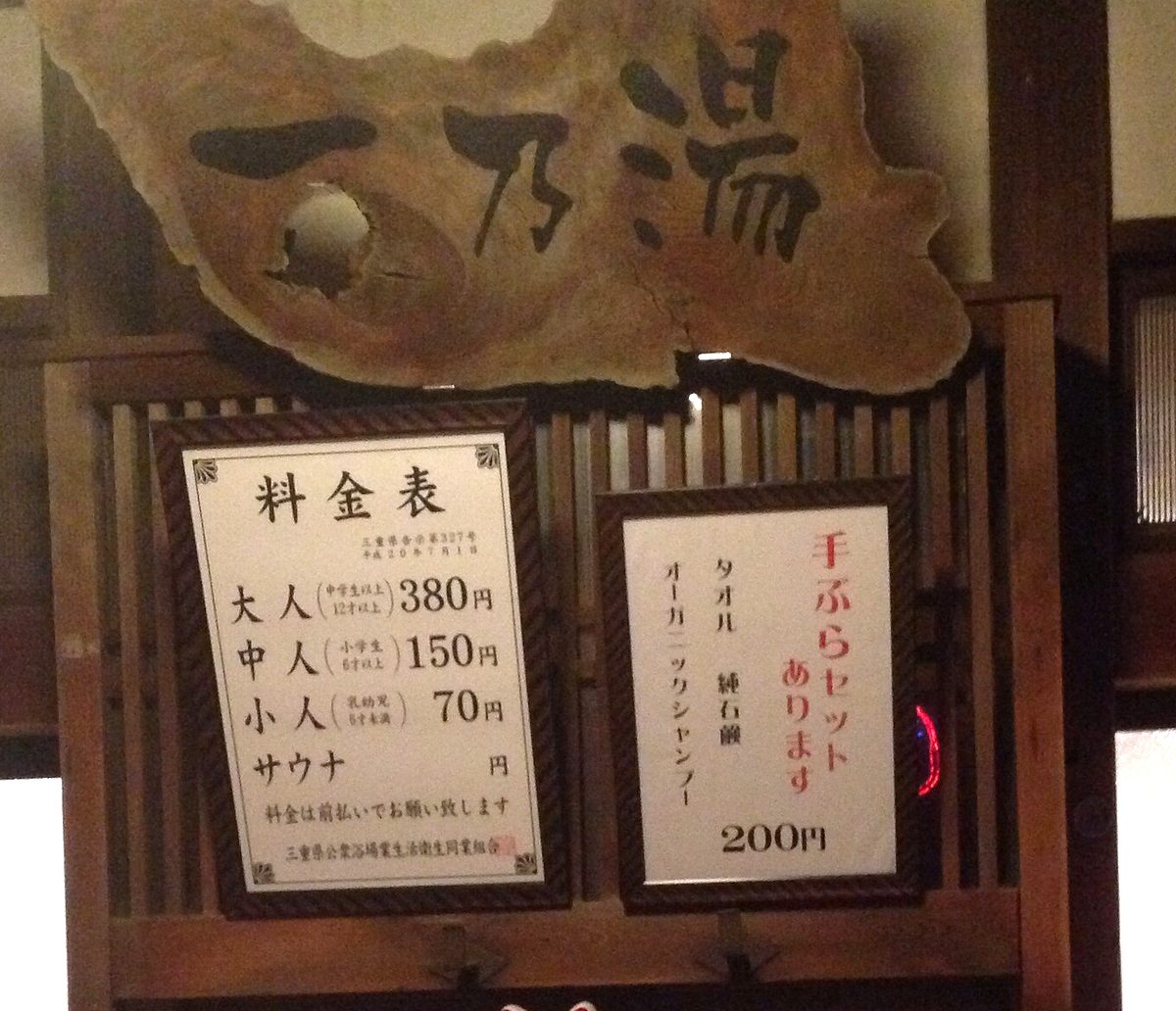
Those three age bands are not a Tokyo invention. The 1957 ministerial ordinance that delegates pricing to governors also fixes the bands nationally in Article 1(2): 12 and over, 6 to under 12, and under 6. That is why a price board in Aomori and a price board in Kagoshima have exactly the same three lines.
The metropolitan government publishes the full history, and the shape of it says more than the latest figure does:
| Effective | Adult | Gap since previous |
|---|---|---|
| 14 May 1993 | ¥340 | — |
| 21 May 2000 | ¥400 | 7 years |
| 1 Jul 2014 | ¥460 | 14 years |
| 1 Oct 2019 | ¥470 | 5 years |
| 1 Aug 2021 | ¥480 | 2 years |
| 15 Jul 2022 | ¥500 | 11 months |
| 1 Jul 2023 | ¥520 | 1 year |
| 1 Aug 2024 | ¥550 | 1 year |
| 1 Aug 2026 | ¥600 | 2 years |
Between 2014 and 2019 the fee moved by ten yen in five years; since 2021 it has moved almost annually, taking it from ¥480 to ¥600 — a 25 percent rise in four years. The driver is fuel. Tokyo's own survey of its bathhouses found 72.5 percent burn city gas, so energy prices land directly on the cost base with nothing to absorb them.
There is a quieter detail in that table that matters if you are travelling as a family: the child and infant bands have not moved since 15 July 2022, while the adult band rose 20 percent over the same four years. Two adults and two primary-school children now come to ¥600×2 plus ¥200×2, or ¥1,600 — which still makes it one of the cheapest indoor activities in Tokyo, and relatively cheaper than it was in 2022.
Why a bath needs a governor's decree: a 1946 law
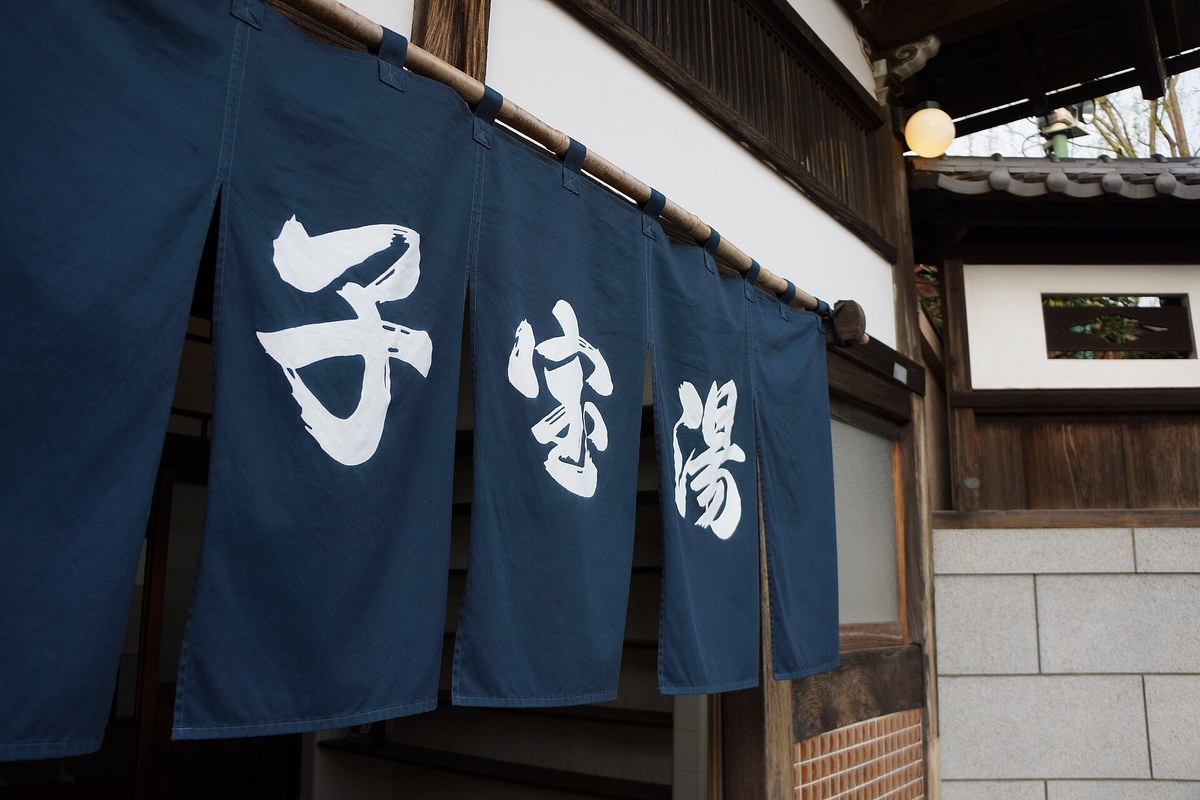
This is the part worth taking away from the whole article. A sento is not a cheap onsen. In legal terms it is a public facility with a designated maximum price, and the instrument doing the designating is a piece of post-war emergency economics that nobody ever repealed. Four levels:
- The Price Control Ordinance (Imperial Ordinance No. 118 of 1946), Article 3: no price may be contracted, paid or received above its designated ceiling. Read it carefully — it binds the payer as well as the recipient.
- Article 33 of the same ordinance: violations carry up to ten years of confinement or a fine of up to five million yen. Criminal, not administrative.
- The 1957 Ministry of Health ordinance on designating bathhouse entry-fee ceilings, Article 2: prefectural governors shall designate the ceiling. This is where the number is devolved.
- The prefectural decree itself. Saga, for instance, published its current one in the prefectural gazette on 27 February 2024.
Tokyo puts it bluntly on its own site: bathhouses must set their entry fee within a range that does not exceed the ceiling. How the number gets chosen is a formal process too — Tokyo runs an accounting survey and refers the question to a metropolitan public bathhouse policy council; Kyoto Prefecture says the governor designates the figure after hearing the opinion of its bathing-fee deliberation council. This is nothing like an ordinary business raising prices.
One more fact that shows how rare this arrangement has become: search the current statute book on e-Gov for the term for a designated ceiling, and public bathhouses are the only service still covered by a ministerial ordinance that designates one. Everything else that comes up is the ordinance itself, its enforcement order, or cross-references buried in local-tax and road-transport law. Be careful with the stronger version of this claim, though: saying Japan price-controls nothing but bathhouses today overstates the case.
What does any of this mean at the door? Three practical consequences:
- There is no tourist price. A bathhouse cannot charge you more for being foreign — doing so is a criminal matter, not a billing dispute. The number on the board is the number you pay.
- There is no peak-season pricing. The ceiling has no seasonal or time-of-day variant, so a New Year morning bath costs the same as a wet Tuesday afternoon.
- It is a ceiling, not a tariff. Osaka Prefecture spells this out on its official page: the designated figure sets an upper limit, and the actual fee is decided by the operator. In practice nearly everyone charges the maximum, but charging less is entirely legal.
Nationwide: ¥300 to ¥600 for the same hot water
Because each governor designates independently, the national spread is large enough that visitors assume they have misread something. This table is the most portable thing in the article:
| Prefecture | Adult | In force since | Worth knowing |
|---|---|---|---|
| Tokyo | ¥600 | 1 Aug 2026 | Joint highest; four increases in four years |
| Osaka | ¥600 | 1 Apr 2025 | Broke ¥600 a year before Tokyo; 354 bathhouses, second most |
| Hyogo | ¥570 | 1 Jan 2026 | Second dearest in the Kansai region |
| Kyoto | ¥550 | 1 Apr 2025 | Set by the governor after a deliberation council |
| Chiba | ¥550 | 30 Jan 2026 | Jumped from ¥500; all three bands raised at once |
| Hokkaido | ¥500 | 1 Oct 2024 | Official page states the cap applies to ordinary baths only |
| Yamanashi | ¥470 | 1 Apr 2025 | Prefectural decree No. 49 |
| Saga | ¥450 | 1 Mar 2024 | One general public bathhouse left in the whole prefecture |
| Okinawa | ¥370 | 11 Feb 2006 | Twenty years unchanged; also down to one bathhouse |
| Ibaraki / Miyazaki | ¥350 | 1998 / 2008 | Ibaraki is also down to a single bathhouse |
| Yamagata | ¥300 | 1 Apr 1995 | Cheapest in Japan, unchanged for 31 years |
| National adult average ¥477.9 / total general public bathhouses 2,730 (March 2025) | |||
⚠️ Be clear about the baseline date. Tokyo (1 Aug 2026) and Chiba (30 Jan 2026) are taken from each prefecture's own current decree; the remaining figures come from the nationwide table compiled by Chiba Prefecture as of 1 January 2026. That table is a snapshot, and it has already been overtaken twice — which is precisely why any compiled national table should be cited with its baseline attached rather than quoted as a live truth.
Yamagata's row deserves a second look. ¥300 was set in April 1995 and has not moved in 31 years, while Tokyo went from ¥340 to ¥600 over the same period. If your itinerary passes through Yamagata, that is the cheapest public bath in the country.
A second set of numbers exposes the industry's real condition: Ibaraki, Shimane, Saga and Okinawa are each down to a single general public bathhouse. The concentration at the other end is just as stark — Tokyo 429, Osaka 354, Aomori 261, Kagoshima 242. For most of Japan, the neighbourhood bathhouse has effectively already disappeared; what survives is a big-city and special-region phenomenon. The reason is visible in one more statistic: nationally 96.8 percent of homes have their own bath, but Tokyo has the lowest rate in the country at 91.4 percent. Nearly one Tokyo home in ten still has no bathroom, and that is what keeps 429 bathhouses in business.
Sento vs super sento: the price board tells you which
This is the second pillar of the article, because it changes what you conclude while standing at an entrance.
Start with something counter-intuitive: the Public Bath Houses Act contains no category called an ordinary public bathhouse. Article 1 defines only a public bathhouse — a facility using hot water, sea water or hot spring water to let the public bathe — and the terms for ordinary or general bathhouses appear nowhere in the statute. The classification comes instead from the Ministry of Health's hygiene management standard for public bathhouses, which defines a general public bathhouse as one using hot water for groups whose purpose and pattern of use make it necessary for the everyday health and hygiene of local residents.
Everything else is an “other public bathhouse”, in six listed categories: with rest or recreation facilities; attached to sports facilities; provided by a factory or workplace as an employee benefit; using steam or hot air for groups; using steam or hot air with private rooms; and other. Tokyo's ordinance writes the ordinary-bathhouse definition into its own Article 2(1) in almost identical terms, and the metropolitan government states on its site that what everyone calls a sento is formally classified as an ordinary public bathhouse.
Here is the sentence that matters: the price cap applies only to that first category. Saga's decree states in terms that hot springs, saunas and other special baths are excluded from the designated ceiling. Hokkaido's fee page restricts its figures to ordinary baths. Osaka's decree likewise ties the ceiling to the general public bathhouse as defined in prefectural ordinance. And a separate statute — the Act on Special Measures for Securing Public Bath Houses — defines its subject as a bathhouse under Article 1 of the Public Bath Houses Act whose entry fee is set under the Price Control Ordinance. Japanese law, in other words, deliberately couples “price-controlled” with “worth protecting from extinction”.
- A single bathing fee at or below the prefectural ceiling (¥600 or less in Tokyo) → ordinary public bathhouse, price fixed by law
- ¥1,000-plus, with stone saunas, loungewear, a rest lounge and a restaurant → other public bathhouse, prices entirely free
⚠️ One trap to avoid: do not simply equate “super sento” with the other-bathhouse category. The phrase is not a legal term, it appears nowhere in the official classification, and which category a venue belongs to depends on the licence it holds rather than the sign it hangs. We took the same careful line in our what to do when you miss the last train guide, which looks at these venues from the angle of whether you can legally sleep in one. What that piece did not cover is the other half of the same classification — the category also determines whether the price is regulated at all.
A further wrinkle in the standard: for other public bathhouses, the rules for general bathhouses are applied by analogy, and part of them may be disapplied. Saunas get their own regime instead: section 8(1) requires daily cleaning, monthly disinfection, ventilation, posted bathing cautions, and periodic temperature and humidity measurement with records kept for three years.
Travelling with kids: the mixed-bathing age rule
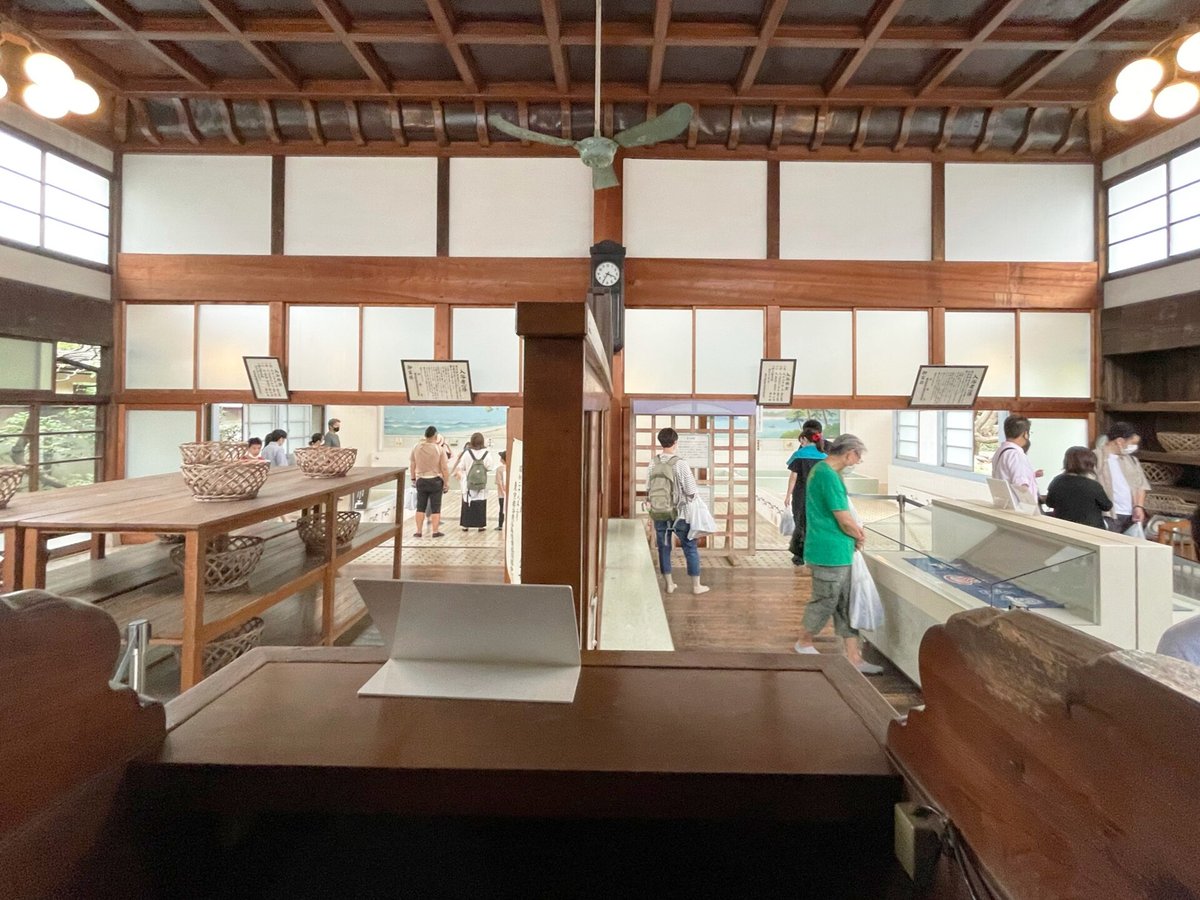
“My son is seven — can he still come into the women's bath with me?” The answer is written into prefectural ordinance, not national law: it depends which prefecture you are in.
The source is Article 3(2) of the Public Bath Houses Act: operators must take measures necessary for public decency, and the standards for those measures are set by prefectural ordinance. A 1964 Ministry of Health circular clarified that the phrase means, principally, the prohibition of mixed bathing.
The national level has issued only a guideline: a notice of 10 December 2020 lowered the threshold in the hygiene management standard from roughly 10 years old to roughly 7. But that notice states at its foot that it constitutes technical advice under the Local Autonomy Act — a recommendation with no binding force.
What binds is local ordinance, and here is the distribution as of 1 April 2025 across the 157 bodies with ordinance-making power:
| Ordinance position | Bodies | Includes (selection) |
|---|---|---|
| No mixed bathing from age 7 | 111 | Tokyo and the majority of prefectures and cities |
| From age 8 | 15 | Aichi, Shiga, Tottori, Kumamoto, Miyazaki (plus Nagoya, Kumamoto, Toyohashi, Okazaki, Toyota, Ichinomiya, Otsu, Tottori and Miyazaki cities) |
| Not in ordinance at all | 31 | Fukushima, Chiba, Niigata, Osaka, Nara, Shimane, Hiroshima, Yamaguchi, Saga and others |
Four things follow from that table:
- Tokyo is explicit and quotable. Article 3(1)(11) of its bathhouse standards ordinance (Metropolitan Ordinance No. 184 of 1964) bars mixed bathing from age seven, in force since 1 January 2022; before that it was ten.
- Osaka uses a standard, not an ordinance. Osaka does apply an age-7 line, but it lives in the prefecture's own hygiene management standard (revised 31 March 2021), which sits at a different legal level from Tokyo's ordinance. In a genuine dispute that distinction matters.
- “Not in ordinance” does not mean “allowed”. Those 31 bodies simply have not legislated; individual venues remain free to impose stricter house rules, and most follow the ministry's age-7 guideline anyway. Do not turn up in Osaka planning to argue from the absence of an ordinance.
- ⚠️ The distribution is still moving. In 2021 there were still 100 bodies at age 10 and eight at age 12; all of them dropped to seven within four years. The compilation above comes from a research foundation rather than a government body, so treat it as an accurate picture of the overall distribution and check the specific prefecture's ordinance text before you travel.
My advice is blunt: switch to separate entry the year your child turns six. Not because the law says so, but because the counter is the worst possible place to litigate the point in a second language, and plenty of venues post a house rule of primary-school age and up, which is stricter than any ordinance. The same rule applies at day-use hot springs, not just sento. For the behavioural side of bathing — towel out of the water, hair tied up, no noise — see our Japan etiquette guide; this article deliberately sticks to the institutional layer.
Two official rules that contradict what you have read
The Ministry of Health's hygiene management standard is the document that actually governs how these places run, and two of its clauses cut directly against advice that circulates widely online.
One: rinse off on the way out
Section III.1.9(3) requires operators to remind bathers to wash thoroughly with soap before entering the tub and to rinse the body with a shower when leaving.
That is the opposite of the popular line about not rinsing so the minerals keep working. The reason is simply who wrote the rule: this is a public-health document, not a wellness claim. And a sento is heated tap or well water — Tokyo's survey found 25.9 percent of bathhouses run on well water alone and 50.6 percent on a mix of mains and well water, so over seven in ten use groundwater, but none of that makes it a certified therapeutic spring. The mineral argument belongs at the onsen ryokan end of the spectrum, which is a different product entirely.
Two: no intoxicated bathers, no diarrhoea
Section 9(2) of the same standard groups people with diarrhoea and intoxicated people together with those carrying infectious diseases as bathers the operator must not admit, where they risk interfering with other bathers.
Soaking off a few drinks sounds harmless; in the official documentation it is on a prohibition list. Nobody will breathalyse you at the door, but if something goes wrong in the tub, this is the clause that decides where responsibility sits. The same section also bans washing yourself inside the tub and doing laundry in the bathing area (9(4)) — the second one sounds absurd until you realise a rule only gets written because the behaviour occurred.
And while we are here: towels and soap
You will see it claimed that Japanese law requires the entry fee to exclude toiletries. That is invented. The designated ceiling attaches to a bare monetary amount; no provision anywhere lists what the fee includes or excludes.
The accurate version comes from the Tokyo Sento Association: you can arrive with nothing, because most bathhouses sell miniature soap, shampoo, conditioner and towels — sold separately, not bundled. Bring a thin towel if you want to save the money; it is also the towel you fold on your head in the tub.
The standard does regulate lending, incidentally. Towels lent to bathers must be new or disinfected (11(4)), as must combs and hairbrushes (11(5)), and razors may only be lent new (11(6)). The existence of those clauses tells you how the sector is regulated: as public health infrastructure rather than leisure retail.
The one line item that will surprise your wallet is the sauna. The Tokyo association says outright that many bathhouses have sauna facilities and that some charge separately for them, with the official advice being simply to ask at the counter. Amounts are set by each operator and published nowhere, so this article quotes no figure.
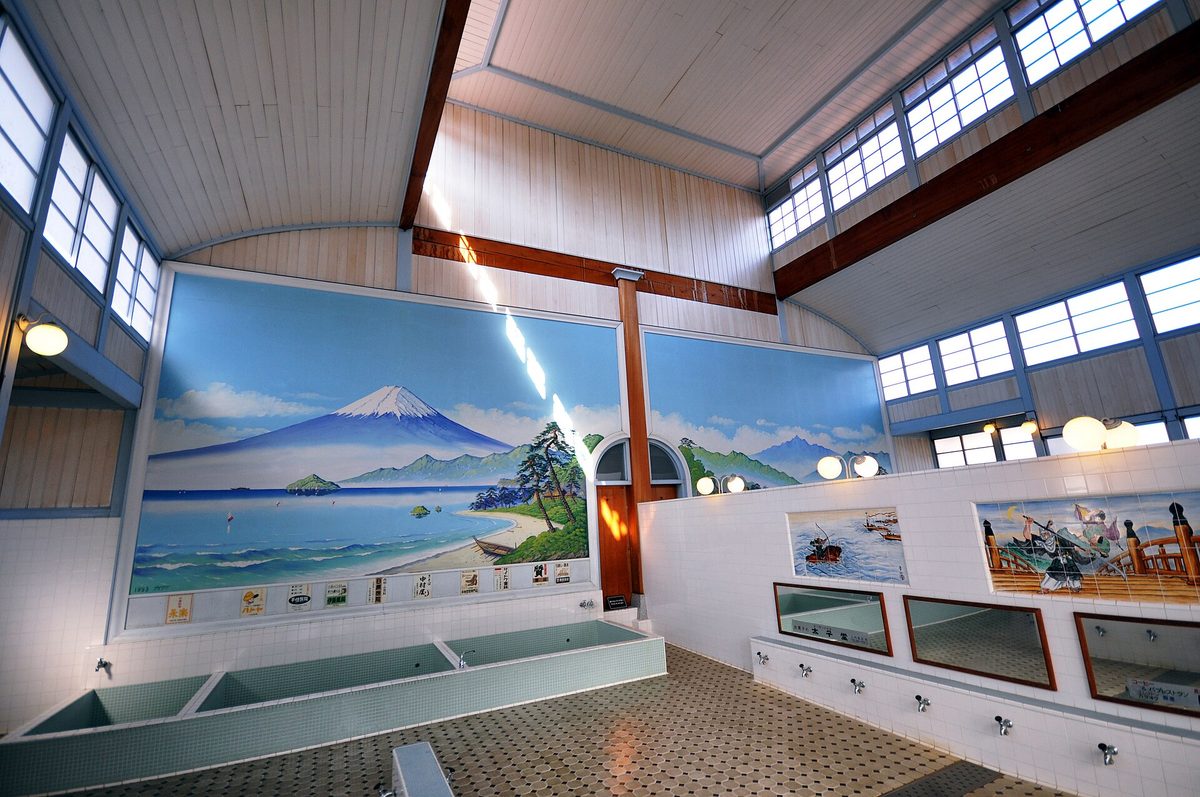
Tattoos: what the statute actually says
This section is deliberately short, because we have a full guide on tattoo strategy. What it adds is the layer that guide does not have: the statutory position.
The Public Bath Houses Act does not contain the word tattoo anywhere. The only clause obliging an operator to refuse entry is Article 4, and it is narrow: a person judged to be suffering from a communicable disease must be refused. Article 5 addresses bathers, prohibiting conduct that badly fouls the tub or otherwise threatens public health. Tokyo's ordinance contains no refusal clause either.
The conclusion is clean: the sign at the door is a house rule with no statutory basis — and no statutory prohibition either. A venue may post it, and a venue may take it down.
On administrative attitude, the relevant documents are a pair from March 2016. The Japan Tourism Agency circulated a note on the 16th stating that refusing bathing solely on the ground of a tattoo is not appropriate, and asking recipients to bear in mind that a tattoo creates no hygiene problem. The Ministry of Health forwarded it on the 18th to prefectural, designated-city and special-ward public health divisions, asking them to ensure bathing facilities in their jurisdictions did not refuse entry for improper reasons.
⚠️ A detail almost nobody reports: the tourism agency addressed its note to the Japan Hotel Association, the All Japan City Hotel Association, the Japan Ryokan Association and the Japan Spa Association — four accommodation-industry bodies, not the bathhouse association. Public bathhouses were brought in when the ministry re-circulated it covering bathing facilities generally. Because it is one set of documents, issued on the same days with the same annex, sento and onsen ryokan sit under exactly the same regime here. Claims in either direction — that sento are stricter, or that they are more relaxed — have no source behind them. For the four workable approaches (tattoo-friendly venues, cover patches, private baths, in-room baths) see our guide to bathing in Japan with tattoos.
Is a sento worth going out of your way for?
Time for an opinion, because this question does not deserve the usual “it depends on what you like” answer.
My position: worth building into a day, not worth treating as a sight. An hour for ¥600 has almost no competition in Tokyo on value. But it gives you none of the things a tourist facility gives you — no dramatic open-air view, no gift shop, frequently no English signage at all. What it gives you instead is a room where local people wash and then watch television, inside a building you would otherwise never have a reason to enter.
So here is how I would split it:
- Go to a sento if you want the non-touristed everyday, your legs are finished after a full day of walking, you are staying in a business hotel or apartment with no large bath, or you are watching the budget. If there is one within a ten-minute walk, go. It is not worth a train ride.
- Go to a super sento or large bathing complex instead if you want to stay two or three hours, you want a lounge to lie down in, someone in your group would rather eat than bathe, you want open-air tubs and stone saunas, or you are dragging luggage and need lockers. These run ¥1,000 to ¥3,000, but you are buying an afternoon rather than a bath, and on that basis they are not necessarily worse value. A sento is built for a quick in-and-out; it is not a place to linger.
- Book an onsen ryokan instead if you want genuine spring water, privacy, or you have tattoos and would rather not deal with cover patches at all. That is the far end of the spectrum: a ¥600 municipal facility and a room-with-two-meals ryokan are not the same product, and comparing them is a category error. Our pick of Japanese onsen ryokan covers that end.
One more practical filter: if your hotel already has a large communal bath, the marginal value of a sento drops a long way unless you are going for the building or the neighbourhood. Conversely, if you are in a business hotel with a unit bath the size of a phone box, walking out and paying ¥600 for a full-size tub is a completely different order of recovery. Find Tokyo hotels with a large communal bath →
Finally, the statistic I find most interesting, and the only evidence of a “boom” this article is willing to use. Tokyo's own figures: the number of bathhouses in the metropolis fell from 766 in 2011 to 417 in 2025 (382 in the 23 wards, 35 in the outer cities), a 46 percent decline in fourteen years. But average daily bathers per bathhouse rose from 120 to 180 — up 50 percent — and total annual users have climbed for four consecutive years since 2022. The venues are vanishing while the tubs get more crowded. That is far harder evidence than any industry estimate of how many million sauna enthusiasts Japan has, because Tokyo counted it. As for why they are closing, the same survey answers that too: ageing buildings and no successor, not absent customers.
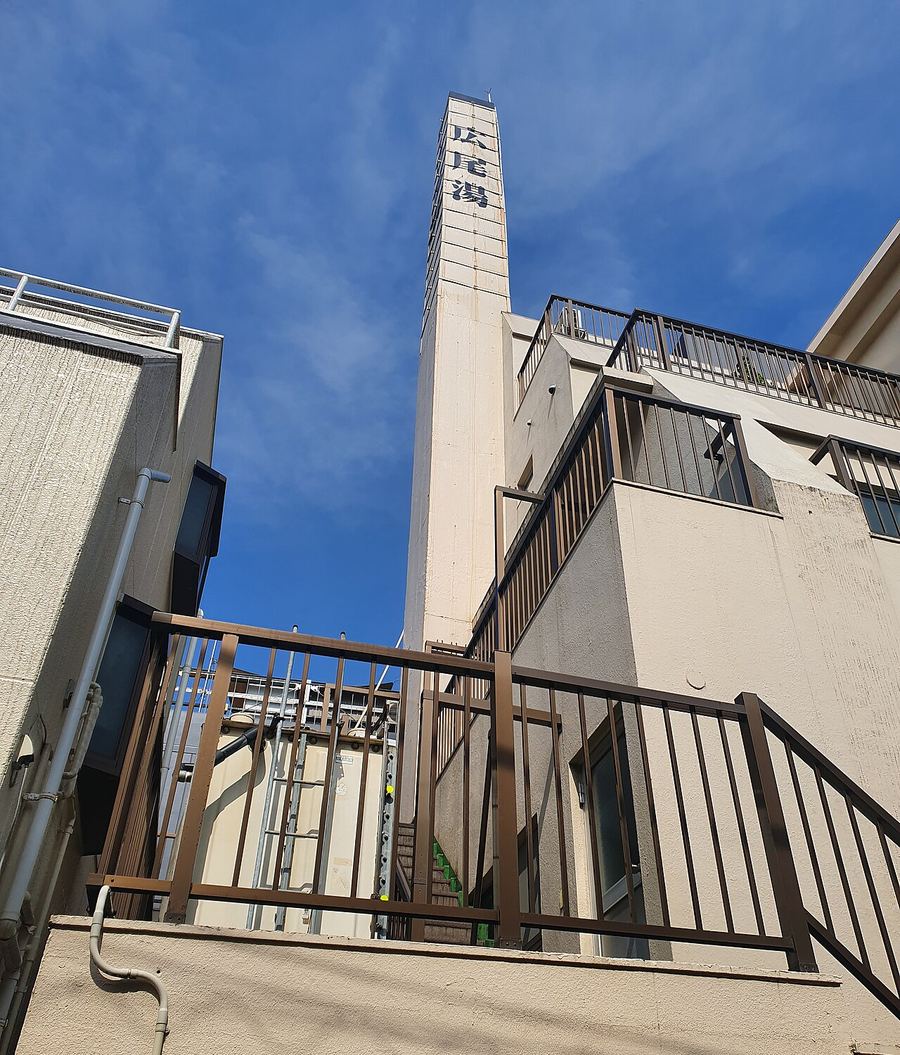
Seasonal baths and the New Year period
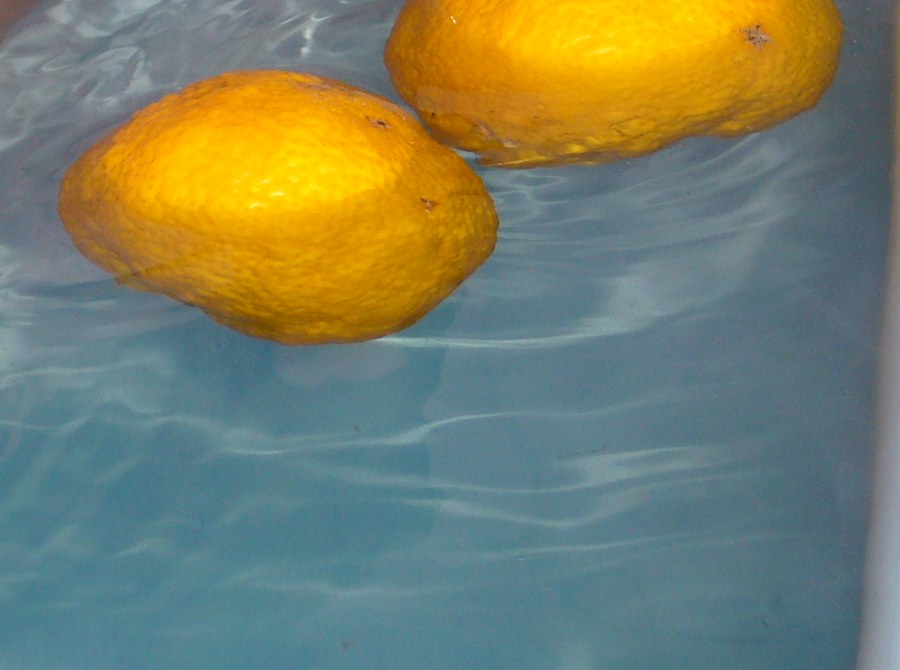
Sento run a handful of fixed seasonal baths that are genuinely worth timing a visit around:
| Seasonal bath | When | Notes |
|---|---|---|
| Yuzu-yu (citron bath) | Winter solstice, around 22 December | The 2026 solstice falls on Tuesday 22 December (National Astronomical Observatory of Japan) |
| Shobu-yu (iris bath) | 5 May, Boys' Day | The whole bathhouse smells of sweet flag |
| Lavender bath | 10 October, Sento Day | The association's annual event day |
⚠️ Two limits to state clearly. First, this is not a strictly synchronised national event — the Tokyo Sento Association itself notes that the date can differ by area and by shop, and that some districts add a fee discount or a free drink on the day. Second, the 2026 citron-bath announcement has not been published yet; the most recent official post is still the one issued on 8 December 2025 for that season. So treat the dates above as the customary pattern and check the association's site in early December for the actual one.
The New Year period has its own guide: many bathhouses pick one of the first three days of January to run a morning bath, and the Tokyo association opens a dedicated New Year opening page each late December with per-district listings. For that and the wider question of what is actually open, see the Japan New Year opening hours guide rather than repeating it here.
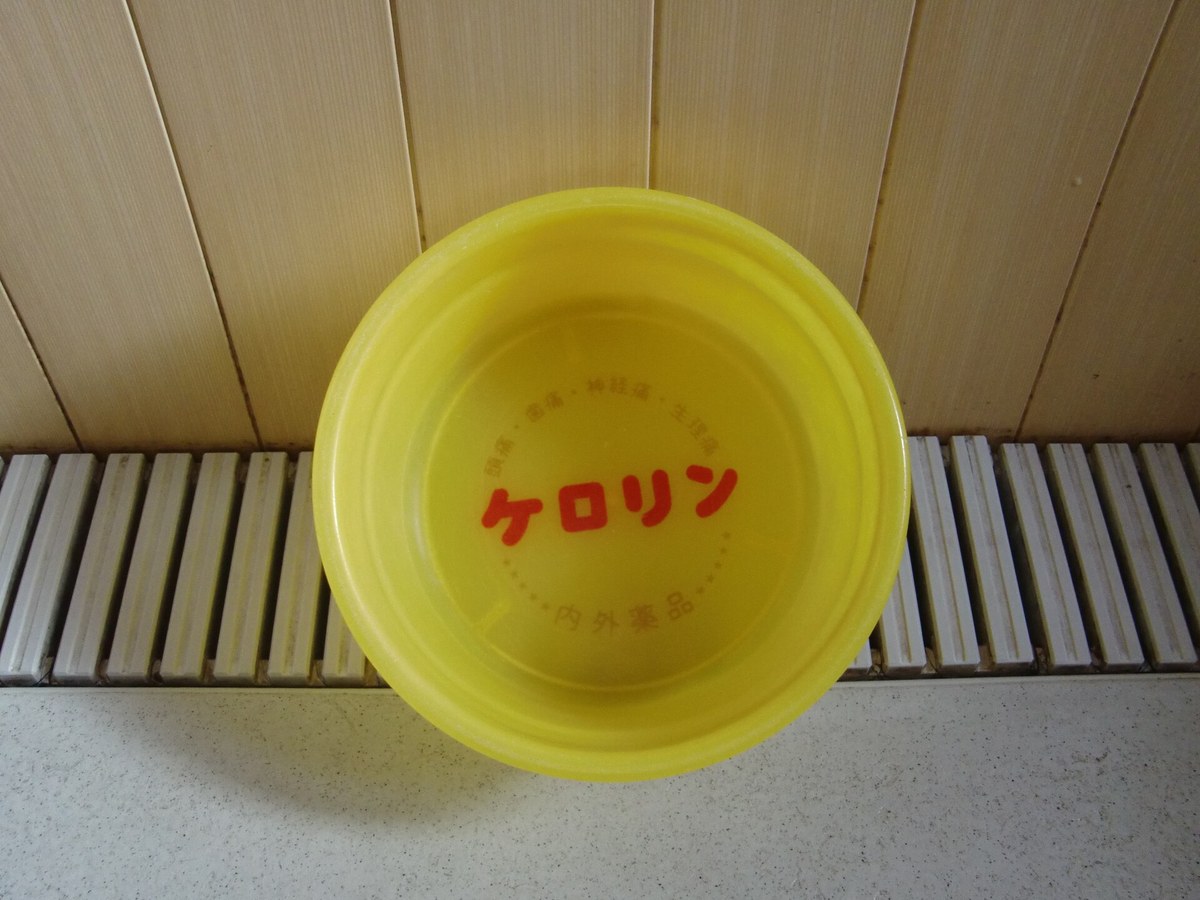
Two footnotes that make the visit more interesting. The round emblem on the door of member bathhouses is a national association symbol adopted at a meeting in May 1988. And the yellow plastic basins stacked in the washing area are Kerorin buckets, an advertising product for a painkiller brand that spread across Japan around 1965 — because they carried advertising, they sold below the price of an ordinary basin, which is exactly why they ended up everywhere. The lineage of the sento itself runs back to 1591, when Ise Yoichi opened a bathhouse beside Zenigamebashi bridge in what would become Tokyo.
Three closing lines
One: update your number. Tokyo is ¥600 for adults from 1 August 2026, with ¥200 for ages 6 to 11 and ¥100 for under-6s. Anything quoting ¥520 or ¥550 is stale.
Two: that number is set by law, not by the owner. Article 3 of the 1946 Price Control Ordinance bans overcharging and Article 33 backs it with up to ten years or five million yen; because each governor designates separately, the country runs from ¥300 in Yamagata to ¥600 in Osaka and Tokyo. The board at the door is both a price and an identity document — within the cap it is an ordinary public bathhouse, at ¥1,500 with stone saunas it is a different legal category with no cap at all.
Three: if you travel with children, check the prefecture before you go. The ministry's age-7 line is only technical advice; fifteen bodies use age 8 and thirty-one never legislated it. The low-friction solution is to separate the year your child turns six. For the rest of your pre-trip checklist start with our Japan travel essentials, and if your route includes a hot-spring town, the accommodation and bathing tax guide explains why ordinary public bathhouses are usually exempt from the bathing tax.
Frequently Asked Questions
- Q1:How much does a sento cost in Tokyo in 2026?
- Adults pay ¥600(大人(12歳以上)), effective 1 August 2026. The same governor decree sets two other bands: ¥200(中人(6歳以上12歳未満)) for children aged 6 to 11, and ¥100(小人(6歳未満)) for under-6s. The previous adult rate of ¥550 ran only from August 2024 to July 2026, so a ¥520 or ¥550 figure is out of date — Tokyo announced the change on 24 July 2026. Two caveats worth knowing before you hand over coins. First, this is a ceiling, not a fixed price: an operator may legally charge less, though in practice almost all charge the maximum. Second, if the bathhouse has a sauna, expect a separate surcharge that is not covered by the capped fee and is not published by any authority.
- Q2:Why is the price of a public bath set by the government in Japan?
- Because sento fees still fall under the Price Control Ordinance of 1946, a piece of post-war economic law that never went away. The chain runs four levels deep. Article 3 of that ordinance forbids contracting, paying or receiving any price above the designated ceiling — note that it binds both sides of the counter. Article 33 sets the penalty at up to ten years of confinement or a fine of up to five million yen: this is criminal law, not a consumer-protection rule. A 1957 Ministry of Health ordinance then delegates the actual number to each prefectural governor, who publishes it as a formal decree. One extra detail that shows how unusual this is: search the current statute book on e-Gov for the term for a designated price ceiling, and public bathhouses are the only service left with a ministerial ordinance still designating one. Be precise about the claim, though — the ordinance itself and various cross-references in tax and transport law remain on the books, so “Japan only price-controls bathhouses now” overstates it.
- Q3:Do sento cost the same everywhere in Japan?
- No — and the spread is wider than most visitors expect. Because each governor sets their own ceiling, the cheapest adult fee in the country is ¥300 in Yamagata Prefecture, a figure unchanged since April 1995, while the highest is ¥600(大人(12歳以上)) in Osaka and Tokyo. In between you get Okinawa at ¥370 (untouched since 2006), Ibaraki and Miyazaki at ¥350, Hokkaido at ¥500(大人(12歳以上)) and Chiba at ¥550(大人(12歳以上)). The national adult average, per the nationwide table compiled by Chiba Prefecture as of 1 January 2026, is ¥477.9. So the familiar line that a Japanese bathhouse costs about five hundred yen is true only as an average — what you actually pay depends entirely on which prefecture you are standing in.
- Q4:At what age can a child no longer bathe with an opposite-sex parent?
- There is no single national answer — it depends on the prefecture. In December 2020 the Ministry of Health lowered the guideline in its bathhouse hygiene management standard from roughly age 10 to roughly age 7, but that notice explicitly describes itself as technical advice under the Local Autonomy Act, meaning it has no binding force. What actually binds is local ordinance, and as of 1 April 2025, of the 157 bodies with ordinance-making power: 111 set the line at 7, fifteen set it at 8, and thirty-one never wrote it into ordinance at all. The age-8 group includes Aichi, Shiga, Tottori, Kumamoto and Miyazaki. The group with no ordinance provision includes Osaka, Chiba and Hiroshima. Tokyo is explicit: its bathhouse standards ordinance, Article 3(1)(11), bars mixed bathing from age seven, in force since 1 January 2022 (it was 10 before that). Practical advice: switch to separate entry the year your child turns six — plenty of venues post a stricter house rule of primary-school age and up, and the counter is a bad place to argue prefectural law.
- Q5:Should you rinse off after a Japanese bath, or not?
- Rinse. The official standard tells you to, which is the opposite of what the "leave the mineral water on your skin" idea would suggest. Section III.1.9(3) of the Ministry of Health bathhouse hygiene management standard requires operators to remind bathers to wash thoroughly with soap before entering the tub and to rinse the body with a shower on the way out. The logic is straightforward once you see who wrote it: the standard governs public hygiene, not therapeutic marketing. A sento is heated tap or well water, not a certified mineral spring, so there is no spring chemistry to preserve in the first place — that debate belongs at the ryokan end of the spectrum, where the official answer is in fact reversed: the 2014 environment ministry posting standard tells you not to rinse, excepting only acidic springs, sulphur springs and chlorinated water. The two documents do not contradict each other, because one governs public hygiene and the other governs spring chemistry; the split is unpacked in our onsen notice guide. A second rule from the same section is worth knowing: 9(2) lists people with diarrhoea and intoxicated people, alongside those with infectious diseases, as bathers the operator must not admit. Soaking off a few drinks is a genuinely bad idea, and the paperwork agrees. ⚠️ The onsen side answers the rinse question the opposite way: the 2014 Ministry of the Environment posting standard defaults to not rinsing, carving out an exception only for acidic springs, sulphur springs and chlorinated baths. Both are official, but they govern different things — see our guide to onsen disclosure notices.
- Q6:Can you enter a sento with tattoos, and is the rule different from an onsen ryokan?
- Legally it is the same rule — there is no separate, stricter sento regime, and no looser one either. Start with the statute: the Public Bath Houses Act never mentions tattoos anywhere in its text. The only clause compelling an operator to refuse entry is Article 4, and it applies to a person judged to have a communicable disease. Article 5 governs bathers, prohibiting conduct that badly fouls the tub or otherwise endangers public health. Tokyo prefectural ordinance contains no refusal clause either. So the sign at the door is a house rule, not the law. On official attitude, a March 2016 Japan Tourism Agency circular states plainly that refusing entry solely because someone has a tattoo is not appropriate, and notes that tattoos do not create a hygiene problem; the Ministry of Health forwarded it to prefectural health divisions two days later. One detail almost nobody mentions: the tourism agency addressed that circular to four hotel and ryokan industry bodies, not to the bathhouse association — public baths were swept in when the ministry re-circulated it to cover bathing facilities generally. For the practical playbook, see our tattoo-friendly onsen guide.
- Q7:Do you need to bring your own towel and soap to a sento?
- No, but you will pay separately for them. First, kill a myth: no law says the entry fee excludes toiletries. The designated ceiling applies to the entry fee as a bare monetary amount; there is no statutory list of what the fee does or does not include, so claims about soap being “legally excluded” are invented. The real position comes from the Tokyo Sento Association: you can turn up with nothing, because most bathhouses sell miniature soap, shampoo, conditioner and towels at the counter. Bring a thin towel if you want to save money — it doubles as the small towel you rest on your head — and buy on the spot if you did not plan the visit. On multi-visit tickets: the association sells a book of ten transferable passes for ¥5,400, which works out at ¥540(回數券(10 枚 ¥5,400 換算 1 回)) a bath, roughly a ten percent saving, but the current book expires on 30 June 2027 and is really aimed at residents rather than visitors. Saunas, where fitted, are usually charged separately; the amount is set by each operator, is not published officially, and is best confirmed at the counter.
- Q8:What is the difference between a sento, a super sento and a health land?
- The most useful test is the price board itself: if the entrance shows a single bathing fee at or below the prefectural ceiling, you are looking at an ordinary public bathhouse, and that price is fixed by law. The classification comes from the Ministry of Health hygiene management standard rather than the Act itself: a general public bathhouse is one whose purpose and pattern of use make it a facility necessary for the everyday health and hygiene of local residents. Everything else falls into six “other public bathhouse” categories: those with rest or recreation facilities, those attached to sports facilities, workplace bathhouses for employees, those using steam or hot air for groups, those using steam or hot air with private rooms, and a catch-all. Only the first category is price-capped — the Saga Prefecture decree says outright that hot springs, saunas and other special baths are excluded from the ceiling. One caution: “super sento” is not a legal term at all. It appears nowhere in the official classification, and which category a given venue falls into depends on the licence it holds, not the sign it hangs. We handle the term the same way in our guide to missing the last train.