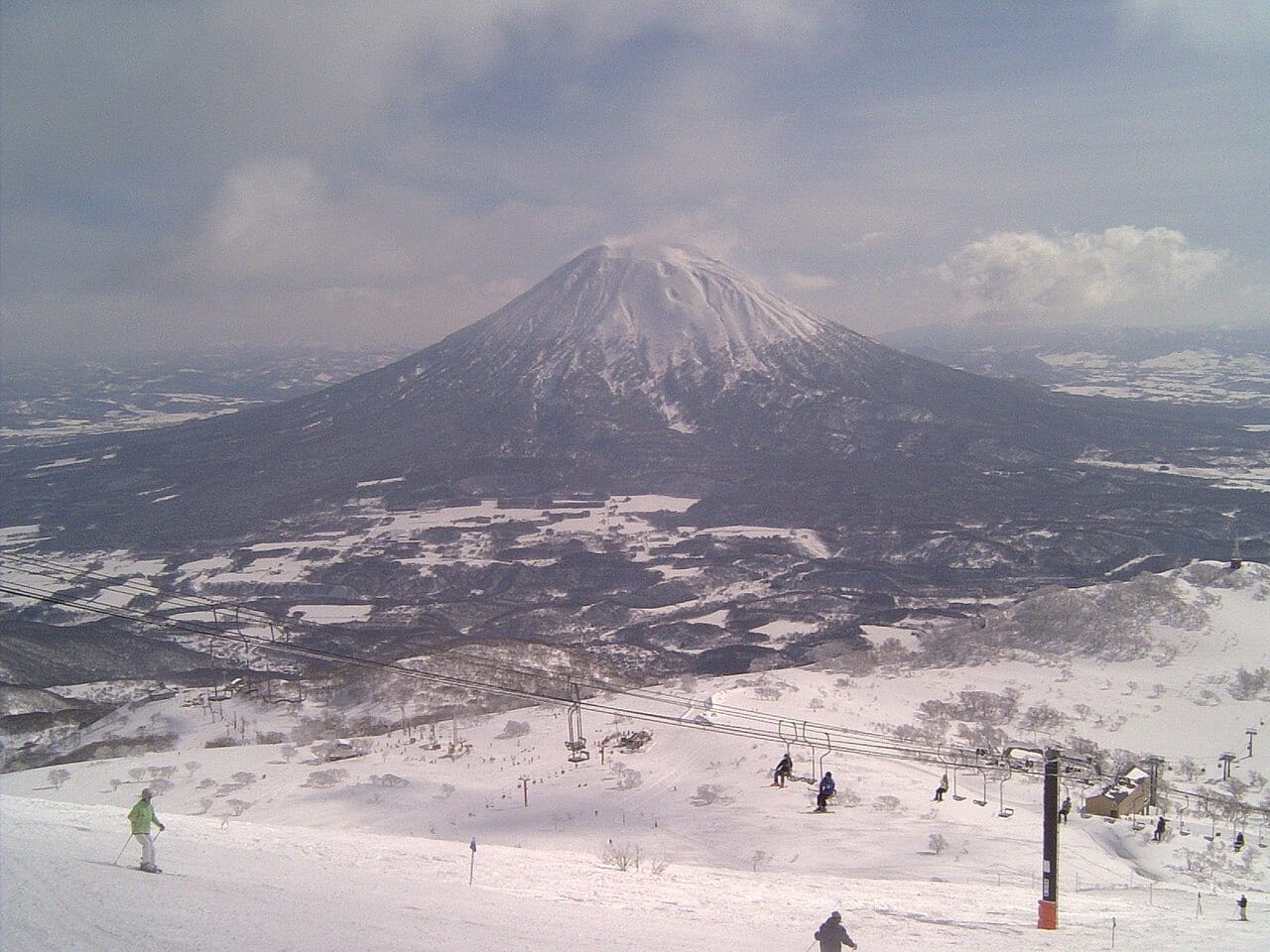
There is one line on Niseko Grand Hirafu's 2026-27 official rental card that rearranges most people's budget for a Japanese ski trip: renting an adult jacket and pants costs ¥9,000, more than the ¥8,500 it costs to rent Standard skis and boots. And gloves and goggles cannot be rented as single items at GALA Yuzawa, Kiroro or Hirafu: the first two list them as retail goods, and Hirafu supplies them new only inside its wear-and-accessories set. You buy them or you bring them.
This guide handles the layer that is the same wherever you go: what a day actually costs, what a rental "set" does and does not include, which lift tickets have published 2026-27 prices, what a lesson buys you, and why you cannot follow the people you can see skiing outside the ropes. Every figure below comes from an operator's own rate card, and every figure is tagged with its season — because as of August 2026 only a handful of 2026-27 prices exist, the rest are 2025-26 actuals, and mixing them is the fastest way to arrive at a counter with the wrong number in your head. Which resort suits you is a different question, already answered in our comparison of Japan's five major ski areas.
- A "set" means hardware only — skis or board, boots, poles. Never outerwear, at any of the four resorts that publish rates.
- Gloves and goggles are sale-only at GALA and Kiroro — official wording, not a stock issue. Bring your own.
- Gear costs 1.3-2.0x the lift ticket — Hirafu 2026-27: ¥26,500 of rentals against a ¥13,500 day pass.
- Rusutsu is the only resort where the ticket catches up — because its ¥16,200 window price is the steepest of the seven checked. Buy it online and it drops to ¥12,000.
- Ducking a rope costs you the ticket — Niseko, Hakuba Valley and Kiroro all publish the same penalty: confiscation and removal.
📖 Contents (tap to expand)
- What a beginner's day really costs, resort by resort
- What a rental set includes — and what it never does
- Bring versus rent: the list I would actually use
- Lift tickets: what is published and what is not
- Lessons, ages and the English question
- Why you cannot follow those skiers past the rope
- Resort-run rentals versus onsen-village rentals
- Airport transfers with published fares
- Insurance and the price of a rescue
- Pre-trip checklist
- FAQ
What a beginner's day really costs, resort by resort
Most trip planning starts with "how much is a lift ticket in Japan". It is the wrong first question. For someone arriving with nothing, the lift ticket is rarely the biggest line item. The table below totals what an adult pays to get on snow for one full day, using each operator's own published rates, and sets it against that resort's own day pass.
| Resort | Rental total, adult with no gear | Day pass, same resort | Ratio | Season |
|---|---|---|---|---|
| Niseko Grand Hirafu | Standard skis + boots ¥8,500 + Outerwear Accessories Set ¥15,000 + helmet ¥3,000 = ¥26,500 | Niseko United all-mountain, peak season ¥13,500 | 2.0x | 2026-27 official |
| Same, with your own gloves and goggles | Skis + boots + jacket and pants ¥9,000 + helmet = ¥20,500 | As above | 1.5x | 2026-27 official |
| Kiroro | Wear + Gear Set ¥14,200 + helmet ¥2,800 + gloves and goggles must be purchased = from ¥17,000 | Day pass, high season ¥9,200 | 1.9x | 2025-26 actual |
| Rusutsu | Full Set, genuinely all-inclusive ¥21,400 | Window ¥16,200 / online ¥12,000 | 1.3-1.8x | 2025-26 actual |
| GALA Yuzawa | 3-piece ski set ¥6,500 + outerwear ¥5,500 + goggles ¥1,500 + helmet ¥2,000 + gloves, purchased ¥1,500 = ¥17,000 | 🚨 Official season rates withdrawn — no figure published here | — | 2025-26 actual |
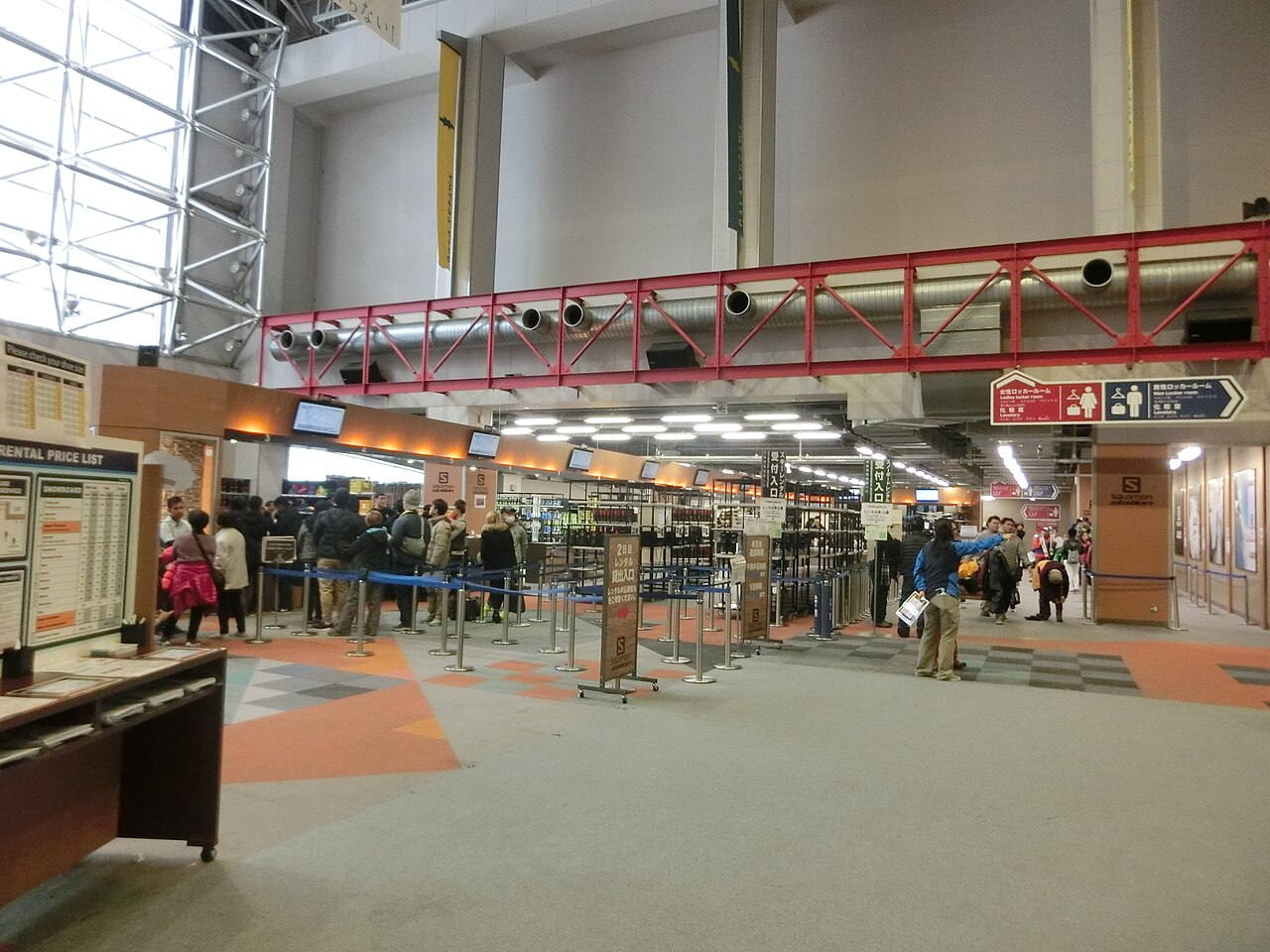
The pattern holds at every resort with published numbers: the hardware costs more than the ticket, and not by a small margin. Rusutsu is the one place where the two get close, purely because its lift ticket is the priciest of the seven resorts checked here at ¥16,200 from the window. Which produces the single most actionable line in this article: if you are going to Rusutsu, buy the ticket online. The same day pass is ¥12,000 through the official site, with discounts advertised at 15-35%. Queuing at the window to pay ¥4,200 more is a self-inflicted wound. Rusutsu's terrain, family facilities and lodging are covered in our Rusutsu resort guide.
What a rental set includes — and what it never does
Here is the sentence worth memorising before you book anything: in Japan, "set" means skis or a board plus boots, plus poles for skiers. It does not mean outerwear. This is not a quirk of one stingy operator; it is how all four resorts define it. A jacket and pants are a separate, higher tier with its own price.
| Resort | Base set | Outerwear | Gloves | Goggles | Helmet | Higher all-in tier | Season |
|---|---|---|---|---|---|---|---|
| Grand Hirafu | Skis + poles, or board, + boots | ❌ | ❌ | ❌ | ❌ extra ¥3,000 | Outerwear Accessories Set ¥15,000 — jacket, pants, beanie, gloves, goggles, but no skis, boots or helmet | 2026-27 |
| GALA Yuzawa | 3-piece ski (skis, boots, poles) / 2-piece snowboard (board, boots) | ❌ extra ¥5,500 | ❌ sale only ¥1,500 | ❌ rentable ¥1,500 | ❌ rentable ¥2,000 | None offered | 2025-26 |
| Kiroro | Gear-only set (board/skis + boots + poles) ¥9,000 | ❌ | ❌ sale only | ❌ sale only | ❌ extra ¥2,800 | Wear + Gear Set ¥14,200 — still excludes gloves, goggles and hats by official wording | 2025-26 |
| Rusutsu | Standard Set ¥10,400 | ❌ extra ¥7,500 | ❌ | ❌ | ❌ extra ¥3,600 | Full Set ¥21,400 — the real thing: gear, jacket, pants, helmet, gloves, goggles | 2025-26 |
Three things fall out of that table, and each one changes how you pack.
Rusutsu is the only genuine one-price, everything-included option
The Full Set (¥21,400, 2025-26 rates) covers gear, outerwear, helmet, gloves and goggles in a single transaction, and the official page adds a detail I like: the gloves and goggles do not have to be returned, for hygiene reasons. If your situation is "a family of complete beginners with nothing, who do not want to stand at a counter decoding item lists", Rusutsu is the least demanding choice on this list. One more useful official detail: switching between skis and snowboard mid-rental costs a flat ¥1,000 fee, which makes "try both on day one" a real option rather than a fantasy.
Kiroro's all-in tier is not actually all-in
The Wear + Gear Set (¥14,200, 2025-26 rates) sounds complete. The official Japanese text is unambiguous that it is not: gloves, goggles and hats are not included, and the page directs you to buy them at the on-site shop. Read that as a hard requirement to pack your own. Kiroro's long season and lodging options are covered in our Kiroro guide.
GALA unbundles everything, and tells you what to bring
GALA Yuzawa prices each item separately — hardware, outerwear, goggles, helmet — while listing gloves and beanies as sale-only "for hygiene reasons". It also publishes a line that every first-timer should copy down: base layers and tights are your responsibility. Note too that GALA does not publish rates beyond two days (the page tells you to ask at the register), so any "day rate times three" estimate you see online is invented. GALA's station-to-gondola logistics and Shinkansen timings are in our GALA Yuzawa guide.
Bring versus rent: the list I would actually use
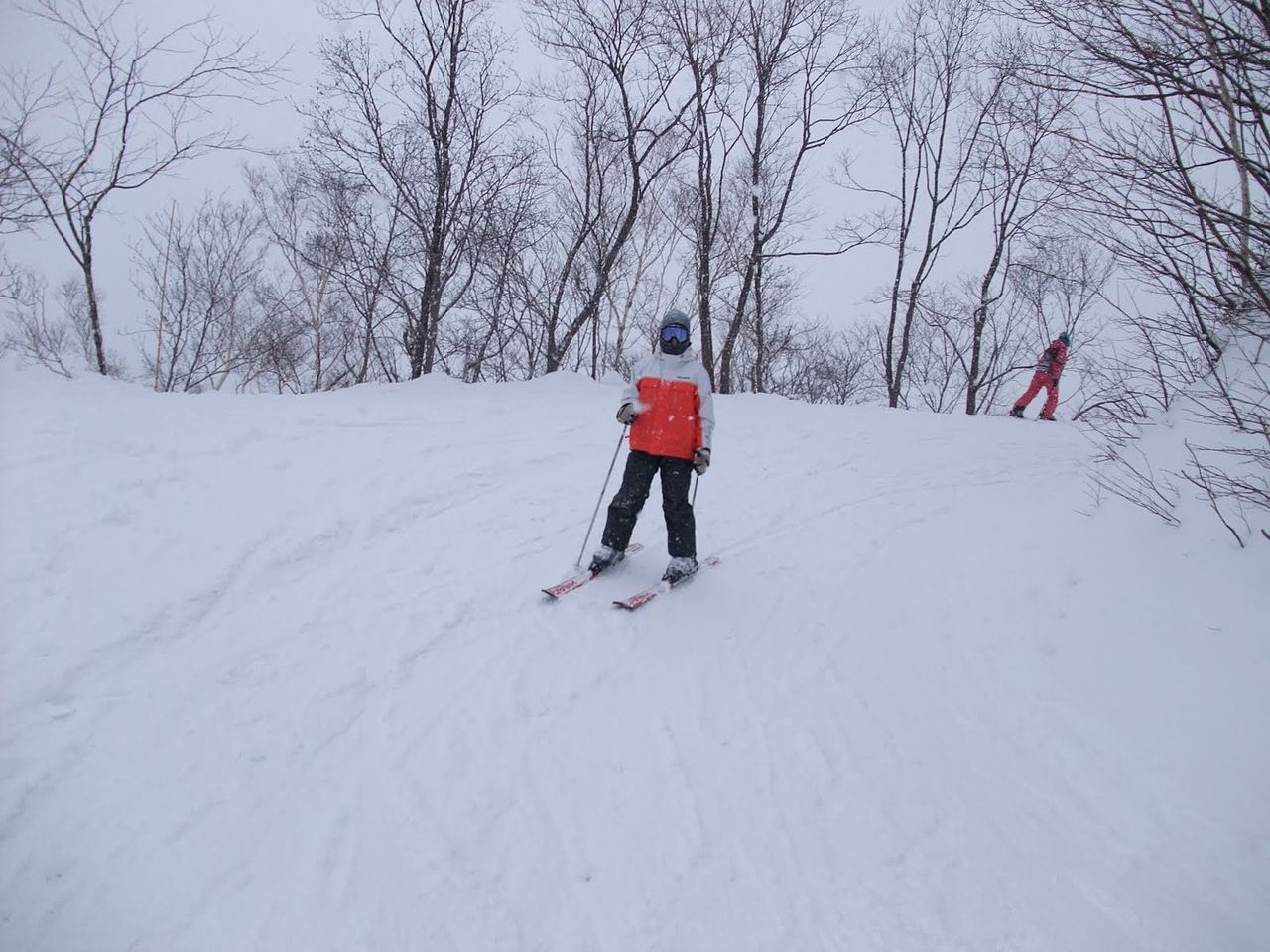
With those two tables in hand the decision is not close, so here is a straight answer rather than a "depends on your needs" hedge.
| Item | Verdict | Reason |
|---|---|---|
| Gloves | Bring | Sale-only at GALA and Kiroro by official policy. GALA's retail price is ¥1,500, and the fit and warmth rating are whatever is in stock |
| Goggles | Bring | Sale-only at Kiroro. GALA rents them (¥1,500) but they sit on your face all day — most people want their own |
| Base layers, tights, thick socks | Bring | GALA states outright that these are not provided. Also the cheapest and lightest layer of the whole kit |
| Jacket and pants | Rent for one day, bring for three or more | ¥9,000 a day at Hirafu for 2026-27, or ¥23,400 for three days — enough to buy an entry-level set outright |
| Skis, board, boots, poles | Rent | Heavy, awkward to fly with, and a beginner does not yet know what flex suits them. All four resorts take online reservations |
| Helmet | Rent | Bulky to pack: ¥3,000 at Hirafu, ¥2,800 at Kiroro, ¥3,600 at Rusutsu (respective seasons). The Niseko Rules make one mandatory outside the ropes anyway |
One line summarises it: bring what touches your skin, rent what fills a suitcase. Draw that line and Hirafu's day drops from ¥26,500 to ¥20,500 on 2026-27 official rates. The ¥6,000 difference is roughly what a decent pair of gloves and a pair of goggles cost at home — except you keep those, and use them again next winter.
TGHRental109, ending 31 October 2026 — still open while you are planning an autumn trip. After 31 October, go by whatever that page says. This section deliberately carries no affiliate links: the operators discount their own bookings, so sending you elsewhere would cost you money.Lift tickets: what is published and what is not
August is an awkward moment to price a Japanese ski trip — most resorts have not posted next season's rates yet. Here is everything with an official source, clearly split between confirmed 2026-27 prices and 2025-26 actuals.
| Ticket | Adult day pass | Season | Rules worth knowing |
|---|---|---|---|
| Niseko United all-mountain (4 linked resorts) | Peak ¥13,500 Regular ¥12,600 Early / spring ¥8,800 Final ¥6,300 | 2026-27 official | The all-mountain pass has no half-day ticket (the two-area Hirafu & HANAZONO pass has a 4-hour afternoon one); two official pages disagree on whether early season (28 Nov - 11 Dec 2026) sells online; multi-day passes run on consecutive days, not flexible days |
| Hakuba Valley all-mountain (10 resorts) | ¥11,100 (child ¥6,400) | 2026-27 official | Sales open around November per the official notice; riding only the shuttle bus still burns a full day; unused days expire; not valid for night skiing |
| Rusutsu | Window ¥16,200 / online ¥12,000 | 2025-26 actual | Official online discounts of 15-35%; the priciest day ticket of the seven checked; a 25-hour ticket exists, drawn down in one-hour units |
| Kiroro | High season ¥9,200 / early spring ¥5,800 | 2025-26 actual | Official notice says 2026-27 web sales start in September; 5% off online; a 4-hour ticket is available at ¥7,800 |
| Zao Onsen all-mountain | Regular ¥7,500 / peak ¥8,000 | 2025-26 actual | Five pricing periods across the season; high schoolers pay the senior rate; 4-hour ticket ¥6,200 |
| GALA Yuzawa | 🚨 No figure published here | — | The winter day-ticket table has been taken down from the official charges page, which currently shows only spring gondola fares, so no figure is quoted here. Expect official rates around October |
Two structural details about lift tickets catch beginners out more than the prices do:
- Niseko's all-mountain pass has no half-day ticket — but the two-area Hirafu & HANAZONO pass does, with a 4-hour afternoon ticket. On the all-mountain side your flexible options are the 12-point ticket at ¥7,500 or the online-only 50-hour pass at ¥121,200. Running out of legs before the lifts close is completely normal on day one, so know this before you buy. By contrast Kiroro and Zao sell four-hour tickets, and Happo-one and Tsugaike sell genuine half-days — quietly more beginner-friendly.
- Hakuba Valley's pass counts a bus-only day as a full day. The official wording is explicit: if you ride the inter-resort shuttle without using a resort, that still counts as one day of the pass. Since the shuttle is how you move between the ten Hakuba resorts, a travel day can silently eat a day of skiing. Our Hakuba Valley guide covers which of the ten to prioritise.
Lessons, ages and the English question
My position is not neutral: on your first day on snow, a group lesson is the best-value purchase of the whole trip. Not for vague safety reasons — because the biggest waste for a self-taught beginner is time. You will burn half a day working out how to stand up on a slope, and half a day of lift ticket costs more than the lesson does.
What group lessons cost
| School | Group lesson | Minimum age | Lift ticket included? | Language | Season |
|---|---|---|---|---|---|
| Rusutsu general group lesson | 2 hours ¥7,000 pp / 4 hours ¥11,000 pp (max 8) | 7 | Not stated | Official page states Japanese | 2025-26 |
| GALA general lesson | 2 hours ¥7,000 / 4 hours ¥9,000 | 9 | No — stated explicitly | Japanese | 2025-26 |
| Kiroro beginner lesson | Full day ¥11,000 / morning only ¥7,500 | Junior high and up | Not stated | Japanese (discuss in advance if non-Japanese) | 2025-26 |
| Kiroro Kids Academy | Full day ¥12,000 / half day ¥8,000 | 3 for skiing, 7 for snowboarding | Yes, plus accident insurance | English accepted | 2025-26 |
| GALA Kids School | Group 90 min ¥8,500 | — | Not stated | Japanese | 2025-26 |
Minimum ages, if you are bringing children
For families the binding constraint is age, not price, and it varies more than you would expect. Kiroro's Kids Academy takes skiers from age 3 — the lowest of the seven resorts checked here — with snowboarding from 7. Rusutsu takes 7 for group lessons and 4 for private. GALA sets 9 for general lessons and 4 for private, with children's snowboard personal lessons from 3. One further official note from GALA decides more itineraries than the prices do: preschool children may not ride the lifts unaccompanied. Confirm that before assuming you can hand a small child to an instructor and go skiing yourself.
English, and why the cheap lessons are group lessons
English availability is better than the language-barrier reputation suggests, but it is unevenly distributed:
- Grand Hirafu is the strongest. Its official listing now names two schools inside the resort — HIRAFU SNOW and GoSnow — and both list Japanese and English; Chinese appears in neither. There is also a school-priority lane for the gondola and lifts.
- Kiroro runs English through two channels: the Kids Academy accepts English-speaking children, and the International Academy runs English and Chinese private lessons (2025-26 actuals: ¥55,000 for a two-hour morning, ¥49,000 for a two-hour afternoon, ¥80,000 for a full day, plus ¥5,000 per additional person).
- Rusutsu's official page states lessons are in Japanese, with no English or Chinese listed. Its general private lesson is ¥28,000 for two hours (2025-26).
Notice the gap: ¥7,000 for a group lesson against ¥28,000-¥55,000 for a private one. The reason, inferred from how the schools are structured, is simply headcount — a group rate only works when five to eight people want the same language in the same time slot, and a resort can fill that in Japanese or English but not in every language. So if budget matters and English is an option, take the English group lesson. Ski instruction runs mostly on demonstration; the vocabulary you actually need is small.
On credentials, two bodies matter. SAJ (the Ski Association of Japan, a public-interest foundation) governs skiing and snowboarding nationally, with qualifications and certification run through its education division. SIA (the Professional Ski Instructors Association of Japan, founded 1968) is Japan's only member of ISIA, the International Ski Instructors Association, and roughly 150 certified schools nationwide teach to the SIA method. Instructors at resort-operated schools generally hold one of these; that, rather than price, is the substantive difference between a resort school and an independent operator. I do not recommend or rank independent instructors — there is no auditable official list, so there is nothing to stand behind.
Why you cannot follow those skiers past the rope
The rule beginners break is not speed. It is ducking a rope because other people are visibly skiing on the other side of it. The logic is worth spelling out: those people are almost certainly out through an official gate, and a gate is a conditional permission, not an open door.
Niseko publishes the most fully articulated version, the six Niseko Rules:
- You must exit the ski area only through a gate.
- You must not duck under ropes to ski outside the ski area.
- Outside the ski area, a helmet and an avalanche beacon are considered the minimum necessary equipment.
- You must not exit when a gate is closed.
- You must never enter prohibited areas.
- Elementary school children are prohibited from skiing outside the ski area alone.
And the gate system is not unique to Niseko. In fact: five of Hakuba Valley's ten resorts operate backcountry gates (Hakuba Goryu, Happo-one, Tsugaike, Hakuba Norikura and Hakuba Cortina), while the other five ban backcountry access outright; Nozawa Onsen operates two official access points at the summit of Mount Kenashi; and Kiroro designates specific exits. The accurate framing is that gates are the norm at major Japanese resorts, and what makes Niseko distinctive is how institutionalised its system is, not how permissive it is — named rules, a dedicated avalanche-prevention council, a local avalanche information service, and a published rescue cost.
The penalties for ducking a rope are almost interchangeable across operators:
| Resort | Official penalty wording | Additional requirement |
|---|---|---|
| Niseko | Violators "may be refused use of the ski area through confiscation of the lift ticket, suspension of sales" and similar | Helmet and avalanche beacon; no unaccompanied elementary school children |
| Hakuba Valley | "The lift ticket will be immediately invalidated" and the violator "may be removed" from the resort | Mountaineering notification required, printed or as an app copy |
| Kiroro | "If the ski area terms are violated, we will confiscate the lift ticket"; "ducking under ropes is not permitted under any circumstances" | Mountain plan filed with the local police before using an official backcountry exit |
Checking avalanche bulletins, daily lift status and wind-hold announcements all needs a connection, and resort Wi-Fi is usually confined to the base area. Getting connectivity sorted before you land is worth the ten minutes — see our Japan eSIM comparison:
Unlimited-data Japan eSIM for avalanche bulletins and lift status (KKday) →Resort-run rentals versus onsen-village rentals
This was the most useful structural finding of the whole exercise: Japanese ski resorts split into two completely different models when it comes to renting gear.
| Resort-operated | Onsen-village | |
|---|---|---|
| Examples | Niseko Grand Hirafu, Rusutsu, Kiroro, GALA Yuzawa | Zao Onsen, Nozawa Onsen |
| Who runs rentals | The resort itself | Not the resort — independent shops in the village |
| Published prices? | Yes, with online reservation | No — the official site lists shops only (16 at Zao, 12 at Nozawa) with no rates |
| What that feels like | One transaction, arranged before you fly | Ring around shop by shop for prices, sizes and availability |
The recommendation is blunt: if this is your first Japanese ski trip and you own nothing, choose a resort-operated mountain. Not because Zao or Nozawa are worse — Zao's frost-covered "snow monsters" and Nozawa's free public bathhouses are experiences no international resort can match — but because a first-timer already has enough variables to handle on day one. Adding "phone twelve shops in Japanese to ask who has 155cm skis" is not a good use of that day.
If the onsen-village atmosphere is what you actually want, the right move is to make it your second trip: learn the basics and buy your own gloves and goggles at a resort mountain, then come back with them to Nozawa Onsen or Zao. Two honest caveats: no Nozawa Onsen price appears anywhere in this article, because its site is in summer mode and the winter pages could not be reached; and while Zao does publish an official lift fare PDF (the 2025-26 figures are in the table above), its rentals still mean finding a shop yourself.
Airport transfers with published fares
Only routes with a fare on an operator's own page are listed. Where a fare is not published, this guide says so rather than borrowing a number from a secondary source.
| Route | Operator / service | Fare | Journey time | Season |
|---|---|---|---|---|
| New Chitose Airport ⇔ Niseko | Hokkaido Chuo Bus | One way adult ¥6,000 / return ¥10,000 (children half) | About 3 hours | 2025-26 |
| Sapporo ⇔ Niseko | Hokkaido Chuo Bus | Same fares | About 2.5 hours | 2025-26 |
| New Chitose Airport ⇔ Rusutsu | Big Runs Go (resort-operated) | One way ¥5,500 / online ¥5,000 | 120 minutes | 2025-26 |
| Tokyo → GALA Yuzawa | Joetsu Shinkansen | Fare not published on the resort page | Official wording: "as little as about 71 minutes from Tokyo Station" | — |
| Otaru / Sapporo / New Chitose ⇔ Kiroro | Hokkaido Access Network and others | 🚨 No fare published officially | — | — |
Three practical notes:
- Rusutsu's shuttle needs booking seven days ahead. The official condition is reservation by 24:00 seven days before travel, with cancellation charges of 40% the day before, 50% on the day before departure and 100% for a no-show. This is not a turn-up-and-ride airport bus.
- GALA is the easiest day trip from Tokyo, full stop. The official page says as little as about 71 minutes from Tokyo Station, with the gondola station connected directly to the railway station. If you get off at Echigo-Yuzawa instead, the official instruction is to take the shuttle from the east exit — don't stand waiting on the west side.
- Kiroro's shuttle fares are not on the official page (and the New Chitose route's listed operating dates have not been refreshed from an older season). Rather than guess, ask your hotel or check the site when you book.
If your resort is Niseko, Rusutsu, Furano or Tomamu, there is a way to skip the operator-by-operator research above: Trip.com sells a single bus ticket running from New Chitose Airport or central Sapporo direct to those resorts, ski gear allowed, no transfers, from TWD 773 — Hokkaido ski resort bus ticket (Trip.com) →. Two caveats up front: it does not serve Kiroro, so it does not fill the missing fare in the row above; and it is marked "available from 1 December", so searching for it in summer returns nothing. For Kiroro, asking the hotel at booking time is still the answer.
Driving to a resort is an entirely separate skill set — winter tyres, snow banks, hill starts, rental insurance — covered in our winter driving in Japan guide. For a first trip I would not drive at all; the shuttles are perfectly adequate. Hokkaido lodging in ski season is the peak of the peak, so book early:
Compare Hokkaido and Sapporo ski-season hotels on Trip.com →Insurance and the price of a rescue
Skiing sits in the awkward zone of travel insurance: it is a common candidate for the "specified activities" exclusion, but whether your policy excludes it, covers it by default, or covers it only with a paid rider varies by insurer and by product. There is no universally true answer, which means a forum thread cannot answer it for you.
What you can do takes three minutes: open your own policy document, find the exclusions clause, and look for skiing or snow sports by name. If the wording is ambiguous, ask the insurer for written confirmation before you fly, and ask specifically whether off-piste or backcountry skiing is treated differently from marked runs — that distinction is common. Our Japan travel insurance guide walks through what to check.
As for why this matters in numbers, two Japanese resorts publish them. Niseko's official rules state that an out-of-bounds search and rescue is billed at a minimum of 100,000 yen. Hakuba Valley's safety page states that when a private rescue team is deployed, the cost of the search and rescue is charged to the person rescued. Those two sentences are also the most practical argument for staying inside the ropes — not a moral one, an invoice.
Pre-trip checklist
| When | Do this | Why |
|---|---|---|
| Packing | Gloves, goggles, base layers, thick socks into the bag | GALA and Kiroro list gloves as retail items — they cannot be rented |
| Choosing a resort | Check whether it runs its own rental shop | Onsen-village resorts publish no rates; you arrange rentals shop by shop |
| 1-2 weeks out | Reserve rentals online; buy Rusutsu lift tickets online | Rusutsu's official online discount runs 15-35% — ¥4,200 on a 2025-26 day pass |
| 7 days out | Book the Rusutsu airport shuttle | Official deadline is 24:00 seven days before; cancellation fees escalate daily |
| Booking lessons | Confirm whether lift fares are included, and check the minimum age | GALA excludes them; Kiroro's Kids Academy includes them plus insurance |
| Day before | Re-check the resort's own site for current-season fares and status | GALA and Nozawa prices are unverifiable here — only the operator's site is authoritative |
| Each morning | Read the avalanche bulletin and lift status | Niseko publishes daily; lifts close on wind holds far more often than visitors expect |
| Before every lift | Confirm you are inside the ropes; do not follow strangers through | Three operators publish the same penalty: confiscation, suspension, removal |
One last thing
If you take one line away from this guide, make it this: the money in a Japanese ski trip does not go on the lift ticket, it goes on the small items you did not pack. A pair of gloves, a pair of goggles and a set of thermals occupy half a packing cube, and they drop Hirafu's day from ¥26,500 to ¥20,500 on 2026-27 official rates — while remaining yours for next winter.
The rest is simpler than it looks: pick a resort that runs its own rental shop, reserve skis and boots online, book a two-hour group lesson, buy the lift ticket from the official site, and spend the day inside the ropes. Which mountain that should be — powder, terrain, hot springs or snow monsters — is settled in one table in our Japan ski resort comparison, and the resort beginners ask about most has its own full write-up in the Niseko guide. For layering and what to actually wear under all that gear, see our Japan weather and clothing guide.
Frequently Asked Questions
- Q1:What does a ski rental set in Japan actually include?
- Skis or a board, boots, and poles. Never outerwear. The Japanese word "set" is used consistently across resorts to mean hardware only. Of the four resorts that publish rental rates — Niseko Grand Hirafu, GALA Yuzawa, Kiroro and Rusutsu — not one includes a jacket and pants in the base set. Outerwear is always a separate, more expensive tier: Rusutsu's Full Set (¥21,400, 2025-26 rates), Hirafu's Outerwear Accessories Set (¥15,000, 2026-27 official), Kiroro's Wear + Gear Set (¥14,200, 2025-26 rates). And the detail that catches people out: gloves and goggles at GALA and Kiroro are sold, not rented. GALA's page says so explicitly — "for hygiene reasons, sale only". You cannot rent them at any price tier.
- Q2:How much does a day of skiing in Japan cost for a beginner with no gear?
- The gear costs more than the lift ticket, usually by a lot. Using Grand Hirafu's 2026-27 official rate card: Standard skis and boots ¥8,500 + the full outerwear-and-accessories set ¥15,000 + helmet ¥3,000 = ¥26,500, against a Niseko United all-mountain peak-season day pass of ¥13,500. That is 2.0x. Kiroro works out around 1.9x on 2025-26 rates. Rusutsu is the one exception at roughly 1.3x, and only because its own lift ticket (¥16,200 at the window, 2025-26) is the most expensive of the seven resorts checked here. The practical takeaway: if you want to spend less, attack the rental list, not the lift ticket.
- Q3:What should I bring from home and what should I rent in Japan?
- Bring gloves, goggles, thermal base layers and proper socks. Rent skis, boots and a helmet. The reason for the first half is not thrift, it is availability: GALA and Kiroro both list gloves and beanies as retail items, not rentals, and GALA states plainly that base layers and tights are the customer's responsibility. The reason for the second half is bulk — boots and skis are heavy, awkward to fly with, and a first-timer does not yet know what stiffness suits them. Outerwear sits on the line: renting a jacket and pants at Hirafu costs ¥9,000 a day for 2026-27, so one day is fine, three days and you should have brought your own.
- Q4:Are ski lessons in Japan available in English, and are they worth it?
- Worth it, yes — a two-hour group lesson costs ¥7,000 per person at Rusutsu and the same at GALA (2025-26 rates), and it saves you the half day you would otherwise spend learning how to stand up. English availability is patchy but real: all four ski schools inside Grand Hirafu list English for group lessons, Kiroro's Kids Academy accepts English-speaking children, and Kiroro's International Academy runs English private lessons. Rusutsu's official page states lessons are conducted in Japanese. Book group, not private, if budget matters — private lessons run from ¥28,000 (Rusutsu, 2 hours) to ¥55,000 (Kiroro International Academy, 2 hours), a four-to-eight-fold jump.
- Q5:Can I ski outside the ropes if I see other people doing it?
- No, and the penalty wording is nearly identical at three different resorts. The people you can see are almost certainly out through an official backcountry gate, and a gate is a conditional permission, not an open door. The Niseko Rules require a helmet and an avalanche beacon outside the resort and ban elementary school children from going out alone; Hakuba Valley and Kiroro additionally require a mountaineering plan to be filed in advance. Duck a rope and the official texts read: Niseko, "confiscation of the lift ticket, suspension of sales"; Hakuba Valley, "the lift ticket will be immediately invalidated" and the offender "may be removed"; Kiroro, "we will confiscate the lift ticket". Niseko also publishes the cost of an out-of-bounds search and rescue: a minimum of 100,000 yen.
- Q6:Should I buy lift tickets online in advance?
- At Rusutsu, absolutely — everywhere else, check first. Rusutsu's 2025-26 rates were ¥16,200 at the window versus ¥12,000 online, with official discounts advertised at 15-35%. That is the single biggest online-versus-window gap found here. Kiroro gives a flat 5% off online, small but free. The counter-example matters too: Niseko United has confirmed for 2026-27 that early-season passes (28 Nov - 11 Dec 2026) are not sold online at all and must be bought in person. So the rule is not "always buy online", it is "read your resort's sales conditions a week before you go".
- Q7:Does travel insurance cover skiing in Japan?
- It depends entirely on your policy, and you have to read yours. Skiing is a common candidate for the "specified activities" exclusion clause, and insurers differ on whether it is excluded outright, covered by default, or covered only with a paid rider. Do not take a forum answer for this — pull up your own policy wording, find the exclusions section, and if it is ambiguous ask your insurer for written confirmation before you fly. For a sense of the downside, two Japanese resorts publish the numbers: Niseko states that an out-of-bounds search and rescue is billed at a minimum of 100,000 yen, and Hakuba Valley states that when a private rescue team is deployed, the cost of the search is charged to the person rescued. Our Japan travel insurance guide covers what to check line by line.
Read next
Best Ski Resorts in Japan 2027: Niseko vs Hakuba vs Nozawa vs Zao
The powder is world-famous, but each resort suits a different skier — snow, terrain, access and who each is for, in one table.
Niseko Ski Guide 2027: Which Pass, Lessons & Rules
All the 2026-27 prices are out: the all-mountain pass has no half-day ticket and the Hirafu & HANAZONO pass does, and group lessons only run January to March.
Rusutsu Ski Guide 2027: Three Peaks & Family Runs
Hokkaido's most family-friendly resort — three peaks, 14m of snowfall, plus an indoor amusement park and pool. Rusutsu vs Niseko, sorted.