Most people planning a trip to Japan get the flights and hotels locked in and treat insurance as an optional afterthought. It is the worst corner to cut. Japan charges foreign tourists — who have no local national health insurance — the full price for medical care. The same treatment can cost three to five times more at one hospital than another, and there is no cap that applies to you. On top of that, JNTO's official medical guide reproduces real cases — originally documented by Tokio Marine's international assistance service — where a foreign visitor's surgery, hospital stay and a medical-escorted business-class flight home reached ¥7.5–10 million (source: JNTO medical guide). One accident can cost several times your entire trip budget, while a week of travel-medical cover usually costs about the price of one or two meals. This guide, written from a seasoned independent-traveller's angle, lays out the difference between travel-medical, trip-delay and credit-card insurance, how much to insure, the special risks of skiing/hiking/self-drive, and exactly which receipts to keep — so you can make the right call in the ten minutes before you fly.
- It's essential, not optional: tourists pay 100% of medical costs in Japan, and the same treatment can cost three to five times more at one hospital than another — yet a week of cover costs about a meal or two.
- Three products, three jobs: travel-medical covers you, trip-delay covers your itinerary, credit cards mostly cover death/dismemberment and leave a medical gap.
- Insure by scenario: a high overseas-medical limit is the comfort zone; bump it up a tier for skiing, hiking, diving or self-drive.
- Confirm specified activities: skiing/hiking are often excluded — check before buying; rental-car damage is covered by the rental firm's CDW, not your travel policy.
- Keep the paper: diagnosis certificate, itemised receipts, delay certificate — photograph to the cloud on the spot, keep originals.
Table of Contents (click to expand)
- 1. Why you really need it for Japan
- 2. Travel-medical vs trip-delay vs credit-card
- 3. Side-by-side comparison table
- 4. How much to insure — especially medical
- 5. Skiing, hiking and rental-car gaps
- 6. Is the card-bundled policy enough?
- 7. What receipts to keep for a claim
- 8. What to add by traveller type
- 9. Where to buy and how to compare
- 10. FAQ
1. Why you really need it for Japan
Japan's healthcare is excellent — but that's for people enrolled in Japanese national health insurance. As a visiting tourist, you have no local coverage, so you pay the full bill, and many hospitals expect foreign patients to settle on the spot. That's why the same test that costs a resident 30% costs you 100%.
A Japan Tourism Agency (観光庁) survey of inbound visitors found that nearly three in ten travellers arrive without any private medical insurance (source: Japan Tourism Agency; the same survey flags "a short stay" and "confidence in my own health" as the most common reasons for skipping it). Don't be the unluckiest person in that group.
Japanese hospitals price care off a published framework: the diagnosis-and-treatment point schedule, where every procedure, test and inpatient night carries a point value. Under national insurance one point is fixed at ¥10. You are self-paying, so the hospital sets what a point is worth. The health ministry's own survey found 85.4% of hospitals nationwide still charge ¥10 a point, while 39.5% of JMIP/JIH-accredited hospitals charge ¥20 or more, and university hospitals commonly bill uninsured patients ¥30 to ¥50 a point.
So the question is not what an appendectomy costs — it is that the same procedure can cost three to five times more at one hospital than another, and that multiplier is something you can ask about in advance. What the front desk does and how to ask is covered in our guide to what a doctor visit in Japan costs. What matters for insurance is the other end of the scale:
- Emergency medical repatriation (air ambulance): the costliest item. In cases reproduced by JNTO's official medical guide, a foreign visitor with trauma or an acute heart attack — plus hospitalisation, a medical escort and a business-class flight home — ran up a total of ¥7.5–10 million, which is exactly why a policy's "overseas emergency assistance" clause exists.
How those amounts get built (more than 90% of Japanese hospitals multiply the national point schedule), and what happens if a bill goes unpaid (the reporting threshold fell from ¥200,000 to ¥10,000 in April 2026), are unpacked from official documents in the guide to hospital costs and the rules behind them.
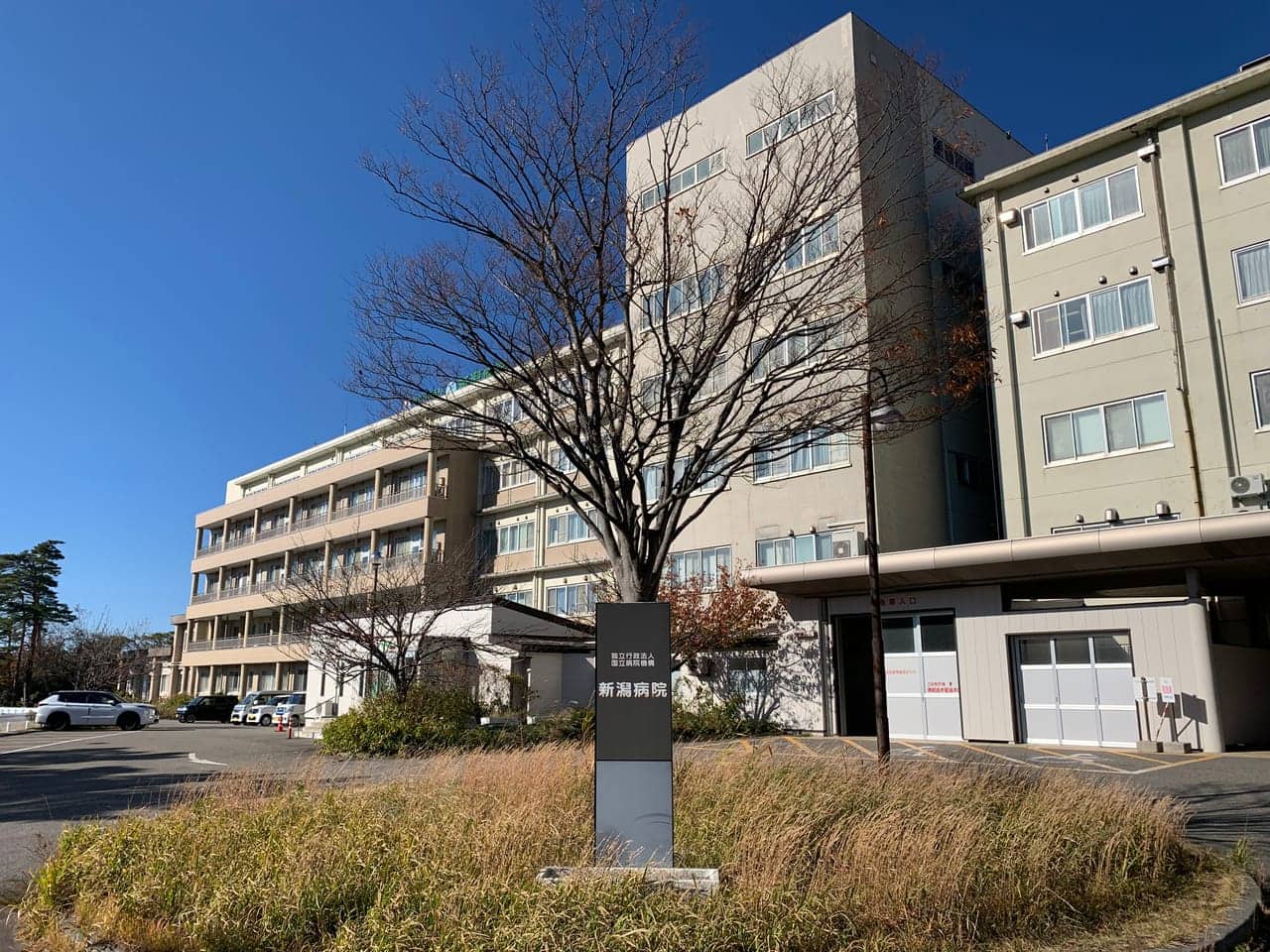
Set those numbers against the premium and the logic is obvious: a week of travel-medical cover usually costs about one or two meals. Trading a tiny fixed cost for protection against a "could-derail-the-whole-trip" tail risk is one of the best-value decisions in trip planning. The honest framing is this: Japan travel insurance isn't a "should I?" question — it's a "which type and how much?" allocation question.
2. Travel-medical vs trip-delay vs credit-card
People lump everything under "travel insurance," but you'll actually meet three different things, each doing a different job. Understanding what each one covers first stops you from double-buying or leaving a hole.
Travel-medical insurance: covers the person
The core is accidental injury and overseas sudden illness (medical expenses). The first covers getting hurt (slips, sprains, traffic accidents); the second covers illness that flares up mid-trip (acute gastroenteritis, pneumonia, severe allergy). Good policies also include overseas emergency assistance (medical transport, hospital coordination, an emergency hotline) — invaluable when you're far from home. This is the part you least want to skimp on.
Trip-delay (travel-inconvenience) insurance: covers the itinerary
It ignores your body and covers the financial fallout when plans break: flight delay, cancellation, baggage delay, lost baggage, trip curtailment. Typhoons, heavy snow and the occasional strike make Japanese-airport delays and cancellations far from rare — reading the alerts and deciding whether to go out is a separate question, and this section is only about the money. A trip-delay policy reimburses the airport hotel, meals and emergency toiletries when you're stranded. The thing to read is the trigger threshold — commonly 4 hours for flight delay and 6 hours for baggage delay.
The reason this cover is not optional sits on the airline side of the contract: Japanese carriers state in writing that accommodation and ground transport costs arising from weather cancellations are borne by the passenger, and under weather they will not move you to another airline or onto a train either. The hotel bill for that night has no other source than a trip-delay policy — we take the ANA and JAL terms apart clause by clause in whether airlines cover hotels when weather cancels your flight.
Credit-card bundled cover: low limits, conditions attached
Many travellers assume "I bought the flight on my card, so I'm insured." You are — but it usually skews toward accidental death/dismemberment with low medical limits, and the trip-delay portion often requires you to have paid the full public-transport fare on that card. Use it as a baseline, but you'll almost always need a standalone medical policy to fill the gap. The next section lays all three out side by side.
3. Side-by-side comparison table
This table is the spine of the whole guide. It's not a quote from any one policy — it's a comparison of what each type typically covers, so you can spot the gaps at a glance:
| Item | Travel-medical (standalone) | Trip-delay | Credit-card bundle |
|---|---|---|---|
| Accidental death/disability | ✅ Core | — | ✅ Common, high limit |
| Overseas sudden-illness medical | ✅ Can set high | — | ⚠️ Often low or absent |
| Accident medical expenses | ✅ | — | ⚠️ Varies, often capped |
| Emergency assistance/repatriation | ✅ Good policies include | — | ⚠️ Not always |
| Flight delay/cancellation | Sometimes / add-on | ✅ Core | ⚠️ Card-payment trigger |
| Baggage delay/loss | Sometimes / add-on | ✅ Core | ⚠️ Card-payment trigger |
| Skiing/hiking (specified activity) | Confirm / add-on | — | Usually excluded |
| Trigger threshold | Pays on treatment (per terms) | 4–6 hr delay | Conditions (card payment) apply |
The headline: these aren't either-or — they're complementary. The most common, practical combination is "credit-card bundle as the floor (death/disability + some inconvenience) + a standalone medical policy to fill the gap." If your card's trip-delay conditions are strict, or you're particularly worried about typhoon-season delays, add a separate trip-delay policy or pick a medical policy that bundles it.
4. How much to insure — especially medical
To be clear: the following are situational ranges, not any insurer's official figures — decide based on the policy terms and your own situation. The point isn't to memorise a number; it's to know which items must not be low.
Overseas sudden-illness medical: don't skimp here
This is the item you're most likely to use in Japan and the one to set high. For a normal sightseeing trip, a comfortable medical limit sits in the higher end of cover, because a single surgery plus hospital stay at a private Japanese hospital can be steep. Cheap policies often quietly carry low medical limits — buy on headline price and you discover the shortfall only when something happens. Confirm whether "sudden illness" and "accident medical" share one limit or are calculated separately.
Emergency assistance: the amount can be modest, but it must exist
Medical transport, emergency coordination and hospital arrangements are services you'll rarely use — but when you do, they're a lifeline. They're usually bundled as a service; when choosing, confirm there's a 24-hour English-language emergency hotline rather than fixating on a dollar figure.
Trip-delay: judge the threshold, not the headline limit
Trip-delay value lives in the trigger threshold, not the total payout. A 4-hour flight-delay and 6-hour baggage-delay trigger is common and genuinely useful; a policy that only pays after 8 or 12 hours is far less likely to ever activate. During typhoon season (September–October) and heavy winter snow, that threshold directly decides whether you get reimbursed while stranded.
5. Skiing, hiking and rental-car gaps
If your trip is just city sightseeing, shopping and food, a standard travel-medical policy usually covers it. But the moment you add any of the activities below, you need to confirm — or add — cover. This is where most people get caught, because they assume "I have travel insurance, so everything is covered."
Skiing / snowboarding: confirm it isn't excluded
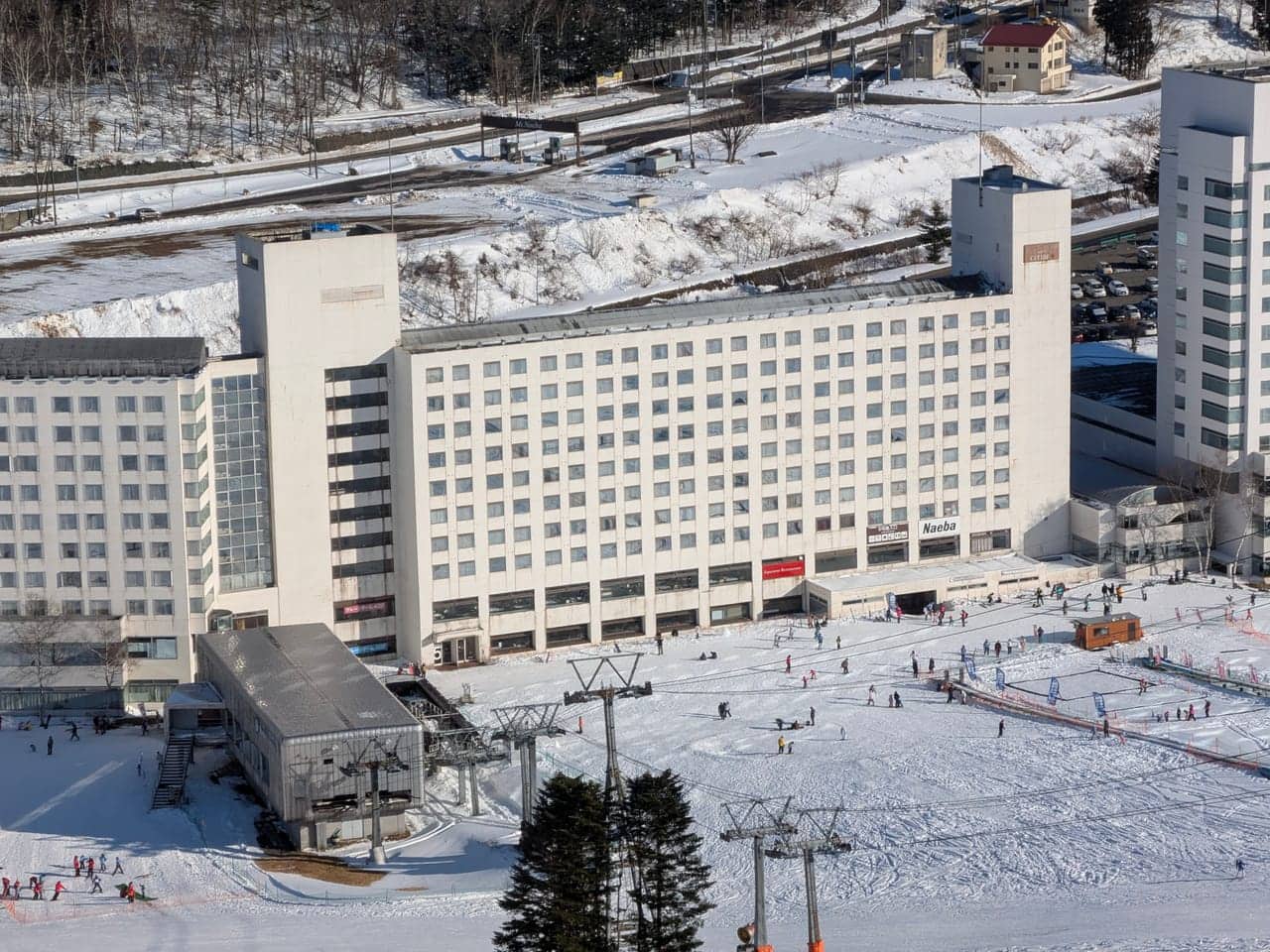
Skiing and snowboarding are higher-injury activities, and many basic policies exclude them or require an add-on. Before buying, read the "exclusions / specified activities" clause and confirm skiing is covered; if not, choose a policy that includes it or add the rider. If you're heading to Hokkaido or Nagano to ski, do not skip this step. For the resorts themselves, see our Japan ski resort comparison.
Hiking: altitude and rescue costs
General trail walking is usually fine, but if you're attempting higher-altitude climbs (summer Fuji or more advanced peaks), some policies need a mountain rider, and you must confirm that mountain search-and-rescue costs are covered — rescue in Japan's mountains can be very expensive. Work out which grade your route falls into, then check it against the policy.
Self-drive: travel insurance doesn't cover the car
This is the most misunderstood part. Travel insurance covers you (injury/illness); vehicle collision, damage to the other car and third-party liability are a separate track, covered by the rental company's car insurance and CDW (collision damage waiver) — the two don't replace each other. In self-drive hotspots like Okinawa and Hokkaido, confirm the CDW (and consider the zero-excess upgrade) when you collect the car. We break down rental-car insurance fully in our Okinawa car rental guide.
6. Is the card-bundled policy enough?
Straight opinion: fine as a floor, not as your whole plan. The real value of card-bundled travel cover is high-limit items like accidental death and disability, which it usually does well. Its weaknesses are concentrated:
- Overseas sudden-illness medical is often low or absent — precisely the item travellers use most.
- Trip-delay has activation conditions — often "the full public-transport fare must be paid on this card," so the wrong card means no trigger.
- Specified activities are usually excluded — skiing, mountaineering and the like fall outside cover.
- Limits on who/how long is covered — some cover only the cardholder; some cap the number of overseas days.
So the most robust approach is: check exactly what your card bundles and treat it as the baseline, then fill the medical and specified-activity gaps with a standalone policy. Spend a few minutes in your issuer's app or website confirming three things on your card — overseas medical limit, trip-delay trigger conditions, and covered days. That beats any general rule of thumb, because every card's terms differ.
And don't forget: being able to check a policy, contact your insurer or open digital documents in real time is often the deciding factor when things go wrong. Sort out connectivity before you fly — the plans are compared in our Japan eSIM comparison.
7. What receipts to keep for a claim
Buying the policy is half the job; without proof at claim time, you've effectively paid for nothing. The rule is one sentence: keep every document that proves you spent money, why, and on whom. You have to start collecting receipts in Japan on the spot — reconstructing them after you fly home is nearly impossible.
Medical (travel-medical)
- Diagnosis certificate (shindansho): states the condition and date — the single most important document.
- Itemised receipt (ryoshusho / shinryo meisaisho): amounts and line items must be clear.
- Prescription and pharmacy receipts: keep these even for out-of-pocket medicine.
- Clinic name, address and date: a photo of the signage or appointment slip works too.
Itinerary disruption (trip-delay)
- Airline-issued delay/cancellation/baggage-irregularity certificate: the key document for a trip-delay claim — request it at the counter on the spot.
- Boarding pass, itinerary, baggage tags.
- Receipts for extra purchases caused by the delay: airport hotel, meals, emergency toiletries and clothes.
8. What to add by traveller type
The same principles land differently depending on who you are. Here's the "find yourself in the list" version:
| Traveller type | What to prioritise |
|---|---|
| Families with kids | Confirm children are individually covered (many policies require separate enrolment); weight trip-delay (delays cost more with kids) and emergency assistance. |
| Senior travellers | Raise the overseas sudden-illness medical limit and confirm emergency assistance/repatriation; watch age caps or surcharges, and read the disclosure/exclusion clauses if there are chronic conditions. |
| Skiers / snowboarders | Make sure skiing is not in the exclusions, add the specified-activity rider if needed, and bump medical/accident limits up a tier. |
| Hikers | For higher-altitude routes, confirm mountain search-and-rescue cost cover and add a mountain rider if required. |
| Self-drivers | Keep your travel-medical policy, and separately rely on the rental firm's CDW for vehicle and third-party damage — cover both sides. |
| Long trips / frequent flyers | For a single long trip, watch the policy's day cap; for several trips a year, weigh an annual multi-trip policy against buying each time. |
Whichever type you are, the underlying logic is the same: secure the overseas sudden-illness medical first, then top up by itinerary risk (activity, age, days). Treat insurance as "allocation by risk," not "pick the cheapest," and you won't buy the wrong thing.
One more flag for travellers on regular medication: insurance covers the bill if you actually get sick, but whether you can legally bring your own medicine into Japan is a separate, easily-overlooked hurdle — quantity limits and banned ingredients differ for cold medicine, painkillers and prescriptions, and larger amounts can require a "Yakkan Shoumei" import certificate in advance. Read our bringing medication into Japan: customs guide alongside this so "the meds get in" and "you're insured if you fall ill" are both handled.
9. Where to buy and how to compare
Honestly, this guide doesn't recommend a specific insurer — limits, exclusions and trip-delay thresholds vary widely and shift over time, so the "best fit" depends on the person. The practical way to buy is:
- Check the card bundle first: confirm the medical limit, trip-delay conditions and covered days on the card you bought the flight with, so you know where the gap is.
- Use this guide's must-haves as a checklist: high enough overseas sudden-illness medical, emergency assistance present, low trip-delay threshold, specified activities covered.
- Compare like-for-like: on insurers' own sites, or via a broker or comparison platform, compare premiums at the same coverage level — don't judge on total price alone.
- Buy online before departure: most travel-medical policies can be bought quickly online, but you must complete it before you leave (buying once you're already abroad or after an incident is usually not accepted).
Where Taiwan-based travellers usually buy (verified July 2026)
One piece of recent background worth knowing first: according to Taiwan's general-insurance trade association, claims on travel-inconvenience policies surged in both volume and value across 2023 and 2024 (from roughly 3.07 million claims in 2023 to about 4.79 million in 2024), as some fixed-payout products were being used as a "buy more, claim more" arbitrage. That surge pushed insurers to revise their products, and a new regime took effect on April 1, 2026: a cap of two fixed-payout inconvenience policies per trip, a ceiling on fixed flight-delay payouts, and combined counting of multi-leg connection delays, among other changes (as reported by China Times, March 30, 2026; as of July 2026, the regulator has tasked the insurers association with drafting unified claim principles, so the rules are still being adjusted). So when you compare, look at each policy's inconvenience-claim format and delay threshold first, then the medical limit, and only then the premium — do it the other way round and you tend to end up with something cheap that never pays out.
The five insurers below are the ones Taiwan-based travellers commonly buy from. The table compares only stable, objective facts — whether you can buy online, the inconvenience-cover format and delay threshold, and whether 24-hour overseas assistance is listed:
| Insurer | Online purchase | Inconvenience-cover type | 24 hr overseas assistance |
|---|---|---|---|
| Cathay Century (國泰產險) | Yes | Fixed payout (flight delay pays per full 4 hours) | Yes |
| Fubon Insurance (富邦產險) | Yes | Hybrid (delay/baggage fixed, trip cancellation/change reimbursed; delay from 4 hours) | Yes (SOS overseas emergency assistance) |
| Tokio Marine Newa (新安東京海上) | Yes (up to 1 hour before departure) | Fixed payout (flight delay from 4 hours) | Not stated on the official page — confirm before buying |
| Chubb (安達產險) | Yes | Hybrid (delay/baggage fixed, progressive; trip cancellation/change reimbursed; delay per full 4 hours) | Yes (Platinum overseas emergency assistance) |
| Chung Kuo Insurance (兆豐產險) | Yes | Fixed payout (flight delay from 4 hours) | Yes (International SOS 24-hour line) |
The information in this table was verified in July 2026; each insurer revises its terms from time to time, so always defer to the policy wording on the official site at the moment you buy. This is an editorial-only compilation with no affiliation or commission of any kind, and it deliberately omits premiums and coverage amounts — those depend entirely on your age and trip length, and the order implies no ranking or recommendation.
When you fold insurance into trip planning, budget it alongside everything else — the premium is small, but like tax refunds and transport passes, it's a fixed item you set once and forget. For the full cost breakdown, see our Japan trip budget guide; for everything else to line up before you fly (connectivity, luggage, Visit Japan Web), see the Japan travel essentials checklist and the Visit Japan Web guide.
One last thought to leave you with: insurance is one of the few trip expenses you hope you never use. It won't make your trip more fun, but on the worst day it turns "the whole trip is ruined" into "just a scare." Buying a whole trip's peace of mind for the price of a couple of meals is a trade that always pencils out — which is exactly why WaTabi files it under Essentials.
Frequently Asked Questions
- Q1:Do I really need travel insurance for a short trip to Japan?
- Yes. Accidents don't care how long your trip is — a slip on temple steps, a sprained ankle, acute food poisoning or an allergic reaction can all happen on Day 1 of a 3-day trip. As a foreign tourist without Japanese national health insurance, you pay the full bill, and the same treatment can cost three to five times more at one hospital than another. Japan's national tourism organisation (JNTO) has even reproduced, in its official medical guide, real cases where a foreign visitor's hospital treatment plus a medical-escorted flight home reached ¥7.5–10 million. A week of travel-medical cover usually costs about the price of one or two meals — a tiny fixed cost against a tail risk that could otherwise dwarf your entire trip budget.
- Q2:Is the insurance from my credit card enough?
- Usually not on its own. Credit-card travel insurance is typically strong on accidental death and dismemberment but weak — or absent — on overseas emergency medical expenses, which is the cover most travellers actually use. Trip-delay benefits often have an activation condition (you must pay the full public-transport fare on that card), and high-risk activities like skiing are usually excluded. Treat the card as a baseline, then check your specific card's actual medical limit and trigger conditions in the issuer's app and top up the gaps with a standalone policy.
- Q3:How much medical coverage should I get for Japan?
- This is a situational range rather than any single insurer's official figure: for a normal sightseeing trip, an overseas-medical limit in the high six figures (USD low-five-figures equivalent) is a reasonable comfort zone, because a single surgery plus hospital stay at a private Japanese hospital can be expensive. If your itinerary includes skiing, mountaineering, diving or self-drive, bump the medical and accident limits up a tier and confirm the activity isn't excluded. Always check whether 'overseas sudden illness' and 'accident medical' share a limit or are calculated separately.
- Q4:What do I need to add for skiing, hiking or renting a car?
- All three need attention. Skiing and snowboarding are often listed as 'specified activities' and excluded from basic policies — confirm cover before you buy. Hiking at higher altitude may need a mountain rider and confirmation that search-and-rescue costs are covered. Self-drive is a separate track entirely: travel insurance covers you (injury/illness), but vehicle collision, third-party damage and liability are covered by the rental company's car insurance and CDW — the two don't replace each other.
- Q5:What documents do I need to keep to file a claim in Japan?
- Keep anything that proves you spent money, why, and on whom. For medical claims: the diagnosis certificate (shindansho), the itemised receipt (ryoshusho / shinryo meisaisho), prescription and pharmacy receipts, and the clinic's name and date. For trip-delay claims: the airline's written delay/cancellation/baggage-irregularity certificate, your boarding pass, baggage tags, and receipts for anything you had to buy because of the delay. Photograph everything to the cloud on the spot and keep the originals — most insurers have a filing deadline.
- Q6:Does WaTabi recommend a specific insurer?
- No, and we deliberately don't. Coverage limits, exclusions and trip-delay triggers vary widely between policies and change over time, so the 'best' choice depends on your age, health, itinerary risk and budget. The practical approach is to use the must-have clauses in this guide as a checklist, compare like-for-like across insurers (direct, via a broker, or a comparison platform), and top up whatever your credit card already provides. The only supporting tool we suggest is a Japan eSIM — being online to check a policy, contact your insurer or open digital documents matters more than anything when something goes wrong.
- Q7:Staying in Japan for two or three months — how do I stay insured?
- First check the policy's maximum single-trip duration — it varies enormously between insurers, anywhere from a few dozen days up to 180. If your stay exceeds the cap, you have three options: choose a plan that allows a long single trip; if you travel several times a year, weigh an annual multi-trip policy against buying each time; or, if your itinerary breaks into segments with a trip home in between, insure it segment by segment. The one iron rule: once you have left your home country, most policies can neither be newly bought nor extended — for a long stay, lock in the full number of days before you depart instead of planning to sort it out on arrival.
- Q8:Do I need to register insurance on Visit Japan Web?
- No. Visit Japan Web is the online system for Japan's entry procedures — customs declaration and immigration — and it has nothing to do with insurance; it never asks you to show a policy. The two only get confused because both are pre-departure to-dos. Japan's national tourism organisation (JNTO) does explicitly urge visitors to buy travel insurance that covers medical care, and a Japan Tourism Agency (観光庁) survey found that around 73% of visitors had bought private medical insurance for their trip — meaning nearly three in ten had not — but that is an official recommendation, not an entry condition. For the full walkthrough, see our Visit Japan Web guide.