Not everything is worth lugging home. Japanese drugstores really are cheap, but the items that genuinely save you serious money are the ones Taiwan has no official distributor for — sold only through resellers and grey imports. Those run 30 to 50 percent cheaper in Japan. The things Taiwan already stocks officially, by contrast, might only differ by 10 to 20 percent, and once they are eating your luggage allowance and adding customs risk, they are often not worth it. This guide uses one 13-item decision table to tell you, for each product, whether it is "worth it," "fine but optional," or "carry with care" — rather than handing you a string of yen numbers you will never remember.
Just as important: you cannot bring back as much medicine as you like. Under Taiwan customs rules for personal-use medicine, you may carry at most 12 units of any single over-the-counter product, and no more than 36 units in total — EVE painkillers, cold medicine and whitening pills all count against that allowance. This article spells out the limit, the eye-drop and whitening-pill caveats, and how the tax-free reform arriving in November 2026 stacks with all of it, so you shop smart and clear customs cleanly. All prices below are reference ranges that float with exchange rates and where you buy — treat the in-store price as final.
- The rule — "hard to buy in Taiwan (no distributor) + big gap" is worth a special haul; skip what Taiwan stocks officially with a small gap.
- Most worth it — Kao steam eye masks, EVE painkillers, Shin Biofermin S, Alinamin EX, KOSE cleansing oil, Pabron cold medicine; for snacks, Shiroi Koibito and Jagabee for freshness.
- Don't bother hauling — Kyusoku Jikan, Ryukakusan lozenges, FANCL cleansing oil are all officially sold in Taiwan.
- Customs limit (must read) — personal-use medicine: max 12 units per over-the-counter product, 36 units in total (prescription drugs follow a separate rule); eye drops and whitening pills count too. Personal use only.
- Tax-free reform — from Nov 1, 2026, refund-type: pay tax-included, refund at departure; threshold still ¥5,000 before tax, same store same day.
📖 Table of contents (tap to expand)
Why is Japan cheaper?
Why does the same skincare bottle or box of medicine cost so much more in Taiwan? There are three layers, and understanding them tells you what is actually worth carrying.
- Consumption tax can be waived (10%) — foreign travellers spending at least ¥5,000 before tax, same store same day, skip the 10% consumption tax. That is a fixed discount, but only 10% — not the whole gap. ⚠️ From 1 November 2026 that 10% is no longer deducted at the till: you pay it up front and get it back after the departure check. Details in the tax-free section below.
- No import duty or distributor markup — this is the big one. Many Japanese drugstore items have no official distributor in Taiwan, so they are either unavailable or only reachable via resellers who pile on shipping, profit and exchange-rate margin. Buying on the ground in Japan skips that entire middle chain, and that is where the gap really opens.
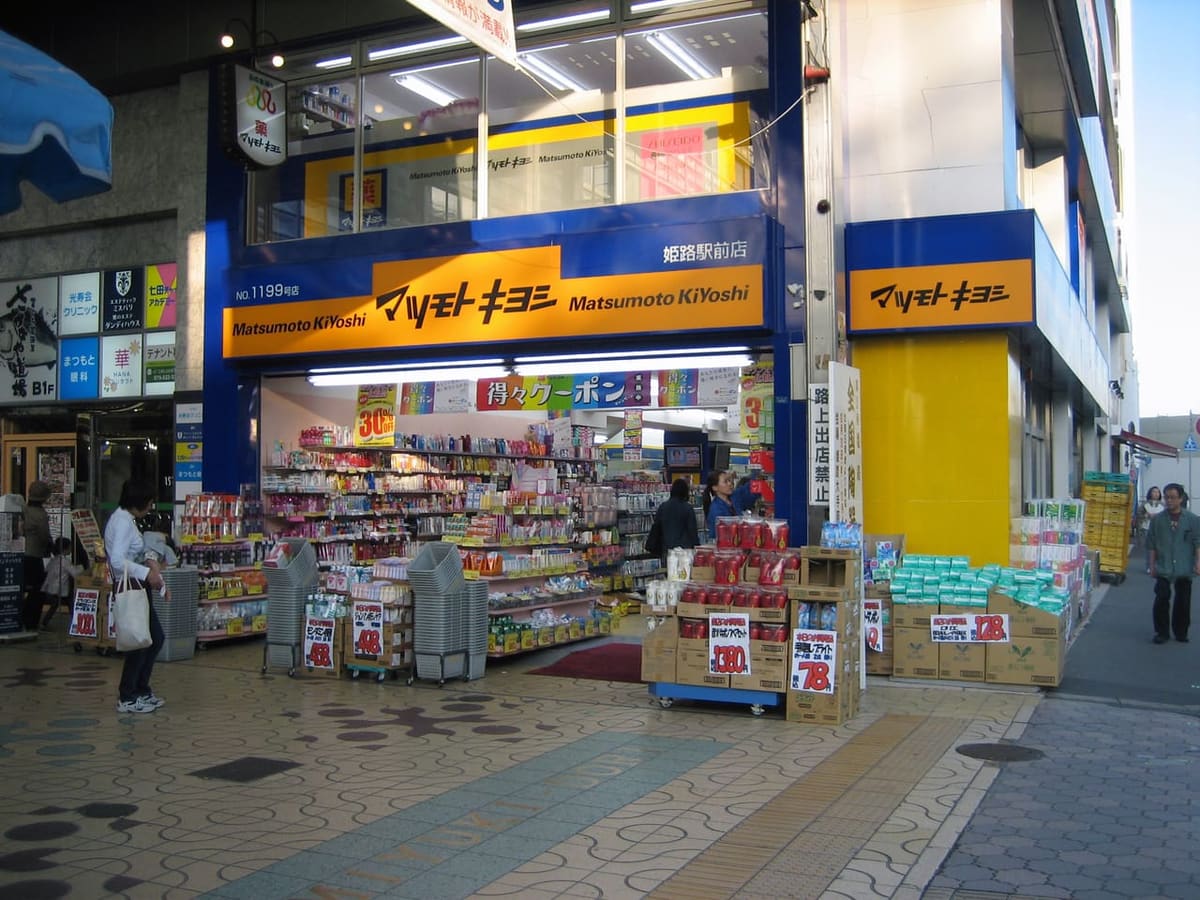
- On-the-ground competition and promos — Japan's drugstores are dense and price-competitive; Matsumoto Kiyoshi, Don Quijote, SUGI and Welcia run frequent sales and coupons, and popular items get cheaper still when you stack a coupon. For how to stack them, see the Matsumoto Kiyoshi coupon guide and the Don Quijote coupon guide.
Here is the crucial twist: everything gets the 10% tax-free, but only items Taiwan can't easily buy capture that distributor-markup layer. So items Taiwan already carries officially (Ryukakusan lozenges, FANCL cleansing oil) only lose the 10% plus a little promo — a small gap. Items Taiwan simply cannot get are where the gap blows wide open. That is the core of the decision framework next.
How to decide if it's worth bringing home
Rather than memorising yen figures, keep one framework. Run each item through three questions and the answer falls out:
- Can you buy it in Taiwan? Official distributor → usually a limited gap and always restockable, so it's "optional." Only resellers or nothing at all → that's where a special haul earns its keep.
- How big is the gap? No distributor + resellers charging 30 to 50 percent more (or 1.5 to 2 times for snacks) → "worth it." Only 10 to 20 percent and it weighs down your bag → "optional."
- Any carry restriction? Medicine, eye drops and whitening pills fall under Taiwan's personal-use limit (12 units per product, 36 units total) → "carry with care": follow the rules, no sweeping the shelf.
Apply those three and the conclusion is clean: "hard to buy in Taiwan + big gap + no carry restriction" = worth it; "Taiwan has a distributor + small gap" = optional, grab it if convenient; "subject to a customs limit" = carry with care, personal use only. The table below uses exactly this logic to label the 13 most-asked items.
Drugstore decision table (13 items)
This is the heart of the article. The "Worth it?" column is the conclusion — read that first. Yen are reference ranges that float with exchange rates and channels, there to give you a rough magnitude, not a price tag. Anything marked "carry with care" must be read alongside the customs limit section.
| Item | Japan ref. price | Status in Taiwan | Worth it? | Notes |
|---|---|---|---|---|
| ① Kyusoku Jikan foot patches, 18 (Lion) | ¥400–550 | Official distributor (Watsons) | Optional | Available in Taiwan; ~20–30% cheaper in Japan, not urgent |
| ② Kao Megrhythm steam eye mask, 12 | ¥900–1,700 | Grey import / reseller only | Worth it | Hard to find genuine in Taiwan; ~30–50% cheaper in Japan |
| ③ EVE painkiller (Eve A) 60 tablets (SSP) | ¥550–950 | No official distributor (reseller) | Worth it | Ibuprofen 150mg. ⚠️ Max 12 units per product, 36 units total |
| ④ Shin Biofermin S 540 tablets (Taisho) | ¥2,600–3,200 | Grey import; not officially sold | Worth it | Quasi-drug; the 540-tablet jar is the popular bulk size. ⚠️ Max 12 units per product, 36 units total |
| ⑤ Ryukakusan throat lozenges 100g | ¥200–350 | Official distributor (Watsons) | Optional | Sold in Taiwan but clearly cheaper in Japan (~half); grab it |
| ⑥ Rohto Vita 40 alpha eye drops 12ml | ¥195–680 | Eye drops have import limits | Carry with care | ⚠️ Personal-use limit applies; Taiwan has alternatives. See below |
| ⑦ Alinamin EX Plus 60 tablets | ¥1,600–2,200 | Grey import, no mainstream channel | Worth it | Resellers charge 30–50% more. ⚠️ Max 12 units per product, 36 units total |
| ⑧ Mentholatum AD lotion b 120g | ¥600–950 | Grey import; uncommon in TW pharmacies | Worth it | 10% urea plus three anti-itch agents; same spec needs reselling in TW |
| ⑨ KOSE Softymo quick cleansing oil 230ml | ¥700–950 | Grey import / some e-commerce | Worth it | TW channels often 1.5–2x Japan; great value |
| ⑩ FANCL purifying cleansing oil 120ml | ¥1,500–2,200 | Official distributor (FANCL Taiwan) | Optional | Officially carried in Taiwan; a gap exists but not a must-grab |
| ⑪ Pabron Gold A cold medicine 210 tablets | ¥1,300–1,700 | Grey import / cross-border reseller | Worth it | Handy when sick. ⚠️ Max 12 units per product, 36 units total |
| ⑫ Shiroi Koibito 18-piece (Ishiya) | ¥1,200–1,600 | Distributor exists but priced clearly higher | Worth it | For freshness and the on-the-spot factor; TW resellers often 1.5–2x |
| ⑬ Jagabee / Jaga Pokkuru 10-pack (Calbee) | ~¥1,100 | Resellers (occasional supermarket) | Worth it | Hokkaido-only feel; resale fees make TW clearly pricier and less fresh |
See the pattern? Everything labelled "worth it" is "no official Taiwan distributor + clear reseller markup"; everything "optional" (Kyusoku Jikan, Ryukakusan, FANCL) is officially sold and always restockable in Taiwan. The three medicines (③⑦⑪) are worth it but flagged "medicine limit" — that doesn't mean you can't bring them, only that you follow Taiwan's customs rules, covered in full below. One more thing: KKday and similar platforms sell tickets, transport and experiences, not these drugstore goods, so don't expect to order them online — you buy these at the shop on the ground, and having your phone online to price-check on the spot helps a lot.
Are snack souvenirs worth it?
Snacks follow slightly different logic from drugstore goods. Drugstore items hinge on "does Taiwan have a distributor"; snacks hinge on the on-the-spot factor and freshness. The same Hokkaido-only box typically costs 1.5 to 2 times more via a Taiwan reseller, and it is staler by the time it arrives — which is exactly why it is worth grabbing on the ground.
- Shiroi Koibito (18-piece) — Ishiya's Hokkaido classic, white chocolate between thin langue de chat biscuits, in a presentable tin: a safe gift for elders or formal occasions. Taiwan has airport duty-free and some department-store distribution, but the price is clearly higher, so this is a "buy it in Hokkaido or at New Chitose Airport" pick.
- Jagabee / Jaga Pokkuru (10-pack) — Calbee's Hokkaido-only potato sticks with a distinctive crunch; Taiwan resellers exist but the reseller fee makes it clearly pricier, and crisp snacks like this are all about freshness, so on the ground is best.
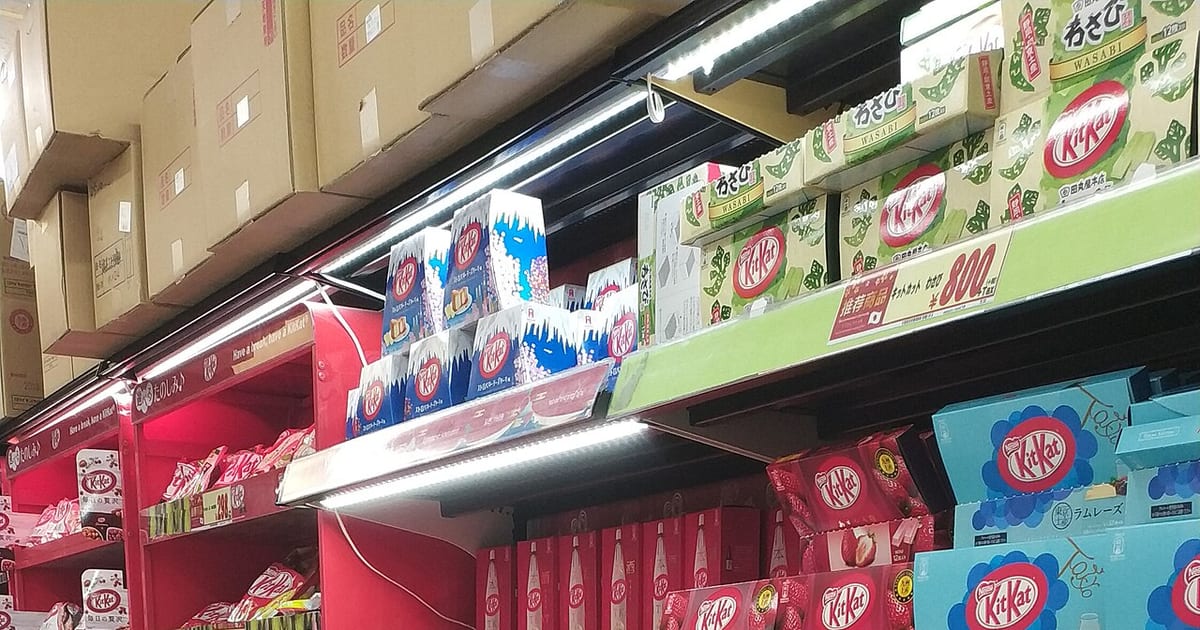
- Matcha and region-limited sweets — Kyoto/Uji matcha chocolates, region-limited KitKats: the common thread is "you can't get this exact thing in Taiwan, only here," which puts them firmly in the worth-a-special-haul tier.
Conversely, the nationwide-generic snacks that look identical in every city, or imported lines your Taiwan supermarket already stocks, are not worth a special haul. For the full how-to on choosing and sharing out snack souvenirs, see the Japan souvenirs and shopping guide and plan your drugstore and snack run together.
⚠️ Taiwan's customs limit on medicine (must read)
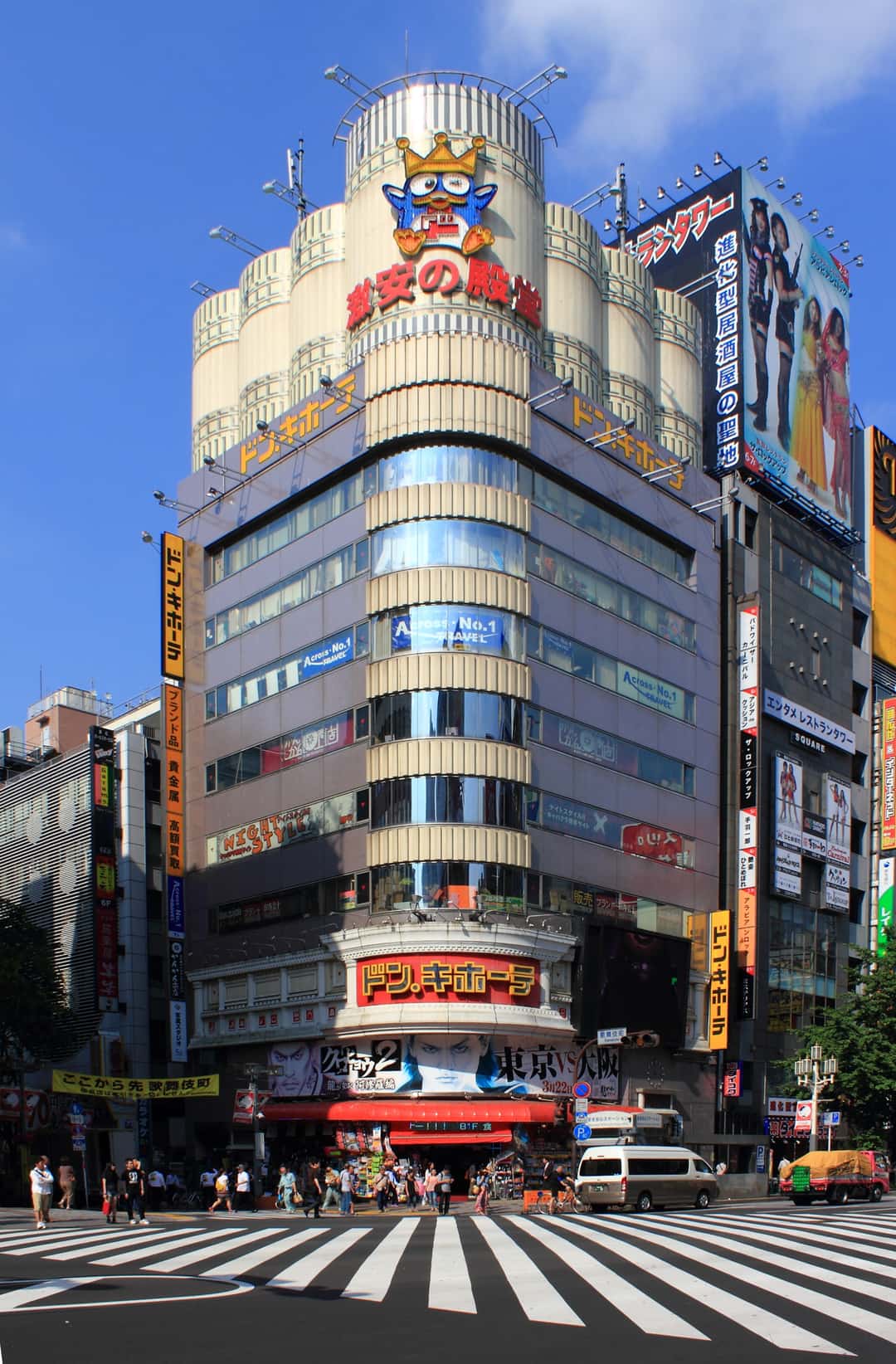
This is the most important — and most overlooked — section. Under Taiwan customs rules for personal-use medicine, a traveller may carry at most 12 units (boxes, bottles, jars, tubes, sticks) of any single over-the-counter product, and no more than 36 units in total. So the EVE painkillers, Shin Biofermin S, Pabron cold medicine, Alinamin EX, and the whitening pills covered below all count against that same "12 units per product, 36 units total" allowance — you cannot breeze through with ten boxes of each. Exceeding the limit, or amounts judged to be for resale, can be refused entry or penalised.
Eye drops: limited, and Taiwan has alternatives
Eye drops (such as the Rohto Vita 40 alpha on the table) fall under the same personal-use limit — at most 12 units per product, 36 units of medicine total — and some ingredients may be treated as medicated products requiring declaration. My advice is blunt: if you just want that cooling sensation, Taiwan pharmacies carry similar products, so there's no need to risk an uncertain customs experience by hauling a whole row; bring one or two for personal use, not an armful. For the full quantity caps and declaration procedure on arrival in Taiwan, read what you can bring back from Japan; for the opposite direction (whether you need a Yakkan Shoumei to take medicine into Japan), see the bringing medication into Japan guide. And if you are thinking of restocking contact lenses or picking up a cheap pair of glasses while in Japan, the rules and lead times there are a different matter entirely — we cover them in buying glasses and contact lenses in Japan.
Whitening pills (Transino, Hythiol-C): keep it tight, personal use only
Whitening pills like Hythiol-C Plus (SS Pharmaceutical) and Transino White C (Daiichi Sankyo) are class-3 drugs or quasi-drugs in Japan and contain L-cysteine, which makes them regulated as medicine in Taiwan. There is no official Taiwan distributor and grey-import pricing is chaotic (reference range roughly ¥1,800–2,800, varying by channel). Keep it to at most 12 units per product and 36 units total, personal-use quantities only, following Taiwan customs declaration rules, and no over-buying to resell or to gift a crowd. With medicated ingredients, health and compliance come before saving a few hundred yen.
How tax-free stacks: the 2026 reform
Getting your drugstore haul over the tax-free threshold saves another 10% consumption tax — the most practical way to save. But 2026 brings a big change you need to know:
- Threshold unchanged — at least ¥5,000 before tax, same store same day, qualifies for the 10% exemption. Buying drugstore goods and snacks in one store to clear the threshold beats splitting it up.
- From Nov 1, 2026, it becomes a refund system — the core change. Under the new rules you pay the full tax-included price in store, get a customs export check when you leave, and the shop or its agent then refunds the consumption tax. No more deduction at the till.
- Categories scrapped, easier to qualify — the reform removes the old "general goods vs consumables" split, so you can combine spend toward the ¥5,000 threshold — mix drugstore, snacks and sundries freely.
- Refund timing and fees — officially unanswered on both counts, and deliberately so. The legislation sets no rules at all on refund method; the authorities merely list possibilities (bank transfer, credit card, app transfer, cash inside the departure airport) and then state the same conclusion in three separate places: refund arrangements differ by shop, ask the shop concerned. So any guide quoting “about X days” or “a 2–3% fee” is not citing an official figure — an earlier version of this page quoted a range, and we have withdrawn it. The one moment you can get a real answer is at the till, when you register your refund method. Don't expect cash at the gate.
The dividing line is the day you buy, not the day you fly home. Anything bought on or before 31 October 2026 runs on the old deducted-in-store system, even if you leave Japan in November; anything bought from 1 November onwards runs on the new one. Officially there is no transition period — the two systems never overlap. The new rules also add a deadline: the goods must leave Japan within 90 days of the purchase date. For the full process, eligible shops and FAQs, see the Japan tax-free and refund guide.
The verdict: my advice
- Hard to buy in Taiwan + big gap → haul first: Kao steam eye masks, EVE painkillers, Shin Biofermin S, Alinamin EX, Mentholatum AD, KOSE cleansing oil, Pabron cold medicine, plus Hokkaido-only Shiroi Koibito and Jagabee.
- Taiwan has a distributor → don't bother: Kyusoku Jikan, Ryukakusan lozenges, FANCL cleansing oil — small gap, heavy bag; grab them if convenient, don't stockpile.
- Medicine / eye drops / whitening pills → carry with care: 12 units per product, 36 units total, personal use only, declare honestly. Health and compliance first.
The classic mistake with Japanese drugstores isn't overpaying — it's hauling back a box of stuff Taiwan plainly sells anyway, weighing down your bag for little saving. Spend ten minutes before you go sorting your list against the table above into three piles — worth it, optional, carry with care — then concentrate fire on the worth-it items, let the optional ones go, and keep the carry-with-care ones within the customs limit. That way everything you bring back is genuinely something that's only a deal because you bought it in Japan. Having your phone online to price-check, find shops and read reviews makes the drugstore run far smoother — sort connectivity with a Japan eSIM first.
FAQ
- Q1:Are Japanese drugstore items really much cheaper than in Taiwan?
- It depends on the item. For products with no official Taiwan distributor — sold only through resellers and grey imports (Kao steam eye masks, EVE painkillers, Shin Biofermin S, KOSE cleansing oil) — Japan is typically 30 to 50 percent cheaper, and resellers mark them up further on the way to Taiwan, so the gap is real. For items Taiwan officially carries (Kyusoku Jikan foot patches, Ryukakusan throat lozenges, FANCL cleansing oil) the gap shrinks to perhaps 10 to 20 percent, and once you factor in luggage weight and customs risk it may not be worth it. These are ballpark figures; actual prices float with exchange rates and where you buy.
- Q2:Which drugstore items are most worth bringing back to Taiwan?
- Use the intersection of "hard to buy in Taiwan (no official distributor)" and "a meaningful price gap." On that basis the strongest picks are Kao Megrhythm steam eye masks, EVE painkillers, Shin Biofermin S, Alinamin EX, Mentholatum AD lotion, KOSE quick cleansing oil, and Pabron Gold cold medicine. For snacks, Hokkaido-only Shiroi Koibito and Jagabee/Jaga Pokkuru are worth it for freshness and because Taiwan resellers charge 1.5 to 2 times the price. By contrast, Kyusoku Jikan, Ryukakusan lozenges and FANCL cleansing oil are all officially sold in Taiwan — grab them if you see them, but they are not worth a special haul.
- Q3:Is there a limit on bringing medicine back to Taiwan?
- Yes. Under Taiwan customs rules for personal-use medicine, travellers may bring at most 12 units (boxes, bottles, jars, tubes, sticks) of any single over-the-counter product, and no more than 36 units in total. That means EVE painkillers, Shin Biofermin S, Pabron cold medicine, Alinamin and whitening pills all count against the same allowance — you cannot simply buy ten boxes of each. Exceeding the limit, or amounts judged to be for resale, can be refused entry or penalised. Stick to genuine personal-use quantities and declare honestly.
- Q4:Can I bring eye drops back to Taiwan?
- Yes, but watch the quantity. Eye drops such as Rohto Vita 40 alpha fall under the same personal-use medicine limit — at most 12 units of any one product and no more than 36 units overall — and some ingredients may be treated as medicated products requiring declaration. If you just want that cooling sensation, Taiwan pharmacies carry similar products, so there is no need to risk an uncertain customs experience by hauling a whole row. Bring one or two for personal use, not an armful.
- Q5:Can I bring whitening pills (Transino, Hythiol-C) home?
- You can, but keep the quantity tight. Whitening pills like Hythiol-C Plus and Transino White C contain L-cysteine and are regulated as medicine in Taiwan, so they fall under the personal-use limit of at most 12 units per product and 36 units total. There is no official Taiwan distributor and grey-import pricing is all over the place. Keep it to personal-use quantities, follow Taiwan customs declaration rules, and do not over-buy to resell or to gift a large group. With medicated ingredients, health and compliance come before saving a few hundred yen.
- Q6:Can I still get tax-free, and how does the 2026 reform work?
- Yes. The key change is that from November 1, 2026, Japan switches to a refund-type tax-free system: you pay the full tax-included price at the till, get a customs export check when you leave, and then the shop or its agent refunds the consumption tax. Which system applies is decided by the day you buy, not the day you fly home — anything bought on or before 31 October 2026 is still deducted in store even if you leave in November, and officially there is no transition period. The threshold stays the same — at least 5,000 yen before tax, same store and same day — and the reform scraps the old split between general goods and consumables, so you can combine purchases to reach it more easily, though it adds a deadline: the goods must leave Japan within 90 days of purchase. As for how long the refund takes and whether a fee is deducted, the official answer to both is that there is no rule — deliberately: consumption tax legislation sets no rules whatsoever on refund method, and the authorities repeat the same line in three places, that refund arrangements differ by shop and you should ask the shop concerned. So we no longer quote a range of days; the only moment you can get a real answer is at the till, and the detail is in our tax-free refund section. Either way, do not expect cash at the gate.
Read next
Bringing Medication to Japan 2026: Customs Rules
Travelers get detained for the wrong cold medicine — Japan strictly bans pseudoephedrine and ADHD stimulants, some even with a prescription. When you need a Yakkan Shoumei, duty-free limits and what not to pack, checked before you fly.
Japan Tax-Free Nov 2026: New Airport Refund Rules
The kiosk reads your passport, not a QR — landside, before bag drop. One receipt, all or nothing.
Best Japan Souvenirs 2026: What to Buy & Where
Region-limited KitKats, Shiroi Koibito, drugstore beauty, stationery, kitchen knives, character goods — what's genuinely worth buying in Japan and where. Depachika, Don Quijote, 100-yen shops and tax-free, with the tourist traps flagged.