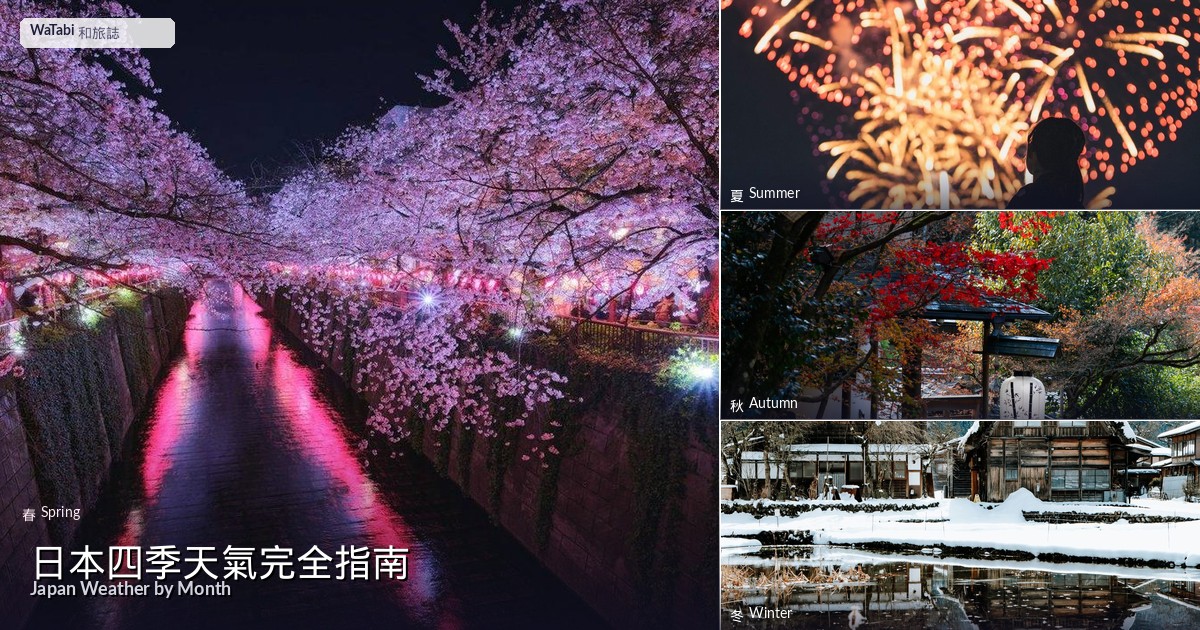
Japan stretches across 22 degrees of latitude. On any given day, Sapporo and Naha can differ by 20°C — meaning a single trip that covers both Hokkaido and Okinawa requires packing for two completely different climates. This page is the table every first-timer needs: 12 months × 4 regions, with temperature ranges, rainfall, and what locals actually wear, all in one screenshot-friendly format. Worth noting that "packing by season and getting it wrong" is itself one of the most common first-timer slip-ups — the rest are in our first-timer mistakes guide.
- April (sakura) and October-November (koyo) are Japan's most comfortable travel windows nationwide.
- June rainy season, July-August heat, September typhoons are the three summer obstacles to plan around.
- Hokkaido December-March is ski season with world-class powder; meanwhile Okinawa stays at 18-20°C and is fully travelable.
- Kyoto basin has Japan's most extreme climate range — 33°C+ in August, 1°C in January.
- Layered "onion-style" dressing is mandatory in March-May and October-November: 10°C swings within a single day are normal.
Table of Contents (click to expand)
How to read the table
We split Japan into 4 regions, each with one benchmark city (other cities in the same region typically vary by ±2-3°C):
- North = Hokkaido (benchmark: Sapporo; includes Hakodate, Otaru, Furano)
- East = Tohoku + Kanto (benchmark: Tokyo; includes Sendai, Aomori, Yokohama, Nikko)
- West = Chubu + Kansai (benchmark: Kyoto; includes Nagoya, Osaka, Kobe, Nara)
- South = Kyushu + Okinawa (benchmark: Naha; includes Fukuoka, Kumamoto)
Each cell has three lines: line 1 is temperature range (overnight low ~ daytime high); line 2 is rainfall or special weather; line 3 is the dominant clothing keyword. Source: Japan Meteorological Agency 1991-2020 normals (30-year average). Actual years vary ±2-3°C.
12-month × 4-region weather table
| Month | Hokkaido | Tohoku/Kanto | Chubu/Kansai | Kyushu/Okinawa |
|---|---|---|---|---|
| Jan | -7°C ~ 0°C ❄ Heavy snow / ski season Polar parka + snow boots | 2°C ~ 10°C ☀ Dry & cold Down jacket + beanie | 1°C ~ 9°C ☀ Dry & cold Down jacket + scarf | 14°C ~ 19°C ☀ Mild Light jacket + long sleeves |
| Feb | -7°C ~ 0°C ❄ Snow festival peak Polar parka + snow boots | 2°C ~ 10°C ☀ Driest month Down jacket + beanie | 1°C ~ 10°C ☀ Dry & cold Down jacket + scarf | 14°C ~ 19°C ☀ Mild Light jacket + long sleeves |
| Mar | -3°C ~ 4°C ❄ Snowmelt Heavy coat + waterproof boots | 5°C ~ 14°C 🌸 Late blossoms Layers (sweater + jacket) | 4°C ~ 14°C 🌸 Late blossoms Layers | 16°C ~ 21°C 🌸 Early blossoms Long sleeves + light jacket |
| Apr | 3°C ~ 12°C 🌸 Hokkaido sakura coming Sweater + windbreaker | 11°C ~ 19°C 🌸 Sakura peak Long sleeves + light jacket | 10°C ~ 20°C 🌸 Sakura peak Long sleeves + light jacket | 19°C ~ 24°C ☀ Warming up T-shirt + sunscreen |
| May | 8°C ~ 17°C 🌸 Hokkaido sakura Long sleeves + light jacket | 15°C ~ 23°C ☀ Most comfortable T-shirt / long sleeves mix | 14°C ~ 25°C ☀ Sunny & comfortable T-shirt + light pants | 22°C ~ 27°C ☀ Okinawa beach opens T-shirt + swimsuit |
| Jun | 13°C ~ 21°C ☀ No rainy season Long sleeves + light jacket | 19°C ~ 26°C 🌧 Rainy season T-shirt + rain gear | 19°C ~ 28°C 🌧 Rainy season T-shirt + rain gear | 25°C ~ 29°C 🌧 Okinawa rainy ends T-shirt + rain gear |
| Jul | 18°C ~ 25°C 🌸 Furano lavender T-shirt (light jacket at night) | 23°C ~ 30°C ☀ Hot + late rainy T-shirt + sunscreen | 23°C ~ 32°C ☀ Hot T-shirt + sunscreen + parasol | 26°C ~ 31°C 🌀 Typhoon season starts T-shirt + rain gear |
| Aug | 19°C ~ 26°C ☀ Cool summer T-shirt + light jacket | 25°C ~ 32°C ☀ Heatwave T-shirt + cooling fabric | 24°C ~ 33°C ☀ Kyoto's hottest T-shirt + cooling fabric | 27°C ~ 31°C 🌀 Frequent typhoons T-shirt + rain gear |
| Sep | 14°C ~ 22°C 🍂 Early autumn Long sleeves + light jacket | 21°C ~ 28°C 🌀 Typhoon tail Long sleeves + rain gear | 21°C ~ 29°C 🌀 Typhoon tail Long sleeves + rain gear | 26°C ~ 30°C 🌀 Typhoon tail T-shirt + rain gear |
| Oct | 7°C ~ 16°C 🍂 Foliage starts Sweater + jacket | 15°C ~ 22°C ☀ Comfortable cool Long sleeves + light jacket | 14°C ~ 22°C ☀ Comfortable cool Long sleeves + light jacket | 23°C ~ 28°C ☀ Last beach window T-shirt + light pants |
| Nov | 1°C ~ 8°C ❄ First snow Down jacket + scarf | 9°C ~ 17°C 🍂 Foliage peak Sweater + windbreaker | 8°C ~ 17°C 🍂 Kyoto koyo peak Sweater + windbreaker | 20°C ~ 24°C ☀ Cool Long sleeves + light jacket |
| Dec | -4°C ~ 2°C ❄ Heavy snow + illuminations Polar parka + snow boots | 4°C ~ 12°C ☀ Dry cold + illuminations Down jacket + beanie | 3°C ~ 11°C ☀ Dry & cold Down jacket + scarf | 16°C ~ 21°C ☀ Mild Light jacket + long sleeves |
Source: Japan Meteorological Agency (JMA) 1991-2020 normals. Actual years fluctuate ±2-3°C. For the actual snow figures by city — first-snow dates, snow-cover periods, and why Aomori gets 567cm a winter while Tokyo gets 8cm a year — see when it snows in Japan.
🌸 Spring (March-May) highlights
10°C daily swings are normal: 8°C morning, 18°C noon is typical for March-April. Onion-style layering (T-shirt + light sweater + windbreaker) is the only thing that works.
Spring is peak season within peak season — the first week of April can push Tokyo hotel prices to 2-3× the off-peak rate. Budget travelers should target mid-to-late May: temperatures stay pleasant but tourist volume drops by roughly 60%. Hokkaido has Japan's latest sakura, blooming early-to-mid May, which is also the only time the rest of Japan has already moved past the cherry-blossom peak. If you're still weighing "which month is best to visit Japan" beyond weather alone — crowds, airfare, festivals — see our best time to visit Japan breakdown.
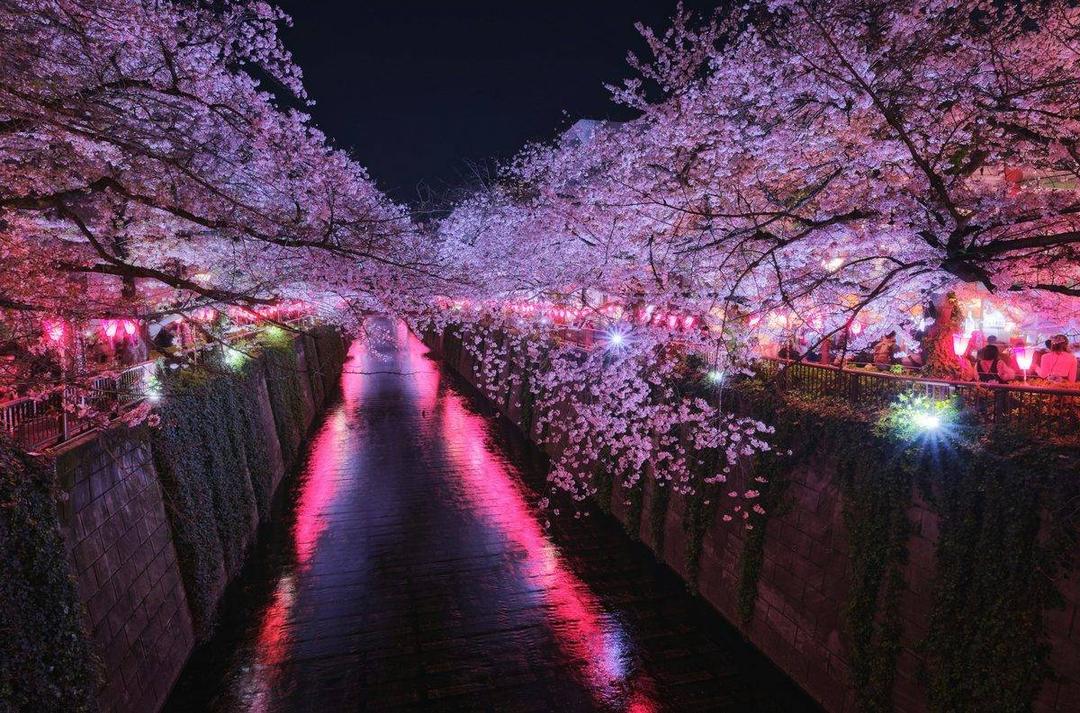
☀ Summer (June-August) highlights
July-August heat is genuinely dangerous: Kyoto, Osaka, and Tokyo can hit 35-38°C with high humidity. Plan indoor activities (depachika, museums, teamLab) for the noon-to-3 PM window; save outdoor for early morning and evening.
Okinawa beach season opens in May: Water temperature already 25°C+, earlier than Taiwan's Kenting. September is still swimmable but watch typhoon forecasts.
Summer's biggest advantage is Hokkaido — at 18-26°C, it's Japan's best escape from mainland heat. Furano's lavender fields peak early-to-mid July, and the colorful flower fields of Biei nearby make it the season Japanese travelers themselves prize most. Pairing this with the Hokkaido JR Pass for a 5-7 day loop is excellent value.
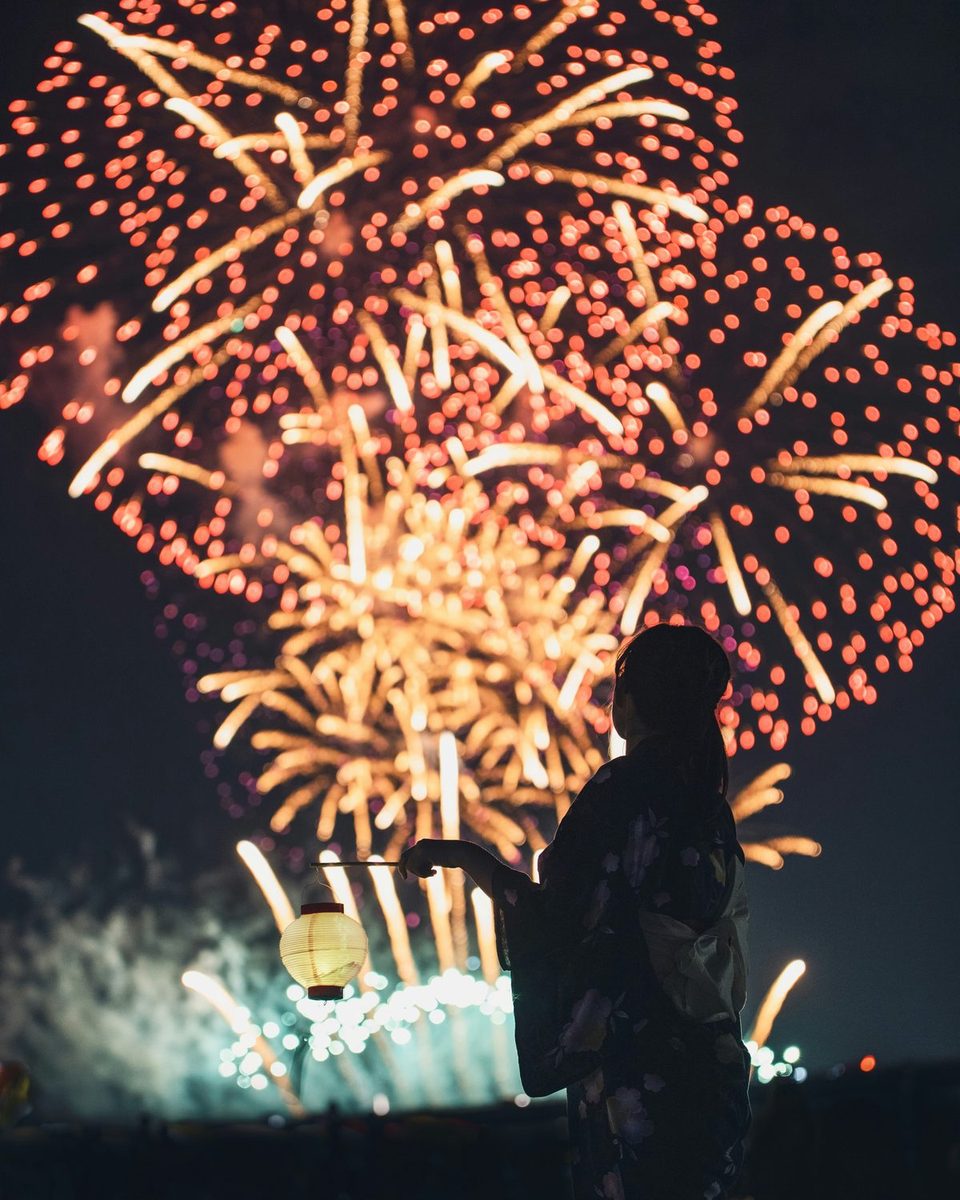
🍂 Autumn (September-November) highlights
October is the most comfortable month nationwide: 15-22°C, low rainfall, and 40% fewer crowds than November's foliage peak. Budget travelers should target October over November.
September still carries typhoon risk, especially for Kyushu and Okinawa. October opens the "golden window": comfortable temperatures, no rainy season, and koyo arriving. Late November is Japan's second-highest tourism peak (after April sakura), pushing Kyoto hotel prices back to peak rates — book at least three months ahead if you want centrally located lodging.
September–October is peak typhoon season, when flight delays and cancellations are most likely all year — check your policy's delay threshold before you fly, via our flight delay insurance claims guide.
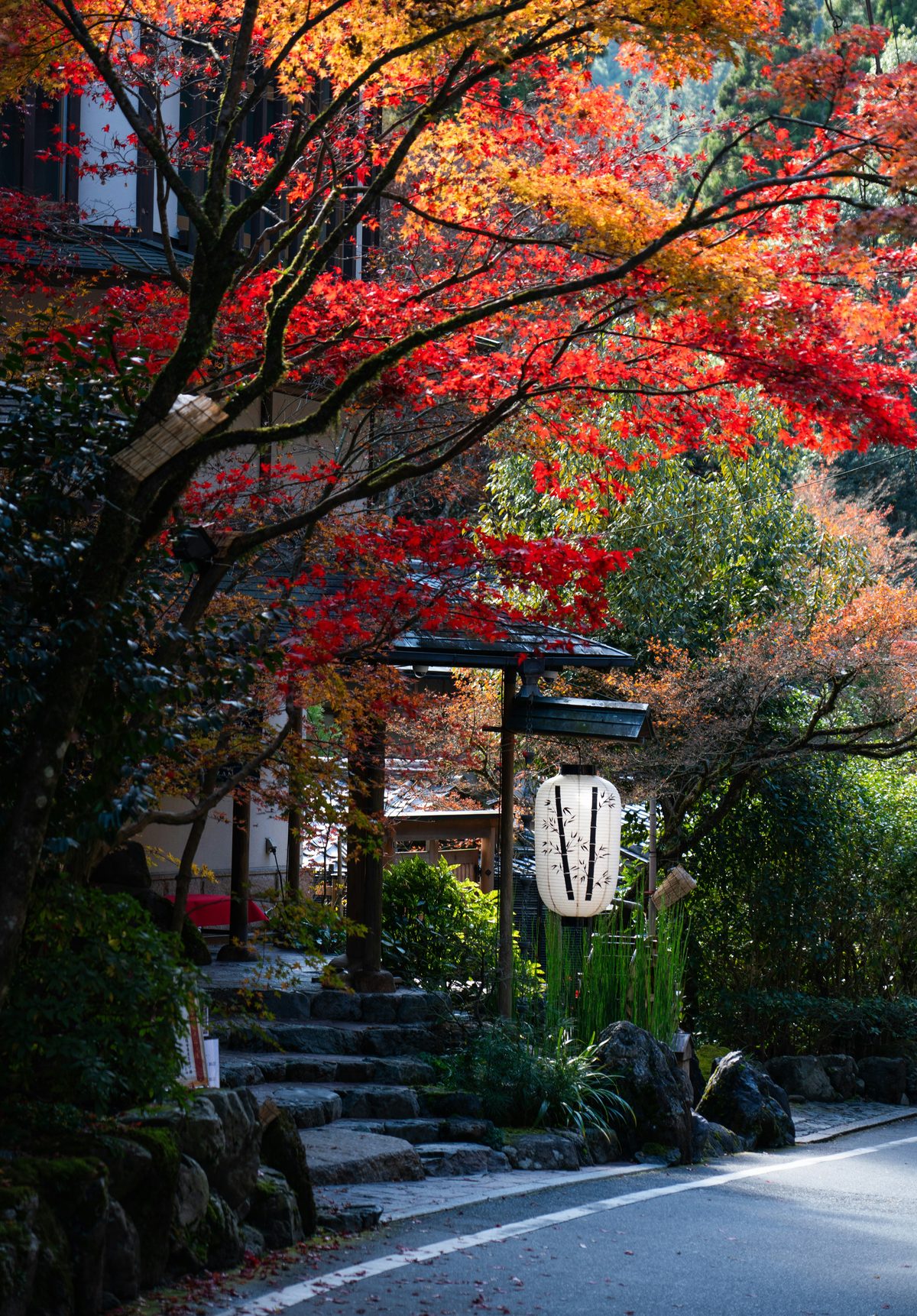
❄ Winter (December-February) highlights
Tokyo/Kyoto "dry cold" ≠ harsh: 2-10°C looks low on paper, but humidity stays under 40% — when there's no wind, it actually feels milder than 10°C in Taipei's damp cold.
Okinawa is still travelable: 14-19°C — Okinawa road trips work perfectly in winter, avoiding the summer heat with off-season hotel rates.
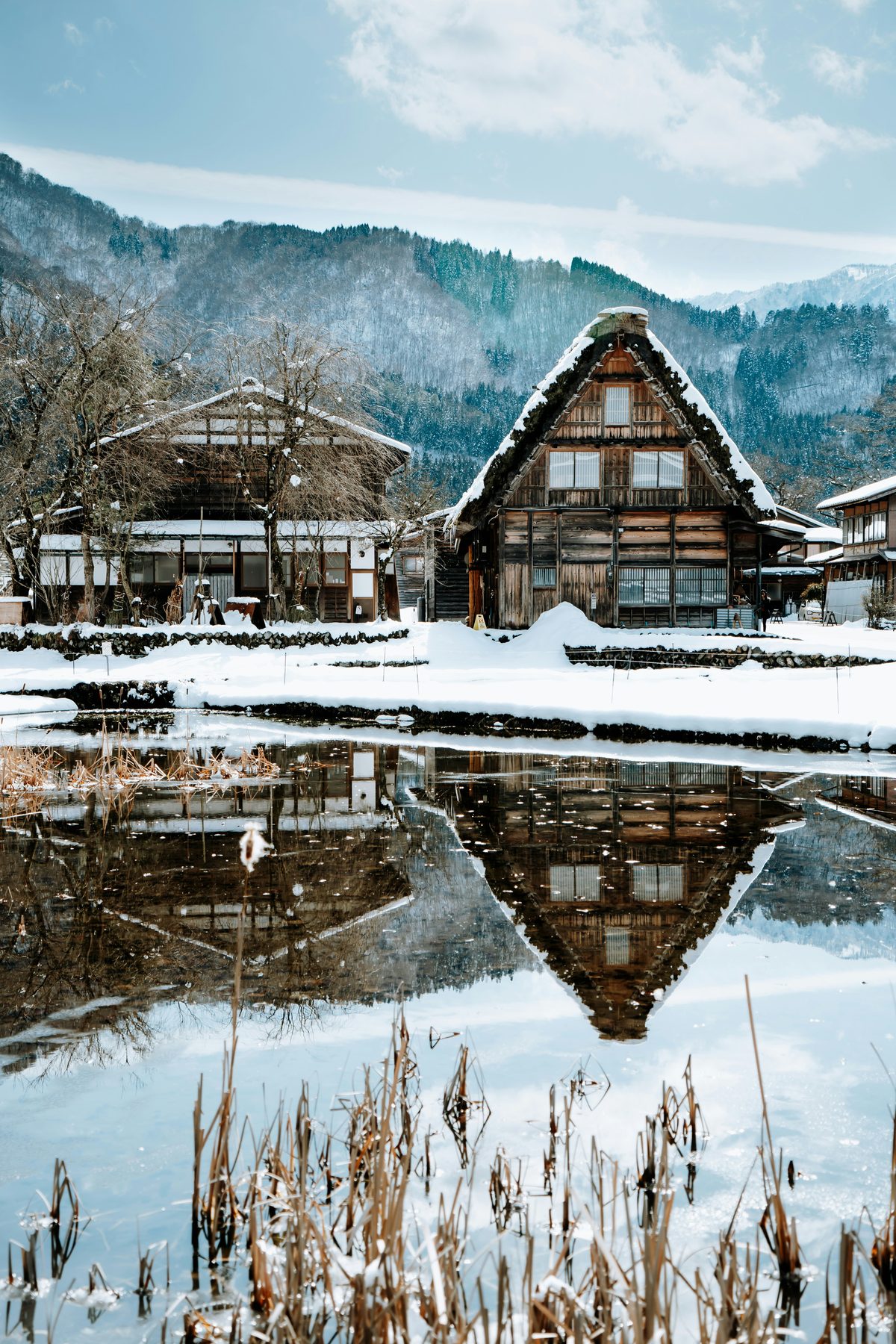
Shirakawa-go illuminations only run 6 days: The winter night illumination event is Japan's most photogenic winter scene, but tickets must be booked roughly 4 months in advance.
Winter travel hinges on "region determines luggage" — packing for Hokkaido skiing vs Okinawa diving differs by literally two suitcases. Check the regional forecast (jma.go.jp or tenki.jp) one week before departure; modern climate variability makes "warm December" and "February cold snap" both more extreme than the 30-year averages suggest.
Japan unlimited data eSIM
Checking JMA real-time forecasts, monitoring Google Maps crowding levels, and booking via LINE all need stable data. eSIM activates the moment you land — lighter than pocket WiFi and cheaper than roaming.
Get Japan eSIM →FAQ
- Q1:When is the best month to visit Japan?
- April (sakura) and October-November (koyo) are the most comfortable windows. Both deliver 15-22°C temperatures, low rainfall, and Japan's most photogenic scenery. To dodge peak crowds, target mid-to-late May or late November — the weather still works but tourist volume drops sharply.
- Q2:When is Japan's rainy season and should I avoid it?
- Honshu's tsuyu runs early June to mid-July; Okinawa starts about two weeks earlier (mid-May to late June); Hokkaido has almost no rainy season at all. Rain is usually drizzle, not all-day downpour, so most attractions still work — but viewpoint trips like Mt. Fuji and Shirakawa-go suffer from poor visibility. Hotels are 20-30% cheaper, making this a great window for budget travelers.
- Q3:How should I prepare for typhoon season?
- Typhoon peak runs July through October, with September the most active. Okinawa and Kyushu take the brunt; areas north of Tokyo see less impact. Start checking the Japan Meteorological Agency typhoon track one week before departure, and choose travel insurance that includes weather-related disruption coverage. Indoor venues (teamLab, museums, depachika basements) are your typhoon-day Plan B.
- Q4:What should I wear in Okinawa in winter?
- Okinawa winters run 18-20°C daytime, 14-16°C at night — a light jacket (denim or packable down) is enough. Sea breeze can drop the wind chill, so pack a scarf. Water temperature stays around 22°C; diving needs a wetsuit but snorkeling is still fine. Compared to mainland Japan in winter, you can pack roughly half the bulky layers.
Read next
Japan trip prep checklist
eSIM, Visit Japan Web, tax-free, insurance — done in one read.
Kyoto autumn foliage guide
18 temple-by-temple foliage timings + crowd-avoidance tactics.
Shirakawa-go Illumination 2027: Dates & Booking
Four 2027 dates, 17:30–19:30, fully reservation-only.