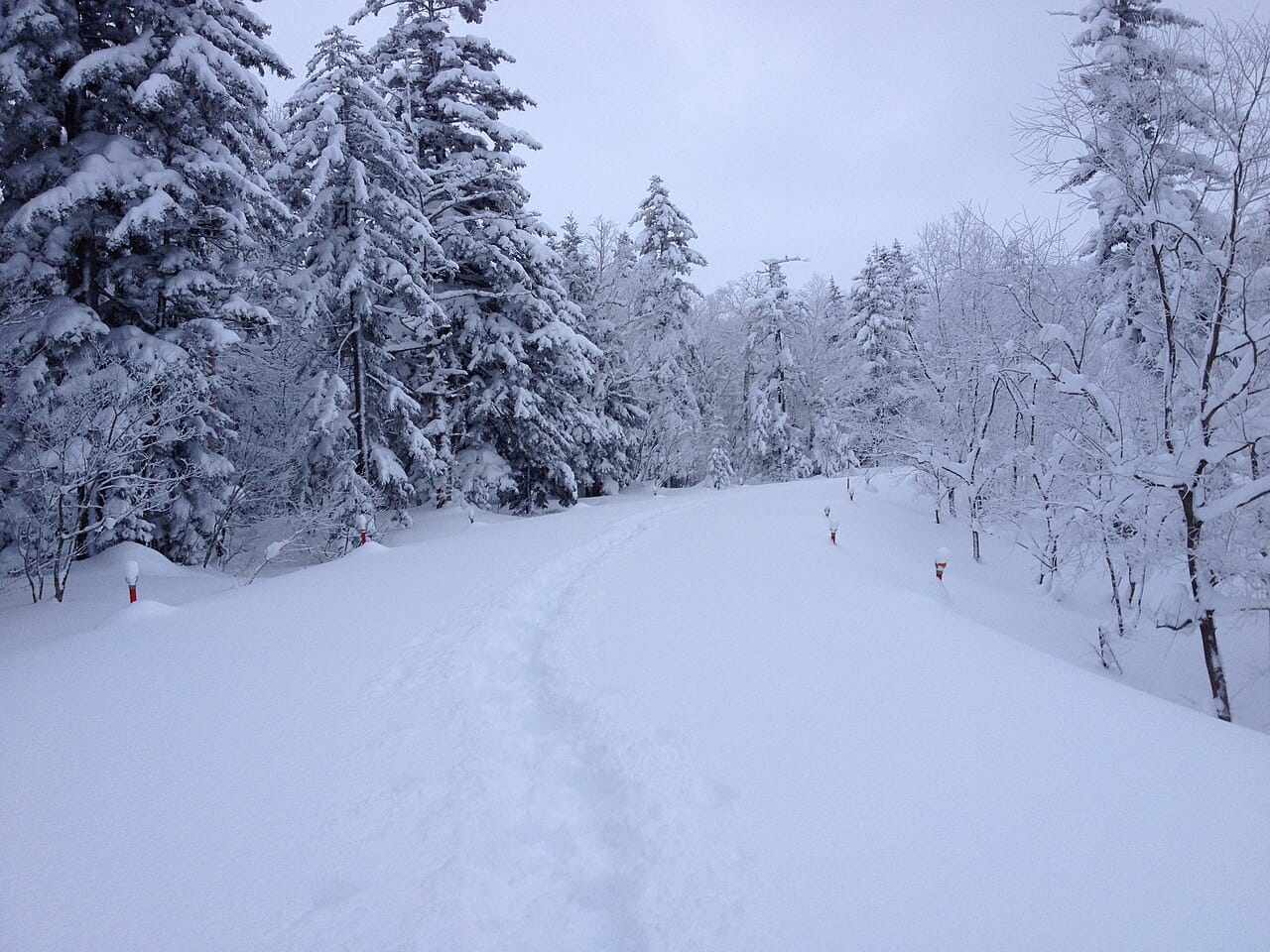
The real danger in winter driving in Japan was never the left-hand traffic — it's mistaking "I rented a car" for "I rented a car that can actually stop safely on a snow-covered road." In Hokkaido, Tohoku and the rest of Japan's snow country, dry asphalt can turn into invisible black ice within a single bridge crossing, and clear visibility can collapse into a total whiteout in a matter of minutes. This isn't an itinerary post — it's a safety manual. We cover what winter tires and 4WD actually do (and don't do), how to tell compacted snow from black ice, what to do when a whiteout hits, which roads first-timers should skip entirely, and what insurance and JAF roadside rescue look like if something does go wrong.
- Studless winter tires are close to mandatory in snow country: most Hokkaido/Tohoku rentals fit them by default in winter, but confirm it at pickup — don't assume
- 4WD is not a safety cure-all: it helps with traction when starting and climbing, but does nothing for stopping distance — slowing down and adding following distance is what actually works
- Learn to tell three conditions apart: compacted snow (some grip), black ice (looks normal, near-zero grip), and whiteouts (visibility near zero — pull over)
- First-timers should skip mountain roads and passes, stick to major national highways, drive in daylight, and check chain-control zones via a nav app before leaving
- Get insurance sorted and know JAF exists: JAF individual membership is ¥4,000/year with 24/7 nationwide callouts; set up a KKday Japan eSIM before you land so you can check weather and road-condition alerts on the go
Table of Contents (click to expand)
- Winter tires and 4WD: what to understand before you rent
- Compacted snow, black ice and whiteouts: telling the three apart
- Roads first-timers should avoid: mountain passes and night driving
- Technique: following distance, braking, descents and vanished lane lines
- Expressway chain control, plowing and checking road conditions
- Insurance to add, and how JAF roadside rescue works
- Is this leg worth driving, or should you take the train?
- FAQ
Winter tires and 4WD: what to understand before you rent
Since the 1990s, Japan has banned studded winter tires on public roads nationwide, because the metal studs ground down pavement and threw off dust that became a recognized public-health issue. The legal replacement, and now the standard option across snow country, is the studless winter tire — a soft rubber compound with deep tread designed to hold grip on snow and cold pavement without metal studs. Most Hokkaido and Tohoku rental companies fit studless tires by default during the winter season (roughly November through April, with exact dates set by each company each year), but that's not a universal guarantee — confirm explicitly at booking whether your pickup date falls inside the company's winter-tire window, and check the tire sidewall for the snowflake symbol yourself at pickup rather than assuming "it's Hokkaido, so it must be winter tires."
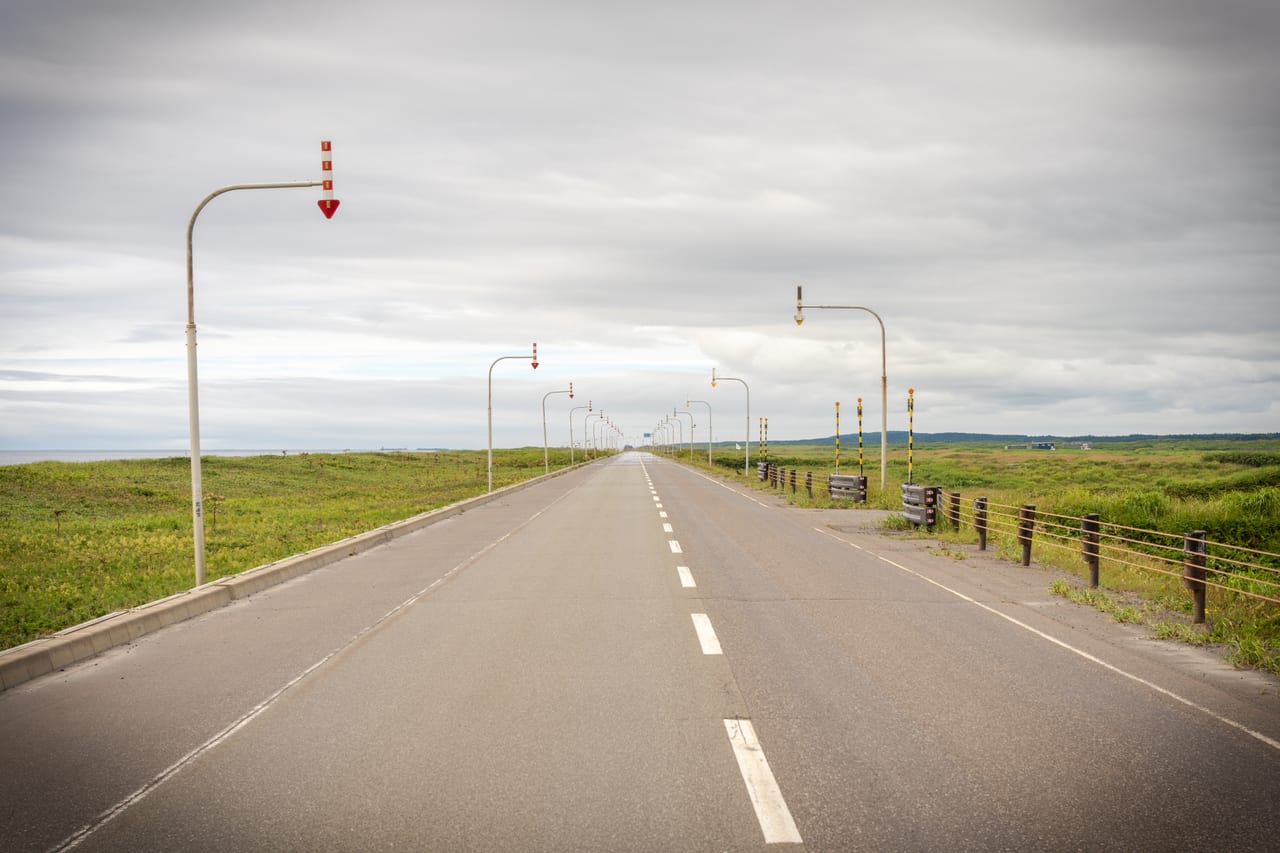
A common myth is that renting a 4WD car is the same thing as buying winter-driving insurance. 4WD's real advantage is putting power to all four wheels when starting from a stop, climbing a grade, or cornering — a genuine, noticeable difference in deep snow or on gentle uphill starts. But 4WD does nothing for stopping distance: on an icy surface, all four wheels have roughly the same limited grip under braking no matter how the drivetrain is configured, and stopping distances can still run several times longer than on dry asphalt. In other words, 4WD makes it easier to get moving, not easier to stop, which is exactly why the core safety principle in winter driving has never been about the car's spec sheet — it's slowing down and leaving extra following distance. If you're not sure winter self-driving is for you yet, start with our Japan self-drive complete guide to get the licensing, insurance and rental basics down before adding winter conditions on top.
Compacted snow, black ice and whiteouts: telling the three apart
"Dangerous" in snow country doesn't mean one single thing — there are at least three distinct road conditions worth knowing apart, each calling for a different response.
| Condition | What it looks like | Danger level | How to respond |
|---|---|---|---|
| Compacted snow | Whitish, hardened snow packed down by repeated traffic | Moderate — grip is reduced but still present | Slow steady speed, wider following distance, avoid sudden braking or turns |
| Black ice | A thin, near-transparent refrozen layer that often looks like ordinary dry pavement | High — near-zero grip, and drivers often don't notice until they're already sliding | Slow down well before bridges, tunnel mouths, shaded stretches and intersections; avoid any sudden input |
| Whiteout | Blizzard or heavy snowfall merges sky and ground into a single field of white | Very high — you lose all visual reference and can easily misjudge the road and lane position | Don't push forward; hazard lights on, pull over slowly onto the shoulder or into a michi-no-eki and wait it out |
Black ice is generally the one people get caught out by most, precisely because it looks so close to ordinary dry pavement that drivers often keep their normal speed right up until the moment the car starts to slide. Bridges, tunnel entrances and exits, shaded stretches, and intersections lose ground heat fast and lack any residual warmth from the earth below, making them the classic spots where black ice forms first — slowing down before you reach them is standard practice, not overcaution. Whiteouts are especially common across open plains like Tokachi and Hidaka in Hokkaido, where there's no terrain or buildings to block the wind, and blowing surface snow mixes with falling snow to collapse visibility from clear to nearly zero within minutes.
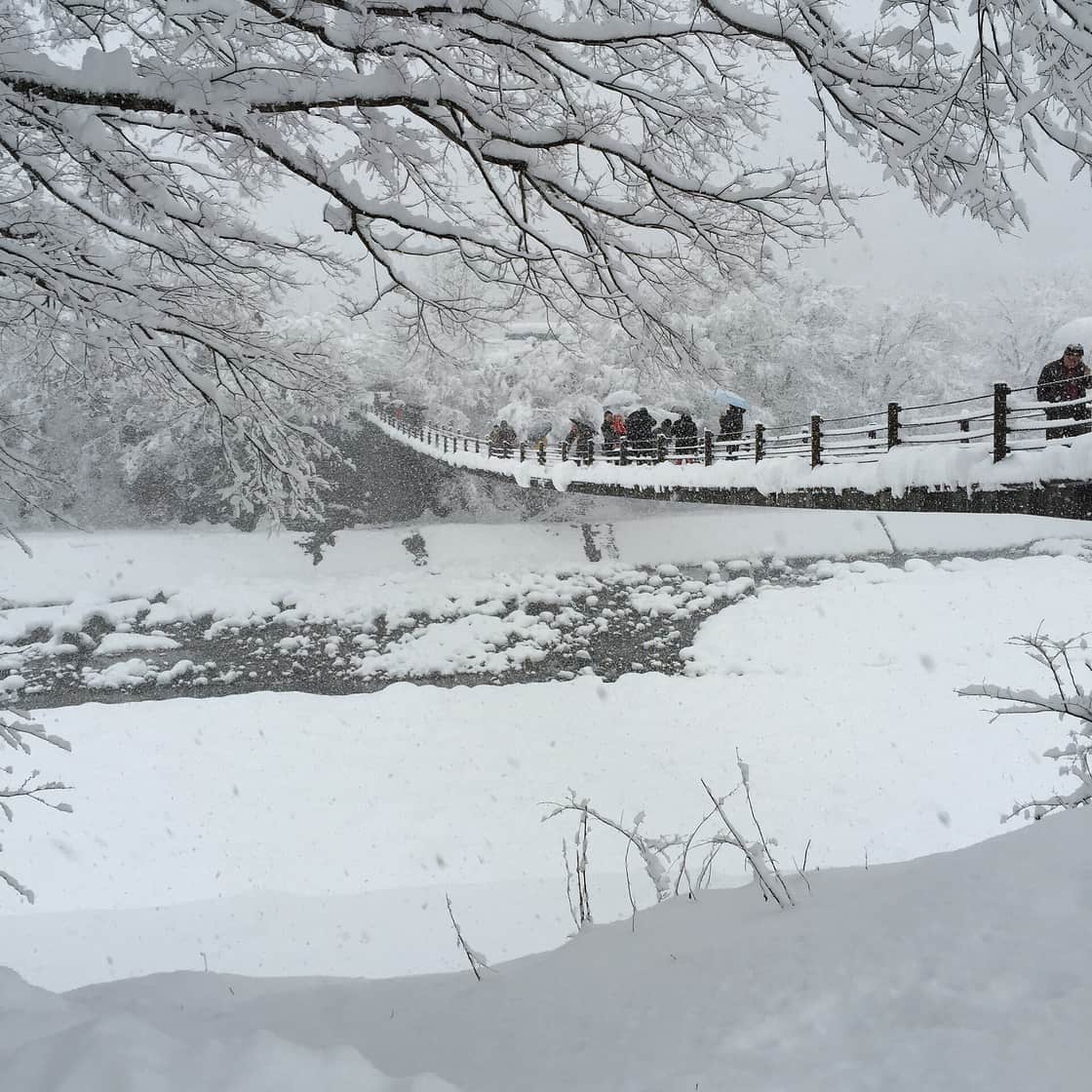
Common Japanese winter-driving guidance boils down to one rule when visibility drops fast: don't push through. Signal, turn on your hazard lights, check for traffic behind you, and slowly pull onto the shoulder, into a rest area, or into a convenience-store lot, then wait for the snow to ease and visibility to return before continuing. Convincing yourself "the road's probably still there up ahead" and pressing on regardless is one of the most common causes of winter driving incidents.
Roads first-timers should avoid: mountain passes and night driving
If this is your first time driving in snow country, route choice matters more than which car you rent. Based on common guidance from rental companies and traveler discussion, mountain roads and pass routes — tight curves, steep grades, limited sunlight, and few streetlights — are where first-time winter drivers most often run into trouble. These roads can be gorgeous in summer, but in winter they're plowed less frequently and their road-condition information is thinner and less reliable. For a first attempt, stick to national highways and expressways, and save scenic mountain shortcuts or off-the-beaten-path routes for after you've built up some winter-driving experience.
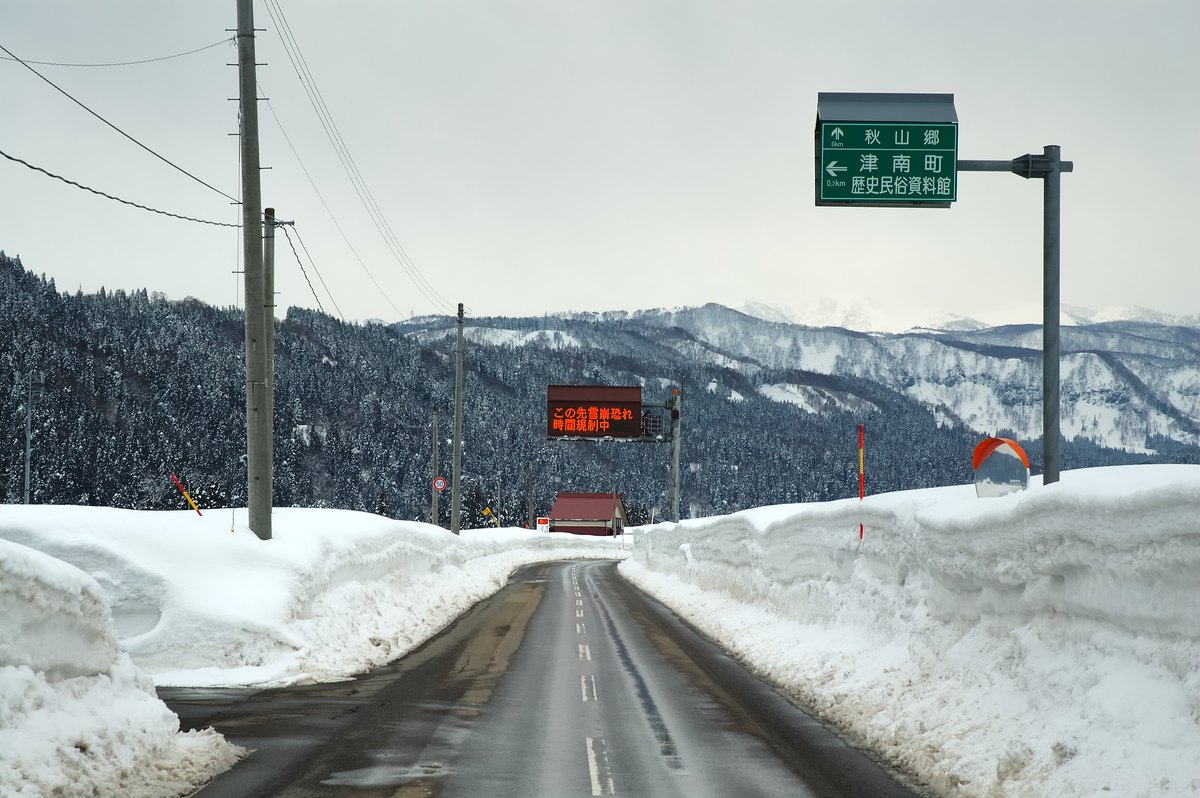
Another risk that's easy to underrate is timing: winter driving should be scheduled to happen during daylight, arriving at your destination before dark, and each leg should be budgeted at double your usual driving-time estimate. After dark, not only does visibility drop, but plowing crews don't necessarily work at the same pace as during the day — combine that with fatigue and a rushed mindset, and you've got the most common risk combination in winter self-driving. If you have zero winter-driving experience at all, we would not recommend building a first-ever Japan road trip around deep winter — build experience across spring, summer or autumn first, and lean on trains, buses or a local guide for winter routes until you've got the confidence for snow. A concrete example: Shirakawa-go's light-up nights are the textbook don't-self-drive scenario — village parking is reservation-only on event dates, surrounding roads run under traffic control, and cars without a parking voucher simply can't get in. A bus tour from Takayama or Kanazawa is the saner play.
Technique: following distance, braking, descents and vanished lane lines
Beyond reading road conditions, a handful of basic driving habits become life-or-death details on snow and ice. Leave at least double your normal following distance — stopping distances on snow and ice already run much longer than on dry asphalt, and the extra gap is extra time to react and extra room to stop. Keep turns and lane changes gentle and slow; any sharp input on a low-grip surface is a common starting point for losing control.
Long descents hide another risk that's easy to overlook: riding the brakes the whole way down heats the brake pads through continuous friction until stopping power noticeably fades — brake fade, in industry terms — which is far more dangerous on an icy surface. Common winter-driving guidance is to drop into a lower gear on descents and let engine braking control your speed, using the brake pedal only for fine adjustments rather than relying on it the entire way down.
Once snow covers the road, painted lane lines can vanish completely — a routine feature of snow-country winters, not a sign something's wrong. Common guidance in this situation is to follow the tire tracks left by the car ahead and read the red-and-white boundary poles along the shoulder to judge where the road's edges actually are. If there's no car to follow and the poles aren't clearly visible, the safest move is to slow to near walking pace or pull over entirely, rather than guessing at the lane position and pressing on.
Expressway chain control, plowing and checking road conditions
Japan's Ministry of Land, Infrastructure, Transport and Tourism and the police impose chain control on a small number of designated sections during unusually heavy snowfall or a heavy-snow special warning, mostly on mountain expressway and national-road stretches across the Hokuriku, Koshin'etsu and Chugoku regions. A key change took effect in December 2018: even a vehicle already fitted with studless winter tires cannot pass through an active chain-control section without chains actually mounted — winter tires alone are no longer sufficient there. These designated sections don't fully overlap with popular Hokkaido and Tohoku tourist routes, but which sections are active can shift year to year, so check a navigation app or the official road-condition page before you set out rather than relying on last year's memory or someone else's experience.
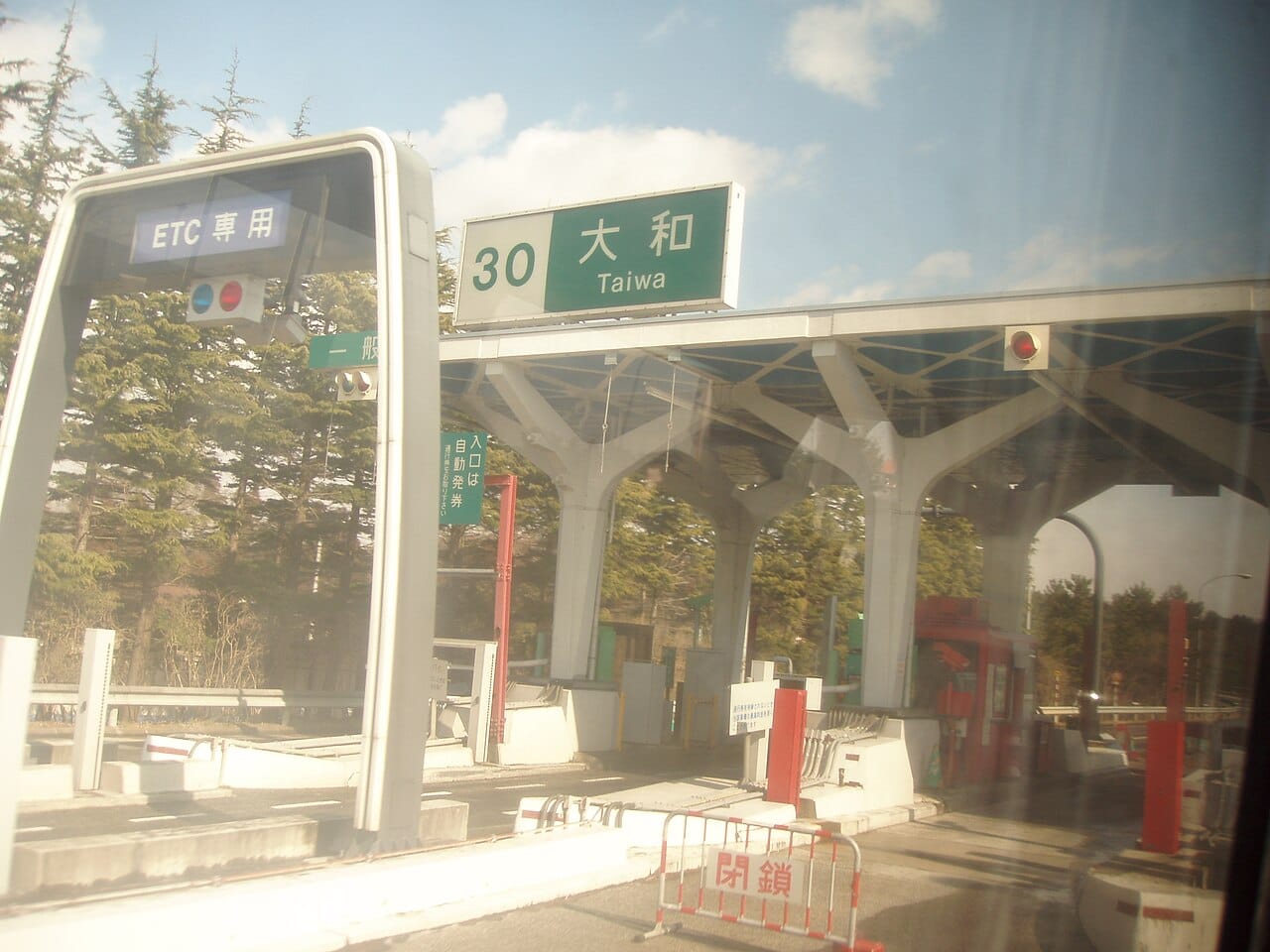
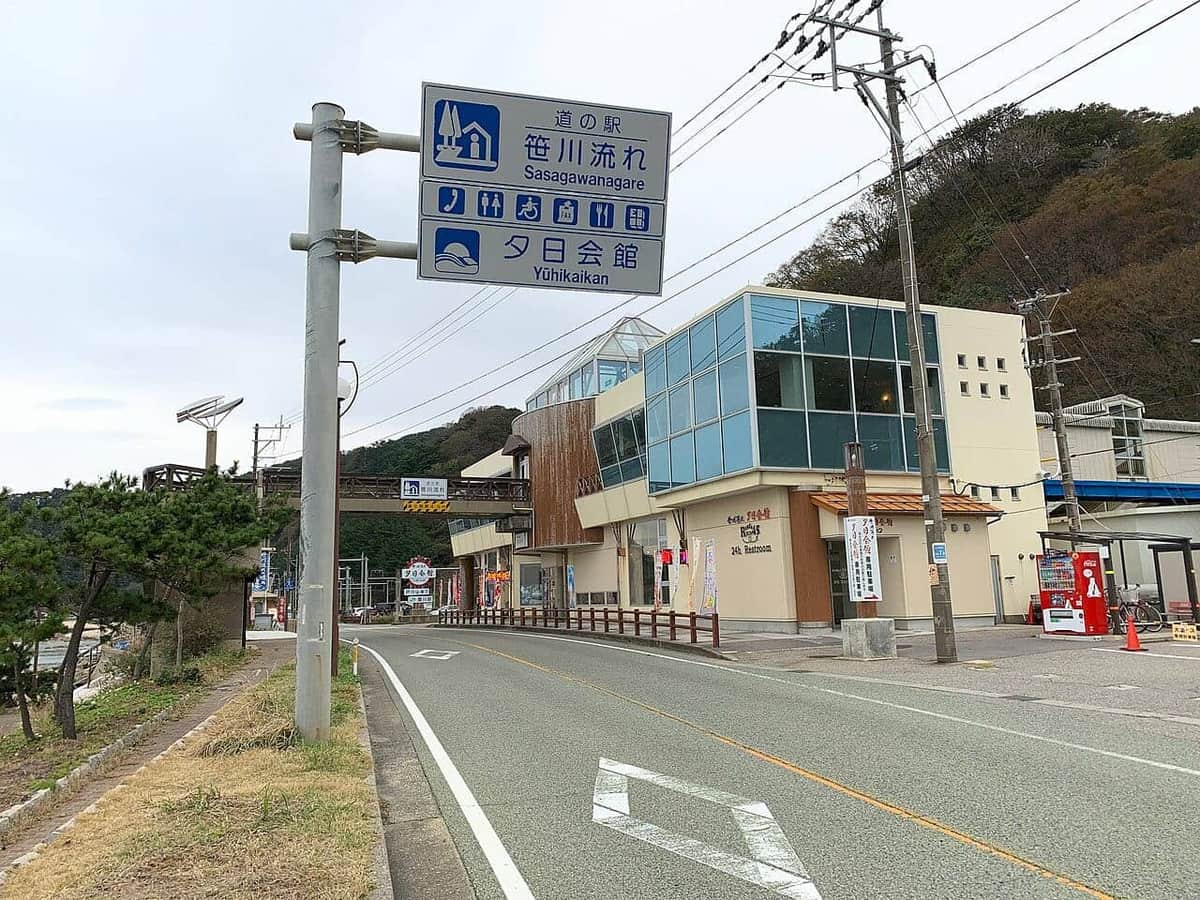
In practice, the habit that matters more than memorizing the rules is checking road conditions before you leave: mainstream Japanese navigation apps and expressway operators' official sites typically update closures, chain-control sections and plowing status in near real time, and spending five minutes on that before departure beats discovering a closed road once you're already there. If you pass a michi-no-eki (roadside station) or a convenience store along the way, it's also a good moment to grab a hot drink, use the restroom, and glance at any posted road-condition board — pausing a few extra times on a long winter drive is a more realistic pace than pushing straight through. One caveat worth knowing in advance: whether waiting out a blizzard overnight at a michi-no-eki counts as a violation has an official answer most drivers guess wrong — in a disaster the road authority has statutory power to move you on.
Insurance to add, and how JAF roadside rescue works
Keep two separate lines straight: travel insurance covers injury or illness to you, while vehicle damage, damage to another party's car, and third-party liability are covered by the rental company's CDW (Collision Damage Waiver) and the NOC (Non-Operation Charge) waiver — the two don't substitute for each other, and our Japan travel insurance guide breaks that split down in full. Winter driving carries higher accident risk than other seasons, so we'd add both CDW and the NOC waiver; for actual pricing, confirm at the rental counter and see the insurance section of our Japan self-drive complete guide. Don't skip either to save a few hundred yen a day and end up carrying a full deductible on an icy road.
JAF (the Japan Automobile Federation) runs Japan's roadside-assistance network. Individual membership runs ¥4,000 a year (plus ¥2,000 per family member), covering 24/7, year-round callouts nationwide except a handful of remote islands, with free towing up to 20 km for members. Non-members can still call JAF, but pay the full on-the-spot rate, typically well above what members pay. If your rental breaks down, slides off the road, or you hit a problem you can't fix yourself, call either the JAF hotline or the roadside-assistance number your rental contract includes — most rental agreements list one, so it's worth photographing that number at pickup rather than searching for it under pressure. Set up a KKday Japan eSIM before you land so you can check weather alerts, road-condition updates, or place an emergency call the moment you need to, without waiting on hotel Wi-Fi.
Is this leg worth driving, or should you take the train?
Not every winter itinerary is a good fit for self-driving. Laying the flexibility of a rental car against the reliability of trains and buses side by side makes it easier to decide which one suits your particular trip.
| Factor | Self-drive | Train / bus |
|---|---|---|
| Itinerary flexibility | High — stop wherever you want, adjust timing freely | Low — tied to published schedules, hard to improvise |
| Weather exposure | You're directly exposed to road conditions, visibility and ice risk — the call is yours to make | The operator decides whether to run; the risk call shifts to them |
| Best suited to | Drivers with winter experience, and routes with scattered rural stops or attractions | First-timers, city-centered itineraries, travelers who'd rather not take on winter-driving risk |
| Handling delays / cancellations | You decide whether to wait it out — there's usually no built-in fallback | Suspensions usually come with alternate services or transfer information, a more structured process |
If your trip is centered on a big city like Sapporo or Sendai, the subway, train and bus network is already dense enough that taking on extra winter-driving risk usually isn't worth it. But if your destinations are rural onsen towns, ski resorts, or attractions spread across a wide area, a rental car's flexibility is genuinely hard to replace — and in that case, getting the winter tires, road-condition habits and insurance in this guide sorted in advance beats discovering the wrong tires or a closed road once you're already on the way. To plan a full Hokkaido winter trip end to end, see our Hokkaido winter 7-day itinerary, which flags which legs suit driving and which suit the train; for the packing list to go with it, see the Hokkaido section of our Japan climate and clothing pillar guide.
Winter Driving in Japan FAQ
- Q1:Do Hokkaido and Tohoku rental cars already come with winter tires?
- Most Hokkaido and Tohoku rental companies fit studless winter tires by default during the winter season (typically November through April, though exact dates vary by company and year), but this is not guaranteed across every company or every date — confirm with the rental company at booking and again at pickup whether the specific car has winter tires, and check the sidewall for the snowflake mark yourself. Don't assume "it's Hokkaido, so it must have winter tires" — verify it at the counter.
- Q2:Do I need to rent a 4WD car for winter driving?
- Not necessarily, but understand what 4WD does and doesn't do. 4WD helps traction when starting from a stop, climbing hills, and cornering, which is genuinely useful in deep snow or on gentle grades. But 4WD does nothing for stopping distance — on ice, all four wheels have roughly the same limited grip under braking regardless of drivetrain, so stopping distances can still run several times longer than on dry pavement. 4WD makes it easier to get moving, not easier to stop — slowing down and leaving extra following distance is what actually keeps you safe.
- Q3:What is a whiteout, and what should I do if I hit one?
- A whiteout is when heavy snowfall or a blizzard merges the sky and the snow-covered ground into one undifferentiated field of white, and visibility can drop close to zero within minutes — open plains like the Tokachi and Hidaka areas of Hokkaido are especially prone to it. The first rule is not to push through. Common Japanese winter-driving guidance is to turn on your hazard lights and slowly pull onto the shoulder or into the nearest michi-no-eki (roadside station) or convenience-store lot, then wait for visibility to improve rather than guessing your way forward.
- Q4:What is the difference between compacted snow and black ice — which is more dangerous?
- Compacted snow (asseki, 圧雪) is snow packed hard by repeated traffic — grip is lower than dry asphalt but still present. Black ice (aisu-ban, アイスバーン) is a thin, often near-transparent layer formed when melted snow refreezes, and it can look almost indistinguishable from dry pavement while offering close to zero grip. Black ice is generally considered the more dangerous of the two, precisely because drivers often don't realize the surface has changed until the car is already sliding. Bridges, tunnel entrances and exits, shaded stretches, and intersections lose ground heat faster and are the classic spots where black ice forms first — slow down well before you reach them.
- Q5:Which roads should first-time winter drivers avoid?
- Based on common guidance from rental companies and traveler discussion, mountain roads and mountain-pass routes — with their tight curves, steep grades, less sunlight, and fewer streetlights — are where new winter drivers most often get into trouble. Stick to national highways and expressways for a first attempt, and save the scenic mountain shortcuts for once you have some winter-driving experience under your belt. If you have zero winter-driving experience at all, we would not recommend making a deep-winter self-drive your first attempt at driving in Japan — build experience in spring, summer or autumn first via our Japan self-drive complete guide.
- Q6:What does a "chain control" sign mean, and do I need chains if I already have winter tires?
- Chain control (chēn kisei) is a temporary regulation that Japan's Ministry of Land, Infrastructure, Transport and Tourism and the police impose on a small number of designated sections — mostly mountain expressway and national-road stretches in the Hokuriku, Koshin'etsu and Chugoku regions — during unusually heavy snowfall. The key point: since a December 2018 rule change, even a vehicle fitted with studless winter tires cannot pass through a chain-control section without chains actually mounted — winter tires alone are no longer sufficient there. These designated sections don't fully overlap with the popular Hokkaido and Tohoku tourist routes, but which sections are active can change year to year, so check a navigation app or the official road-condition page before you leave rather than going on last year's memory.
- Q7:Beyond winter tires, how much insurance should I add for winter driving?
- Travel insurance covers injury or illness to you; vehicle damage, damage to another party's car, and third-party liability are a separate line covered by the rental company's CDW (Collision Damage Waiver) — the two don't substitute for each other, which our Japan travel insurance guide breaks down in full. Winter driving carries higher accident risk than other seasons, so we'd add both CDW and the NOC (Non-Operation Charge) waiver. For actual pricing, confirm with the rental counter and see the insurance section of our Japan self-drive complete guide.
- Q8:What is JAF, and can non-members call for roadside rescue?
- JAF (the Japan Automobile Federation) runs Japan's roadside-assistance network. Individual membership is ¥4,000 a year (plus ¥2,000 per family member), and it covers 24/7, year-round callouts nationwide except a few remote islands, with free towing up to 20 km for members. Non-members can still call JAF, but they pay the full on-the-spot rate, which typically runs well above the member price. If your rental breaks down, slides off, or you can't resolve a problem yourself, call either the JAF hotline or the rental company's own roadside-assistance number — most contracts include one, so it's worth photographing that number at pickup.
- Q9:What if the lane markings disappear under snow?
- Once snow covers the road surface, the painted lane lines can vanish completely — this is a routine winter condition in snow country, not a sign something has gone wrong. Common guidance is to follow the tire tracks of the car ahead and watch the red-and-white boundary poles along the roadside to judge where the road actually is. If there's no car to follow and the poles aren't clearly visible, the safest move is to slow to near walking pace, or pull over entirely, rather than guessing where the lane is and pushing on.
- Q10:What should I watch for on long downhill stretches?
- Riding the brakes continuously on a long descent heats the brake pads until stopping power noticeably fades — often called brake fade — which is far more dangerous on an icy surface. Common winter-driving guidance is to drop to a lower gear and let engine braking control your speed on descents, using the brake pedal only for fine adjustments rather than as your main speed control the whole way down.
Read next
Self-Drive in Japan 2026: License, Insurance & ETC Guide
The thing that stops first-timers isn't driving on the left — it's the licence. Geneva vs Vienna IDP, where to drive, CDW+NOC insurance, ETC cards, fuel and winter tyres.
Hokkaido Winter 7-Day Itinerary 2026
Sapporo → Otaru → Biei → Hakodate over 7 days, with JR Pass math, how to reach the Furano slopes, and a real two-person budget.
Japan Travel Insurance Guide 2026: Medical, Delay & Cards
How expensive is Japanese healthcare for tourists? Travel-medical vs trip-delay vs credit-card cover, how much to insure, ski/hiking/rental-car gaps, and which receipts to keep.