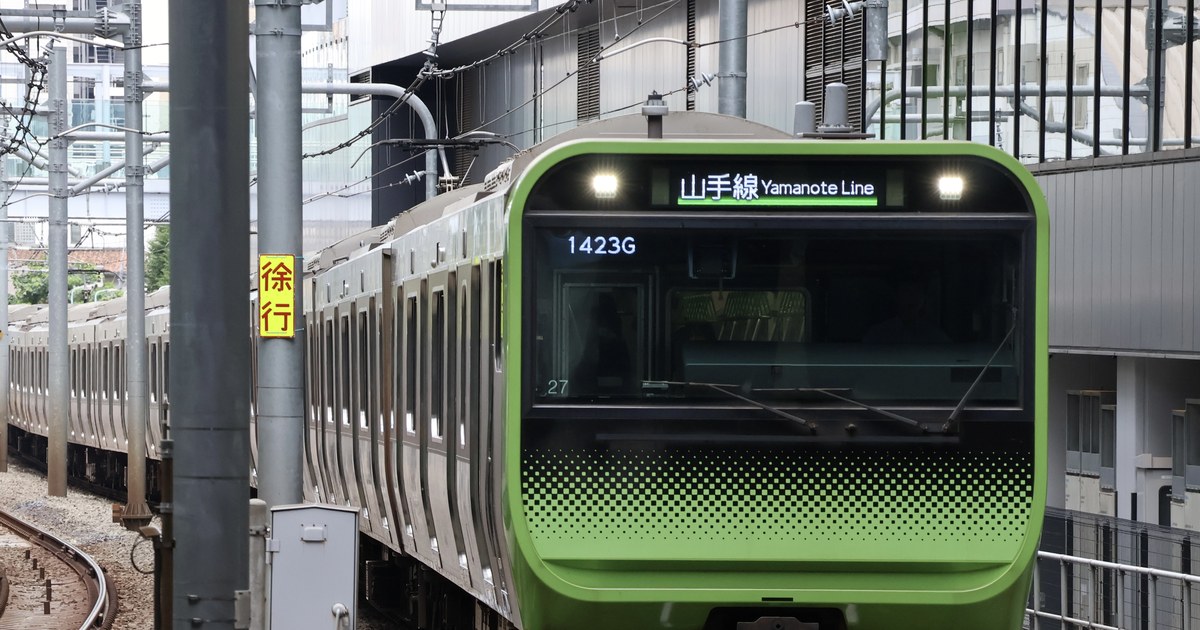
Tokyo Station to Shinjuku costs ¥260 on a paper ticket, up from ¥210 — fifty yen more for one of the shortest hops a visitor makes. JR East's headline figure for the 14 March 2026 revision is a 7.8% average, but that number is a weighted blend of four fare categories whose real increases differ by a factor of 3.7: rural trunk lines rose 4.4%, the Yamanote loop rose 16.4%. This guide opens JR East's own section-by-section tables, gives you the new price of every leg you are likely to ride in Tokyo, works out whether the day pass still pays for itself, and covers three changes that never made the fare-rise headlines but will cost you money or waste a day.
📍 This article is about what a single ticket costs if you are not buying a pass. For whether a rail pass beats point-to-point tickets on your itinerary, see our comparison of the nationwide and regional JR passes, which carries the break-even maths.
- The average is the wrong number. Trunk lines +4.4%, local lines +5.2%, the suburban Tokyo zone +10.4%, inside the Yamanote loop +16.4% — and +22.9% for commuter passes inside the loop
- The steepest rises are where JR has no competitor. Of 115 competitive discount sections, 86 were abolished and 29 kept — and almost every survivor runs alongside a private railway. The single biggest rise, Ueno to Narita at +30.9%, is a route JR concedes it no longer competes on
- "JR is cheaper in Tokyo" stopped being true years ago. That is JR East's own wording in its application to the ministry: the fare gap had already "reversed or narrowed". This revision did not kill the advantage; it declared it dead
- None of the private railways raised fares in 2025 or 2026. Tokyu's own August 2026 filing confirms its current fare cap stays valid past 1 April 2028. The widening gap is entirely JR's doing
- Three losses nobody reported: the 10% long-distance return discount is gone, the Tokyo–Atami local line became a one-day ticket with no stopovers, and the flat Yamanote commuter pass was withdrawn
📖 Contents (tap to expand)
- The official average is 7.8% — what did your leg actually rise?
- What each central Tokyo leg costs now
- When did "JR is cheaper in Tokyo" stop being true?
- Where did JR raise fares the most?
- Should you still ride JR?
- The Tokunai Pass went from ¥760 to ¥870 — still worth it?
- Three changes that never made the headlines
- The Yamanote name did not disappear — something else did
- Every visitor pass changed on the same day
- What about the other JR companies?
- How to budget Tokyo transport now
- Appendix: official Japanese source texts
The official average is 7.8% — what did your leg actually rise?
It depends entirely on where you ride. The same revision raised rural fares 4.4% and central Tokyo fares 16.4%.
JR East's published average for ordinary fares is 7.8%. The figure is accurate, but it is a weighted blend of four fare categories that moved by wildly different amounts — and the company split them out itself in the same authorisation document.
| Fare category | Where you meet it | Ordinary fare | Commuter pass | Student pass |
|---|---|---|---|---|
| Trunk line (kansen) | Long-distance travel outside greater Tokyo | +4.4% | +7.2% | no change |
| Local line (chiho kotsusen) | Branch lines such as the Gono and Tadami lines | +5.2% | +10.1% | no change |
| Suburban Tokyo zone | Out to Yokohama, Omiya, Chiba, Hachioji | +10.4% | +13.3% | +8.0% |
| Inside the Yamanote loop | Tokyo, Shinjuku, Shibuya, Ueno, Shinagawa — where visitors spend the day | +16.4% | +22.9% | +16.8% |
A sightseeing day sits almost entirely in that bottom row. Drop 7.8% from your head and remember 16.4%.
There is a second official figure: 9.8%
A footnote under that table says the 7.8% figure counts the ¥10 railway station barrier-free surcharge as part of the old fare. Excluding it, the increase is 9.8% for ordinary fares and 14.4% for commuter passes.
Why two numbers? Because that ¥10 surcharge was abolished in the same revision. The old ¥150 minimum fare inside the loop contained it; the new ¥160 does not. So whether you count it in the "before" price gives two answers, and both are official. When you see a report quoting only one, now you know the other exists.
One exception survived: the barrier-free surcharge still applies on the Tokaido Shinkansen between Tokyo and Shinagawa, because that stretch belongs to JR Central.
The mechanism is not the minimum fare — it is the rate per kilometre
Nearly every English report led with the minimum fare going from ¥150 to ¥160. Look at JR East's own comparison and you will see why that is the least interesting part:
| Category | Ticket type | 1–3 km, before → after | 4–6 km | 7–10 km |
|---|---|---|---|---|
| Trunk line | Paper | 150 → 160 | 190 → 200 | 200 → 210 |
| Trunk line | IC | 147 → 155 | 189 → 199 | 199 → 209 |
| Tokyo zone / Yamanote | Paper | 150 → merged | 170 → merged | 180 → merged |
| Tokyo zone / Yamanote | IC | 146 → merged | 167 → merged | 178 → merged |
Read the first column. Before the revision, the Yamanote minimum was ¥150 and the trunk-line minimum was also ¥150. There was never a difference in the first three kilometres. The gap opens in the second column (¥170 against ¥190) and widens from there.
What actually changed is the per-kilometre rate. Over 11 to 300 km, the trunk-line rate went from ¥16.20 to ¥16.96 per km. The Yamanote rate of ¥13.25 per km was deleted outright and replaced by that same ¥16.96.
- The genuine price increase is 4.7%, flat. JR East states that pre-tax fares up to 10 km rose 4.7%, and the rate increase is the same figure (¥16.20 to ¥16.96 is exactly +4.7%). Rates for journeys over 601 km were left unchanged entirely.
- The extra 23 percentage points inside the loop are not a price rise — they are a merger. Going from ¥13.25 to ¥16.96 per km is +28.0%; 4.7 points of that is the increase, and the rest is Tokyo being levelled up to the national rate.
Once you know this, you can predict your own leg: the longer the ride, the harder it was hit. Tokyo to Ueno rose 17.6%; Tokyo to Shinjuku rose 23.8%. Same revision, same day.
Tapping an IC card can no longer cost you more
One buried change is genuinely useful to visitors. Paper fares now round the single-yen remainder up rather than to nearest, and JR East spelled out the consequence: after the revision, IC fares are lower than or equal to paper fares.
That was not previously guaranteed. Just tap. For which card to get and whether you can cash it out before flying home, see our explainer on Suica, PASMO and ICOCA.
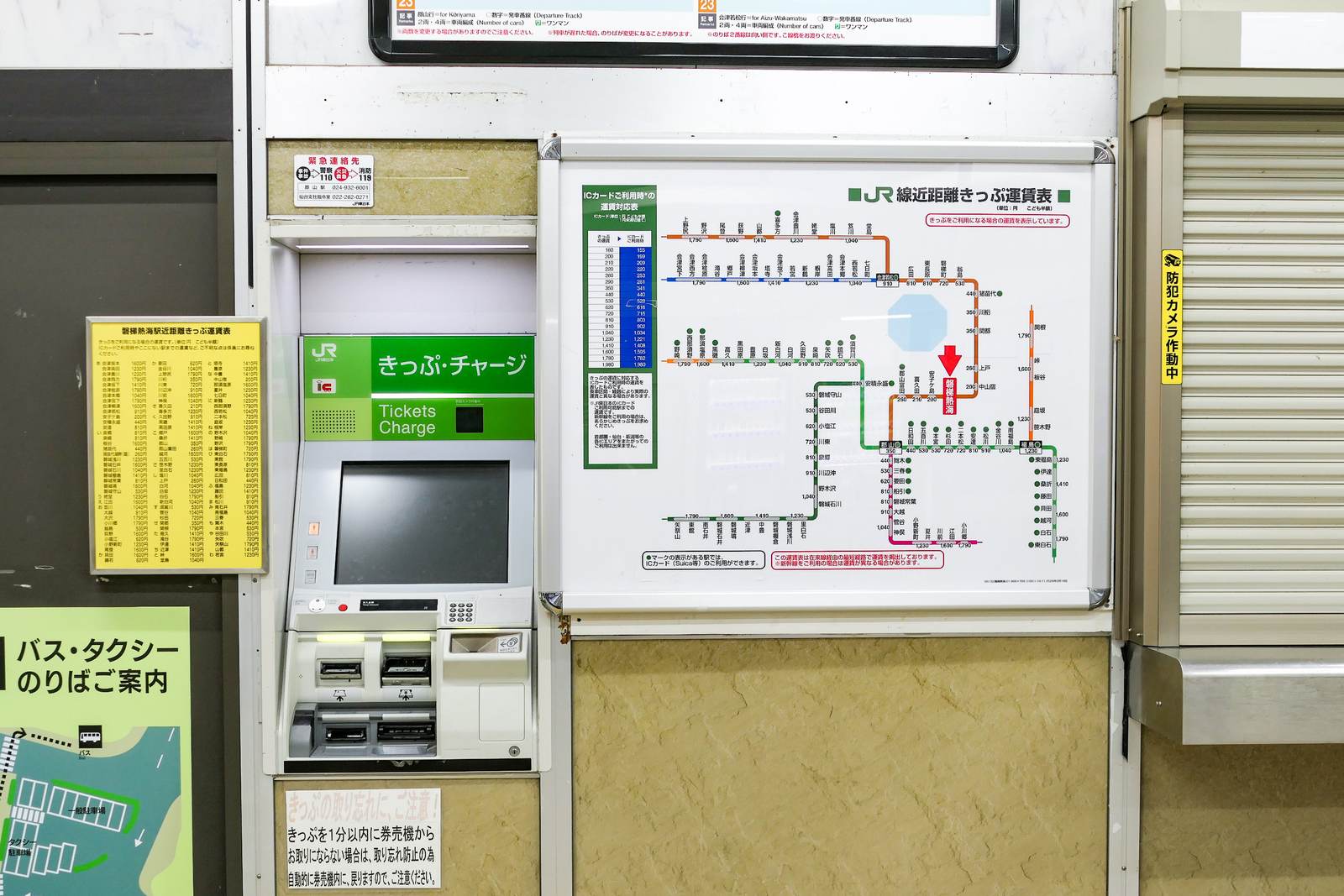
What each central Tokyo leg costs now
No two stations inside the Yamanote loop are connected by a paper ticket under ¥200 any more.
These are JR East's published section-by-section figures, not calculations. The legs a visitor actually rides are nearly all here.
| Section | Paper, before → after | Change | IC, before → after | Monthly commuter pass |
|---|---|---|---|---|
| Tokyo–Shinjuku | 210 → 260 | +23.8% | 208 → 253 | 6,290 → 7,840 |
| Tokyo–Ikebukuro | 210 → 260 | +23.8% | 208 → 253 | 6,290 → 7,840 |
| Tokyo–Shibuya | 210 → 260 | +23.8% | 208 → 253 | 6,290 → 7,840 |
| Tokyo–Ueno | 170 → 200 | +17.6% | 167 → 199 | 5,280 → 5,890 |
| Tokyo–Shinagawa | 180 → 210 | +16.7% | 178 → 209 | 5,620 → 6,240 |
| Shinjuku–Ikebukuro | 170 → 200 | +17.6% | 167 → 199 | 5,280 → 5,890 |
| Shinjuku–Shibuya | 170 → 200 | +17.6% | 167 → 199 | 5,280 → 5,890 |
| Shinjuku–Ueno | 210 → 260 | +23.8% | 208 → 253 | 6,290 → 7,840 |
| Shinjuku–Shinagawa | 210 → 260 | +23.8% | 208 → 253 | 6,290 → 7,840 |
| Shinjuku–Ochanomizu | 180 → 210 | +16.7% | 178 → 209 | 5,620 → 6,240 |
Memorise two numbers: ¥200 for a short hop inside the loop, ¥260 for crossing it. Against the old ¥170 and ¥210, six rides in a day now costs roughly ¥200–300 more, so a five-day Tokyo trip absorbs somewhere around a thousand yen of pure fare increase.
Leaving Tokyo Station on a day trip
| Destination | Paper, before → after | Extra | IC, before → after |
|---|---|---|---|
| Shinjuku | 210 → 260 | +50 | 208 → 253 |
| Shinagawa | 180 → 210 | +30 | 178 → 209 |
| Yokohama | 490 → 530 | +40 | 483 → 528 |
| Kamakura | 950 → 1,040 | +90 | 945 → 1,034 |
| Odawara | 1,520 → 1,600 | +80 | 1,518 → 1,595 |
| Hachioji | 830 → 910 | +80 | 824 → 902 |
| Omiya | 580 → 620 | +40 | 571 → 616 |
| Kumagaya | 1,170 → 1,230 | +60 | 1,166 → 1,221 |
| Toride | 740 → 810 | +70 | 736 → 803 |
| Chiba | 660 → 720 | +60 | 659 → 715 |
Kamakura is ¥1,040 each way, ¥2,080 return — close enough to the price of a suburban day pass that the comparison is now worth making, and we do exactly that further down. For how to structure the day once you arrive, see our Kamakura day-trip route.
One easily missed section: Omiya to Urawa, a few stops apart, went from ¥180 to ¥210 — the same 16.7% as central Tokyo. Saitama commuters were not spared for living outside the loop.
When did "JR is cheaper in Tokyo" stop being true?
Years ago — and JR East is the one saying so.
The most interesting part of this revision is not in the fare tables. It is in the application JR East submitted to Japan's transport minister. Explaining why it wanted to abolish the discounted Tokyo categories, the company wrote that these were created in the national-railway era as a fare-suppression policy for competitive reasons in greater Tokyo, and that because other railway operators have since revised their own fares, the fare gap has "reversed or narrowed" and the zone has lost its purpose.
Read that phrase twice. Reversal or narrowing is given as the reason for the revision, not its result. JR is not saying "we have raised fares and are now more expensive than the private railways". It is saying "we have been more expensive than some of them for a while, so this discount no longer has a job".
JR's own chart also demolishes a separate myth
The supplementary explanatory document contains a line chart of minimum fares among greater Tokyo operators at three points: 1987, 2024 and 2026. JR East labels its own two lines — trunk line from about ¥140 to ¥150 to ¥160, and the discounted Tokyo category from about ¥120 to ¥150 before merging. The other operators appear as several unlabelled dotted lines, sitting between roughly ¥80 and ¥100 in 1987 and between ¥140 and ¥180 in 2024, with at least two of them already above JR's ¥150 by 2024.
JR did not name those operators, so this article does not either. The only claim that can be made from the chart is that at least two operators had a higher minimum fare than JR in 2024.
But the chart demolishes something else in passing: the minimum fare was never where JR was cheap. In 1987, JR's Tokyo minimum was ¥120 while other operators charged ¥80–100. JR's advantage always lived in medium distances, because its per-kilometre rate was lower (¥13.25 against the trunk line's ¥16.20).
So the accurate version of "JR is cheaper in Tokyo" was always "JR is cheaper beyond about 11 km". And the per-kilometre rate is precisely what this revision deleted.
Where did JR raise fares the most?
Not where it has competitors. Where it decided you have no alternative.
A second national-railway-era discount survived until this year: the "special sections (Tokyo area)", a set of below-standard fares on stretches that run parallel to private railways. JR's announcement says these are abolished "except for some sections", which most reporting compressed into "the special sections were abolished".
Going through the official 115-row comparison table line by line gives a far better story: 29 sections kept, 86 abolished — and almost every survivor is a stretch where a private railway runs alongside.
| Section | Parallel competitor | Status | Paper, before → after |
|---|---|---|---|
| Shinagawa–Yokohama | Keikyu Main Line | 🟢 kept | 310 → 350 |
| Shibuya–Yokohama | Tokyu Toyoko Line | 🟢 kept | 410 → 440 |
| Shinjuku–Hachioji | Keio Line | 🟢 kept | 500 → 620 |
| Shinjuku–Takao | Keio Line | 🟢 kept | 580 → 720 |
| Shibuya–Kichijoji | Keio Inokashira Line | 🟢 kept | 230 → 290 |
| Tokyo–Nishi-Funabashi | Tokyo Metro Tozai Line | 🟢 kept | 320 → 350 |
| Shibuya–Sakuragicho | — | 🔴 abolished | 490 → 620 (+26.5%) |
| Yokohama–Kamakura | — | 🔴 abolished | 360 → 440 (+22.2%) |
| Shinagawa–Yokosuka / Kurihama | — | 🔴 abolished | 830 / 950 → 1,040 / 1,230 |
| Ueno–Narita | — | 🔴 abolished | 940 → 1,230 (+30.9%) |
JR's stated reason for the abolitions is that changes in route configuration mean these are "sections that are not in direct competition with our company", or that usage is low. In plainer terms: these are the places JR has stopped fighting for.
The biggest rise is a counter-example — and it sits on the airport line
The largest increase in the whole table is Ueno to Narita: ¥940 to ¥1,230, up 30.9%, listed as abolished. Yet the Keisei Main Line runs Ueno to Narita in parallel. How is that not competition?
Because JR's route from Ueno to Narita loops via the Joban Line to Abiko and then onto the Narita Line. It is a detour, and it stopped being a rival to Keisei long ago. JR's wording — "changes in route configuration" — is about how the trains actually run, not about whether another company reaches the same city.
This is the most useful example in the table because it shows how to read it: where JR gave up a discount, JR is telling you it cannot win there. For how the airport routes compare on price and time, see our breakdown of getting into Tokyo from Narita and Haneda.
One honest limit before you over-read this table: JR East did not publish the operating distances for these 115 sections, so there is no way to state how much cheaper the 29 survivors now are than the standard fare. The table contains its own counter-example — Oimachi to Yokohama, abolished, is ¥350, while Shinagawa to Yokohama, kept, is also ¥350, and Oimachi lies between the two. What can be said safely is only this: a special section is by definition priced below the standard fare, so the 29 survivors still carry a discount — the size of it is not published.
Should you still ride JR?
Exactly one route changed its answer. The others you think changed were already settled years ago.
Here are five head-to-head sections. JR figures come from the official tables; private railway figures come from each operator's own fare table, whose effective date differs by company and is listed in the last column.
| Section | Competitor | JR before | JR after | Private now | Verdict | Their table dated |
|---|---|---|---|---|---|---|
| Shinagawa–Yokohama | Keikyu Main Line | 310 | 350 | 350 | JR was ¥40 cheaper → identical | 2023-10-01 |
| Shibuya–Kichijoji | Keio Inokashira Line | 230 | 290 | 230 | identical → JR ¥60 more | 2023-10-01 |
| Shibuya–Yokohama | Tokyu Toyoko Line | 410 | 440 | 310 | already ¥100 more, now ¥130 | 2023-03 |
| Shinjuku–Hachioji | Keio Line | 500 | 620 | 410 | already ¥90 more, now ¥210 | 2023-10-01 |
| Shinjuku–Takao | Keio Line (Takaosanguchi) | 580 | 720 | 430 | already ¥150 more, now ¥290 | 2023-10-01 |
Look at the bottom three rows. On those routes JR was already ¥90–150 more expensive before the revision. If you came here hoping for a list of routes where you should now switch to a private railway, that list should have existed a decade ago. This revision only widened the gaps.
The one clean recommendation: take the Inokashira Line to Kichijoji
Only one of the five actually flipped. Shibuya to Kichijoji was ¥230 on both operators before; JR is now ¥290 and the Keio Inokashira Line is still ¥230. The Inokashira Line is also direct, while the JR routing goes via Shinjuku.
Going from Shibuya to Kichijoji, take the Inokashira Line. Sixty yen cheaper, no change of train, shorter ride. That is the only actionable switch this revision created.
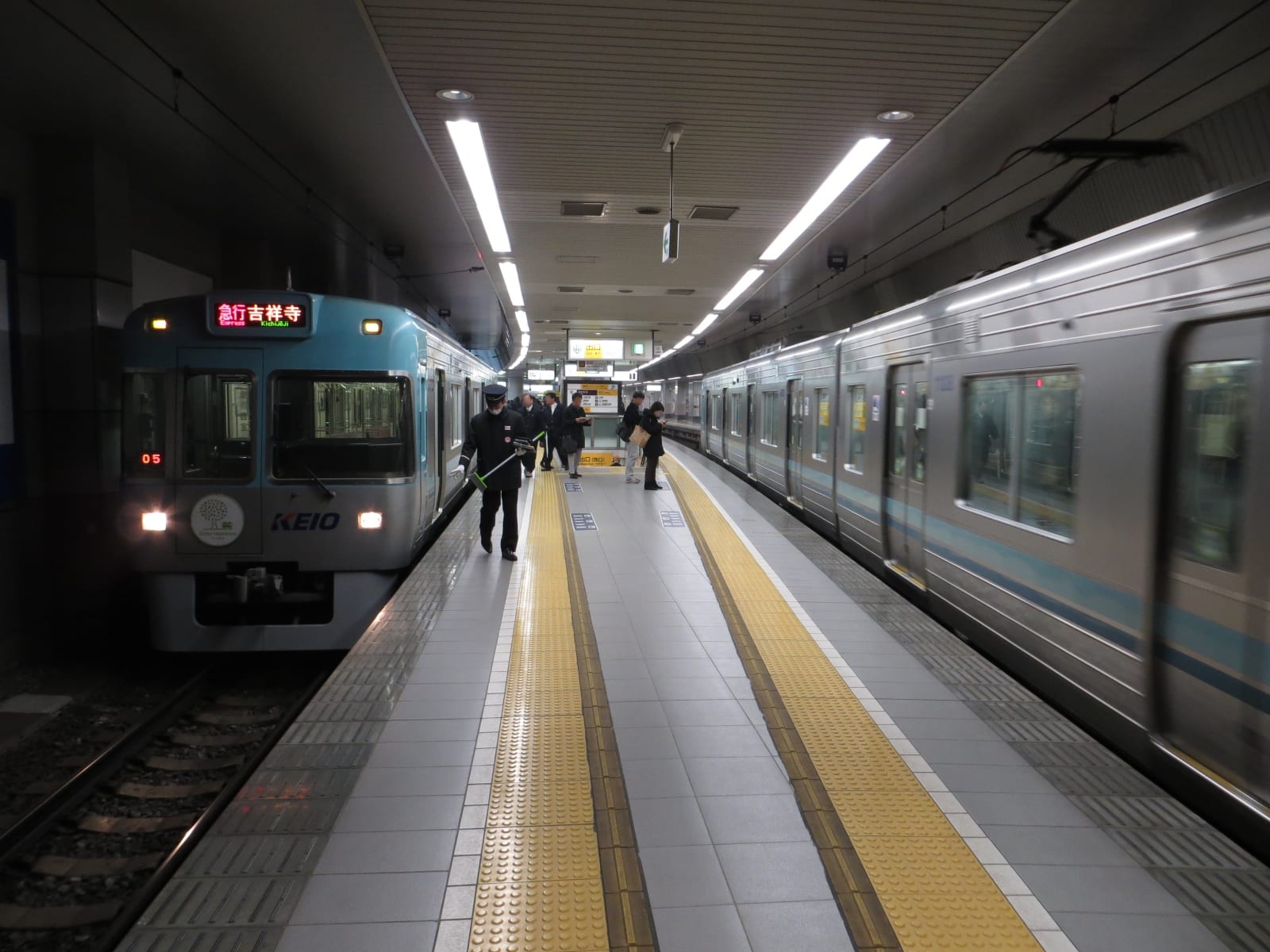
Shinagawa to Yokohama: do not switch, decide on something else
This one needs care. Paper tickets are ¥350 on both — genuinely identical — but on IC the JR fare is ¥341 against Keikyu's ¥347, so JR is ¥6 cheaper.
So do not read "JR lost its ¥40 advantage" as "switch to Keikyu". The two are now the same price; decide on frequency, platform position and whether you have to change trains. Coming from Haneda, Keikyu is the natural choice; heading south from Tokyo Station, JR is. Nothing about price should drive it.
The Takao row is not a like-for-like comparison
JR terminates at Takao Station; Keio terminates at Takaosanguchi. If your destination is Mount Takao, riding JR means one more transfer onto Keio for a single stop, so the ¥290 gap in the table understates the real difference. The fare for that last Keio stop was not verified for this article, so no figure is quoted here — just be aware of the extra leg.
The widening gap is one company's doing
It is tempting to assume everyone is raising fares and JR simply made the news. Going through the press releases of Keikyu, Tokyu, Keio, Tobu, Keisei, Odakyu, Tokyo Metro and Toei, none of them changed ordinary fares in 2025 or 2026. Their current levels date from 2019, 2023 and 2025 respectively.
The hardest piece of evidence comes from Tokyu: an official filing dated 5 August 2026 states that its authorised fare cap remains valid on and after 1 April 2028. Confirmed this month, in other words, to hold for another year and a half at least.
Minimum fares, side by side
| Operator | Minimum fare (paper) | Versus JR's new ¥160 |
|---|---|---|
| Tokyo Metro / Toei | 180 | 🟢 JR is ¥20 cheaper |
| Tobu | 160 | ⚪ identical |
| Keikyu / Keisei | 150 | 🔴 JR is ¥10 more |
| Tokyu / Keio / Odakyu | 140 | 🔴 JR is ¥20 more |
Of eight operators, JR beats two, matches one and is more expensive than five. For how JR and the two subway networks divide up Tokyo and which one to use where, see our guide to the Tokyo rail and subway network.
One caveat: Tokyo Metro does not publish a distance-banded fare table on its website, so sections such as Tokyo–Shibuya, Tokyo–Ueno and Shinjuku–Shibuya cannot be compared against the subway here and are deliberately left out of the table above. Check those on a machine or in an app.
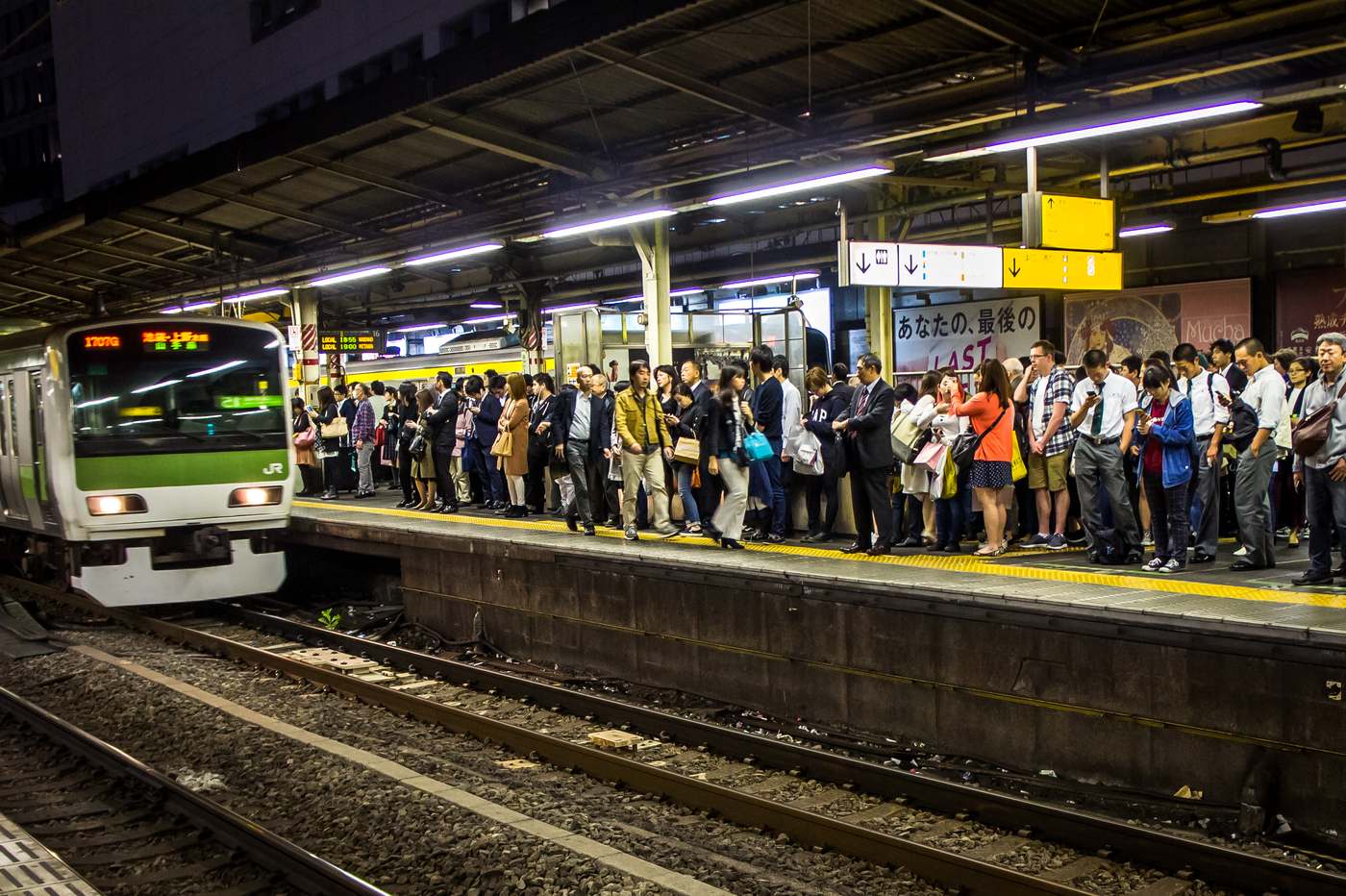
The Tokunai Pass went from ¥760 to ¥870 — still worth it?
The break-even ride count did not move at all. What changed is the penalty for not buying it.
The Tokunai Pass gives a day of unlimited travel on JR local trains within Tokyo's 23 wards. It now costs ¥870 for adults and ¥430 for children, up 14.5%.
The intuitive reasoning goes: the day pass rose 14.5% while single fares rose 17.6–23.8%, so it must pay for itself sooner. Run the numbers and it does not.
| Day pass | All short hops (¥170 → ¥200) | All loop crossings (¥210 → ¥260) | |
|---|---|---|---|
| Before | ¥760 | 4 rides = ¥680, short → needs 5 | 4 rides = ¥840, clears it → 4 |
| After | ¥870 | 4 rides = ¥800, short → needs 5 | 4 rides = ¥1,040, clears it → 4 |
Identical thresholds. But look at the bottom-right cell: for the same four loop-crossing rides, you used to spend ¥840 and now spend ¥1,040. The decision rule is unchanged; the cost of getting it wrong went up.
The five other day passes that moved on the same date
JR East repriced 18 special tickets that day. These are the ones relevant to a Tokyo itinerary:
| Ticket | Coverage | New price (adult) | Old | When it wins |
|---|---|---|---|---|
| Tokunai Pass | JR within the 23 wards | ¥870 | 760 | Four or more rides inside the wards in a day |
| Tokyo Free Kippu | JR in the 23 wards + Tokyo Metro + Toei | ¥1,720 | 1,600 | A day spanning JR and both subway networks |
| Monorail & Tokunai Pass | 23 wards + Tokyo Monorail | ¥1,450 | 1,350 | Haneda arrival or departure plus a city day; Mobile Suica only |
| Holiday Odekake Pass | Greater Tokyo, reaching Kamakura and towards Nikko | ¥2,950 | 2,720 | A weekend return trip to the suburbs |
| Nonbiri Holiday Suica Pass | Greater Tokyo, slightly smaller area | ¥2,850 | 2,670 | As above, marginally cheaper and narrower |
| Yokohama Minatomirai Pass | Central Yokohama | ¥560 | 530 | A day moving around the Yokohama waterfront |
Put that against the day-trip table above. Tokyo to Kamakura and back is ¥2,080, and the Holiday Odekake Pass is ¥2,950: add a couple of extra legs on the same day and it pays. If you are going straight there and straight back, single tickets win. That calculation is more worth doing after the revision than before it, precisely because single tickets got more expensive.
Worth noting that the steepest rise among the 18 was not a Tokyo ticket: the Echigo Two Day Pass in Niigata went from ¥2,800 to ¥3,300, up 17.9%. The gentlest was the Tsugaru Free Pass in Aomori, ¥2,570 to ¥2,620 — just 1.9%.
And one non-JR ticket that matters here: the Toei Marugoto Kippu stayed at ¥700, absent from the increase list — though it has an expiry of its own, with advance sales ending 30 September 2026 and on-bus sales ending 31 March 2027.
Three changes that never made the headlines
None of these appear in "average increase 7.8%", and two of them can waste a day.
1. The long-distance return discount is gone
Round-trip and consecutive tickets stopped being sold on 13 March 2026, taking the return discount with them: under the old rules, a return over a one-way operating distance of 601 km or more took 10% off in each direction. The round-trip Shinkansen e-Ticket ended on the same date.
Long returns — Tokyo to western Honshu, or deep into Tohoku and back — lose two 10% discounts in one go. Buy two one-ways now, and budget accordingly.
2. Tokyo to Atami on the local line became a one-day ticket with no stopovers
This is the one most likely to strand a plan. Tokyo and Atami used to be treated as a single line for fare calculation whether you went by Tokaido Shinkansen (JR Central) or Tokaido Main Line (JR East). Because the local-line fare changed, the two are now calculated as separate lines.
The consequence: go by local line and the whole journey falls inside the Tokyo metropolitan suburban zone, which makes the ticket valid for one day only and forbids stopovers. The old move — buy one ticket routed via Shinkansen, keep it valid for days, break the journey at Ofuna or Odawara and carry on — no longer works. JR East's suggested alternatives are to tap an IC card or buy each leg separately.
There is a change in the opposite direction too: Tokyo to Yugawara via Shinkansen to Atami used to require splitting into two tickets at Atami, and can now be issued as one.
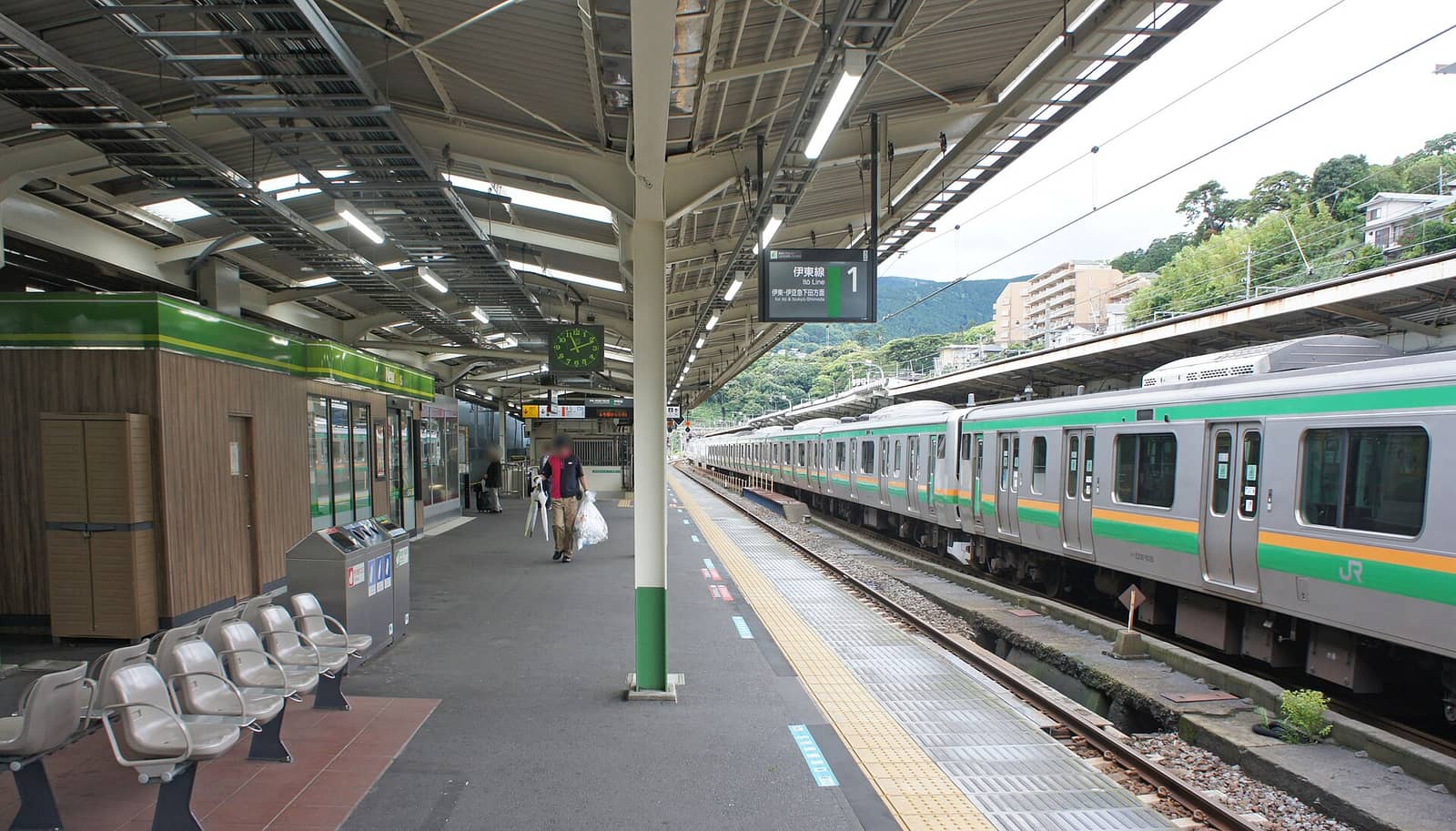
3. Platform tickets are ¥160 — except at nine stations
The platform ticket now matches the new minimum fare at ¥160. Do not write it up as a flat ¥160: Shin-Yokohama, Kozu, Odawara, Atami, Kofu, Tatsuno, Shiojiri, Minami-Otari and Joetsu-Myoko charge ¥150, because they are shared with JR Central or JR West, neither of which revised.
Odawara and Atami being on that list is not academic — they are the gateway stations for Hakone and Izu. The "Touch de Ekinaka" service at some Suica-area stations is priced the same as the platform ticket.
Also withdrawn: the flat Yamanote commuter pass
The flat-rate commuter pass for travel inside the Yamanote loop (¥14,970 a month) stopped being sold on 13 March 2026. It never mattered to short-stay visitors; it is listed here because English and Chinese pages still describe it as though it exists.
The Yamanote name did not disappear — something else did
The fare category was abolished; the zone rule printed on long-distance tickets continues.
This is where reporting on the revision most often goes wrong, so separate the two clearly:
| Name | What it is | Status |
|---|---|---|
| "Yamanote-sen nai" fare category | The cheaper per-kilometre rate inside the loop | 🔴 abolished 14 March 2026, merged into trunk line |
| "Tokyo Yamanote-sen nai" zone | A long-distance ticket is valid to or from any station in the loop | 🟢 continues |
| "Tokyo Ku-nai" and "Yokohama-shi nai" zones | The same idea, different boundaries | 🟢 continues |
JR East confirms the zone system explicitly in its FAQ. So if you read that JR East abolished the Yamanote system, ask which one is meant — if the claim is that a long-distance ticket no longer works at any loop station, it is wrong.
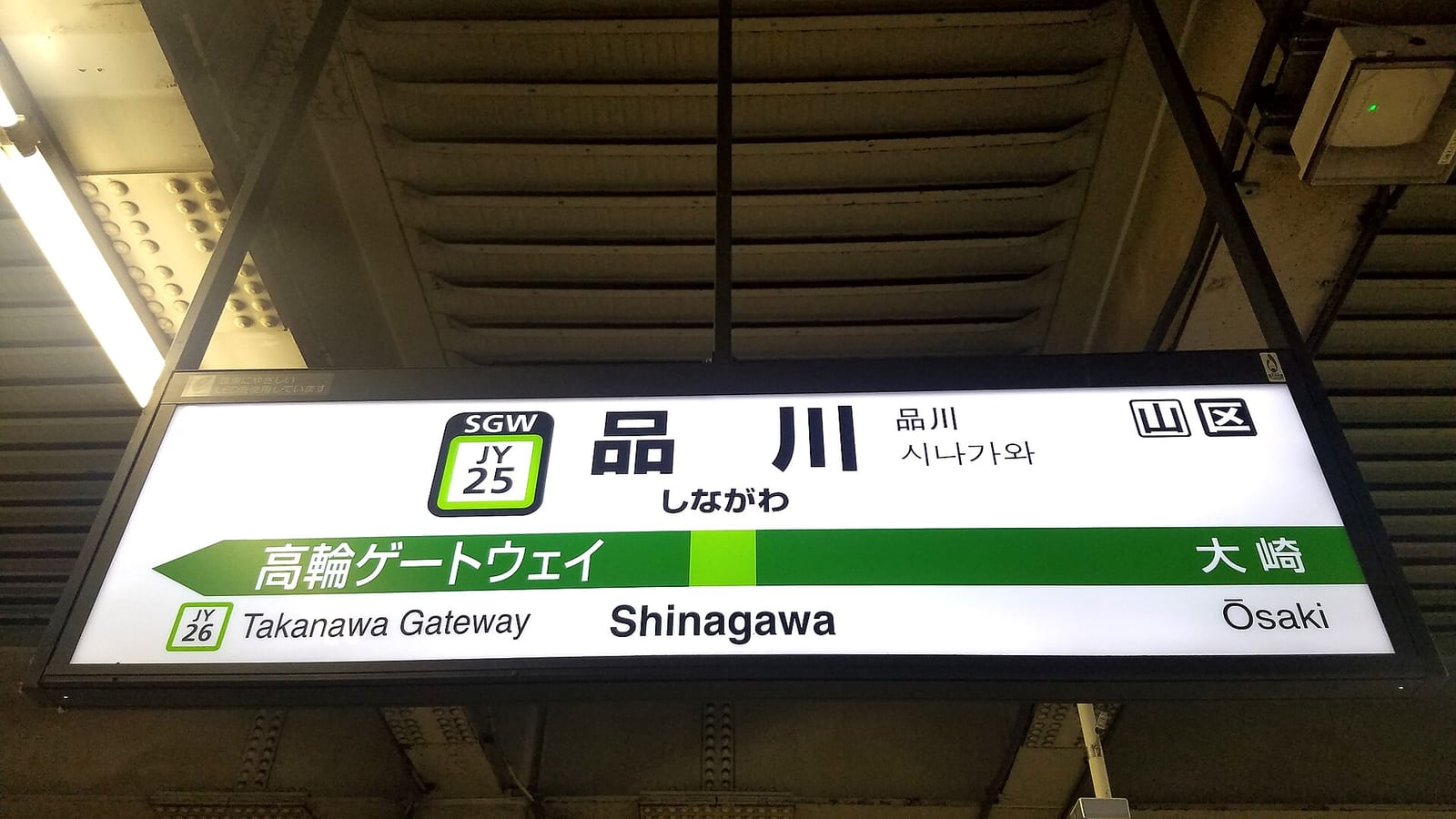
One more rule change affects journeys crossing JR company borders
Tickets spanning more than one JR company are now calculated by adding a supplement: a base amount for the whole journey plus a supplement for the JR East portion (and for JR Hokkaido, Shikoku and Kyushu portions). JR East states plainly that JR Central and JR West carry no supplement.
The published worked example is Gotemba via Kozu to Ofuna, 66.7 km: base ¥1,170 plus a ¥30 supplement, total ¥1,200. The supplements are small, but if your day crosses two or three JR companies, the total will run slightly above what a single company's table suggests.
Every visitor pass changed on the same day
This was a redesign plus a repricing, not a straight increase — which means old break-even comparisons are wrong on both sides of the equation.
From travel starting 14 March 2026, JR East's visitor passes were reissued as a set. The headline change is a new JR EAST PASS covering the entire JR East network, replacing the old Tohoku and Nagano-Niigata editions.
| Product | Validity | Before | After |
|---|---|---|---|
| JR EAST PASS (new, whole network) | 5 days | — | ¥35,000 |
| JR EAST PASS (new, whole network) | 10 days | — | ¥50,000 |
| JR EAST PASS (Tohoku) / (Nagano, Niigata) | — | — | 🔴 withdrawn 13 March 2026 |
| JR TOKYO Wide Pass | 3 days | 15,000 | ¥16,000 |
| N'EX TOKYO Round Trip Ticket | 14 days | 5,000 | ¥5,200 |
| JR East-South Hokkaido Rail Pass | 6 days | 35,370 | 40,000 (coverage expanded) |
| Hokuriku Arch Pass | 7 days | 30,000 | 35,000 (coverage expanded) |
| JR Tohoku-South Hokkaido Rail Pass | 6 days | 30,640 | 32,000 |
| SENDAI AREA PASS | 1 day | 1,320 | 1,420 |
Pay attention to the two marked "coverage expanded": the East-South Hokkaido pass added the whole Joetsu Shinkansen and Uetsu Main Line, and the Hokuriku Arch pass added greater Tokyo, the Chuo Line and the Oito Line among others. Those are not simple price rises — price and coverage both moved, so any break-even calculation written before March 2026 is wrong on both sides.
One genuinely useful addition for longer trips: from 1 April 2026, a nationwide pass reserved through JAPAN RAIL PASS Reservation can be collected from passport-reader ticket machines at Tokyo, Hamamatsucho, Shinagawa, Shinjuku, Shibuya, Ueno, Ikebukuro, Haneda Terminal 3, Narita Airport, Airport Terminal 2 and Sendai. JR East states that exchange orders bought through JR-designated agents are not eligible.
Whether a pass beats point-to-point tickets on your route is a separate calculation — see our complete JR Pass buying and usage guide.
What about the other JR companies?
14 March 2026 was a JR East event only. JR West has not even filed an application; JR Central did not revise either.
This gets mistranslated into "Japanese rail fares went up" often enough to be worth stating flatly.
| Company | Most recent fare revision |
|---|---|
| JR East | 14 March 2026 |
| JR West | None (still preparing an application) |
| JR Central | None |
| JR Hokkaido | 1 April 2025 |
| JR Kyushu | 1 April 2025 |
| JR Shikoku | 20 May 2023 |
At its results briefing on 5 August 2026, JR West said it wants to file as early as possible within its current medium-term plan — which is to say it has not filed. Osaka's equivalent discounted zone therefore still exists, and fares inside the Osaka Loop Line are calculated exactly as before. The same national-railway-era mechanism: dead in Tokyo, alive in Osaka.
Do not read that as "JR West is about to raise fares" either. The company stated an intention, with no timing and no scale attached, and guessing at either would be invention.
Separately, the nationwide JAPAN RAIL PASS raised its overseas-agent prices for purchases made from 1 October 2026 (ordinary car: 7 days ¥50,000 to ¥53,000, 14 days ¥80,000 to ¥84,000, 21 days ¥100,000 to ¥105,000), while the official website channel is holding its prices for a period. The JR Group's joint announcement gives the reason as fare revisions implemented by some JR companies — meaning the March 2026 revision reached travellers a second time in October, through the pass.
How to budget Tokyo transport now
Reset your default single fare to ¥200–260, then decide about the day pass.
Five things to do, in order:
- Budget ¥200 for a short hop and ¥260 for crossing the loop. Stop using the ¥170 and ¥210 figures printed in older guides; over six rides a day the difference is a few hundred yen.
- Buy the Tokunai Pass if you will make four or more rides inside the 23 wards. The break-even is unchanged, but not buying it costs more than it used to. If your day spans JR and the subways, look at the Tokyo Free Kippu instead.
- Tap an IC card rather than buying paper. After the revision IC is always equal to or cheaper than paper, and you skip the machine queue.
- Take the Inokashira Line from Shibuya to Kichijoji. It is the only switch this revision created. Everywhere else, the right operator is the same one it was before March.
- Buy two one-ways for long returns, and do not plan a stopover trip to Atami on the local line. The return discount is gone, and that ticket is now valid for one day with no breaks in the journey.
A closing note about the information itself
JR East built a dedicated site for this revision and gave it URLs in ten languages: Japanese, English, Traditional Chinese, Simplified Chinese, Korean, French, German, Spanish, Indonesian and Thai.
Tested in a browser on 28 August 2026, the English and Traditional Chinese URLs both render entirely in Japanese — the heading, every subheading, every bullet and the footer date, with nothing translated. The site relies on a front-end translation service that is not taking effect on these pages. All of the fare comparison tables are published as Japanese-only PDFs.
That is an observation rather than an accusation, and it has a shelf life: front-end translation can be fixed at any time, which is why the sentence above carries a date. It is also why this article exists — a change that directly affects what visitors pay is documented, in practice, only in Japanese, and understanding it means opening seven PDFs at once.
One forward-looking caveat: the official site's footer states its information is current as of 28 April 2026, and special-ticket prices in particular can move again. Check the official page before you travel.
Appendix: official Japanese source texts (tap to expand)
The Japanese originals quoted above, gathered here so you can check them yourself.
1. Abolition of the Tokyo fare categories and special sections
他のエリアより安価に設定されている「電車特定区間・山手線内」の運賃区分を廃止し、「幹線」に統合します。
他の鉄道事業者との競合のため通常の運賃より安価に設定されている「特定区間(東京地区)」は、一部の区間を除き廃止します。なお、廃止後の運賃は「幹線」の運賃が適用となります。
2. "Reversed or narrowed" — the stated reason for the revision
「電車特定区間」、「山手線内」の運賃は、国鉄時代に「競争力のある運賃設定を目的とした首都圏の運賃抑制策」として設定されましたが、現在では他の鉄道事業者の運賃改定により、運賃格差が逆転又は縮小し、当該エリアの設定意義が薄れています。
3. Why 86 special sections were abolished
特定区間(東京地区)の普通旅客運賃および定期旅客運賃は、国鉄時代に他の鉄道事業者と競合している区間に通常の運賃よりも低廉に設定されましたが、現在では、路線形態の変化から当社とは直接競合関係とならない区間やお客さまのご利用が少ない区間があることから特定区間に関しては一部の区間を除き廃止します。
4. Where the two headline percentages come from
(2)改定率(値上げ率) 普通運賃7.8%、通勤定期12.0%、通学定期4.9%
※ 現行運賃に鉄道駅バリアフリー料金を含めた場合の改定率です。含めない場合の改定率は「定期外9.8%」「定期(通勤)14.4%」です。
5. Per-kilometre rates and yen rounding
10 ㎞までの運賃は、税抜運賃を4.7%引き上げます。
601km 以上に適用する賃率は据え置きます。
消費税の転嫁方法について…幹線・地方交通線のきっぷ運賃は1 円単位の端数を四捨五入から切り上げへ変更します。これにより IC 運賃は、きっぷ運賃より低廉または同額となります。(小児の一部区間を除く)
6. Tokyo–Atami calculated as separate lines
東京~熱海間ではJR東海が運営する東海道新幹線とJR東日本が運営する東海道本線(在来線)を同一の線路として運賃計算をおこなっておりましたが、JR東日本の運賃改定により東海道本線(在来線)の運賃が変更となるため、運賃改定後は異なる線路として運賃計算をおこないます。
7. One-day validity, no stopovers (official FAQ Q.07)
東京~熱海間を在来線経由でご利用いただく場合は大都市近郊区間内完結となるため、有効日数は1日となり途中下車はできません。
8. Round-trip tickets withdrawn, return discount ended
往復乗車券・連続乗車券については、2026年3月13日限りで発売を終了します。これに伴い、片道の営業キロが601キロ以上の区間を往復利用した場合に適用する往復割引も取扱いを終了します。
9. Flat Yamanote commuter pass withdrawn
「山手線内」を利用されるお客さまを対象として、「山手線内均一定期券」(1カ月14,970円)を発売しておりましたが、「山手線内」の運賃区分を「幹線」に統合することやご利用状況等に鑑み、2026年3月13日限りで発売を終了します。
10. Barrier-free surcharge abolished, with one exception
鉄道駅バリアフリー料金は廃止します。(ただし、東海道新幹線(東京・品川間)の鉄道駅バリアフリー料金は継続されます。)
11. Tohoku and Nagano-Niigata visitor passes withdrawn
「JR EAST PASS(Tohoku area)」「JR EAST PASS(Nagano, Niigata area)」は 2026 年3 月13 日(金)を持ちまして販売終了となります。
12. The first real increase since 1987 (message from the president)
弊社は1987 年4月の会社発足以降、…消費税率の改定や法令に基づく鉄道駅バリアフリー料金の設定以外は、基本的に運賃水準を約40 年間維持してまいりました。
13. JR West has not yet applied (results briefing Q&A)
当社が運賃・料金を改定していないこともあり、鉄道の相対的な価格競争力が高まっている可能性がある
今中期経営計画のできるだけ早い時期に申請していきたい
14. Tokyu: current fare cap valid past April 2028
令和10年4月1日以降も有効
15. Legal basis and timeline
- Legal basis: 鉄道事業法第16 条第1項 — authorisation to change the upper limit of passenger fares
- Applied 6 December 2024 → upper limit authorised by the transport minister 1 August 2025 → calculation method authorised 26 September 2025 → details and implementation date published 8 October 2025 → implemented 14 March 2026
- What is authorised is the upper limit; the actual fares are notified by the operator within it — so this was not the government approving a 7.8% increase
Frequently Asked Questions
- Q1:Are tickets and passes bought before the revision still valid?
- Yes. JR East states in its own FAQ that tickets and commuter passes purchased on or before 13 March 2026 remain usable for their full validity period, with no top-up demanded. If you need to change or refund one, the calculation uses the pre-revision fare and the refund handling fee is unchanged. There is one exception worth knowing: if you hold a free pass bought at the old price and you travel beyond its coverage, the excess-fare calculation uses the new fares. So an old ticket is not voided, but the protection it gives you stops at the edge of what is printed on it.
- Q2:Is an IC card cheaper than a paper ticket now?
- Yes, and this is new. The revision changed how yen rounding works on paper fares: the single-yen remainder now rounds up instead of rounding to nearest. JR East states the consequence directly — after the revision, IC fares are lower than or equal to paper-ticket fares, with a few children's sections excepted. Before the revision that was not guaranteed and some sections were cheaper on paper. The gap on any single ride is between one and nine yen, which sounds trivial, but a Tokyo day with six rides compounds it, and tapping through is faster than queuing at a machine. Note the scope: this rule covers ordinary fares only, not limited-express surcharges, passes or special tickets. For which card to buy and how refunds work, see the guide to Suica, PASMO and ICOCA.
- Q3:How much is a platform ticket at a JR East station now?
- It is ¥160 at most stations, matching the new minimum fare — but not everywhere, and the exceptions matter to travellers. Nine stations charge ¥150: Shin-Yokohama, Kozu, Odawara, Atami, Kofu, Tatsuno, Shiojiri, Minami-Otari and Joetsu-Myoko. What they have in common is shared operation with JR Central or JR West, neither of which revised its fares, so the price there stayed at the old level. Odawara and Atami are the gateway stations for Hakone and Izu respectively, so this is not an obscure edge case. The "Touch de Ekinaka" service available at some Suica-area stations is priced identically to the platform ticket, and JR East notes that a handful of stations jointly operated with other railway companies may charge different amounts again.
- Q4:Round-trip tickets were discontinued — how do I buy a return journey now?
- Buy two one-way tickets. Round-trip tickets and consecutive tickets both stopped being sold on 13 March 2026, and the discount attached to them went with it: under the old system, a return journey over a one-way operating distance of 601 km or more got 10% off in each direction. The round-trip version of the Shinkansen e-Ticket was withdrawn on the same date. The travellers who lose most are those doing long returns — Tokyo to the western end of Honshu, or deep into Tohoku and back — because two 10% discounts have simply vanished from the total. Holders of student discount certificates and Japan Senior Citizens Association memberships are not asked for extra paperwork: JR East allows one certificate to cover two one-way tickets when they are bought together. For how the online booking systems divide up and which one you are actually eligible to use, see the guide to booking Japanese train tickets online.
- Q5:Was the Yamanote Line zone abolished? My long-distance ticket still says "Tokyo Yamanote-sen nai".
- Two different things share almost the same name, and only one of them was abolished. What ended on 14 March 2026 is the "Yamanote-sen nai" fare category — the cheaper per-kilometre rate that applied inside the loop, now merged into the standard trunk-line category. What is printed on your long-distance ticket is the zone system: a ticket from far away is valid to or from any station inside the Tokyo Yamanote loop. That system continues, as do the "Tokyo Ku-nai" and "Yokohama-shi nai" zones, and JR East confirms this explicitly in its FAQ. So when you read that JR East scrapped the Yamanote system, check which one is meant. The pricing category is gone; the zone rule is alive.
- Q6:Did limited express and Shinkansen tickets go up too?
- The surcharges did not change; the base fare underneath them did. JR East states plainly that this revision does not alter ryokin — limited express surcharges and Green Car surcharges are untouched. But a Shinkansen ticket is a base fare plus a surcharge, and the first layer rose, so the total moved: JR East's published examples are the Shinkansen e-Ticket from Tokyo to Shin-Aomori going from ¥17,470 to ¥17,910, and Tokyo to Niigata from ¥10,560 to ¥10,780. Two knock-on effects are worth noting. Green Car commuter passes and Shinkansen commuter passes (FREX and FREX Pal) went up because they incorporate the base fare. And since 1 October 2026 the nationwide JAPAN RAIL PASS costs more through overseas agents, with the JR Group citing "fare revisions implemented by some JR companies" as the reason — meaning this March revision reached travellers a second time in October.
- Q7:Did the Tokyo subway and JR West raise fares on the same day?
- The subway raised its tourist passes, not its fares, and JR West has not revised anything at all. Tokyo Metro and Toei jointly raised their combined special tickets on 14 March 2026: the common one-day ticket went from ¥900 to ¥1,100, and the Tokyo Subway Ticket went from ¥800 to ¥1,000 (24 hours), ¥1,200 to ¥1,500 (48 hours) and ¥1,500 to ¥2,000 (72 hours). That 72-hour jump is 33%, steeper than any single JR fare increase. But the two operators' ordinary fares did not move, and their official announcement makes no mention of fares. As for JR West, at its August 2026 results briefing the company said it wants to apply for a revision early in its current medium-term plan — meaning no application has been filed yet, and Osaka's equivalent discounted zone remains in force. JR Central has likewise not revised.
Read next
JR Pass 2026: Is It Still Worth It?
Four real routes calculated, six alternatives that may beat the Pass.
Tokyo Train & Subway Guide 2026: JR, Metro & Toei
Tokyo's rail map looks terrifying, but a single Suica solves 90% of it. The Yamanote loop as your backbone, JR vs Metro vs Toei, whether the Tokyo Subway Ticket pays, and which rush-hour direction to dodge — demystified.
Suica vs ICOCA vs PASMO 2026: Which IC Card to Buy?
The chip shortage is over — unregistered Suica and PASMO went back on sale in March 2025, alongside the deposit-free Welcome Suica and phone options. Which to pick, and how they differ.
📊 See the 2026 Price Index (JR Pass, DPA, eSIM, Airport Transport) →