Kanazawa is the old capital of Hokuriku, once the castle town of the wealthy "million-koku" Kaga domain, which left a deep legacy of gardens, crafts and cuisine — and it escaped wartime bombing, so it's a city where old-capital refinement and contemporary art sit side by side. Its appeal is well-balanced: the three-great-garden Kenrokuen, the talked-about pool artwork at the 21st Century Museum, the teahouse atmosphere and gold-leaf craft of the Higashi Chaya district, and the seafood of Omicho Market. This guide covers their tickets, the post-extension changes to rail access, the city routing and day-trip vs overnight. It's the Hokuriku old-capital deep-dive for Chubu; the gateway is in our Nagoya guide.
- The craft old capital of Kaga: old-capital refinement meets contemporary art, a Hokuriku base
- Kenrokuen ¥320: one of Japan's three great gardens, the winter yukitsuri its signature
- 21st Century Museum: the pool viewed from above is free, going "underwater" needs the paid zone
- Higashi Chaya and gold leaf: a teahouse old street, gold-leaf ice cream (99% of Japan's gold leaf is made here)
- Transit note: from Osaka/Kyoto you now transfer to the shinkansen at Tsuruga
📖 Table of contents
What kind of city Kanazawa is
Kanazawa is the capital of Ishikawa and the largest city in Hokuriku. In the Edo period it was the castle town of the Maeda clan of the Kaga domain, whose rice yield was famously "a million koku" — the greatest domain after the shogun's own — and that wealth went into an exacting devotion to gardens, tea ceremony, Noh, gold leaf, lacquerware and wagashi. That depth of craft and refined culture is still Kanazawa's most beguiling trait, and because the city escaped WWII bombing, its old streets, samurai residences and teahouse quarters are beautifully preserved.
Kanazawa's charm is how tradition and the contemporary coexist without friction: you can feel century-old landscaping in Kenrokuen in the morning and see headline contemporary art in the round glass 21st Century Museum in the afternoon. The city is moderately sized and tied together by loop bus, so one to two days does it justice — and it makes a fine base for Hokuriku and the Chubu mountains.
Kenrokuen and Kanazawa Castle
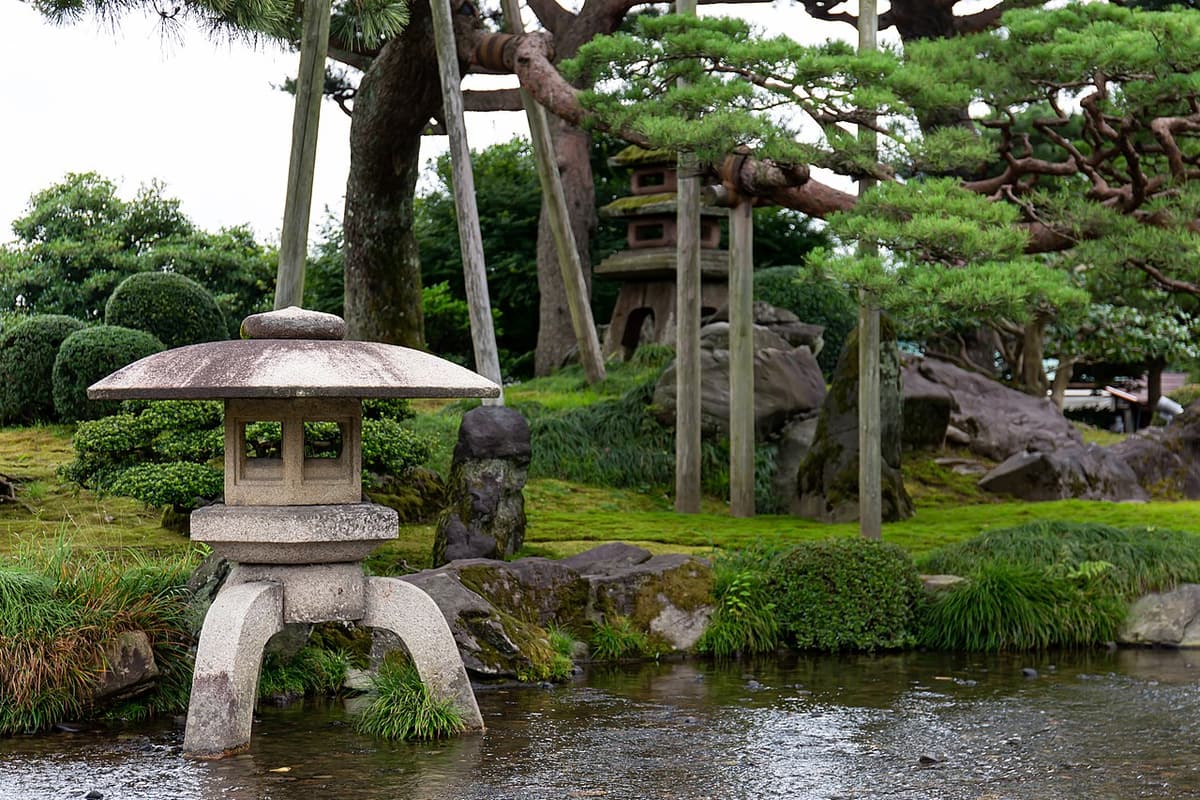
Kenrokuen is Kanazawa's signature, ranked with Mito's Kairakuen and Okayama's Korakuen among Japan's three great gardens. It's a pond-stroll garden cultivated over generations by the Maeda clan, its name meaning a garden uniting "six attributes" — spaciousness, seclusion, artifice, antiquity, water and views. The Kotoji stone lantern, Kasumi Pond, the fountain and the Karasaki pine are all classic scenes, and admission is just ¥320 for adults — superb value.
Each season has its character, but the most iconic is the winter "yukitsuri" — ropes rigged from poles into cones so heavy snow doesn't snap the branches, at once practical and a defining image of Kanazawa winter. Right beside it, Kanazawa Castle Park shows off the reconstructed Hishi Yagura, Gojikken Nagaya and Ishikawa Gate, and the park is free (some interiors charge), so you can pair the two into a half-day garden-and-castle stroll.
The 21st Century Museum
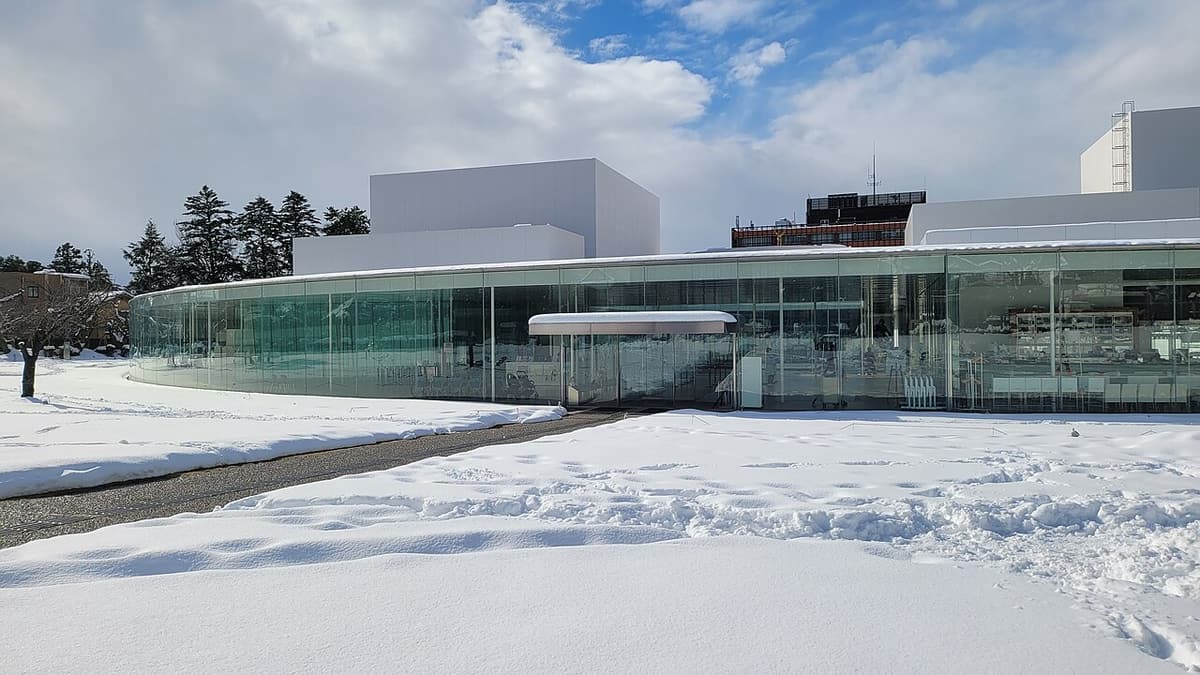
An intriguing counterpoint to the old-capital mood is the 21st Century Museum of Contemporary Art — a round glass building by the architecture team SANAA with no front or back, enterable from all sides, a museum designed to "open onto the city." Its most talked-about work is Leandro Erlich's "The Swimming Pool": from the surface it looks full of water, but it's only a thin layer, with a walkable space below, creating the illusion of people standing underwater.
A practical note: the museum has a free "public zone" and a paid "exhibition zone." "The Swimming Pool" viewed from above is in the free zone, so you can get the classic shot without a ticket; but to go down to the level "below" the pool and feel the underwater illusion, you need the paid exhibition-zone ticket (priced by the current show). The round building itself and some outdoor works (like the colored-glass pavilion) are also free, so even the free zone alone rewards a short visit if you're tight on time.
The Higashi Chaya district and gold leaf
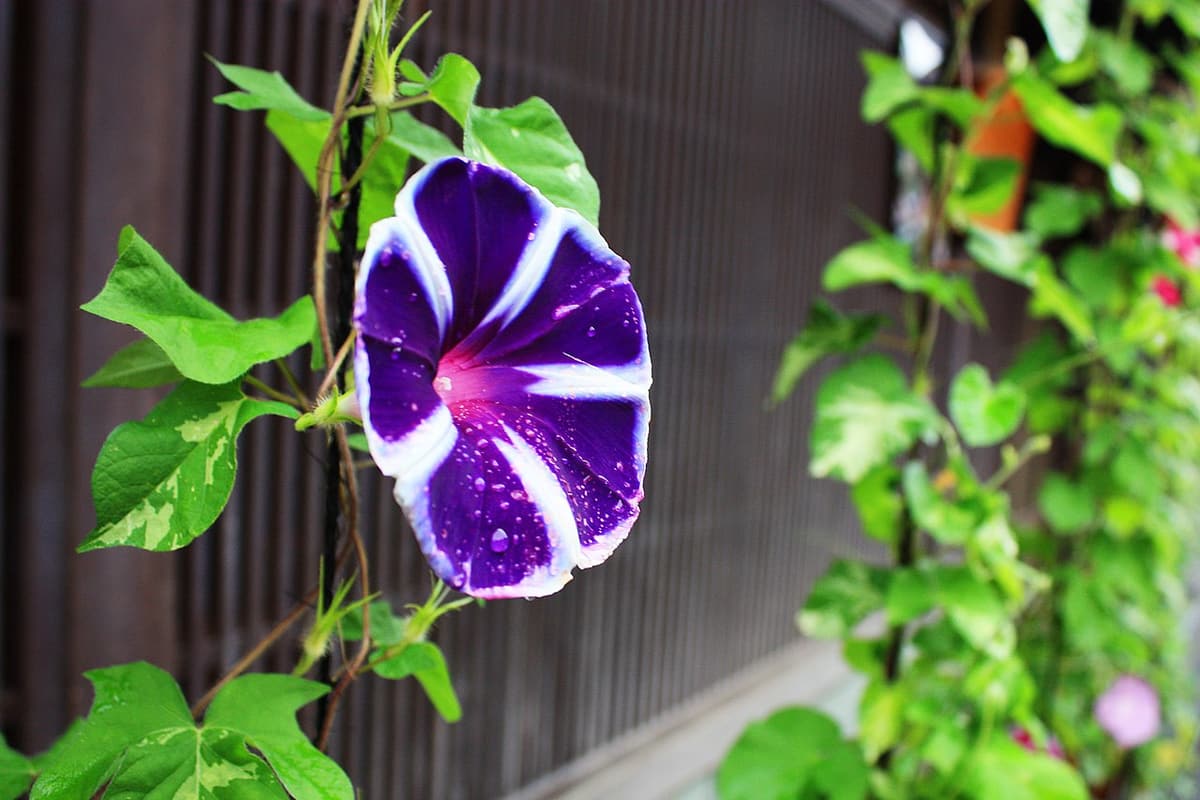
The Higashi Chaya district is Kanazawa's best-preserved teahouse quarter, where the Edo-era teahouses that hosted geisha performances line the street, the red lattice windows and stone paving full of atmosphere. Some teahouses open their interiors for visits and tea (such as Shima and Kaikaro), and many have become cafes, craft shops and gold-leaf stores — lovely for strolling, photographing and a cup of tea. It photographs best early when quiet.
On gold leaf: Kanazawa makes about 99% of Japan's gold leaf, its most emblematic craft. Around Higashi Chaya you can try gold-leaf application, buy gold-leaf cosmetics and crafts, and most popular of all, eat gold-leaf soft-serve topped with a whole shimmering sheet — gaudy to the point of unreal, Kanazawa's must-photograph treat. The Nagamachi samurai residences and the Kazuemachi teahouse street are also worth a wander for the Kaga warrior-and-townsfolk atmosphere.
Gold leaf is only the headline of Kanazawa's craft scene. The Kaga domain's patronage seeded a whole cluster of traditional arts still alive today: Kaga-yuzen (a refined hand-painted silk-dyeing style), Kutani-yaki (vividly colored porcelain), lacquerware, and elegant wagashi sweets developed for the tea ceremony. You'll see them in shop windows and small museums across the city, and several spots offer hands-on experiences (gold-leaf, yuzen-dyeing, sweet-making). If you have a soft spot for crafts, Kanazawa rewards slowing down to browse rather than rushing the checklist — it's one of the best craft cities in Japan.
Omicho Market and Kanazawa food
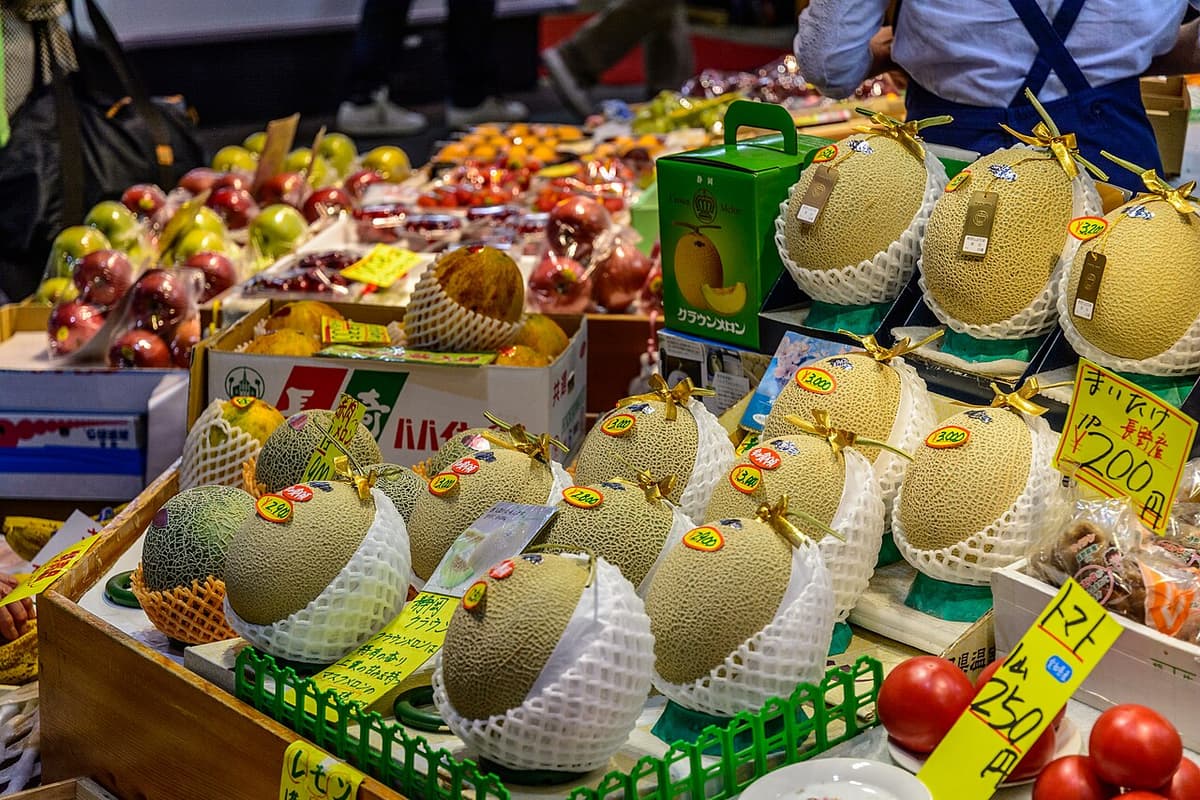
Kanazawa faces the Sea of Japan and its seafood is first-rate, and Omicho Market is its "citizens' kitchen." Stalls and diners fill the market, and a seafood bowl heaped with seasonal fish is a must; the fresh-shucked oysters, sweet shrimp and crab (the winter Kano crab) are tempting too. A few Kanazawa specialties worth seeking out:
- Nodoguro (blackthroat seaperch): Hokuriku's premium white fish, richly fatty and melting, superb salt-grilled or as nigiri — pricey but worth a try.
- Jibuni: a Kanazawa local dish of duck or chicken dredged in flour and simmered with wheat gluten and vegetables in a lightly thickened broth — gentle and authentic.
- Kanazawa oden: oden with local ingredients like fu (wheat gluten) and crab-face, an everyday local comfort.
For dessert, Kanazawa's wagashi culture runs deep (thanks to its tea ceremony tradition), and a sweet with a cup of matcha makes a very Kanazawa afternoon. For where to stay, see our 5 best Japanese onsen ryokans.
Access and day-trip vs overnight
Access: from Tokyo the Hokuriku Shinkansen runs direct to Kanazawa in about 2 hours 30 minutes — easiest. From Osaka and Kyoto, note carefully: since the Hokuriku Shinkansen extended to Tsuruga in March 2024, the formerly direct Thunderbird limited express now means a transfer to the shinkansen at Tsuruga — Thunderbird from Osaka to Tsuruga, then the shinkansen to Kanazawa (the Shirasagi from the Nagoya direction likewise transfers at Tsuruga). Around the city the "Kanazawa Loop Bus" is handy. For a multi-leg Chubu/Hokuriku rail loop, compare a JR Takayama-Hokuriku Area Tourist Pass; set up a KKday Japan eSIM first to check buses and transfers.
Day-trip vs overnight: the city core fits a tight day, but an overnight is more relaxed — the Higashi Chaya district at dusk, Kenrokuen at its free morning opening, an unhurried seafood meal all want time. The smartest move is to slot Kanazawa into a Hokuriku/Chubu chain: a night in Kanazawa with Tateyama-Kurobe (via Toyama) or Hida-Takayama before or after, taking in old capital, great garden and mountains together. For how to connect, see our Tateyama-Kurobe guide. Heading south down the Hokuriku Shinkansen toward Tsuruga, Fukui's Eiheiji temple, the Tojinbo cliffs and the dinosaur museum are well worth an extra day — see our Fukui Eiheiji & Tojinbo guide. Before you go, see our Japan packing & weather guide — Hokuriku winters are snowy and wet, so bring an umbrella and waterproof shoes.
A sample one-day route that flows without backtracking: start early at Kenrokuen (the free morning opening runs daily, from 6:00 in winter) and the adjacent Kanazawa Castle Park; walk over to the 21st Century Museum next door late morning; tram or loop-bus to Omicho Market for a seafood-bowl lunch; spend the afternoon in the Higashi Chaya district for tea, gold leaf and photos, with the Nagamachi samurai district if time allows; and end with dinner of nodoguro or jibuni back near the station. With a second day, add the craft experiences, the Kazuemachi and Nishi Chaya quarters, or a half-day out to Toyama. Noto does not fit in a half-day: the express bus from Kanazawa Station west exit takes 2 hours 49 minutes to Wajima Station (2,300 yen) and runs six times a day, and Noto Airport states plainly that no taxis wait there, so onward transport has to be arranged in advance. Treat it as a full day or an overnight — see our Noto Peninsula status guide. Whichever way, Kenrokuen and the chaya district are best early or late when the crowds thin, so bookend your day with them and put the indoor museum and market in the busy middle hours.
Frequently Asked Questions
- Q1:How much is Kenrokuen, and which season is best?
- Kenrokuen is one of Japan's three great gardens, with admission ¥320 for adults (18+) and ¥100 for ages 6-17 — excellent value. It's beautiful year-round: the winter "yukitsuri" (rope cones rigged to keep snow from snapping the branches) is the signature scene; spring blossoms and autumn maples are superb too. Tip: Kenrokuen runs a free early-morning opening every day of the year — 6:00–7:45 from 1 November to the end of February (last entry 7:30), earlier in other seasons. Entry is limited to the Renchimon and Zuishinzaka gates and you have to leave by 7:45.
- Q2:Do I need a ticket for that pool artwork at the 21st Century Museum?
- The museum splits into a free "public zone" and a paid "exhibition zone." The famous Leandro Erlich "The Swimming Pool" — viewing it from above looking down is in the free zone, no ticket needed; but to walk into the space "below" the pool and experience the underwater illusion, you need the paid exhibition-zone ticket (priced by the current show). The round glass building itself and some outdoor works are also free, so the free zone alone is well worth a wander.
- Q3:How many days does Kanazawa need?
- The city core (Kenrokuen, Kanazawa Castle, the 21st Century Museum, the Higashi Chaya district, Omicho Market, the Nagamachi samurai district) is compact and well-linked by bus, so a tight day covers the highlights, with two more relaxed. It also works well as a Hokuriku base, paired with Toyama, Tateyama-Kurobe or strung with Hida-Takayama into a mountains-and-old-capital arc. The common plan is a night in Kanazawa with Tateyama-Kurobe or Takayama before or after.
- Q4:What should I eat in Kanazawa?
- Kanazawa faces the Sea of Japan and its seafood is top-tier: the seafood bowls at Omicho Market are a must, heaped with local seasonal fish; nodoguro (blackthroat seaperch) is Hokuriku's premium white fish, richly fatty and superb salt-grilled or as nigiri; and the local jibuni (duck or chicken dredged in flour and simmered with wheat gluten and vegetables in a light thickened broth) is warming and authentic. For dessert, don't miss gold-leaf soft-serve — Kanazawa produces about 99% of Japan's gold leaf, and ice cream wrapped in a whole sheet of it is the classic photo.
- Q5:How do I get to Kanazawa from Tokyo or Osaka?
- From Tokyo the Hokuriku Shinkansen runs direct to Kanazawa in about 2 hours 30 minutes — easiest. From Osaka and Kyoto, note the change: since the Hokuriku Shinkansen extended to Tsuruga in March 2024, the formerly through Thunderbird limited express now requires a transfer to the shinkansen at Tsuruga — Thunderbird from Osaka to Tsuruga, then the shinkansen to Kanazawa (the Shirasagi from the Nagoya direction transfers at Tsuruga likewise). Around town the Kanazawa Loop Bus is handy.
- Q6:Can I combine Kanazawa with Tateyama-Kurobe or Takayama?
- Very well. Kanazawa to Toyama is only about 20 minutes on the Hokuriku Shinkansen, and Toyama is one of the gateways to Tateyama-Kurobe; Takayama is close to Toyama too. Common Chubu chains are "Kanazawa + Tateyama-Kurobe" or "Takayama → Toyama → Kanazawa," combining old capital, mountains and a great garden. For the Alpine Route see our Tateyama-Kurobe guide, and for Hida our Hida-Takayama guide.