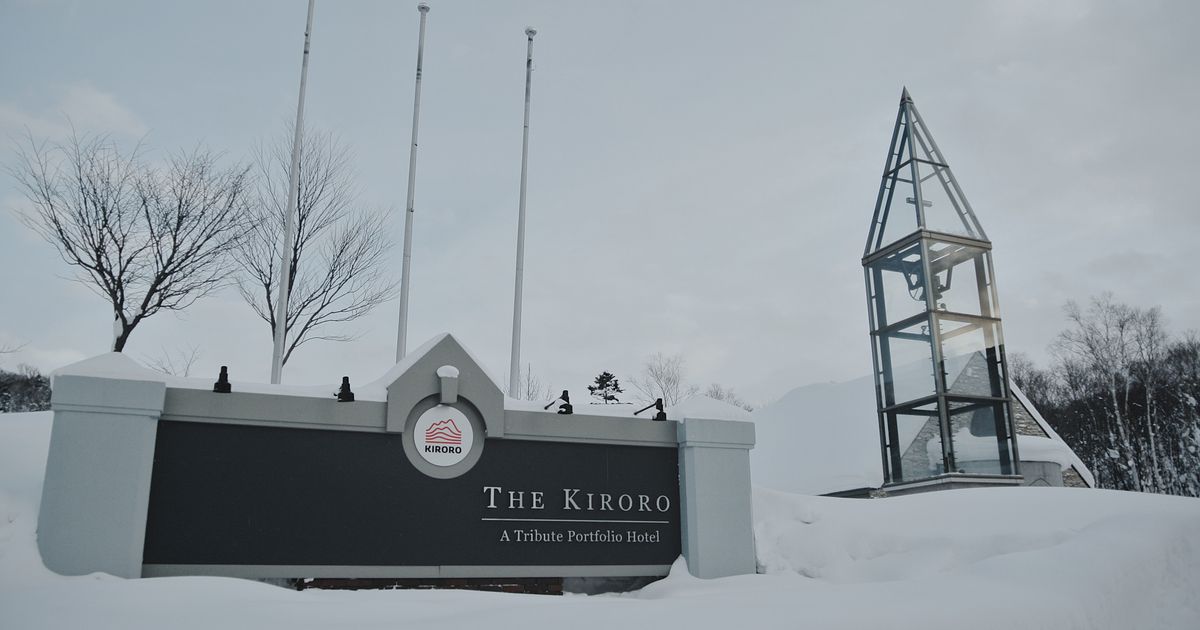
If you want deep powder without fighting Niseko-scale crowds for the lift line, Kiroro deserves a serious look. It's one of Hokkaido's consistently heaviest-snowfall resorts, with a season stretching from late November to early May, and since 2023 two Club Med resorts and Yu Kiroro have opened, fixing what was long Kiroro's biggest weakness — lodging. This guide covers the snow, the new hotels, how to get there from Otaru or New Chitose, and how to weigh Kiroro against Niseko and Rusutsu. It's the Kiroro deep-dive companion to our guide on how to choose a Japan ski resort.
- Top-tier Hokkaido snowfall: JMA normal of 966cm a year at Akaigawa, a touch above Kutchan on the Niseko side (921cm); season near 160 days (late Nov-early May)
- Far fewer crowds than Niseko: long the insider's pick among ski media and repeat visitors
- Lodging transformed since 2023: Club Med Kiroro Grand/Peak plus Yu Kiroro's ski-in ski-out condos
- Every shuttle is reservation-only: 2026-27 routes leave from Otaru, Sapporo and Niseko only — there is no airport line; no booking means no stop, and reservations close 18:00 the day before
- vs Niseko/Rusutsu: choose Kiroro for deep snow and fewer people, Niseko for international ease, Rusutsu for the widest terrain plus a theme park
📖 Table of contents
Why choose Kiroro
Kiroro (Kiroro Snow World) sits in Akaigawa Village, Yoichi District, Hokkaido, built across two linked peaks — Asari and Nagamine — each with its own gondola base, a layout simple enough to learn in a morning. Per Kiroro's official trail map, the resort runs around 24 marked courses across its Asari, Yoichi, Center, Nagamine and Family zones, plus roughly 14 separate off-piste and tree-run areas, served by 9 lifts including a gondola and several high-speed quads — a compact but complete setup rather than a sprawling multi-resort valley. Its proximity to the coast and position on the windward side put it in Hokkaido's snowiest tier: the JMA 1991-2020 normal for Akaigawa is 966cm of snowfall a year, against 921cm at Kutchan on the Niseko side. Both gauges sit in valleys around 150m, though, so the snow above the gondola is deeper than either figure.
Just as important is the season length. Per Kiroro's recently published operating windows, the season runs roughly late November to early May — nearly 160 days, one of the longest in Japan, sometimes stretching into Golden Week. The trade-off is equally clear: Kiroro doesn't have Niseko's dense strip of international dining and nightlife, and access takes an extra transfer — it's long been the resort "skiers know, tourists don't." If you want everything handled with zero language friction, Niseko is still the safer bet; if you want quiet, deep powder, Kiroro is getting easier to plan thanks to its recent lodging upgrade (more below).
Season and snow (vs Niseko, Rusutsu)
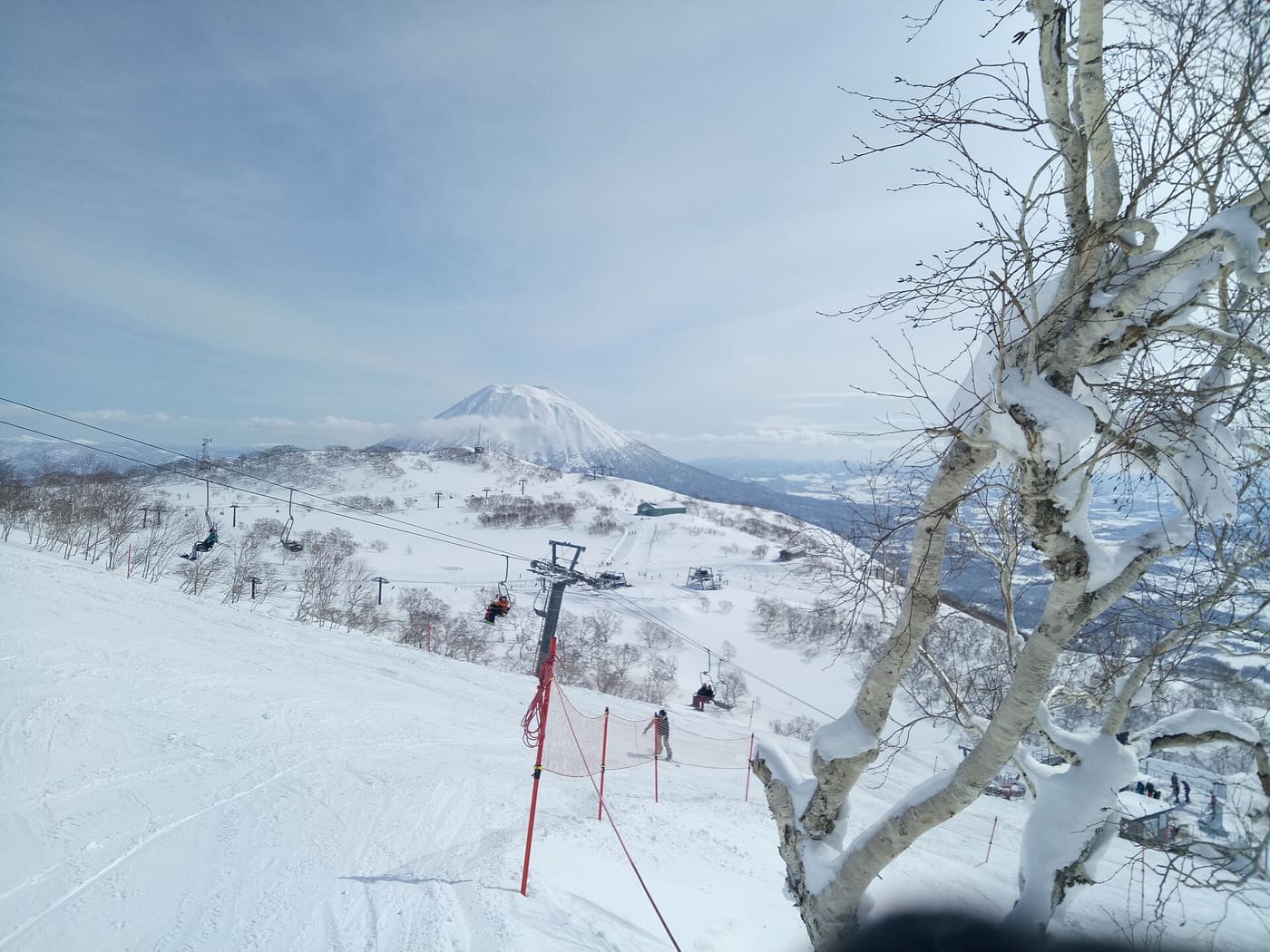
Per Kiroro's recently published season info, the most reliable snow window is January to mid-February, same as other Hokkaido resorts, with the 2025-26 season officially running roughly late November to early May. Compared with Niseko, both are top-tier dry powder, but the JMA normal for Akaigawa (966cm a year) runs slightly above Kutchan's 921cm — and the surrounding district draws far fewer visitors. Hokkaido's prefectural tourism survey gives you the scale: for fiscal 2025, Akaigawa Village, where Kiroro sits, recorded 848,000 visitors against 1,642,400 for Kutchan Town and 1,545,800 for Niseko Town — roughly a quarter of the two Niseko towns combined. That is a municipal figure, not a ski-area one (Akaigawa is not only Kiroro, and Kutchan is not only ski slopes), so read it as this corner of Hokkaido rather than this lift line.
Against Rusutsu it's a different trade-off: Rusutsu is Hokkaido's largest ski area, spanning 3 mountains with 37 trails, with more varied terrain and broader beginner-to-intermediate options, plus an amusement park that keeps running through winter for non-skiing companions. Kiroro's terrain concentrates on two peaks (Asari and Nagamine) with fewer marked runs and off-piste zones than Rusutsu, but its snow depth and quality are often considered a step ahead. All three have plenty good snow — the real question is whether you want the widest terrain, the deepest snow, or the fewest people.
The recent redevelopment: Club Med and Yu Kiroro
Kiroro's biggest recent change isn't the snow — it's the lodging. In December 2023, Club Med opened two properties at Kiroro: the family-oriented Club Med Kiroro Grand, with 266 rooms and 4 restaurants, and Club Med Kiroro Peak, open to guests 12 and up only — both all-inclusive resorts covering meals, lodging and some lift access, sitting right at the Asari and Nagamine lift bases. Opening around the same time, Yu Kiroro took a different route entirely — a luxury ski-in ski-out condominium hotel with 1-to-4-bedroom units, indoor and outdoor onsen, ski valet service, and a farm-to-table restaurant sourcing local Akaigawa produce, aimed at longer-stay, upscale guests rather than package tours.
The practical impact for travelers: previously, a Kiroro trip meant limited lodging choices and often commuting from Otaru or Sapporo. Now, the two Club Med resorts and Yu Kiroro make basing directly on the mountain a mainstream option — though at resort-level prices. If you want cheap, flexible, self-catering, more affordable apartments and hotels still exist around the resort base; if you want to land and have transport, meals and lift access handled in one package, Club Med's all-inclusive model can be less hassle than piecing together an independent trip. Exact room types, meal inclusions and whether lift tickets are bundled are changing quickly — confirm the current package directly on the Club Med and Yu Kiroro sites before booking, and don't rely on any outdated information.
Access and lodging
Access: book the shuttle before you go — there is no walk-up option. Kiroro's official winter access page now lists four routes for 2026-27: Otaru to Kiroro, Nov 28, 2026 to Apr 25, 2027; Sapporo to Kiroro on two services (Kiroro Ski Bus and Kiroro Powder Express), Dec 10, 2026 to Apr 11, 2027; and Niseko Grand Hirafu to Kiroro, Dec 20, 2026 to Feb 20, 2027 with some non-operating days. ⚠️ The New Chitose Airport row on that same page still carries 2022-23 dates and is not among the four 2026-27 routes, so don't plan on a direct airport bus the way older guides describe; the airport routing the site itself gives is JR to Otaru-Chikko Station, then taxi or rental car.
The operator's own rules explain why booking is not optional. Hokkaido Access Network's Kiroro services state that every route is reservation-only and that the bus will not stop at a pickup or drop-off point you have not reserved; capacity is 47 per departure, and web reservations close at 18:00 the previous day, subject to seats remaining. Kiroro's own lift-ticket bus packages are all still marked "coming soon" for 2026-27, so if you want a seat locked in now, Klook lists a shuttle from central Sapporo hotels to Kiroro (pickups from hotel lobbies around Minami 2 to Minami 8, roughly a two-hour ride, serving Mountain Center, Snow Activity World and Yu Kiroro). ⚠️ It is a separate booking from the official Kiroro Ski Bus, with no guarantee of the same timetable or pickup points, so check your hotel is on the list before you book.
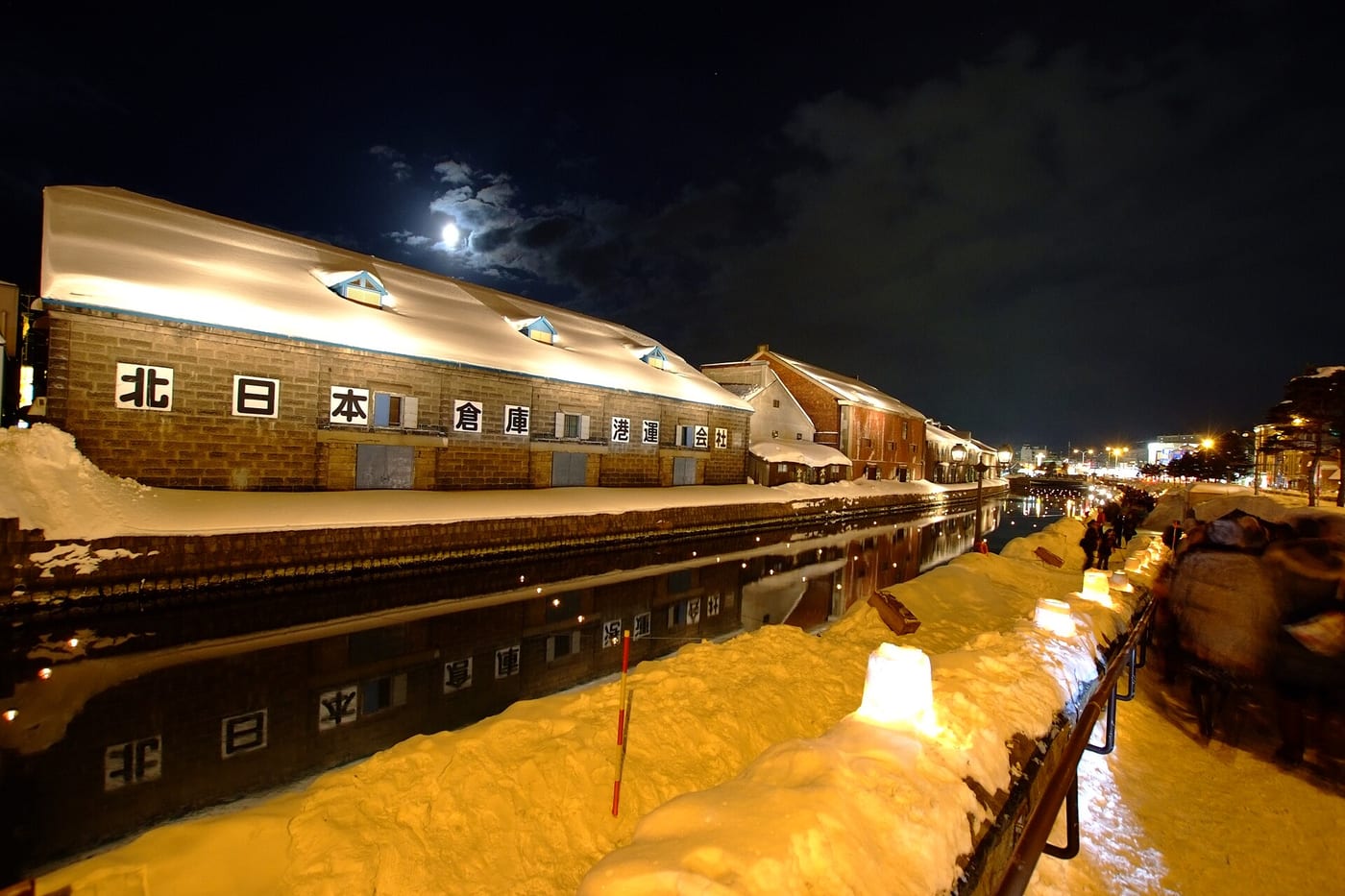
Otaru remains the closest town, 30-40 minutes away. If you plan to taxi, note the official line: no taxis wait at Kiroro, so reserve the return leg in advance — the site quotes roughly ¥12,000 one-way from central Otaru, about 40 minutes. Self-driving is also an option; Kiroro's access page lists free outdoor parking for roughly 1,900 vehicles, though winter mountain roads are genuinely challenging for visitors unused to snow driving. Otaru is a popular day trip in its own right — canal, Sakaimachi Street and the sushi row are covered in our Otaru travel guide; for the broader Hokkaido rail and pass picture, see our Hokkaido JR Pass guide.
Lodging: beyond the Club Med resorts and Yu Kiroro covered above, more affordable apartments and hotels exist around the resort base, within walking distance of the gondola stations. Winter is peak season, so book good rooms 8-12 weeks out as with other resorts. If you'd rather build a full Hokkaido winter trip around Kiroro instead of staying only on the mountain, see our Hokkaido 7-day winter itinerary.
Administratively Kiroro sits in Akaigawa Village, so the village listing is the way to see what else is around the resort base: stays in Akaigawa on Booking →. ⚠️ Two things first: the listing defaults to the day you open it, not the ski season; and Club Med is an all-inclusive package (meals, lift pass and lessons bundled), a different product from a room rate — do not compare the two numbers directly.
Off-snow
Kiroro itself isn't a large village, so off-snow activity concentrates inside the resort facilities — both Yu Kiroro and the Club Med properties have indoor and outdoor onsen for a post-ski soak, and you can book snowshoeing and other snow activities. For shopping or more varied dining, the nearest supply run is Otaru, about 30-40 minutes away (canal, glasswork, the sushi row), with Sapporo a bit further for even more choice. ⚠️ Kiroro Snow Activity World runs Dec 12, 2026 to Apr 15, 2027, 9:30-16:00 with last admission at 15:30, and is closed to the public on Jan 14 and Mar 6-7 for private events — worth avoiding those three dates if the snow park is why you're coming. Warm, waterproof packing is in our Japan packing & weather guide.
Kiroro vs Niseko vs Rusutsu
All three resorts have plenty good snow — the differences are in crowds, terrain breadth and lodging style. The table below compares the essentials:
| Resort | Region | Snow/terrain | Access (from where) | Best for |
|---|---|---|---|---|
| Kiroro | Akaigawa Village, Hokkaido | Top-tier Hokkaido snowfall, concentrated two-peak terrain (Asari + Nagamine), rich off-piste | Otaru closest at ~30-40 min; reservation-only shuttles from Otaru, Sapporo and Niseko | Powder hounds avoiding crowds, families wanting all-inclusive |
| Niseko | Kutchan/Niseko, Hokkaido | Heavy, consistent snowfall, most international, lots of gentle runs | ~2.5-3 hr direct shuttle from New Chitose | Beginners, families, foreigners, lively nightlife seekers |
| Rusutsu | Rusutsu Village, Hokkaido | Hokkaido's largest ski area (37 trails across 3 mountains), the most varied terrain | ~90 min from New Chitose/Sapporo | Families wanting the widest terrain plus a theme park for non-skiers |
Quick guide by need:
- Want deep snow, fewer people, and an extra transfer is fine → Kiroro — especially now that Club Med and Yu Kiroro have upgraded the lodging options.
- First time skiing abroad, want zero language stress, international service → Niseko is the safer bet, with the widest beginner-friendliness in Japan. Full guide in our Niseko ski guide.
- Want the widest terrain and have a non-skiing companion to keep busy → Rusutsu's amusement park runs all winter, giving the whole family something to do.
- Want to combine skiing with a city trip → all three pair well with Otaru and Sapporo; Kiroro is closest to Otaru, saving the most transit time.
Season planning, gear and budget
A few practical tips to make a Kiroro trip smoother:
- Rent gear on-site: wear, boots, skis and boards all rent at the resort, so you needn't lug gear overseas — but English and Chinese service isn't as dense as Niseko's, so confirm the rental shop's language support ahead of time.
- Beginners, take a lesson: Kiroro's compact two-peak layout makes it easy to get around, but a half-day group lesson still gets first-timers up to speed on stopping and turning far faster and more safely than figuring it out alone — check availability and language support when you book gear.
- 2026-27 lift passes are already on sale: online sales opened September 1. High season (Dec 12, 2026 to Apr 11, 2027) is ¥9,200 for an adult day pass and ¥5,500 for a child aged 6-12; the early-winter and spring window (Nov 28 to Dec 11, 2026 and Apr 12 to May 5, 2027) is ¥5,800 for adults. Add a ¥500 IC card deposit, refunded when you return the card — children aged 5 and under ride free but still need the card and the deposit. Kiroro's own wording is that buying online is "far better value": its web store is 5% cheaper than the window, though season passes are excluded from that discount.
- Kiroro has drawn a line about where you buy: its price page carries a warning that purchases outside the official site — other than websites of companies Kiroro has a sales contract with — count as fraudulent, and that such lift tickets, season passes and rentals cannot be used at all. If you find a cheap Kiroro pass on a third-party platform, confirm the seller is a contracted channel; if you can't, buy from the official web store rather than gamble on a pass that won't open the gate.
- Book Club Med or Yu Kiroro early: both are recently opened resorts, and peak periods (especially Lunar New Year and January) fill fast — plan further ahead than you would for a regular apartment stay.
- Add Otaru to the same trip: it's only 30-40 minutes away, so a half-day to full day around the canal and sushi row fits naturally alongside skiing.
- Avoid Lunar New Year and the January peak: as with other Hokkaido resorts, mid-to-late December and late February into March still have good snow with calmer crowds and rates.
Overall, Kiroro now offers a combination of deep powder, quiet slopes and a newly upgraded lodging scene. If you've already done Niseko and want your next Hokkaido resort, or simply don't want to fight crowds for the lift line, Kiroro belongs on your season shortlist.
Frequently Asked Questions
- Q1:Who is Kiroro best for? Can beginners go?
- Kiroro's two linked peaks (Asari and Nagamine) both run the full range from gentle groomers to off-piste, so beginners and advanced skiers both have terrain, with around 20-plus marked courses plus several off-piste and tree-run areas. The biggest difference from Niseko is internationalization and crowds — Kiroro has long been the insider's resort with great snow and thin crowds, but English and Chinese service aren't as dense as Niseko's. First-timers who want zero hassle abroad are still safer at Niseko; if you want more snow and fewer people and don't mind doing a bit more homework, Kiroro's recent lodging upgrades make it much easier to plan around.
- Q2:How does Kiroro's snow compare with Niseko's and Rusutsu's?
- All three are Hokkaido-grade dry powder, but each has a different character. Because Kiroro's terrain is concentrated on two peaks (Asari and Nagamine) close to the Sea of Japan coast, its annual snowfall sits in Hokkaido's top tier — the JMA 1991-2020 normal for Akaigawa is 966cm a year against 921cm at Kutchan on the Niseko side — even though the area around it draws far fewer visitors than Niseko does. Rusutsu is Hokkaido's largest ski area (37 trails across 3 mountains), with more varied terrain and broader beginner-to-intermediate options, plus an amusement park that runs through winter. In short: choose Kiroro for deep snow and fewer people, Niseko for international ease and nightlife, Rusutsu for the widest terrain plus a theme park for non-skiing companions.
- Q3:What is the recent "redevelopment" at Kiroro — what are Club Med and Yu Kiroro?
- Kiroro's biggest historical weak point was limited lodging, and that's changing fast. In December 2023, Club Med opened two properties: the family-oriented Club Med Kiroro Grand (266 rooms) and Club Med Kiroro Peak (12-plus guests only), both all-inclusive resorts covering meals, lodging and some lift access, sitting right at the Asari and Nagamine lift bases. Opening around the same time, Yu Kiroro took a different route — a luxury ski-in ski-out condominium hotel with 1-to-4-bedroom units, indoor and outdoor onsen, ski valet, and a farm-to-table restaurant using local Akaigawa produce, aimed at longer-stay, upscale guests rather than package tours. This means you can now base right on the mountain, though at resort-level prices — confirm exact room types, meal inclusions and whether lift tickets are bundled directly on the Club Med and Yu Kiroro sites before booking, since this is changing quickly.
- Q4:How do I get to Kiroro from Otaru or New Chitose Airport?
- Kiroro's official winter access page lists four shuttle routes for 2026-27: Otaru (Nov 28, 2026 to Apr 25, 2027), two from Sapporo (the Kiroro Ski Bus and the Kiroro Powder Express, Dec 10, 2026 to Apr 11, 2027), and Niseko Grand Hirafu (Dec 20, 2026 to Feb 20, 2027, with some non-operating days). None of the four starts at New Chitose Airport — the airport row on that page still carries 2022-23 dates, and the airport routing the site actually describes is JR to Otaru-Chikko Station, then taxi or rental car. Otaru is the closest town at 30-40 minutes; the site quotes taxis from ¥12,000 one-way and states plainly that no taxis wait at Kiroro, so the return leg has to be booked ahead. The shuttles are reservation-only — the bus will not stop for you without a booking, and reservations close at 18:00 the previous day.
- Q5:What is there to do at Kiroro if you don't ski?
- Kiroro itself isn't a large village, so off-snow options concentrate inside the resort facilities — both Yu Kiroro and the Club Med properties have indoor and outdoor onsen for a post-ski soak, and you can book snowshoeing and other snow activities. For shopping or more varied dining, the nearest supply run is Otaru, about 30-40 minutes away (canal, glasswork, the sushi row), with Sapporo a bit further for even more options. Planning a half-day to Otaru is the most practical option for a non-skiing companion.