Kochi is the most underrated — and most characterful — of Shikoku's four prefectures. The limited express Nanpu runs direct from Okayama to Kochi in about 2 hours 30 minutes, and the moment you step off you are in the home of Bakumatsu hero Sakamoto Ryoma, at the gateway to Japan's last clear stream, beside the only one of Japan's 12 surviving original castle keeps that also kept its palace. Three numbers to picture it: Kochi Castle costs just ¥420, the Sakamoto Ryoma statue at Katsurahama is free to visit, and the Sunday Market beside the castle has run for over 300 years. This guide covers the castle, Katsurahama and Ryoma, the straw-seared bonito at Hirome Market, the Shimanto River's submersible bridges, the Niyodo blue, the August Yosakoi Festival, plus transport and lodging — and I will be honest about whether Shimanto is worth the 2-hour detour. To extend across Shikoku, head north to Matsuyama and Dogo Onsen or over to Takamatsu and Naoshima.
- Kochi Castle ¥420: the only original keep that kept its honmaru palace too — a genuine, un-rebuilt castle complex
- Katsurahama is free: crescent beach plus the giant Sakamoto Ryoma statue; heavy surf, no swimming
- Katsuo tataki: eat straw-seared bonito at Hirome Market; Myojinmaru's salt-tataki is the originator
- 300-year Sunday Market: ~1 km along Otesuji, ~300 stalls, every Sunday from dawn
- Shimanto is far: far west, 2+ hours one way — worth it only if you slow down; for a closer clear stream, choose the Niyodo River
- Yosakoi 2026: Aug 9 eve, Aug 10–11 main, Aug 12 after-festival, ~18,000 dancers — lodging is brutal
📖 Contents
- 1. Why visit Kochi
- 2. Kochi Castle: keep and palace, the only one
- 3. Katsurahama & Sakamoto Ryoma
- 4. Katsuo tataki & Hirome Market
- 5. The Sunday Market: 300 years on the street
- 6. The Shimanto River & Niyodo blue (worth the detour?)
- 7. Yosakoi Festival & the best season
- 8. Transport & lodging
- 9. Sample itineraries
- 10. FAQ
Why visit Kochi
Honestly, Kochi has less name recognition than Matsuyama's Dogo Onsen or Kagawa's udon and Naoshima — but it has something the others cannot match: a strong historical narrative and a real local food soul. The whole of Kochi (old Tosa) builds its tourism around the Bakumatsu activist Sakamoto Ryoma, who was born here and helped broker the alliance and the restoration that reshaped modern Japan; the Ryoma statue at Katsurahama and the museums in town tell that story thoroughly. Add Japan's most complete surviving castle, "Japan's last clear stream," and a straw-seared bonito you can taste nowhere else, and Kochi sells concentrated local character, not a dense checklist of sights.
It suits three kinds of traveler: those who love Japanese history and original castles (the castle plus Ryoma's story in one go), those who love eating and the buzz of a local market (Hirome Market, the Sunday Market), and those willing to slow down for a river and a bicycle (Shimanto, Niyodo). If you want a dense, walkable checklist, Kochi is not it — Katsurahama and Shimanto both sit a way out of town. But if you want a Shikoku destination that the crowds have not overrun, where you can sit down to a proper plate of bonito and local sake, Kochi will surprise you. My framing is simple: Kochi is a "story plus food" destination — treat it as a stop with a soul, not a stopover to rush through.
Kochi Castle: keep and palace, the only one
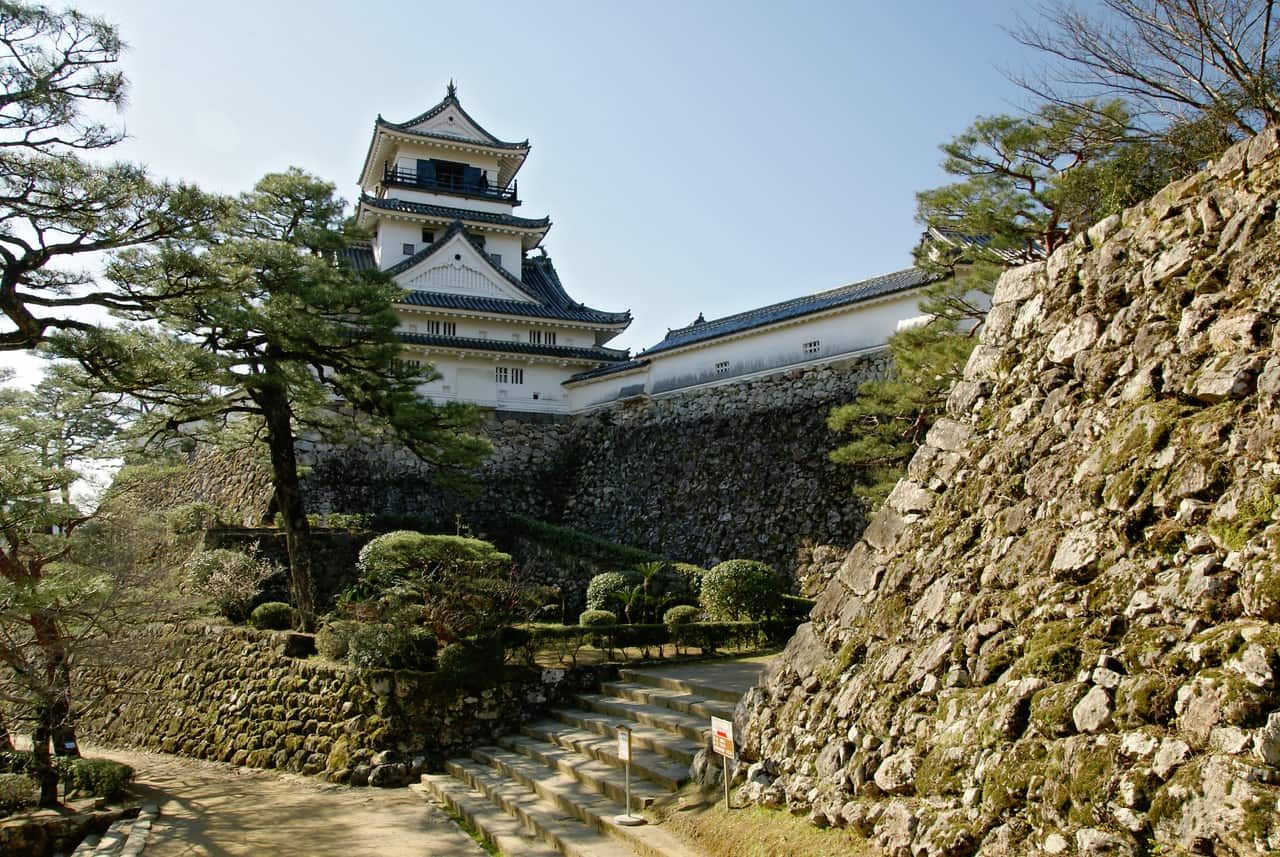
If you can see only one thing in central Kochi, I would say Kochi Castle. First, the rarity. Most castle keeps in Japan are postwar concrete reconstructions; the keeps that have genuinely survived from the Edo period or earlier without rebuilding — the "original keeps" — number just 12 in all of Japan, and Kochi is one. But what truly sets it apart is that it is the only one of those 12 to also keep its honmaru palace (Kaitokukan). At most castles the palace was demolished long ago and only the keep stands. At Kochi you can actually walk through the Edo-era palace where the domain lord worked and lived, then climb the three-tier, six-floor watchtower keep for the view over the whole city. That complete "keep plus palace" complex exists nowhere else in Japan.
The practicals are simple: admission to the keep is ¥420 for adults (per official 2026 info), open 9:00–17:00 (last entry 16:30), closed Dec 26–Jan 1. Enter through the Otemon gate and climb the stone steps; the angle where the Otemon frames the keep is the shot castle fans come for, so take it. The wooden stairs inside are steep and narrow — this is a genuine monument, not a touristified replica — and it feels it. For anyone into history or architecture, Kochi Castle is the best value of the whole trip: ¥420 for a genuine, national-treasure-grade original castle is almost absurdly cheap. Step out and the Sunday Market and Hirome Market are right there, so the route flows naturally.
Katsurahama & Sakamoto Ryoma
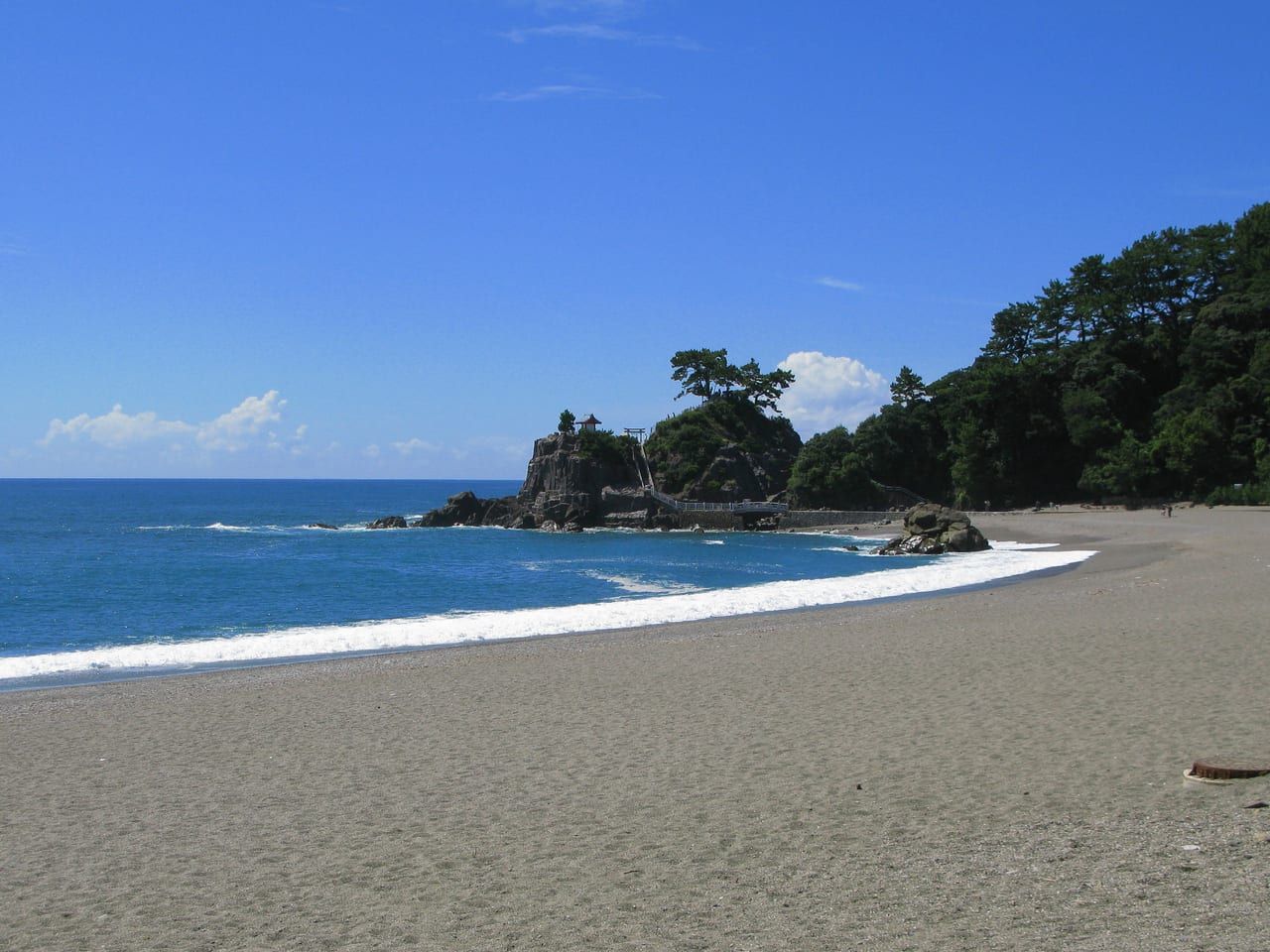
Kochi's most famous scene is Katsurahama — a crescent of sand facing the Pacific, with heavy surf and a wide-open horizon, and on the rise beside it stands that giant statue of Sakamoto Ryoma, arms folded, eyes on the sea. It is the star of every Kochi postcard. Ryoma was a Tosa (Kochi) native and one of the most popular activists of the Bakumatsu era, and this image of "Ryoma gazing out to sea" is practically the city's emblem — fans of the era come to Kochi largely for it.
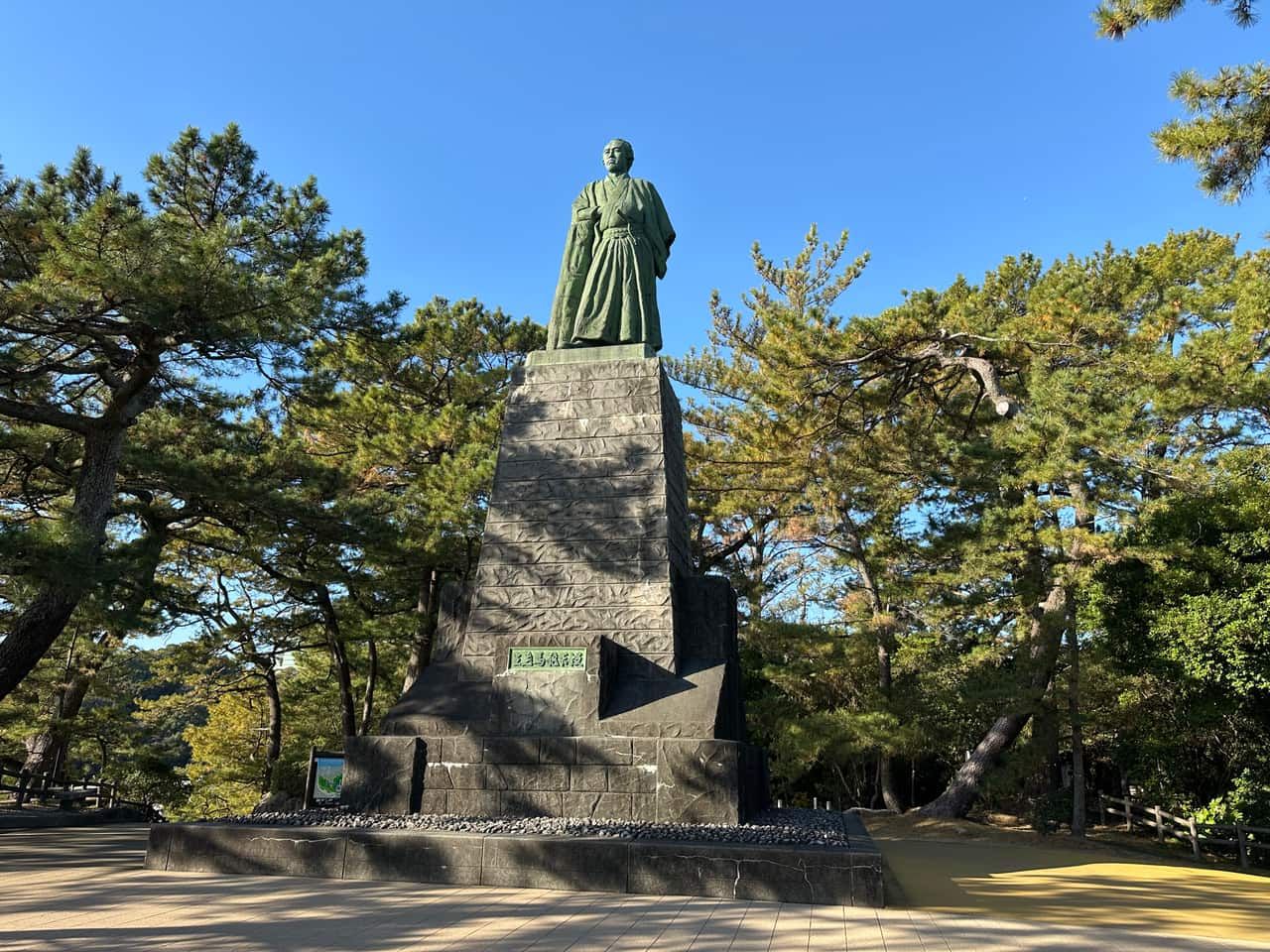
The beach itself is free; inside the grounds you will also find the ticketed Katsurahama Aquarium, a small shrine, and lookout spots — about 1–2 hours at a stroll. One important heads-up: the surf at Katsurahama is heavy and carries rip currents, so this is a place to look at the sea, not to swim in it — officials advise against entering the water, so watch children closely. Katsurahama sits a way out of the city; the MY-Yu sightseeing bus or a local bus takes about 30–40 minutes, and driving is easy too (there is parking). Spending half a day on the city center (castle, Hirome Market) and half a day at Katsurahama is a clean split. For what it is worth, if you are watching your budget, "the Ryoma statue plus the free beach" is Kochi's best-value sightseeing on its own; the aquarium is a maybe depending on whether you have kids in tow.
Katsuo tataki & Hirome Market
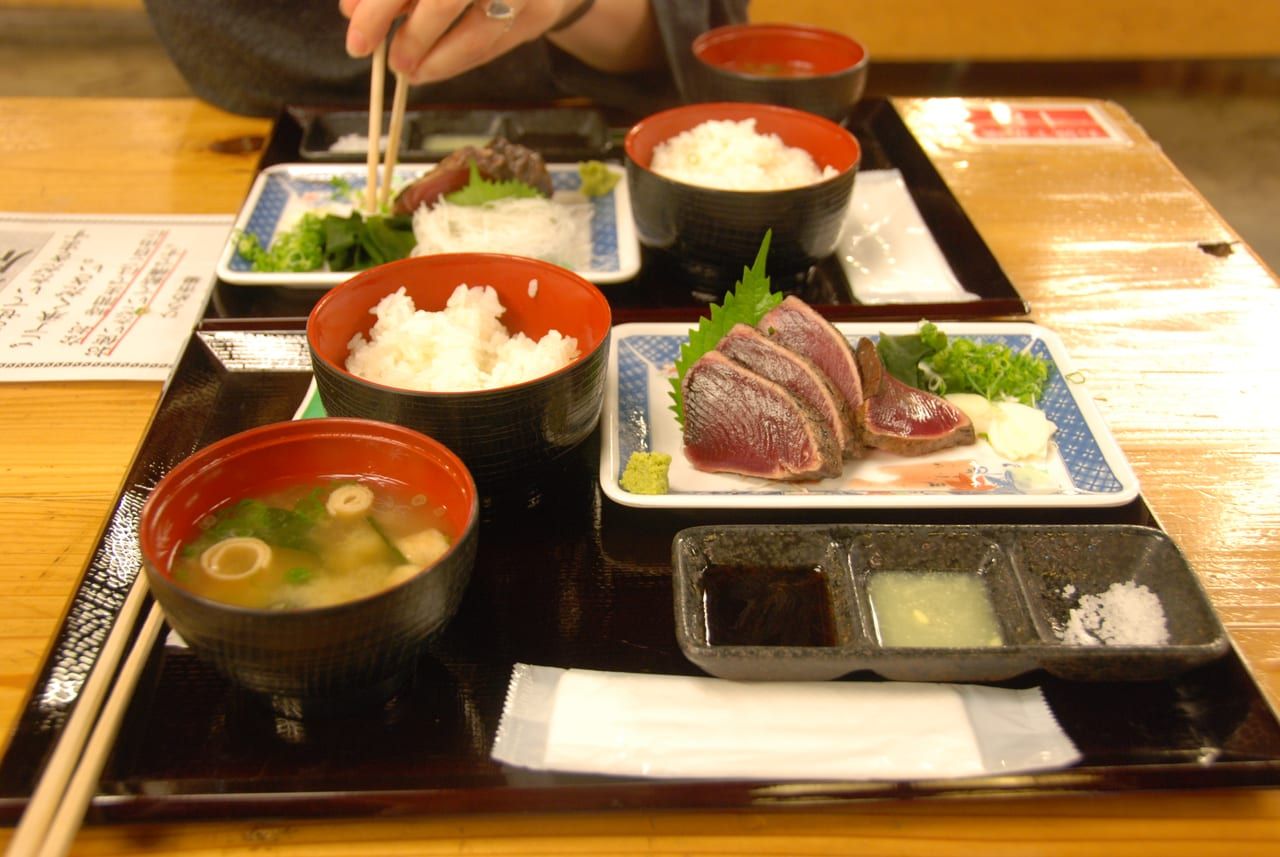
Coming to Kochi without eating katsuo tataki (seared bonito) means you did not really come. The method: blast the surface of fresh bonito over a fierce straw fire, keep the inside raw and barely warm, slice it thick, and serve it with a pile of garlic chips, ginger, scallion, and sudachi citrus — dipped in soy or eaten with just salt (shio-tataki). The straw's heat draws out the aroma on the surface without cooking the flesh, and it is nothing like the chilled bonito sashimi from a supermarket.
The liveliest, most quintessentially Kochi place to eat it is Hirome Market — a covered, stall-style food hall in central Kochi where dozens of vendors ring communal tables; you buy a plate, sit down, and eat with a beer or Tosa sake, and it buzzes from midday into the night. It is the most direct way to feel Kochi's drinking culture. Inside, "Myojinmaru" is the popular straw-seared bonito stall and the originator of the salt-tataki style, and you can watch the cooks sear the bonito over roaring straw flames — quite a show. Per traveler discussion, Myojinmaru and Yairo-tei are the market's two big draws, and to taste the bonito at its purest, the salt-tataki version is not masked by sauce, so the seared aroma and the fish's sweetness come through — that is the one I would order first. Hirome Market is right beside Kochi Castle, a 3-minute walk from the "Ohashidori" tram stop, so the castle and the market line up perfectly.
The Sunday Market: 300 years on the street
If you are in Kochi on a Sunday, do not miss the Sunday Market. This is the street market that has run on Otesuji, in front of the castle's Otemon gate, for over 300 years — per the city of Kochi, it traces back to 1690 (the third year of Genroku). It stretches roughly 1 km with about 300 stalls selling fresh produce, made-to-order snacks, knives and ironware, and potted plants — a genuine market locals actually shop at, not a tourist showpiece. It opens at dawn; come early for the fewest people and the freshest goods.
Note the seasonal hours: roughly 5:00–18:00 from April to September, 5:30–17:00 from October to March, every Sunday — but closed at New Year (Jan 1–2) and during the Yosakoi Festival (Aug 10–12). The joy of the Sunday Market is grazing stall by stall — grilled chicken skewers, taro tempura, cut fruit, washed down with a local drink, each finished beside the stand before you drift to the next — an ideal brunch. It sits right beside Kochi Castle, so "browse the Sunday Market at dawn → walk into the castle → roll over to Hirome Market for lunch" is the perfect Sunday half-day in Kochi.
The Shimanto River & Niyodo blue (worth the detour?)
Kochi's loudest natural calling card is the Shimanto River — billed as "Japan's last clear stream." Its signature sight is the chinkabashi (submersible bridges): low, railing-less bridges that flood right over when the water rises, deliberately designed not to obstruct the current. Set against clear water and farmland on both banks, they make for deeply soothing Japanese countryside. Along the river you can canoe, take a cruise, or cycle — a paradise for slow-travel lovers.
If you do rent, remember these are rural prefectural roads, not cycle paths: bicycles ride on the left in Japan, and the chinkabashi have no railings, so drifting to the right puts you on the unguarded edge. Since April 1, 2026, bicycle offences carry blue-ticket fixed penalties for riders aged 16 and up, and the priciest line on the schedule is holding a phone while riding, at ¥12,000 — with no warning stage, which matters on a river road where the temptation is to film or check the map as you go. A helmet is a duty of effort, not a fine. The full list is in our guide to how Japan tickets cyclists now.
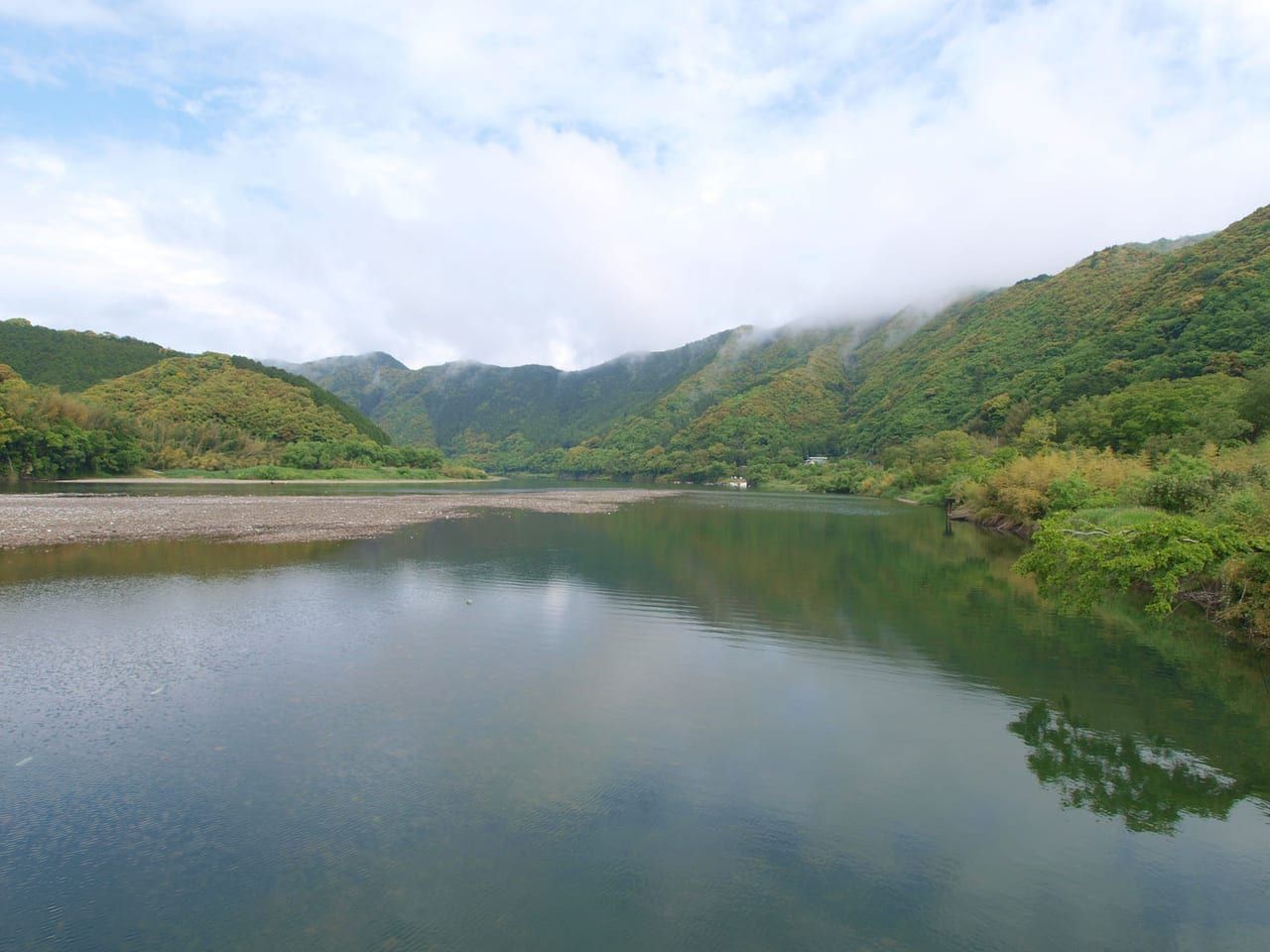
But here is the key thing to say plainly: the Shimanto River really is far. It is at the western edge of the prefecture, about 1h40–50m by limited express to Nakamura Station, and then you still need a rental car, a local town bus, or a rented bicycle to reach the chinkabashi — over 2 hours one way. So whether it is worth a dedicated detour comes down to your travel style:
- Worth it if you love a slow pace, cycling along the river, canoeing, and avoiding crowds — then Shimanto deserves its own full day, or even an overnight in Nakamura or by the river, so the day is not eaten by transit.
- Skip it if your trip is rushed and you want efficient sightseeing — stay in the city, do Kochi Castle, Katsurahama, and Hirome Market properly, and save Shimanto for a future self-drive.
If you want a clear stream without going that far, the Niyodo River (the "Niyodo blue") is a closer alternative — much nearer the city, with dreamy blue water, and ideal for drivers who can do it in a half day. My take is blunt: without a car and on a tight schedule, Shimanto's 2-hour ride is poor value — the Niyodo or staying in the city makes more sense; if you are happy to slow down and make Shimanto the focus of the trip, its clear stream and submersible bridges are genuinely one of a kind and worth the journey.
Yosakoi Festival & the best season
Kochi's wildest moment of the year is the Yosakoi Festival — a dance festival born here that later spread across Japan (even Sapporo's YOSAKOI is a descendant). Dancers carry naruko (small wooden clappers), clacking as they dance, and hundreds of teams parade and perform through the city streets with astonishing energy. In 2026 the schedule is Aug 9 (eve festival), Aug 10–11 (main festival), and Aug 12 (after-festival and national tournament), with around 197 teams and roughly 18,000 dancers per organizer info. Be warned: lodging in Kochi during the festival is extremely tight and prices jump, so book months ahead — and the Sunday Market is closed across those days.
Outside the festival, spring and autumn are the most comfortable seasons in Kochi — pleasant weather for castle visits and riverside walks. Summer is lively with Yosakoi but hot, humid, and prone to afternoon thunderstorms (Kochi is one of Japan's rainiest prefectures). Winter is mild with little snow — fine for the castle and markets, though Shimanto's greenery is muted. For pre-trip weather and packing, see our Japan packing & weather guide — Kochi summers are muggy, so plan for sun and rain alike.
Transport & lodging
Getting in has two main routes. By rail, the usual connection off the Sanyo Shinkansen: the limited express "Nanpu" runs direct from Okayama to Kochi in about 2 hours 30 minutes (per 2026 info, roughly ¥5,940 for fare plus the express charge, varying a little by season and seat). By air, fly into Kochi Ryoma Airport and take the airport bus into town. If your Shikoku trip leans on JR (Kochi + Matsuyama + Takamatsu, say), run the break-even math in our JR Pass guide to decide on a Shikoku or all-Japan pass first — but note that parts of the Tosa Kuroshio Railway's Nakamura Line out to Shimanto are not covered by the JR Pass and may be paid separately.
Within the city you rely on two things: Tosaden's trams (one of the oldest and longest-running active tram networks in Japan, with a handy flat-fare central zone), and the MY-Yu sightseeing bus — one ticket covers the flat-fare tram zone plus the bus out to Katsurahama, the best-value choice if you are heading there. The castle, Hirome Market, and the Sunday Market all cluster downtown within walking distance, while Katsurahama connects via the MY-Yu bus.
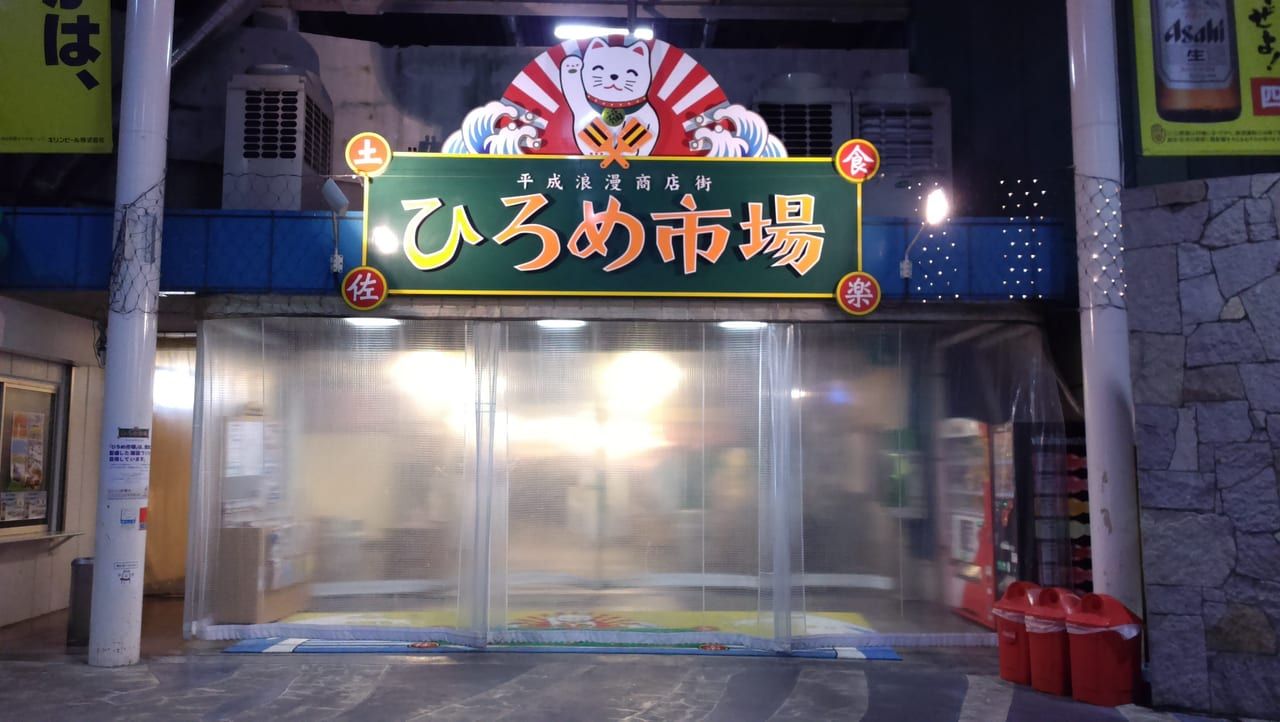
For lodging, the smart move is to stay in central Kochi (around the castle, Hirome Market, and the Harimaya Bridge) — the trams and buses depart from here, and the Sunday Market, Hirome Market, and the castle are all walkable. Business hotels and local inns span a wide price range and are not hard to book on weekdays; but during the Yosakoi Festival (mid-August) it gets brutally tight and prices spike, so book months ahead. If you are overnighting near Shimanto, the Nakamura (Shimanto City) area has onsen ryokan and riverside stays that spare you the day-return slog.
Sample itineraries
Here is the same material shaped into routes that flow:
- City-only day (tight on time): morning at Kochi Castle (Otemon photo, climb the keep and tour the honmaru palace) → next door to Hirome Market for Myojinmaru's salt-tataki with Tosa sake → afternoon on the MY-Yu bus to Katsurahama for the Ryoma statue and the coast → back to the city by evening. On a Sunday, browse the Sunday Market at dawn first, then the castle.
- Two days, one night (with Shimanto): Day 1 the city (as above); Day 2 an early limited express to Nakamura → transfer out to the Shimanto River to cycle or cruise the submersible bridges and canoe, returning in the evening. Without a car, lock in the limited-express times and pad the transfers.
- Chaining other Shikoku prefectures: north of Kochi you can connect to Matsuyama and Dogo Onsen for a thousand-year bathhouse, or over to Kagawa for Takamatsu and Naoshima for art and udon, building a 4–5 day Shikoku loop.
To sum up my advice in one line: the city core (castle + Katsurahama + Hirome + Sunday Market) is high-value and satisfying in a single day; Shimanto and the Niyodo's clear streams are the advanced option for those willing to slow down. Treat Kochi as a stop with a story and a food soul, not somewhere you just pass through.
FAQ
- Q1:How many days do you need in Kochi? Is a day trip enough?
- It hinges on whether you want the Shimanto River. For the city alone (Kochi Castle + Katsurahama + Hirome Market + the Sunday Market), one full day is plenty — those sights chain together on the tram and the MY-Yu sightseeing bus, and an overnight lets you catch the Sunday Market before you leave. But if you want the Shimanto River chinkabashi (submersible bridges), budget another full day: Shimanto sits at the far western edge of the prefecture, about 1h40–50m by limited express to Nakamura Station, and you still need a car or local transfer to reach the riverbank — a day return burns the whole day on transit. My call: tight on time, focus on the city for a day; with time to spare, do "city day + Shimanto day." To extend across Shikoku, head north to Matsuyama and Dogo Onsen or over to Takamatsu and Naoshima.
- Q2:How much is Kochi Castle, and what makes it special among the original keeps?
- Admission to the keep is ¥420 for adults (per official 2026 info), open 9:00–17:00 (last entry 16:30), closed Dec 26–Jan 1. Its rarity: Japan has only 12 surviving original castle keeps from the Edo period or earlier, and Kochi is the only one of those 12 that also kept its honmaru palace (Kaitokukan). At most castles the palace was demolished long ago, leaving the keep standing alone. Here you can actually walk through the Edo-era palace where the domain lord worked and lived, then climb the three-tier, six-floor watchtower keep for the city view — a complete castle complex you simply cannot see anywhere else. The shot of the Otemon gate framing the keep is a classic for castle fans, and that is no exaggeration: Kochi Castle is the real, genuine article.
- Q3:Is there an entry fee for Katsurahama, and where is the Ryoma statue?
- Katsurahama beach itself is free — it is Kochi's signature crescent of sand facing the Pacific, and the giant statue of Sakamoto Ryoma stands on the rise beside it, arms folded, gazing out to sea. This is the city's defining image and a pilgrimage for fans of the Bakumatsu era. Ryoma was a Tosa (Kochi)-born activist who helped broker the Satsuma-Choshu alliance and the return of power to the emperor, and the whole city is built around his story. Inside the grounds there is also the Katsurahama Aquarium (separate ticket) and a small shrine. One important warning: the surf at Katsurahama is heavy with rip currents — it is for looking, not swimming. Getting there from the city takes about 30–40 minutes on the MY-Yu bus or a local bus.
- Q4:Where do you eat katsuo tataki, and what is Hirome Market?
- Kochi's soul dish is katsuo tataki (seared bonito) — fresh bonito blasted on the surface over a straw fire while staying raw inside, sliced thick, and eaten with garlic chips, ginger, scallion, and sudachi citrus. The liveliest place to eat it is Hirome Market, a covered food-stall hall in central Kochi where you grab a plate and sit at communal tables. Inside, "Myojinmaru" is the famous straw-seared bonito stall and the originator of the salt-tataki (shio-tataki) style, and you can watch the dramatic straw-flame searing live. Per traveler discussion, Myojinmaru and Yairo-tei are the two big draws in the market — and the salt version lets the seared aroma and the fish's natural sweetness come through without sauce masking it, which is the one I would order first. Hirome Market is right next to Kochi Castle, a 3-minute walk from the "Ohashidori" tram stop, so the castle and the market fall on one line.
- Q5:Is the Shimanto River worth a 2-hour detour?
- Honestly, it depends on the kind of trip you want. The Shimanto is billed as "Japan's last clear stream," and its signature sight is the chinkabashi (submersible bridges) — low, railing-less bridges built to flood over rather than block high water — set against clear water and rice-field countryside, with canoeing and river cruises on offer. But it really is far: at the western edge of the prefecture, about 1h40–50m by limited express to Nakamura, then a car or transfer to the riverbank — over 2 hours one way. My take: if you love a slow pace, cycling along a river, and dodging crowds, Shimanto deserves its own full day (even an overnight). If your trip is rushed and you want efficient sightseeing, stay in the city and do Kochi Castle, Katsurahama, and Hirome Market properly, saving Shimanto for a future self-drive. The closer, dreamier alternative is the Niyodo River (the famous "Niyodo blue"), much nearer the city and ideal for drivers.
- Q6:How do you get to Kochi, and when is the Yosakoi Festival?
- Two main routes. By rail, the limited express "Nanpu" runs direct from Okayama to Kochi in about 2h30m (per 2026 info, roughly ¥5,940 for fare plus the express charge), the standard connection off the Sanyo Shinkansen. By air, fly into Kochi Ryoma Airport. In the city you use Tosaden's trams (one of Japan's oldest, longest active tram networks) plus the MY-Yu sightseeing bus (one ticket covers the flat-fare tram zone and the bus out to Katsurahama — good value). If your Shikoku trip leans on JR, run the numbers with our JR Pass guide first. As for the city's wildest event, the Yosakoi Festival runs in 2026 on Aug 9 (eve), Aug 10–11 (main festival), and Aug 12 (after-festival and national tournament), with around 18,000 dancers in the streets — lodging gets extremely tight, so book months ahead.
Related reading:
Matsuyama & Dogo Onsen Guide 2026: Honkan, Castle, Train
Dogo Onsen Honkan fully reopened in July 2024 (bathing from ¥700), and Matsuyama Castle is one of Japan's 12 original keeps — plus Asuka-no-Yu, the castle ropeway, the Botchan train, and access from Okayama.
Takamatsu & Naoshima Guide 2026: Ritsurin & Art Island
55 minutes from Okayama over the Seto Ohashi to Takamatsu, then a ferry to Naoshima for Ando's Chichu Art Museum and Kusama's pumpkins — Ritsurin, Sanuki udon, ferries and a two-day plan.
JR Pass 2026: Is It Still Worth It?
Four real routes calculated, six alternatives that may beat the Pass.