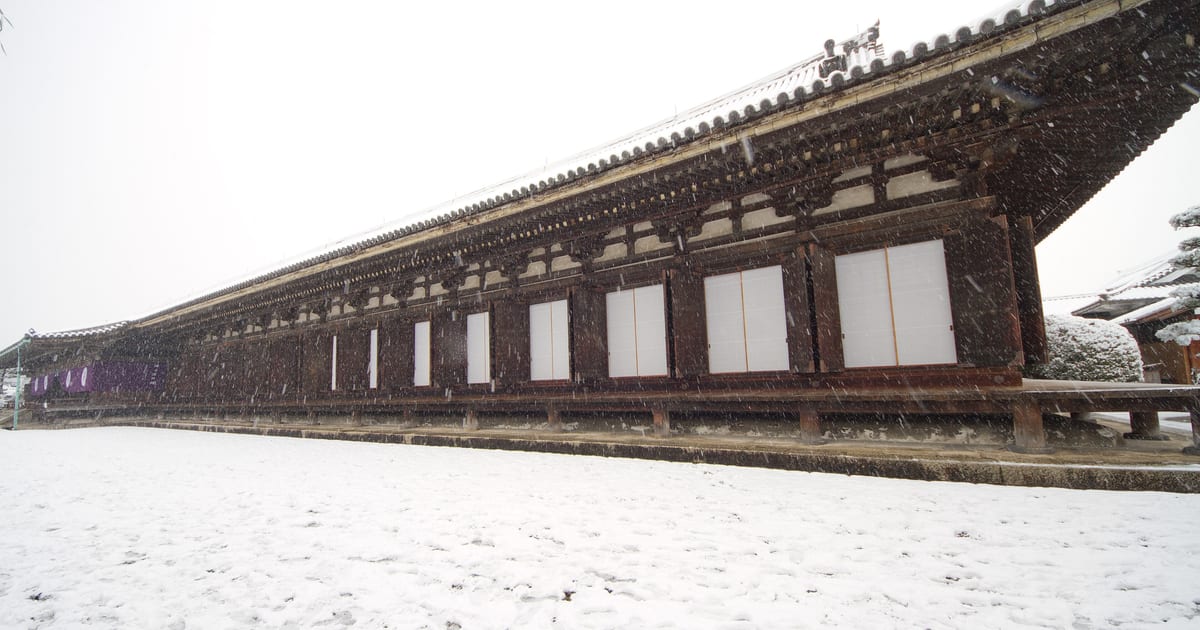
Kamigamo Shrine was opened to the public twice in 2026. In summer it cost 800 yen. In autumn it cost ¥1,000. The difference is not a price rise — two entirely different organisations ran those two openings, one describing its programme in writing as a countermeasure for the tourist off-season, the other stating that the admission money goes toward repairing the buildings. Opposite purposes, which forces them into opposite seasons. This article puts both organisations' own documents side by side so you can tell which one you are holding a listing for, because that single fact determines what you pay, what time the door opens, and whether you need to book.
This covers the cross-temple opening systems, not any single site. For when the maples actually turn and how to dodge the crowds, see Kyoto autumn foliage: where and when. For getting around the city and whether a day pass pays off, see Kyoto transport and passes explained.
- This is not one event, it is two. Kyoto City and the Kyoto City Tourism Association run winter and summer; the Kyoto Old Culture Preservation Association runs spring and autumn.
- Opposite purposes force opposite seasons. The city calls its programme an off-season countermeasure; the association holds its openings in support of Cultural Property Protection Emphasis Week, 1 to 7 November.
- Four windows a year, not two. In 2026: 9 Jan to 18 Mar, 1 Mar to 12 Apr plus 25 Apr to 10 May, 10 Jul to 30 Sep, and 30 Oct to 6 Dec.
- 800 yen is a base rate, not the price of a site. Six of the fifteen sites in the 60th winter edition were something else, topping out at 3,000 yen.
- Arrive in the first week of January and you will see none of it. The campaign period starts 1 January; the openings start on the 9th.
- The one you can act on now opens 30 October. The 62nd edition, 32 sites across Kyoto Prefecture, was announced on 7 August 2026. The 2027 winter edition has no official information at all.
Contents (click to expand)
- Which body is running the opening you found?
- Why does one run in the quiet season and the other in the busy one?
- How many windows are there in a year?
- What goes wrong if you book by the advertised campaign dates?
- Is it really 800 yen a site?
- Why does the same shrine get opened twice?
- Which window can you actually attend right now?
- Do you need to book?
- When does the 2027 winter programme get announced?
- What officials have never published
- So how should you plan it?
- Appendix: official Japanese source text
Which body is running the opening you found?
Read the name first. Anything called Kyo no Fuyu no Tabi or Kyo no Natsu no Tabi is the city side; anything called the Kyoto Non-Public Cultural Property Special Opening is the preservation association.
Underneath those two names sit two legal bodies, two sets of rules and two price lists. Here are their own self-descriptions in one table.
| Kyo no Fuyu / Natsu no Tabi | Non-Public Cultural Property Special Opening | |
|---|---|---|
| Organiser | The participating temples and shrines, Kyoto City, and the Kyoto City Tourism Association (printed as an explicit organiser line in the page footer) | Kyoto Old Culture Preservation Association (no organiser line on the event pages; the association's own site lists it as one of its undertakings) |
| Legal form | Public interest incorporated association plus a municipal government | Public interest incorporated foundation, self-described as composed of the owners and custodians of cultural properties |
| What it calls itself | A campaign undertaking | A cultural-property awareness undertaking |
| Started | January 1967 | 1965 |
| Edition numbering | Winter and summer numbered separately (2026 = 60th winter, 51st summer) | Only autumn carries a number; spring never has |
| Base rate | 800 yen adult / 400 yen elementary, per site | ¥1,000 adult / ¥500 junior and senior high, per site |
| Reception hours | 10:00–16:30 (last entry 16:00) | 9:00–16:00 |
The most useful row is the last one. The association opens an hour earlier. If your plan is three sites in a day, that hour is the difference between three and two.
The organiser row needs an honest note. The city side's two campaign pages do print a verbatim organiser line in the footer, and the winter page adds a supporting-body line under it. The preservation association's event announcements carry no organiser line at all — only a first-person statement that it is holding the event, plus a contact address for its secretariat. What ties the programme to the association is the entry in its own list of undertakings, where the special opening appears under its own name. The only official prospectus is a 6.2 MB scanned image PDF that I did not read. So this is a comparison of what each side publishes, not a symmetrical comparison of two organiser lines.
Why does one run in the quiet season and the other in the busy one?
Because each side has written down a reason, and the two reasons point in opposite directions.
Kyoto City defines Kyo no Fuyu no Tabi and Kyo no Natsu no Tabi, word for word, as a campaign undertaking carried out as a countermeasure for the slow seasons of summer and winter, delivering special openings of non-public cultural properties along with experiences particular to Kyoto. The operative phrase there is not "special opening" but "slow season". The programme exists to move visitors into the months when nobody comes.
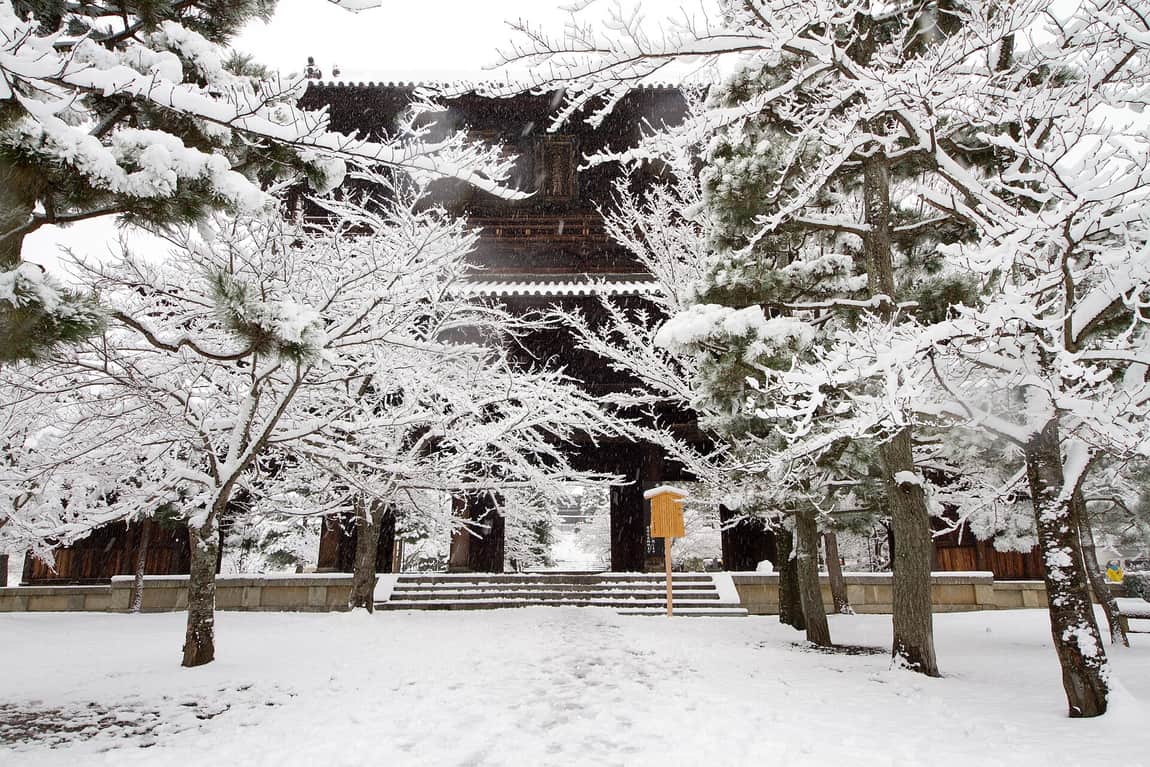
The preservation association's stated reason points somewhere else entirely. Its site defines the special opening as a cultural-property awareness undertaking held in support of Cultural Property Protection Emphasis Week, which falls on 1 to 7 November every year, and its event announcements state that the admission money collected goes toward conservation, repair and maintenance so the properties survive into the future. Its anchor is that week in November, which is exactly why the autumn opening sits where it does. Spring was added in 1999, in the association's own phrasing, as a second annual occasion alongside it.
Stack those two sentences and the seasonal split needs no further explanation: one side is filling January to March and July to September, the other is anchored to early November with a spring addition. They do not collide, because colliding would defeat both stated purposes.
One row of that comparison only exists on one side. The association states where the money goes; Kyoto City publishes nothing about what happens to admission revenue from its programmes. That gap is left as a gap here.
The winter window has a second identity
Kyoto City's press release of 21 November 2025 describes the 60th Kyo no Fuyu no Tabi as a destination campaign run jointly with the six JR Group companies. In other words that particular window doubles as a rail-industry passenger drive. The summer release carries no such line, and the preservation association has nothing comparable anywhere.
How many windows are there in a year?
Four: winter, spring, summer and autumn, with spring split into two blocks.
Here is the 2026 season laid out, with the publication status of each cell marked.
| Winter, 60th | Spring 2026 | Summer, 51st | Autumn, 62nd | |
|---|---|---|---|---|
| Organiser | City + tourism assoc. | Preservation assoc. | City + tourism assoc. | Preservation assoc. |
| Viewing period | 9 Jan – 18 Mar 2026 | 1 Mar – 12 Apr 25 Apr – 10 May | 10 Jul – 30 Sep 2026 | 30 Oct – 6 Dec 2026 |
| Campaign period | 1 Jan – 22 Mar | — | 1 Jul – 30 Sep | — |
| Reception hours | 10:00–16:30 | 9:00–16:00 | 10:00–16:30 | 9:00–16:00 |
| Base rate | ¥800 / ¥400 elem. | ¥1,000 / ¥500 | ¥800 / ¥400 elem. | ¥1,000 / ¥500 |
| Number of sites | 15 (stated officially) | No official total | No official total | 32 (stated officially) |
| Area covered | Kyoto city | Kyoto, Uji, Yawata, northern Kyoto | Kyoto city | Kyoto, Yawata, Kameoka, Ayabe, Maizuru, Miyazu, Ine |
| Announced | 21 Nov 2025 | 3 Apr 2026 | 5 Jun 2026 | 7 Aug 2026 |
| Status now | 🔴 Finished | 🔴 Finished | 🔴 Finished 30 Sep | 🟢 Announced, opens next month |
Read the site-count row carefully. Only the winter figure of 15 and the autumn figure of 32 are stated by the organisers themselves. Neither the spring nor the summer opening publishes a total, so any unattributed number you see for those two was counted by somebody, not published.
Edition numbering also runs on two systems. On the city side winter and summer are counted separately, which is why 2026 holds both a 60th and a 51st edition; those are not points on one sequence. On the association side only autumn is numbered, counted from 1965, making the 2026 opening the 62nd autumn. Spring, added in 1999, has never entered that count, and its announcements simply carry no number. If you see an edition number, you are looking at autumn. If a spring announcement has none, nothing is missing.
What goes wrong if you book by the advertised campaign dates?
You can waste eight days. On the city side the campaign period and the viewing period are two different things.
This is the single most expensive detail in the article, so it gets its own table.
| Window | Campaign period | Viewing period | Gap |
|---|---|---|---|
| Winter, 60th | 1 Jan – 22 Mar 2026 | 9 Jan – 18 Mar 2026 | 8 days at the front, 4 at the end |
| Summer, 51st | 1 Jul – 30 Sep 2026 | 10 Jul – 30 Sep 2026 | 9 days at the front |
Understanding that table takes three seconds; not understanding it costs a day. From 1 to 8 January, not one site was open, and from 19 to 22 March the openings had already closed while the campaign banner was still up. Summer has the same shape at the front, with a nine-day gap, and no gap at the back.
If your trip straddles New Year, plan around this. Kyoto is not short of things to do in the first week of January, but Kyo no Fuyu no Tabi is not one of them yet. For what genuinely happens in that week, see Kyoto at New Year: bells, first visits and getting home, whose sixteen-shrine seal circuit runs right through to 15 February and picks up where this gap ends.
Is it really 800 yen a site?
That is a base rate, not the price of any site. Six of the fifteen sites in the 60th edition were something else.
The official page says so itself: it prints the base rate of 800 yen for adults and 400 yen for elementary pupils per site, then immediately adds a line stating that some facilities charge differently, then lists the exceptions. So the correct reading is simple — find the exception list before you multiply by the number of sites.
| Exception in the 60th edition | Adult | Other brackets |
|---|---|---|
| Kodaiji (includes the normally open areas) | ¥600 | ¥250 secondary; elementary free with a guardian |
| Ninnaji Kannondo | ¥700 | Free for high school age and below |
| Toyokuni Shrine, study hall and treasure hall | ¥1,000 (13 and over) | ¥500 elementary; no group discount |
| Toji five-storey pagoda (includes normally open areas) | ¥1,200 | ¥700 high school; ¥500 elementary and junior high |
| Daigoji Sanboin | ¥800 (13 and over) | Plus the ordinary Sanboin admission of ¥600 |
| Nishi Honganji, priest-guided visit to the study hall and Hiunkaku exterior | ¥3,000 | Same price from elementary age up |
| Higashi Honganji, priest-guided visit to the halls and bell tower | ¥2,700 | Same price from elementary age up |
From 600 yen to 3,000 yen inside a single programme is a factor of five. Take that table as evidence of what this thing actually is: not one ticket, but fifteen separately priced admissions packaged under one campaign name.
The Kodaiji row is the most counterintuitive line in the article
Kodaiji's own website publishes its ordinary admission as 800 yen for adults and 400 yen for junior and senior high students, open 9:00 to 17:30 with last entry at 17:00, plus a combined ticket with Entokuin at 1,200 yen. During the 60th Kyo no Fuyu no Tabi, Kodaiji charged 600 yen for adults and 250 yen for secondary students, and the official listing notes that this included the normally open areas.
Joining the campaign made it cheaper than turning up on an ordinary day. The off-season logic is written directly into the price: if the point of the window is to pull visitors into the empty months, discounting makes more sense than surcharging. The same temple charged the full 800 yen during the 51st summer edition, matching its ordinary rate, so the discount belonged to winter alone. And note where that discount was published — on the campaign page only, never on the temple's own site. Anyone checking Kodaiji directly would never learn it existed.
To be precise about what that is: a figure from the 60th edition. Pricing for the 61st is officially unstated, so do not carry 600 yen forward into 2027.
What the other side's price list looks like
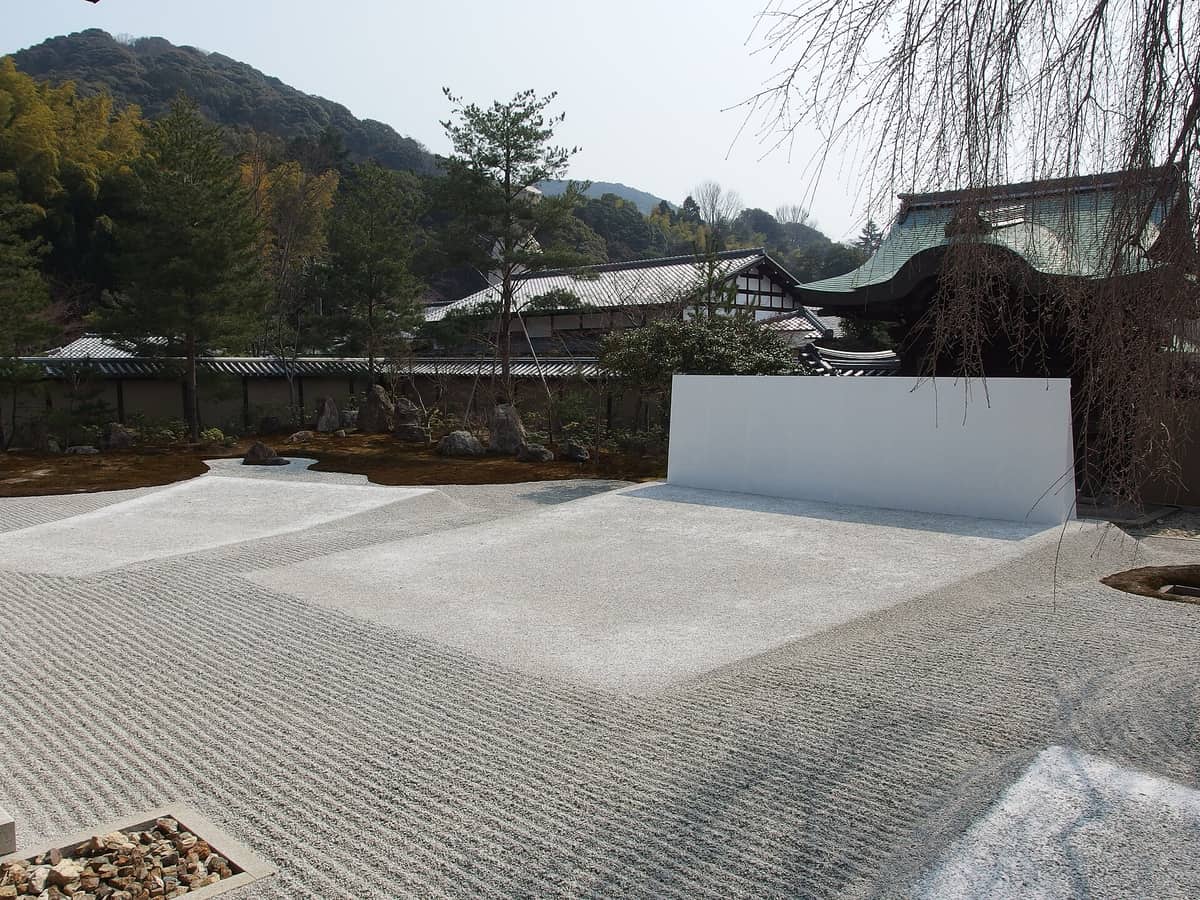
The preservation association works from a base rate of ¥1,000 for adults and ¥500 for junior and senior high students per site, applied in both the spring opening and the 62nd autumn opening. It has exceptions of its own: Toji's lecture hall and pagoda run at 1,200 yen.
One clause matters a great deal to families. The association states in writing that when accompanied by a guardian, one child of elementary age or below is admitted without charge. Note the word "one" — bring two and the second one pays. The city side has no equivalent blanket rule; individual sites declare their own, as Kodaiji did in the 60th edition.
Why does the same shrine get opened twice?
Because both bodies negotiate independently, and they are negotiating over the same short list of places.
| Site | City side | Preservation association | What differs |
|---|---|---|---|
| Kamigamo Shrine | Summer 51st, main and auxiliary sanctuaries, ¥800 | Spring 25 Apr – 6 May; autumn 62nd, 31 Oct – 6 Dec, ¥1,000 | Twice in one year, ¥200 apart |
| Shimogamo Shrine | Summer 51st, main sanctuary and Oiden, ¥800 | Spring 25 Apr – 6 May; autumn 62nd, ¥1,000 | Same pattern |
| Toji five-storey pagoda | Winter 60th, ¥1,200 (8:30–17:00) | Spring ¥1,200; autumn 62nd lecture hall and pagoda ¥1,200 (reception 8:00–16:30) | Same price, different hours |
| Kodaiji | Winter 60th ¥600; summer 51st ¥800 | — | Cheaper than ordinary in winter |
| Nishi Honganji Hiunkaku | Winter 60th, exterior only | Autumn 2025 61st, the building itself | Same structure, exterior only in winter |
The Toji row carries the most practical value. Same price, different answer to whether you can get in early. The association's spring and autumn dates open reception at 8:00 against the winter programme's 8:30, and if your plan is to photograph the pagoda before the crowd arrives, that half hour is real.
The Nishi Honganji row is a different kind of warning: the same building name can mean the outside of it. The 60th winter listing specified the exterior; the 61st autumn opening in 2025 covered the building itself. Read the line describing the scope of the opening, not just the building name.
One honest limit applies to this whole table. Neither organiser publishes a site-by-site statement of whether two openings of the same place cover the same interior. Whether Kamigamo's autumn opening covered the same sanctuaries as its summer one is simply not stated. So the claim here stops at the same shrine being opened once by each body in the same year at different prices, and does not extend to identical access sold at two prices.
Which window can you actually attend right now?
The 62nd edition, 30 October to 6 December 2026, covering 32 sites across Kyoto Prefecture.
Announced on 7 August 2026, this is the only one of the four windows that has not yet started and already has complete details. The base rate is ¥1,000 for adults and ¥500 for junior and senior high students, per site, with reception running 9:00 to 16:00.
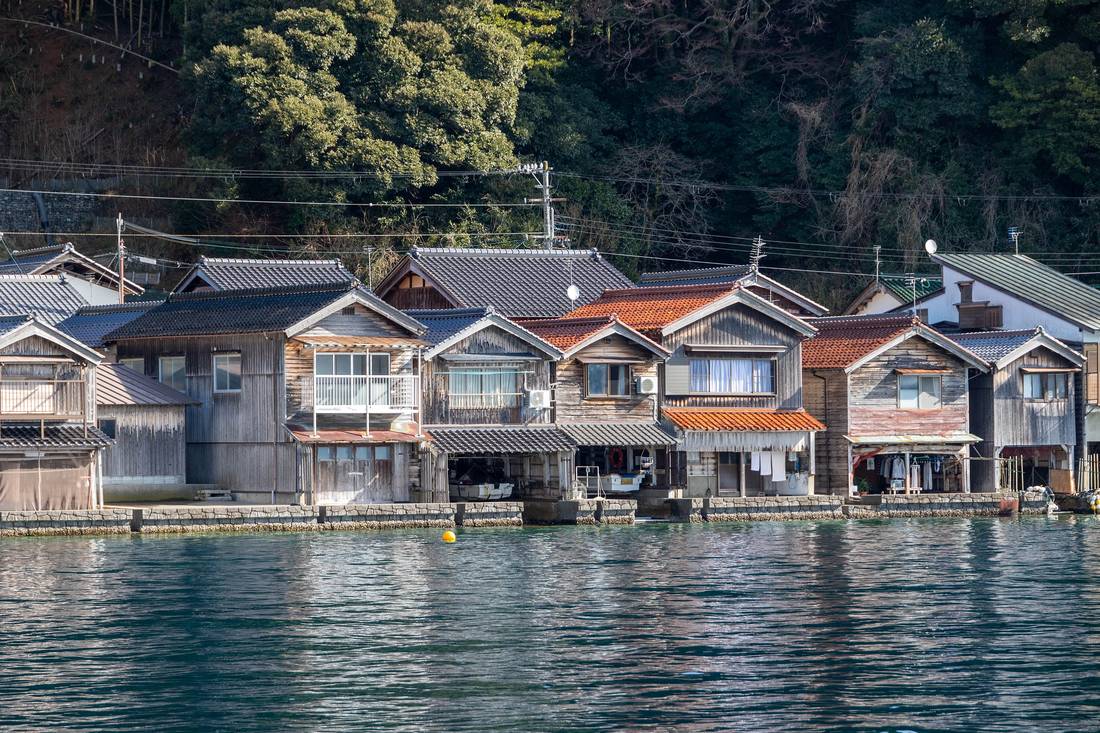
The most surprising part is the geography. Those 32 sites are not all in Kyoto city. The municipalities on the official list are Kyoto, Yawata, Kameoka, Ayabe, Maizuru, Miyazu and Ine — from the city all the way to the Sea of Japan coast. The list includes places that are normally closed outright, such as the Reizei family house, the Omotesenke Kitayama Kaikan, Rinshoin, Kyushoin, the Kameyama castle site and Izumo Daijingu, and a good number of them are not maple-viewing destinations at all. The organiser publishes the total and the site-by-site list, but no breakdown per municipality.
The window sits squarely on top of Kyoto's busiest six weeks, and that should be said plainly: 30 October to 6 December is peak autumn. The redeeming feature is that many of these sites are not on the foliage circuit, which makes them a parallel route rather than another queue. If you want both, the foliage timing and crowd-avoidance routes are covered in our Kyoto maple guide and are not repeated here.
Budget travel time for the northern sites. Maizuru, Miyazu and Ine are not a bus ride from central Kyoto, and folding one of them into a city day will cost you the afternoon. For how the networks and passes fit together, see getting around Kyoto without wasting a day.
Do you need to book?
Generally not. Both organisers state in writing that reservations are unnecessary.
The city side says individual visits require no booking, while noting that a small number of sites are reservation-only in winter or run a web-booking-priority system in summer. The association says advance booking is basically unnecessary, and asks only that groups of fifteen or more contact the secretariat beforehand.
The exceptions come in three shapes. Handle whichever one you meet:
- Reservation-only individual items. In the 60th edition these were the priest-guided visits at Nishi Honganji, at 3,000 yen, and Higashi Honganji, at 2,700 yen. Kyoto City's press release states that online booking is required and closes fifteen minutes before each start time, through the organiser's own system.
- Web-booking priority. The summer programme's wording. You can still turn up, but booked visitors go first.
- Individual temples that ask for advance arrangement. Matsunoodera in the 62nd edition is one. Read the small print on each entry in the list, not just the overall dates.
Admission itself is paid on site, per location. There is no combined ticket and no e-ticket, which means there is nothing here that can be bought in advance as a product.
The only genuinely bookable items are the guided circuits, and both organisers sell those through their own channels: the city side through the Kyoto Teiki Kanko Bus service, the association linking directly from its spring announcement to Yasaka Taxi's sightseeing taxi and to Keihan Bus's own booking page.
One sentence needs to be precise. The single third-party channel I could check directly returned a 403, so the accurate statement is that I found no matching product on any checkable channel — not that none exists anywhere. If you want something locked in before departure, going through the organisers' own pages is the route that is known to work.
When does the 2027 winter programme get announced?
Nothing had been published as of 4 September 2026. Expect it in late November 2026.
Start with the current state. The tourism association's winter campaign page now reads simply that the 60th edition has ended, and Kyoto City's September 2026 press release index contains no 61st edition. Dates, site list, pricing and theme are all officially unstated.
The late-November expectation is not a guess. Two precedents support it:
| Window | Kyoto City press release | Viewing period opened | Lead time |
|---|---|---|---|
| Winter, 60th | 21 Nov 2025 | 9 Jan 2026 | About 7 weeks |
| Summer, 51st | 5 Jun 2026 | 10 Jul 2026 | About 5 weeks |
Web archive snapshots agree independently. The winter campaign page still carried the 59th edition on 7 November 2025 and had switched to the 60th by 16 December, placing the changeover around the 21 November press release.
So plan it this way: check Kyoto City's press release index and the tourism association's winter page again in late November 2026. Until then, anything presenting a 2027 site list has no official basis, and anything quoting 800 yen as the 2027 price is quoting a finished edition.
One thing that looks official but is not: commercial pages sometimes carry a data-refresh note such as "as of October 2025". That is that page's own update stamp, not the organiser's announcement date — it predates Kyoto City's 21 November release by a month, which by itself shows it cannot be the announcement.
What officials have never published
Listing what is unknown matters more here than padding out what is known.
| Item | Status |
|---|---|
| Dates of the 61st edition (winter 2027) | ⚪ Officially unstated |
| Site list for the 61st edition | ⚪ Officially unstated |
| Pricing for the 61st edition | ⚪ Officially unstated; do not carry 800 yen forward |
| Theme of the 61st edition | ⚪ Officially unstated |
| Spring 2027 opening | ⚪ Officially unstated |
| Total site counts for summer and spring | ⚪ Not published; circulating figures are private tallies |
| Where the city side's admission money goes | ⚪ Not stated (the association does state it) |
| Whether two openings of one site cover the same scope | ⚪ Never stated site by site |
| Verbatim organiser line for the autumn opening | ⚪ Only in a scanned image PDF, which I did not read |
The pricing row is the one that will actually cost somebody money. 800 yen was the base rate of the 60th edition, and the 60th edition is over. Using it to budget a 2027 trip means applying a finished window's number to a window that does not yet exist.
So how should you plan it?
Identify which side is running it, then decide how densely to pack the day.
The identification takes three steps. Check the name: Kyo no Fuyu no Tabi or Kyo no Natsu no Tabi means the city side, Non-Public Cultural Property Special Opening means the association. Check the base rate: 800 with 400 is the former, 1,000 with 500 is the latter. Check the opening time: 10:00 is the former, 9:00 is the latter. Those three signals corroborate each other, and if they disagree you are reading a second-hand summary rather than the source.
Then choose by what you actually want:
- Something you can attend now: the 62nd edition, 30 October to 6 December 2026. Thirty-two sites, 1,000 yen, doors at nine. Good for anyone who wants more than maples out of a Kyoto autumn.
- Fewest people: watch January to March and July to September. Those are precisely the gaps this programme was built to fill, and they are also when Kyoto rooms are cheapest. That is information, not a recommendation — Kyoto is genuinely cold in February and genuinely punishing in August, and that trade-off is yours.
- Arriving around New Year: do not put Kyo no Fuyu no Tabi anywhere before 9 January.
- One day, maximum sites: pick one of the association's windows. Nine o'clock beats ten by roughly one extra site.
- The priest-guided visits at either Honganji: reservation-only, online, closing fifteen minutes before the start. Do not plan to ask at the gate.
- Planning 2027: come back in late November 2026. Right now the only defensible statement is that an announcement is expected then.
One closing thought worth carrying into the trip. What makes these two systems valuable is not that they are cheap or rare, but that they open normally closed places on a fixed schedule, at a published price, under published rules. You do not need an introduction or a connection. Work out which side is running it, what time the door opens, and whether that particular entry needs booking, and you can walk in. That is the whole judgement this article is asking you to make.
Appendix: official Japanese source text (click to expand)
The Japanese passages quoted above are collected here so you can check them yourself.
1. Kyoto City (page 0000315527): definition of the programme
夏季・冬季の閑散期対策として、非公開文化財の特別公開や歴史・伝統文化など京都ならではの特別な体験を提供するキャンペーン事業
2. Kyoto City Tourism Association campaign pages, footer organiser line
主催:各公開寺社・京都市・公益社団法人京都市観光協会
後援:公益財団法人京都市文化観光資源保護財団
主催:各公開寺社および施設・京都市・公益社団法人京都市観光協会
3. Kyoto City press release (page 0000347844, 21 November 2025)
京都市及び京都市観光協会(DMO KYOTO)では、来年1月から3月にかけて、JRグループ6社と連携したデスティネーションキャンペーンとして「京の冬の旅」を実施します。
インターネットでの予約が必要です(完全予約制・当日15分前〆)
4. Kyoto Old Culture Preservation Association, list of undertakings
非公開文化財特別公開事業
文化財保護強調週間(11月1日~7日)に協賛する、文化財愛護の普及啓発事業です。(…)昭和40年より実施し、平成11年からは春季とあわせて年2回開催しております。
文化財所有者・管理者で構成される本協会
5. Preservation association, 62nd edition announcement (7 August 2026)
この秋は京都府内32か所の文化財を公開します
皆様から頂戴しました拝観料は、貴重な文化財を未来に伝えるため、保存修理・維持管理等に役立てられます
保護者同伴につき、小学生以下のお子様一名の拝観料は頂戴しておりません
6. Booking rules on both sides
個人での拝観は予約不要です。但し、一部「完全予約制」の箇所がございます。
個人での拝観は予約不要です。但し、一部「WEB予約優先制」の箇所がございます。
基本的に事前のご予約は不要ですが、15名以上の団体様は事前に事務局までご連絡を
7. How the price is written, and the exception clause
料金(1ヶ所)大人 800円/小学生 400円
※一部料金が異なる施設がございます
8. Current wording on the winter campaign page
第60回「京の冬の旅」は終了いたしました。
9. 60th-anniversary page: when the winter programme started
昭和42年(1967年)1月に始まり、令和8年(2026)で記念すべき60回目を迎えます
Frequently Asked Questions
- Q1:Who actually runs Kyoto’s "special openings"?
- Two separate bodies run two different things. The first is Kyoto City together with the Kyoto City Tourism Association, a public interest incorporated association, plus the individual temples and shrines being opened. Their programmes are called Kyo no Fuyu no Tabi in winter and Kyo no Natsu no Tabi in summer, and Kyoto City defines them in writing as a tourism campaign undertaken as a countermeasure for the slow seasons of summer and winter. The second is the Kyoto Old Culture Preservation Association, a public interest incorporated foundation, which runs the Kyoto Non-Public Cultural Property Special Opening. Its own website lists that as one of its own undertakings, describes it as a cultural-property awareness programme held in support of Cultural Property Protection Emphasis Week, which runs 1 to 7 November, and states in writing that admission money goes toward conservation, repair and maintenance. One caveat about how solid that comparison is: the city side prints an explicit organiser line in the footer of its campaign pages, while the association's event announcements carry no organiser line at all, only a first-person announcement and a contact address for its secretariat. The single official prospectus is a scanned image PDF that I did not read.
- Q2:How many of these openings happen in a year, and when?
- Four. Taking the 2026 season as the example: the 60th Kyo no Fuyu no Tabi ran its viewing period from 9 January to 18 March, the spring Non-Public Cultural Property Special Opening ran in two blocks from 1 March to 12 April and 25 April to 10 May, the 51st Kyo no Natsu no Tabi ran from 10 July to 30 September, and the 62nd autumn opening runs from 30 October to 6 December. The two organisers even count editions differently. On the city side, winter and summer are numbered as separate series, which is why 2026 contains both a 60th and a 51st edition. On the association side only the autumn opening carries an edition number, counted from 1965; spring was added in 1999 and has never been given a number, so the official announcements are simply titled the spring Kyoto Non-Public Cultural Property Special Opening with no figure attached.
- Q3:Is every site 800 yen?
- No, and the spread is wide. The city side publishes its price as a base rate of 800 yen for adults and 400 yen for elementary school pupils per site, immediately followed by a line stating that some facilities charge differently, and then a list of exceptions. Of the fifteen sites in the 60th winter edition, six were not 800 yen: Kodaiji at 600 yen, the Ninnaji Kannondo at 700 yen, Toyokuni Shrine at 1,000 yen, the Toji five-storey pagoda at 1,200 yen, the priest-guided special visit at Nishi Honganji at 3,000 yen, and the equivalent at Higashi Honganji at 2,700 yen. Daigoji Sanboin was nominally 800 yen but required the separate ordinary admission of 600 yen on top. The association side works from a different base rate, 1,000 yen for adults and 500 yen for junior and senior high school students, used in both the spring and autumn openings, and it has exceptions too: Toji is 1,200 yen there as well. Treat both figures as base rates, never as the price of any particular site.
- Q4:Why did Kamigamo Shrine open twice in one year at two different prices?
- Because two different organisers opened it. In summer 2026 the city side opened the main and auxiliary sanctuaries as part of the 51st Kyo no Natsu no Tabi at the 800 yen base rate. In the same year the preservation association opened it once in spring and again in the 62nd autumn opening at its own 1,000 yen base rate. Shimogamo Shrine follows exactly the same pattern. Toji is a different kind of comparison: both sides charge 1,200 yen for the pagoda, but reception hours differ, running 8:30 to 17:00 during the winter programme against 8:00 to 16:30 on the association's spring and autumn dates. One honest limit here: neither organiser publishes a site-by-site statement of whether the two openings cover the same interior. So the accurate claim is that the same shrine was opened once by each body in the same year at different prices, not that identical access was sold at two prices.
- Q5:What happens if I book around the dates the campaign advertises?
- You can lose over a week. The city side publishes two different periods and they are not the same thing. For the 60th edition the campaign period ran 1 January to 22 March 2026, but the actual special openings ran only 9 January to 18 March. That means nothing was open during the first eight days of January, and the last four days of the campaign had nothing left to see. The summer edition had the same shape at the front, with a campaign period opening on 1 July and the viewing period starting on 10 July, although both ended together on 30 September. If you are in Kyoto over the New Year and planning to fold a special opening into the trip, this is the single most expensive detail in this article.
- Q6:Do I need to book anything in advance?
- Generally no. The city side states in writing that individual visitors do not need reservations, and the preservation association states that advance booking is basically unnecessary, with only groups of fifteen or more asked to contact the secretariat first. There are three exceptions. First, a handful of individually reservation-only items: in the 60th edition the priest-guided visits at Nishi Honganji at 3,000 yen and Higashi Honganji at 2,700 yen both required online booking through the organiser's own system, closing fifteen minutes before each start time. Second, the summer programme uses a web-booking-priority system, meaning you can still queue without one but booked visitors go first. Third, individual temples on the association's list sometimes require advance arrangement; Myoo-in Matsunoodera in the 62nd edition is one. Admission itself is paid on site, per location, with no combined ticket and no e-ticket. The only genuinely bookable items are the organisers' own sightseeing bus and taxi tours, sold through their own channels. The single third-party channel I could check directly returned a 403, so the accurate statement is that I found no matching product on any checkable channel, not that none exists.
- Q7:When will the winter 2027 programme be announced?
- Nothing had been published as of 4 September 2026, and the expected announcement window is late November 2026. That expectation rests on two documented precedents rather than guesswork. Kyoto City's press release for the 60th winter edition went out on 21 November 2025, about seven weeks before the 9 January opening, and the release for the 51st summer edition went out on 5 June 2026, about five weeks before its 10 July opening. Web archive snapshots agree: the winter campaign page still showed the 59th edition on 7 November 2025 and had switched to the 60th by 16 December. Right now that page reads simply that the 60th edition has ended, and Kyoto City's September 2026 press release index contains no 61st edition. So the dates, the site list, the pricing and the theme for the 61st edition are all officially unstated, and the 800 yen figure belongs to an edition that has already finished. Check again in late November 2026.
Read next
Kyoto autumn foliage guide
18 temple-by-temple foliage timings + crowd-avoidance tactics.
Kyoto New Year 2026-27: Joya no Kane & Okera Mairi
Chion-in’s bell is now a paid, pre-booked affair, city buses and subways do not run late on New Year’s Eve, and Keihan is your way home.
Getting Around Kyoto 2026: Buses, Subway & Passes
Kyoto transport is a notorious headache — buses are slow and jammed. The ¥700 bus pass is gone, so what now? Which mode wins for each route, whether the 2024 sightseeing express buses and the day pass pay off, worked out for you.
📊 See the 2026 Price Index (JR Pass, DPA, eSIM, Airport Transport) →