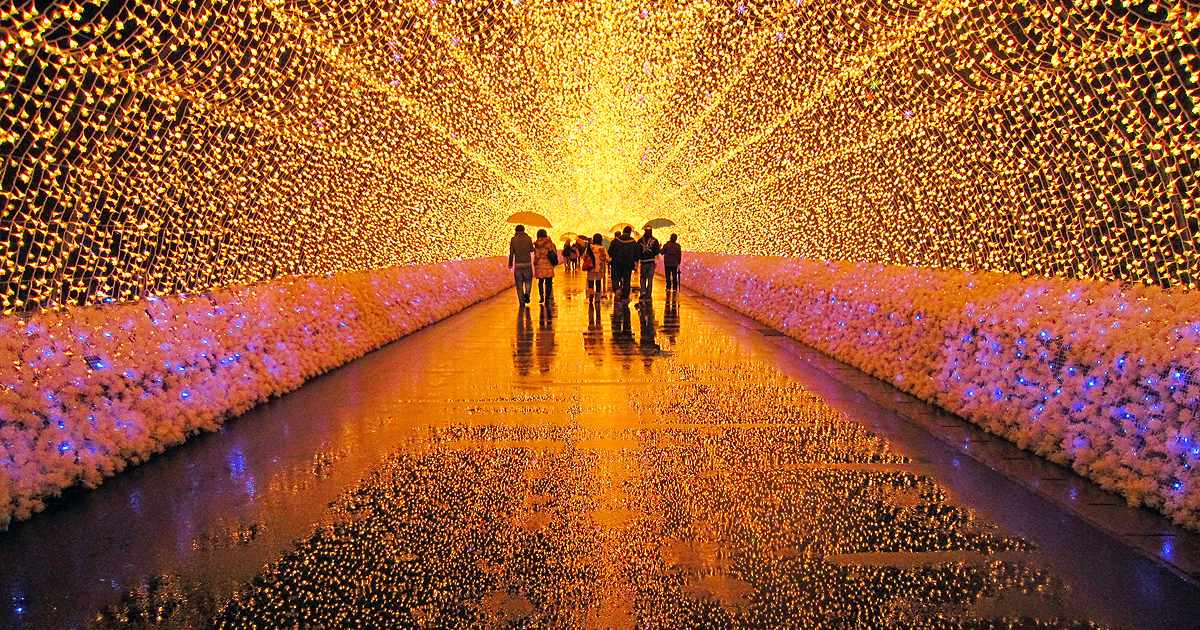
Nabana no Sato's 2026-27 illumination runs from October 17, 2026 to May 31, 2027 — about seven and a half months — with admission from ¥2,500 including a ¥1,000 voucher. Unlike the Shirakawa-go illumination's pre-registration lottery, this flower park in Kuwana, Mie Prefecture is walk-up entry; only December 23–25 need a dated ticket bought beforehand. The thing to plan is the trip home: the last Meitetsu highway bus leaves at 21:05, so on weekends when the park stays open until 22:00, seeing it through means going back via Kintetsu Nagashima. This guide covers the admission tiers, when the lights come on, the light tunnel and lakeside show, both routes from Nagoya, and how to add Nagashima Onsen and the outlet mall — about 10 km away, by bus — to the same day.
- Season: Oct 17, 2026 to May 31, 2027, about seven and a half months; closed Jan 6–7, 2027
- No lottery — walk up and buy a ticket: admission runs ¥2,500–¥3,200 depending on date (¥1,000 voucher and greenhouse admission included), and a convenience-store ticket is ¥200 cheaper than the gate
- The three days you must book ahead: Dec 23–25 opens at 3pm only and requires a limited date-specific presale ticket; it costs more than the days either side, and the amount to go by is the one on the official fee page
- Two signature features: the roughly 200m light tunnel and the lakeside light show — do both in the same evening
- From Nagoya: the highway bus from Meitetsu Bus Center takes about 35 minutes for ¥1,200 one way with no transfer; or a Kintetsu semi-express to Kintetsu Nagashima (about 25 minutes) plus a direct bus (about 10)
- Last departures: highway bus 21:05; buses to Kintetsu Nagashima Station until 21:10 on 21:00-closing days and 22:00 on 22:00-closing days
- Nagashima Onsen and the outlet are not walkable: they are about 10 km south, 15–20 minutes by bus
- Recheck times on the day: compare the five Japan eSIM options and set one up before you land so you can pull up the official daily hours and bus timetables on arrival
Table of Contents (click to expand)
- Season dates and admission at a glance
- The light tunnel and lakeside show: why it's so popular
- Nabana no Sato illumination hours: when do the lights come on, and when does it close?
- A one-evening route that works
- Getting there from Nagoya, and the last bus back
- Cold-weather gear: Chubu's damp winter shouldn't be underestimated
- Can you combine it with Nagashima Onsen and the Mitsui outlet?
- FAQ
Season dates and admission at a glance
The 2026-27 season runs October 17, 2026 through May 31, 2027, roughly seven and a half months, covering autumn, winter, early spring and into early summer — one of the longest-running illumination seasons anywhere in Japan. Most illumination events cluster into a one- or two-month window in November and December; Nabana no Sato stays open nearly the whole season, so almost any Chubu trip timing has a decent shot at overlapping with it. The one gap to plan around: the park closes January 6 and 7, 2027.
Admission is a five-tier sliding scale by date, and within each tier the convenience-store presale runs ¥200 cheaper than the gate — the line item most visitors overlook:
| Period (2026-27) | Convenience-store presale | At the gate | Included |
|---|---|---|---|
| Oct 17–Nov 20, 2026 (opening off-peak) | ¥2,500 | ¥2,700 | ¥1,000 in-park voucher + Begonia Garden admission |
| Nov 21–Dec 22, 2026 (peak) | ¥3,000 | ¥3,200 | ¥1,000 in-park voucher + Begonia Garden admission |
| Dec 23–25, 2026 (Christmas special) | Date-specific presale ticket only (limited); costs more than the days either side — see the official fee page for the amount | ¥2,000 in-park voucher + Begonia Garden admission; opens 3pm only; disability discount does not apply | |
| Dec 26, 2026–Feb 28, 2027 (peak) | ¥3,000 | ¥3,200 | ¥1,000 in-park voucher + Begonia Garden admission |
| Mar 1–May 31, 2027 (closing off-peak) | ¥2,500 (same either way) | ¥1,000 in-park voucher + Begonia Garden admission | |
A few practical details: children below elementary-school age are free all season; the voucher can be spent directly at in-park restaurants and gift shops, so your effective out-of-pocket cost runs a bit below the sticker price; Begonia Garden admission is already bundled into the ticket, with no separate charge; and outside the illumination season (Jun 1–Oct 16) admission drops to ¥1,700.
December 23–25 works differently enough that it deserves its own warning. Those three days run as a "Christmas special": the park opens at 3pm and does not run normal daytime hours, so a midday arrival finds the gates shut. Entry requires a date-specific presale ticket in limited quantity — you cannot decide at the gate — and the disability discount does not apply on those dates. The ticket costs more than the ¥3,000 band either side, and the bundled voucher rises from ¥1,000 to ¥2,000; for the actual amount and the on-sale date, go by what the official fee page shows when you book, and read it before you commit flights or a hotel to those nights. The Christmas ticket is also sold through Asoview!, but resort membership cards, ordinary presale tickets, referral vouchers, discount coupons and group-tour tickets are all invalid on those three nights. Unless Christmas Eve itself is the point, shifting to Dec 26 puts you back at ¥3,000 with normal opening hours — same lights.
The light tunnel and lakeside show: why it's so popular
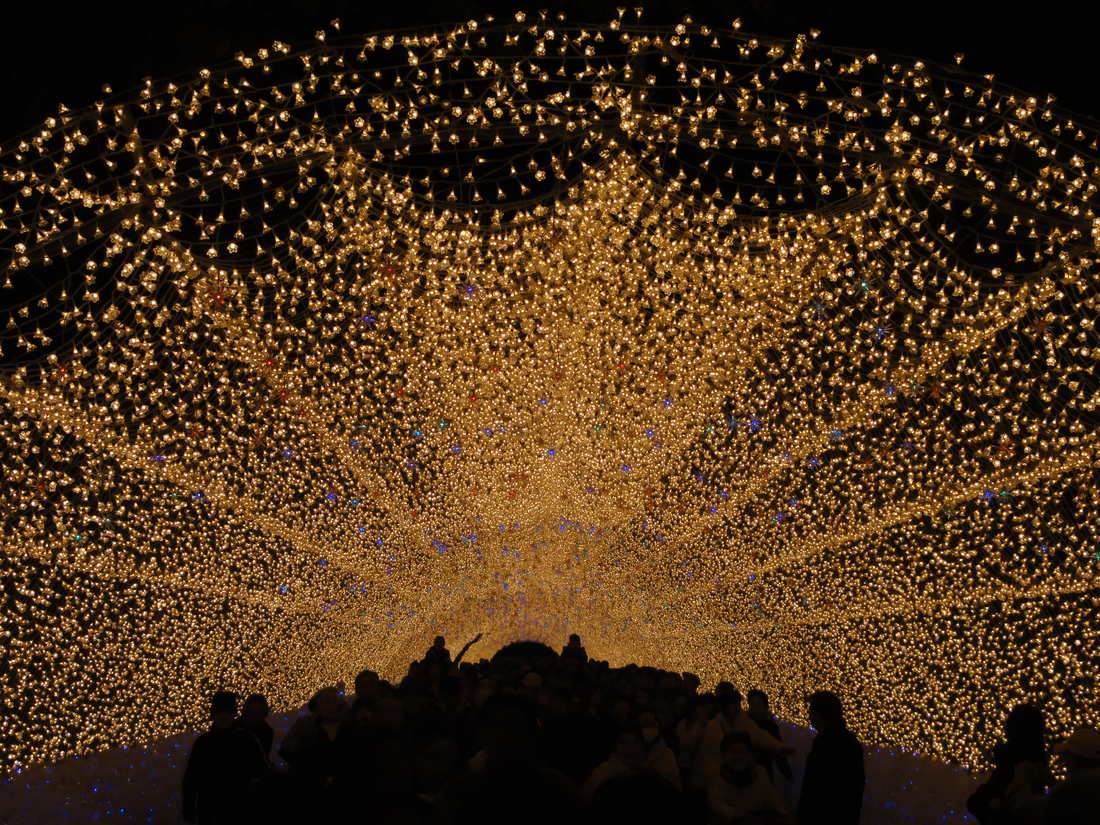
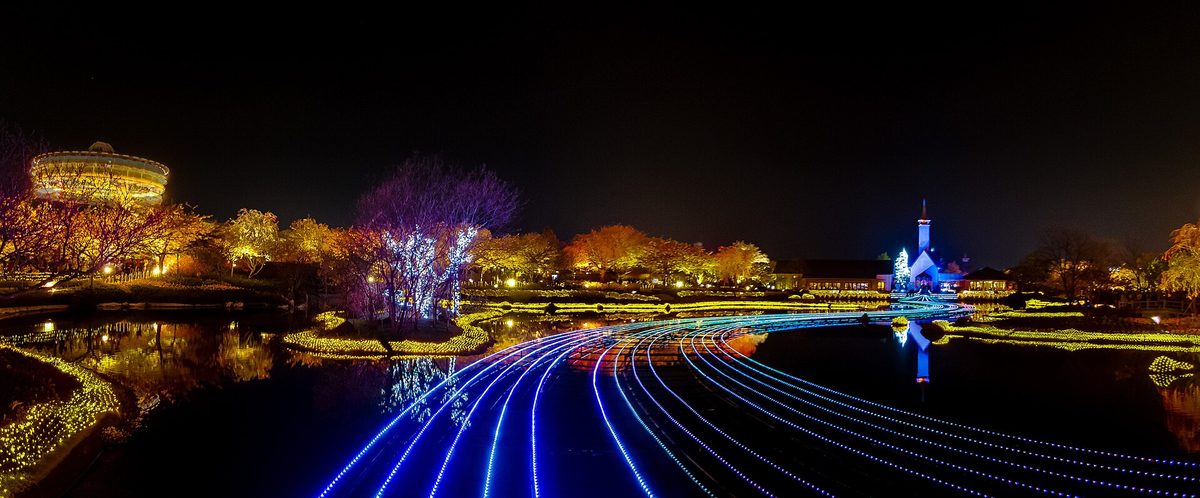
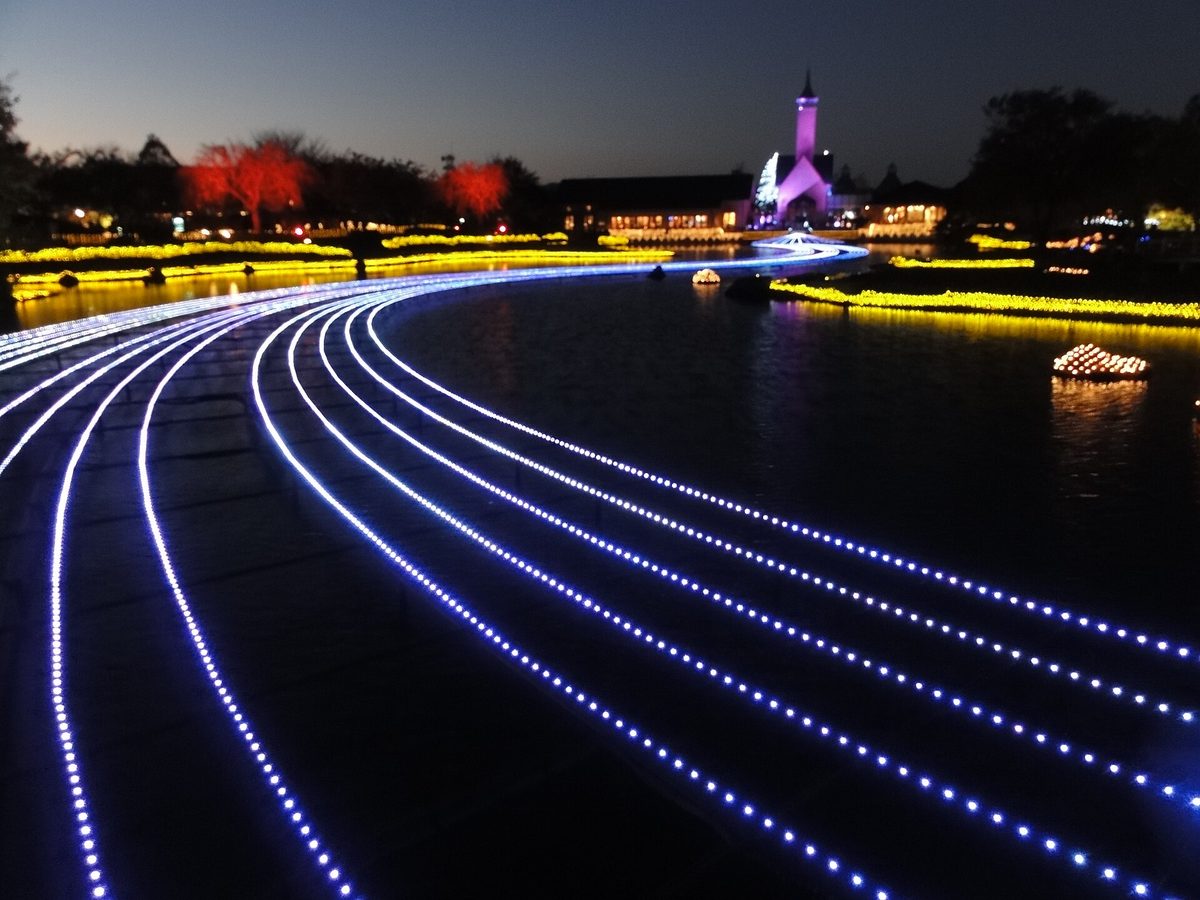
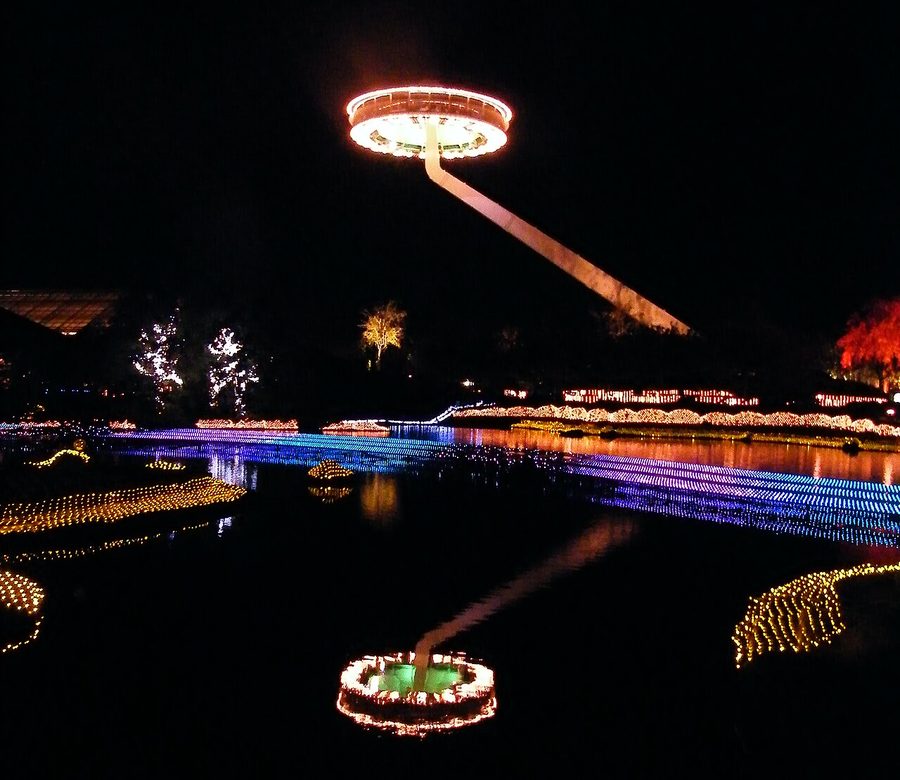
Nabana no Sato's place near the top of Japan's national illumination rankings isn't down to one gimmick — it's a handful of large-scale themed areas layered together. The standout is the roughly 200-meter light tunnel — dense strings of lights woven overhead the entire length of the walkway, leaving almost no bad angle to shoot from. That's part of why it was once featured in the Japanese bestseller Shinu made ni Ikitai! Sekai no Zekkei ("World Views to See Before You Die"). Beyond the tunnel, the lakeside light show folds the water's reflection into the lighting design — a plain pond by day turns into a completely different scene after dark, and it's the other feature worth building your evening around.
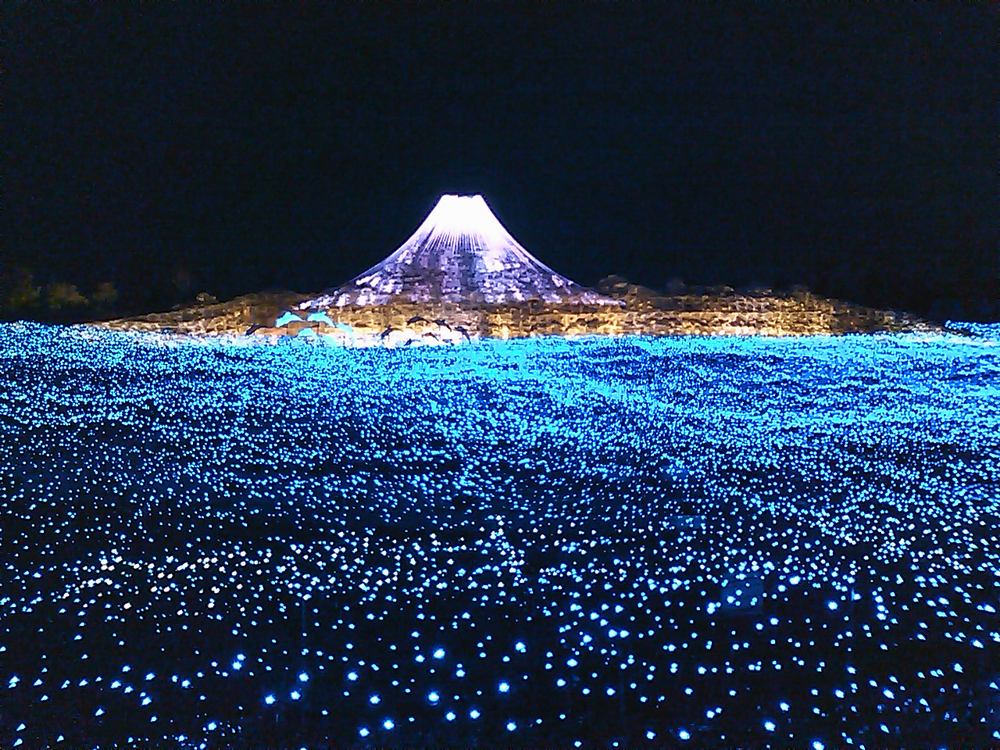
Each season, the park also layers in a new narrative theme — pulling on elements like Japanese folklore, ukiyo-e aesthetics, or the four seasons of the Japanese landscape, told through a full lighting-and-music sequence rather than just strings of bulbs hung across the grounds. The 2025-26 season, for instance, ran a theme built around the "golden island" legend from Marco Polo's account of Japan, moving through scenes of wind-and-thunder gods, falling cherry blossoms, and the four seasons before closing on an Edo-period-inspired finale — a good illustration of how far the production goes beyond simple string lights. That means even if you've visited before, a new season's theme won't repeat what you saw last time — and it's the main thing the official site re-promotes each year, so don't assume this season's story matches what you might have seen photographed online from an earlier year.
For the cleanest shots with the fewest people in frame, plan to visit the light tunnel and lakeside show in the same evening — they're not far apart on foot, so there's no need to backtrack. If you only have time for one, the tunnel is the safer pick for a first-time visitor since it photographs well even for casual phone cameras, while the lakeside show tends to reward a bit more patience with camera settings to capture the reflection properly. Neither requires a separate ticket or timed entry — both are included in the single admission fee, so there's no need to plan around a second booking once you're inside.
Nabana no Sato illumination hours: when do the lights come on, and when does it close?
The lights follow sunset: 17:20 for Oct 17–25, the earliest at 17:00 from Nov 9 to Dec 27, then gradually later until 19:10 for May 17–31. Closing is 21:00 on October and November weekdays and 22:00 on weekends and national holidays, with entry ending 30 minutes before closing; on the Christmas dates the park runs 15:00–22:00 on Dec 23 and 15:00–23:00 on Dec 24–25. For any other date from December onward, read the closing time off that day's cell on the official business calendar before you go.
| Period (2026-27 season) | Lights on (official guide time) |
|---|---|
| Oct 17–25, 2026 | 17:20 |
| Oct 26–Nov 8 | 17:10 |
| Nov 9–Dec 27 | 17:00 (earliest of the season) |
| Dec 28–Jan 3, 2027 | 17:10 |
| Jan 4–17 (closed Jan 6 and 7) | 17:20 |
| Jan 18–24 | 17:30 |
| Jan 25–Feb 7 | 17:40 |
| Feb 8–14 | 17:50 |
| Feb 15–28 | 18:00 |
| Mar 1–7 | 18:10 |
| Mar 8–22 | 18:20 |
| Mar 23–Apr 4 | 18:30 |
| Apr 5–18 | 18:40 |
| Apr 19–May 5 | 18:50 |
| May 6–16 | 19:00 |
| May 17–31 | 19:10 |
The operator calls these guide times for the main displays and notes that some path lighting comes on earlier, so do not treat the table as a to-the-minute guarantee. The original is an image on the official lighting-times page; daily opening and closing hours are on the official business calendar. One more thing that can eat into the time before the lights come on: the operator asks visitors to issue tickets at a convenience store before arriving, because issuing them at the gate can take 30 minutes or more.
For photos, the first 20–30 minutes after the lights come on — the "blue hour," when the sky still holds a trace of color — is the strongest window, with noticeably richer color than after full dark, so use the table to time your entry and be inside before the lights come on.
How to dodge the crowds
Weekends, national holidays, and the Christmas period (Dec 23–25) are the most crowded stretches of the season; a weekday evening is a much easier walk than a Saturday or Sunday if your schedule allows it. The operator's own advice is to arrive before 16:00 on weekdays and before 15:00 on weekends and holidays. Late in the season — March through May — crowds thin out noticeably compared with the November-December peak, which makes it a solid option if your main goal is unobstructed photos rather than the densest holiday atmosphere. The trade-off is that some of the more elaborate winter-specific staging tends to wind down as the season moves toward late spring, so if a particular seasonal scene is the reason you're going, it's worth checking the official site for which weeks that scene is actually running before you lock in a date.
Compared with the Shirakawa-go illumination, the biggest difference here is no lottery — walk-up entry (the Christmas three-day window aside). Shirakawa-go's lottery leaves many visitors unsure whether they'll even get in; at Nabana no Sato, as long as you're willing to queue and pick a reasonable time slot, getting in generally isn't in question, which makes the planning far more predictable. That predictability is also why Nabana no Sato works well as a fallback: if you miss out on a Shirakawa-go lottery slot for your travel dates, this is a realistic substitute you can still book the same week you're traveling.
A one-evening route that works
If you only have one evening, how do you see both the light tunnel and the lakeside show without rushing? Here's a loosely paced reference route — adjust up or down based on how much time you spend on photos:
- Check the day's lighting schedule right after you arrive. The official site or the park entrance usually posts that day's lighting and closing times — glance at it before you plan your route, so you're not caught off guard or left waiting.
- Cover the open, non-lit areas while it's still light out. Gift shops and food stalls don't depend on the lighting effects, so clear those first and save your energy and time for the headline features after dark.
- Head straight to the light tunnel once the lights come on. This is where crowds build up fastest — going right as the lighting starts, before the crowd fully arrives, gets you noticeably cleaner shots.
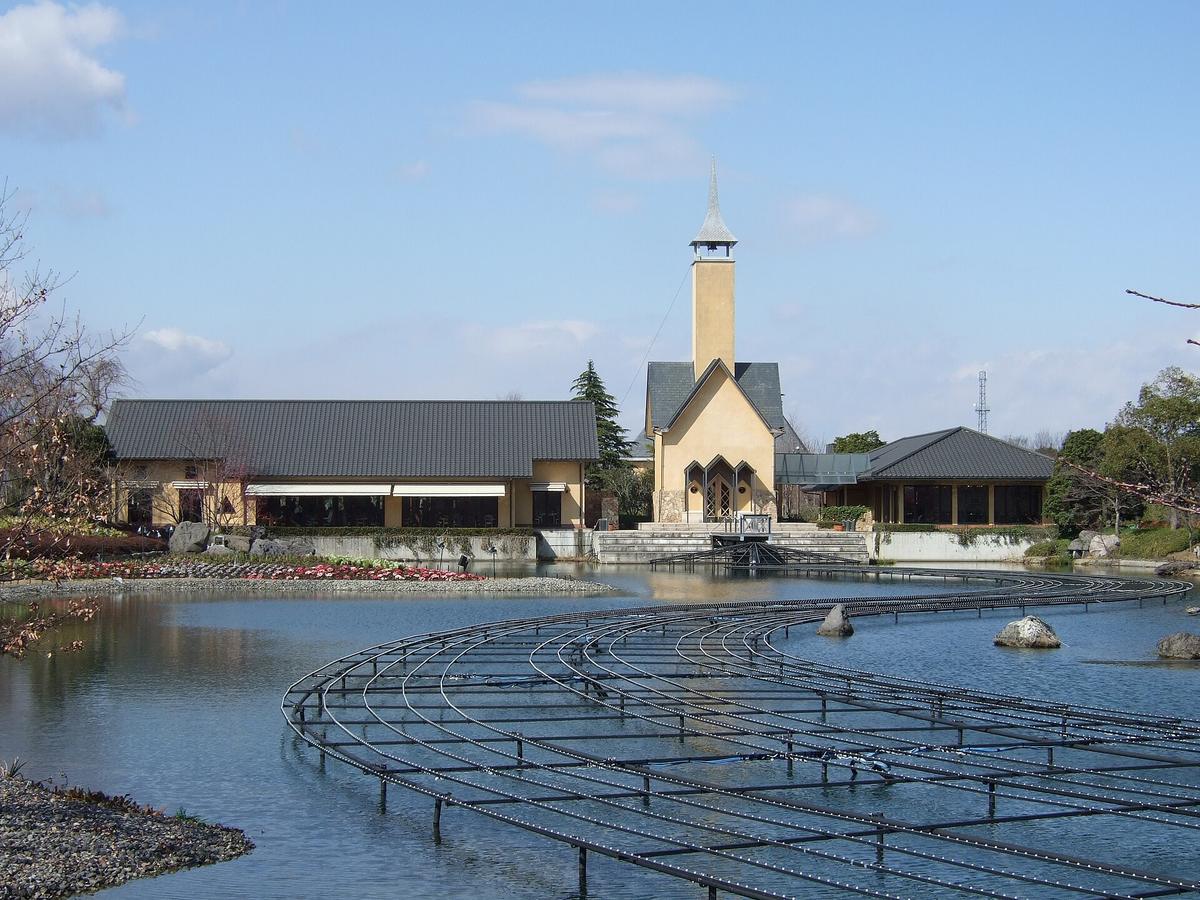
- Walk to the lakeside show next. After the tunnel, it's a short walk to the water — the reflected lighting design is a completely different visual rhythm from the tunnel's dense overhead effect.
- Close out with a hot snack using your voucher. The in-park voucher applies directly to food stalls — sitting down for something hot after walking around is a lot easier than pushing through to closing time before eating.
This route covers both the relaxed daylight hours and the after-dark headline features, and it deliberately sends you to the most crowd-prone spot — the light tunnel — right as the lighting starts, ahead of the later peak.
Getting there from Nagoya, and the last bus back
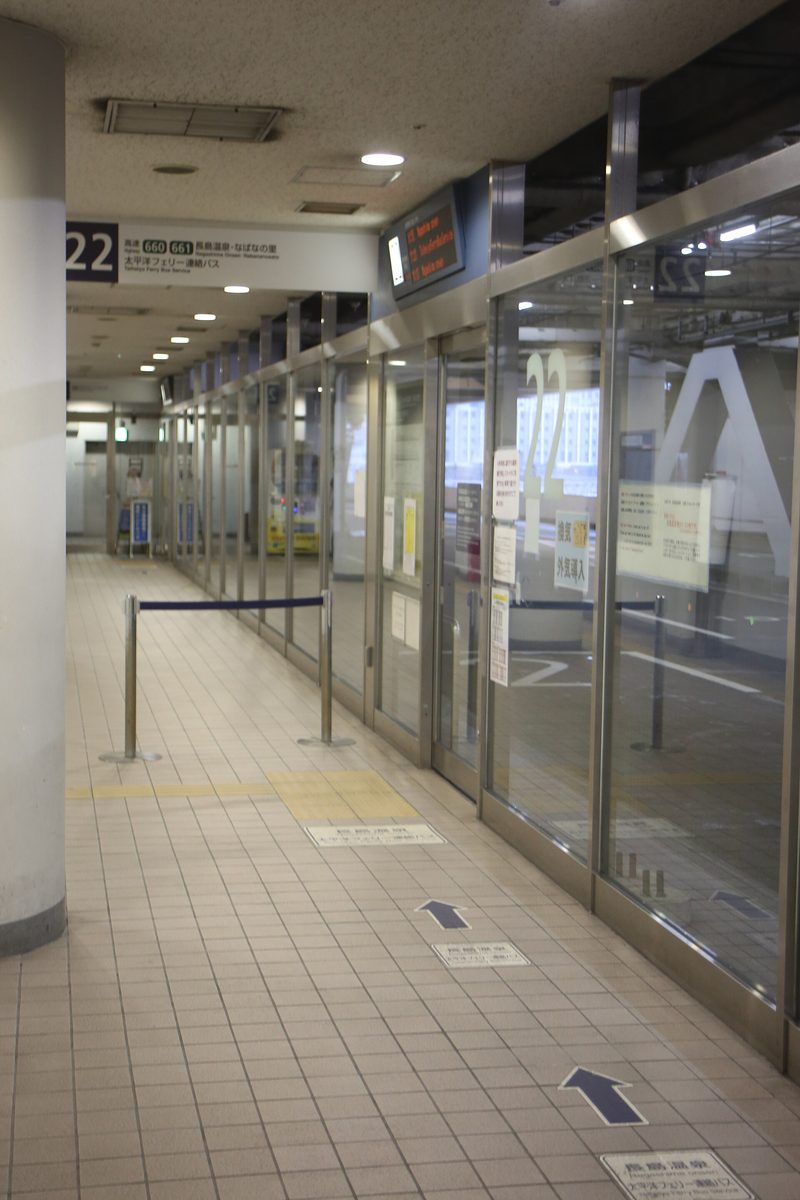
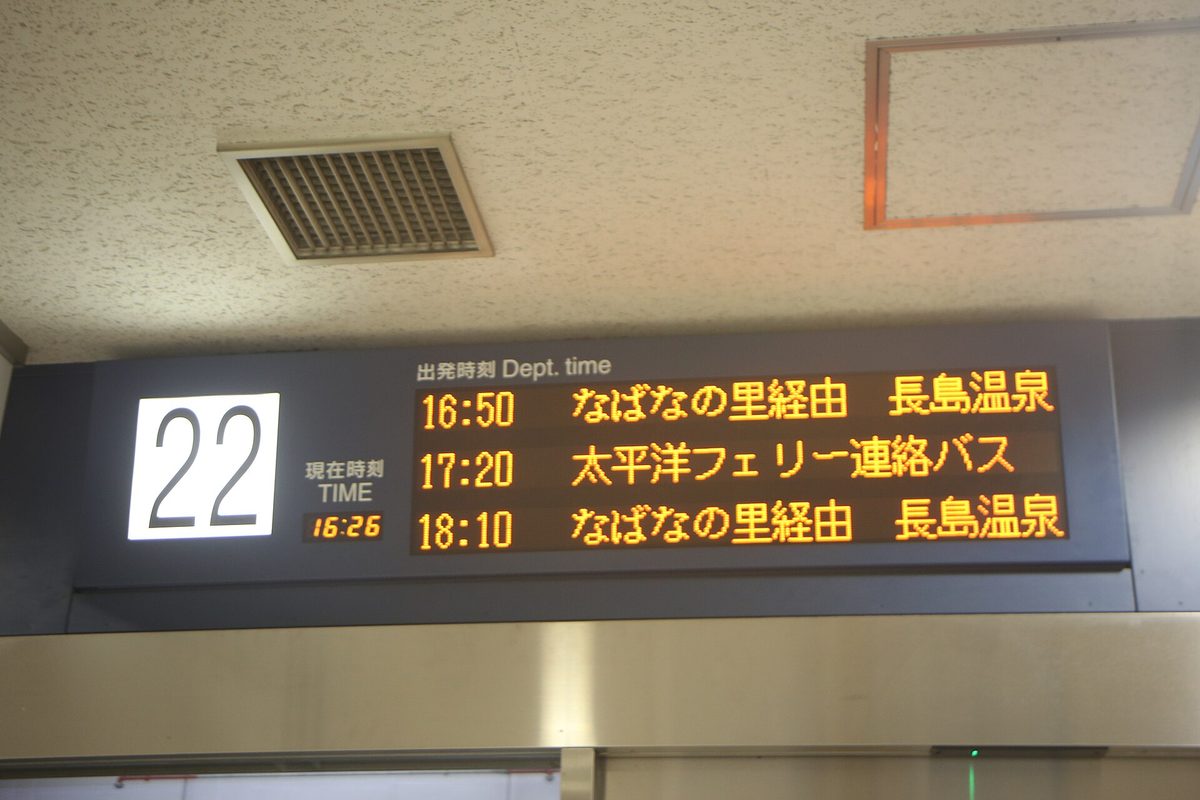
Two routes: pick the outbound for convenience and the return for its last departure. With luggage or a stroller and no wish to change at a station, take the Meitetsu highway bus; to stay until a 22:00 closing, use the Kintetsu Nagashima route.
| Meitetsu highway bus | Kintetsu train + direct bus | |
|---|---|---|
| Board at | Meitetsu Bus Center, 4th floor, stop 22 | Kintetsu Nagoya Station to Kintetsu Nagashima Station, then the direct bus from the station front |
| Time | About 35 minutes to the "Nabana no Sato" stop | Semi-express about 25 minutes + bus about 10 minutes |
| Transfers | None | One |
| Fare | Adult ¥1,200 one way, ¥2,400 return | A set ticket including admission is sold — see below |
| Last departure back | 21:05 (arrives Meitetsu Bus Center 21:45), same on weekdays and holidays | To Kintetsu Nagashima Station: 21:10 on 21:00-closing days; extra buses until 22:00 on 22:00-closing days; Dec 24–25 add 22:25 and 23:00 |
| Watch for | No reservation, no standing passengers; not every bus stops at Nabana no Sato | An express takes about 17 minutes, but only some weekend and holiday expresses stop at Kintetsu Nagashima |
Before boarding the highway bus, confirm that departure stops at "Nabana no Sato". The 8:00 departure from Meitetsu Bus Center and the extra direct services to Nagashima Onsen skip it. The same line terminates at Nagashima Onsen, about 55 minutes and ¥1,400 from Nagoya, so do not ride past your stop.
If you go by Kintetsu, buy the discount train-and-bus set ticket. It bundles the return train from Kintetsu Nagoya, the return bus from Kintetsu Nagashima Station, park admission and the ¥1,000 voucher, and is sold at Kintetsu station ticket windows: adult ¥3,670 for admission dates of Oct 17–Nov 20 or Mar 1–May 31, and ¥4,170 for Nov 21–Dec 22 or Dec 26–Feb 28. It is not sold for Dec 23–25.
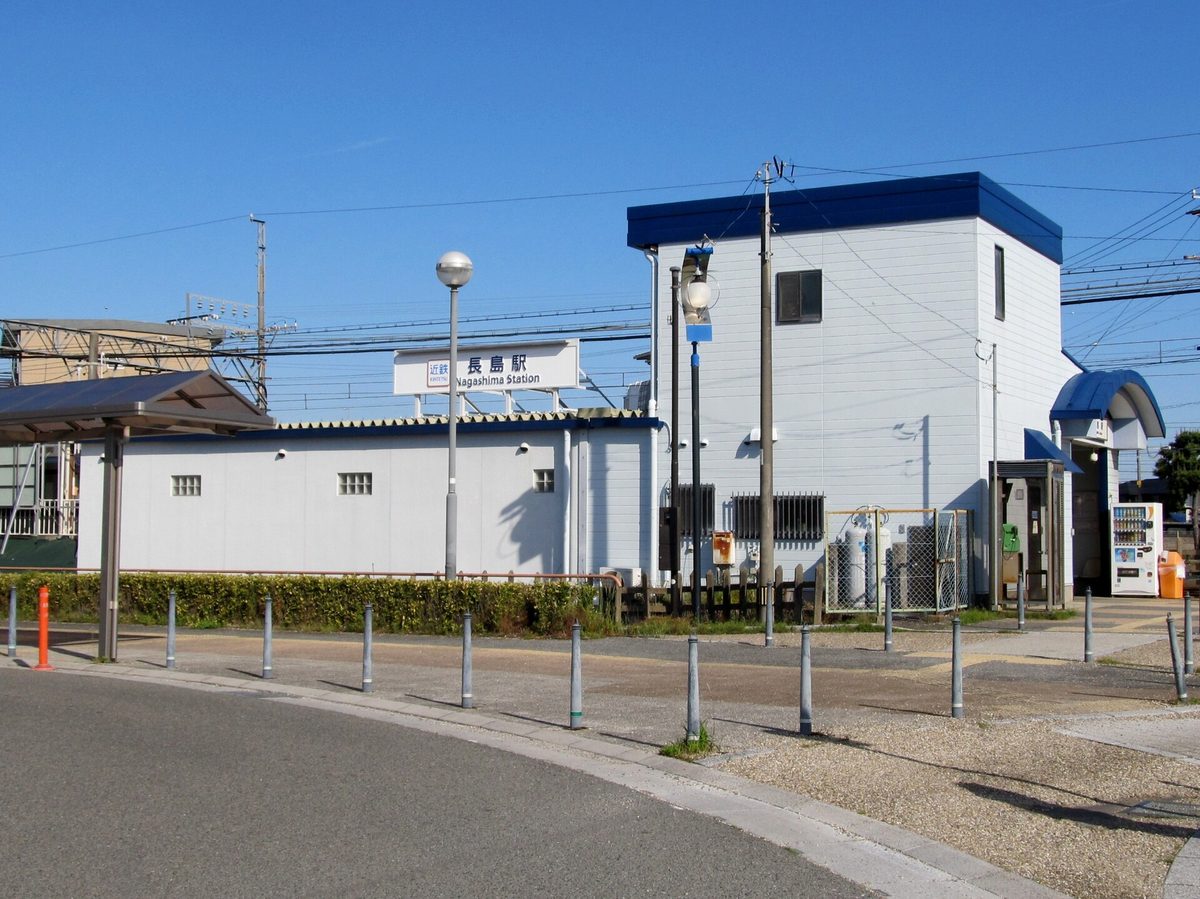
The last departure is tied to that day's closing time. On a 21:00-closing weekday both routes end within 5–10 minutes of closing (highway bus 21:05, Kintetsu Nagashima bus 21:10), so start for the exit around 20:45. On a 22:00-closing weekend or holiday the highway bus still leaves at 21:05, so staying to the end means the Kintetsu Nagashima route; the 22:00 and 23:00 buses only take you to Kintetsu Nagashima Station, so look up the onward train to Nagoya beforehand. The Meitetsu timetable carries no validity period — 21:05 is the timetable as of early October 2026 — so check it on the Meitetsu Bus site before you go; the Kintetsu Nagashima bus times are on Kintetsu's Nabana no Sato page (Japanese).
During the illumination season, the regular bus route from Kuwana Station to Nabana no Sato is suspended, so do not copy an off-season route that changes at Kuwana. For a fuller look at getting around Nagoya itself, see our Nagoya travel guide. Connectivity matters more here than on a typical day out, because both the lighting schedule and the last bus have to be checked on the day — and you'll be doing it outdoors, not on hotel Wi-Fi. Setting up an unlimited-data eSIM before you fly means scanning a QR on landing and nothing else; our Japan eSIM comparison weighs up five providers.
If you're coming from further afield — Osaka, Kyoto, or Tokyo — the practical move is treating Nagoya as the transfer point rather than trying to reach Nabana no Sato directly. Shinkansen service into Nagoya Station is frequent from all three cities, and from there the highway bus or the Kintetsu-plus-shuttle combination both start from stops within a short walk of Nagoya Station itself, so there's no need to build in extra transfer time on the Nagoya end. You will be back in central Nagoya at around 22:00 after the illumination, so do not plan onward travel that night: stay near Nagoya Station and leave the next morning — compare Nagoya hotels on Trip.com. Weekend rooms go quickly once the illumination is running, so look early.
Cold-weather gear: Chubu's damp winter shouldn't be underestimated
Kuwana, Mie doesn't get as cold as Hokkaido, but the damp cold here is easy to underestimate — the illumination runs entirely outdoors, and the temperature drops noticeably after dark, especially near the lakeside show where the wind picks up. Layer with a thermal base layer, fleece, and a windproof-waterproof shell, plus a scarf, gloves, and hand warmers; you'll likely spend longer than planned walking and stopping for photos around the tunnel and lakeside show, and under-dressing tends to cut a visit short before you've seen everything. See the Chubu section of our Japan climate and clothing pillar guide for the full seasonal packing list.
One detail that trips up visitors coming from a drier winter climate: Mie's coastal humidity means the cold feels sharper than the thermometer suggests, and light rain or damp mist is common even on days that never technically dip below freezing. A packable rain shell doubles as extra wind protection, and it's worth keeping in your bag even on a forecast that looks clear — the resort sits close enough to Ise Bay that weather can shift over the course of an evening.
Can you combine it with Nagashima Onsen and the Mitsui outlet?
Yes, but by bus — you cannot walk it. Nabana no Sato is about 10 km north of Nagashima Onsen (Yuami no Shima), Nagashima Spa Land and Mitsui Outlet Park Jazz Dream Nagashima. The Meitetsu bus between them takes about 15 minutes and costs ¥550 one way for adults; a direct Mie Kotsu local bus takes about 20 minutes.
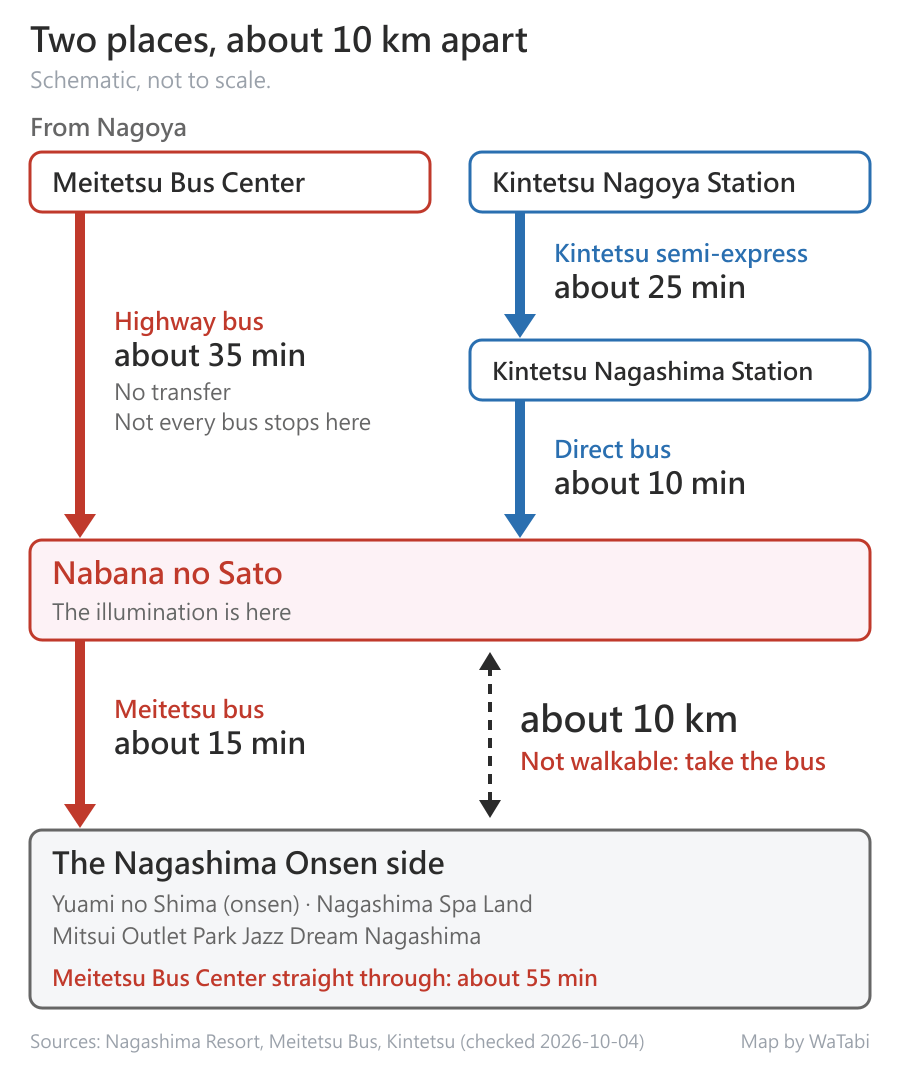
To fit them into one day, start at the Nagashima Onsen end, move north in the late afternoon, and go straight back to Nagoya from Nabana no Sato:
- Morning: ride the highway bus from Meitetsu Bus Center through to Nagashima Onsen — about 55 minutes, ¥1,400.
- Daytime: the outlet, or a soak at Yuami no Shima.
- Late afternoon: bus to Nabana no Sato, about 15–20 minutes. Be through the gate before 16:00 on weekdays or 15:00 on weekends and holidays, in time for the lights.
- Evening: board at the "Nabana no Sato" stop for Nagoya — no need to double back to Nagashima Onsen. The last highway bus is 21:05; later than that, take the bus to Kintetsu Nagashima Station.
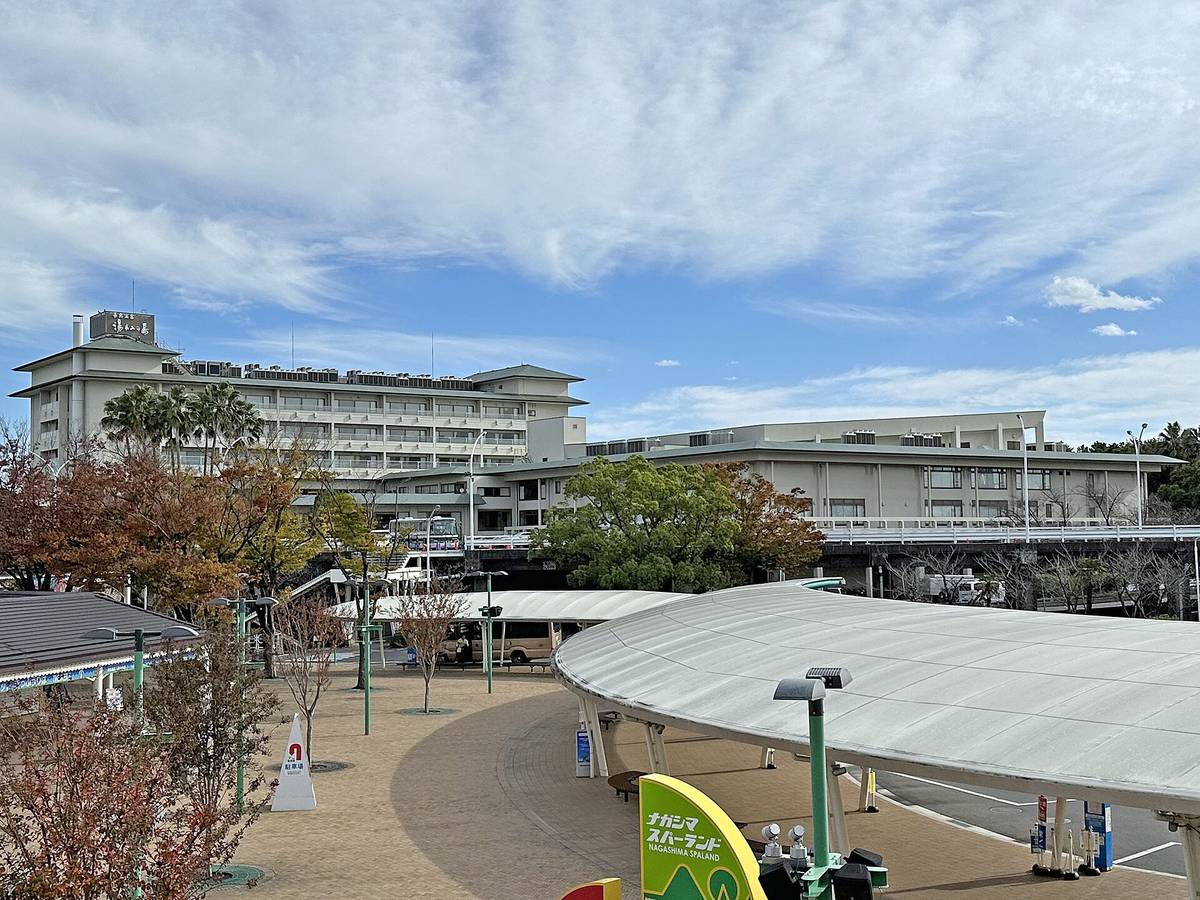
Do not run it in the other order: the lights are an evening event, so going to Nagashima Onsen afterwards adds a bus leg at the latest hour and starts your trip home from further out. If it were my day, I would pick either the outlet or the onsen, start moving at 3pm, and keep the hour around switch-on for Nabana no Sato; squeeze all three in and the illumination is what gets cut short.
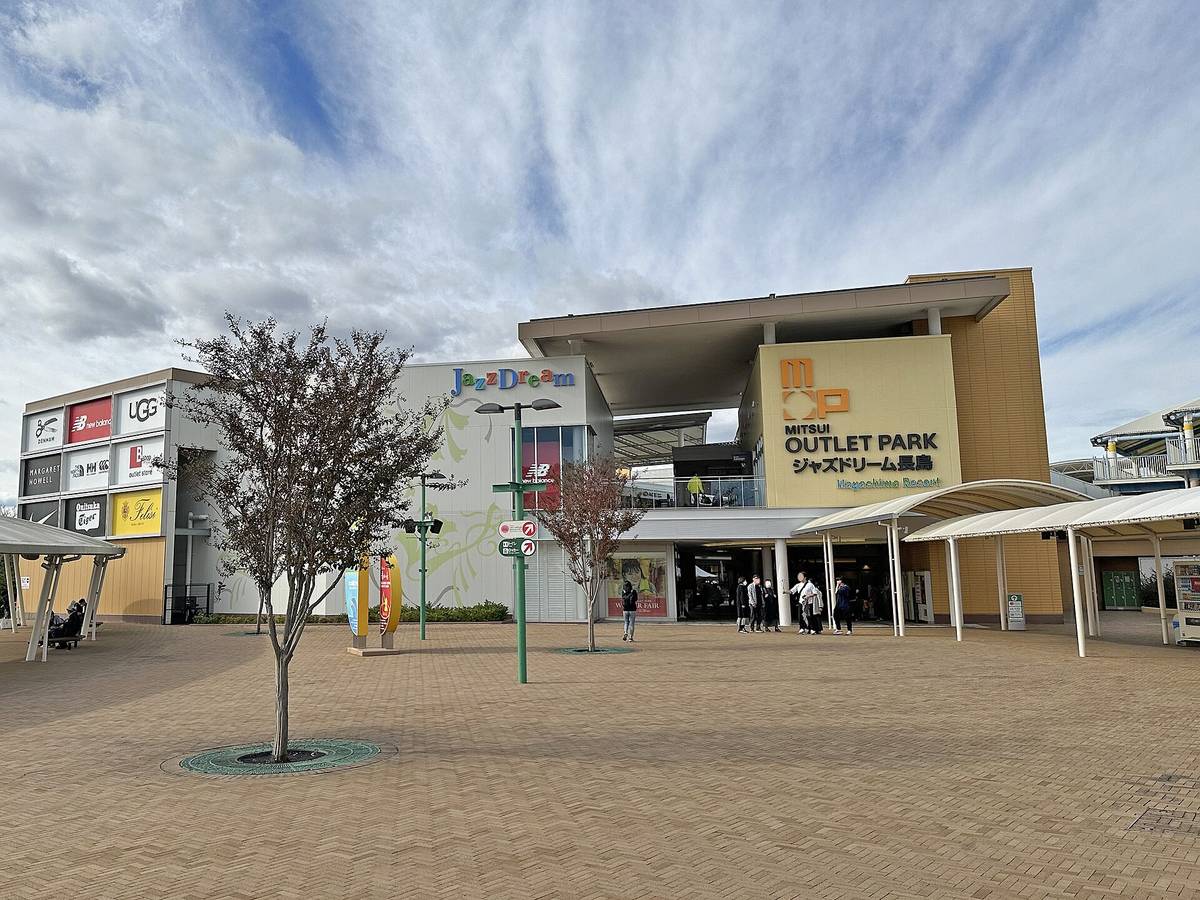
There is a version of that pattern where the transport and the tickets come as one booking: GetYourGuide lists a round-trip day trip from Nagoya covering the Nagashima outlet and the Nabana no Sato illumination, with the coach fare, the Nabana no Sato admission and the Yuami no Shima onsen fee all included, and a driver-guide who speaks Chinese. The transfer between the two sites and the ride home are handled for you. Be clear about what you are trading for it, though. First, it needs a minimum of six people — below that the departure is cancelled and you are notified three days beforehand, which is the failure mode most likely to blow a hole in your itinerary. Second, the day is weighted about 4.5 hours at the outlet against roughly 2.5 hours at Nabana no Sato, so it is a shopping trip that takes in the lights, not an illumination trip; departure runs at 10:00 from November to January (12:00 from February to May), which means you will be back on the coach before closing time. The rule of thumb is simple: if you want the lights until closing, go independently via Kintetsu Nagashima; if the outlet and the onsen were already on your list for that day, this bundles the whole thing. If your trip extends further into the Chubu mountains, our Takayama travel guide pairs well with this stop for an old-town walk earlier in the same trip; and if you've already seen — or are planning — the Shirakawa-go illumination, Nabana no Sato is worth keeping as a backup second illumination that doesn't require a lottery slot.
Nabana no Sato Illumination FAQ
- Q1:When is the Nabana no Sato illumination in 2026-27?
- October 17, 2026 through May 31, 2027 — about seven and a half months. The park closes on January 6 and 7, 2027, and on December 23–25 it opens at 3pm only. Daily opening hours are on the official business calendar.
- Q2:How much is admission, and what does it include?
- Oct 17–Nov 20 is ¥2,500 for adults bought at a convenience store, ¥2,700 at the gate; Nov 21–Dec 22 and Dec 26–Feb 28 are ¥3,000 / ¥3,200 at the gate; Mar 1–May 31 drops back to ¥2,500 either way. The ticket includes a ¥1,000 in-park voucher plus admission to the Begonia Garden greenhouse, and children below elementary-school age are free. The Christmas special on Dec 23–25 is priced separately and carries a ¥2,000 voucher; go by the amount on the official fee page when you book.
- Q3:Do I need to book in advance or enter a lottery?
- Only for Dec 23–25. Those three days require a date-specific presale ticket in limited quantity. On every other date you buy at the gate or at a convenience store (FamilyMart or 7-Eleven) — the convenience-store ticket can be bought and used the same day — with no lottery of the kind the Shirakawa-go winter illumination runs. Issuing a ticket at the gate can take 30 minutes or more, so buy at a convenience store first.
- Q4:What time does the lighting start and end?
- The lights come on between 17:00 and 19:10, following sunset: 17:20 for the opening stretch of Oct 17–25, the earliest at 17:00 from Nov 9 to Dec 27, and the latest at 19:10 for May 17–31. Closing is 21:00 on October and November weekdays and 22:00 on weekends and national holidays, with entry ending 30 minutes before closing; for December onward, read the closing time for your date off the official business calendar.
- Q5:What is the light tunnel, and why is it famous?
- The roughly 200-meter light tunnel is the park's signature photo spot — dense strings of lights woven overhead the entire length of the walkway, with almost no bad angle to shoot from. It was striking enough to be featured in the Japanese bestseller Shinu made ni Ikitai! Sekai no Zekkei ("World Views to See Before You Die"), and it is a big part of why Nabana no Sato consistently ranks near the top of Japan's national illumination rankings year after year. Beyond the tunnel, the park's lakeside light show — which folds the water's reflection into the lighting design — is the other headline feature; plan to see both rather than rushing through just one.
- Q6:How do I get there from Nagoya, and how long does it take?
- Two routes. Kintetsu train plus direct bus: a semi-express from Kintetsu Nagoya to Kintetsu Nagashima takes about 25 minutes, then the direct bus from the station front takes about 10. Meitetsu highway bus: board at stop 22 on the 4th floor of the Meitetsu Bus Center and reach the "Nabana no Sato" stop in about 35 minutes, ¥1,200 one way or ¥2,400 return for adults — no reservation, but no standing passengers. During the illumination season the local bus from Kuwana Station is suspended, so do not route via Kuwana.
- Q7:What time is the last bus back to Nagoya?
- The last Meitetsu highway bus leaves at 21:05; buses to Kintetsu Nagashima Station follow the closing time. Toward Kintetsu Nagashima the last bus is 21:10 on days the park closes at 21:00, extra buses run until 22:00 on 22:00-closing days, and Dec 24–25 add 22:25 and 23:00. On a 22:00-closing weekend or holiday, staying to the end means going back via Kintetsu Nagashima.
- Q8:Can I combine it with Nagashima Onsen or the outlet mall?
- Yes, but by bus — it is not walkable. Nabana no Sato is about 10 km north of Nagashima Onsen (Yuami no Shima), Nagashima Spa Land and Mitsui Outlet Park Jazz Dream Nagashima; the Meitetsu bus between them takes about 15 minutes and costs ¥550 one way for adults. Do the outlet or the onsen by day, take the bus up to Nabana no Sato in the late afternoon, and go straight back to Nagoya from there.
- Q9:How cold does it get, and what should I wear?
- Kuwana, Mie doesn't get as cold as Hokkaido, but the damp cold is not to be underestimated — the illumination runs entirely outdoors, and the temperature drops noticeably after dark, especially standing near the lakeside light show where the wind picks up. Layer with a thermal base layer, fleece and a windproof-waterproof shell, plus a scarf, gloves and hand warmers; you'll likely spend longer than planned walking and photographing the tunnel and lakeside show, so under-dressing tends to cut the visit short. See the Chubu section of our Japan climate and clothing pillar guide for the full seasonal packing list.
- Q10:Is it suitable for kids or elderly visitors?
- Most of the main walkways are flat and easy to navigate. The indoor Begonia Garden greenhouse is open year-round and is a friendly spot for both kids and elders to warm up before heading back out. The light tunnel and a few popular paths do get crowded in peak season, so budget extra time if you're pushing a stroller or walking with someone who needs a slower pace, rather than trying to keep up with the general foot traffic.
- Q11:How does Nabana no Sato compare to other illuminations in Japan?
- The biggest differentiator is how long the season runs — most illumination events cluster into a one- or two-month window in November and December, while Nabana no Sato's recent seasons have stretched about seven and a half months, from mid-October into late May, covering an entire autumn-through-early-summer span with the theme changing along the way. Combined with the scale of the light tunnel and lakeside show, that is why it consistently places near the top of Japan's national illumination rankings — a more theme-park-scale experience than the smaller, city-center illuminations you'll find in places like Tokyo's Roppongi or central Kobe.
Read next
Nagoya Travel Guide 2027: Castle, Ghibli Park & Nagoya Meshi
Chubu's gateway and an underrated food city — Nagoya Castle's Honmaru Palace, the Aichi Ghibli Park, Atsuta Shrine and hitsumabushi.
Shirakawa-go Illumination 2027: Dates & Booking
Four 2027 dates, 17:30–19:30, fully reservation-only.
What to Wear in Japan 2026: 4 Regions × 4 Seasons Packing Guide
A 4,500-word pillar: climate physics, region-by-region clothing strategy, four-season packing lists.