Nasu Kogen is Tochigi's most popular highland escape, sitting just north of Tokyo: the Tohoku Shinkansen reaches Nasushiobara in about 70–80 minutes, and the area is well-heeled enough to hold the Nasu Imperial Villa, the Imperial family's summer retreat. Cool in summer, red with maples in autumn, it draws royals and families alike. But here is the one blunt thing to know up front: when you step off the bullet train you are still at the bottom of the mountain — the real highland sights need another hour-ish by bus, or your own rental car, to reach. That single fact trips up most Nasu plans. This guide covers the Mt. Chausu ropeway, the Sessho-seki "killing stone" that split in 2022, the 1,300-year-old Shika-no-yu bathhouse, Nasu Animal Kingdom, the dairy and alpaca farms, the rainy-day museums, and transport and lodging. To extend west, chain it with Nikko; the Tokyo end is in our Tokyo itinerary.
- 70–80 minutes from Tokyo by Shinkansen to Nasushiobara — but you still transfer ~1 hour by bus up to the highlands
- Mt. Chausu ropeway runs seasonally: ~Mar 20–Dec 13 in 2026, ¥1,500 one way / ¥2,000 round trip, to an active volcano's upper station
- Sessho-seki split in two in 2022; now preserved cracked, free to walk the Nasu-Yumoto sulfur field
- Shika-no-yu, ¥500, for a milky 1,300-year-old sulfur soak — an old-school communal bathhouse
- For families: free-entry Minamigaoka Farm, ¥2,900 Animal Kingdom, plus stained-glass and teddy-bear museums for rain
📖 Contents
Why visit Nasu Kogen
Honestly, Nasu is not a place that overflows with back-to-back sights. What it sells is the air and pace of a highland: the altitude keeps it several degrees cooler than Tokyo in summer, the Imperial family summers here (the Nasu Imperial Villa is on-site), and the slopes are scattered with farms, museums, onsen, and one active volcano. It suits two kinds of traveler — adults who want to slow down and beat the heat, and families who want a full day of feeding animals and burning off energy. If you want a dense, walkable checklist where everything is a few steps apart, Nasu is not it; every point needs a car or a bus between them. But if you are willing to rent a car and drive slowly through the green highland, it is one of the rare corners of the Kanto region where you can genuinely unwind. My framing is simple: Nasu is a "resort" destination, not a "sightseeing" one — do not plan it at the density you would plan central Tokyo.
Mt. Chausu & the Nasu Ropeway
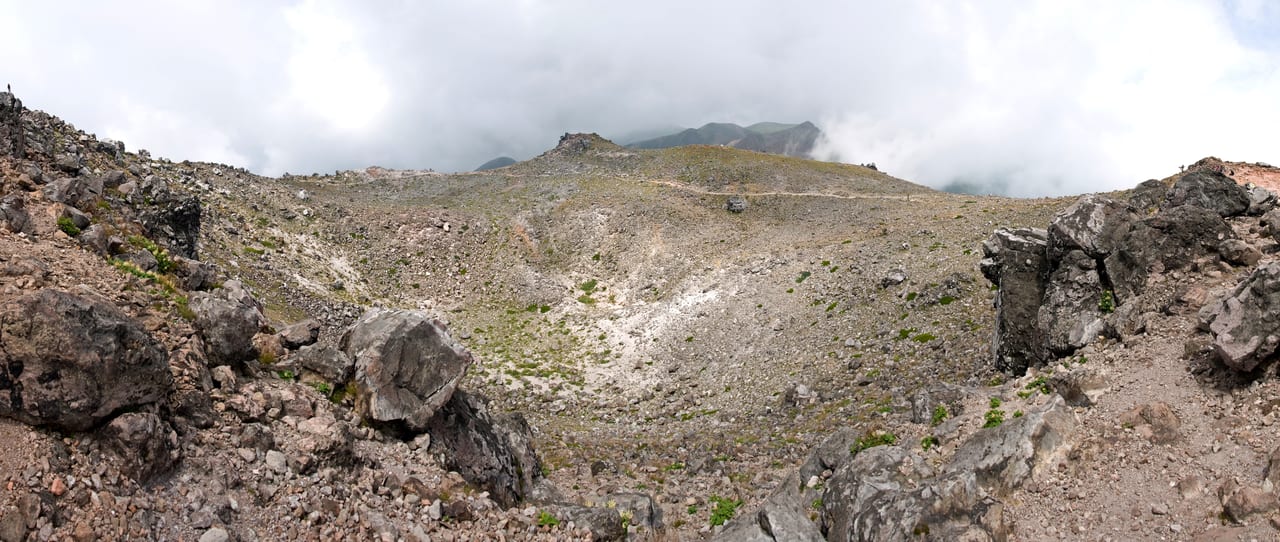
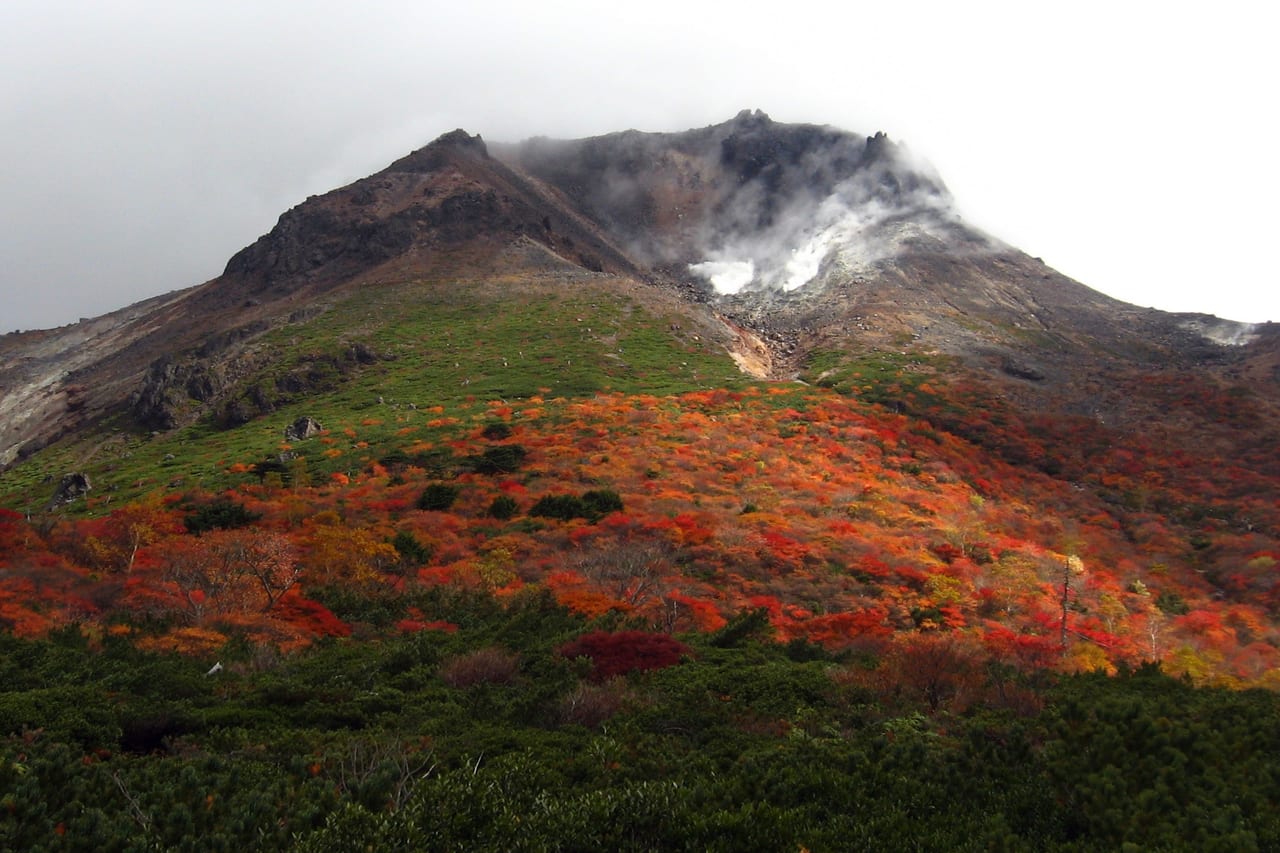
The landmark of Nasu Kogen is Mt. Chausu — the high point of the Nasu range, a roughly 1,915-meter active volcano still venting sulfur at its summit. The easy way up is the Nasu Ropeway, which lifts you from the base station to the upper station near the ninth stage, sparing you most of the steep climb. The numbers to lock in:
- Season (2026): roughly March 20 to December 13, closed in winter, with dates nudged each year by maintenance — check the official site.
- Hours: 8:30–16:30, a car about every 20 minutes (on the hour, :20, :40).
- Fares: ¥1,500 one way, ¥2,000 round trip for adults (children separate).
From the upper station, reaching the summit crater takes another 40–60 minutes across volcanic gravel (wear proper shoes and expect wind). The bare volcanic terrain, the fumaroles, and the long view over the Kanto plain make it the most genuinely "mountain" stretch of a Nasu trip. But an active volcano has moods: when activity rises or wind and fog close in, both the ropeway and the trail can shut on short notice — this is not a "the affiliate ran out of stock" situation, it is genuinely impassable, so check the Nasu Ropeway site and the Japan Meteorological Agency's volcanic alert level before heading up. If the ropeway is down, you can still hike around the "Toge-no-chaya" base area within your limits.
Sessho-seki & Nasu-Yumoto (split-stone status)
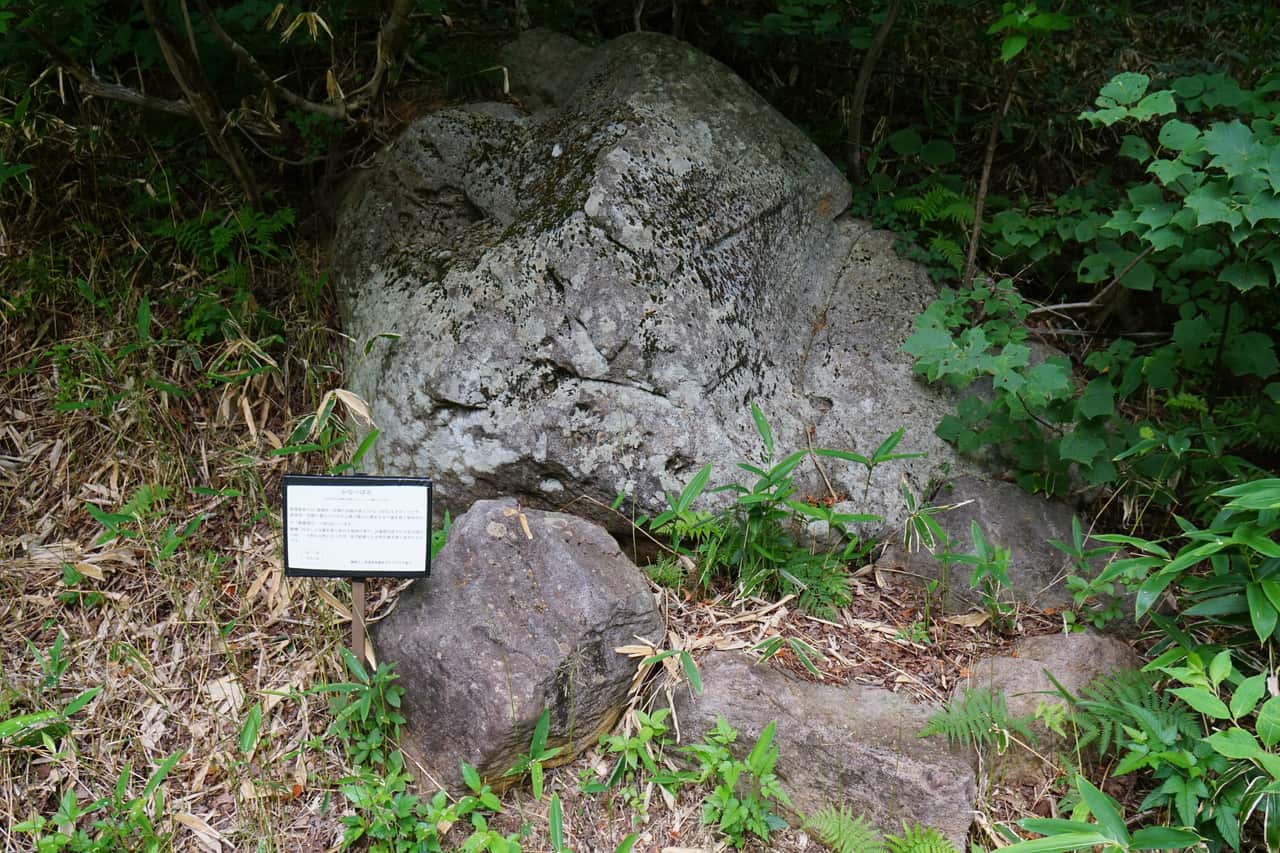
Let me clear up the most-asked question first: Sessho-seki was found split in two in early March 2022. Legend has it the stone seals the vengeful spirit of a nine-tailed fox (Tamamo-no-Mae) and that any creature touching it would die — hence "killing stone." When it suddenly broke, the internet briefly ran with "the seal is broken." But per the town of Nasu, cracks had been visible on the rock's surface for years, and natural deterioration is the likely cause — nothing supernatural — and the local tourism association even held a memorial rite. The point: it is now preserved exactly as it split, tied with a sacred rope, and the surrounding boardwalk stays open and free. The cracked stone has, if anything, become the thing to see.
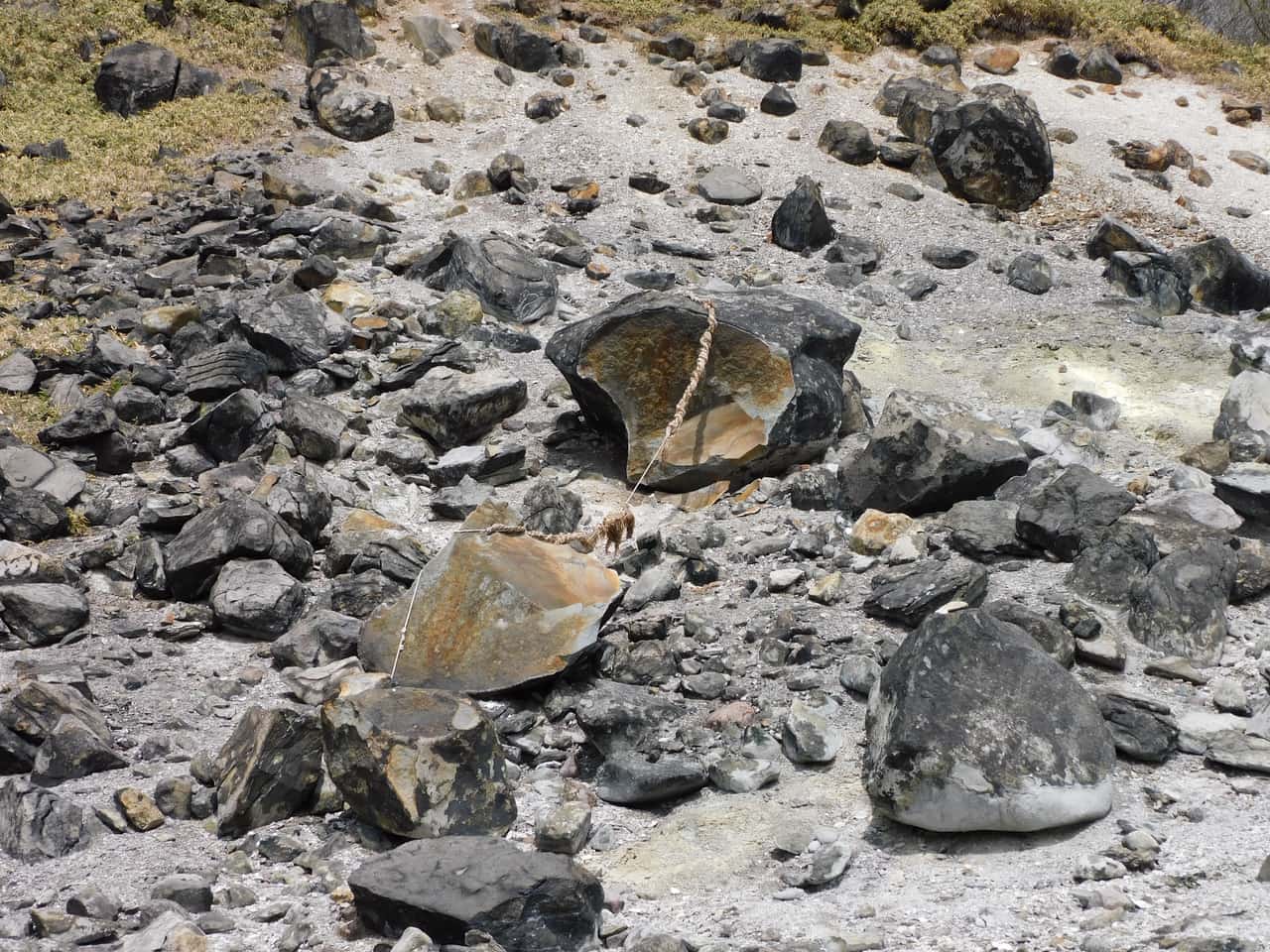
The stone sits in Nasu-Yumoto Onsen, the source of the whole Nasu hot-spring area. The ground steams with sulfur and nothing grows — a pale, barren expanse studded with the dense Sai-no-Kawara jizo statues, solemn and unlike the green highland elsewhere. The boardwalk loop takes under 30 minutes; expect sulfur smell and geothermal steam, and keep clear of the vents. It is in the same pocket as Shika-no-yu below, so the two go together.
Shika-no-yu, the 1,300-year bathhouse
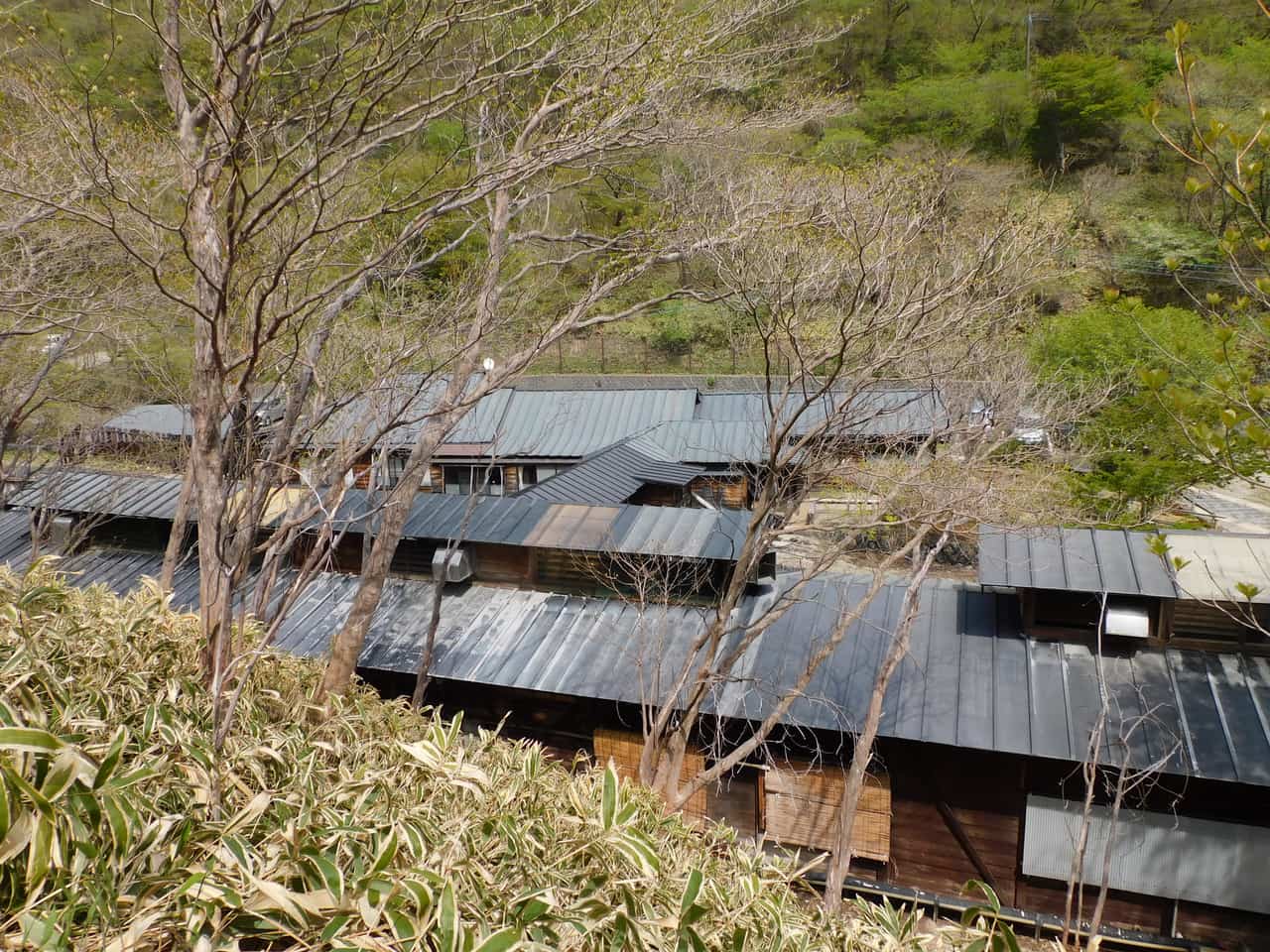
The soul of Nasu-Yumoto is Shika-no-yu — a historic communal bathhouse whose founding legend, per official sources, traces back roughly 1,300 years (named for a wounded deer said to have healed its injuries in the water). It is a traditional bathhouse, not an onsen hotel, and the milky sulfur water is the genuine article — the kind of place where you know, the moment you walk in, that this is real old Japanese onsen. The practicals: ¥500 for adults, ¥300 for elementary schoolers, free for toddlers, open 8:00–18:00 (last entry 17:30).
The method is old-school. The bath is split into several pools at different temperatures (from 41°C up toward 48°C), and the local way is to ladle hot water over yourself first (kaburi-yu) to acclimate, then move up from the cooler pools in short soaks. There is no body wash or shampoo for sale — this is bathing as a ritual, not somewhere to actually wash up — so bring or buy a towel, and expect a faint sulfur scent on your skin afterward. For the most unvarnished, un-touristed onsen culture in the area, Shika-no-yu beats any photogenic spa. The wider Nasu hot-spring district also has plenty of ryokan offering day bathing if you would rather soak at a hotel.
Animal Kingdom, farms & museums
What makes families return to Nasu is the cluster of farms and animal attractions on the lower slopes. How to choose depends on budget and the experience you are after:
- Nasu Animal Kingdom: a full park split into the outdoor "Kingdom Farm" and the indoor "Kingdom Town," with capybara, alpacas, cats, and raptor-flight shows, and indoor zones that hold up in the rain. ¥2,900 adults, ¥1,300 ages 3 to elementary (in winter only Kingdom Town opens, at a lower price). It is a full day, but the biggest ticket of the trip for a family.
- Minamigaoka Farm: the one I would push first — free admission and free parking. A working tourist farm at around 650 meters where you can get close to cows, horses, alpacas, and donkeys; its soft serve, made from prize-winning Guernsey (ガーンジィ) milk, has taken national honors, and there is pony riding, fishing, and sausage-making. A free entry that fills an afternoon makes it some of the best value in Nasu.
- Alpaca Farm: a farm devoted to alpacas, ¥800 adults, ¥400 children — a herd of fluffy alpacas to walk among and meet up close, which kids lose their minds over.
What about rain? Nasu's indoor museums fill the gap. The Nasu Stained Glass Museum (a faux-English manor with chapel windows and an organ, ¥1,600 adults) is atmospheric and very photogenic; the Nasu Teddy Bear Museum (¥1,800 adults) holds a big teddy collection plus a Totoro tie-in zone that wins over parents and kids alike. Those two, plus the Animal Kingdom's indoor wing, are enough to carry a wet day.
Autumn foliage & the best season
Nasu works year-round, but two seasons stand out. Summer is its signature — genuinely cool highland air, a true escape from the heat, which is exactly why both the Imperial family and ordinary families come, and the farms and animal parks are at their liveliest. The other is autumn foliage: Nasu's color descends from the peaks downhill. The Mt. Chausu area (high elevation) turns first, around early-to-mid October — the volcanic ridgeline near the ropeway's upper station set against red leaves is the classic shot — while the lower highland and onsen town follow later, from late October into early November. For high-altitude color, hit the ropeway in early October; for onsen-plus-foliage, come at the end of the month. The nationwide foliage timeline and what to pack are in our Japan autumn foliage guide. Winter closes the ropeway and the upper mountain, so unless you are specifically after skiing or a snow-view onsen, it is not Nasu's peak.
Transport & lodging (bus vs. car)
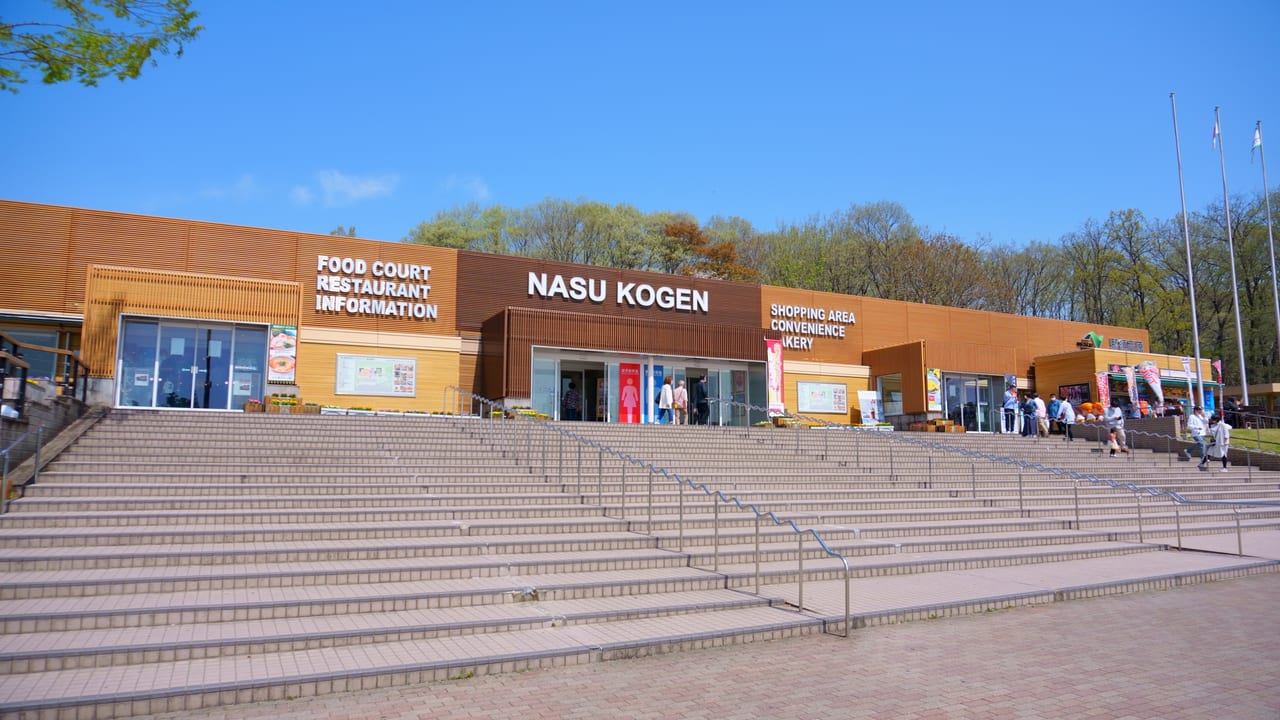
This is the most important section for planning Nasu, so read it before you build the itinerary. Getting in is the Tohoku Shinkansen: Tokyo → Nasushiobara on the "Nasuno" in about 70–80 minutes. But remember the key line — Nasushiobara Station is on the flat at the foot of the mountain, not the highland itself. After arriving you still transfer up, two ways:
- Kanto Bus (Kanto Jidosha) Nasu Line: departs the west exit of Nasushiobara Station, about 50 minutes to Nasu-Yumoto and 52 minutes to the ropeway station. The snag is that service is not frequent (a seasonal timetable; off-peak gaps of an hour or two are normal), so without a car lock in your outbound and return times or you will sit at the stop. It also stops near the Animal Kingdom and the farms en route.
- Rental car: honestly, if you want to hit several farms plus a museum plus the ropeway, self-driving is far more convenient. Off the Nasu IC, follow the Nasu Kaido toward Yumoto and every sight has parking (Minamigaoka Farm and the Animal Kingdom are free or cheap). For a family in one car, the flexibility easily beats waiting on buses.
If the wider trip (Tokyo + Nasu + Nikko, say) leans heavily on the Shinkansen and JR, run the break-even math in our JR Pass guide first — but note the Kanto Bus up the mountain is not covered by the JR Pass and is paid separately. For lodging, the smart move is to stay up on the highland at an onsen ryokan or resort hotel (the Nasu hot-spring district, around Nasu-Yumoto): you get quiet evening soaks after the day-trippers leave and connect straight to the sights the next morning without commuting up and down. Nasu has plenty of resort hotels and ryokan across a wide price range; peaks (summer, autumn weekends, long holidays) get tight, so book early. Pre-trip weather and packing are in our Japan packing & weather guide — the highland swings cold between day and night, so bring a light jacket.
A two-day plan
Here is the same content shaped into a route that flows (written for a rental car; bus travelers should pad the transfers):
- Day 1 (highland + onsen): Shinkansen to Nasushiobara → pick up the car or take the bus up → head straight for the Nasu Ropeway up Mt. Chausu (while the morning weather is stable and the volcanic view is clear) → descend to Nasu-Yumoto and walk the Sessho-seki boardwalk and Sai-no-Kawara → soak the 1,300-year sulfur water at Shika-no-yu → check into a highland onsen ryokan, dinner of local wagyu or regional fare.
- Day 2 (family + farms): morning at Minamigaoka Farm (free, feed the animals, soft serve) or Nasu Animal Kingdom for the shows → lunch → afternoon by weather: the alpaca farm if clear, the Stained Glass Museum plus Teddy Bear Museum if wet → evening Shinkansen back from Nasushiobara (or onward to Nikko).
If you can only manage a day trip, rent a car and take just one main line — "ropeway + Sessho-seki + Shika-no-yu" or "Animal Kingdom + one farm" — because cramming both is rushed. West of Nasu you can chain Nikko for Toshogu and Kegon Falls (see our Nikko travel guide) into a 3–4 day Tochigi run; the Tokyo end and in/out logistics are in our Tokyo 5-day itinerary.
FAQ
- Q1:How many days do you need in Nasu Kogen? Is a day trip enough?
- Based on how the sights are spread out, Nasu works best as an overnight (two days). The attractions split into two zones — up high (the Mt. Chausu ropeway, Sessho-seki, and the Shika-no-yu bathhouse around Nasu-Yumoto) and on the lower highland slopes (the Animal Kingdom, the farms, the museum cluster) — and the bus up and down the mountain alone runs close to an hour each way, so a forced day trip gets eaten by transit. With a rental car, a Tokyo day return is just about doable, but staying a night for the onsen is still the better call. To extend the trip, pair it with Nikko — see our Nikko travel guide.
- Q2:Is the Nasu Ropeway (Mt. Chausu) running, and how much is it?
- It runs, but it is seasonal. Per the Nasu Ropeway operator, the 2026 season is roughly March 20 to December 13 (closed in winter, and dates shift with maintenance), open 8:30–16:30 with cars about every 20 minutes. Fares are ¥1,500 one way and ¥2,000 round trip for adults (children separate). The ropeway lifts you to the upper station near the ninth station of Mt. Chausu — an active volcano — and from there it is roughly a 40–60 minute climb to the summit, with sulfur in the air the whole way. Volcanic activity or bad weather can suspend it, so check the official site and the volcanic alert level before you go.
- Q3:Sessho-seki split in 2022 — can you still see it?
- Yes, and the split itself is now the draw. This is the legendary "killing stone" said to seal the vengeful spirit of a nine-tailed fox; it was found cracked in two in early March 2022. Cracks had been visible on the rock for years beforehand, and the town of Nasu judged natural deterioration to be the likely cause — not anything supernatural — though locals did hold a memorial rite for it. It is now preserved in its split state with a sacred rope, and the boardwalk around it stays open and free. The area is Nasu-Yumoto Onsen, a barren, sulfur-steaming field dotted with the Sai-no-Kawara jizo statues — a stark, distinctive scene that pairs naturally with Shika-no-yu next door.
- Q4:What is Shika-no-yu, and how much is a bath?
- Shika-no-yu is the communal bathhouse at the heart of Nasu-Yumoto, with a founding legend that, per official sources, traces back roughly 1,300 years (named for an injured deer said to have healed in the water). It is a traditional bathhouse, not a hotel: admission is ¥500 for adults, ¥300 for elementary schoolers, free for toddlers, open 8:00–18:00 (last entry 17:30). The milky sulfur water is the real thing, split across several pools at different temperatures (41°C up toward 48°C), and the local method is to ladle hot water over yourself first, then work up from the cooler pools in short soaks. There is no shampoo or body wash sold — this is bathing as ritual, not a shower — so bring or buy a towel. For old-school onsen culture, it beats any photogenic spa.
- Q5:Traveling with kids — how do I choose between the Animal Kingdom and the farms?
- It comes down to budget and the experience you want. Nasu Animal Kingdom is a full park with indoor and outdoor zones, capybara, alpacas, cats, and raptor-flight shows, and it works in the rain: ¥2,900 for adults, ¥1,300 for ages 3 to elementary (in winter only the indoor "Kingdom Town" opens, at a lower price). It is a full day but the priciest ticket here. To save money and still let the kids run, Minamigaoka Farm has free admission and free parking — pet alpacas, ride a pony, and try its prize-winning Guernsey-milk soft serve. There is also a dedicated alpaca farm (¥800 adults). Rainy-day backups: the Nasu Stained Glass Museum and the Teddy Bear Museum. My call: on a clear day, pick Minamigaoka Farm plus one of the others; in the rain, pivot to the indoor museums.
- Q6:How do I get to Nasu Kogen from Tokyo? Do I have to rent a car?
- Getting in is the Tohoku Shinkansen: Tokyo → Nasushiobara on the "Nasuno" in about 70–80 minutes. The catch is that you are still down at the foot of the mountain — you then transfer to the Kanto Bus (Kanto Jidosha) Nasu Line up to the highlands, about 50 minutes to Nasu-Yumoto and about 52 minutes to the ropeway (seasonal timetable, and not frequent). So honestly: without a car, lock in the bus times in advance or you will wait a long while at the stop. For a loose itinerary hitting several farms and museums, a rental car is far more convenient. If the wider trip leans on the Shinkansen, run the numbers with our JR Pass guide first; the Tokyo end is in our Tokyo 5-day itinerary.
Related reading:
Nikko Guide 2026: Toshogu, Kegon Falls & Lake Chuzenji
About 1h50 from Asakusa by Tobu express — the World Heritage Toshogu (Yomeimon, three monkeys, sleeping cat), Kegon Falls, Lake Chuzenji, and the Irohazaka autumn hairpins.
Is Yugama Crater Open? Kusatsu-Shirane 2026 Status & Roads
Yugama is closed: Level 1 and Route 292 open, but no entry within 500 m of the crater. Road, bus and winter status, plus the Yubatake, baths and access.
Tokyo 5-day itinerary 2026
A clear 5-day plan: Shinjuku base, two zones per day, honest budget.