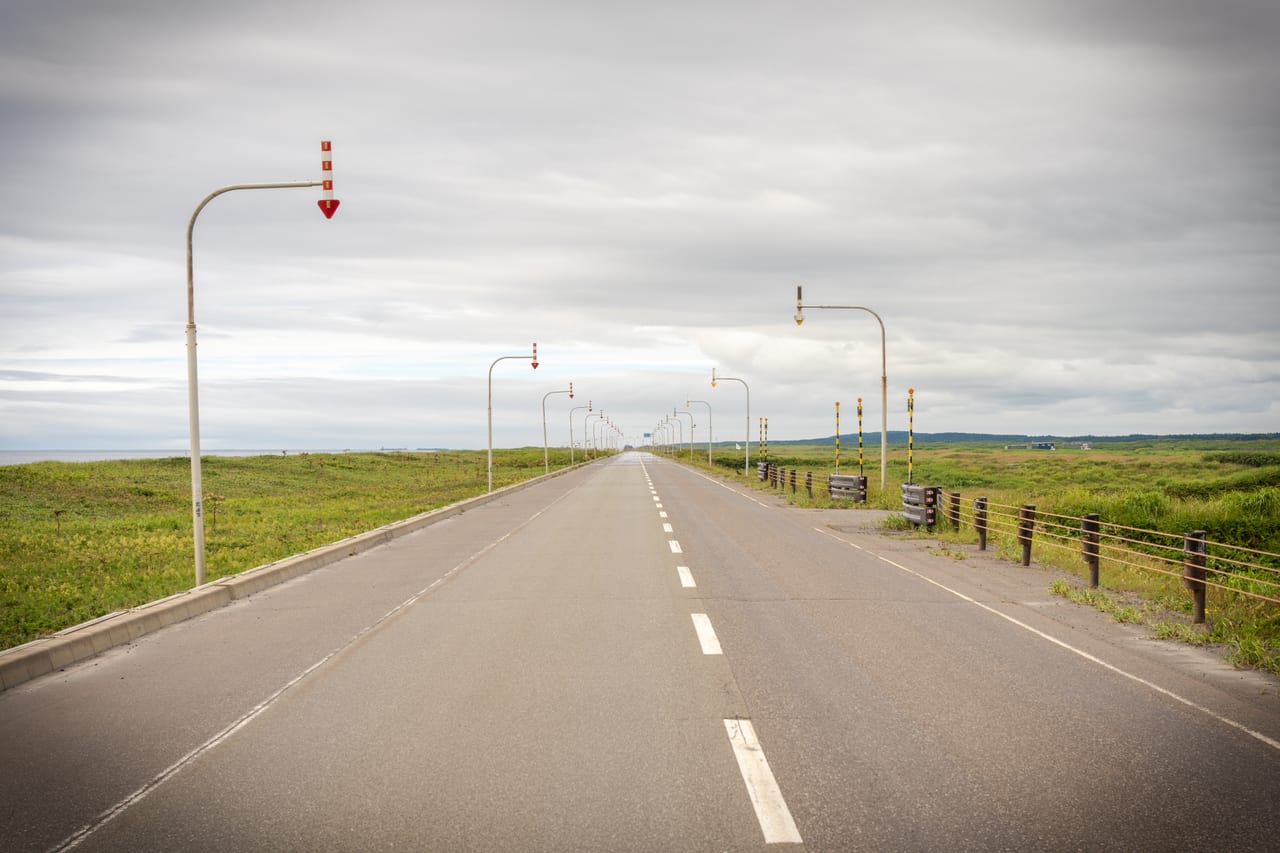
Nippon Rent-A-Car is one of Japan's oldest nationwide rental chains, with desks at almost every airport and major station and the densest network for one-way (different-location) returns — the thing that matters most if your route crosses regions. This guide is specifically about renting from this chain: the visitor promo code (10% standard, 15% on rentals of 6 days or more) and how to apply it, what to have at the counter, the "Anshin Course" the booking engine pre-selects, ETC, and how to confirm winter-ready cars. For the generic groundwork — which licence document you need and how long it lasts, CDW and NOC cover, refuelling and driving on the left, plus the 2026 drink-driving and ETC-only toll gate changes — our self-drive in Japan guide goes deeper, and this page only touches what bears directly on booking with Nippon. For every travel coupon, see our Japan discount coupons guide.
- License (most important): a 1949 Geneva IDP (not the 1968 version); a few countries use home license + Japanese translation
- Coupon: Nippon Rent-A-Car website promo code — 10% standard, 15% for 6+ day rentals
- Insurance: add CDW (~¥1,100–2,200/day) to waive the deductible and ECO (~¥440/day) to waive NOC — take it
- ETC: device is standard, but rent the ETC card separately; Japan drives on the left, right-hand-drive
- Need a car?: not for central Tokyo/Kyoto/Osaka; yes for Hokkaido, Okinawa and rural routes
📖 Contents
Do you even need a car?
Decide "whether to rent" before "how to rent." Driving isn't a universal answer in Japan: in big cities transit is excellent and parking is pricey and scarce, so a car actually slows you down. Where renting makes sense is the rail-sparse, spread-out regions — Hokkaido, Okinawa, Tohoku, San'in — or routes to onsen towns, coastlines and foliage spots that public transport simply can't reach, where a car gives you mobility and puts the time into the scenery.
Conversely, if your trip is focused on central Tokyo, Kyoto and Osaka, you probably don't need a car — the trains are dense and punctual, and renting just adds cost and parking headaches. Honestly, a first-timer doing only the big three cities is better off putting the budget into transit passes; save driving for places like Okinawa or Hokkaido where you'd be stuck without it. Nippon Rent-A-Car is one of Japan's oldest nationwide chains, with desks at airports and major stations and a wide drop-off network that's handy for one-way (different-location) returns.
One thing worth doing before you settle on a brand: sweep the market first. Six or seven operators often quote at the same pickup point, and a 500-1,500 yen gap on the same car class is routine — which means the coupon below only tells you something once you know whether another brand was cheaper to begin with. The DiscoverCars Japan page shows daily rates across operators in one view, with free cancellation flagged, so you can scan it and then decide whether to book on Nippon's own site. Be clear that it is an aggregator, not a rental company — the actual contract, deposit and CDW terms come from the local supplier, and the paperwork at the counter is what governs. So the order I'd work in is: check the going rate, then price the coupon, then compare insurance and one-way drop-off terms — rather than booking wherever a discount code happens to exist.
On booking: reserve online in advance — two to four weeks ahead is sensible, a month in peak seasons (cherry-blossom spring, summer holidays, autumn foliage, and anytime in Okinawa or Hokkaido), when popular car classes sell out. Picking the car up at the airport on arrival and dropping it at another city's station is common and convenient, though one-way returns add a relocation fee that's worth checking. Keep your itinerary realistic, too: Japan's roads are well-signed but slower than the map suggests once you're off the expressway, so don't pack a day with five distant stops.
The license: IDP & translations
This is the most important section — the wrong document means no car at the counter. Japan recognizes two kinds of driving credential:
- An International Driving Permit (IDP) under the 1949 Geneva Convention: this covers most countries (US, UK, Australia, Canada, etc.). Note that IDPs issued under the 1968 Vienna Convention are not valid in Japan — confirm which one your country issues.
- Home license + an official Japanese translation: for Germany, France, Switzerland, Belgium, Monaco and Taiwan, which can't use an IDP.
So check your category before you book. If you need an IDP, apply through your country's automobile association before departure — you can't get one in Japan. If you're in the translation group, the document must come from an issuer on the National Police Agency's list — JAF, your own country's motor-vehicle authority, or one of the bodies the agency designates. A random translation agency's version won't be accepted; the full list and the validity rules are in our Japan self-drive guide. Either way, bring your original home license and your passport, and note both the IDP and the translation are valid for one year from entry. Get this sorted weeks ahead; discovering the problem at the rental desk ends the road trip before it starts.
If you're nervous about the actual driving, don't be — for most visitors the only real adjustment is the side of the road, and Japanese drivers are calm, orderly and rarely aggressive. Speeds are modest, lanes are well-marked, and signage on main routes carries English. The two habits worth drilling: keep left (the instinctive drift to the right is the classic mistake at quiet junctions and after a turn), and remember that turning across traffic goes to the near lane, not the far one. Take the first ten minutes slowly, ideally out of a city, and it clicks fast.
The Nippon Rent-A-Car coupon
Nippon Rent-A-Car gives visitors a website promo code (not a counter scan coupon), in two flavors:
- 10% off standard bookings
- 15% off long-term rentals of 6 days or more
To use it, click the banner on the LiveJapan Nippon Rent-A-Car page (the code applies automatically) or paste the code into the "Coupon code" field on the official English website. Conditions: online bookings only, not combinable with other codes, credit-card payment. One thing to watch — applying the coupon often pre-selects the "Anshin Course" (full coverage: CDW + ECO) as a paid option. That's usually a good thing (the next section explains why), but it adds to the total, so review before you confirm. You'll want a connection to pull up the booking and maps on site — set up a Japan eSIM from KKday before you fly.
Insurance, deductible & NOC
The rental price usually includes basic compensation (third-party injury and property often unlimited, vehicle damage covered), but there are two out-of-pocket traps newcomers fall into:
- The deductible: on a claim you pay roughly ¥50,000–100,000 of the vehicle damage yourself.
- NOC (Non-Operation Charge): after an accident or breakdown that needs repair, you pay ¥20,000 if the car can be driven back, ¥50,000 if it can't.
You buy these away with two small add-ons: CDW (the deductible waiver) at ~¥1,100–2,200/day, and ECO at ~¥440/day to waive the NOC. The arithmetic is obvious — a few hundred yen a day removes tens of thousands of yen of exposure from a single scrape. I'd just take it (the "Anshin Course" the coupon pre-selects bundles exactly these two), and not skip cover to save loose change only to wince at a minor scratch. Driving unfamiliar roads on the "wrong" side raises the odds of a small mishap, so this is money well spent.
ETC, navigation & driving on the left
Before you set off, a few practicals:
- ETC: the in-car device is usually standard (free), but you rent the ETC card separately. It pays expressway tolls without stopping and settles at drop-off; without it you queue at manned booths and pay cash — a pain on long drives.
- Navigation: switch the screen to English, and entering a phone number or Map Code pinpoints a destination far more reliably than typing a place name.
- Driving on the left: Japan drives on the left with right-hand-drive cars, so the wipers and indicators are reversed — easy to flick the wrong one at first. Start slowly and double-check at junctions.
- Tolls: expressway charges add up, so for long itineraries check whether a visitor Expressway Pass (an unlimited-toll plan) fits your route.
Two more habits save hassle and money. Fuel: you return the car with a full tank, so fill up at a gas station near the drop-off and keep the receipt as proof — at staffed stations say "mantan, regular" (full, regular unleaded), and note many rural stations close early and some self-service pumps are card-only. Parking: city parking is metered and not cheap, and many lots use a plate-locking system where you pay at a machine before you can drive out, so leave a few minutes for it; outside cities, attractions and roadside michi-no-eki stations usually have free, easy parking. None of this is hard, but it's the stuff that catches first-timers off guard if no one mentions it.
Navigation, traffic and finding a restaurant all need data, so a Japan eSIM is close to essential when driving.
Where driving is worth it
Save the car for the places that genuinely need it, where the freedom pays for the cost and the parking:
- Okinawa: the only rail is a single monorail, and sights are scattered up and down the main island and its coasts, so a car is all but required — see our Okinawa car rental guide.
- Hokkaido: vast and thinly served by trains; Furano, Biei and the east are most freeing by car — but winter means snow driving (see below).
- Tohoku, San'in & rural onsen: onsen towns, coastlines and foliage routes the trains can't reach are where a car earns its keep.
Winter driving note: for Hokkaido or Tohoku in winter, make sure you get snow tires (and chains if needed), and slow down, keep extra distance, and avoid hard braking. If you've no snow experience and you're not confident, take transit or a chartered car instead — don't force it; an icy mountain pass is no place to learn. Nippon Rent-A-Car's regional offices generally stock winter-ready vehicles, but confirm when booking, and budget extra daylight in winter because everything from clearing snow off the car to driving the passes runs slower and the sun sets early. A good middle path: base yourself somewhere reachable by train, then rent for the two or three days you actually need wheels, rather than holding a car (and paying to park it) across a whole trip. For every travel coupon side by side, see our Japan discount coupons guide and the coupons hub.
Frequently Asked Questions
- Q1:What license do I need to rent a car in Japan?
- Get this right or you literally cannot rent. Japan accepts an International Driving Permit issued under the 1949 Geneva Convention — and crucially not the 1968 Vienna Convention version, so check which one your country issues. A handful of countries (Germany, France, Switzerland, Belgium, Monaco and Taiwan) can't use an IDP and instead drive on their home license plus an official Japanese translation (issued by JAF or an authorized body). Bring your passport too, and sort the IDP or translation before you fly — you can't fix it on arrival. Both are valid for one year.
- Q2:How big is the Nippon Rent-A-Car coupon and how do I use it?
- Nippon Rent-A-Car gives visitors a promo code on its official website (not a counter scan coupon): 10% off standard bookings, and 15% off long-term rentals of 6 days or more. Use it by clicking the banner on the LiveJapan page (the code auto-applies) or pasting the code into the "Coupon code" field on the official English site. Conditions: online bookings only, can't be combined with other codes, credit-card payment. Note the booking often pre-selects the "Anshin Course" (full coverage: CDW + ECO) as a paid option — usually a good thing, but check the total before you confirm.
- Q3:How does the insurance work — what are the deductible and NOC?
- The rental usually includes basic insurance (third-party injury/property typically unlimited, vehicle damage covered), but there are two out-of-pocket traps: (1) a deductible — on a claim you pay roughly ¥50,000–100,000 of the vehicle damage; (2) NOC (Non-Operation Charge) — after an accident/breakdown you pay ¥20,000 if the car can be driven back, ¥50,000 if not. You waive these by adding CDW (~¥1,100–2,200/day) for the deductible and ECO (~¥440/day) for the NOC. A few hundred yen a day buys away tens of thousands of yen of risk — take it; don't skip cover to save loose change.
- Q4:What about ETC, navigation and driving on the left?
- A few practicals: (1) the ETC device is usually standard (free), but you rent the ETC card separately — it pays expressway tolls without stopping and settles at drop-off; without it you queue at manned booths and pay cash; (2) the navigation can switch to English, and entering a phone number or Map Code pinpoints destinations best; (3) Japan drives on the left with right-hand-drive cars — the wipers and indicators are reversed, so start slowly and check at junctions; (4) expressway tolls aren't cheap, so for long trips look into an Expressway Pass.
- Q5:When is renting a car worth it, and when not?
- Worth it: regions with sparse trains — Hokkaido, Okinawa, Tohoku, San'in — or routes to onsen towns, coastlines and rural foliage spots that transit can't reach; a car is the only practical way and the most freeing. Not worth it: trips focused on central Tokyo, Kyoto and Osaka, where transit is dense and parking is pricey and scarce — a car just gets in the way. Honestly, most first-timers doing the big three cities don't need one; save driving for places that need the mobility, like Okinawa (see our Okinawa car rental guide) or Hokkaido.
- Q6:Anything else to watch out for driving in Japan?
- A few things: (1) bring the right license document (1949 Geneva IDP, or home license + Japanese translation for the special countries); (2) add CDW + ECO — don't carry the deductible and NOC yourself; (3) rent the ETC card; (4) winter driving — for Hokkaido/Tohoku in winter, confirm snow tires, drive slowly, keep distance, and don't push it without snow experience; (5) credit-card payment, and return the car with a full tank; (6) drink-driving is treated extremely harshly — never. Sort the documents, insurance and ETC in advance and the drive is the easy part.