Obihiro, at the heart of Hokkaido's Tokachi plain, is the island's most underrated food day-trip — about 2h40m from Sapporo on the limited express "Tokachi." Three things you cannot really do anywhere else in Japan are waiting here: eat a bowl of charcoal-grilled butadon (Obihiro invented it), watch the only Banei draft-horse racing left in the world (near-one-ton horses dragging iron sledges over mounds), and buy a "from Aikoku to Koufuku" lucky ticket at Koufuku ("Happiness") Station. The blunt practical line: those three alone make a Sapporo day return work — but spend one extra night at Tokachigawa Onsen, soaking in a world-rare plant-based moor spring, and the trip jumps from "checklist" to "getaway." This guide covers the famous butadon shops, Banei racing, Koufuku and Aikoku stations, the Rokkatei and Ryugetsu sweet factories, the moor onsen, the Tokachi gardens, and transport and lodging. To keep going east, the route is in our central and eastern Hokkaido autumn drive.
- 2h40m from Sapporo on the direct "Tokachi" limited express; the three headline sights fit a day trip
- Birthplace of butadon: Pancho / Hageten / Butahage, ~¥1,000–1,500 a bowl, graded by pork amount
- Banei draft-horse racing: the world's only, free admission, mainly Sat–Mon
- Koufuku + Aikoku stations: a defunct-line railway park, "Aikoku to Koufuku" tickets sold on-site
- Tokachigawa moor onsen: a plant-based amber spring, a Hokkaido Heritage "beauty bath"
📖 Contents
Why visit Obihiro & Tokachi
Honestly, Obihiro is not a city with a jaw-dropping landmark that makes you gasp on arrival — no Furano flower fields, no Hakodate night view. What it sells is the abundance of the Tokachi plain: this is Hokkaido's biggest farming belt, with staggering output of dairy, wheat, sugar beet, and potatoes, so its strength is food and farmland. My framing is direct: this is a city you come to in order to eat and unwind. If you want a dense checklist of sights, Obihiro will feel like "not much"; but treat it as a great meal, a strange and brilliant horse race, a sweet-factory stop, and a night in an onsen, and it overdelivers. It suits two kinds of traveler — the food-first, and anyone driving eastern Hokkaido who wants a comfortable hub. Plan it as a "sightseeing city" and you will be let down; plan it as a "food getaway" and it surprises you.
Butadon, Obihiro's soul food
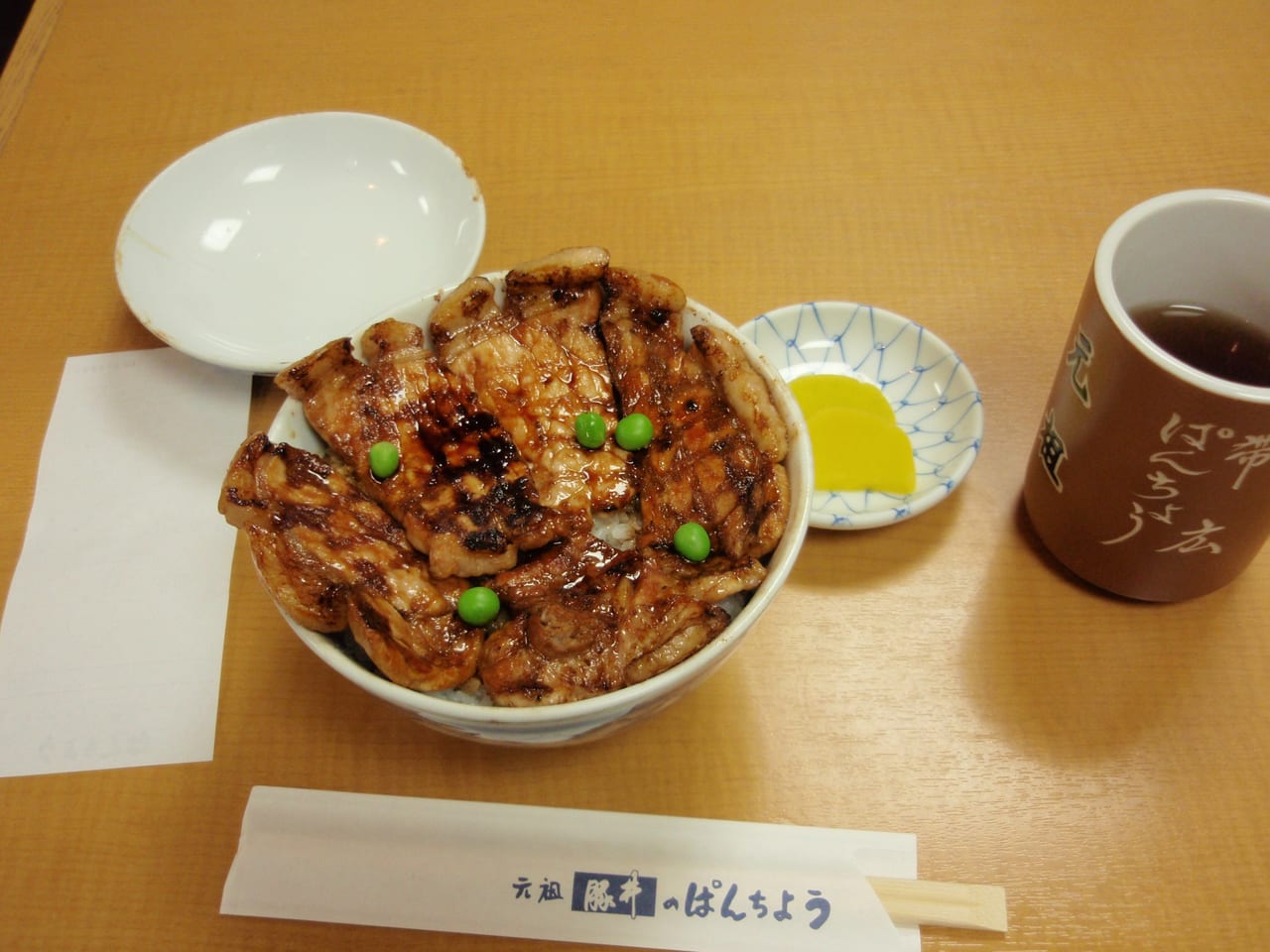
If you only eat one thing in Obihiro, make it butadon. First, set your expectations: Obihiro butadon is not a stewed-meat donburi. The pork is sliced and grilled directly over charcoal, brushed with a soy-based sweet-savory glaze, and laid over hot rice. The char of the charcoal, the sweet-salty sauce, and the pork fat stacked together — that is the taste of Obihiro. The dish originated here as cheap, filling food to get meat to local laborers, and it has since become shorthand for all of Tokachi.
The three shops you will hear named most, with the trade-offs:
- Pancho: the grand old name of butadon, with sizes graded "matsu / take / ume / hana" (ascending pork). Wildly popular, so expect a queue at meal times. Per traveler reports and the shop's public info, the average lands around ¥1,000–1,999 a bowl. Note its closing days are irregular, so confirm it is open before making a special trip, or you will arrive to a shut door.
- Butadon no Butahage: a sister shop opened in 2000 by the long-established "Obihiro Hageten," serving grilled butadon, and located right inside Obihiro Station's ESTA mall — which is its big advantage: you can eat the moment you step off the train, bags in hand. My pick for day-trippers.
- Hageten: one of the originals that turned butadon into Obihiro's signature; the main shop is the traditional route if you want the "old proper flavor."
My practical advice: short on time or on a day trip, just eat Butahage in the station and skip the queue and the round-trip; with a spare half-day and a wish to pilgrimage to the original, line up at Pancho — but confirm its closing day first. On size, a first-timer is usually right with the middle grade (take); the pork portion is already generous, so don't open with the biggest bowl. Menus and exact prices are as posted in each shop.
Banei draft-horse racing (world's only)
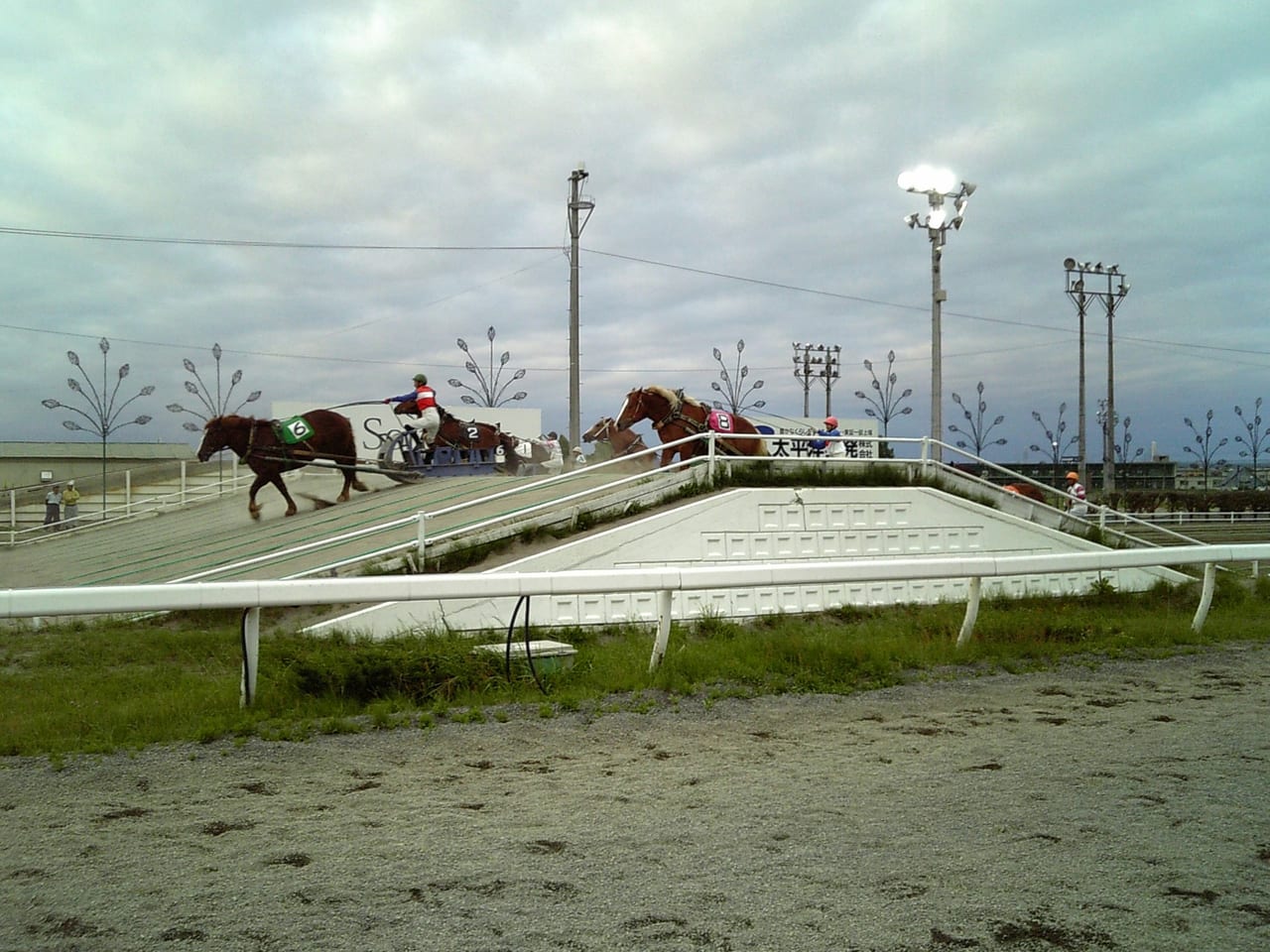
If butadon is Obihiro's flavor signature, Banei racing is its visual spectacle — and it is the only draft-horse racing still run anywhere in the world. Ordinary racing is about speed; Banei is about power and stamina: a "ban-uma" weighing close to a ton drags a weighted iron sledge along a 200-meter straight sand track, hauling it over two ramped mounds on the way. Before the second, bigger mound the horse often stops to gather itself, then heaves — and the whole crowd holds its breath. It is the opposite of a thundering gallop: slow, heavy, and tense, a completely different kind of race-watching.
The practicals are wonderfully generous:
- Location: Obihiro Racecourse (Banei Tokachi), about 10 minutes from Obihiro Station by car or bus.
- Admission: free, per official info. Yes — the world's only draft-horse racing costs nothing to enter.
- Race days: year-round, mainly Saturdays, Sundays, and Mondays (including holidays), with some night races. Check the official schedule before you go so you don't turn up on a dark day.
It is worth a visit even if betting holds zero appeal: there is a horse museum where you can see and pet the horses up close, plus a food zone of Tokachi specialties. Treat it as a half-day of spectacle, local eats, and a window onto Hokkaido's farming culture. Beyond the must-eat butadon, this is Obihiro's must-see.
Rokkatei & Ryugetsu sweet factories
What many people don't realize is that Obihiro is the birthplace of two of Hokkaido's biggest souvenir-sweet brands — Rokkatei and Ryugetsu — both headquartered here. If you've ever bought omiyage at New Chitose Airport, you've almost certainly seen them. Visiting the flagships gets you prices, freshness, and limited items the airport doesn't have:
- Rokkatei Obihiro main store: known for the Marusei Butter Sandwich (raisin-butter cream biscuit) and strawberry chocolate. The flagship is about a 10-minute walk from Obihiro Station, with a second-floor tearoom serving made-on-site sweets and cakes you can only get in-store — essential for anyone with a sweet tooth.
- Ryugetsu Sweetpia Garden: Ryugetsu's signature is Sanpouroku, a baumkuchen with a white-birch-bark pattern. This large factory store near the Otofuke-Obihiro IC is the only place in Hokkaido where you can tour Ryugetsu's production: a free, no-reservation viewing corridor on the third floor (9:00–16:00) lets you watch the baumkuchen get its birch pattern and be cut into log shapes. There are also factory-only "offcut" bargain bags of Sanpouroku (50+ people often queue before opening on weekdays) and limited soft serve — strong value.
How I'd play it: catch the Rokkatei flagship tearoom within walking range in town, and if you're driving, swing by the Ryugetsu factory to watch the line and grab limited items. Both turn "buying sweets" into something you can tour and taste, not just box up to take home.
Koufuku & Aikoku stations
On Obihiro's outskirts sit two stations no train has run to for decades, yet people visit daily: Koufuku ("Happiness") Station and Aikoku ("Love-Country") Station. Both were stops on the old Hirou Line (closed in 1987), and they went viral purely because their names are so auspicious — strung together they read "Ai-no-kuni kara Koufuku e — from the land of love to happiness." After NHK's program "Shin Nihon Kikou" featured them in 1973, the nation caught the bug, and the "Aikoku to Koufuku" ticket sold roughly 10 million copies in four years at its peak, becoming a good-luck charm for couples and travelers.
What there is to see now:
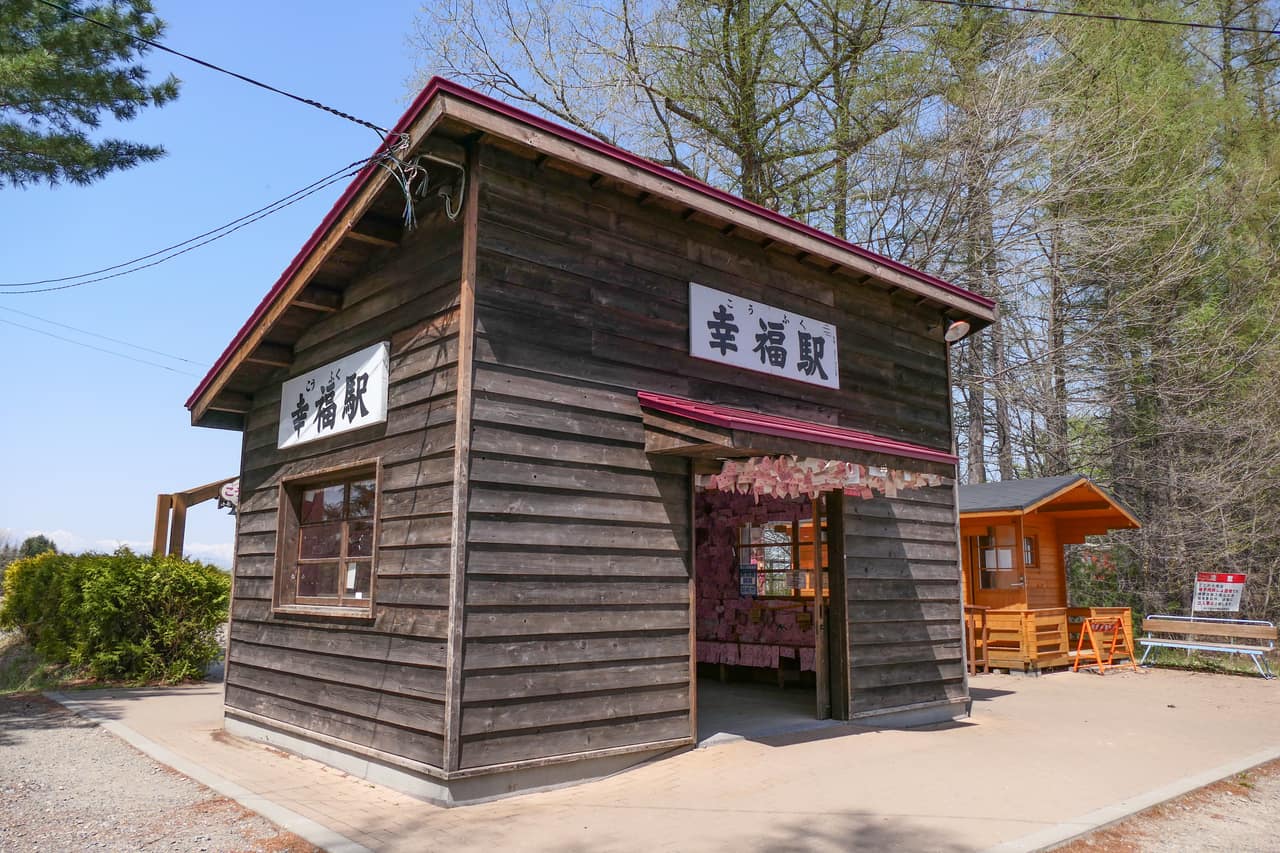
- Koufuku Station is preserved as a "railway park," with the platform, the wooden station building, and two diesel railcars. The building, inside and out, is papered thick with visitors' handwritten wish cards — a striking, photogenic wall and a popular Instagram stop. The "from Aikoku, bound for Koufuku" commemorative ticket is sold right there, charming as a charm or a souvenir.
- Aikoku Station preserves its station building and a steam-locomotive head, with a "transport memorial hall" on the Hirou Line's history. The two are close enough to pair on one loop.
Access: Koufuku is about 30 minutes by car from Obihiro Station, or about 46 minutes on the Tokachi Bus toward Hiroo, alighting at "Koufuku" and walking ~5 minutes. Without a car, check bus times in advance; with a car, this pocket pairs neatly with the butadon and the racecourse into a half-day suburban loop.
Tokachigawa Onsen: the moor spring
Treat Obihiro as a pure day trip and you miss its most precious thing — the moor spring (mol-sen) at Tokachigawa Onsen. This is a genuinely rare "plant-based hot spring", named a Hokkaido Heritage in 2004. Its origin is unusual: in ancient times the banks of the Tokachi River were thick with reeds and other plants, which over long ages built up and carbonized into a lignite layer; the spring rises through that layer and dissolves a lot of plant-derived organic matter. So unlike a clear or milky-sulfur mineral spring, the water is a faint amber (yellowish-brown) with "yu-no-hana" floating on the surface, rich in natural moisturizing compounds that leave skin smooth — locals call it the "beauty bath."
Hot-spring inns and hotels cluster along the river here, from upscale Japanese ryokan to day-bathing facilities, across a wide price range. My advice: if your Obihiro plan allows even one overnight, stay here — spend the day in town on butadon, racing, and sweets, return at dusk to soak in this plant-based amber water you simply can't get elsewhere, and set out the next morning for the gardens and Koufuku. The pace is far kinder. For anyone after a rare spring type, this is the night most worth adding. (For reference, lodging and booking details reflect current hotel status — confirm with each inn's official site.)
Tokachi gardens & farm scenery
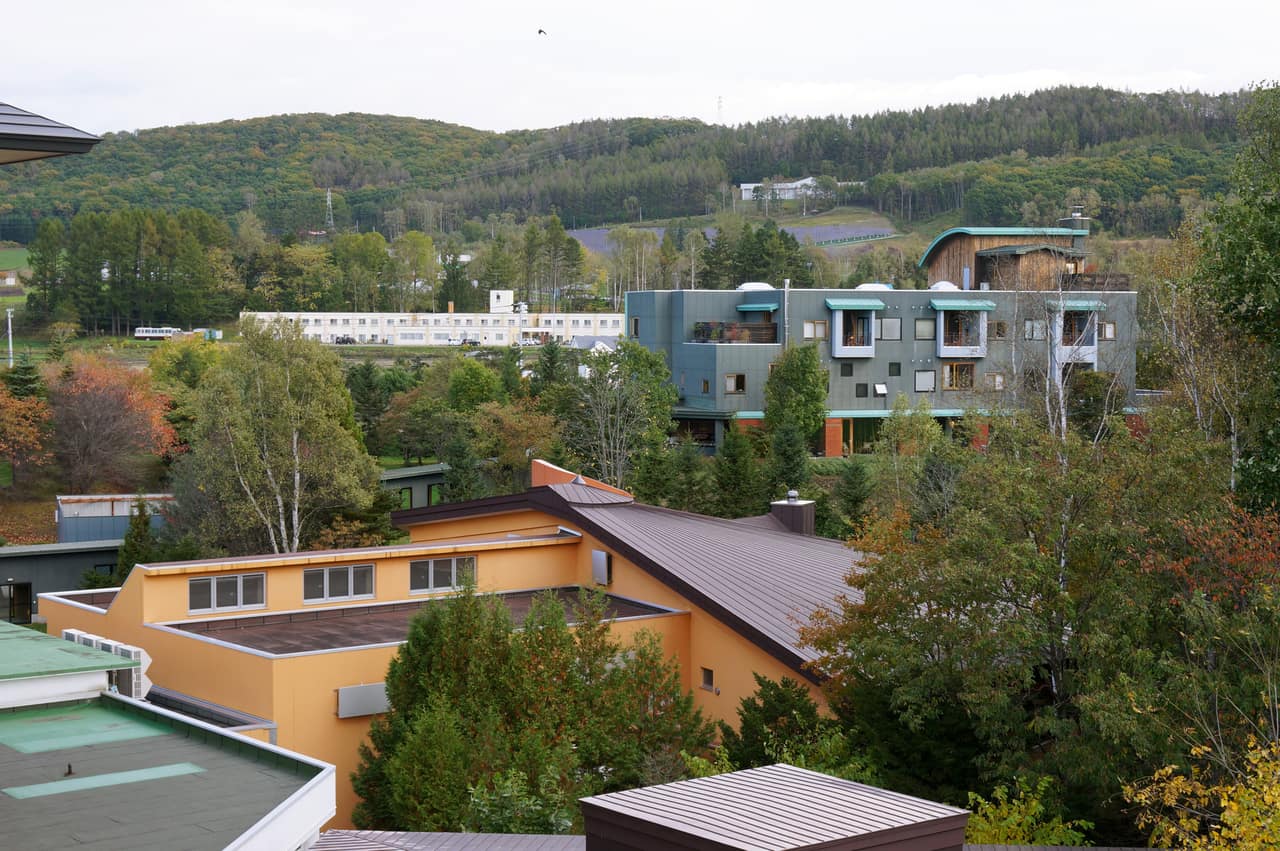
The abundance of the Tokachi plain shows clearest in its gardens and farmland. A few green spaces near Obihiro are well worth the detour:
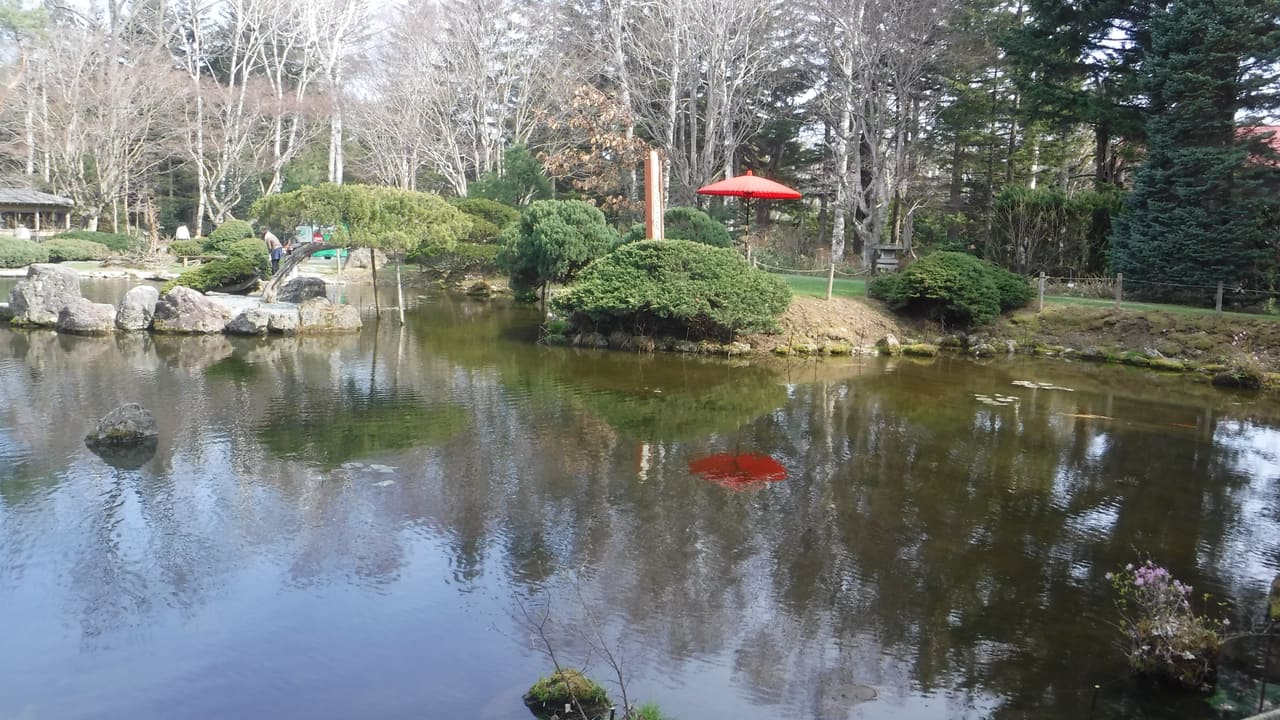
- Manabe Garden: Japan's first conifer-themed garden, a stroll garden blending Japanese, European, and woodland styles — green through the seasons, layered and lovely in autumn, an easy add for drivers.
- Shichiku Garden: a country garden created by "Grandma Shichiku," where some 2,500 kinds of flowers bloom in relay through summer — a soothing, pastoral stop.
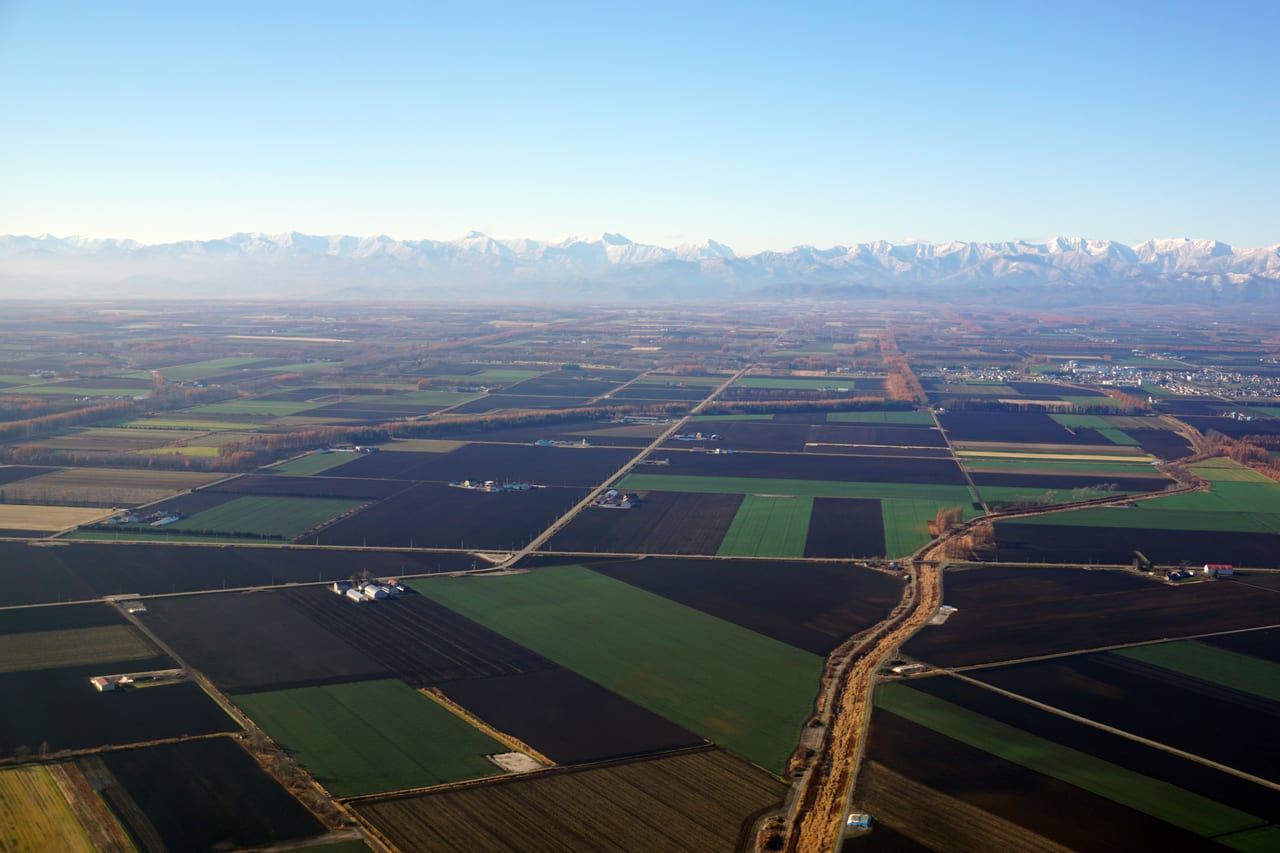
- The Tokachi plain itself: driving through Obihiro's outskirts, the patchwork of wheat and sugar-beet fields and the dead-straight shelterbelts (Hokkaido's signature windbreak rows) are free scenery — golden and very photogenic in autumn.
These all sit out of town and are easiest by car. If you're on public transport and tight on time, the gardens are the cuttable part — protect the butadon + racing + Koufuku + sweets main line first; but with a car and a spare half-day, Manabe or Shichiku rounds out the "Tokachi = farming country" impression. For Hokkaido's overall foliage timing and what to pack, see the timetable in our central and eastern Hokkaido autumn drive.
Transport & lodging
First, getting in, two main ways:
- JR rail (top pick without a car): the limited express "Tokachi" (some runs are the Kushiro-bound "Ozora") goes direct from Sapporo to Obihiro in about 2h40m per the official timetable — no transfer, reliable service. You arrive right at Obihiro Station, where the ESTA mall has butadon (Butahage) on hand, so the flow is seamless.
- By air: Tokachi-Obihiro Airport has direct flights from Haneda, handy for entering eastern Hokkaido from the Tokyo side; from the airport, a connecting bus runs into the city (about 40 minutes).
Once in Obihiro, for getting around: the in-town butadon, station sweets, and racecourse (about 10 minutes from the station) are doable on foot plus short taxi hops, so a car isn't mandatory. But Koufuku, Aikoku, Manabe Garden, Shichiku Garden, and Tokachigawa Onsen sit out in the country with infrequent buses, and a car is far more convenient — especially if you're already on an eastern-Hokkaido drive, where picking up a car in Obihiro and chaining onward makes the most sense. If the whole Hokkaido trip (Sapporo + the east) leans on JR limited expresses, run the break-even math in our Hokkaido JR Pass guide first.
Lodging splits into two strategies: for convenience, stay at a business hotel near Obihiro Station (eating, drinking, and shopping all within walking range, easy onward connections); for a getaway, stay at a Tokachigawa Onsen ryokan for that rare plant-based moor spring and quiet evenings. Peaks (summer, foliage weekends, long holidays) get tight, so book early. For Hokkaido weather and packing, see the gear notes in our Hokkaido winter 7-day itinerary — Tokachi winters are bitterly cold with big day-night swings, so pack serious warmth.
One-day / two-day plans
Here are the same sights shaped into two paces — pick by how much time you have:
- Sapporo day return (the highlights run): early "Tokachi" to Obihiro → Butahage butadon in the station's ESTA mall as brunch (skip the queue) → taxi or bus to Obihiro Racecourse for Banei (remember: pick a Sat/Sun/Mon) → back to town for the Rokkatei flagship tearoom → evening limited express back to Sapporo. Tight but doable — the key is hitting a race day.
- Overnight (the recommended version): Day 1 Obihiro → butadon (queue at Pancho or grab Butahage) → Banei racing → Rokkatei / Ryugetsu sweets → check in at Tokachigawa Onsen for the moor spring. Day 2 (needs a car) Koufuku + Aikoku stations for photos and a lucky ticket → Manabe or Shichiku Garden → drive on east or return to Obihiro for the train.
If you're planning a longer Hokkaido trip, Obihiro and Tokachi work best as a food hub on an eastern-Hokkaido drive — north toward Akan and Kushiro, west back to Mt. Tokachi and Furano. The eastern route and foliage timing are in our central and eastern Hokkaido autumn drive; for a winter trip pairing snow scenery with other cities, see our Hokkaido winter 7-day itinerary; and the Sapporo end is in our Sapporo travel guide.
FAQ
- Q1:Is Obihiro & Tokachi worth a trip? Is a day trip from Sapporo enough?
- It depends on how deep you want to go. For just the butadon, the Banei racing, and Koufuku Station, a Sapporo day return works — the limited express is about 2h40m each way, so an early train out and an evening train back gives you time to eat a pork bowl, catch a Banei race, and reach Koufuku. Honestly, though, I would stay a night at Tokachigawa Onsen and slow down: soak in the plant-based moor spring, then hit Manabe Garden and the Rokkatei and Ryugetsu sweet factories the next day. And if you are already driving eastern Hokkaido, you will pass through Tokachi anyway, so folding it in beats a special trip. The eastern Hokkaido route is in our central and eastern Hokkaido autumn drive.
- Q2:Which Obihiro butadon shop is most famous, and how much is it?
- Obihiro is the birthplace of butadon — pork grilled directly over charcoal, glazed with a sweet-savory sauce, and laid over rice, which is nothing like a stewed donburi. The three most-named shops are Pancho, Hageten, and Butadon no Butahage. Per each shop’s public info and traveler reports, a bowl runs roughly ¥1,000 to ¥1,500 (graded by pork quantity, so bigger costs more), with Pancho averaging in the ¥1,000–1,999 band. A heads-up: Pancho is extremely popular, usually has a queue, and its closing days are irregular — check the shop’s official channels for the day you go. Butahage sits inside Obihiro Station’s ESTA mall, so it is the easiest to hit the moment you arrive. Actual menu prices are as posted in-store.
- Q3:What is Banei racing, and do you need a ticket? Which days?
- Banei is the only draft-horse racing left in the world: horses weighing close to a ton drag iron sledges along a 200-meter straight sand track, hauling them over two ramped mounds — a contest of raw power and stamina rather than speed, and genuinely gripping to watch. It is held at Obihiro Racecourse (Banei Tokachi), and per official info admission is free. Races run year-round, mainly Saturdays, Sundays, and Mondays (including holidays). On-site there is a horse museum where you can meet the horses up close and a food zone of Tokachi specialties, so it is well worth it even if you never place a bet. It is about 10 minutes from Obihiro Station by car or bus.
- Q4:Where are Koufuku and Aikoku stations, and how do the lucky tickets work?
- Both are defunct stations on the old Hirou Line (closed in 1987). They became famous purely because their names combine into a lucky phrase — "Ai-no-kuni kara Koufuku e," from the land of love to happiness. After an NHK program featured them in 1973, the "Aikoku to Koufuku" ticket became a craze, selling roughly 10 million copies over four years at its peak. Today Koufuku Station is preserved as a railway park with the platform, the wooden station building, and two diesel railcars; the building is papered with visitors’ wish cards and is a popular photo stop. The "from Aikoku, bound for Koufuku" commemorative ticket is sold on-site (station shop / self-serve) as a charm or souvenir. Koufuku is on Obihiro’s outskirts, about 30 minutes by car from Obihiro Station, or about 46 minutes on the Tokachi Bus toward Hiroo, alighting at "Koufuku" and walking ~5 minutes. The two stations are close enough to pair.
- Q5:What is the "moor spring" at Tokachigawa Onsen, and why is it special?
- Tokachigawa Onsen’s signature is its moor spring (mol-sen) — a plant-based hot spring, a water type that is genuinely rare worldwide and was named a Hokkaido Heritage in 2004. It is not an ordinary mineral spring: in ancient times the banks of the Tokachi River were thick with reeds and other plants, which over ages built up into a lignite (sub-bituminous) layer; the spring rises through that layer and dissolves a lot of plant-derived organic matter, giving the water a faint amber (yellowish-brown) tint and natural moisturizing compounds that leave skin smooth — hence its nickname, the "beauty bath." Hot-spring inns and hotels line the river here, most offering day bathing, so this is the place to experience that plant-based water.
- Q6:How do I get to Obihiro from Sapporo? Is there an airport? Do I need a car?
- Two main ways. By rail: the limited express "Tokachi" (some slots are the Kushiro-bound "Ozora") runs direct from Sapporo to Obihiro in about 2h40m per the official timetable — no transfer, reliable service, the best option without a car. By air: Tokachi-Obihiro Airport has direct flights from Haneda, handy for reaching eastern Hokkaido from the Tokyo side, with a connecting bus into the city. Whether to rent a car depends on your plan — the in-town butadon, racecourse, and station sweets are doable on foot plus short taxi hops, but the outlying sights (Koufuku Station, Manabe Garden, Shichiku Garden, Tokachigawa Onsen) are far more convenient by car, since buses are infrequent. If the wider trip leans on JR, run the numbers with our Hokkaido JR Pass guide first.
Related reading:
Sapporo Travel Guide 2027: Odori Park, Snow Festival & Mt. Moiwa
Hokkaido's gateway and food capital — Odori Park and the Snow Festival, the Clock Tower, Mt. Moiwa's night view, miso ramen, Genghis Khan and soup curry.
Hokkaido Central-East 5-Day Autumn Drive 2026 Guide
Six weeks of foliage across 600 km — 3-rental comparison, toll math, central-east loop.
Hokkaido JR Pass Complete Guide 2026
Five routes recalculated with 2026 fares — all-reserved limited expresses and the post-2024 Furano line closure change the math.