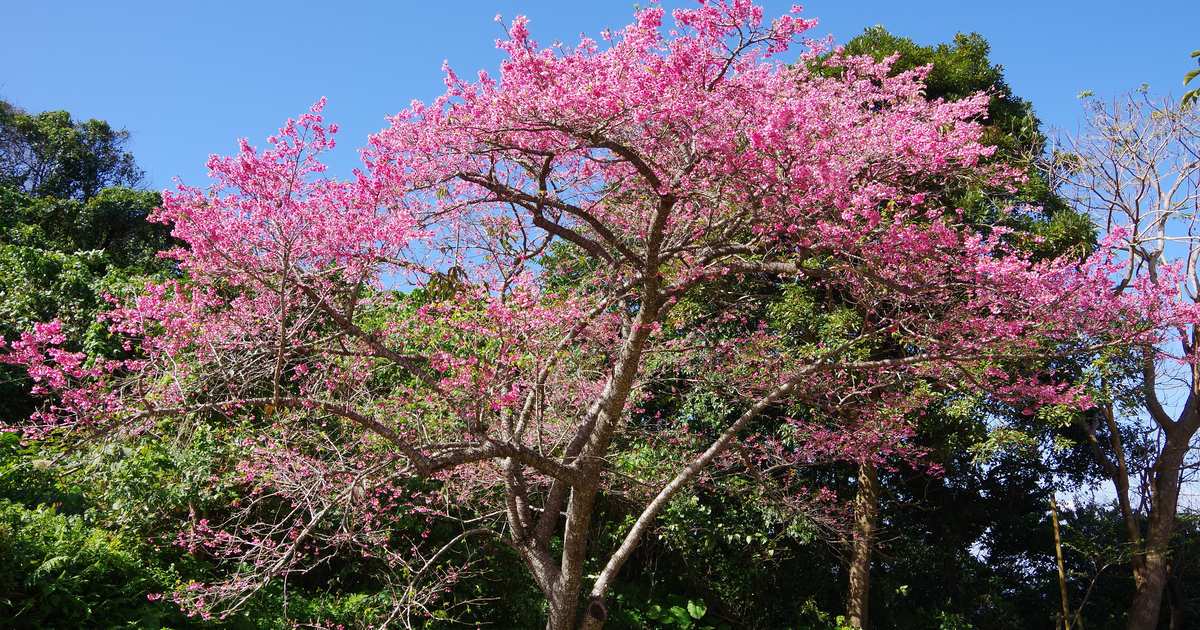
Okinawa's cherry blossoms open in mid-January. The Japan Meteorological Agency's normal for Naha's Taiwan cherry (kanhizakura) is first bloom on January 16 and full bloom on February 4, the earliest of its 58 cherry observation points nationwide, and official sources put the best viewing (見頃, mikoro) only through mid-February. Fly in during March and you'll find trees in leaf. This guide answers the four things that change your plans: which week to aim for, how to choose between Yaedake, Nago Castle Park and Nakijin Castle, whether you can go without a car, and which of the four 2027 festivals have fixed dates (Nago January 30–31, Nakijin Castle January 30 – February 7). One term to know: the "sample tree" (標本木, hyohonboku) is the single cherry tree the agency uses to declare first bloom and full bloom, and it grows in the Meteorological Office's grounds in Naha city, not on the mountains up north.
- Two 2027 festivals are fixed: Nago Jan 30 (Sat) – 31 (Sun), Nakijin Castle Jan 30 (Sat) – Feb 7 (Sun); Yaedake and Yaese not announced yet
- Aim for late January to early February: Naha's normal is first bloom Jan 16, full bloom Feb 4; the northern mountains run a little behind the city
- Skip March: official sources put the best viewing through mid-February
- The agency's bloom date isn't the northern bloom: it's the sample tree in the Naha office grounds; Yaedake is a 453 m mountain
- There's no Okinawa bloom forecast: tenki.jp and Weathernews leave Okinawa out, so use the agency's actual observations and each site's notices
- All three spots are on the Motobu Peninsula, one day by car; without a car only Yaedake (free festival shuttle) and Nakijin Castle (regular bus) are reachable
- Only Nakijin Castle charges: adults ¥1,000, junior high and high school ¥500; Yaedake and Nago Castle Park list no admission fee
Contents
- Is Okinawa cherry blossom viewing for you?
- When do Okinawa's cherries bloom?
- Which tree does "Okinawa has bloomed" refer to?
- 2027 dates for the four cherry festivals
- The three cherry spots at a glance
- Staying in Naha and not going north: Yaese Park
- Can you go without a car?
- Common first-timer mistakes
- Should you stay a night up north?
- How I'd plan a cherry day on the Motobu Peninsula
- FAQ
Is Okinawa cherry blossom viewing for you?
If January is your only window, Okinawa is the one place in Japan where you'll see cherry blossoms. Mainland Japan's Somei-yoshino wait until late March; Okinawa's Taiwan cherries open in mid-January, more than two months earlier.
Good fit
- You're in Okinawa between late January and early February and want to fit the cherries in
- You'd rather not wait for spring in the cold: Naha's January mean temperature is 17.3°C
- You can rent a car: all three cherry spots are on the Motobu Peninsula, one day's driving
- You're already heading to Churaumi Aquarium and northern Okinawa; the cherry spots sit on the same route
Not worth planning around
- You can only come in March or over spring break: Okinawa's cherries are over by then, so head to the mainland
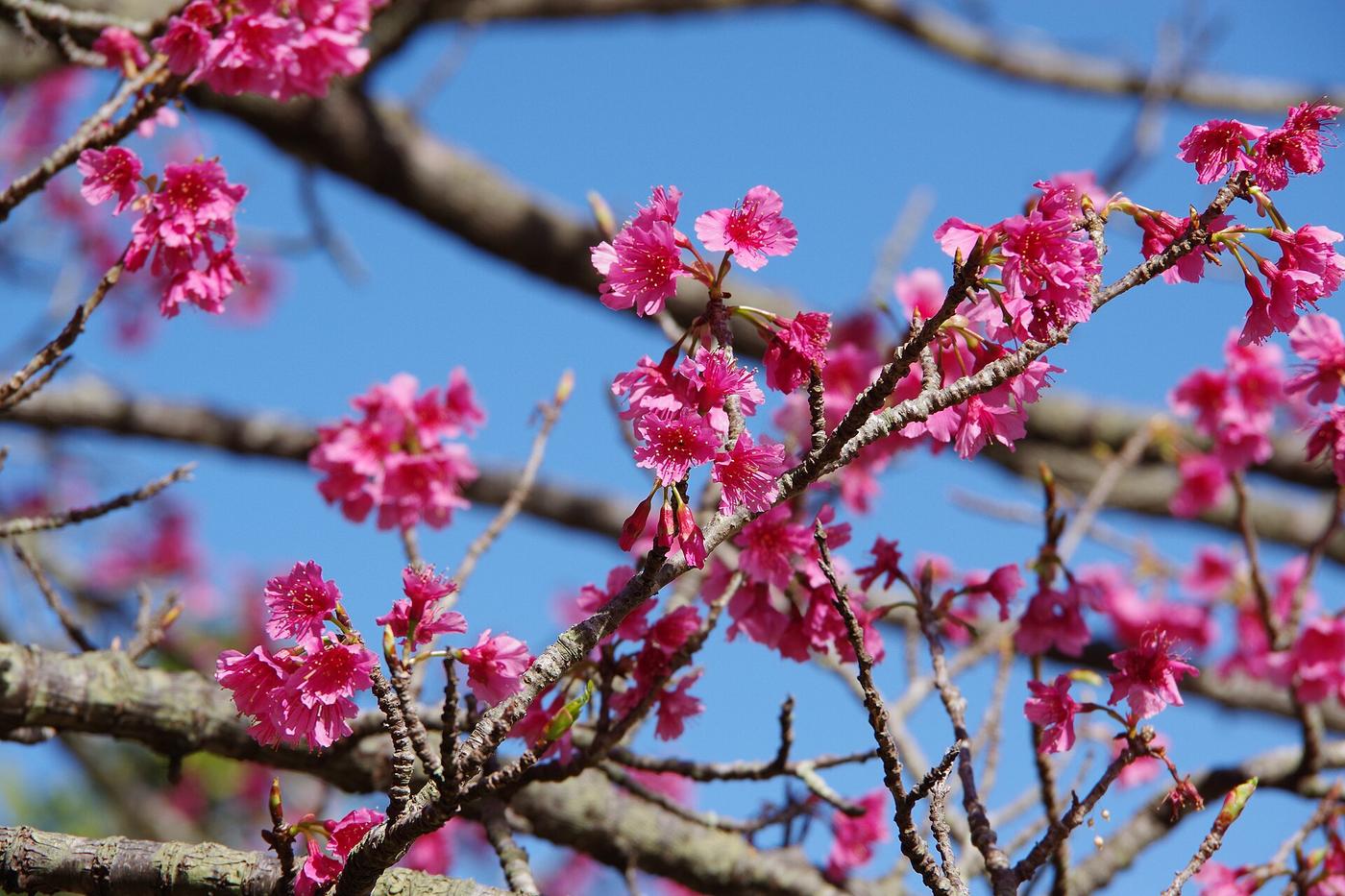
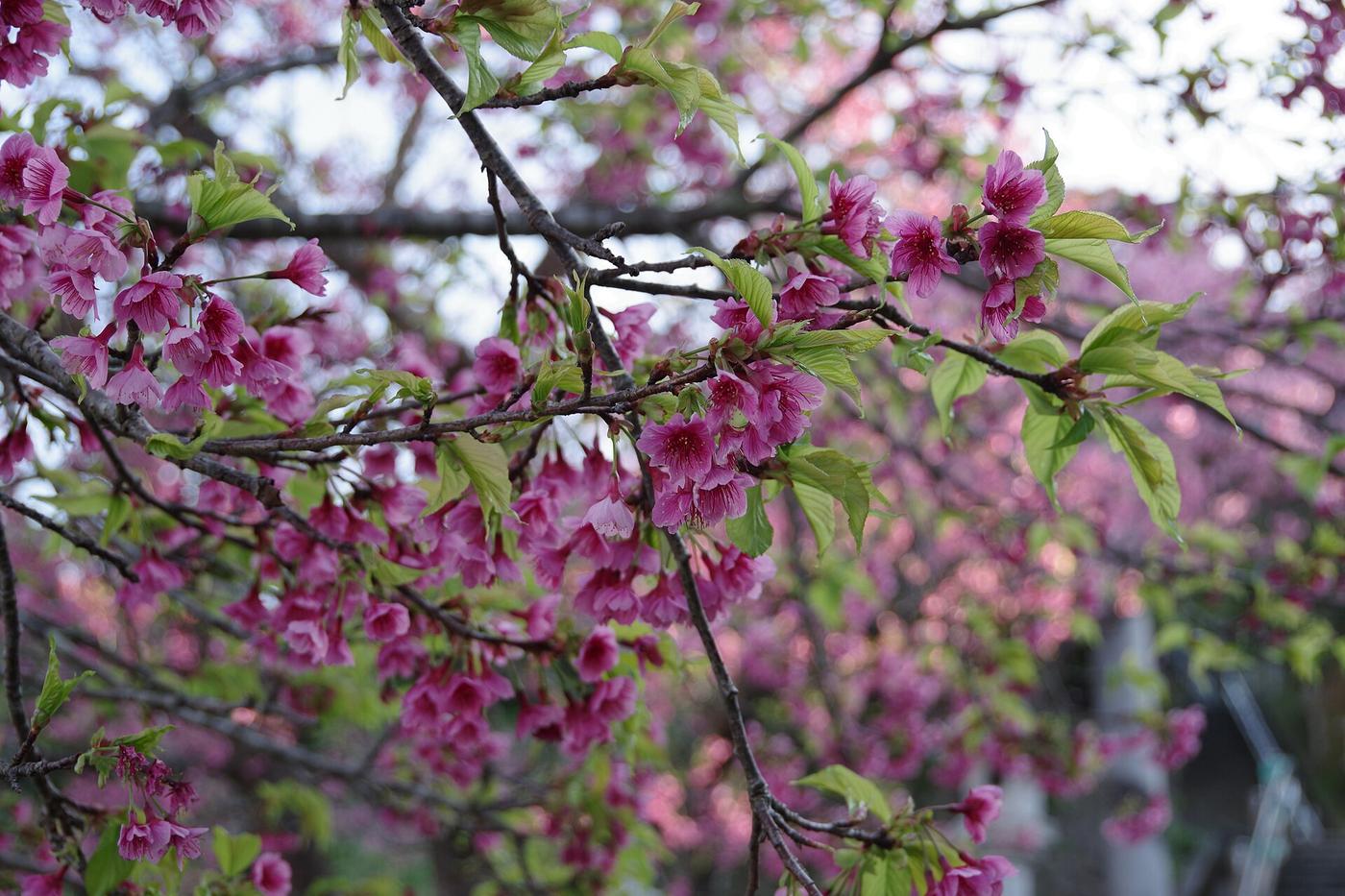
- You want the pale pink, flat-petalled Somei-yoshino look: Taiwan cherries are deep pink-purple, drooping bells, quite different
- You're relying on the free shuttle up Yaedake and need its timetable before booking flights: Yaedake's 2027 dates and shuttle schedule aren't out yet
- You don't drive and want all three spots in one day: public transport can't do it
When do Okinawa's cherries bloom?
First bloom in mid-January, full bloom in early February, only leaves by March. In Okinawa and Amami the Meteorological Agency observes the Taiwan cherry (ひかんざくら, hikanzakura), not mainland Japan's Somei-yoshino; the normals cover 1991–2020.
| Observation point | Normal first bloom | Normal full bloom |
|---|---|---|
| Naha | Jan 16 | Feb 4 |
| Miyakojima | Jan 17 | Feb 9 |
| Ishigaki | Jan 18 | Feb 10 |
| Naze (Amami) | Jan 20 | Feb 2 |
Naha's January 16 is the earliest normal first-bloom date in the country among the agency's 58 observation points. Over the last six years actual first bloom fell between January 4 and January 18 (1/4, 1/11, 1/7, 1/13, 1/5, 1/18), with full bloom mostly at the turn of January and February. For the safest week, center on the February 4 full-bloom normal and add a few days either side; that also lands inside the festival dates.
Which tree does "Okinawa has bloomed" refer to?
A tree in the grounds of the Okinawa Meteorological Office in Naha city, not on Yaedake. The office states that seasonal observations are, in principle, made on sample trees set in its own grounds; first bloom means 5 or 6 flowers open on the sample tree, and full bloom means about 80% or more of its flowers are open.
Naha is a coastal city; Yaedake is a 453.4 m mountain, and Nago Castle Park sits on the slopes around Mt. Nago. On the day the news reports "Okinawa has bloomed", trees up north usually aren't at the same stage. For the north, check each site's official bloom updates; Nakijin Castle's website posts bloom status every cherry season.
Also, the main bloom forecasts don't cover Okinawa. The prefecture lists on tenki.jp and Weathernews run from Hokkaido to Kyushu and stop there, and the Meteorological Agency itself stopped issuing forecasts in 2010. The mainland routine of "check the forecast, then book flights" has no Okinawa equivalent; you have the normals, past records and each site's notices. To compare with mainland timing, see Japan cherry blossom forecast: which week to go.
2027 dates for the four cherry festivals
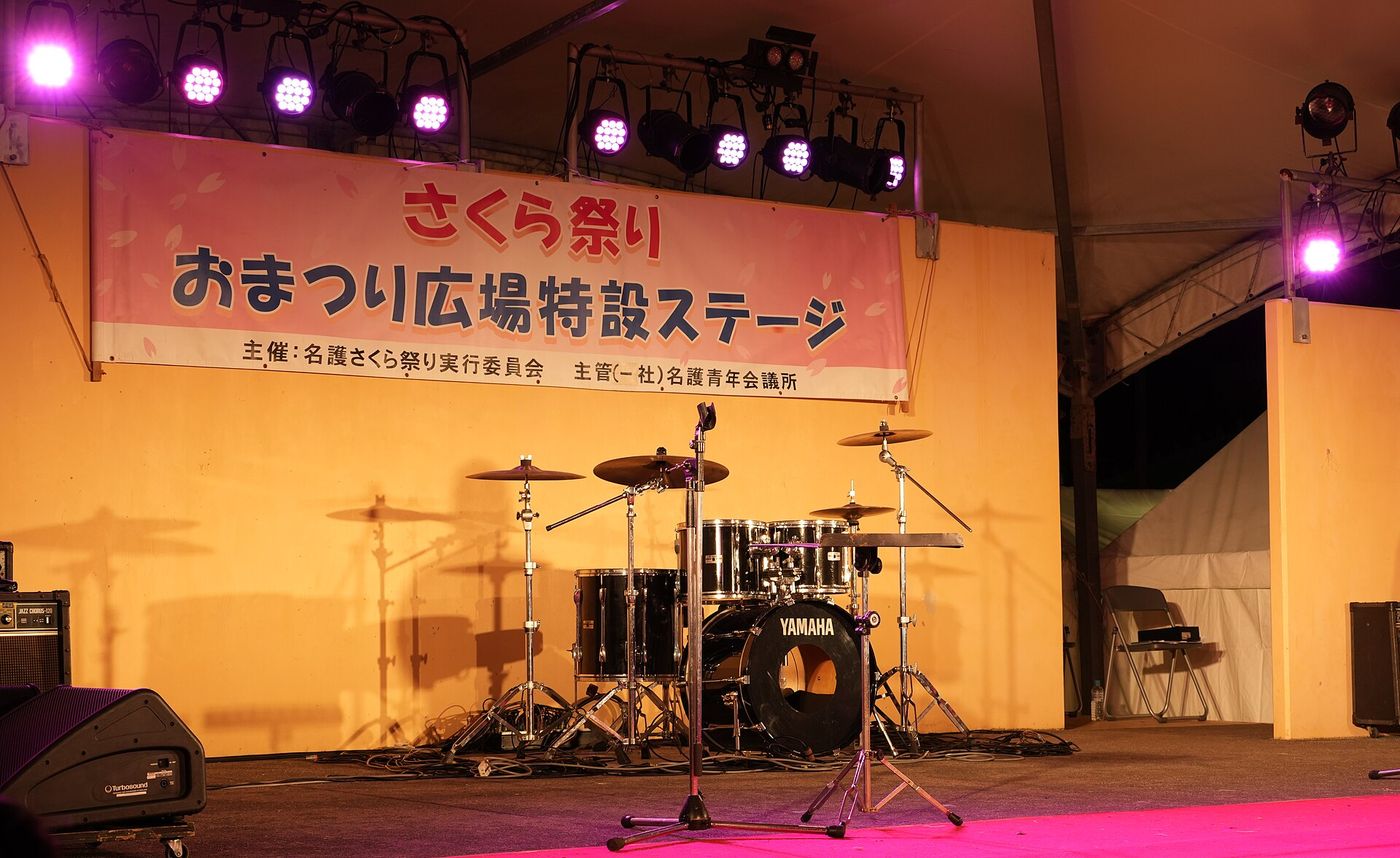
Nago is January 30 (Sat) – 31 (Sun) and Nakijin Castle January 30 (Sat) – February 7 (Sun); Yaedake and Yaese haven't announced yet. The easiest weekend of the four is January 30–31: Nago runs both days, Nakijin has just opened, last year's Yaedake dates (January 17 – February 8) would cover it, and Naha's February 4 full-bloom normal is only days later.
| Festival | 2027 dates | Last year (2026) | Still to be announced |
|---|---|---|---|
| Nago Sakura Festival (名護さくら祭り, 64th, Nago City) | Jan 30 (Sat) – Jan 31 (Sun), two days only | Jan 31 (Sat) – Feb 1 (Sun) | 2027 leaflet with parade times, stage program, lanterns and shuttles |
| Nakijin Gusuku Sakura Festival (今帰仁グスク桜まつり, 20th, Nakijin Village) | Jan 30 (Sat) – Feb 7 (Sun), 9 days | Jan 31 (Sat) – Feb 8 (Sun) | Night illumination hours, temporary parking and shuttles |
| Motobu Yaedake Sakura Festival (もとぶ八重岳桜まつり, Motobu Town) | Start and end not announced; an official poster shows a festival event on Jan 16 (Sat) (49th festival) | Jan 17 (Sat) – Feb 1 (Sun), later extended to Feb 8 | Dates and shuttle timetable; last year announced Nov 27, and the past four festivals between mid-November and mid-December |
| Yaese Sakura Festival (やえせ桜まつり, Yaese Town, south) | Not announced; the town's events calendar only says late January to early February | Jan 29 (Thu) – Feb 8 (Sun), illumination 18:00–21:00 | Dates and illumination hours; last year announced Dec 1 |
The Motobu Town Tourism Association's poster recruiting Miss Motobu Sakura says the winners are announced at the 49th Yaedake Sakura Festival on January 16 (Sat), so the festival is on that day; start and end dates and the shuttle timetable aren't out, so if you're relying on the shuttle, wait for the timetable. Yaese's illumination hours are also announced year by year.
The three cherry spots at a glance
All three are on the Motobu Peninsula, and only Nakijin Castle needs a ticket.
| Yaedake Sakura-no-Mori Park (Motobu) | Nago Castle Park (Nago) | Nakijin Castle (Nakijin) | |
|---|---|---|---|
| Cherries | Along both sides of the roughly 4 km road up the mountain; officially 7,000+ trees | The "Sakura-no-Sono" garden covers 1.78 ha; billed as a 10,000-tree cherry spot | Along the World Heritage stone walls; no official tree count |
| Admission | No admission or parking fee listed on the official page | No admission listed on the official site | Adults ¥1,000 / junior high & high school ¥500 / elementary and younger free |
| Hours | No gate | No gate; the park's subaco café 10:00–17:00 (L.O. 16:30) | 8:00–18:00 (last entry 17:30); the castle is open year-round, the history and culture center closes Mondays; extended during the festival, ask for the time |
| Parking | About 500 spaces; large buses use the second entrance | During the festival, the official lot is Nago fishing port | Free; Lot 1 closed from Sept 1, 2026 for nearby construction, use Lots 2–4 |
| Without a car | Free shuttle during the festival (see transport) | No direct bus; walk uphill | Okinawa Bus 65/66 to "Nakijin-jo-ato Iriguchi", 15 min walk; Yanbaru Express bus to "Nakijin-jo-ato", at the gate |
| Time needed | 1.5–2 hours (including the drive up and down) | 1–1.5 hours; add 30 min to walk to the castle ruins | Officially about 30 min for the castle, 15 min for the history and culture center |
| Contact | Motobu Town Tourism Association 0980-47-3641; on festival weekends the management building 0980-47-6688 | 0980-52-7434 | 0980-56-4400 |
| Official site | Motobu Town Tourism Association | Nago Castle Park | Nakijin Castle |
Yaedake: a 4 km avenue of cherries up the mountain
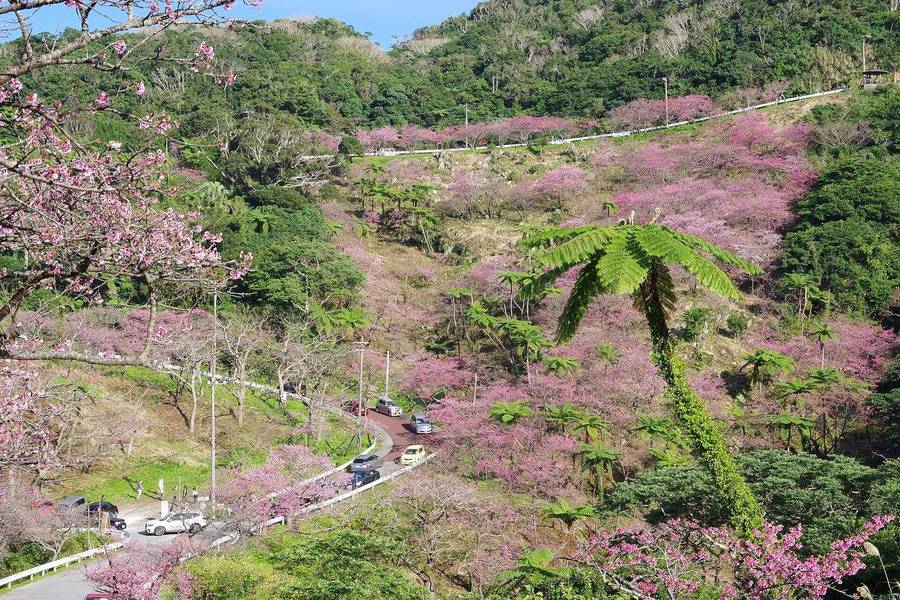
Yaedake is the second-highest mountain on Okinawa Island at 453.4 m, and the cherries line both sides of the roughly 4 km road to the top; the official count is 7,000+ trees. Drive up and walk a loop of Sakura-no-Mori Park: allow 1.5 to 2 hours. Don't just type the place name into your navigation; the official site suggests entering the management building's phone number, 0980-47-6688, or the Mapcode 206 830 214*24.
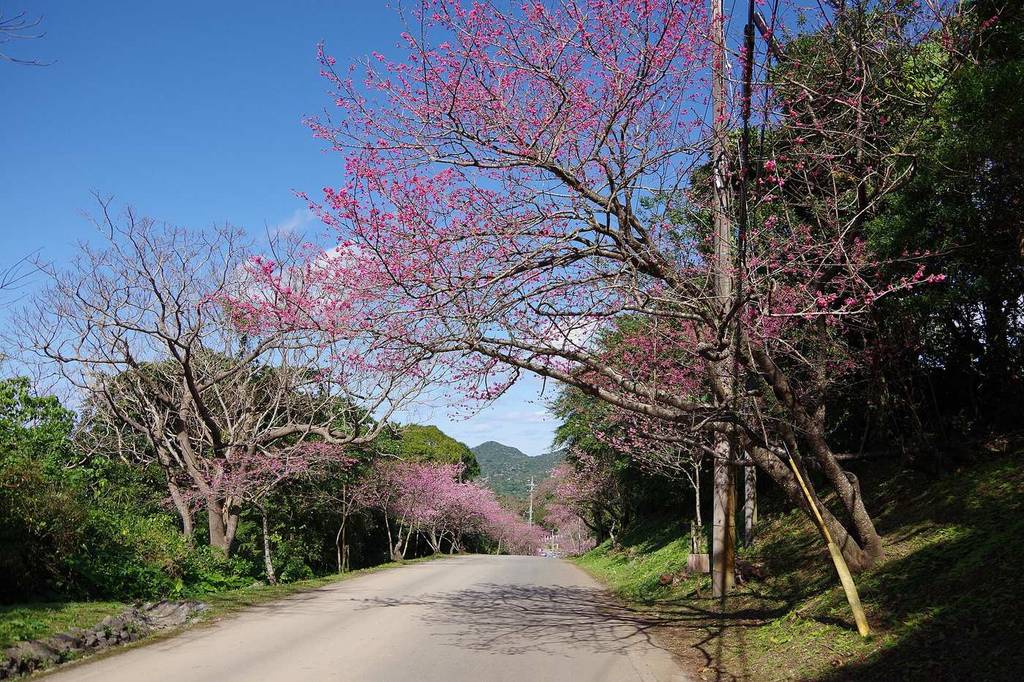
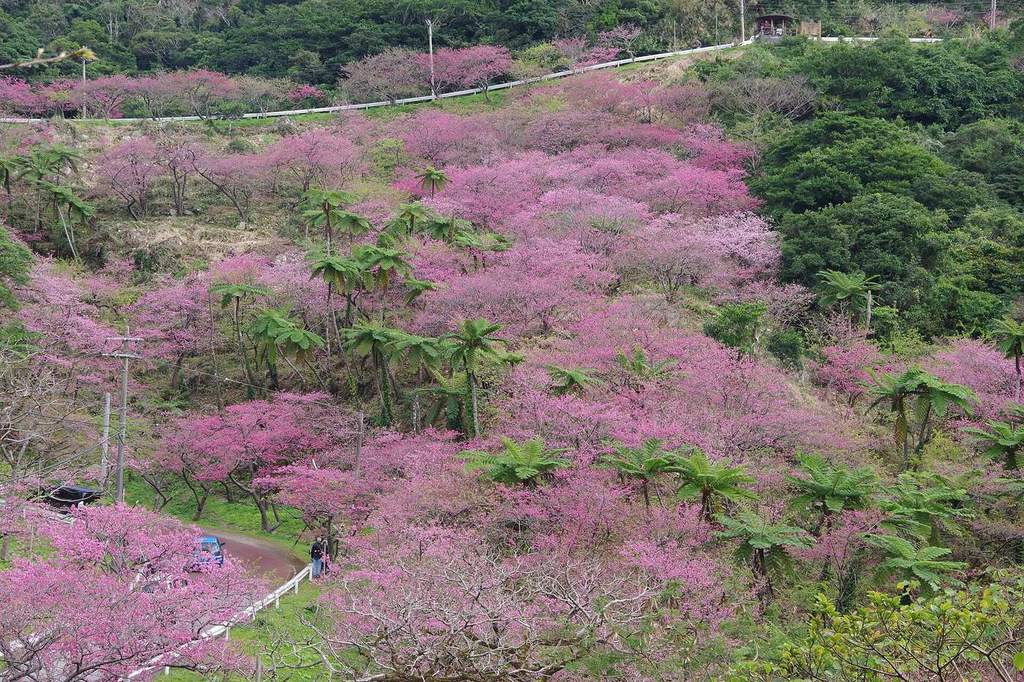
Up the mountain it's cooler than central Nago and the sea wind is stronger, so a light jacket won't cut it. Official materials don't mention one-way traffic or road controls on the way up, but on festival weekends the road is narrow and busy: take it slowly.
Nago Castle Park: enter from the north gate, climb steps for the castle ruins
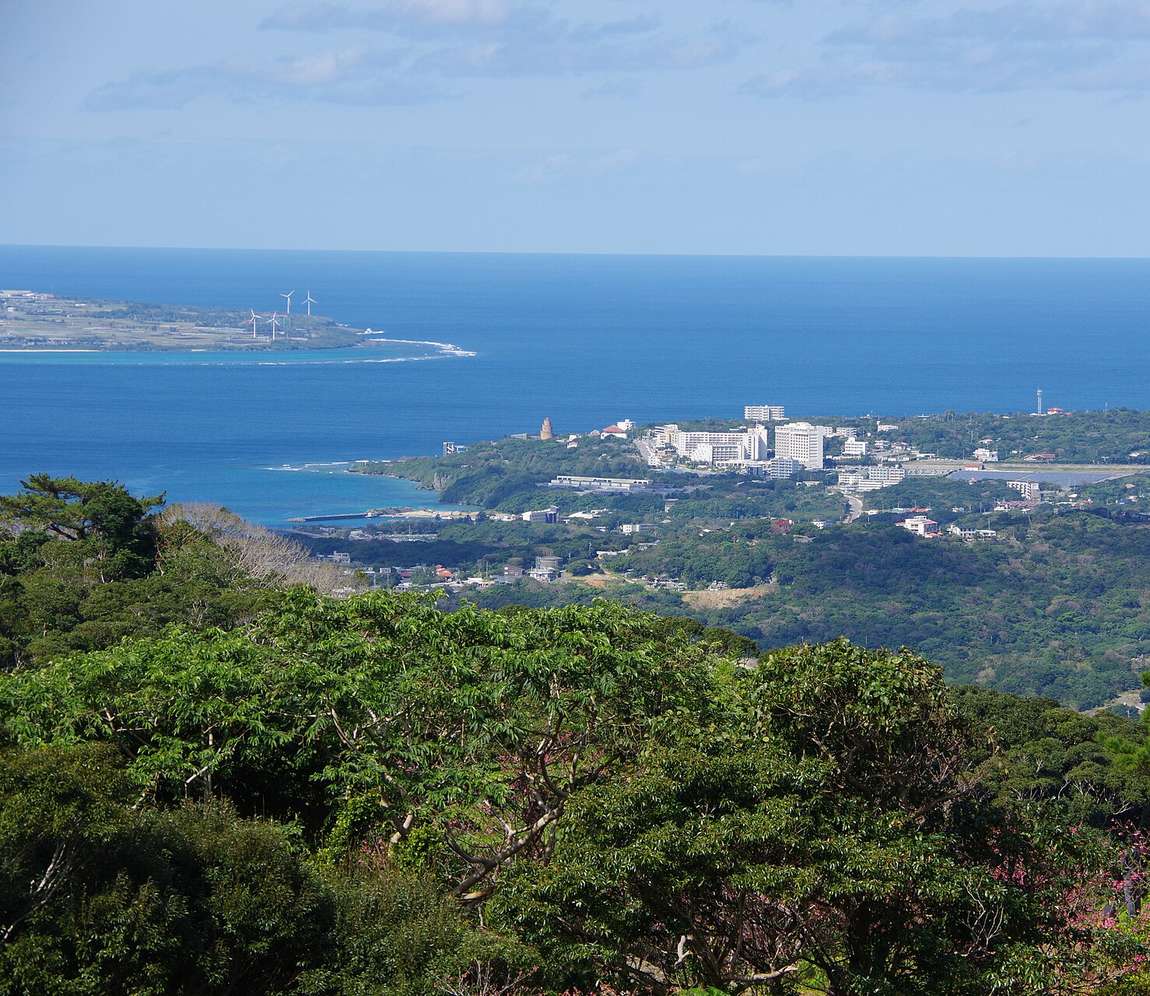
If you're driving, use the north entrance. The park says the easiest approach is from Kyoda IC north on Route 58 through central Nago to the north entrance; large buses use it too, and the south entrance road is narrow. The flowering-tree area is at the highest point of the park, with bus-sized parking, toilets and an observation deck.
The park gives the bloom season as late January to mid-February and describes the whole hill turning vivid pink at full bloom in late January. To see the Nago castle ruins themselves you walk up steps from the south lot or the nearest lot; if you're short on stamina, stick to the Sakura-no-Sono garden. The park also notes parking routes change in peak season and during events.
The 2027 Nago Sakura Festival is January 30 (Sat) – 31 (Sun). On those two days Nago Jujiro Odori (from the old Nago Museum to the Nago municipal market) becomes pedestrian-only from 11:00 to 20:30 (except during the parade), with road closures lifting at 21:00. Don't try driving through the main street; go straight to the temporary lot at Nago fishing port. The port also hosts a plant market, the "Hana no Sato Garden Festa", January 29 (Fri) – 31 (Sun), 9:00–18:30, starting a day before the festival.
The 2027 leaflet with parade times, stage program, lanterns and shuttles isn't out yet. Last year a free "Hanami-go" shuttle ran from Nago fishing port to the Tenjo observation deck in Nago Castle Park (12:00–17:00 both days), and the south entrance was closed to vehicles because it sits inside the restricted zone; wait for the leaflet to see whether 2027 is the same.
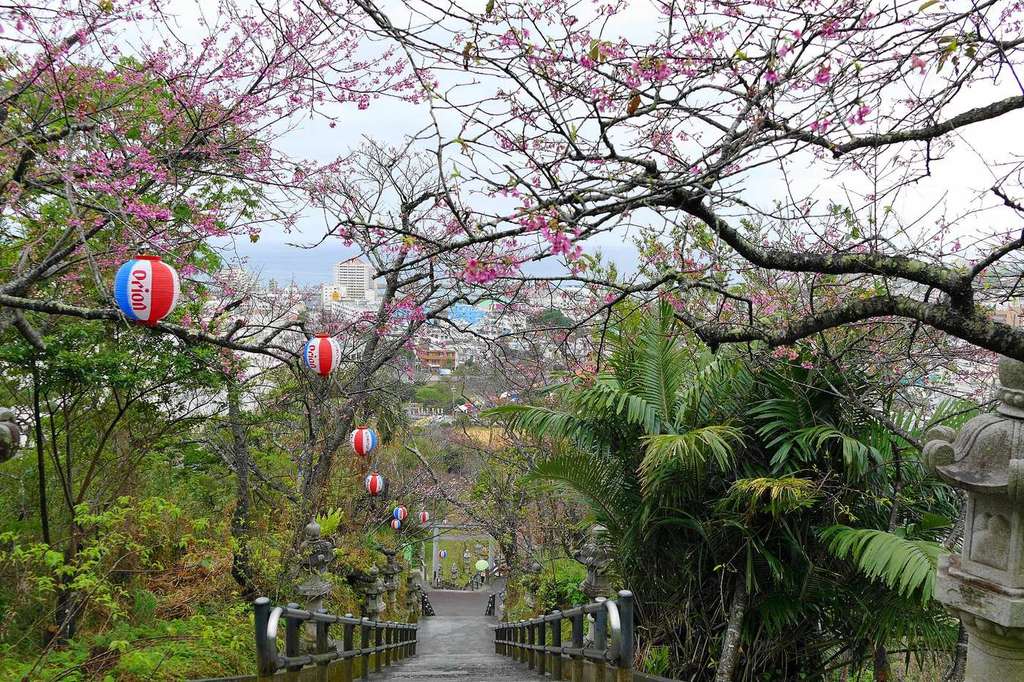
Nakijin Castle: World Heritage walls and cherries; buy your ticket first
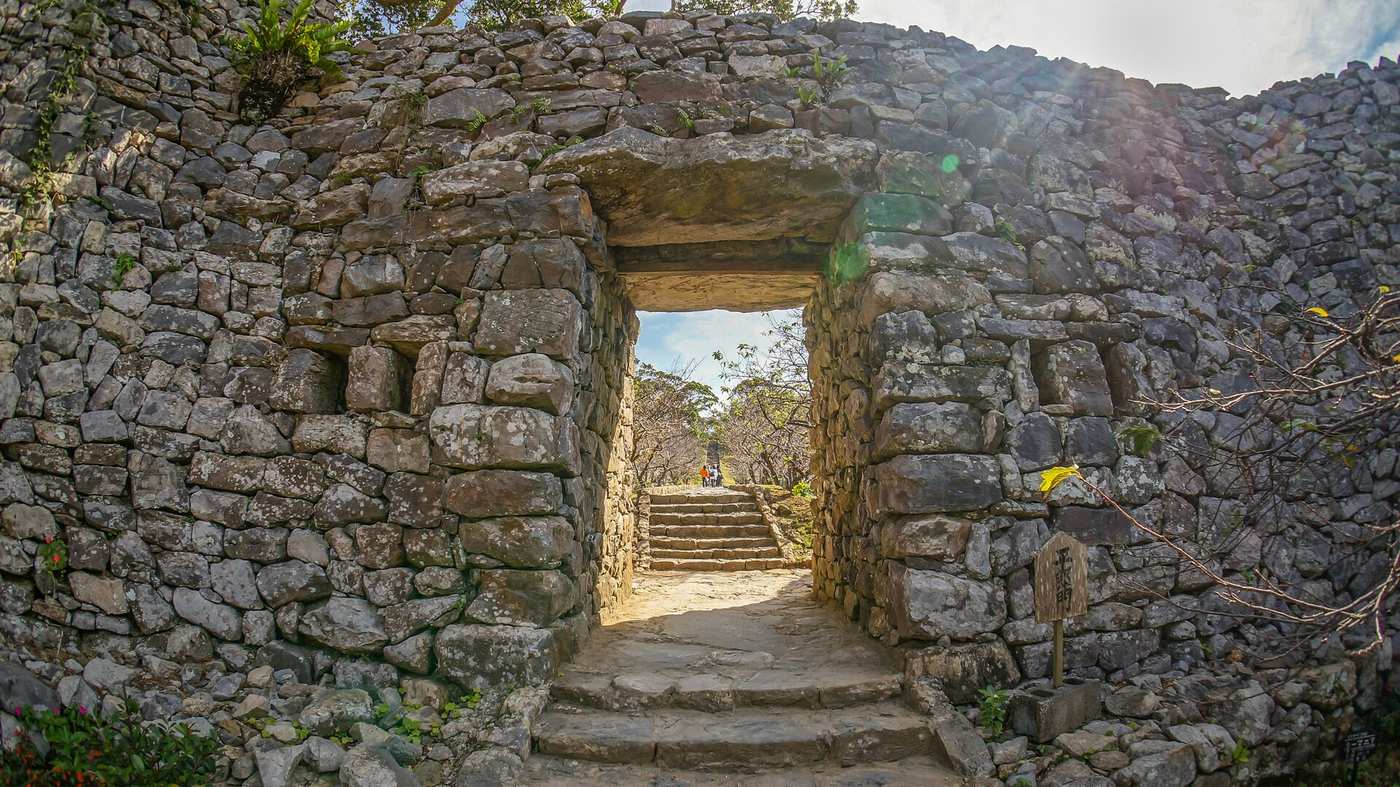
The only one of the three that charges. It's part of the World Heritage "Gusuku Sites and Related Properties of the Kingdom of Ryukyu", famous for its curving stone walls, with cherries along the approach and the walls. Admission is ¥1,000 for adults, ¥500 for junior high and high school students, free for elementary-age and younger (current prices since September 1, 2025). Parking is free, but Lot 1 has been closed since September 1, 2026 for nearby construction, with no end date given; use Lots 2–4.
The 2027 Nakijin Gusuku Sakura Festival is January 30 (Sat) – February 7 (Sun). Night illumination hours, temporary parking and shuttles aren't announced yet (last year the final ticket sale was 20:30).
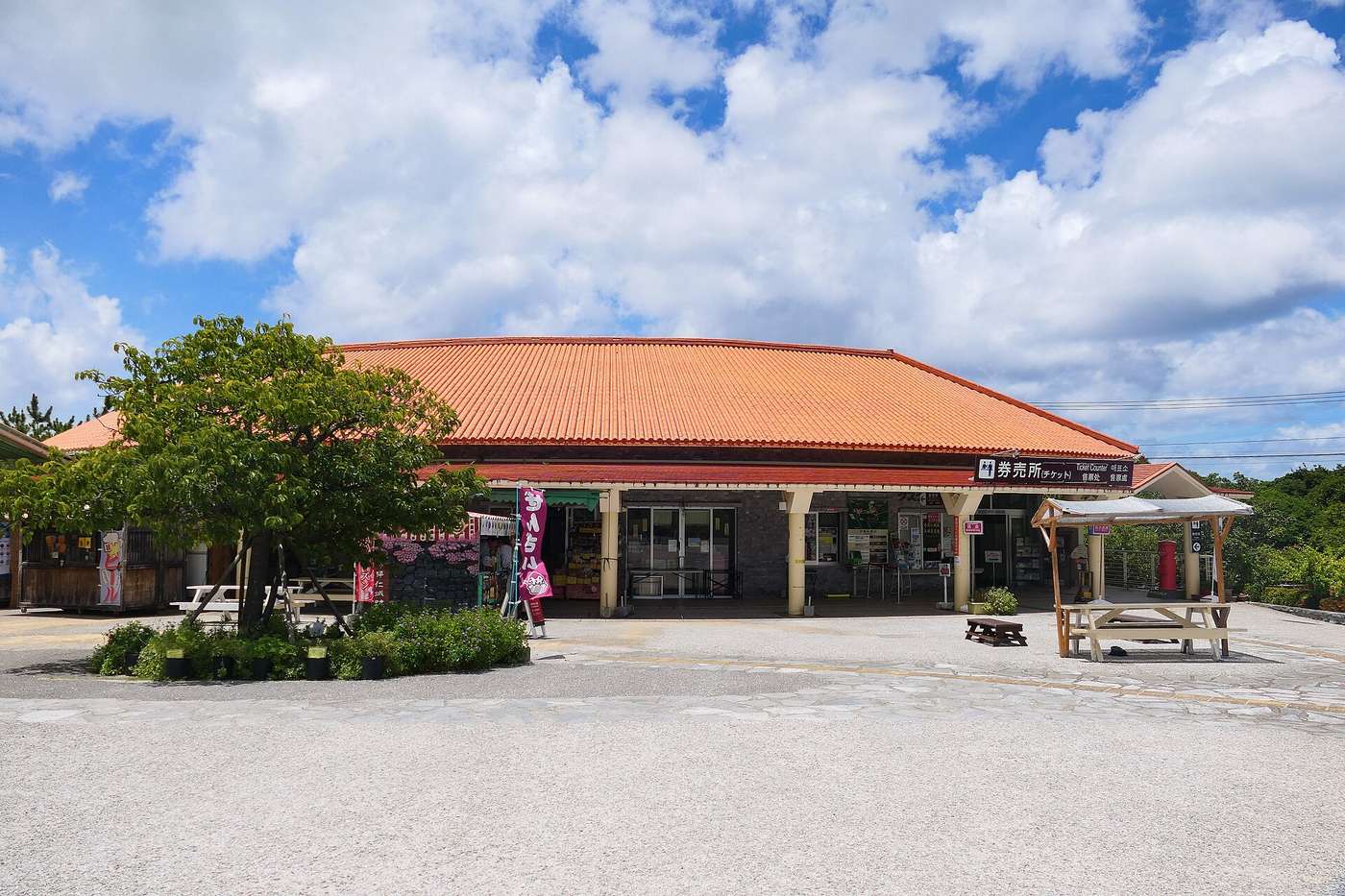
The official advice is worth following: in cherry season the roads, parking and ticket office get very crowded, so share cars, avoid weekends or use public transport, and buy tickets at the office outside the castle or get an e-ticket in advance. Two more things that are a pain to discover on the spot: the castle is continuous stone steps, so wheelchairs and strollers can't go up; and there are no vending machines or restaurants inside, so bring water.
Klook Nakijin Castle e-ticket (skip the ticket-office line) →
Staying in Naha and not going north: Yaese Park
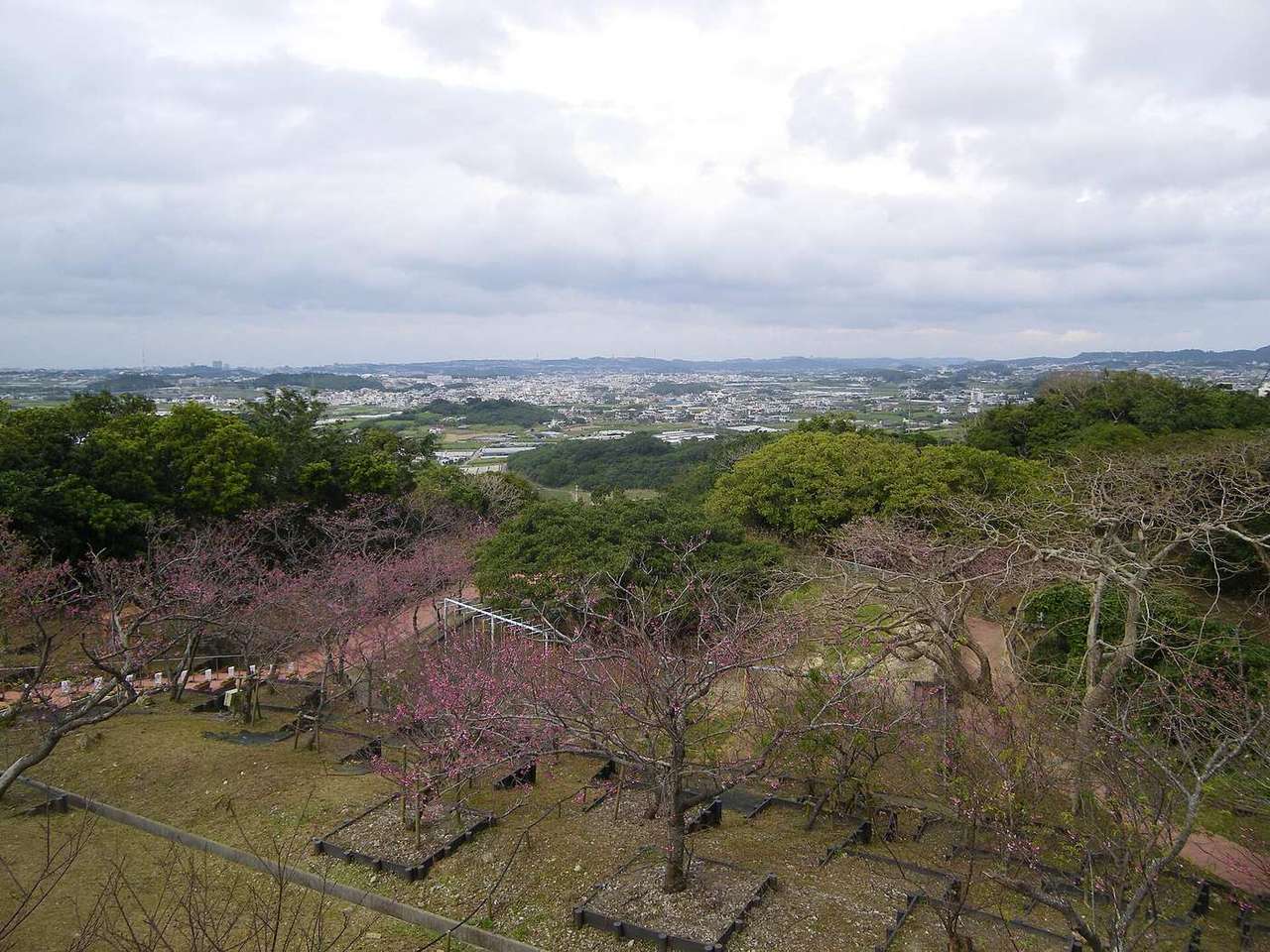
Yaese Park in the south has night illumination; in 2026 it ran 18:00 to 21:00. The steps up from the parking lot are lined with cherries, and the path is lit with paper lanterns painted by local children. It's the alternative for anyone based in Naha who doesn't want to drive to the Motobu Peninsula for the blossoms. Inquiries: Yaese Town Tourism and Products Association, 098-998-3300 (weekdays 8:30–17:15).
Leave Naha's Yogi Park off the list this time. Naha City says the park is being redeveloped in five zones, staying open during the work, and zone 1 runs from April 2026 to March 2028, right across January and February 2027.
Can you go without a car?
Yaedake and Nakijin Castle, yes; Nago Castle Park means walking uphill; linking all three in one day only works by car.
During the festival Yaedake has a free shuttle bus from Motobu Kariyushi Market (in front of the Motobu Town Tourism Association) to Yaedake Sakura-no-Mori Park, about 15 to 20 minutes one way. The 2025 and 2026 timetables were identical: from the market at 9:20, 9:55, 10:30, 11:20, 12:00, 12:40, 14:05, 14:40, 15:15, 16:00, 16:35; back down at 9:35, 10:10, 10:50, 11:40, 12:20, 12:55, 14:20, 14:55, 15:30, 16:15, 16:50. The nearest regular bus stop to the market is "Motobu Hakubutsukan-mae".
Two caveats. First, the 2026 timetable gave its running period as January 17 to February 1, but the festival was later extended to February 8, and no separate notice said whether the shuttle ran during the extension; if you're going in the last week, phone first. Second, Motobu also runs a free year-round loop bus (June 1, 2026 – January 31, 2027) whose stops are all on the coast; it does not go up Yaedake, so don't confuse the two.
For Nakijin Castle, the Yanbaru Express bus stops at "Nakijin-jo-ato" right at the gate; Okinawa Bus routes 65 and 66 stop at "Nakijin-jo-ato Iriguchi", 15 minutes' walk away. Nago Castle Park has no direct bus; from central Nago you walk uphill.
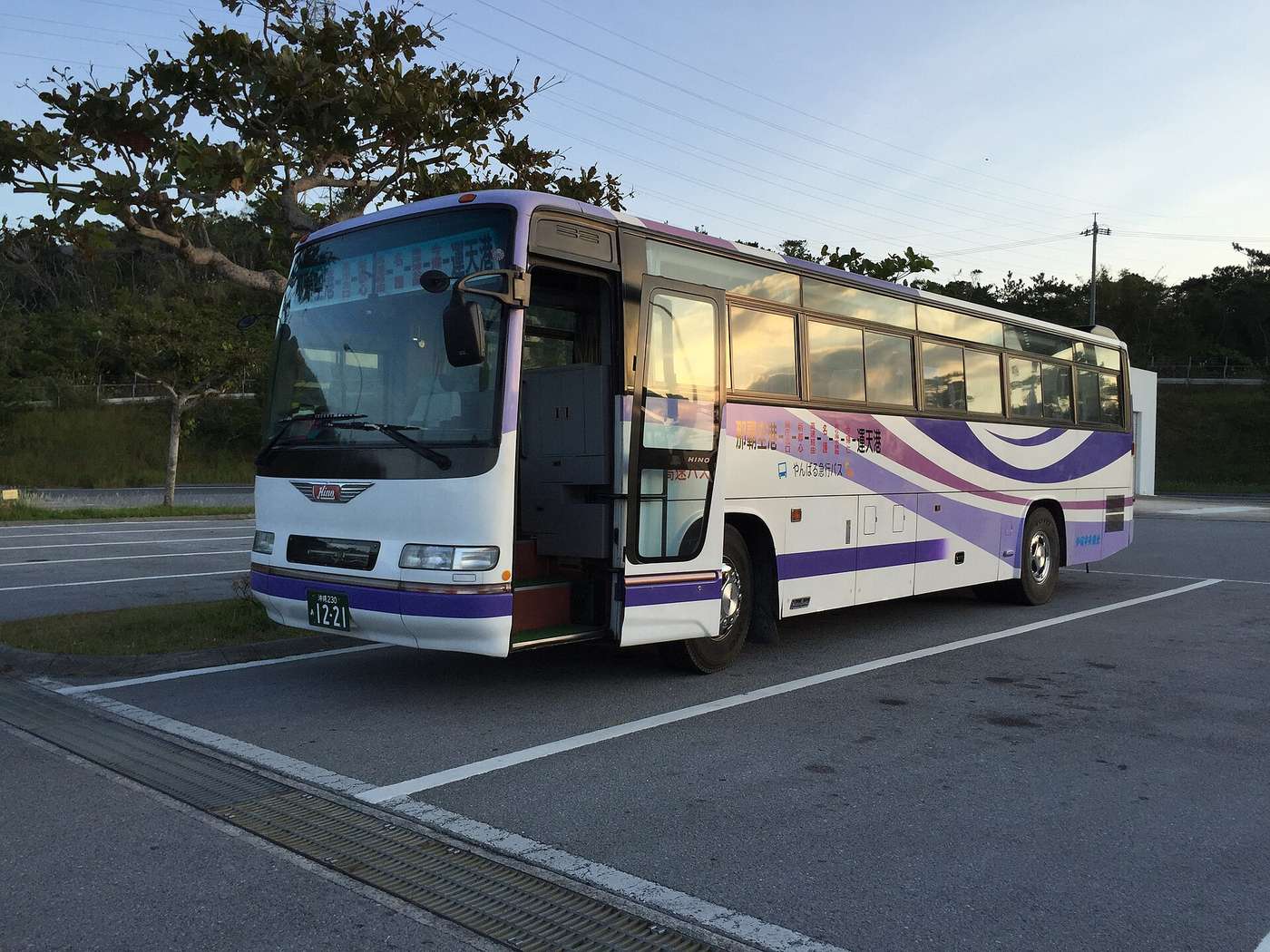
For all three in one day, or for the night illumination, the answer is a rental car: the spots are in three different municipalities (Motobu, Nago, Nakijin) with no sightseeing bus linking them, and festival parking and road closures change every year. For paperwork, insurance and driving in Okinawa, see the Okinawa car rental guide.
DiscoverCars: compare Naha car rentals →
Common first-timer mistakes
⚠️ ① Planning Okinawa cherries for March. Official sources put the best viewing through mid-February; March is leaves. For March blossoms, go to the mainland.
⚠️ ② Rushing to Yaedake when the news says "Okinawa has bloomed". That's the sample tree in the Naha office grounds; the mountain runs a little later.
⚠️ ③ Taking Motobu's free loop bus for the Yaedake shuttle. The year-round loop bus stays on the coast and doesn't go up the mountain.
⚠️ ④ Assuming the shuttle runs during a festival extension. In 2026 the festival ran to February 8, but the timetable only went to February 1, with no separate notice for the extension.
⚠️ ⑤ Taking a stroller or wheelchair into Nakijin Castle. The official site says the castle is continuous stone steps; you can't get up.
⚠️ ⑥ Expecting sunny January weather. Naha's January normal is just 93.1 hours of sunshine and Nago's 94.7, the cloudiest time of year in Okinawa, with around 100 mm of rain.
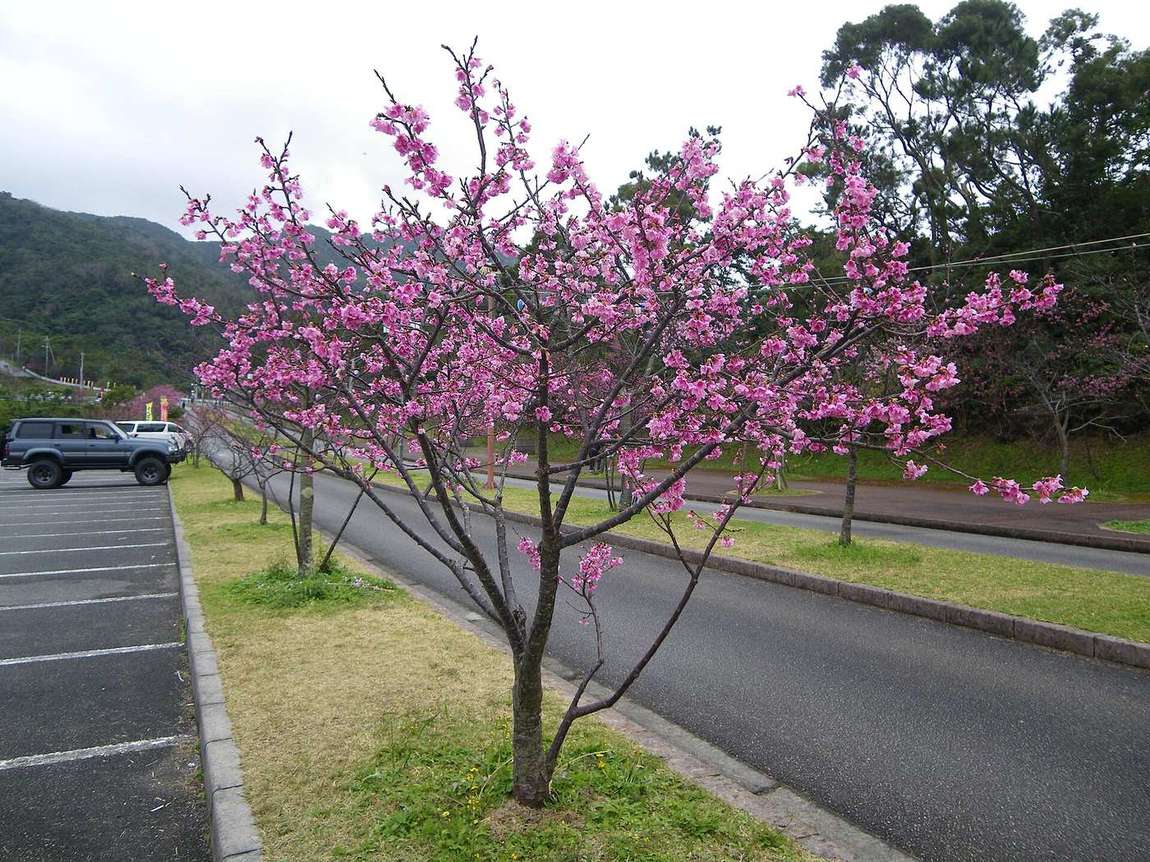
Should you stay a night up north?
If you want the night illumination or an early start on Yaedake, stay up north. Driving from Naha to the Motobu Peninsula takes an hour and a half to two hours each way, plus festival traffic. With one day, a return from Naha is manageable; with two or more, a night in Motobu, Nago or Nakijin pays off, and the next day carries on to Churaumi Aquarium or Kouri Island.
Nights checked in from February 1, 2027 carry Okinawa's new accommodation tax. It's 2% of the room rate (excluding meals) per person per night, capped at ¥2,000, with no exemption threshold, so cheap rooms pay too; in Motobu and Nago from the table below the prefecture and municipality collect jointly, still 2% in total. A night checking in January 31 isn't taxed; a February room booked today is, because it goes by check-in date. Cherry season straddles that date; for how it's calculated and other prefectures' rates, see Okinawa's accommodation tax.
| Stay in | Booking site |
|---|---|
| Motobu (closest to Yaedake) | Booking.com Motobu hotels → |
| Agoda Motobu hotels → | |
| Rakuten Travel Motobu → | |
| Nago (most services, next to the festival) | Booking.com Nago hotels → |
| Agoda Nago hotels → | |
| Rakuten Travel Nago → | |
| Nakijin (stay here for the night illumination) | Booking.com Nakijin hotels → |
| Agoda Nakijin hotels → | |
| Rakuten Travel Nakijin → | |
| Naha (day return, early or late flights) | Booking.com Naha hotels → |
| Agoda Naha hotels → |
None of the four list pages default to cherry season; change the dates to yours before comparing.
How I'd plan a cherry day on the Motobu Peninsula
Yaedake in the morning, Nago at midday, Nakijin Castle in the afternoon: just these three, without adding Kouri Island. Each leg is a 30 to 40 minute drive, and finishing the mountain before noon is easiest; Yaedake has about 500 spaces, but they still fill on festival weekends.
| Time | Where | What |
|---|---|---|
| 08:30 | Hotel in Motobu or Nago | Check Nakijin Castle's website for bloom status before leaving |
| 09:00 | Yaedake Sakura-no-Mori Park | Drive up and walk a loop of the park, 1.5–2 hours |
| 11:30 | To Nago | About 30 min by car |
| 12:00 | Central Nago | Lunch |
| 13:00 | Nago Castle Park | Enter from the north; Sakura-no-Sono and the observation deck, 1–1.5 hours |
| 14:45 | To Nakijin | About 40 min by car |
| 15:30 | Nakijin Castle | About 30 min for the castle, 15 for the history and culture center; leave time for photos of the walls |
| 17:00 | Back to a northern hotel or Naha | About 1.5–2 hours to Naha, more on festival days |
For the night illumination, run the day in reverse: Nago Castle Park in the morning, Yaedake in the afternoon, Nakijin at dusk, then stay up north. Winter in Okinawa also means whale watching and Yanbaru hikes; for the whole season see the Okinawa winter escape guide, and if your dates fall around New Year, see New Year in Okinawa.
FAQ
- Q1:When do cherry blossoms bloom in Okinawa? Can I see them in March?
- No. The Japan Meteorological Agency's normal for Naha's Taiwan cherry (kanhizakura) is first bloom on January 16 and full bloom on February 4, and official sources put the best viewing through mid-February; by March the trees are in leaf. Aim for the three weeks from late January to early February.
- Q2:What are the dates of the 2027 Okinawa cherry blossom festivals?
- Two are fixed: Nago on January 30 (Sat) – 31 (Sun), and Nakijin Castle on January 30 (Sat) – February 7 (Sun). Yaedake and Yaese haven't announced 2027 dates; last year they ran January 17 – February 8 and January 29 – February 8.
- Q3:The news says "Okinawa's cherries have opened". Does that mean Yaedake is blooming?
- Not necessarily. That date comes from the sample tree at the Okinawa Meteorological Office in Naha city, while Yaedake is a 453 m mountain, and the two don't bloom in step. For the north, check each site's official bloom updates.
- Q4:Is there a cherry blossom forecast for Okinawa?
- No. The forecast lists from tenki.jp and Weathernews don't include Okinawa Prefecture, and the Japan Meteorological Agency stopped issuing bloom forecasts in 2010. What you can use are the agency's actual first-bloom and full-bloom observations plus each site's own bloom notices.
- Q5:Can I get to Yaedake without a car?
- Yes, during the festival. The Motobu Town Tourism Association runs a free shuttle during the festival from Motobu Kariyushi Market (in front of the tourism association) up the mountain, about 15–20 minutes one way; the 2025 and 2026 timetables were identical. The nearest regular bus stop to the market is "Motobu Hakubutsukan-mae".
- Q6:Should I buy Nakijin Castle tickets online in advance?
- The official site recommends it. Nakijin Castle's own page says the ticket office gets very crowded in cherry season and suggests buying at the ticket office outside the castle or getting an e-ticket in advance. Admission is ¥1,000 for adults and ¥500 for junior high and high school students; elementary-age children and younger are free.
- Q7:Can I see all three cherry spots in one day?
- By car, yes; by public transport, no. Yaedake, Nago Castle Park and Nakijin Castle are all on the Motobu Peninsula, an easy one-day drive; by public transport you can only reach Yaedake (festival shuttle) and Nakijin Castle (regular buses), and Nago Castle Park means walking uphill.
- Q8:What should I wear in Okinawa in January?
- A light jacket isn't enough; bring something windproof. Naha's January normals are a 17.3°C mean and a 14.9°C daily low, Nago's 16.5°C and 13.7°C; Yaedake is above 450 m, so it's cooler again and windier.
What I'd do
For a first Okinawa cherry trip, I'd book around the January 30–31 weekend with two nights in Motobu or Nago, follow the route above for all three spots, and leave the rest of the time for Churaumi and the coast. Without a car, go while the Yaedake festival shuttle runs (last year's running period was January 17 – February 1; the 2027 timetable isn't out). With a car, I'd actually avoid Saturday and Sunday and drive up on a Friday or Monday: same blossoms, much easier parking. If this trip only lets me move around Naha, I wouldn't spend four hours driving to the Motobu Peninsula and back for the cherries; I'd go to Yaese Park for the evening lights instead. Nago and Nakijin dates are fixed, so you can book rooms now; still to watch are Yaedake (announced between mid-November and mid-December) and Yaese (early December), and if you're counting on the shuttle up Yaedake, wait for its timetable before deciding on a rental car.
Official information
- Motobu Town Tourism Association: Yaedake (festival dates, shuttle timetable, parking; Japanese)
- Nago Castle Park (bloom season, north-entrance route, subaco hours; Japanese)
- Nago City Tourism Association: Nago Sakura Festival (dates, venue, pedestrian zone, parking; Japanese)
- Nakijin Village Tourism Association: Nakijin Gusuku Sakura Festival (2027 dates; Japanese)
- Nakijin Castle (admission, hours, bloom status)
- Yaese Town: Yaese Sakura Festival (Japanese)
- Japan Meteorological Agency: cherry first-bloom and full-bloom data (normals and yearly observations; Japanese)
- Okinawa Meteorological Office: seasonal observations (sample tree and bloom definitions; Japanese)
Prices and times are subject to the latest official announcements.
Official Japanese text
- Motobu Town Tourism Association, Yaedake: 「沖縄本島で2番目に高い標高453.4メートルの八重岳。」「寒緋桜の名所である八重岳では、頂上まで約4kmの上り道には約7,000本以上の寒緋桜の並木が続いています。」
- Motobu Town Tourism Association, shuttle timetable (2026): 「もとぶ八重岳桜まつりシャトルバス運行表 (無料)/運行期間: 2026年 もとぶ八重岳桜まつり期間中(1/17~2/1)/本部町観光協会前(もとぶかりゆし市場) ⇔ 八重岳桜の森公園」
- Nago City Tourism Association: 「名護城公園では、1月下旬から2月中旬に、濃いピンク色の花びらをもつ『カンヒザクラ』が咲き誇ります。毎年1月最後の土・日曜には…『名護さくら祭り』を開催。」「琉球寒緋桜の見ごろは2月中旬までとなります」
- Nago Castle Park, access: 「許田ICから国道58号線を北上。名護市街を抜けて北口から園内にアクセスが良く、車が入りやすくお勧めです。(南口は道路が狭いため)」「名護城跡をご観覧の方:南口駐車場から階段をご利用されるか、最寄りの駐車場から階段(徒歩)でアクセスする形になります。」
- Nakijin Castle, admission and hours: 「観覧料 大人 個人1,000円・団体800円/中高生 500円・400円/小学生以下 無料/令和7年9月1日より料金改定」「通常期間(1~4、9~12月)午前8時~午後6時(最終入場午後5時30分)」
- Nakijin Castle FAQ: 「桜まつり期間(毎年1月下旬~2月上旬)は延長いたしますので、お問い合わせください。」
- Nakijin Castle homepage notice: 「桜まつり期間中および桜の開花期間は、周辺道路の混雑および駐車場、券売所が大変混雑いたします。お車の乗り合いや、土日をずらしたご見学、公共交通機関のご利用等ご検討くださいませ。またチケットは城外チケット売り場での購入か、事前購入でお得な電子チケットアソビューのご購入をお勧めいたします。」
- Okinawa Meteorological Office, seasonal observations: 「観測は、原則として気象台構内に観測用の標本木を定めて行います。/開花:標本木に5~6輪咲いた日/満開:標本木の花が咲き揃ったときの約80%以上が咲いた状態となった日」
- Yaese Town events calendar: 「やえせ桜まつり/開催日:毎年1月下旬~2月上旬/場所:八重瀬公園(八重瀬町字富盛1637番地)」; Koho Yaese, December 2025: 「第19回 やえせ桜まつり/2026年1月29日(木)~2月8日(日)(ライトアップ:午後6時~午後9時)」
- Naha City, Yogi Park: 「与儀公園の整備工事は、5工区に分け供用を続けながら施工を行います。/第1工区:令和8年度から令和9年度」