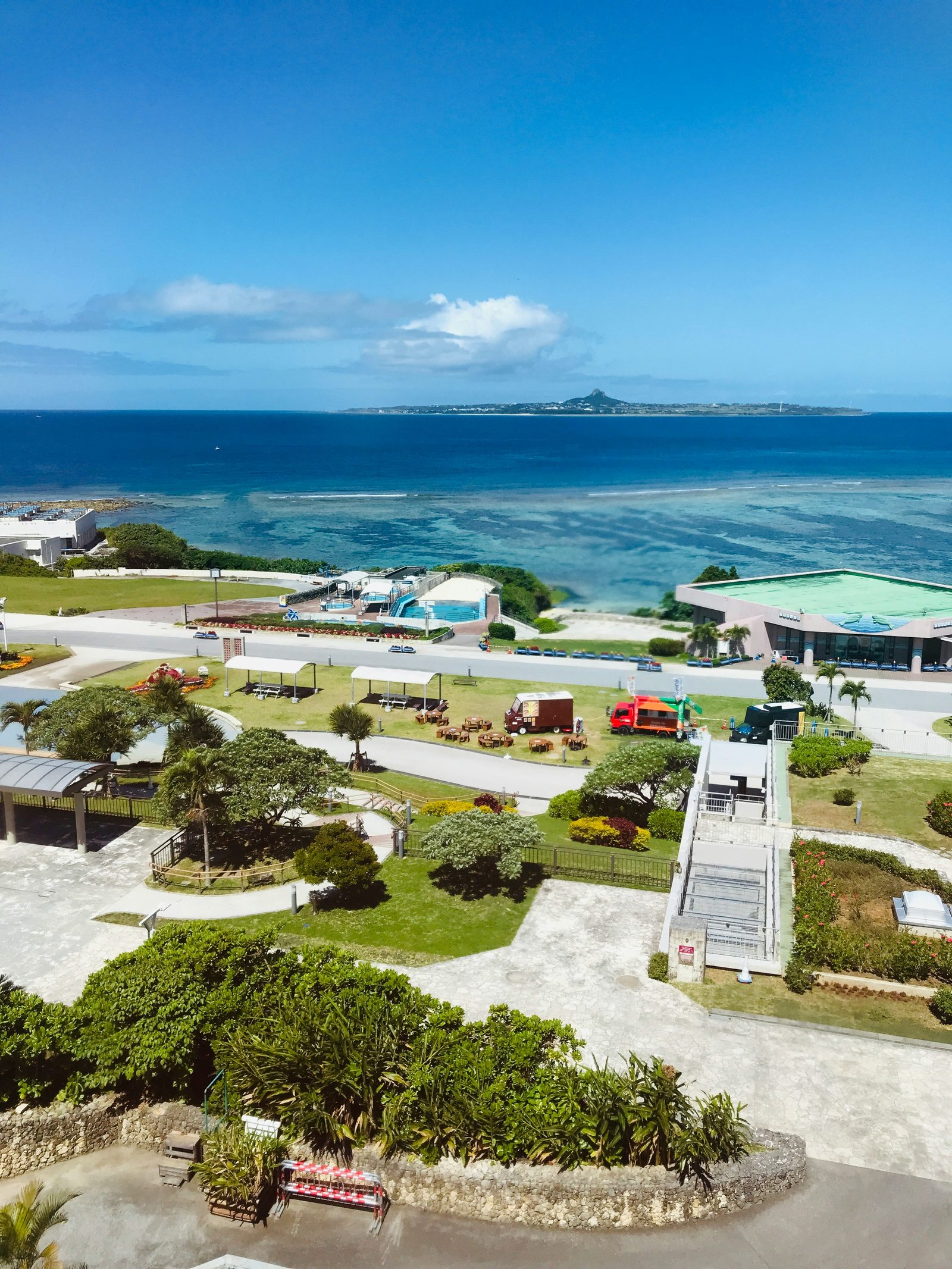
In January, mainland Japan is usually snow on the streets and a biting northeast wind. At the same time, Naha, Okinawa averages around 17-18°C — warm enough to spend a full day outside in a light jacket. If your winter Japan trip keeps running into "I want Japan, but I can't handle mainland cold," Okinawa is close to the only answer that solves both problems. Winter there isn't just warmer — it also happens to be whale-watching season, the traditional off-season, and kanhizakura bloom season all at once. Here's what makes it worth it, and what it doesn't fix.
- Climate: Naha averages roughly 17-18°C in January; even the coldest month usually stays above 15°C — but the sea runs cooler (20-22°C) and isn't great for swimming
- Whale watching: go by the associations' set season, not "peak season" — 2026 ran 8 Jan–25 Mar (Zamami) and 24 Jan–8 Mar (Tokashiki); 2027 not published yet, and booking is by phone only
- Off-season upside: mid-December through February (outside New Year and Lunar New Year) is Okinawa's true off-season, with cheaper flights, lodging and lighter crowds — for the New Year week itself see our Okinawa New Year guide
- Kanhizakura: Naha averages first bloom 16 January and full bloom 4 February — the earliest of the JMA's 58 observation sites — viewable at Mt. Yaedake in Motobu and Nago Castle Park
- Worth knowing: stronger monsoon winds can disrupt outer-island ferries, some beach facilities scale back for winter, and daylight is shorter — build slack into your schedule
Table of Contents (click to expand)
- How warm is Okinawa in winter, really
- Whale-watching season: Zamami and the Kerama Islands
- The off-season upside: fewer crowds, lower prices
- Yanbaru winter hiking
- Kanhizakura: cherry blossoms that open in mid-January
- The honest downsides of a winter trip
- Okinawa vs mainland Japan in winter
- Planning an Okinawa winter escape
- FAQ
How warm is Okinawa in winter, really
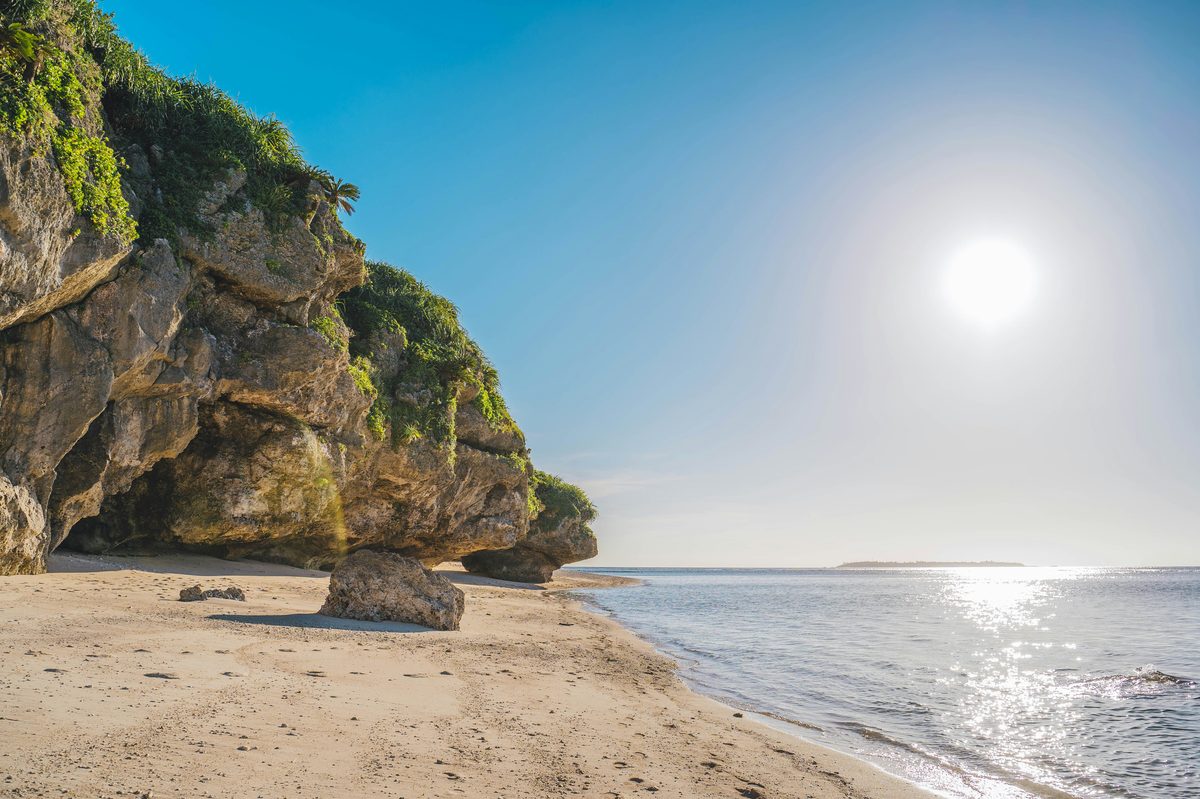
Per general climate data, Naha averages around 17-18°C in January, and even during the coldest stretch (January and February) daytime highs typically stay in the 15-20°C range, rarely dropping below 10°C. Set that against Tokyo or Osaka's routine single-digit or sub-zero readings at the same time of year, and Okinawa's winter reads closer to a cool autumn day than anything requiring serious cold-weather gear. That's exactly why Okinawa keeps coming up as the answer to "where to escape the cold in a Japan winter" — you get the trip abroad without giving up the warmth.
Warm doesn't mean swim-ready, though. Sea temperatures in winter run around 20-22°C, cool enough that most visitors find it a hard sell for actual swimming — which is also why a winter Okinawa itinerary looks completely different from a summer one. The focus shifts from beach-and-snorkel to whale watching, hiking, city sightseeing and seafood, none of which depend on sun exposure. One more thing worth flagging: the northeast monsoon strengthens noticeably in winter, and rougher seas mean ferries to outer islands (Zamami, Tokashiki, etc.) are more prone to weather delays or cancellations than in summer — build slack into any island-hopping plan.
Rain is also more of a factor than most people expect. Okinawa's winter isn't a dry season the way, say, a Californian winter is — passing fronts bring intermittent rain and overcast stretches, and wind chill on an overcast, breezy day can make 17°C feel cooler than the number suggests. The practical upshot for packing is still simple: a light rain jacket or windbreaker that layers over a long-sleeve shirt covers nearly every day of a winter Okinawa trip, and you can leave the down jacket, thermal base layers and snow boots at home entirely — one of the quieter appeals of choosing Okinawa over the mainland in winter is how little luggage space cold-weather gear ends up taking.
Whale-watching season: Zamami and the Kerama Islands
The single most winter-specific experience in Okinawa is whale watching. Per common accounts from whale-watching operators and tourism bodies, humpback whales migrate each winter from northern waters to breed and raise calves in the seas around Okinawa's Kerama Islands (the Zamami and Tokashiki area), and whether you can go at all depends on the season the two village associations set: for 2026 that was 8 January to 25 March in Zamami and 24 January to 8 March in Tokashiki, the narrower Tokashiki window being a stated conservation choice. Those are the last seasons either association has published — 2027 has not been announced. If your Okinawa trip happens to land in winter, this is one of the few activities that's genuinely exclusive to the season, beyond anything the mainland offers.
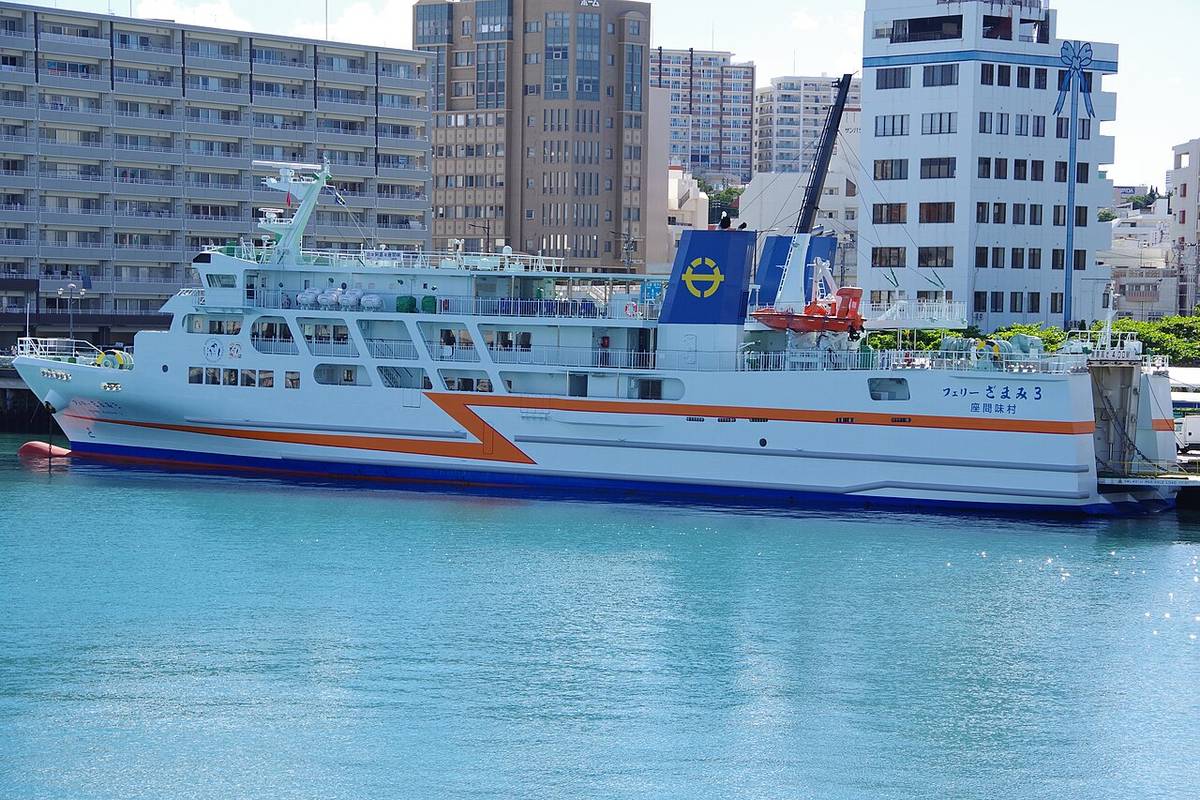
Two practical points to keep in mind. First, tours require advance booking, and departures generally split between piers around Naha or direct departures from Zamami or Tokashiki island itself — schedules, trip length and pricing vary by operator, so check the Kerama-area operators' own sites directly. Note that the two associations stopped taking bookings on members' behalf in January 2024, so you now phone the individual boat. Second, whether you see a whale is downstream of whether the boat sails at all. Tokashiki's association spots the whales from a hilltop before deciding to depart, which is why it can say that once a boat sails you will see one — but that conditional clause matters, because the sailing decision is made at 8 a.m. that morning and rain can stop it by blinding the hilltop spotters. Whether you get a refund for a no-show whale differs by operator, so ask before you book: at least one Naha-based operator states in writing that it refunds nothing. If you're also eyeing island-hopping for a future summer trip, our Ishigaki and Yaeyama Islands guide is a good place to start collecting ideas.
A few practical notes worth knowing before you book: most tours run on small-to-mid-size boats rather than large cruise vessels, so seasickness is a real consideration on choppier winter days — operators commonly sell motion-sickness tablets at the departure counter, and taking one before boarding rather than after symptoms start is the more effective approach. Trip length usually runs a couple of hours including the boat transfer, and warm layers matter here too — the wind chill on open water is noticeably colder than standing on land, even with air temperatures in the high teens. If seasickness or seas are a concern, some coastal viewpoints on the main island (Cape Zanpa is one commonly mentioned by locals) occasionally offer land-based sightings of whales surfacing offshore during peak season, though a boat tour remains the far more reliable way to actually see one up close.
The off-season upside: fewer crowds, lower prices
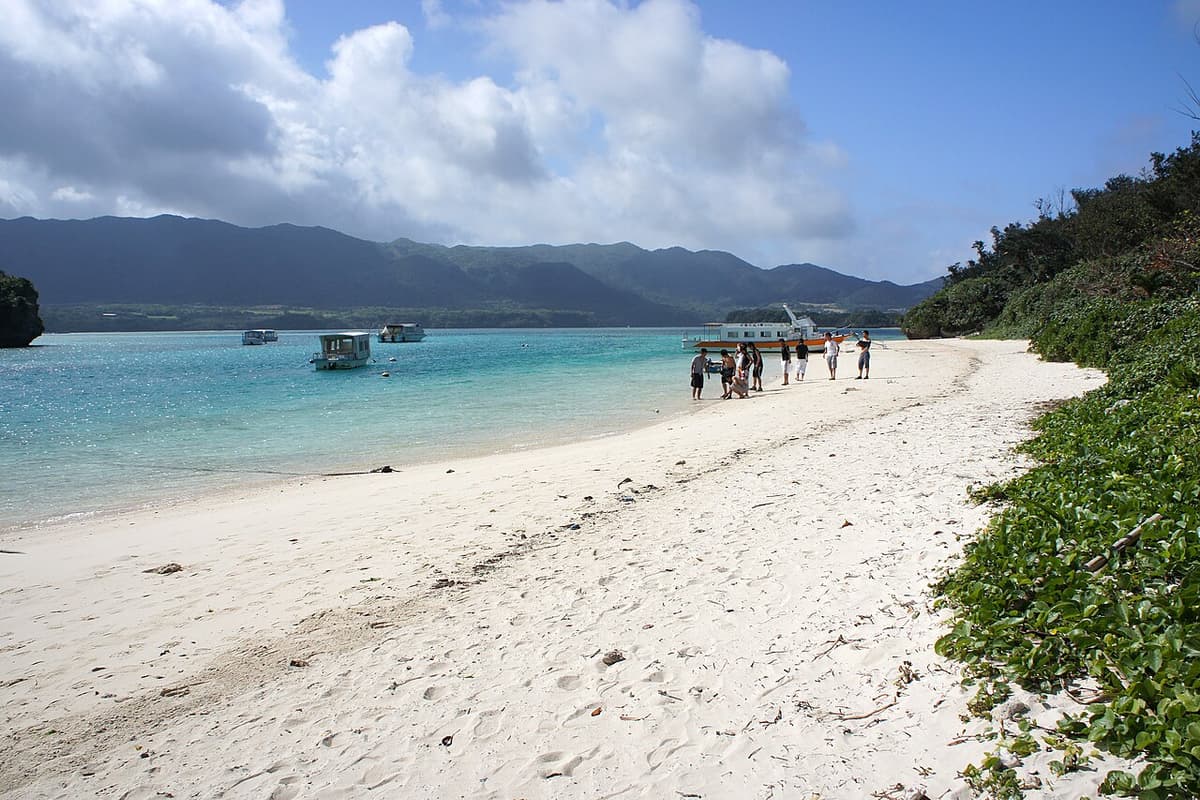
Okinawa's peak season concentrates around summer (July-August) and the spring bloom. Winter — specifically mid-December through February, minus the New Year and Lunar New Year windows where domestic and international travel both spike — is a clear traditional off-season. Flights and lodging typically run noticeably cheaper during this stretch, and marquee sights like Kabira Bay or the Churaumi Aquarium don't come with the peak-season queues. For budget-conscious travelers who don't mind cooler weather, this is one of the rare high-value windows in Okinawa's calendar.
Off-season doesn't mean everything stays cheap or fully open, though — some resorts scale back water-activity offerings and outdoor facility hours for the winter. Before booking an ocean-view room, confirm whether the property keeps its full amenity lineup running in winter, so you don't end up with a great view and a closed pool.
It's also worth being specific about which off-season you're getting. Golden Week and summer break are Okinawa's genuine high season, when flights and hotel rates climb noticeably and popular beaches and dive spots book out weeks ahead. Winter's off-season lull sits at the opposite end of that spectrum — but it isn't uniform across the whole season. The stretch from roughly mid-December to just before New Year, and again from early-to-mid January through February, tends to be the quietest and cheapest window; the days immediately around New Year and the week of Lunar New Year (dates shift each year, so check the current year's calendar rather than assuming late January or early February) see a real bump from both domestic travelers and visitors from mainland China, Taiwan and Hong Kong. If your dates are flexible, avoiding those two specific windows is what actually unlocks the off-season pricing and crowd-free sightseeing this section is describing.
Yanbaru winter hiking
Yanbaru, in northern Okinawa's main island, is a UNESCO World Natural Heritage-listed subtropical old-growth forest region and habitat for rare species like the Okinawa rail. Summer here is hot and humid enough that long hikes risk heatstroke; winter's cooler air and far fewer insects make it a genuinely more comfortable season for walking Yanbaru National Park's trails. Kunigami Village has multiple trails ranging from easy nature walks to guided deep-forest routes, well suited to travelers who want an ecological hike rather than the standard beach-postcard version of Okinawa.
Yanbaru sits in the northern part of the island, on the same rough route as the Churaumi Aquarium and Kouri Island, so it slots naturally into a north-Okinawa itinerary alongside whale watching and the aquarium — see our Churaumi and Northern Okinawa guide for the overall route and drive times. Renting a car is usually the right call for this stretch — public transit runs infrequently to Yanbaru trailheads and whale-watching piers alike, and a car buys you far more flexibility. For rental comparisons and paperwork, see our Okinawa car rental complete guide.
One thing to confirm before you go deep into the forest: parts of the Yanbaru World Natural Heritage core zone restrict access to certified local guides as a conservation measure, since the area protects habitat for endangered species found nowhere else on Earth. The easier, unguided trails and visitor-center routes remain open to independent hikers, but if a specific trail looks appealing online, check its current access rules first rather than assuming every path in Yanbaru is walk-in. Hiji Falls, one of the better-known waterfall hikes in the area, is a commonly cited example of a route worth checking in advance for seasonal access and any guide requirement.
Kanhizakura: cherry blossoms that open in mid-January
If you assumed cherry blossoms meant waiting for the mainland's Somei Yoshino in March or April, Okinawa's kanhizakura (Taiwan cherry) breaks that assumption — Naha averages first bloom on 16 January and full bloom on 4 February, the earliest of the 58 cherry observation sites the Japan Meteorological Agency tracks, with the official viewing window running to mid-February. Unlike the mainland's flat-petaled, paler Somei Yoshino, kanhizakura has drooping, bell-shaped blooms in a deeper pink-purple, giving the whole scene a distinctly different mood. Mt. Yaedake in Motobu Town and Nago Castle Park are the commonly cited viewing spots on the main island; bloom timing shifts slightly year to year with temperature, so check the latest bulletin from Okinawa's tourism bodies or local viewing organizers before you go.
If you want cherry blossoms without riding out the mainland's January-February cold snaps, Okinawa is close to the only place in Japan that lets you do both — see the blooms first, then spend the rest of the trip escaping the cold, in a light jacket rather than queuing for flower viewing in freezing temperatures.
Motobu Town typically holds a cherry blossom festival around the Mt. Yaedake bloom, with food stalls and evening illumination through the trees — a smaller, far less crowded affair than mainland hanami spots like Ueno Park or the Philosopher's Path during peak Somei Yoshino season. Because kanhizakura blooms weeks before most of the rest of Japan even starts talking about cherry blossoms, the viewing spots here don't see anything close to the crowd density of a late-March Tokyo park, which is arguably as much a part of the appeal as the flowers themselves.
The honest downsides of a winter trip
To be direct, a winter Okinawa trip isn't downside-free. A few things worth planning around before you book:
- Stronger monsoon winds: ferries to outer islands (Zamami, Tokashiki, Kume, etc.) are more prone to weather delays or cancellations than in summer — build slack days into any island-hopping plan and don't book a tight connection to your return flight.
- Reduced beach facilities: some beach showers, water-activity rentals and resort outdoor pools scale back hours or close for winter — confirm the season's operating status with the property before you book a beach-centric stay.
- Shorter daylight: dusk arrives around 17:30 in winter, nearly two hours earlier than summer, so outdoor plans (hiking, whale tours, sightseeing) need tighter scheduling to avoid finishing in the dark.
- Not for swimming: as covered above, 20-22°C water feels cool to most people. If you came expecting a beach-and-tan trip, winter Okinawa will disappoint on that specific front — reset expectations toward whale watching, hiking and city sightseeing instead.
- Fewer direct flight options: some regional and seasonal charter routes into Naha and the outer islands run less frequently outside peak season, so it's worth double-checking flight frequency for your specific departure city and dates rather than assuming summer-level schedules carry over.
None of this makes winter a bad time to go — it just means the trip rewards a bit more flexibility in your schedule than a summer beach holiday does. Travelers who build in a spare day or two, rather than a back-to-back itinerary with a tight connection home, tend to come away without the ferry cancellation or overcast afternoon actually costing them anything.
Okinawa vs mainland Japan in winter
| Category | Okinawa (Naha) | Mainland (Tokyo, Osaka, etc.) |
|---|---|---|
| January average temp | Roughly 17-18°C | Commonly 5-10°C, with snow possible in northern areas |
| Winter-only experiences | Whale watching (Zamami/Kerama), kanhizakura | Snow festivals, illuminations, hot springs, skiing |
| Ocean swimming | Sea runs cool (20-22°C), not recommended | Not applicable in most regions during winter |
| Crowds | Traditional off-season (except New Year/Lunar New Year), lighter crowds and lower prices | Snow festivals, New Year and illumination season are actually peak periods |
| What to pack | A light jacket covers it; no heavy cold-weather gear needed | Down jacket, thermal layers, snow boots — full cold-weather kit |
These aren't mutually exclusive — they serve completely different winter trips. If you want snow, hot springs and skiing, nothing about mainland Japan in winter can be replaced. If you want to dodge the cold snap, watch whales, hike somewhere quiet, and catch Japan's earliest cherry blossoms in the same week, Okinawa is the more practical call. If you've already done a mainland snow season, or simply don't want to pack a suitcase of cold-weather gear, Okinawa in winter fills exactly that gap — for the full regional breakdown of what to pack across Japan's seasons, see our Japan climate and clothing pillar guide.
Who each option actually suits: travelers chasing snow, illuminations or a hot-spring soak after a day on the slopes have no substitute for a mainland winter trip. Families with young kids who don't do well in extreme cold, travelers on a tighter budget who want off-season pricing without sacrificing warmth, and anyone who's already done a Hokkaido or Tohoku winter and wants a genuinely different kind of trip are the clearest fit for Okinawa instead. It's less useful as a first-ever Japan trip if snow and illuminations were the whole reason for going in winter in the first place — that's the one case where Okinawa doesn't actually solve the problem you're trying to solve.
Planning an Okinawa winter escape
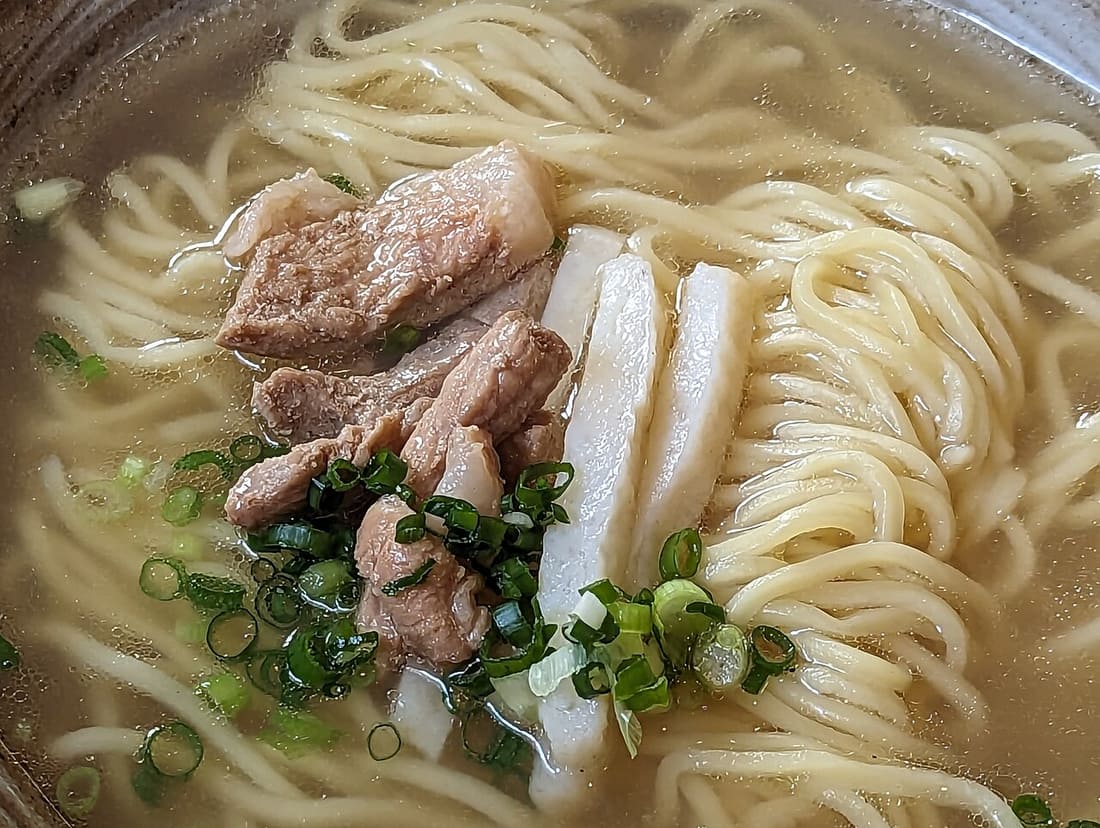
A 4-5 day winter Okinawa itinerary can follow a simple rhythm: spend the first stretch in central Naha (Shuri Castle, Kokusai-dori, Makishi Market) and its food scene, move north through the middle days for Churaumi, Kouri Island and Yanbaru hiking, and time a whale-watching trip in if the dates line up. If you want to extend to the outer islands, Ishigaki and Miyako are equally in their off-season during winter, with similarly cool-not-hot temperatures — check that week's ferry and weather situation before committing to the extension.
Roughly mapped out, a 4-5 day version might run: day one easing into Naha and its food scene after the flight in; day two driving north toward Churaumi and Kouri Island, with an overnight base somewhere around Nago or Onna; day three given over to Yanbaru hiking and, if the calendar lines up, a whale-watching tour departing early that morning while seas are typically calmer; day four working in kanhizakura at Mt. Yaedake if it's in bloom, plus a slower loop back south; and a final day for anything missed in Naha before the flight out. None of this needs to be rigid — the point of a winter trip here is that the pace can stay unhurried, since the itinerary isn't racing daylight or weather the way a summer beach-and-snorkel schedule does.
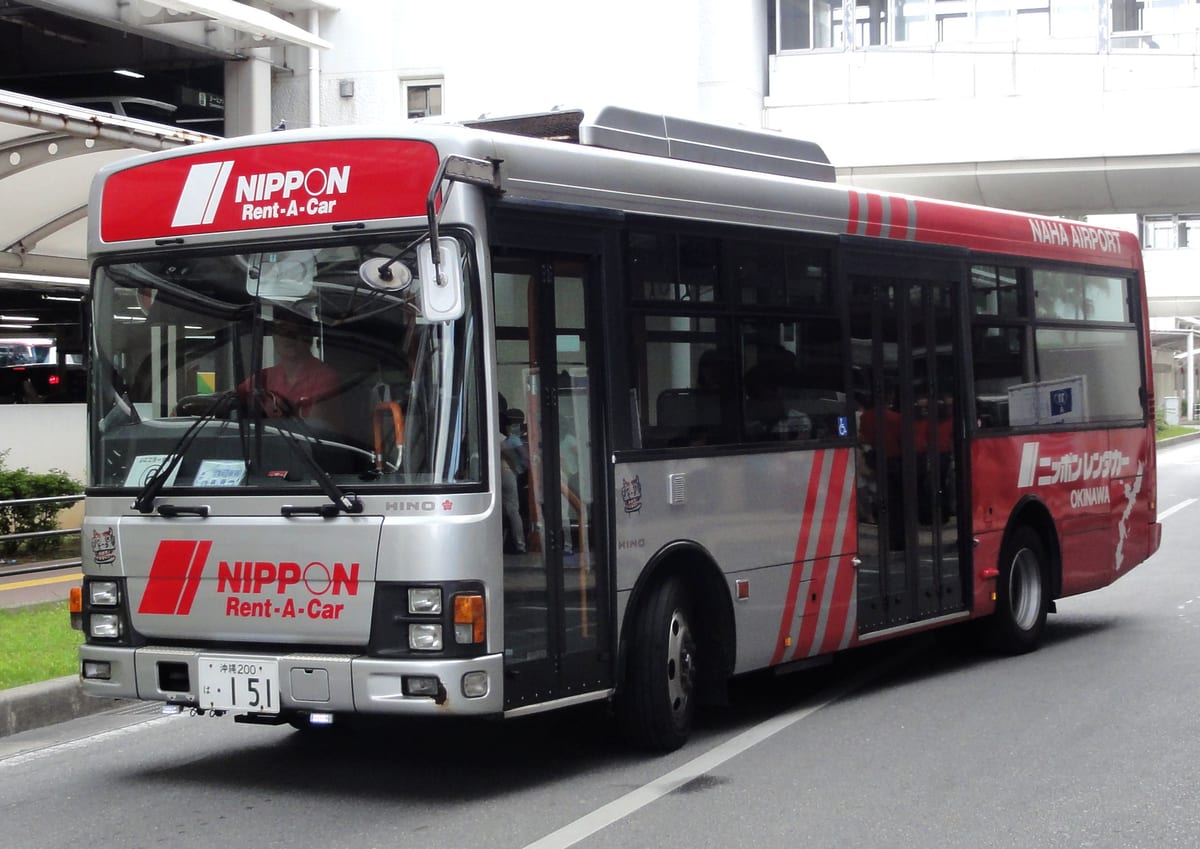
Public transit runs thin across the main island and especially around Yanbaru, so renting a car is the most practical way to get around, particularly for reaching whale-watching piers and trailheads that have no direct bus service. After landing at Naha Airport, it's worth getting connectivity sorted early so you can check whale-tour schedule changes or trail closures in real time — a KKday Japan eSIM set up before you land skips the line for an airport Wi-Fi router.
Okinawa in Winter FAQ
- Q1:Is Okinawa actually warm in winter? How cold does it get in January?
- Going by general climate data, Naha averages around 17-18°C in January. Even during the coldest months (January and February), daytime highs typically stay in the 15-20°C range and rarely drop below 10°C. Compare that to mainland Japan's common 0°C-and-below readings and occasional snow at the same time of year, and Okinawa in winter feels closer to a cool autumn day than anything that needs heavy winter gear.
- Q2:Can you swim in the ocean in Okinawa in winter?
- Not recommended. Sea temperatures in Okinawa in winter run around 20-22°C, which most swimmers find noticeably chilly, and winter's stronger northeast monsoon winds mean some beaches scale back or close shower and water-activity facilities for the season. The point of a winter Okinawa trip is not swimming — it's whale watching, hiking, city sightseeing and seafood, so go in with that mindset rather than beach-and-tan expectations.
- Q3:When is whale-watching season, and how do I book a tour?
- Per common accounts from whale-watching operators, humpback whales migrate to the waters around Okinawa's Kerama Islands (Zamami, Tokashiki) each winter to breed and calve, but go by the season the two village associations actually set, not by a vague "peak season". For 2026 that was 8 January to 25 March in Zamami and 24 January to 8 March in Tokashiki — both shorter than the "through early April" you may be expecting, and Tokashiki keeps its window narrower on stated conservation grounds. Neither association has published its 2027 season yet. They do publish standard prices (Zamami ¥7,700 adult / ¥3,850 child plus a ¥600 research levy; Tokashiki ¥8,000 before tax, one price for adults and children), though member boats may set their own. Booking is by phone with the individual boats — there is no online channel.
- Q4:What is kanhizakura, and is it the same as mainland cherry blossoms?
- No, it's a different variety. Okinawa's kanhizakura (Taiwan cherry) has drooping, bell-shaped blooms in a deeper pink-purple, unlike the flat-petaled, paler Somei Yoshino common on the mainland. Naha's kanhizakura averages first bloom on 16 January and full bloom on 4 February — the earliest of the 58 cherry observation sites the Japan Meteorological Agency tracks — and the official viewing window runs to mid-February. Mt. Yaedake in Motobu, Nago Castle Park and Nakijin Castle are the main spots. If you want cherry blossoms without the mainland's cold snap, Okinawa is the only place in Japan that lets you do both in the same winter.
- Q5:Are crowds actually lighter in Okinawa in winter?
- Generally yes. Okinawa's peak season concentrates around summer and the spring bloom, so winter — especially mid-December through February, outside the New Year and Lunar New Year windows — is a clear off-season, with noticeably cheaper flights and lodging and no crowds at marquee sights. Do note that New Year and Lunar New Year themselves see a bump from both domestic and international travelers, so those specific dates aren't the true off-season lull.
- Q6:Is Yanbaru worth hiking in winter?
- Yes — winter is arguably the more comfortable season for it. Okinawa's summer is hot and humid enough that hiking risks heatstroke; winter's cooler temperatures and far fewer insects make it a better window for exploring Yanbaru National Park's subtropical old-growth forest and spotting rare species like the Okinawa rail. If you want to go deeper into the northern Churaumi and Kouri Island area at the same time, pair it with our Churaumi and Northern Okinawa guide.
- Q7:What are the honest downsides of visiting Okinawa in winter?
- A few things to plan around: the stronger northeast monsoon makes ferries to outer islands (Zamami, Tokashiki, Kume, etc.) more prone to weather delays or cancellations than in summer; some beaches trim water-activity hours or close facilities for the season; and daylight runs shorter, with dusk around 17:30, so outdoor plans need tighter scheduling. None of these are reasons to skip the trip — just reasons to build in slack.
- Q8:How should I plan transport for a winter Okinawa trip?
- For getting around the main island, and especially for reaching whale-watching departure points and Yanbaru trailheads that public transit doesn't serve well, renting a car is the most practical option — see our Okinawa car rental complete guide for the rental comparison and paperwork. It also helps to get connectivity sorted right after landing so you can check whale-tour schedule changes or trail closures in real time.
Read next
Churaumi & Northern Okinawa 2027: Kuroshio Sea, Kouri Island & Cape Manza
The main island's resort heart — the Churaumi Aquarium's whale sharks, the bridge-linked Kouri Island, Cape Manza and the Onna beaches.
Ishigaki Island Hopping 2026: Ferry Times, Fares, Day Plans
Ishigaki ferries need no booking, but the Kariyushi pass is off sale and Taketomi port is cash only — fares, sailings, Ohara vs Uehara and day plans.
Okinawa self-drive complete guide
Rental company comparison, insurance, must-drive routes.