Onomichi is a slope-stacked old port town on the Seto Inland Sea, east of Hiroshima — about 90 minutes by JR Sanyo Line, with a Senkoji ropeway that costs just ¥700 round trip. The hillside holds the Path of Literature, the famous Cat Alley, and a maze of narrow lanes; the flat below has a covered arcade and a bowl of soy-and-pork-fat Onomichi ramen. But what brings cyclists from all over the world is what starts here: the Shimanami Kaido — a 70km island-hopping bike route across six islands to Imabari on Shikoku, and the only one of the three Honshu–Shikoku bridge routes with a dedicated cycling path. And the key piece of good news up front: crossing those bridges by bicycle is currently free — the toll waiver runs through the end of March 2028. This guide covers how to do the old town in half a day, how to choose between the casual half-day ride and the full 70km, where to rent, and whether to spring for an e-bike. To build a trip, it chains neatly west to Hiroshima and out to Miyajima, or east to Okayama and Kurashiki.
- Old town in half a day: ¥700 round-trip ropeway, ride up and walk down the Path of Literature into Cat Alley
- Shimanami Kaido, 70km: six islands from Onomichi to Imabari, the only Honshu–Shikoku bridge route with a dedicated cycle path
- Cyclist bridge toll is free: extended through Mar 31, 2028 (mopeds excluded — check the official site)
- Beginner-friendly: rent an e-bike, or ride only half (Onomichi → Setoda) and ferry back
- Use the Sanyo Line to "Onomichi Station", not the more distant "Shin-Onomichi"
📖 Contents
- 1. Why visit Onomichi and the Shimanami Kaido
- 2. Senkoji, the ropeway & the Path of Literature
- 3. Cat Alley, the slopes & the arcade
- 4. Onomichi ramen: soy and pork-back fat
- 5. The Shimanami Kaido: half-day vs. full route
- 6. Where to rent, one-way drop-off & e-bikes
- 7. Island stops: Kosanji, the marble hill & Oyamazumi
- 8. Transport & lodging
- 9. FAQ
Why visit Onomichi and the Shimanami Kaido
Onomichi's appeal is specific: it is not a broad, grand sightseeing city but a "narrow, steep, old" labyrinth of a town. The whole place is built onto a hillside pressed right against the sea, houses stacking up in layers, lanes too tight for cars, so you climb stone steps and thread alleys on foot. Ozu's Tokyo Story and Obayashi's "Onomichi trilogy" were shot here, which gives it the air of an old film — a town slowly worn smooth by time. If you want a lively, easy-to-browse big city, Onomichi is not it; but if you like climbing slopes, getting lost, and turning a corner to find a cat and an old teahouse, you will fall for it.
The Shimanami Kaido is a completely different energy — Japan's most iconic long-distance cycling route, the kind international media keep putting on "ride before you die" lists. The point is how unusually friendly it is to non-cyclists: a dedicated bike path, blue-line guidance, gently graded bridge approaches, plus the option to rent an e-bike or ride only half and ferry back. That keeps the bar low. My framing is simple: the old town is a "climb it slowly on foot" destination, and the Shimanami Kaido is a "you can do a cross-sea ride even if you cannot ride a road bike" destination — one still, one active, and they pair perfectly.
Senkoji, the ropeway & the Path of Literature
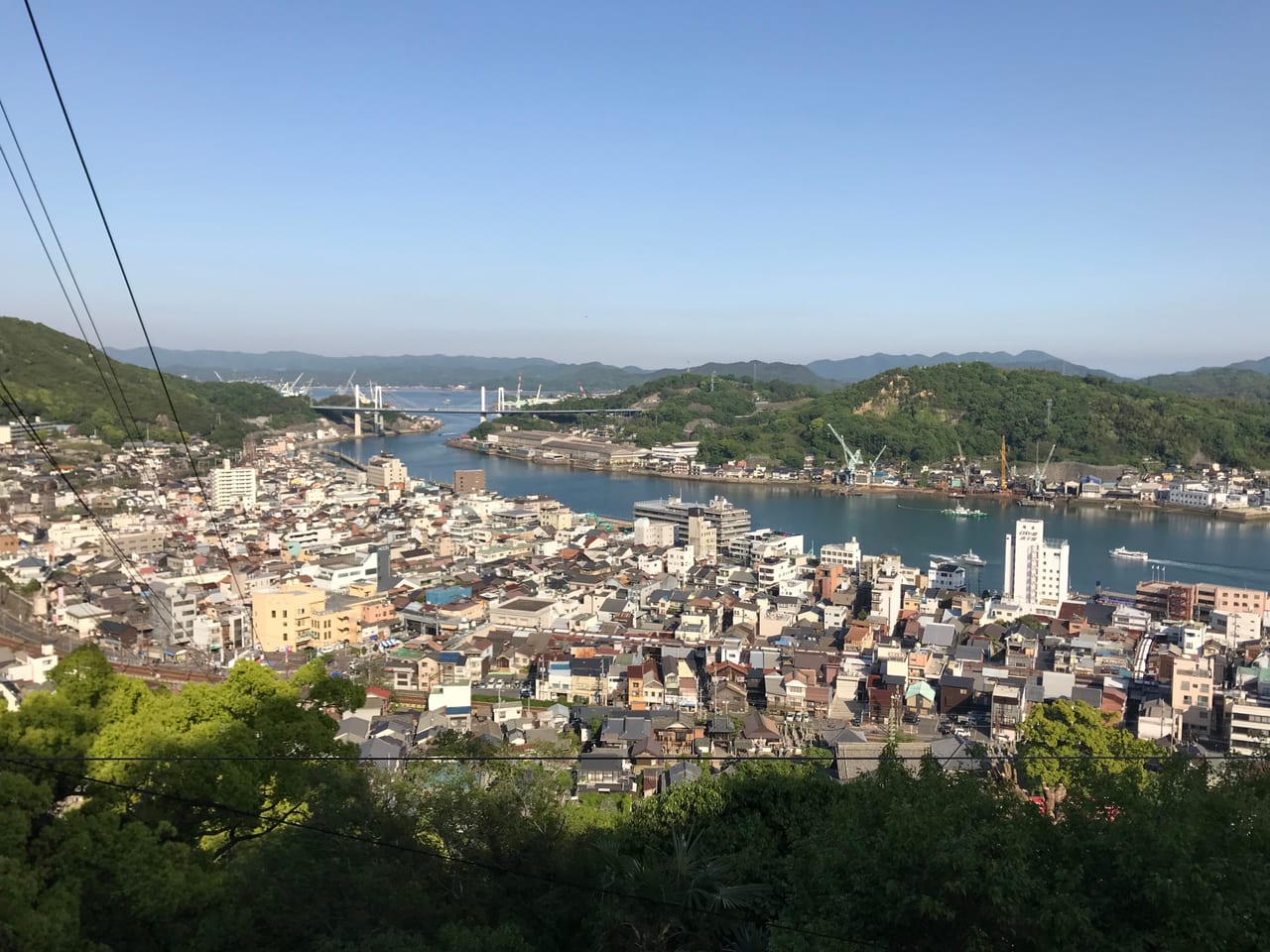
The core of the old town is Senkoji and the Senkoji Park observation deck behind it — the best vantage over the whole slope-town and the island-dotted Inland Sea. The easy way up is the Mt. Senkoji Ropeway. The fares to remember:
- ¥700 round trip / ¥500 one way for adults.
- ¥350 round trip / ¥250 one way for children (6+); under-6s free with an adult.
- It lifts you from the base station to the summit observation area, sparing most of the steep slope.
The smart move is not to ride round trip but to take the ropeway up and walk down via the Path of Literature (Bungaku-no-Komichi). That path winds down the slope from the summit past 25 stone monuments carved with the work of writers connected to Onomichi, shaded by trees with sea views opening here and there; the walk down takes about 30 minutes and passes Senkoji main hall — a vermilion stage-style building wedged against a giant boulder, an Onomichi landmark. Finish the Path of Literature and it feeds straight into Cat Alley below, so the whole route flows as one — and on a single ropeway fare. It closes occasionally for maintenance, so check the official site first.
Cat Alley, the slopes & the arcade
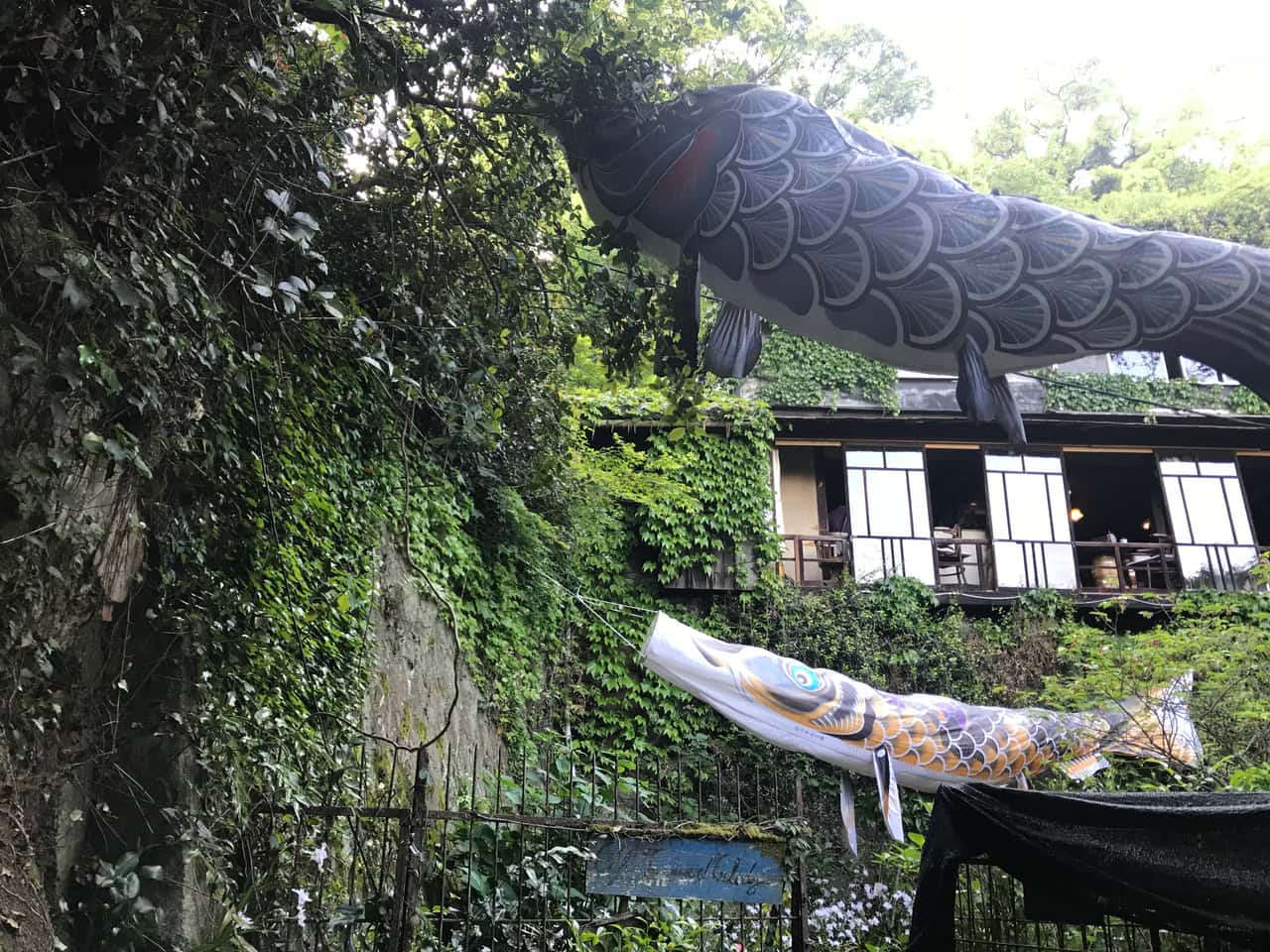
On the way down from Senkoji, you hit Onomichi's most-loved little lane — Cat Alley (Neko-no-Hosomichi). This is a roughly 200-meter sliver of a path tucked between houses and temples, lined with "lucky stone cats" (painted stone cats by artist Shunji Sonoyama, hidden in roadside corners), and the area attracts plenty of real cats too — a cat-lover's paradise. Cafes and tiny galleries converted from old houses are scattered along it, the mood languid. One reminder: this is an actual residential neighborhood where people live, and the lanes are tight, so keep your voice down, do not climb over walls, and do not force-feed the real cats — have fun, but keep some courtesy.
Down on the flat, a long Onomichi Hondori arcade runs along the railway — a covered old shopping street stretching from JR Onomichi Station, mixing old shops, cafes, general stores, and newer little spots. It is the place to resupply, eat, and shelter from rain, and the last stop to stock up before setting off on a Shimanami rental bike. When you have walked your legs off, it is time to sit down for the ramen that made Onomichi famous.
Onomichi ramen: soy and pork-back fat
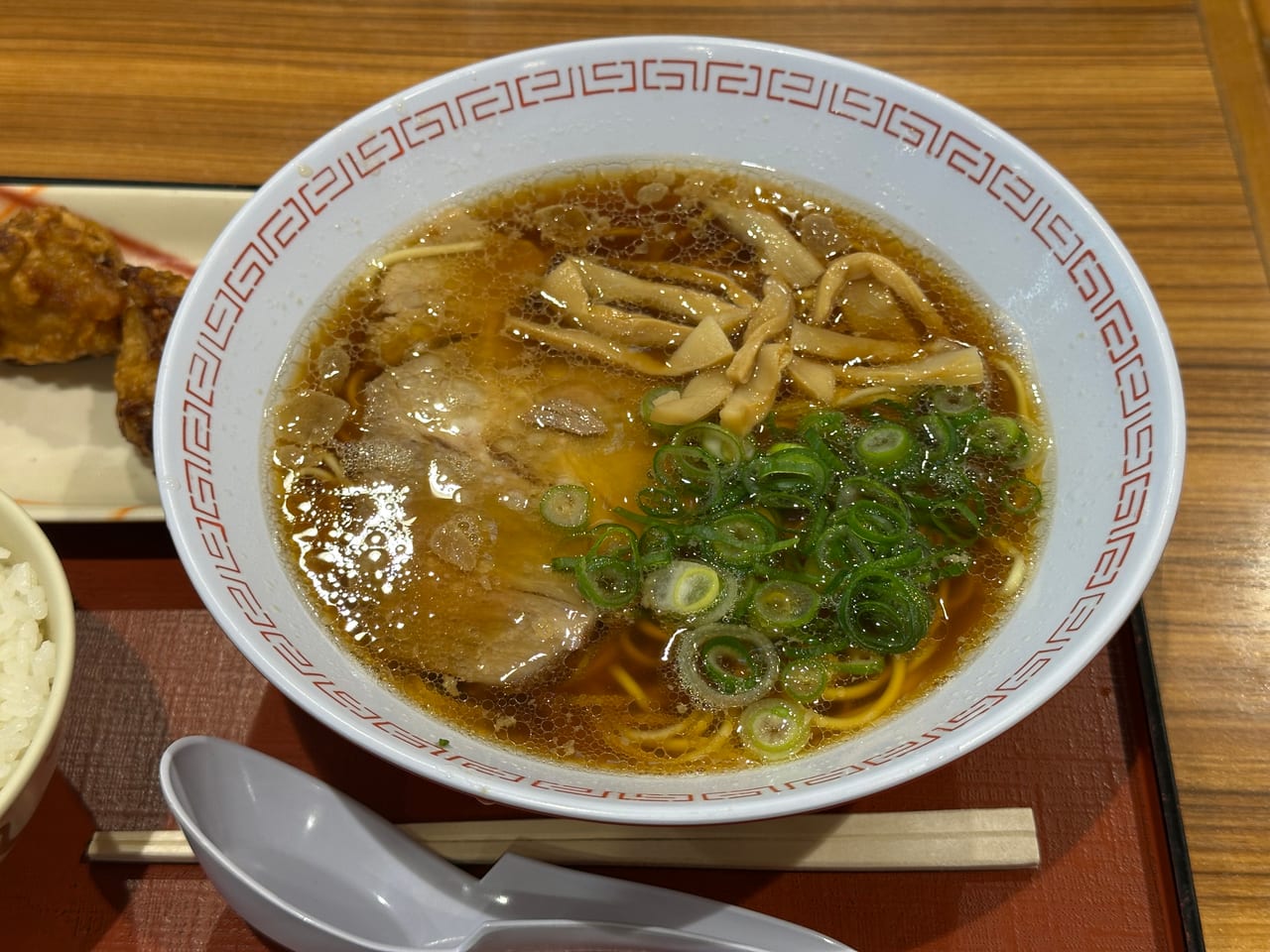
To skip Onomichi ramen here would be a waste. It is one of Hiroshima's signature regional ramen styles, with a distinct character: a soy-sauce broth built on Inland-Sea dried small fish (niboshi), with chunks of pork-back fat (seabura) floating on top, so it tastes savory and clean with a backbone of richness, served over flat-ish medium-thin noodles. Several well-known shops cluster around the arcade and queue up at lunch. Honestly, the taste and the line length vary a fair bit shop to shop, and my advice is not to fixate on "the most famous one" and queue forever — Onomichi ramen is good across the board, so pick a place without too long a wait that looks busy with locals.
The Shimanami Kaido: half-day vs. full route
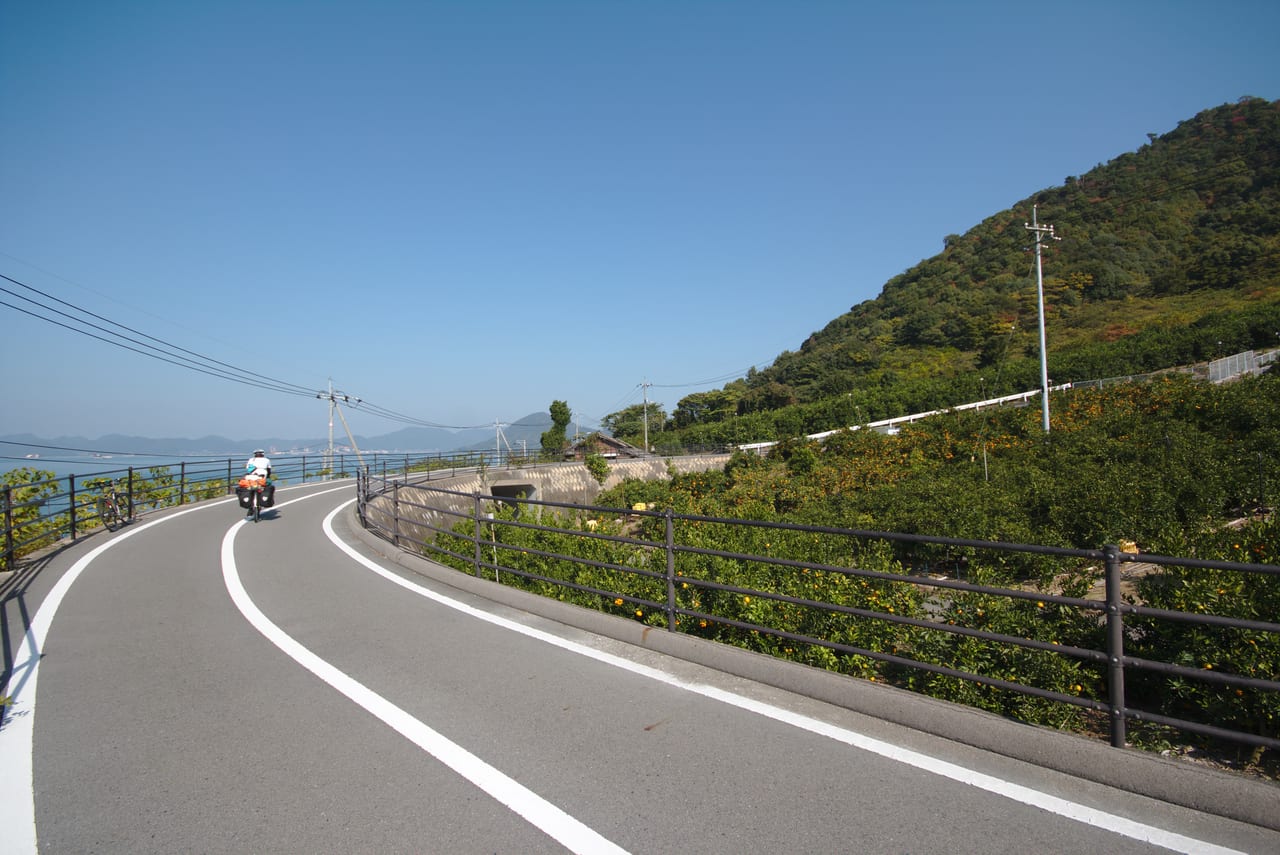
Now the headliner. The Shimanami Kaido is a cycling route running from Onomichi across the Seto Inland Sea over six islands to Imabari on Shikoku, about 70km in total. The six main islands, in order, are Mukaishima, Innoshima, Ikuchijima, Omishima, Hakatajima, and Oshima, strung together by a series of distinctive cross-sea bridges (the Tatara, Innoshima, and Kurushima-Kaikyo bridges, among others), each with its own dedicated cycle path. One more time on the key fact: the cyclist bridge toll is currently free and the waiver runs through March 31, 2028 (mopeds excluded; it is a policy with an end date, so check the JB Honshi-Shikoku site before you go). How you ride comes down to time and fitness, in two main versions:
- The casual half-day (what most people pick): Onomichi → Setoda on Ikuchijima. From Onomichi you ride through Mukaishima and Innoshima, cross a few bridges, and reach Setoda on Ikuchijima — about 20-some kilometers, roughly half a day. After seeing Setoda's Kosanji and the marble hill, you take a passenger boat straight back to Onomichi (Ikuchijima ⇄ Onomichi has ferries), so no riding back the way you came. This is the practical pick for ordinary fitness and limited time.
- The full route: Onomichi → Imabari, 70km. Cross all six islands to Imabari on Shikoku, including the magnificent final Kurushima-Kaikyo Bridge. This is a whole-day affair (6–8 hours is normal with breaks, food, photos, and island stops), after which you return the bike in Imabari or push on into Shikoku. It suits riders who want to conquer the whole line and have baseline fitness (or rent an e-bike).
My take is blunt: if it is your first visit, your fitness is ordinary, and you want time left for the old town, the half-day to Setoda and a ferry back is the smartest play — you still ride a cross-sea bridge, see the island's highlights, and do not wreck yourself; if you genuinely want the 70km feat, or you already love cycling, add the full day to Imabari. Neither is "better" — it just depends on what this trip is for.
Where to rent, one-way drop-off & e-bikes
The most convenient thing about the route is that you can do a one-way drop-off — rent in Onomichi, return in Imabari (or the reverse), with no backtracking. Rentals fall into two main systems:
- Public rental (Shimanami Japan): terminals at Onomichi port and along the route, mostly city bikes and e-bikes at friendly prices, returnable across multiple points like Onomichi and Imabari. Best for an easy ride, a tight budget, and dropping the bike whenever.
- GIANT Store Onomichi: inside the waterfront ONOMICHI U2 complex (roughly 9:00–19:00), renting better road and cross bikes. Per the operator, a one-way Onomichi↔Imabari drop-off adds about ¥3,300, and the GIANT system's other end point is the Imabari store. Best for a good bike and the full challenge.
On the e-bike question, I will be honest: if your fitness is ordinary and you want to ride any distance, paying extra for an e-bike is absolutely worth it. The grades are designed gently, but one bridge approach after another adds up, and per rider discussions, "I wish I had rented the electric one" is the most common regret. If your budget allows and you are not an iron-legged racer, an e-bike lets you spend your energy on the scenery instead of gasping. Last reminder: if you are set on a one-way to Imabari, say so when you rent and pick a plan with a matching return point — do not discover halfway across that your bike cannot be returned in Imabari.
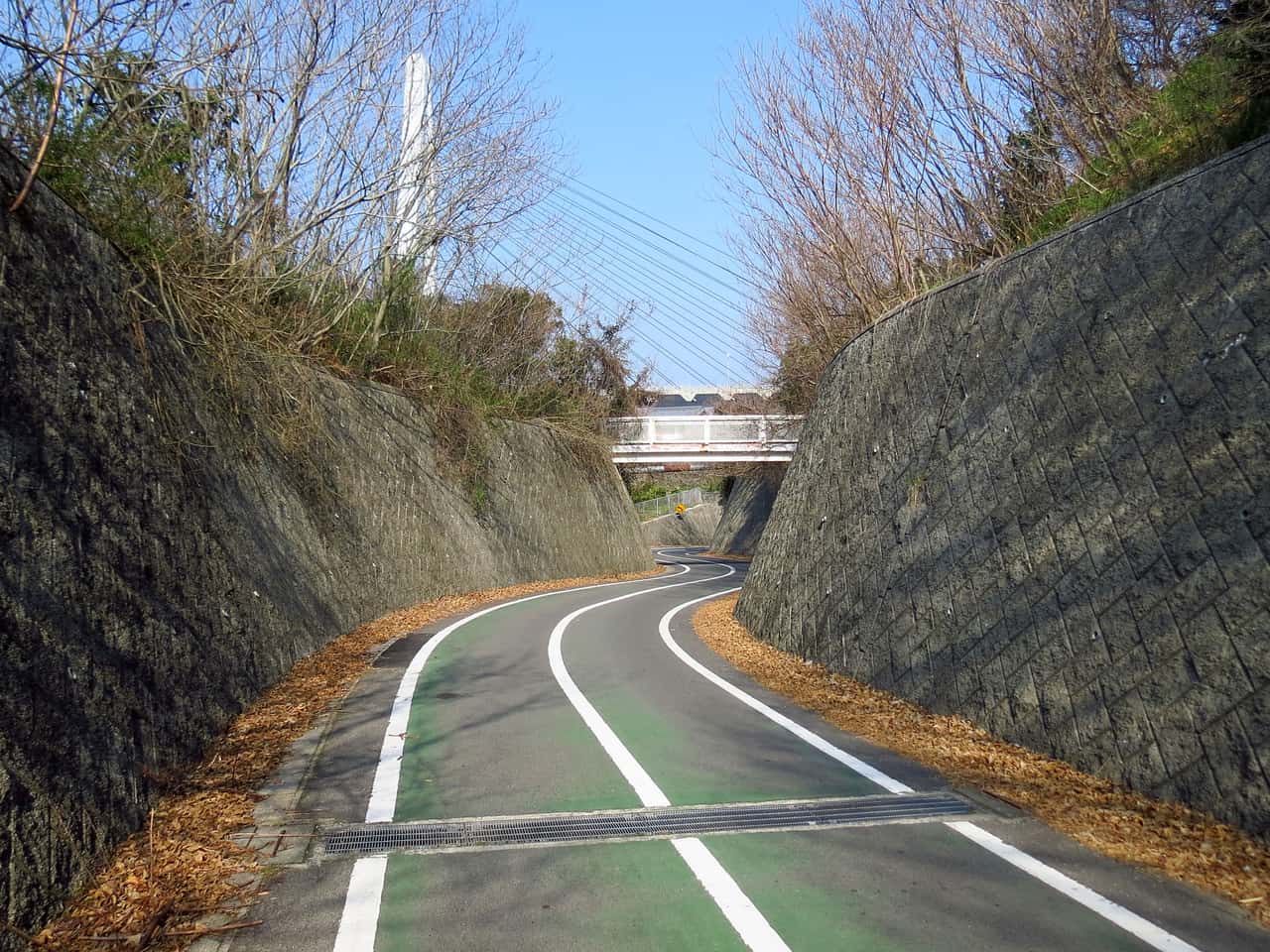
One rule to settle before you clip in: bicycles ride on the left in Japan, which is why the famous Shimanami blue line is painted along the left edge — riding against traffic is a violation even on a dedicated path. Since April 1, 2026, bicycle offences fall under the blue-ticket fixed-penalty system, for riders aged 16 and over. Police figures for the first month show 2,147 tickets against 135,855 verbal warnings: wrong-side riding normally draws a warning first, and it is carrying on after being warned that turns it into ¥6,000. The one item with no warning stage is holding a phone while riding, at ¥12,000 — the most expensive line on the schedule (a handlebar mount used for navigation is a separate matter and not an offence in itself). A helmet is a duty of effort, not a fine. Full detail in our guide to what actually earns a cyclist a ticket in Japan.
Island stops: Kosanji, the marble hill & Oyamazumi
The Shimanami Kaido is not only cycling — the islands along the way each have a draw, which is exactly why the "half-day to Ikuchijima" version is so popular: Setoda on Ikuchijima happens to concentrate the route's best sights:
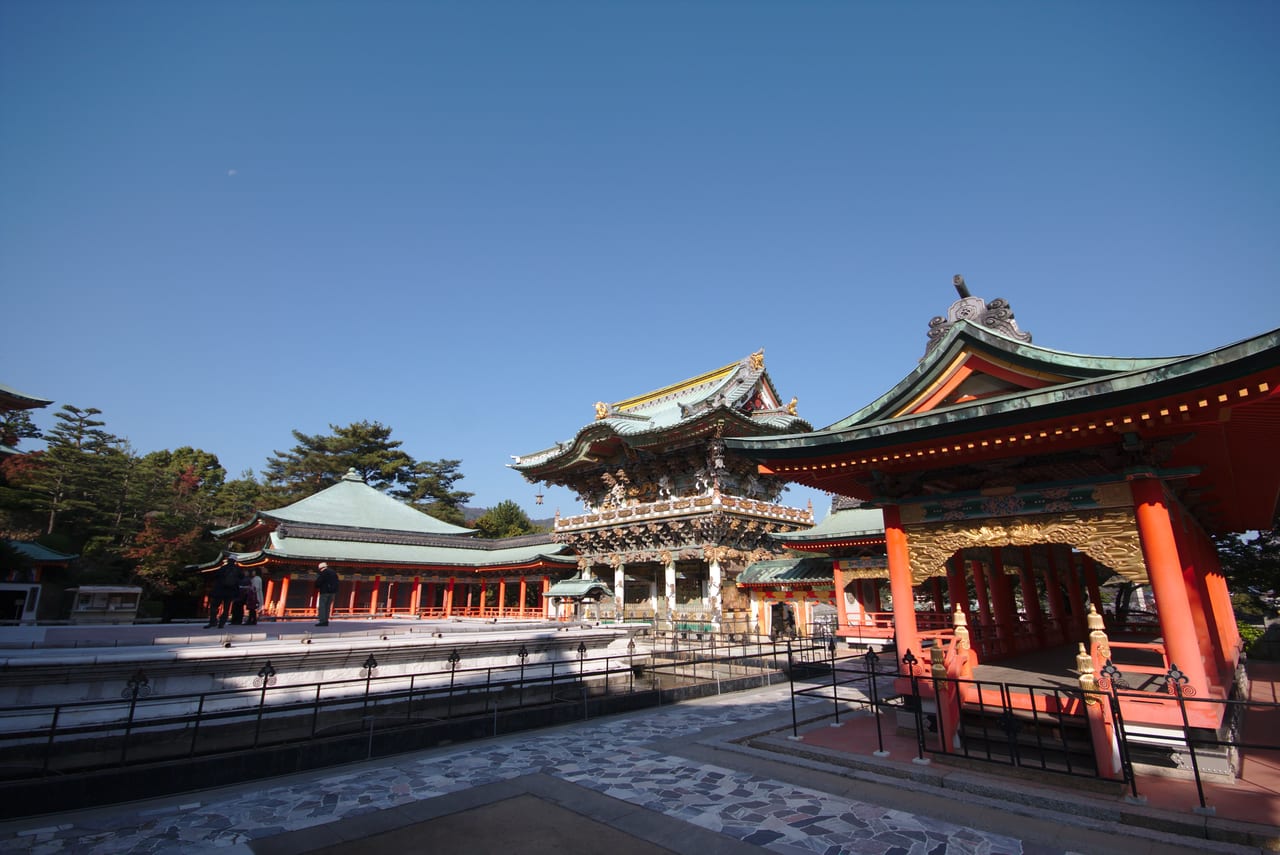
- Kosanji (Ikuchijima): a lavishly colorful temple that recreates famous temple architecture from across Japan in one place, nicknamed "the Nikko of the west" — vermilion and gold, hall after hall, a strong visual hit.
- Miraishin no Oka (Ikuchijima): within Kosanji's grounds, a pure-white marble garden by sculptor Kuetani — a hill, sculptures, and stairs all paved in Italian Carrara marble, set against the blue of the Inland Sea. It is the most photogenic, least "Japanese-looking" spot on the route, practically the signature Shimanami shot on Instagram.
- Hirayama Ikuo Museum of Art (Ikuchijima): the museum of nihonga master Hirayama Ikuo, a Setoda native — worth a stop if you like Japanese painting.
- Oyamazumi Shrine (Omishima): on Omishima, mid-route, the ichinomiya of Iyo Province, long revered by warriors, holding a vast collection of national-treasure armor and swords — the weightiest shrine on the line.
So the logic of the "half-day version" is clear: ride to Setoda on Ikuchijima, see Kosanji plus the marble hill, then ferry back to Onomichi — half a day that gets you a cross-sea ride and the route's most photogenic stops, excellent value. Riders going the full distance to Imabari stop at Oyamazumi on Omishima mid-route and finish on the Kurushima-Kaikyo Bridge.
Transport & lodging
First, getting to Onomichi, where there is a common trap: take the JR Sanyo Main Line to "Onomichi Station," not "Shin-Onomichi." From Hiroshima it is about 90 minutes on the Sanyo Line. The "Kodama" Shinkansen does stop at Shin-Onomichi, but that station sits a fair way from the waterfront old town — while the ropeway, the arcade, Cat Alley, and the Shimanami rental points are all clustered on the JR Onomichi (port) side; alighting at Shin-Onomichi means another transfer or a walk. Unless you are extremely pressed for time, ride the Sanyo Line straight to Onomichi Station and step out into the old town and port. If the wider Chugoku trip leans on JR and the Shinkansen (Hiroshima, Miyajima, Okayama, and Kurashiki together), run the break-even math in our JR Pass guide first.
On lodging: if you are only doing the old town, staying at Onomichi port is most convenient — ONOMICHI U2, a complex converted from a seaside warehouse, houses HOTEL CYCLE, a hotel designed for cyclists (you can keep your bike in the room, with the GIANT Store on-site); good atmosphere, strong function, a popular pick with Shimanami riders. The port and arcade area also has plenty of business hotels and guesthouses. If you are riding the full route or island-hopping slowly, the islands along the way (Setoda on Ikuchijima, Omishima, and others) have minshuku and small inns — staying a night splits the 70km into two days and lets you wander the islands by day, a lovely way to do it. In peak season (long holidays, fine-weather weekends) both the Onomichi waterfront and island guesthouses fill up, so book early. When fitting Onomichi into a Chugoku itinerary, Hiroshima and Miyajima to the west and Okayama and Kurashiki to the east sit on the same Sanyo Line, so they chain smoothly.
FAQ
- Q1:How many days do you need in Onomichi? Is a day trip enough?
- It depends on whether you want to ride the Shimanami Kaido. For the old town alone — Senkoji, Cat Alley, the shopping arcade, ramen — half a day to a day is plenty, and a day return from Hiroshima (about 90 minutes by JR) works fine. But if you want to cycle the Shimanami Kaido, budget at least another half day to a full one: per the official route and rider discussions, the popular casual version is Onomichi → Ikuchijima (Setoda) in about half a day, then a ferry back, while riding the full 70km from Onomichi to Imabari is a whole-day effort. So my call: one day for the town, an overnight if you want to ride, sleeping near Onomichi port. To extend, chain west to Hiroshima and the A-Bomb Dome or east to Okayama and Kurashiki.
- Q2:Is the Senkoji ropeway running, and how much is it?
- Yes, it runs. Per the Mt. Senkoji Ropeway operator, fares are ¥700 round trip / ¥500 one way for adults, and ¥350 / ¥250 for children (6+); under-6s ride free with an adult. The ropeway lifts you from the base station to the Senkoji Park observation deck, sparing most of the slope. The smart play is to ride up and walk down via the Path of Literature (Bungaku-no-Komichi) — take the cable car one way up, then on the way down stroll past Senkoji main hall, the literary stone monuments, and on into Cat Alley. That route flows best and only costs one ropeway leg. It closes occasionally for scheduled maintenance, so check the official site before you go.
- Q3:Do cyclists pay a bridge toll on the Shimanami Kaido?
- Not right now — the cyclist toll is free. Under the Nishiseto Expressway "Shimanami Cycling Free" scheme, the waiver on the cyclist bridge toll has been extended through March 31, 2028 (the free measure has run since July 2014 and been extended several times); no paperwork is needed, you just ride across free. Two caveats: first, the waiver does not cover mopeds (gentsuki) or small special mopeds, which still pay; second, "free" is a policy with an end date, so check the latest notice on the JB Honshi-Shikoku Bridge site before you go. In short, crossing all six bridges by bicycle currently costs you nothing.
- Q4:Do I need to be a strong road cyclist to ride the Shimanami Kaido?
- No. The reason it is famous is precisely that it is the only one of the three Honshu–Shikoku bridge routes with a dedicated cycling path — clearly marked, with the climbs engineered gently (the bridge approaches are long, gradual spirals, not steep ramps). Two practical options for ordinary fitness: (1) rent an electric-assist bike (e-bike), which makes the approach ramps far easier — per rider discussions, "I wish I had rented the e-bike" is the most common regret; and (2) ride only half — Onomichi → Setoda on Ikuchijima in about half a day, see Kosanji and the marble hill, then take a ferry back instead of grinding out 70km. Only the full run to Imabari really needs a whole day and baseline fitness; beginners do not have to push it.
- Q5:Where do I rent a bike? Can I do a one-way drop-off?
- Yes, one-way drop-off is part of what makes the route easy. Two main systems: (1) the public rental (Shimanami Japan), with terminals at Onomichi port and along the route, mostly city bikes and e-bikes at friendly prices, returnable across multiple points like Onomichi and Imabari; and (2) GIANT Store Onomichi (inside the waterfront ONOMICHI U2 complex, roughly 9:00–19:00), which rents better road and cross bikes — per the operator, a one-way Onomichi↔Imabari drop-off adds about ¥3,300, and the GIANT system's other end point is the Imabari store. In short: pick the public rental for easy and cheap, GIANT for a better bike; if you are set on a one-way to Imabari, say so when you rent and choose a plan with a matching return point.
- Q6:How do I get to Onomichi from Hiroshima? Should I take the Shinkansen to Shin-Onomichi?
- Take the JR Sanyo Main Line to "Onomichi Station," not "Shin-Onomichi." From Hiroshima it is about 90 minutes on the Sanyo Line. The "Kodama" Shinkansen does stop at Shin-Onomichi, but that station sits a fair distance from the waterfront old town — the ropeway, the arcade, Cat Alley, and the Shimanami bike-rental points are all clustered on the JR Onomichi (port) side. So unless you are extremely pressed for time, ride the Sanyo Line straight to Onomichi Station and step out into the old town. If the wider Chugoku trip leans on JR and the Shinkansen, run the break-even math in our JR Pass guide first.
Related reading:
Hiroshima Guide 2026: Peace Park, Okonomiyaki & Miyajima
Chugoku's gateway — 1.5 hr from Shin-Osaka by Shinkansen, the World Heritage A-Bomb Dome, layered okonomiyaki, and a Miyajima day trip.
Okayama & Kurashiki Guide 2026: Korakuen, Bikan & Denim
Korakuen (one of Japan's three great gardens), the white-walled Kurashiki Bikan quarter and Kojima denim — the best stop on the Sanyo Line.
Miyajima Guide 2026: Floating Torii Tides, Mt. Misen & Oysters
World Heritage Itsukushima Shrine — how to time the floating torii by tide, the Mt. Misen ropeway, ferries, the visitor tax and grilled oysters.