Otaru is the most classic day trip out of Sapporo — a canal port town that grew rich on shipping and finance and kept that history intact. Its sights are concentrated and walkable: the gas-lamp-lit Otaru Canal, the rows of glass and music-box shops on Sakaimachi, a steam clock that sounds every 15 minutes, a whole Sushi Street, and the LeTAO cheesecake that started here. This guide covers the best time for the canal, how to walk Sakaimachi, the Mt. Tengu night view, and access from Sapporo. It's the near-Sapporo deep-dive for Hokkaido; the base city is in our Sapporo guide.
- A canal port town near Sapporo: ~30-40 min by JR, the classic half-to-full-day trip
- The Otaru Canal is best at dusk: gas lamps lit; a Snow Light Path festival in February
- Sakaimachi glass and music boxes: Kitaichi Glass, the Music Box Museum, the steam clock
- A sushi town + LeTAO: Sushi Street and the double-layer cheesecake
- Mt. Tengu night view: ropeway ¥1,800 round trip (¥2,000 in winter)
📖 Table of contents
What kind of city Otaru is
Otaru sits northwest of Sapporo on Ishikari Bay, and from the Meiji into the Taisho era it was Hokkaido's shipping and finance hub, its canal lined with stone warehouses and its streets dense with Western-style bank and trading-company buildings (once called the "Wall Street of the North"). When the port's role faded, those historic buildings survived and were repurposed into glass workshops, music-box shops, cafes and restaurants — making Otaru a port town that turned its old warehouses and Western buildings into a sightseeing district.
For travelers, the appeal is that Otaru is compact and walkable, and very close to Sapporo. The classic plan is a half-to-full-day round trip by JR: walk the canal, browse Sakaimachi for glass and music boxes, eat sushi, and catch the canal's evening illumination before heading back to Sapporo. Below, in that order.
One layer worth noticing as you walk is the old financial district between the station and the canal — the so-called "Wall Street of the North." In Otaru's heyday, dozens of banks and trading houses built solid stone-and-brick offices here, and several survive: the former Bank of Japan Otaru branch is now a free currency museum, and other ex-banks have become shops and cafes you can step inside. The decommissioned Temiya Line, Hokkaido's first railway, also leaves walkable tracks near the canal. None of this needs a ticket; it's the kind of detail that turns a quick canal photo stop into a sense of why the town exists at all.
The Otaru Canal
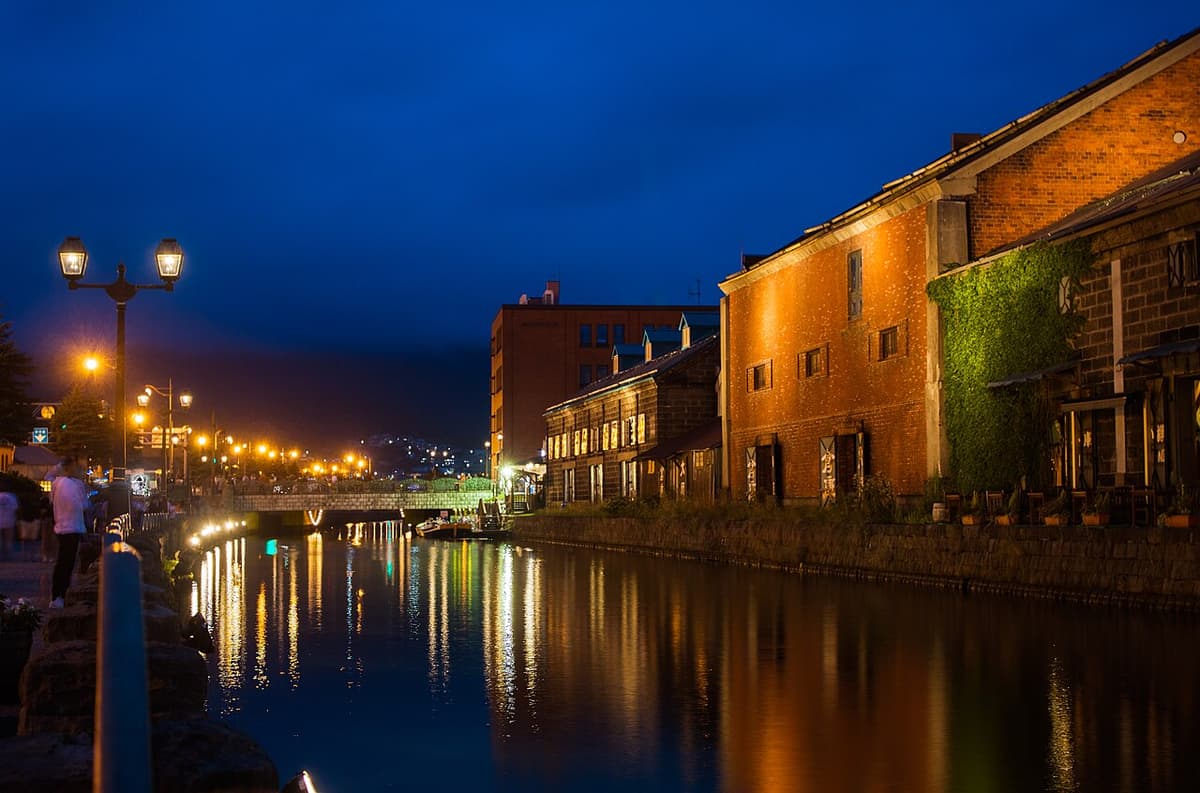
The Otaru Canal is the city's signature. Completed in 1923, it was the artery for transferring ship cargo, and the stone warehouses along it are now mostly restaurants and shops, with retro gas lamps on the banks. The stone, water and warehouses look good by day, but the canal's most photogenic hour is dusk into night, when the gas lamps and warehouse lights come on and reflect off the water — a stretch of the promenade especially worth photographing.
By the canal you'll find rickshaw rides and canal cruises, and painters often set up stalls along the bank. Winter adds more: the February Otaru Snow Light Path festival fills the canal and the old Temiya rail line with snow lanterns and candles, one of Hokkaido's popular winter events — for session dates and venue layout, see the Otaru Snow Light Path guide. For the evening canal, schedule Otaru later and don't head back to Sapporo too soon.
Sakaimachi: glass and music boxes
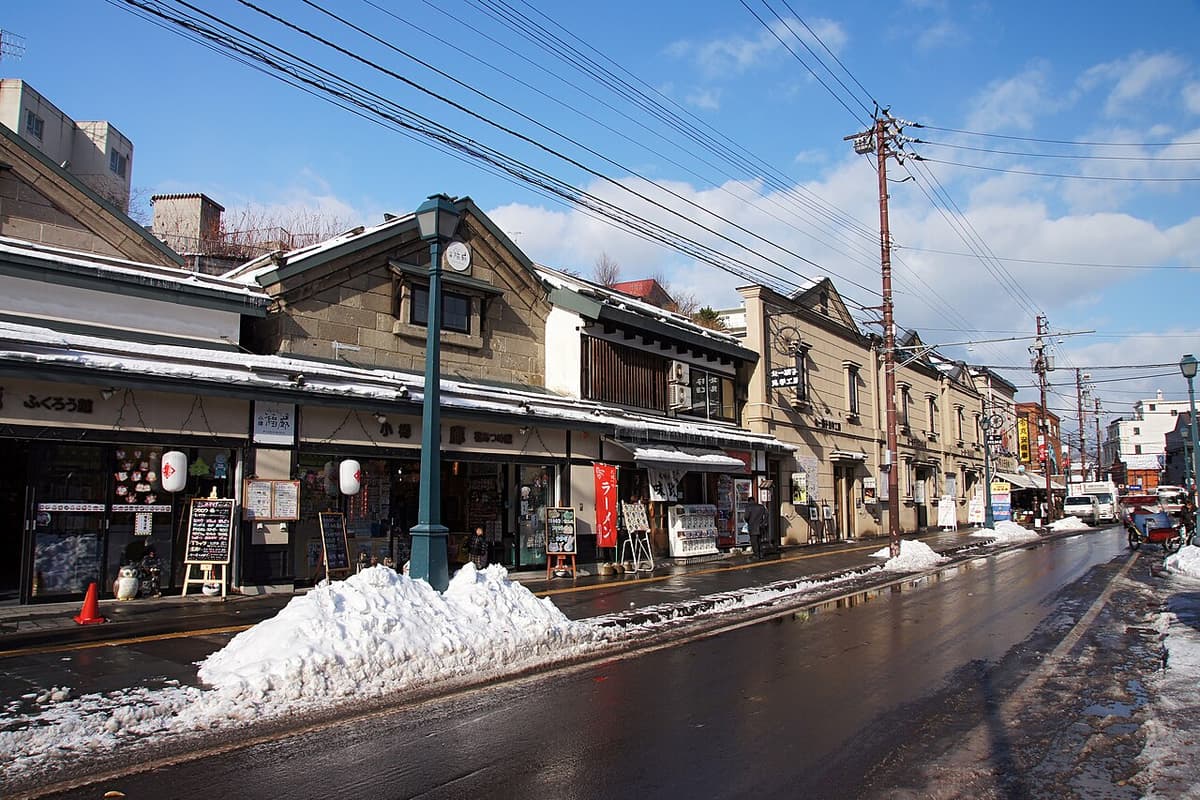
Running south from the canal, Sakaimachi is Otaru's liveliest shopping street, its shops set in former merchant buildings. Otaru has been known for glasswork since the Meiji era (it first made fishing floats and oil lamps), and old houses like Kitaichi Glass now turn glass into tableware, ornaments and lamps — Kitaichi's Hall No. 3 oil-lamp cafe is well known. If you want a souvenir, Otaru glass is the local choice.
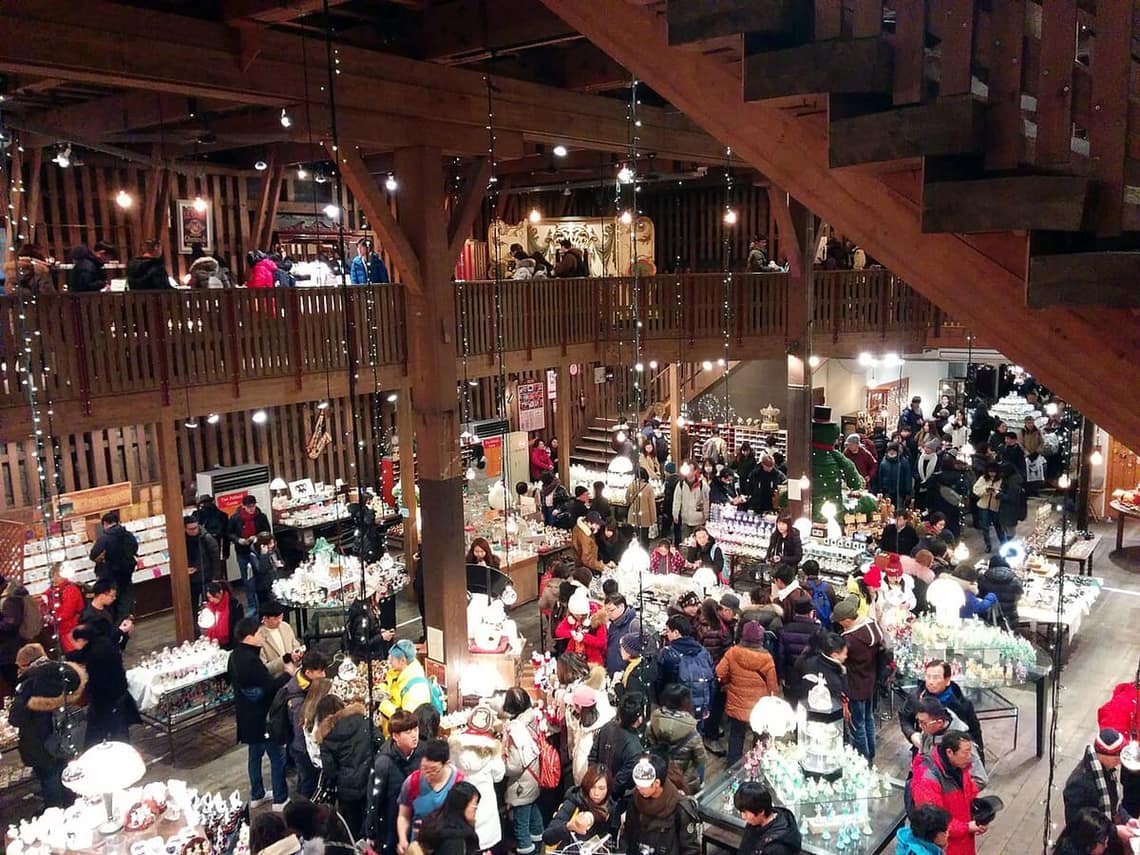
Sakaimachi's other signature is the music box (orgel). At the "Marchen Crossroads," the Otaru Music Box Museum is Japan's largest music-box specialty store, displaying tens of thousands of pieces and offering make-your-own experiences. The steam clock out front was brought from Canada in 1994, the same type as Vancouver's Gastown clock, about 5.5 m tall, and it sounds a steam-powered melody every 15 minutes and a whistle on the hour — a popular photo stop. Browsing glass, choosing a music box and catching the steam clock chime is the standard Sakaimachi round.
Sushi and sweets
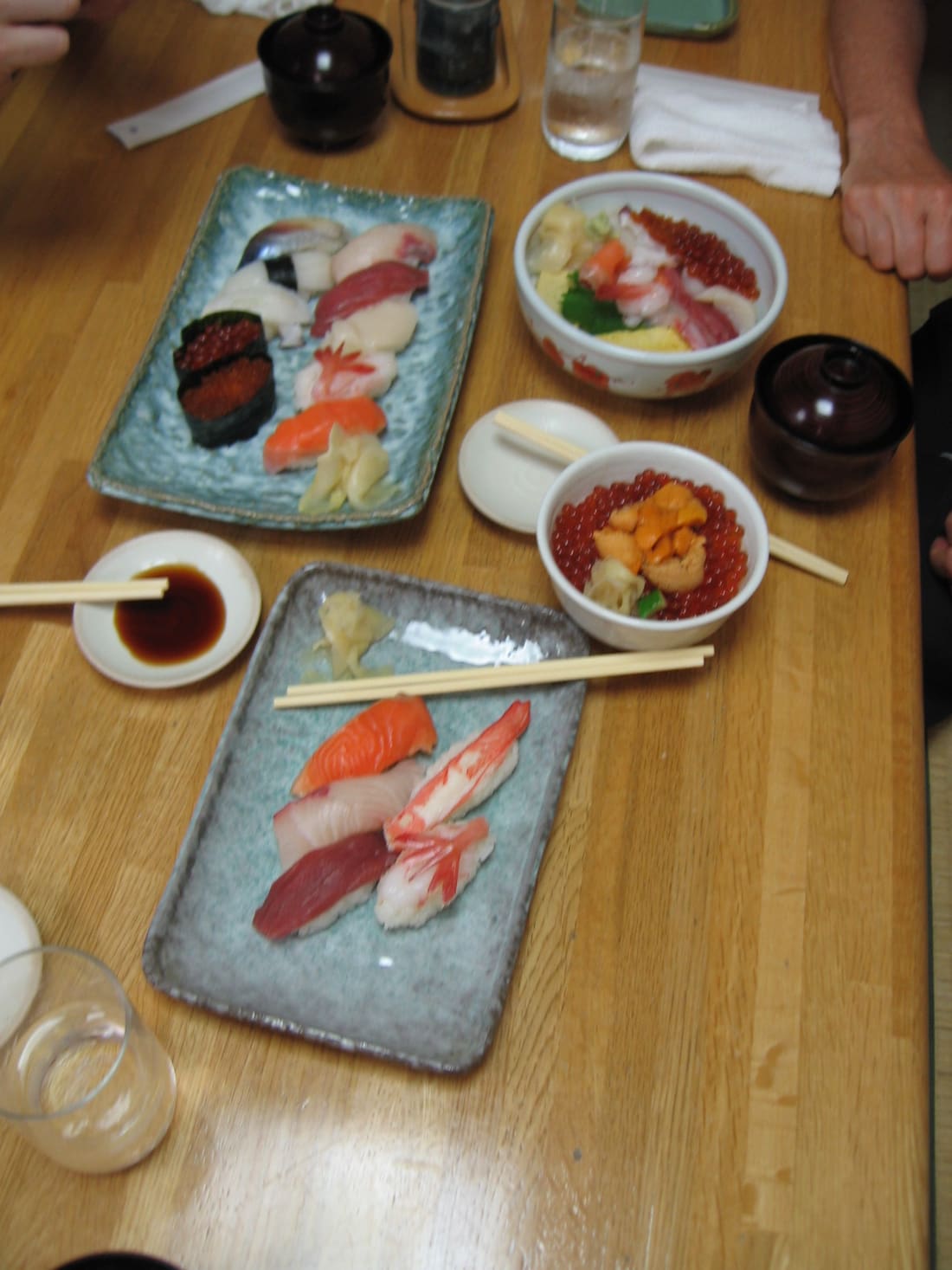
Otaru is a genuine sushi town, with a "Sushi Street" gathering many sushi restaurants in one place. Thanks to fresh Ishikari Bay catch, from old establishments to budget spots you can get good nigiri and seafood bowls — a meal not to skip here. Popular shops queue at midday, so avoid noon or check reservations for the famous ones.
For dessert, LeTAO, which began in Otaru, is a well-known Hokkaido confectioner, and its signature "Double Fromage" cheesecake can be eaten fresh at the Otaru flagship, whose top floor has a street view. Add Kitaichi's sweets, Hokkaido-milk soft-serve and a range of souvenirs and an Otaru eat-and-shop itinerary fills up easily.
Beyond sushi, two more local bites are worth knowing. By Otaru Station, the small Sankaku Market packs seafood stalls and diners into a narrow lane, a cheaper, more casual spot for a seafood bowl than the sushi restaurants. And Otaru's other signature is "hanbun-age," a deep-fried half chicken — the long-running shop Naruto is the famous name, serving a whole crispy half-bird that's a hearty counterpoint to all the seafood. Between sushi, a seafood bowl, the fried chicken and a LeTAO cheesecake, you can build a full day of eating without ever leaving the walkable core.
The Mt. Tengu night view
With time and a love of night views, head up Mt. Tengu. It ranks among Hokkaido's three great night views (with Hakodate and Sapporo's Mt. Moiwa), looking down over the Otaru townscape and Ishikari Bay. You ride the Mt. Tengu Ropeway, ¥1,800 round trip for adults (¥2,000 in winter), and the summit has tengu-themed attractions and a winter ski slope.
But Mt. Tengu is on the edge of town and needs a separate bus from the center, off the canal-and-Sakaimachi walking route. If you're on a Sapporo day trip focused on the canal and Sakaimachi, it's an optional skip; if you're staying over and love a night view, it's a more relaxed add.
Access and day-trip vs overnight
Access: from Sapporo Station, JR reaches Otaru in about 30-40 minutes — the Rapid "Airport" is faster, local trains more frequent, with sea views around Harraiso en route. It's an 8-10 minute walk from Otaru Station to the canal, and the canal and Sakaimachi are all walkable, needing no extra transport (only Mt. Tengu takes a bus). For a multi-leg Hokkaido rail loop, compare a Hokkaido Rail Pass; set up a KKday Japan eSIM first to check timetables.
Day-trip vs overnight: Otaru is most often a Sapporo day trip with no overnight — come by JR morning or afternoon, walk the canal, Sakaimachi and eat sushi, catch the canal illumination at dusk and head back, half a day to a day. But to dodge the daytime tour groups, photograph the canal at dusk and dawn, or add the Mt. Tengu night view and a sushi dinner, a night in Otaru is worth it. Chaining Otaru onto a Sapporo stay is the smoothest central-Hokkaido plan; to push further inland, Asahikawa is about 1.5 hours from Sapporo by limited express for the Asahiyama Zoo penguin walk — see our Asahikawa & Asahiyama Zoo guide. Before you go, see our Japan packing & weather guide — Otaru is coastal, cold-damp and snowy in winter with slippery streets, so bring non-slip shoes.
A simple half-day route: from Otaru Station, walk down through the old bank district to the canal; follow the canal promenade, then turn into Sakaimachi for glass, the Music Box Museum and the steam clock; have a sushi lunch on or near Sushi Street and a LeTAO cheesecake; and time your loop back past the canal at dusk for the gas lamps before the train to Sapporo. On seasons: winter (especially February) is the standout for the Snow Light Path and snow-draped warehouses, though it's cold and the footing is icy; summer is mild and the easiest walking; autumn is quiet and pleasant; and spring is short but clear. There's no wrong season — just dress for a coastal chill and leave the canal for last so you catch it lit.
Frequently Asked Questions
- Q1:How long does Otaru need? Is a day trip enough?
- Otaru's highlights (the canal, Sakaimachi street, the glass and music-box shops, sushi) are clustered within walking distance, so a half-day to full-day trip from Sapporo is plenty — it's the classic day trip out of Sapporo. To catch the canal's evening illumination, dodge the daytime tour groups, or add the Mt. Tengu night view, go later or stay over, but most people do it as a Sapporo day trip.
- Q2:When is the Otaru Canal at its best?
- The canal's stone warehouses and water look good by day, but the time worth waiting for is dusk — the gas lamps and warehouse lights come on and reflect off the water, the most photogenic hour. In February there's also the Otaru Snow Light Path festival, when the canal and streets fill with snow lanterns and candles. For the evening canal, schedule Otaru later in the day and don't head back to Sapporo too early.
- Q3:What should I buy and eat in Otaru?
- Otaru is famous for glasswork and music boxes — along Sakaimachi, Kitaichi Glass and the Otaru Music Box Museum let you shop or make your own, and the steam clock out front sounds a steam-powered melody every 15 minutes. For food, Otaru is a sushi town with a whole "Sushi Street"; for dessert, don't miss LeTAO's double-layer cheesecake, which originated in Otaru and can be eaten fresh at the flagship with a street view. Add seafood bowls and Hokkaido-milk soft-serve and the eating and shopping fill up fast.
- Q4:Is the Mt. Tengu night view worth it?
- If you like night views, yes. Mt. Tengu ranks among Hokkaido's three great night views, looking down over the Otaru townscape and Ishikari Bay. You ride the Mt. Tengu Ropeway, ¥1,800 round trip for adults (¥2,000 in winter). But Mt. Tengu is on the edge of town and needs a separate bus, off the canal-and-Sakaimachi walking route, so if you're rushed and focused on the canal it's skippable; with time and a love of night views, add it.
- Q5:How do I get to Otaru from Sapporo?
- From Sapporo Station, JR reaches Otaru in about 30-40 minutes (the Rapid "Airport" is faster, local trains slower but frequent), the easiest way, with sea views around Harraiso en route. It's an 8-10 minute walk from Otaru Station to the canal, and the main sights (canal, Sakaimachi) are all walkable. For a Hokkaido rail loop, see our Hokkaido JR Pass guide, and for the base city our Sapporo guide.
- Q6:Do I need to stay overnight in Otaru?
- Most people do Otaru as a Sapporo day trip without staying, which is simplest. But if you want to photograph the canal at dusk and after dark, walk it again early the next morning before the crowds, or add the Mt. Tengu night view and a sushi dinner, a night in Otaru is pleasant — the canal and Sakaimachi are much quieter once the day-trippers leave. It comes down to whether you value efficiency or atmosphere.