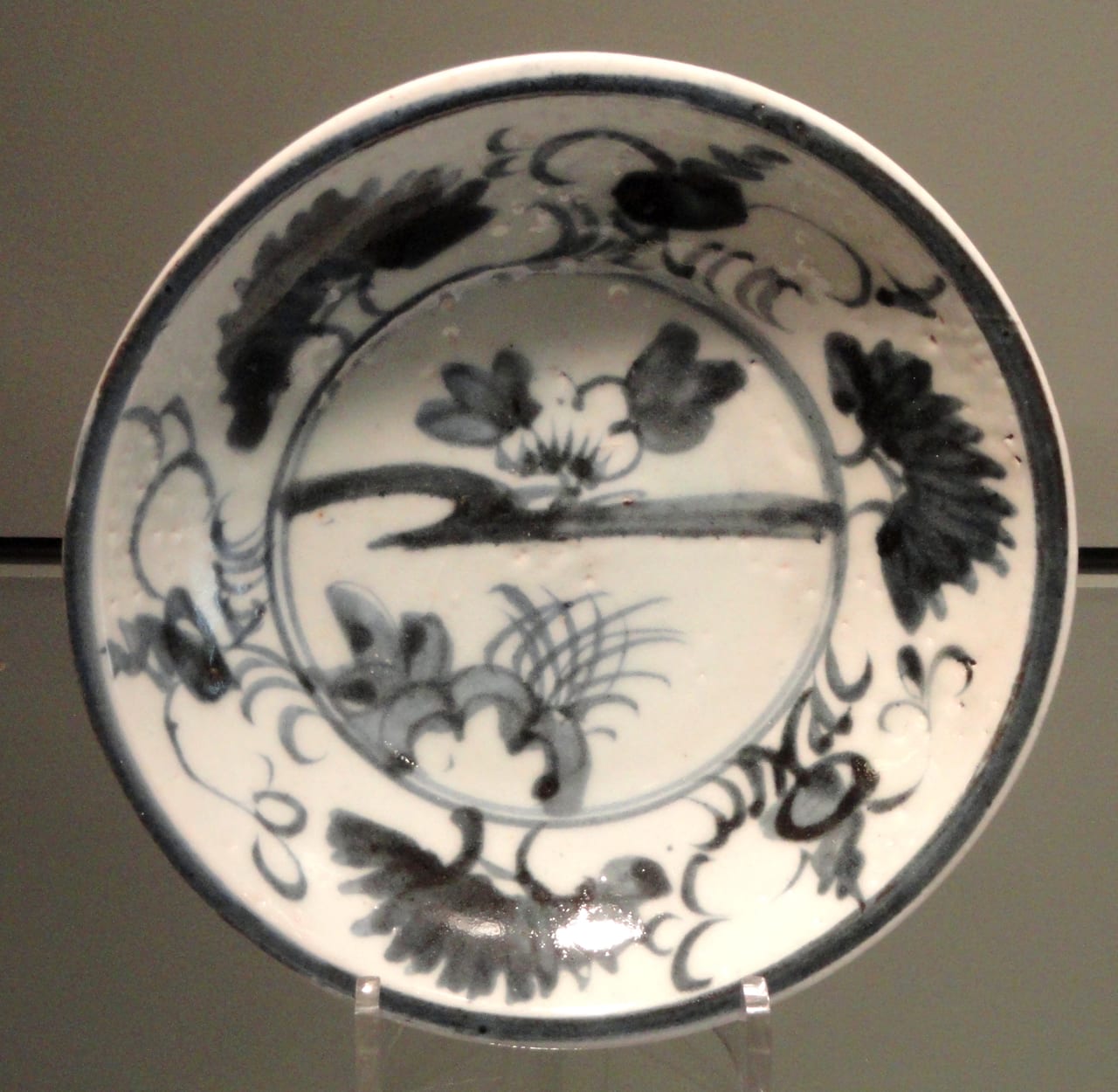
Saga is probably the most underrated prefecture in Kyushu — wedged between Fukuoka and Nagasaki, it is the one most people blow straight past on the limited express, never realizing that Hakata to Arita is only about 80 minutes and lands you in the birthplace of Japanese porcelain. Picture this: roughly 400 years ago, a Korean potter named Yi Sam-pyeong (Ri Sampei) found a porcelain-stone deposit at Izumiyama in Arita and fired Japan's first true porcelain — and from there, Arita and Imari ware sailed the trade routes and conquered Europe. Today Saga lays that heritage out for you: the million-visitor Arita Ceramics Fair, the secret kilns hidden in an Imari valley, the skin-softening Ureshino Onsen, seaside Karatsu Castle and its pine grove, and the vast Yayoi-period ruins at Yoshinogari. This guide tells you straight which spots earn a special trip, which are add-ons, whether to day-trip or stay a night, and how to slot Saga into your Fukuoka or Nagasaki plans. The Fukuoka end is in our Fukuoka guide; the wider loop is in our Kyushu rail itinerary.
- 80 minutes from Hakata to Arita: birthplace of Japanese porcelain, where Yi Sam-pyeong fired Japan's first piece around 1616
- Arita Ceramics Fair, Apr 29–May 5, 2026: ~450 stalls, 1M+ visitors — a buyers' Golden Week, not a sightseers' one
- Imari's Okawachiyama: the Nabeshima domain's secret kilns hidden in a valley, ~30 kilns, far quieter than Arita
- Ureshino Onsen: one of Japan's three great skin-beautifying springs, plus Ureshino tea and onsen yudofu
- Karatsu Castle + pine grove + Karatsu Kunchi (Nov 2–4), plus the Yayoi ruins at Yoshinogari (¥460), round out Saga
📖 Contents
- 1. Why detour into Saga
- 2. Arita: the birthplace of Japanese porcelain
- 3. Arita Ceramics Fair: a million-strong Golden Week
- 4. Imari's Okawachiyama: secret kilns in a valley
- 5. Ureshino Onsen: a great skin-beautifying spring
- 6. Karatsu Castle, the pine grove & Karatsu Kunchi
- 7. Yoshinogari: a vast Yayoi-era site
- 8. Transport & lodging (Fukuoka base vs. staying in Saga)
- 9. Suggested itineraries
- 10. FAQ
Why detour into Saga
Honestly, Saga is not a prefecture that overflows with back-to-back sights — what it sells is depth and focus, and the central thread is porcelain. The history of Japanese porcelain essentially begins here in Arita: before this, Japan made only earthenware (clay-fired ceramics); Arita was the first to fire true white porcelain, which then shipped out through the port of Imari to the whole world. To this day "Imari" and "Arita" remain shorthand for fine porcelain in European antique markets. If you care about objects, craftsmanship, or simply enjoy browsing tasteful little shops, Saga will keep you happily occupied.
But set your expectations right: Saga's sights are scattered. Arita is west, Karatsu is north, Ureshino and Takeo are south — this is not Kyoto, where you can walk between things. So my framing is clear: Saga rewards a "themed" approach — come for the porcelain, or the skin-beautifying springs, or a festival, and go deep on one or two rather than skimming everything. The smartest plan is to use Fukuoka as a lodging base and treat Saga as a one-or-two-day extension, or stay a night in Ureshino or Takeo to fully soak in the onsen.
Arita: the birthplace of Japanese porcelain
Arita is the lead of this trip. The story starts in the 1610s: Yi Sam-pyeong, a potter from the Korean peninsula and revered locally as the "father of porcelain," found a fine porcelain-stone deposit at Izumiyama in Arita and, around 1616, fired Japan's first porcelain — cementing Arita as the country's porcelain capital. Walk the traditional streets of Arita's Uchiyama district today and you pass old townhouses listed as an Important Preservation District, with the showrooms of long-established kilns like Koransha, Imaemon, and Kakiemon clustered nearby, spanning everything from everyday tableware to top-tier art pieces.
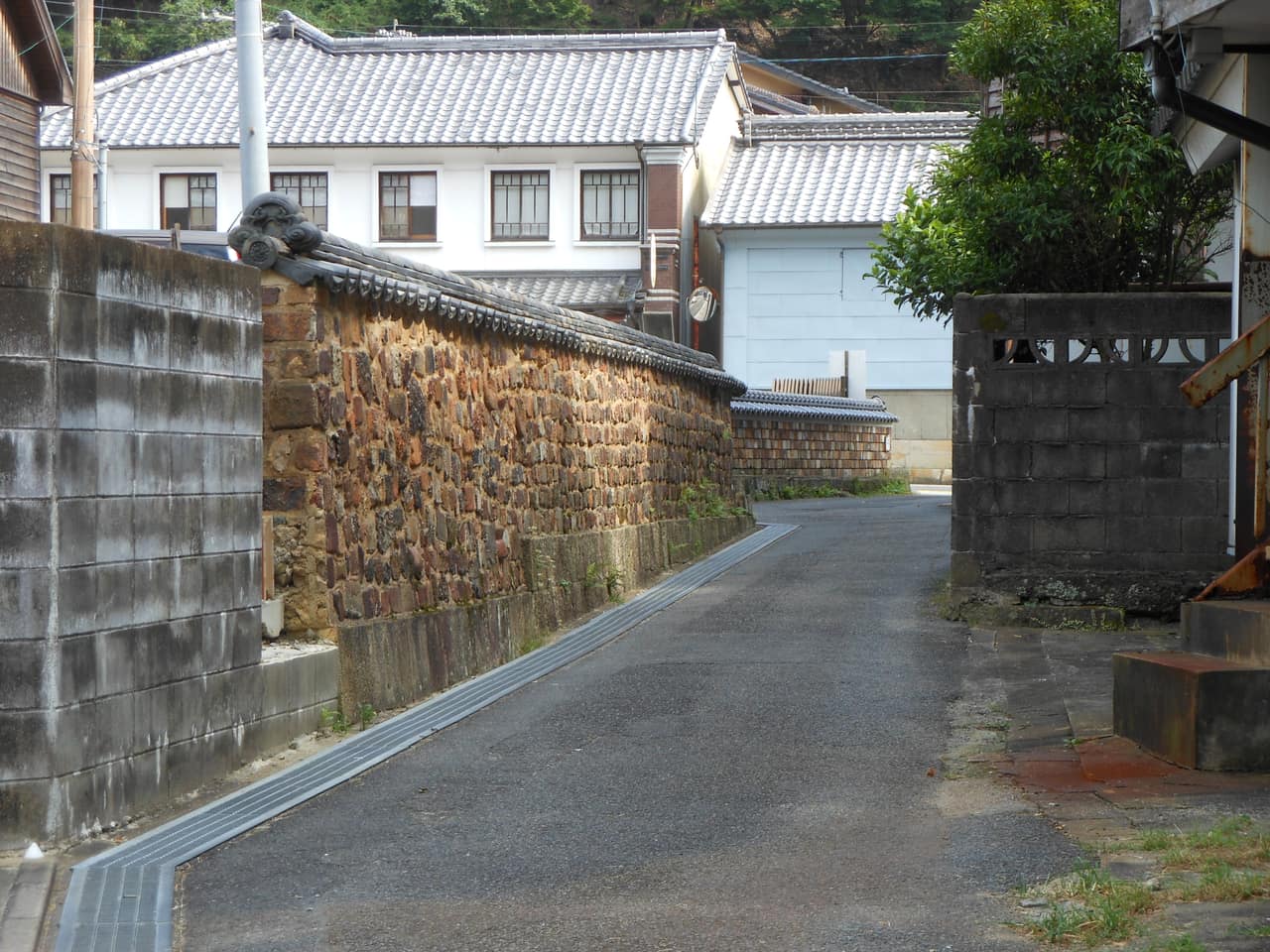
A few Arita stops I would single out. First, the Tonbai-bei alleys, where locals built walls from spent fireproof kiln bricks (tonbai) and broken shards — a whole lane of porcelain-town texture, and very photogenic. Second, the Izumiyama quarry, the very source Yi Sam-pyeong mined; four centuries of digging carved the hill into a dramatic cliff, now a national historic site. Third — and the best value of all — the Kyushu Ceramic Museum (Saga Prefectural): per official information, the permanent exhibition is free (special shows cost extra), open 9:00–17:00 and closed Mondays, with the Shibata Collection of Arita masterpieces and a gorgeous painted-porcelain clock. It is the best primer on Arita's 400 years and genuinely generous for a free museum — do not skip it.
When you are ready to buy, the whole town of Arita is effectively one big showroom, from few-hundred-yen everyday bowls to maker pieces in the tens of thousands of yen; on the edge of town, the Arita Será tableware mall gathers many shops in one stop. Even if you are not a collector, taking home a small Arita-ware plate or teacup for daily use makes a memorable souvenir.
Arita Ceramics Fair: a million-strong Golden Week
If your trip happens to fall in Golden Week, Arita has a big event — the Arita Ceramics Fair. Per the Arita Tourism Association and organizers, the 122nd edition runs April 29 to May 5, 2026, roughly 9:00–17:00. It is Japan's oldest pottery market, descended from a Meiji-era "clearance sale," and today it lines roughly 3 km of town streets with about 450 stalls, drawing over a million visitors to this normally quiet town.
Should you make a special trip? Here is the honest trade-off:
- You are here to buy: absolutely worth it. The fair is the best moment for bargains — many kilns clear lightly-flawed "B-grade" pieces, samples, and last-season wares at a fraction of retail, and you can meet the makers in person. To complete a dinner set or grab pieces you normally could not afford, this is one of the top opportunities in Japan.
- You just want to browse and shoot photos: then the million-strong Golden Week crowd gets in the way. Narrow streets jam up, kilns have queues, and the refined porcelain-town atmosphere is washed out. If that is you, skip the fair and come on a weekday — far more comfortable.
One more note: during the fair JR runs extra limited expresses, the area around Arita Station gets very crowded, so set out early and carry cash (some stalls do not take cards). There is also a smaller autumn "Aki no Arita Toujiki Matsuri" with fewer people and the same bargain-hunting — worth targeting if you hate crowds.
Imari's Okawachiyama: secret kilns in a valley
Not far from Arita, Imari hides what may be the most rewarding spot in Saga — Okawachiyama, the "village of secret kilns." Its character is the opposite of Arita's: where Arita is an open, bustling porcelain hub, Okawachiyama is an artisan hamlet tucked into a narrow valley ringed by mountains on three sides. In the Edo period the ruling Nabeshima domain, to monopolize its finest porcelain techniques, moved its official kiln into this easily-guarded valley, strictly controlling who came and went to prevent the methods leaking out, and producing "Nabeshima ware" reserved for shoguns and lords — the pinnacle of Japanese craft of its day.
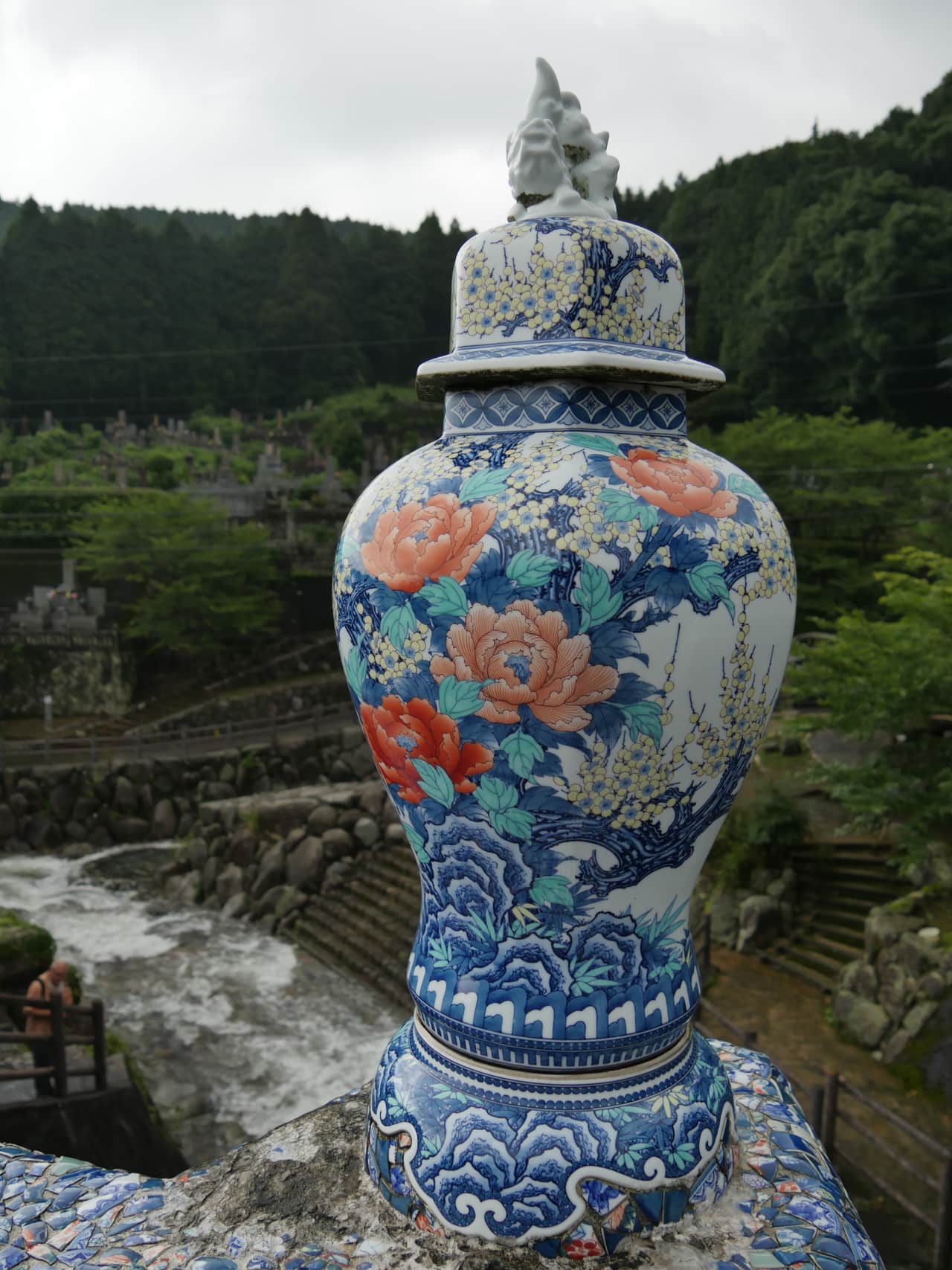
Today Okawachiyama keeps about 30 kilns scattered along the slopes and stream, with red bridges, rows of brick chimneys, and the faint hum of potters' wheels — refined, faintly secluded, and the best place in all of Saga to wander slowly and pick out a piece. You can step into one kiln after another to watch artisans throw and paint, and carry home whatever catches your eye. Compared with the din of the Arita fair, this is a quiet little porcelain pilgrimage. You can reach it from Arita by the JR-affiliated Matsuura Railway or by car, and half a day is plenty. If I had to choose just one photo spot between "lively Arita" and "refined Okawachiyama," I would pick Okawachiyama.
Ureshino Onsen: a great skin-beautifying spring
After a day of porcelain, it is time to soak. Ureshino Onsen in southern Saga is the spot most worth an overnight on this trip — per Saga tourism sources, it is counted among Japan's "three great bihada-no-yu" (skin-beautifying springs), alongside Kitsuregawa in Tochigi and Hinokami in Shimane. Its signature is the water itself: a sodium bicarbonate spring, clear and colorless and notably silky (locals call it "toro-toro"); the bicarbonate softens keratin and lifts excess sebum, so your skin comes out visibly smoother. That is the real source of the "beautifying" name — not marketing, but chemistry.
Do not miss Ureshino's other two signatures. One is Ureshino tea, a national tea-competition gold winner that pairs beautifully with a soak. The other is "onsen yudofu" — tofu simmered directly in the spring water, where the minerals break down the protein until the broth turns soy-milk white and the tofu melts in your mouth, a dish unique to Ureshino and served at nearly every ryokan breakfast. My advice is simple: treat Ureshino as the restorative finale of a Saga trip — stay a night in an onsen ryokan, soak the skin-beautifying water in the evening, have yudofu with dinner, and set off the next day after a cup of Ureshino tea. Onsen etiquette and how to bathe are covered in our Japan travel essentials guide.
If you prefer a more designed, talked-about onsen, neighboring Takeo Onsen is the alternative — its vermilion Romon gate is a nationally Important Cultural Property designed by Tatsuno Kingo, and the spring's founding legend also runs over a thousand years. Nearby are Mifuneyama Rakuen garden (famous for autumn maples and night illuminations) and the internet-famous, Starbucks-equipped Takeo City Library. Takeo Onsen is a Nishi-Kyushu Shinkansen stop, so it is even easier to reach than Ureshino. Ureshino leans "skin-beautifying retreat," Takeo leans "design and talking point" — pick the mood you want for the night.
Karatsu Castle, the pine grove & Karatsu Kunchi
Karatsu, on Saga's northern coast facing the Genkai Sea, has a completely different, seaport feel from Arita and Ureshino. The lead is Karatsu Castle (also "Maizuru Castle") — set on a rise at the mouth of the Matsuura River, wrapped by sea and pines, said to resemble a crane spreading its wings, which gives it its alternate name. Per official sources, keep admission is about ¥500, open 9:00–17:00 (last entry 16:40), and the Genkai Sea view from the top is wide open — the classic Karatsu shot.
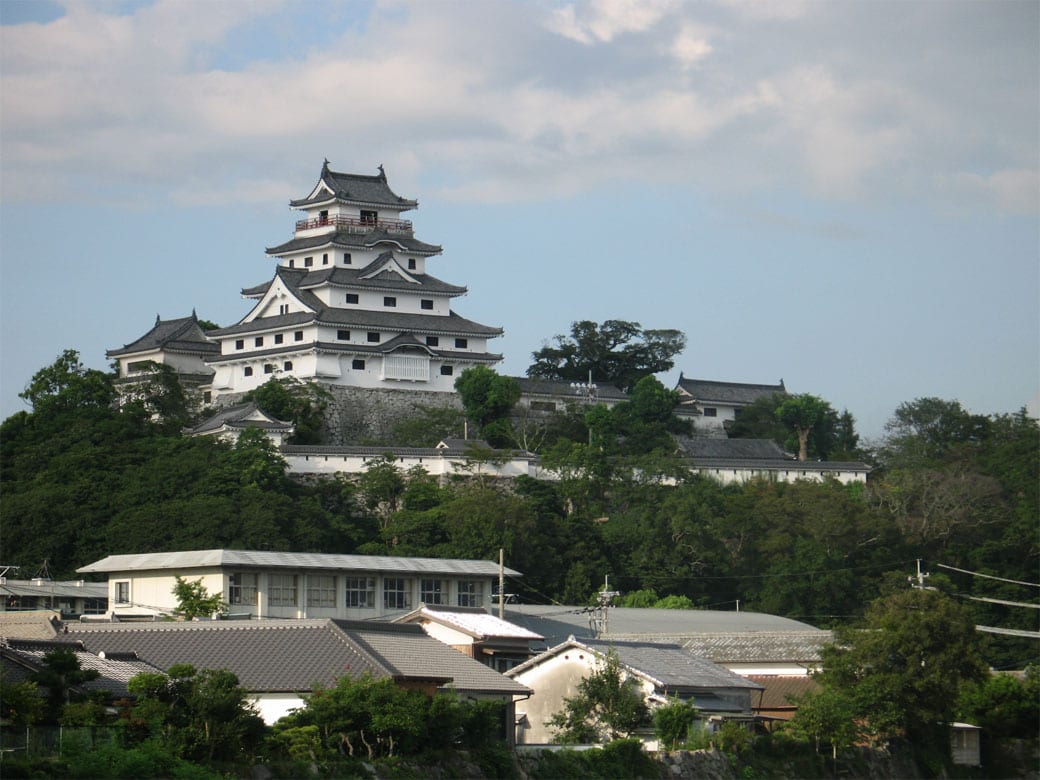
Beside the castle, Niji-no-Matsubara (Rainbow Pine Grove) is one of Japan's three great pine groves — roughly a million black pines running about 4.5 km along the bay, planted in the early Edo period as a windbreak, and a pleasure to drive or cycle through the green pine tunnel with the sea breeze. Karatsu's other must-know signature is its festival: Karatsu Kunchi (the grand festival of Karatsu Shrine) runs November 2, 3 and 4 each year, when 14 enormous hikiyama (lacquered craft floats) — shaped as lions, sea bream, and samurai helmets — parade through town to thunderous effect. It is registered as UNESCO Intangible Cultural Heritage. If you are in Kyushu in early November, Karatsu Kunchi is worth a special detour. Karatsu is reachable from central Fukuoka on the JR Chikuhi Line (through-running with the subway), so a day trip flows easily.
Yoshinogari: a vast Yayoi-era site
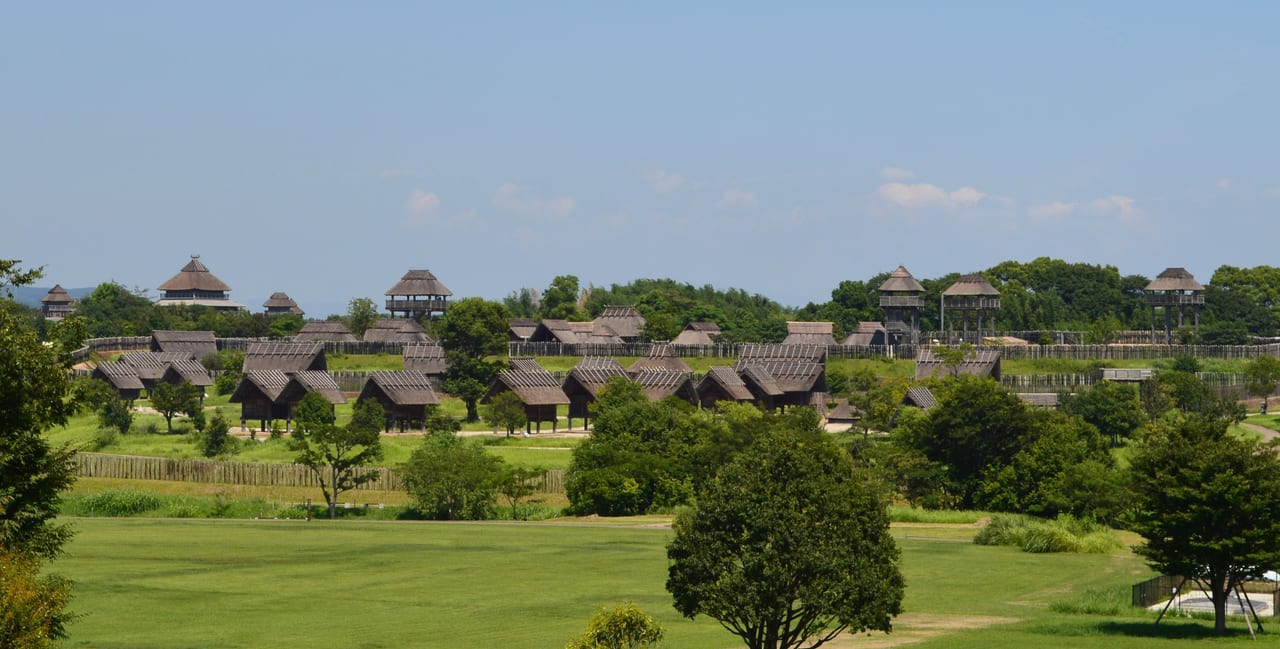
Saga has one more heavyweight card, unrelated to porcelain or onsen — Yoshinogari Historical Park. This is one of Japan's largest moated settlement sites from the Yayoi period, spanning roughly the 5th century BCE to the 3rd century CE; its 1980s excavation stunned the country, and it is often tied to the era of "Yamatai-koku" in the Chinese chronicle Gishi-Wajinden. The park has reconstructed, on a grand scale, the moats, watchtowers (monomi-yagura), pit dwellings, and raised-floor storehouses — walking through it feels like stepping back two thousand years, a real draw for history buffs and families alike.
The practicals (per official info): admission ¥460 for adults (15+), ¥200 for seniors 65+, free under 15; open 9:00–17:00 (extended to 18:00 in June–August), with closure days around Mondays — check the official site before you go. The grounds are huge and involve a lot of walking, so wear comfortable shoes and budget at least 2–3 hours. It sits near Yoshinogari-koen / Kanzaki stations between Saga City and Tosu, easy to reach by JR from Hakata or Saga, and slots neatly onto the same line as Arita or central Saga.
Transport & lodging (Fukuoka base vs. staying in Saga)
Saga sits between Fukuoka and Nagasaki, so getting around is smoother than you might expect. The access for each area:
- Arita: Hakata on the "Midori/Huis Ten Bosch" limited express in about 80 minutes (non-reserved: fare ~¥2,130 + express charge ~¥1,200, roughly ¥3,330 total). From Arita, reach Imari's Okawachiyama by the Matsuura Railway or by car.
- Ureshino / Takeo: the Nishi-Kyushu Shinkansen that opened in 2022 puts Takeo-Onsen about 30 minutes from Nagasaki; Takeo-Onsen is also a Hakata limited-express stop, and Ureshino-Onsen has its own Shinkansen station — far easier than before.
- Karatsu: from central Fukuoka on the JR Chikuhi Line (through-running with the Fukuoka subway airport line), ideal as a Fukuoka day return.
- Yoshinogari: JR from Hakata or Saga to Yoshinogari-koen / Kanzaki station, then a short walk.
How to handle lodging? Two approaches. (1) Base in Fukuoka — stay in Tenjin or Hakata and day-trip to Arita, Karatsu, and Yoshinogari; Fukuoka has far more accommodation and nightlife than Saga, making this the lowest-hassle plan (Fukuoka end in our Fukuoka guide). (2) Stay a night in Saga — if you want to fully enjoy the onsen, book a night at a ryokan in Ureshino or Takeo, soak the skin-beautifying water in the evening, and continue to Nagasaki or back to Fukuoka the next day. Saga City itself has fewer lodging options and a quieter night, so unless your itinerary demands it, the onsen towns are the better overnight.
Do you need a pass? If the trip leans on repeated limited-express and Shinkansen rides across Fukuoka + Saga + Nagasaki, a JR Kyushu pass usually pays off — run the break-even in our JR Pass guide; for just an Arita day return, a round-trip limited-express ticket is fine, no need to force a pass for one leg. The wider Kyushu rail stitching is in our Kyushu 3-day rail itinerary, and south of here you can chain our Nagasaki guide.
Suggested itineraries
Three routes depending on your time and interests:
- Porcelain day (Fukuoka return): Hakata limited express → Arita; spend the morning on the Uchiyama old streets, the Tonbai-bei alleys, and the Kyushu Ceramic Museum (free) → lunch → afternoon to Imari's Okawachiyama to pick out pieces and shoot the secret kilns → evening back to Hakata. The concentrated essence for porcelain lovers.
- Saga overnight (porcelain + onsen): Day 1 Arita + Okawachiyama, evening into Ureshino for an onsen ryokan, the skin-beautifying bath, and onsen yudofu; Day 2 a cup of Ureshino tea in the morning, then add Takeo (Romon gate, library, Mifuneyama Rakuen) or continue straight to Nagasaki. The most restorative version.
- Coast + history day (Fukuoka return): morning at Karatsu Castle + Niji-no-Matsubara (even better if it lands on Karatsu Kunchi in early November) → lunch on a Karatsu specialty (Yobuko squid) → afternoon back to Yoshinogari for the Yayoi ruins → return to Hakata. A completely different side of Saga from the porcelain line.
Chain all three and Saga easily fills three days without getting dull; but if time is tight, the "porcelain day" is the one I would recommend first — it best captures Saga's soul and makes an easy Fukuoka day return. For pre-trip weather and packing, see our Japan packing & weather guide — Kyushu is comfortable in spring and autumn, hot in summer, not too cold in winter, but seaside Karatsu gets windy, so bring a jacket. And if you land here between late October and early November, there is a completely different reason to come: the Saga Balloon Fiesta on the Kase River bank — free to enter, but the main event is at 7am.
FAQ
- Q1:How many days do you need in Saga? Is a day trip from Fukuoka enough?
- It depends how deep you want to go. If you stick to the Arita + Imari (Okawachiyama) porcelain line, a day trip from Fukuoka (Hakata) works well — Hakata to Arita is about 80 minutes by limited express, and half a day to a full day fits nicely. But Saga's sights are spread out: Arita is west, Karatsu is north, Ureshino and Takeo are south, with a train ride between each. My call: porcelain lovers do Arita + Imari in a day; add an onsen night in Ureshino or Takeo to make it an overnight; tack on another half-day for Karatsu Castle and the pine grove. Using Fukuoka as a base and Saga as a one-or-two-day extension is the best value — the Fukuoka end is in our Fukuoka travel guide.
- Q2:When is the Arita Ceramics Fair 2026, and is it worth a special trip?
- Per the Arita Tourism Association and organizers, the 122nd Arita Ceramics Fair runs April 29 to May 5, 2026 (Golden Week), roughly 9:00–17:00. It is Japan's oldest pottery market, with about 450 stalls lining roughly 3 km of town streets and over a million visitors a year. Worth a special trip? If you actually want to buy tableware and hunt bargains — yes; you can pick up lightly-flawed "B-grade" pieces and maker wares at a fraction of retail, one of the best treasure-hunts in Japan. But if you just want to browse kilns quietly and take photos, the Golden Week crowds get in the way — come another time and it is far calmer. Honestly, the fair is a buyers' festival, not a sightseers' one.
- Q3:What is Imari's Okawachiyama, and how is it different from Arita?
- Both are porcelain towns, but they feel completely different. Arita is an open, bustling porcelain hub full of shops, great for browsing and buying; Imari's Okawachiyama is the "village of secret kilns" — tucked into a narrow valley ringed by mountains on three sides. In the Edo period the Nabeshima domain hid its top-tier official kiln here, tightly controlled, to stop the techniques leaking out, producing the finest "Nabeshima ware" for shoguns and lords. Today around 30 kilns remain among red bridges and brick chimneys, far quieter and more refined than Arita. If Arita is the lively market, Okawachiyama is the artisan hamlet deep in the hills — beautifully photogenic and the place to slow down and pick out one good piece.
- Q4:Why is Ureshino Onsen called a "skin-beautifying" spring? What makes the water special?
- Per Saga tourism sources, Ureshino Onsen is counted among Japan's "three great bihada-no-yu" (skin-beautifying springs), alongside Kitsuregawa in Tochigi and Hinokami in Shimane. Its water is a sodium bicarbonate spring — clear, colorless, and notably silky to the touch (locals describe it as "toro-toro"); the bicarbonate softens keratin and lifts excess sebum, leaving skin visibly smoother. That is the real reason for the "beautifying" name. Ureshino has two more signatures: Ureshino tea, a national award winner, and "onsen yudofu" — tofu simmered in the spring water until the broth turns milky like soy milk and the tofu melts in your mouth. For a restorative end to a Saga trip, an Ureshino night with the springs, tea, and yudofu is my top pick.
- Q5:What is there in Karatsu, and when is Karatsu Kunchi 2026?
- Karatsu sits on Saga's northern coast, and its star is Karatsu Castle ("Maizuru Castle") — a keep on the mouth of the Matsuura River, wrapped by the sea and a pine grove. Per official sources, admission is about ¥500, open 9:00–17:00, and the sea view from the keep is wide open. Beside it, Niji-no-Matsubara (Rainbow Pine Grove) is one of Japan's three great pine groves — roughly a million black pines running about 4.5 km along the coast, lovely to drive or cycle through. Karatsu is most famous for its festival: Karatsu Kunchi runs November 2, 3 and 4 each year, when 14 huge lacquered floats (hikiyama) parade through town — a UNESCO Intangible Cultural Heritage event and one of Kyushu's best autumn festivals. If you are in Kyushu in early November, it is worth a special detour.
- Q6:How do I get to Saga from Fukuoka or Nagasaki? Do I need a JR Pass?
- Saga sits between Fukuoka and Nagasaki, so access is easy. Arita: Hakata to Arita on the "Midori/Huis Ten Bosch" limited express in about 80 minutes (non-reserved fare + express charge roughly ¥3,330). Ureshino/Takeo: the Nishi-Kyushu Shinkansen that opened in 2022 puts Takeo-Onsen about 30 minutes from Nagasaki; Takeo-Onsen is also a stop for the Hakata limited express, and Ureshino-Onsen has its own Shinkansen station. Karatsu: take the JR Chikuhi Line straight from central Fukuoka (it runs through to the subway), ideal as a Fukuoka day trip. A pass? If the trip leans on repeated limited-express and Shinkansen rides across Fukuoka + Saga + Nagasaki, a JR Kyushu pass usually pays off — run the math in our JR Pass guide. For just an Arita day return, a round-trip ticket is fine. The Nagasaki end is in our Nagasaki travel guide.
Related reading:
Fukuoka Travel Guide 2027: Yatai, Hakata Ramen & Dazaifu
Kyushu's gateway and one of Japan's best food cities — yatai, Hakata ramen, and Dazaifu and Mojiko day trips.
Nagasaki Travel Guide 2027: Inasa Night View, Glover Garden & Gunkanjima
Japan's closed-country window to the world — Mt. Inasa's night view, the World Heritage Glover Garden and Oura Church, Dejima, Peace Park and Gunkanjima.
Kyushu 3-Day Rail Itinerary 2026
Yufuin no Mori + Aso Boy chain Hakata → Yufuin → Beppu → Kumamoto → Aso. JR Kyushu Pass saves ~¥2,500 post-hike.