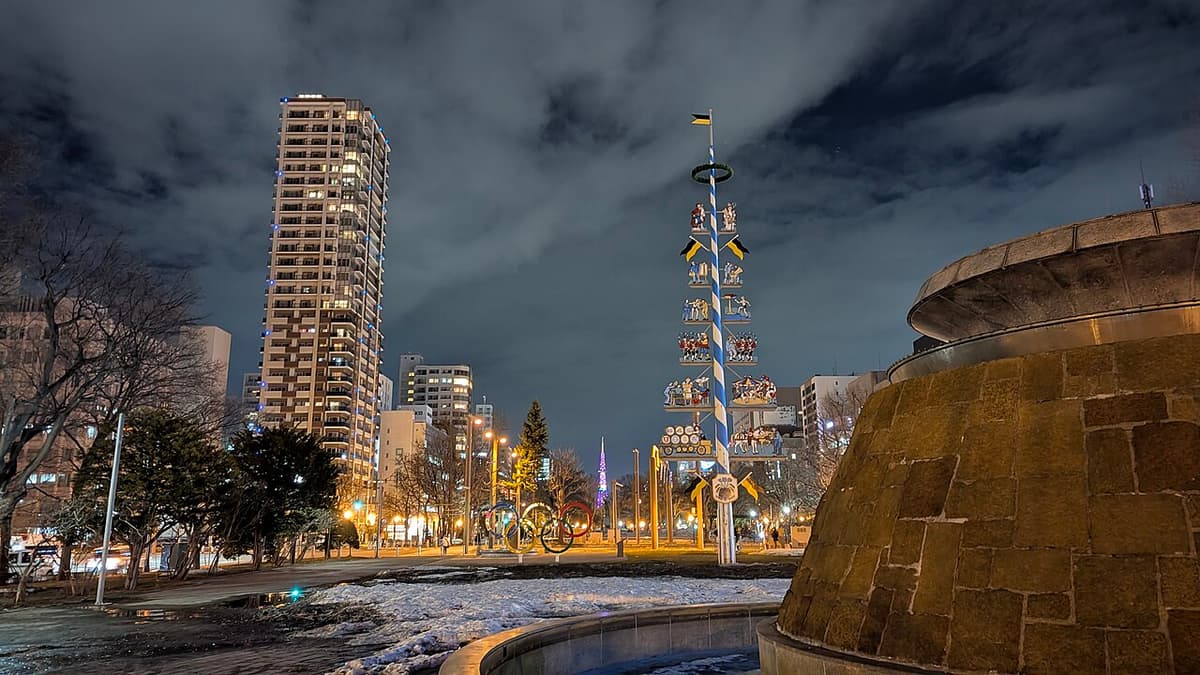
Sapporo is Hokkaido's capital and gateway — nearly every Hokkaido trip runs in and out through it. It's a young, open, grid-planned city that's cool and pleasant in summer and home to Japan's biggest snow festival in winter, and a genuinely strong food city. The core is compact: the green strip of Odori Park and the TV Tower, the historic Clock Tower, Mt. Moiwa's night view, the seafood of Nijo Market, plus miso ramen, Genghis Khan and soup curry. This guide covers the sights, the Snow Festival dates, ropeway fares, airport access and day-trip vs overnight. It's the gateway-city deep-dive for Hokkaido; for rail tickets, see our Hokkaido JR Pass guide.
- Hokkaido's gateway and food capital: a central-Hokkaido base for Otaru and Jozankei day trips
- Sapporo Snow Festival 2027: Feb 4-11, across the Odori, Susukino and Tsudome sites
- Mt. Moiwa's night view: ropeway plus cable car about ¥1,900 round trip
- Clock Tower ¥350: the city symbol, next to Odori Park and the TV Tower
- Must-eat: miso ramen, Genghis Khan, soup curry, seafood bowls
📖 Table of contents
What kind of city Sapporo is
Sapporo is Japan's fifth-largest city and the political and economic center of Hokkaido, but its history is actually young — it was laid out only in the Meiji era on a grid modeled on Western cities, so the streets are wide and orderly, addressed as "North X, West Y," easy to navigate on a first visit. It lacks the millennium-old weight of Kyoto and is instead an open, bright, livable modern city with the four distinct seasons of the north, comfortable to explore.
For travelers Sapporo has two uses. One, the city is worth visiting in itself: Odori Park, the Clock Tower, the Mt. Moiwa night view, Nijo Market and a city full of food. Two, it works as the base for a Hokkaido trip: in and out through New Chitose Airport, then extending to Otaru, Furano, Noboribetsu and Niseko. Below, the city first, then how to extend.
Odori Park, the Clock Tower and the Snow Festival
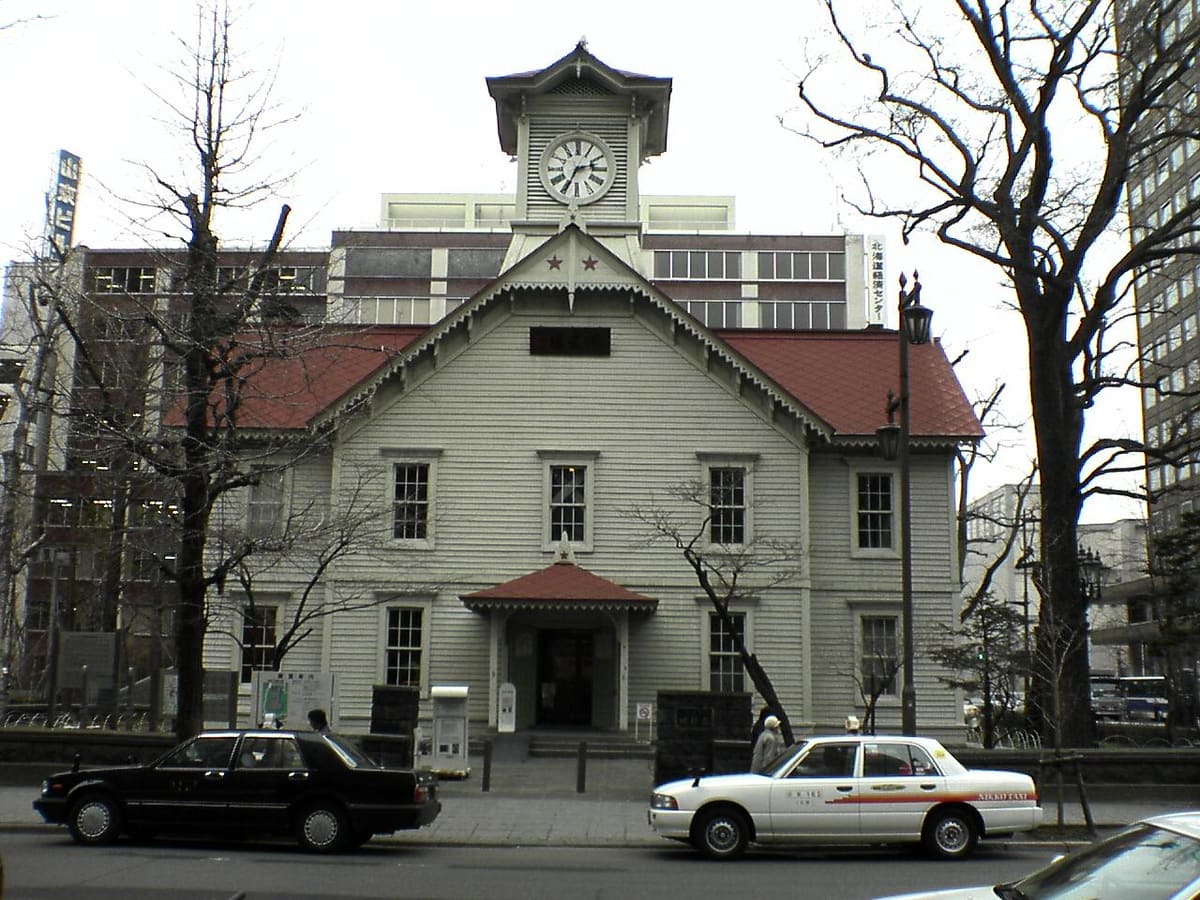
The city's central axis is Odori Park — a roughly 1.5 km green strip running east-west through downtown, with the Sapporo TV Tower at its end. It's the stage for Sapporo's year: the summer beer garden and the Yosakoi Soran festival, autumn food fairs, the winter White Illumination and the Snow Festival all happen here (for the light show, see our Sapporo White Illumination guide), and on ordinary days it's a strolling green for residents. Beside it, the Sapporo Clock Tower is an American-style wooden building from the pioneer era and the city's most recognizable symbol, ¥350 to enter and learn the settlement history.
Sapporo's biggest winter event is the Sapporo Snow Festival. In early February, the Odori, Susukino and Tsudome sites fill with multi-story snow sculptures and ice carvings, with projection-mapping light shows on the big sculptures after dark, drawing millions. The 2027 dates are February 4 to 11 (per official notice). This is the busiest, tightest-lodging stretch of the year, so book hotels and flights several months ahead to attend.
The Mt. Moiwa night view
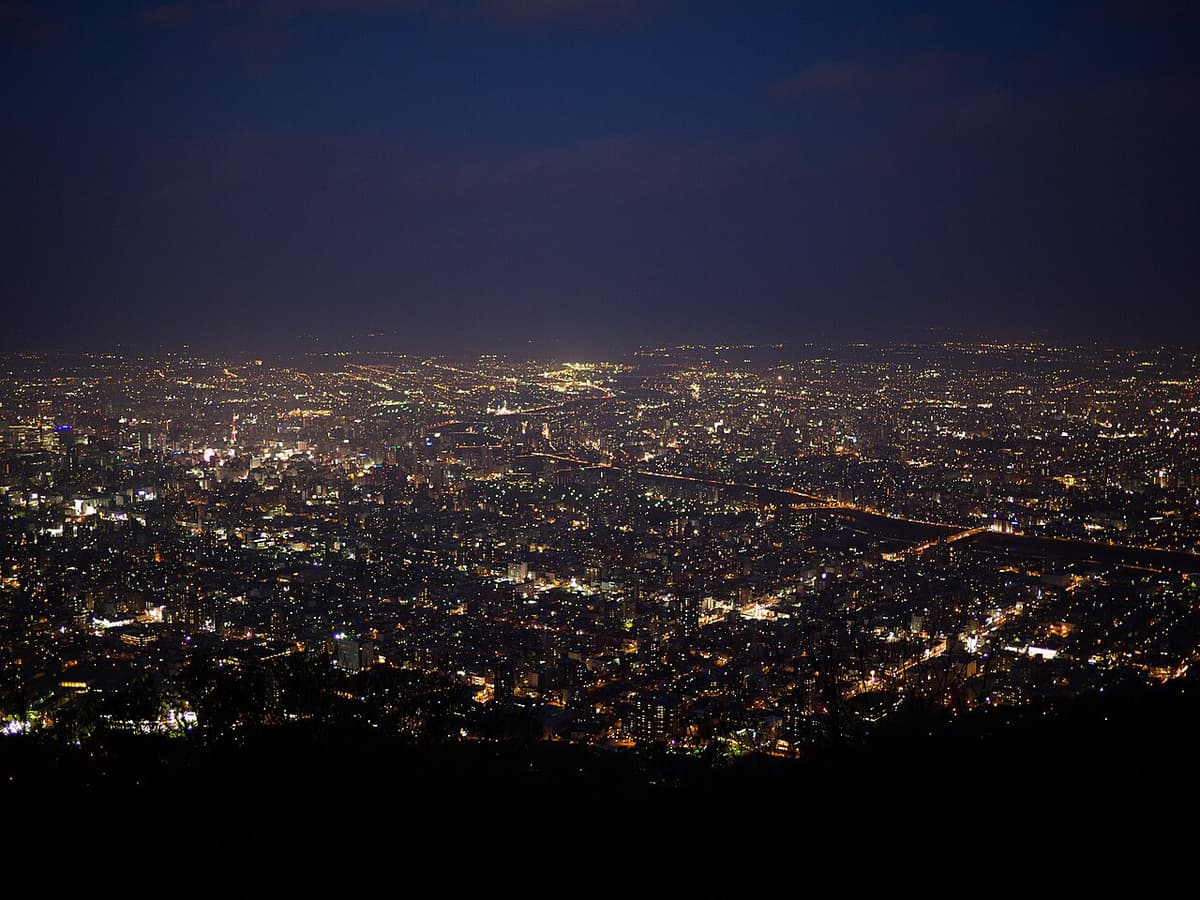
For the Sapporo night view, the top pick is Mt. Moiwa (531 m). Its view ranks among Japan's new "three great" night views, with a 360-degree summit deck over the whole grid of city lights, out to Ishikari Bay. You ride the ropeway to the mid-station, then transfer to the small "Morris Car" cable car to the summit, about ¥1,900 round trip for the ropeway plus cable car.
Practical tip: go up 30-40 minutes before sunset — the blue hour, as the sky turns from blue to black and the lights come on, has more depth than full dark. It's windy and cool at the top even in summer, so bring a jacket. Note the ropeway closes for scheduled maintenance each spring (e.g. early-to-mid April 2026), so check the official site for operating days before you go.
Nijo Market, Tanukikoji and Susukino
A few more spots in the city are good for eating and browsing. Nijo Market downtown is small but approachable, lined with seafood stalls and diners where a made-to-order seafood bowl (crab, sea urchin, salmon roe) is a fine breakfast or lunch; for a bigger, cheaper version, head to the suburban Sapporo Jogai Market. Winter is peak crab season — for how to pick it and eat it right, see Japan's winter food and crab guide. Come in summer and Sapporo also serves hanasaki crab from Nemuro, a July-to-September speciality most visitors never hear about.
Shopping and nightlife cluster to the south: Tanukikoji is a covered shopping arcade of drugstores, souvenirs and restaurants, good even in rain or snow; farther south, Susukino is Hokkaido's largest entertainment district, with a ramen alley, izakaya and neon that runs late — the place for a late bowl or a drink. String Nijo Market, Tanukikoji and Susukino together for a half-to-full-day eat-and-browse route.
Sapporo food
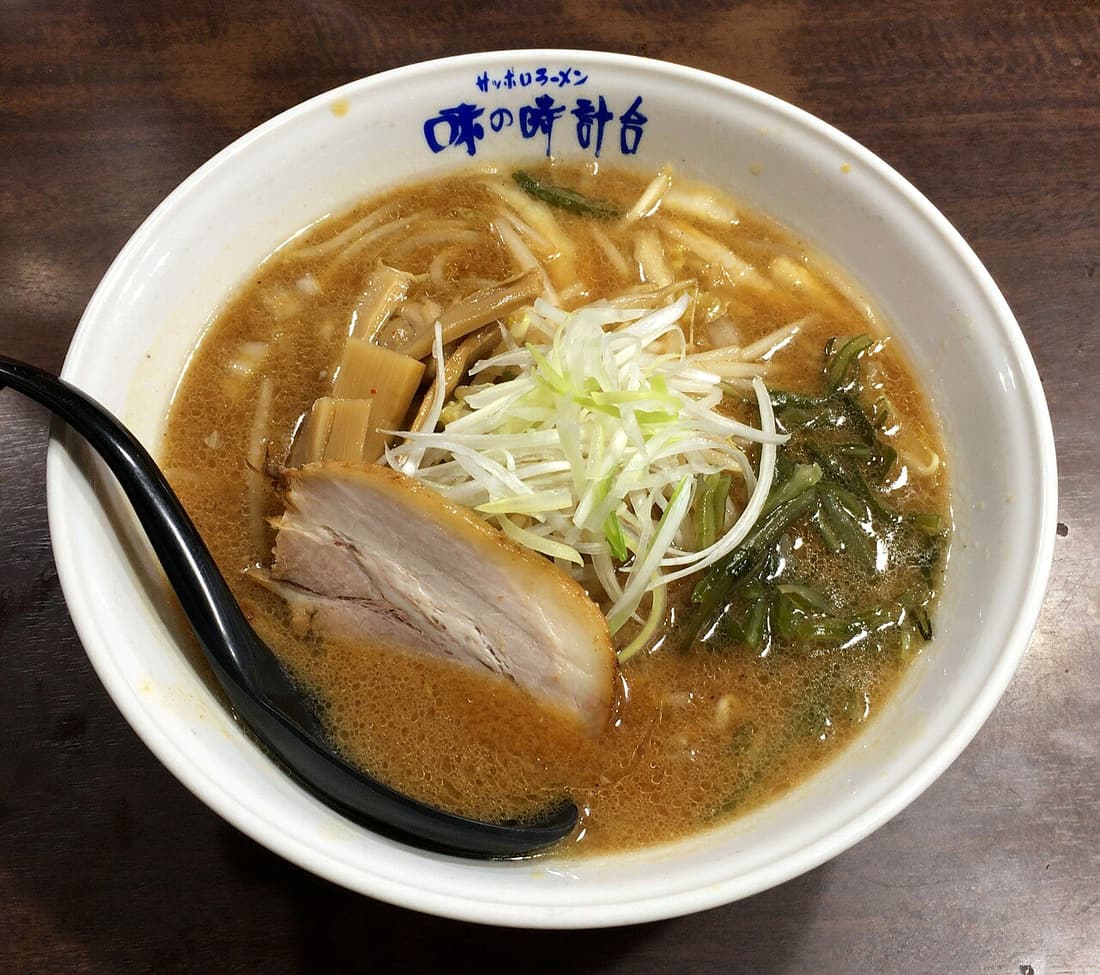
Sapporo gathers the best of Hokkaido's food — a few must-eats:
- Miso ramen: born in Sapporo, a rich miso broth with a lard layer that holds the heat (genuinely useful in sub-zero winter), usually with corn, butter and chashu — the city's signature bowl.
- Genghis Khan: Hokkaido's griddle-grilled lamb on a domed iron pan, the juices running down to cook the onions and bean sprouts around the edge — go to the Sapporo Beer Garden's red-brick hall for the all-you-can-eat lamb-and-beer sets, or a specialist for finer un-gamey lamb.
- Soup curry: a Sapporo invention — a thin, spiced curry soup, lightly hot, with big vegetables and half a chicken leg, nothing like a thick curry.
Add the seafood bowls of Nijo Market, and sweets and soft-serve made with Hokkaido milk and cheese, and Sapporo is more than one trip can eat. Treat "ramen, Genghis Khan, soup curry, seafood bowl" as the four essentials and spread them across your meals.
Day trips: Otaru, Furano
Sapporo's other great value is as a central-Hokkaido base. The classic nearby trip is Otaru — about 30-40 minutes by JR, with its canal, glassware and sushi making a half-to-full day. In summer you can head to Furano and Biei for lavender and flower fields (farther, about 2-2.5 hours, better as a full day or overnight) — see our Furano-Biei Norokko guide. Another nearby option is Es Con Field Hokkaido in Kitahiroshima, home of the Nippon-Ham Fighters — it takes a deliberate trip out from Sapporo rather than being on the way, but during the season it earns an evening; sort out ticket prices and the cheering-section rules before you book.
For onsen, suburban Jozankei Onsen is about an hour to an hour and 20 minutes away by bus and easy to do as a daytime soak (during its Snow Light Path, January 20 to February 28 in 2027, the shrine section at night is open only to overnight guests), while Noboribetsu Onsen farther south is a famed hot-spring resort that pairs well with Hell Valley and Lake Toya for an overnight — see our Noboribetsu & Toya onsen guide. To head southeast for pork-bowl pork and the "Happiness Station," Obihiro and Tokachi are about 2.5 hours by limited express — see our Obihiro & Tokachi guide. In winter Sapporo is also a ski base, and you do not have to travel far: Sapporo Teine is 16 minutes by bus from JR Teine Station (Teine guide), while Sapporo Kokusai sits at the Jozankei onsen area mentioned above — the name says Sapporo, but it is out in the hot-spring valley with no rail access at all (Sapporo Kokusai guide). For a bigger mountain, extend to Niseko; the head-to-head is in how to choose a ski resort in Japan. For the whole winter route, see our Hokkaido winter 7-day itinerary.
Access and day-trip vs overnight
Access: from New Chitose Airport (CTS), the JR Rapid "Airport" train reaches Sapporo Station in about 37 minutes, frequent and easiest; airport buses also serve city hotels. Around town the subway (three lines) and tram cover the ground, with most sights within a walk or a station or two. For a multi-leg Hokkaido rail loop, compare a Hokkaido Rail Pass; set up a KKday Japan eSIM first to check subway and timetables.
Day-trip vs overnight: the city core fits a tight day, but Sapporo is almost always the overnight base — most people stay 2-3 nights and fan out by day to Otaru, Furano and Jozankei, returning for ramen and Susukino at night. For the Snow Festival or skiing, it's your in-and-out point. The smoothest plan is 2-3 nights in Sapporo with one or two surrounding day trips. Before you go, see our Japan packing & weather guide — Hokkaido winters are severe and snowy, so bring serious warm layers and non-slip shoes.
When to go: Sapporo runs on a different calendar from the rest of Japan. Winter (Dec-Feb) is peak — the Snow Festival, illuminations and skiing, but also the coldest and priciest. Spring (May) brings late cherry blossoms (Hokkaido blooms weeks after Honshu) and the Lilac Festival in Odori. Summer (Jun-Aug) is the practical sweet spot: low-20s°C, the Odori beer garden, the Yosakoi Soran festival, and lavender season in nearby Furano — no rainy season like the mainland. Autumn (late Sep-Oct) has early foliage and food fairs. There's genuinely no bad month; pick by whether you want snow or flowers.
A simple base plan: day one, the city core — Odori Park and the Clock Tower, Nijo Market for a seafood-bowl lunch, Tanukikoji, and Mt. Moiwa at dusk, with ramen or Genghis Khan at night; day two, a JR day trip to Otaru (the canal and sushi) back in time for soup curry and Susukino; day three, either Furano/Biei in summer, Jozankei or Noboribetsu for an onsen, or a ski day in winter. Book the Snow Festival or peak-season nights first, since those fixed dates anchor the rest.
Frequently Asked Questions
- Q1:How many days does Sapporo need?
- The city core (Odori Park, the Clock Tower, Nijo Market, Tanukikoji, the Mt. Moiwa night view) fits a tight day to a day and a half, but Sapporo works better as a base for central Hokkaido — day-tripping to Otaru (about 30 min), Jozankei Onsen, or out to Furano, Biei and Noboribetsu. The common plan is 2-3 nights in Sapporo with surrounding day trips. In winter, for the Snow Festival or skiing, it's your in-and-out point too — both Sapporo Teine and Sapporo Kokusai are day-trippable.
- Q2:When is the Sapporo Snow Festival?
- The Sapporo Snow Festival is Hokkaido's biggest winter event, held in early February across three sites (Odori, Susukino, Tsudome), with multi-story snow sculptures, ice carvings and nightly projection-mapping light shows. The 2027 dates are February 4 (Thu) to 11 (Thu, holiday) (per official notice). This is when Sapporo lodging is tightest and priciest, so book hotels and flights several months ahead to attend. Outside the festival, Odori Park still hosts seasonal events (a summer beer garden, autumn food fairs). For which of the three sites is actually worth your evening and how to dodge the crowds, see our Sapporo Snow Festival 2027 guide.
- Q3:How do I get up Mt. Moiwa, and what does it cost?
- Mt. Moiwa (531 m) has a night view ranked among Japan's new "three great" night views, with a 360-degree summit deck over the grid of city lights and out to Ishikari Bay. You take the ropeway to the mid-station, then a small cable car (the "Morris Car") to the summit, about ¥1,900 round trip for the ropeway plus cable car. Go up 30-40 minutes before sunset for the blue hour, which has more depth than full dark. Note the ropeway closes for maintenance each spring (e.g. early-to-mid April 2026), so check the official site first.
- Q4:What should I eat in Sapporo?
- Sapporo is a serious food city: miso ramen was born here — a lard layer on the miso broth holds the heat (useful at sub-zero temperatures), often with corn, butter and chashu; Genghis Khan is Hokkaido's griddle-grilled lamb, the juices running down to cook the onions and bean sprouts around the domed pan; soup curry is a Sapporo invention, a thin spiced curry soup with big vegetables and a chicken leg; and the seafood bowls at Nijo Market (crab, sea urchin, salmon roe) plus Hokkaido dairy sweets round it out.
- Q5:How do I get to Sapporo from New Chitose Airport?
- From New Chitose Airport (CTS), the JR Rapid "Airport" train reaches Sapporo Station in about 37 minutes, frequent and easiest; airport buses also serve city hotels. Around town the subway (three lines) and tram are handy, and most sights are within a walk or a station or two. For a multi-leg Hokkaido rail loop, compare whether a Hokkaido JR Pass pays off.
- Q6:Can I combine Sapporo with Otaru and Furano?
- Yes. Otaru is about 30-40 minutes by JR from Sapporo, a classic half-to-full-day trip for the canal, glassware and sushi; Furano and Biei with their summer flower fields are farther (about 2-2.5 hours), better as a full day or overnight. In winter many base in Sapporo to ski: Teine is 16 minutes by bus from JR Teine Station, and Sapporo Kokusai sits out at Jozankei with no train to it at all; for a bigger mountain, extend to Niseko. For Furano and Biei, see our Furano-Biei Norokko guide; for a full winter route, our Hokkaido winter 7-day itinerary.