Sendai is Tohoku's largest city and gateway — nearly every Tohoku trip runs in and out through it. It's the castle town built by the warring-states lord Date Masamune, leafy enough to be called the "City of Trees." Its sights are concentrated: Date Masamune's Aoba Castle ruins and ornate Zuihoden mausoleum, and the zelkova-lined Jozenji-dori; while nearby is Matsushima, one of the Three Views of Japan. Add distinctive food like grilled beef tongue and zunda, and Sendai rewards a stop. This guide covers the tickets, how to do Matsushima, access from Tokyo and day-trip vs overnight. It's the gateway-city deep-dive for Tohoku; for a Yamagata onsen, see our Ginzan Onsen day-vs-overnight guide.
- Tohoku's gateway, the City of Trees: ~1h30 from Tokyo, the base for a Tohoku trip
- Matsushima, a Three Views of Japan: ~40 min by JR, Zuiganji ¥1,000, Godaido, sightseeing boat
- Date Masamune: the free Aoba Castle ruins (statue, city view) plus Zuihoden ¥570
- Must-eat: grilled beef tongue, zunda, sasa-kamaboko
- Sendai Tanabata: Aug 6-8; winter Jozenji-dori Pageant of Starlight
📖 Table of contents
What kind of city Sendai is
Sendai is the capital of Miyagi and Tohoku's most populous city, founded in the early 17th century by the daimyo Date Masamune. Masamune planted many street trees when he laid out the city, and with the Hirose River and Aoba hill, Sendai has long been known for its greenery as the "City of Trees." It lacks Kyoto's density of old temples and is instead a modern, livable city built on Date culture and food, moderately sized and easy to get around.
For travelers Sendai has two uses. One, the city is worth visiting in itself: the Aoba Castle ruins, Zuihoden, Jozenji-dori and gyutan. Two, it works as the base for a Tohoku trip: in and out here, then extending to Matsushima, Yamagata (Ginzan Onsen, Yamadera), Zao or Hiraizumi. In winter it's also a solid launch point for snow country and frost-covered trees — for the full route, see a 5-7 day Tohoku winter itinerary. Below, the city and Matsushima first, then how to extend.
The Aoba Castle ruins and Zuihoden
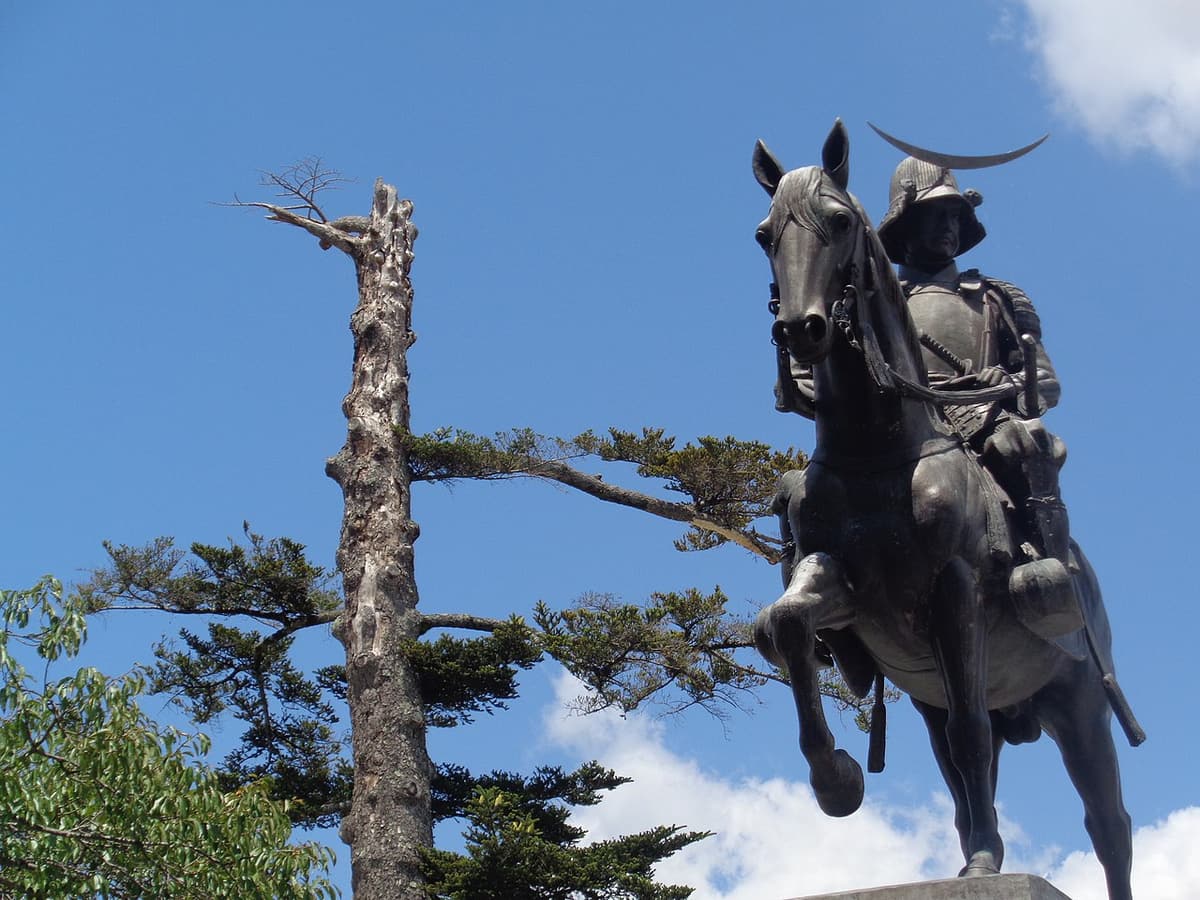
Understanding Sendai starts with Date Masamune. Aoba Castle (Sendai Castle) was his residence on Aoba hill, but its keep and buildings are gone after war and demolition, and it's now a "castle ruin" preserving the stone walls and honmaru site. The most famous feature is the equestrian statue of Date Masamune, and from the honmaru terrace you look out over the city to the distant coast; the grounds are free.
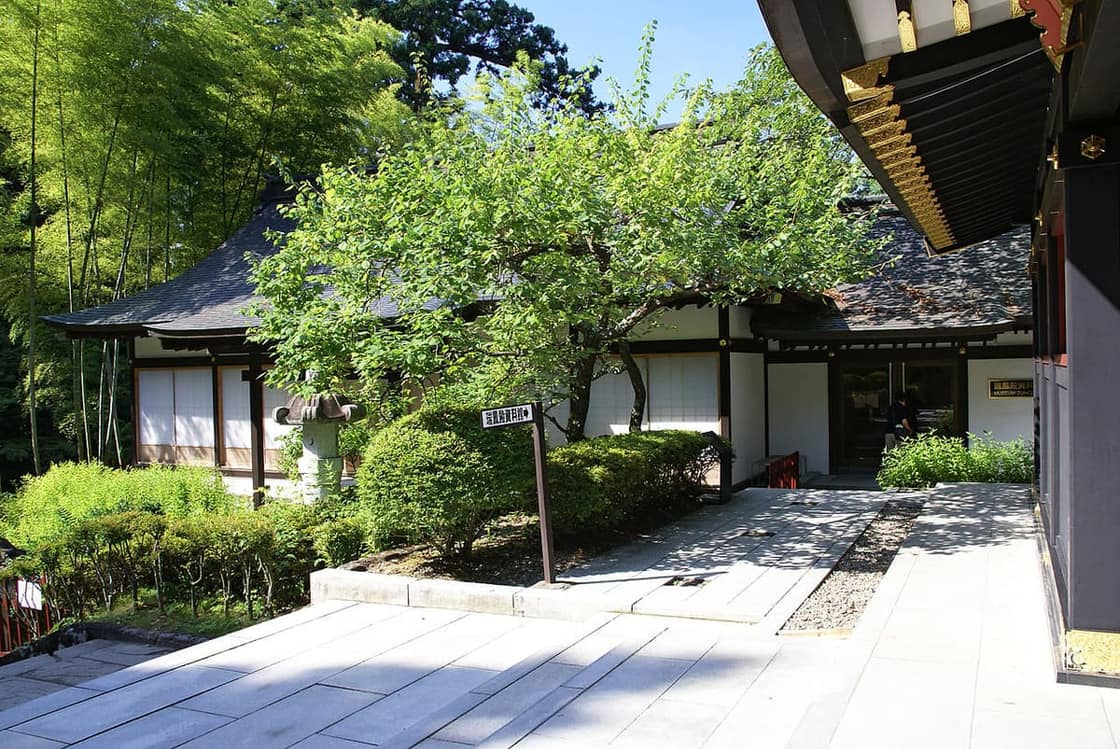
To see the Date clan's splendor, visit Zuihoden — the mausoleum of founding lord Date Masamune. Up a cedar-lined approach and a flight of stone steps stands a Momoyama-style building in vivid color, its carving and gold leaf intricate, recreating the craft level of the late-Momoyama to early-Edo period (the current structure is a faithful postwar rebuild), admission ¥570 for adults. The Aoba Castle ruins are for the view and history, Zuihoden for the craft; they're close, and the Loople Sendai loop bus strings them together — the core of a half-day in the city.
Matsushima: a Three Views of Japan
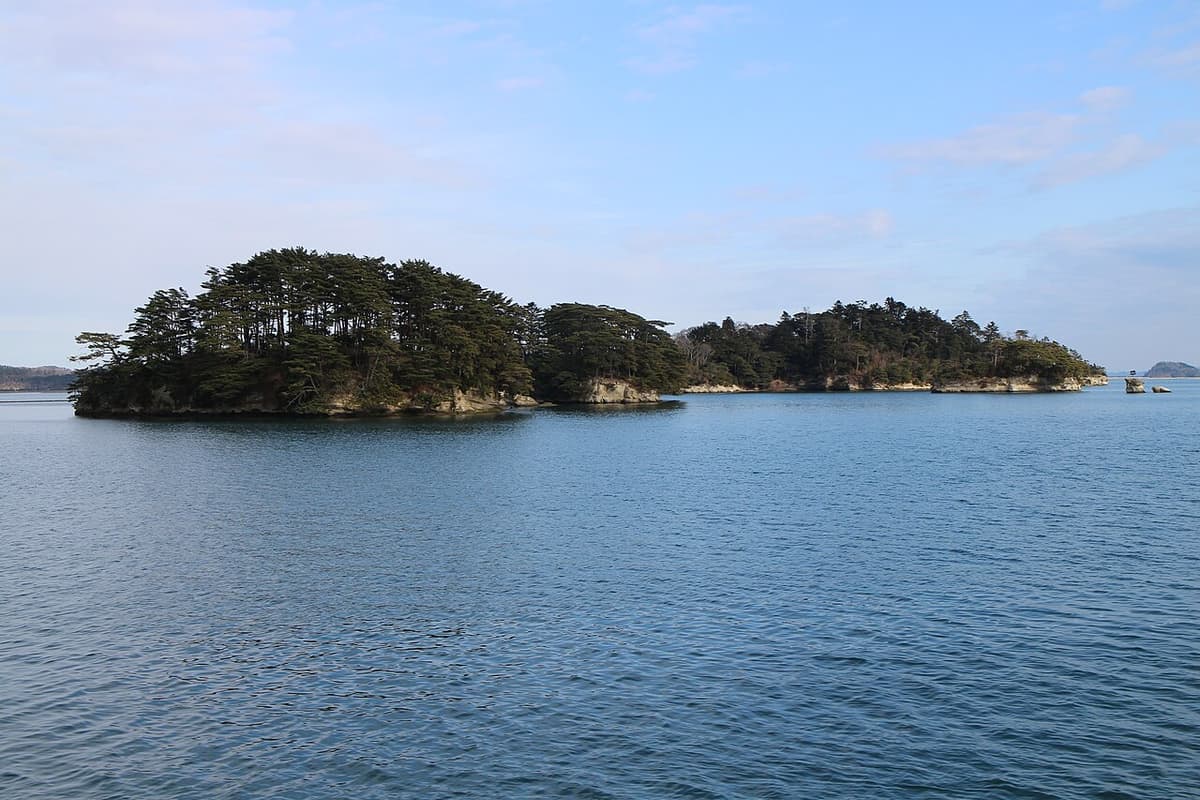
Matsushima is the most worthwhile stop near Sendai. It ranks with Kyoto's Amanohashidate and Hiroshima's Miyajima as one of the Three Views of Japan — Matsushima Bay scattered with over 200 pine-covered islets, green dots between sea and sky, long celebrated in waka and haiku (Matsuo Basho visited too). From Sendai it's about 40 minutes on the JR Senseki Line to Matsushimakaigan Station, right at the bay.
Matsushima's key sights: the National Treasure Zen temple Zuiganji, which Date Masamune spent four years rebuilding, with painted screens and a cedar approach, admission ¥1,000 for adults (raised from ¥700 in April 2026 — treat older figures online with suspicion); the red Godaido hall over the water and Fukuura Bridge across to an island; and a sightseeing boat circling the islets (priced by route and operator), the islands seen from the water a different angle. The shore has shops selling grilled oysters and conger eel, and the bay, the temple and seafood fill a half day.
A few more Matsushima spots reward extra time: Oshima, a small island of meditation caves once used by monks, connected by a vermilion bridge; Entsuin, a temple beside Zuiganji with a rose garden and a famous moss garden; and the classic "four great views" from hills ringing the bay (Sokan, Reikan, Yukan and Ikan), each framing the islands differently from higher ground. If you only have the waterfront hours, the boat plus Zuiganji is enough; with half a day more, the viewpoints and Entsuin turn it into a proper outing rather than a quick photo stop.
Matsushima carries more detail than fits here — Zuiganji's closing time shifting month by month (16:00 in November), its four published goshuin, the cruise deck upgrade sold only on board, Entsuin's confirmed October 24 to November 23 night illumination for 2026, the real oyster season, and the Matsushimakaigan-versus-Matsushima station trap. All of it is set out in the full Matsushima guide, which is worth reading before you plan that half day.
Sendai food: beef tongue and zunda
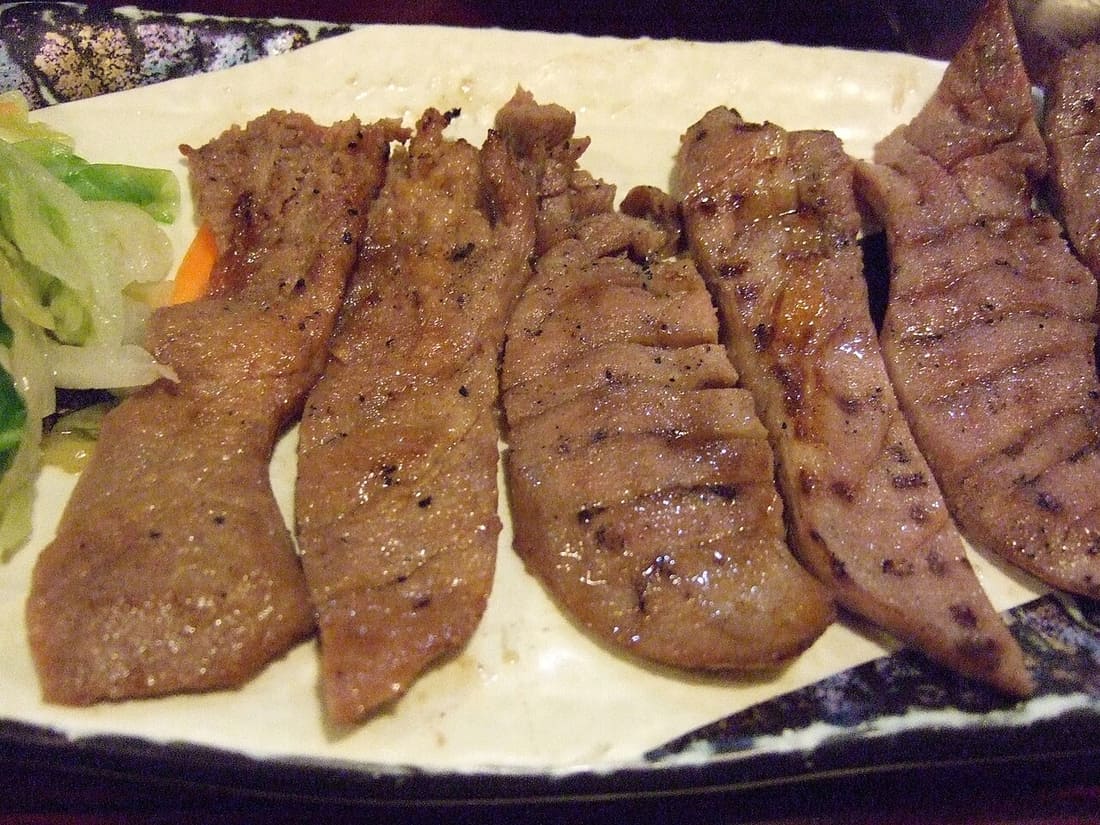
Sendai's food is highly recognizable — three must-eats:
- Charcoal-grilled beef tongue (gyutan): Sendai's top specialty. Thick-cut tongue grilled over charcoal, crisp at the edge and springy at the center, usually served as a set with barley rice (mugimeshi) and oxtail soup. Rikyu, Kisuke and Tasuke all have their fans.
- Zunda: sweet, coarsely-ground green edamame paste, served with mochi as "zunda mochi" or blended into an edamame shake — lightly sweet and a Sendai-only local dessert.
- Sasa-kamaboko: bamboo-leaf-shaped grilled fish cakes, springy when fresh-grilled, the most portable souvenir, with some shops letting you grill your own.
Have at least one proper beef-tongue set, graze on zunda as a quick sweet between stops, and buy sasa-kamaboko for a souvenir, and you've gathered the Sendai tastes.
Sendai Tanabata and the Pageant of Starlight
Sendai's grandest event is the Sendai Tanabata Festival — one of Tohoku's three great festivals, held August 6-8. That grouping is a tourism convention rather than an official designation: none of the three organisers claims it on their Japanese-language sites, though the same publisher's Chinese-language material does. Those are the three days when the downtown arcades hang huge paper streamers (tanabata decorations) in bright colors trailing overhead, drawing millions. These are Sendai's tightest-lodging, priciest days, so book early to attend.
In winter there's the "SENDAI Pageant of Starlight" — hundreds of thousands of lights strung on the zelkova trees of Jozenji-dori each December, a signature Tohoku winter illumination. Outside the festivals, Jozenji-dori is Sendai's most emblematic "City of Trees" green avenue, with open-air cafes and art events under the trees — a pleasant stroll.
Access and day-trip vs overnight
Access: from Tokyo the Tohoku Shinkansen reaches Sendai in about 1 hour 30 minutes (the fastest Hayabusa), the main gateway into Tohoku. Around the city the Loople Sendai loop bus circles the main sights (Aoba Castle ruins, Zuihoden, museums) with an unlimited day pass; Matsushima is about 40 minutes on the JR Senseki Line. For a multi-leg Tohoku rail loop, compare a JR East Pass; set up a KKday Japan eSIM first to check buses and timetables.
Day-trip vs overnight: the city core (Aoba Castle ruins, Zuihoden, Jozenji-dori, gyutan) fits a half-day to a day, even a same-day round trip from Tokyo; but adding Matsushima needs one to two days, with Sendai as the most convenient overnight base. The smoothest plan: day one the city and beef tongue, day two Matsushima, then extend to Yamagata's Ginzan Onsen and Yamadera, or Hiraizumi, as it fits. For how to connect, see our Ginzan Onsen guide and Oirase autumn guide. West into Yamagata you can add Zao's snow monsters and Yamadera; south into Fukushima, the Aizu castle and Ouchijuku thatched village. Before you go, see our Japan packing & weather guide — Tohoku winters are colder and snowier than the Kanto region.
Onsen close to the city: Sendai has two hot-spring areas within about 30-40 minutes, handy if you want a soak without going far. Akiu Onsen pairs with the Rairai Gorge and Akiu Great Falls; Sakunami Onsen sits along the Hirose River toward Yamagata. Either makes an easy onsen night bolted onto a city stay.
When to go and a sample plan: early May brings cherry blossoms and the Aoba Festival (with its sparrow dance); August 6-8 is Tanabata; autumn colors Matsushima and the gorges; and December lights up Jozenji-dori. A clean two-day base plan: day one, the Loople bus loop for the Aoba Castle ruins and Zuihoden, Jozenji-dori, and a beef-tongue dinner; day two, the JR Senseki Line to Matsushima for Zuiganji, Godaido and a bay cruise with grilled oysters, back to Sendai by evening. Add a third day for Yamadera or Ginzan Onsen in Yamagata, or Hiraizumi's Chusonji to the north — both easy by rail from Sendai.
Frequently Asked Questions
- Q1:How many days does Sendai need?
- The city core (the Aoba Castle ruins, Zuihoden, Jozenji-dori) fits a tight half-day to a day, but adding nearby Matsushima (one of the Three Views of Japan) needs another half-to-full day, so most do 1-2 days. Sendai also works as a base for Tohoku — in and out here, then extending to Yamagata (Ginzan Onsen, Yamadera), Matsushima, Zao or Hiraizumi. The common plan is a night or two in Sendai with a Matsushima day and one nearby trip.
- Q2:Is Matsushima worth it, and how do I get there?
- Yes. Matsushima ranks with Kyoto's Amanohashidate and Hiroshima's Miyajima as one of the Three Views of Japan — a bay scattered with over 200 pine-covered islets, long celebrated by poets. From Sendai it's about 40 minutes on the JR Senseki Line to Matsushimakaigan Station, right by the bay. Key sights: Date Masamune's National Treasure Zen temple Zuiganji (admission ¥1,000, raised from ¥700 in April 2026), the free red Godaido hall over the water, Fukuura Bridge, and a sightseeing boat around the islands (priced by route). The bay, the temple and grilled oysters fill a half day; for fares, timetables and the walking route, see the dedicated Matsushima guide.
- Q3:What should I eat in Sendai?
- Sendai's top specialty is charcoal-grilled beef tongue (gyutan) — thick-cut tongue grilled over charcoal, often served as a set with barley rice and oxtail soup; Rikyu, Kisuke and other famous shops abound. For dessert, zunda — sweet, coarsely-ground green edamame paste, served with mochi as "zunda mochi" or blended into a shake; and for a souvenir, sasa-kamaboko (bamboo-leaf-shaped fish cakes). These three are the signature Sendai tastes.
- Q4:Does Aoba Castle still stand, and what is Zuihoden?
- Aoba Castle (Sendai Castle) no longer has its keep or buildings — it's a "castle ruin" with stone walls, the honmaru site, and the famous equestrian statue of Date Masamune, with a hilltop view over the city; the grounds are free. To see the Date clan's splendor, visit Zuihoden — the mausoleum of the founding lord Date Masamune, a Momoyama-style building in vivid color and gold leaf, admission ¥570 for adults. One is for the view and history, the other for the craft; pair them in one half day.
- Q5:When is the Sendai Tanabata festival?
- The Sendai Tanabata Festival, one of Tohoku's three great festivals, runs August 6-8 each year, when the downtown arcades hang huge paper streamers (tanabata decorations) — Sendai's busiest stretch, so book lodging early. In winter there's the "SENDAI Pageant of Starlight" — hundreds of thousands of lights on the zelkova trees of Jozenji-dori each December, a signature Tohoku winter illumination. Outside the festivals, Jozenji-dori is the loveliest of Sendai's "City of Trees" green avenues.
- Q6:How do I get to Sendai from Tokyo?
- From Tokyo the Tohoku Shinkansen reaches Sendai in about 1 hour 30 minutes (the fastest Hayabusa) — very easy, and the main gateway into Tohoku. Around the city the Loople Sendai loop bus circles the sights (Aoba Castle, Zuihoden, museums) with a day pass; Matsushima is on the JR Senseki Line. For a multi-leg Tohoku rail loop, compare whether a JR Pass pays off.