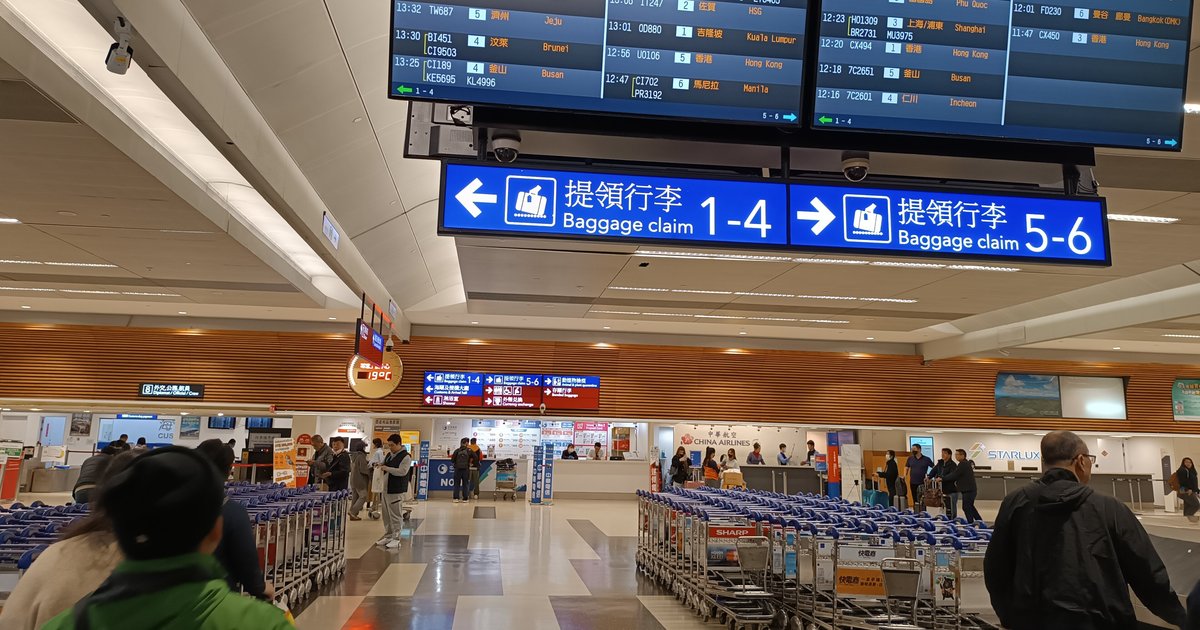
Let us dismantle the expensive misconception first. Japan genuinely is free of African swine fever — in the Ministry of Agriculture notice dated July 31, 2026, Japan is the only country in Asia that makes the ASF-free list. Which means the reasoning most travellers use, that Japan has no African swine fever so a packet of pork jerky must be fine, starts from a perfectly correct premise and arrives at a completely wrong conclusion. Taiwan's ban on cloven-hoofed meat was never written around one disease. It names four in the alternative — foot-and-mouth disease, contagious bovine pleuropneumonia, African swine fever, and classical swine fever — and any single one of them being present prohibits the lot. Japan has not been on the classical swine fever free list since the disease returned there in 2018, and it is not on the highly pathogenic avian influenza free list either. The result: Japanese pork, beef, lamb and chicken products are all prohibited, and not in the "get a certificate and you are fine" category — in the category where a certificate cannot help you. This guide lays every item out in one decision table, and corrects the NT$200,000 fine that half the internet quotes: for Japan, that number is simply the wrong column.
- Category beats quantity — meat, fresh fruit and foreign-bought heated tobacco are penalised regardless of how little you carry; buying too much just costs you 5% duty
- All Japanese meat is banned — the cloven-hoofed ban lists four diseases in the alternative and Japan fails on classical swine fever; undeclared pork is NT$30,000 first offence, not NT$200,000
- The allowance is more generous than you think — NT$35,000 of general goods (since June 26, 2024) and 1.5 litres of alcohol with no bottle count (since January 25, 2025)
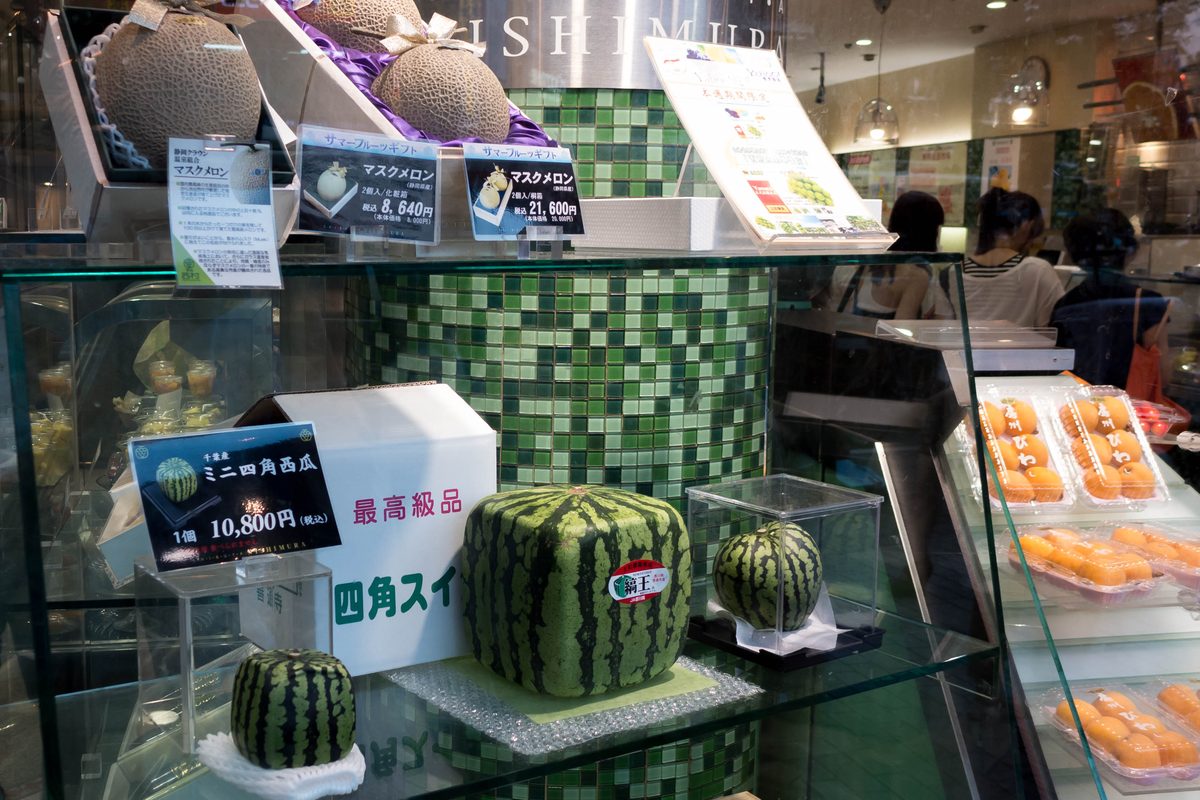
- 🔴 Fresh fruit is prohibited outright — the gift boxes on sale in Japanese airport departure halls are the classic well-meant mistake
- ⚠️ 6 kg total on agricultural, livestock and aquatic products, with tea, dried shiitake, rice, peanuts, garlic and dried lily buds capped at 1 kg each — dried-goods shoppers are the ones who actually breach a limit
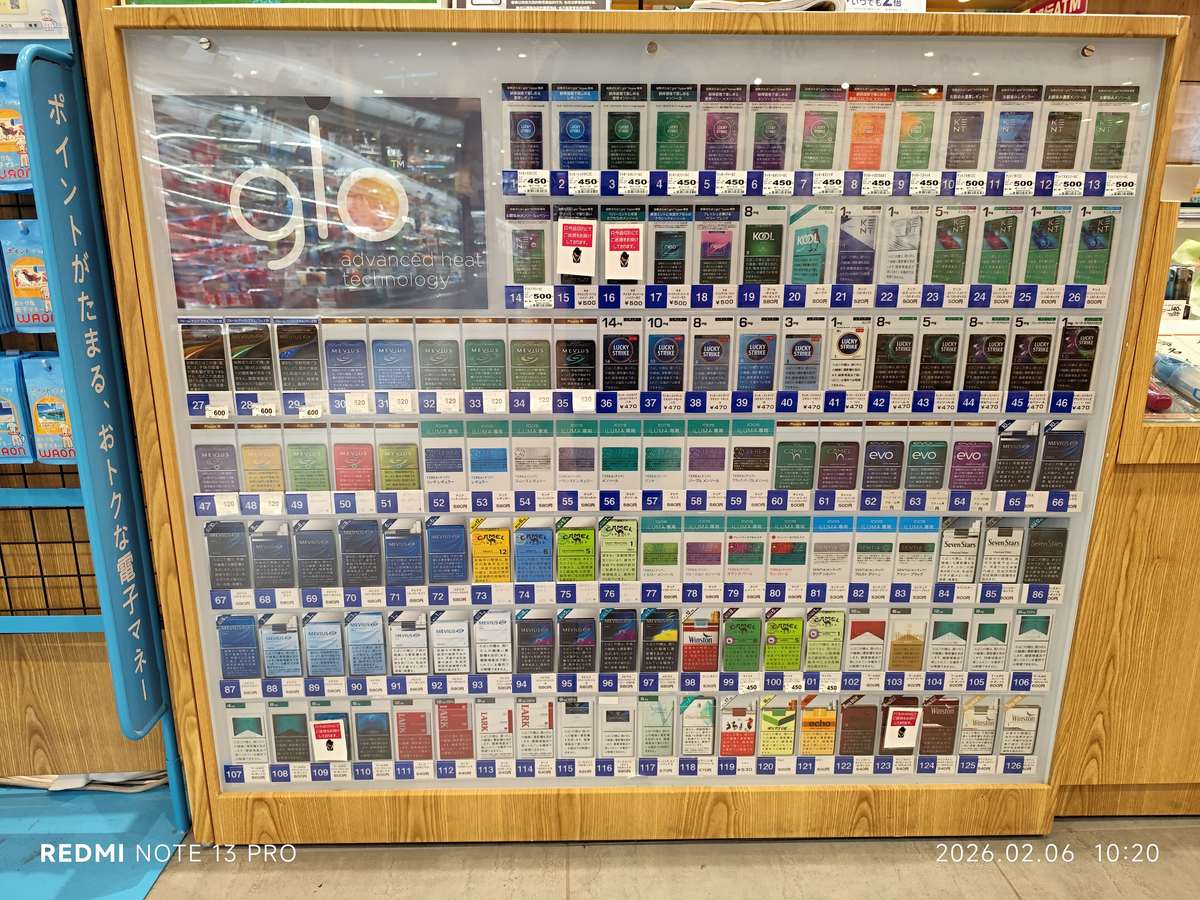
- 🚨 The 200 duty-free heated tobacco sticks only apply to approved products bought in a Taiwanese duty-free shop; buying in Japan risks NT$50,000 to NT$5,000,000
📖 Table of contents
- 1. The one rule: category, not quantity
- 2. Decision table: can I bring it, under which rule, what does it cost
- 3. Japan is ASF-free — and it does not save you
- 4. Stop quoting NT$200,000: Japan is in a different column
- 5. NT$35,000 and 1.5 litres: more generous than you think
- 6. Going over the allowance costs 5%, not a criminal record
- 7. The two limits that actually catch people: 6 kg and fresh fruit
- 8. The 2026 trap: those 200 heated tobacco sticks are not for Japan
- 9. Medicine, contact lenses and the other quantity caps
- 10. Cash, gold and how the red and green channels work
- 11. FAQ
The one rule: category, not quantity
If you take one sentence away from this guide, take this one: what gets you stopped at Taoyuan is carrying a prohibited category, never carrying too much.
These are two entirely different kinds of event, and almost every guide online weights them the wrong way round:
- Buying too much means paying duty. The excess over your allowance is taxed, and miscellaneous articles for personal use are charged at 5% under General Rule 5 of the Customs Import Tariff. You hand over a modest sum and leave with your shopping. That is taxation, not an offence.
- Carrying the wrong category means a fine, and quantity is irrelevant. An 80-gram packet of pork jerky and a whole case of it fall under the same prohibition. Failing to apply for quarantine carries a statutory fine range of NT$10,000 to NT$1,000,000 under Article 45-1 of the Statute for Prevention and Control of Infectious Animal Diseases.
So the table below is ordered accordingly: clear the category question first, then do the arithmetic. People who work in the other order are the ones carefully totting up their allowance while a box of Aomori apples sits in the case.
Decision table: can I bring it, under which rule, what does it cost
This is the core of the guide. Read column two for the verdict and drop down to the relevant section for detail. One thing to understand before you start: "must be declared" does not mean "will be allowed in." Declaring cloven-hoofed or poultry products from Japan means the fine under Article 45-1 does not apply to you — but the goods still sit in the prohibited category and still do not enter Taiwan.
| Item | Can you bring it | Which rule | Penalty / outcome |
|---|---|---|---|
| Pork jerky, meat floss, sausage, ham, bacon | ❌ Prohibited | Cloven-hoofed meat: prohibited from FMD / CBPP / ASF / classical swine fever zones. Japan is not on the classical swine fever free list | Undeclared: Article 45-1, NT$10,000–1,000,000. Schedule sets pork at NT$30,000 first offence, 300,000 second, 1,000,000 third onward |
| Beef jerky, vacuum-packed wagyu, lamb products | ❌ Prohibited | Same rule — cattle and sheep are cloven-hoofed, and one disease in the list is enough to trigger the ban | Undeclared non-pork quarantine items start at NT$10,000 (100,000 second, 300,000 third onward); mixed seizures are charged at the higher rate |
| Chicken products (duck gizzard, chicken wings, chicken feet, poultry snacks) | ❌ Prohibited | Poultry meat: prohibited from highly pathogenic avian influenza and Newcastle disease zones. Japan is not on the HPAI-free list (only Malaysia and Singapore are, in Asia) | Undeclared poultry meat and products: NT$30,000 first offence, 300,000 second, 1,000,000 third onward |
| Mooncakes, buns, dumplings, sandwiches and in-flight meals containing meat | ❌ Declarable, and still not admissible | Named individually on the official meat-filled products list. Vacuum-packed items are expressly counted in | As above, by the type of meat inside. Leftover in-flight meals count too |
| Ordinary instant noodles (powder or solid soup base) | ✅ Yes, no declaration | Whitelist item 10 names instant noodles, instant congee and solid or powdered soups | — |
| Premium ramen kits with a liquid pouch and visible meat | ❌ Declarable, and still not admissible | Liquid soups containing meat, where meat or offal is clearly identifiable to the naked eye | As per the meat rows. The dividing line is whether you can see meat in the pouch |
| Fresh fruit (apples, grapes, melons, pears — gift boxes included) | 🔴 Prohibited | Note 1 to the Schedule to Article 4: fresh fruit prohibited. Quarantine prohibited list item 2 | Undeclared plants or plant products: NT$3,000–15,000 |
| Dried fruit, jam, preserved fruit, pickles, dried radish | ✅ Yes, no quarantine application | Fully processed plant products whitelist. Salted ginger excluded | — |
| Dried shiitake, tea leaves | ⚠️ Yes, but 1 kg each | Schedule to Article 4: rice, cooked peanuts, cooked garlic, dried lily buds, dried shiitake and tea are capped at 1 kg each, all inside the 6 kg total | Excess handled under the regulations — not a criminal matter, but you do not keep it |
| Scallops, kombu, dried salmon, mentaiko and other dried or cured seafood | ✅ Yes, no declaration | Whitelist item 9: aquatic products that are dried, cured or otherwise processed, and fish fully gutted | — (counts toward the 6 kg total — this is where Hokkaido dried-goods hauls actually breach a limit) |
| Meat-free biscuits, cakes, bread; retort-sterilised canned food | ✅ Yes, no declaration | Whitelist items 2 and 3 | — |
| Century eggs, raw salted eggs, fresh eggs | ❌ Declarable; embryonated eggs banned outright | Egg products are declarable, except eggs fully cooked with yolk and white set and a clean shell | Charged under the animal products column |
| Rooted plants, bamboo shoots, ginger, lotus root, sweet potato, yam, taro, raw peanuts in shell | 🔴 Prohibited | Quarantine prohibited list item 4 (host plants and products from restricted zones) | Undeclared plant products: NT$3,000–15,000 |
| Pet treats containing animal ingredients, hide chews | ❌ Declarable | Dog and cat food containing beef, lamb, pork, poultry or egg is declarable; canned dog and cat food without beef, or containing only dairy or seafood, needs no declaration | Charged under the animal products column |
| Heated tobacco bought in Japan | 🚨 No | Taipei Customs, May 20, 2026: only heated tobacco bought at a domestic duty-free shop and approved by the Ministry of Health and Welfare may be brought in | Tobacco Hazards Prevention Act Article 26: NT$50,000–5,000,000 for a non-business individual |
| E-cigarettes and their components | 🚨 Import banned | Tobacco Hazards Prevention Act Article 15 | Same penalty band |
Notice the pattern. The three rows with the heaviest, least negotiable penalties have nothing to do with how much you spent — meat, fresh fruit, and heated tobacco bought abroad. If your question is instead which drugstore goods are worth the luggage weight at all, that is a separate calculation, covered in our 13-item Japan versus Taiwan price comparison.
Japan is ASF-free — and it does not save you
This section is the reason the article exists.
Taiwan takes African swine fever extremely seriously, and rightly so — but that vigilance has produced a widespread logical short circuit. The rule people remember is "no meat from African swine fever zones," so they reason backwards: Japan has no African swine fever, therefore meat is fine. The first half is right. The second half is wrong, and it is wrong in a place nobody explains.
Here is what the Animal and Plant Health Inspection Agency actually publishes:
(1) Cloven-hoofed animal meat products: strictly prohibited from being brought in from countries or regions affected by foot-and-mouth disease, contagious bovine pleuropneumonia, African swine fever, or classical swine fever. Products brought in from countries free of these diseases require an animal quarantine certificate issued by the government quarantine authority of the exporting country, the producing plant must be recognised by this agency, and the goods must pass inspection by the relevant branch office before import is permitted.
(2) Poultry meat products: strictly prohibited from being brought in from countries or regions affected by highly pathogenic avian influenza and Newcastle disease.
The load-bearing word is or. The four diseases are listed in the alternative — a country does not need all four, any one of them prohibits the entire category. Check Japan against the Ministry of Agriculture list dated July 31, 2026 and it looks like this:
| Disease | Is Japan on the free list? | Effect on carrying meat to Taiwan |
|---|---|---|
| Foot-and-mouth disease | ✅ Yes | Clear on this one |
| Contagious bovine pleuropneumonia | ✅ Yes | Clear on this one |
| African swine fever | ✅ Yes (the only country in Asia) | Clear — which is why the NT$200,000 column does not apply to Japan |
| Classical swine fever | ❌ No (no country in Asia is) | 🔴 Japanese pork, beef and lamb all count as coming from an affected zone — prohibited |
| Highly pathogenic avian influenza | ❌ No (in Asia only Malaysia and Singapore) | 🔴 Japanese chicken products prohibited |
| Newcastle disease | ✅ Yes | Clear on this one |
Four clear, two failed — and the two that failed happen to cover everything travellers most want to carry: pork jerky, vacuum-packed wagyu, chicken snacks, meat-filled mooncakes. That is what is meant by the card being genuine but not covering the thing in your bag.
Why "just get a quarantine certificate" does not work for Japan
One more piece of internet advice to intercept: the idea that a certificate from a Japanese shop solves it. It does not, and the reason is in the quotation above. The certificate route — an official export quarantine certificate plus a producing plant recognised by Taiwan's agency plus passing inspection on arrival — is written expressly for goods brought in from countries free of those diseases. Japan sits in the prohibited box, so you never reach the step where a certificate would matter. A certificate is not a master key; it is a door reserved for disease-free countries.
Stop quoting NT$200,000: Japan is in a different column
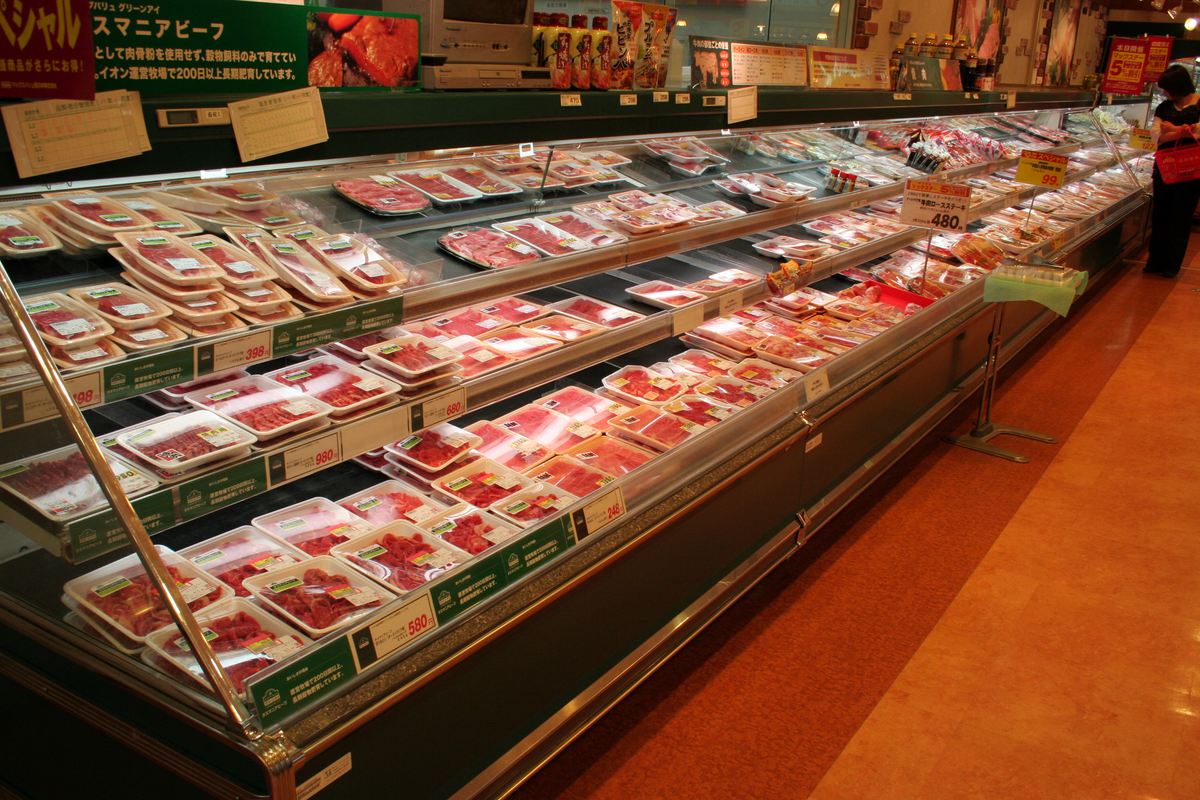
Almost every guide in Chinese repeats the same line — bring meat back and it is NT$200,000 for a first offence. The number is real and it really is in the published penalty schedule. It is just not the number for Japan.
The schedule sorts source countries into three groups, and the gap between them is far too big to blur:
| Source country group | Item | 1st offence | 2nd | 3rd onward |
|---|---|---|---|---|
| Countries with African swine fever in the past three years (Japan is not one) | Pork and other swine products | NT$200,000 | NT$1,000,000 | |
| Other quarantine items | NT$10,000 | NT$300,000 | ||
| Countries not listed as free of FMD / classical swine fever / HPAI 🔴 Japan sits here | Pork and swine products (swine fever column) | NT$30,000 | NT$300,000 | NT$1,000,000 |
| Poultry meat and products (avian influenza column) | NT$30,000 | NT$300,000 | NT$1,000,000 | |
| Non-pork, non-poultry quarantine items | NT$10,000 | NT$100,000 | NT$300,000 | |
| All other countries | Quarantine items | NT$10,000 | NT$100,000 | NT$300,000 |
⚠️ An honest note about this schedule. The agency page and the PDF that publish these amounts carry no approval date in either the body text or the page itself — the page says only that it takes effect immediately, and the date field shown alongside is clearly inconsistent with the content, which already includes both the classical swine fever and the avian influenza columns. So this guide cites it as the version currently published by the agency, with no approval date stated officially. Inventing a plausible-looking date would read more authoritative and be less true.
Two procedural rules are worth knowing:
- How repeat offences are counted: a second or subsequent offence means a further breach within three years, counted from the day after the previous penalty was lawfully served. Something from four years ago does not stack.
- Carrying several things at once: where one lot of quarantine items breaches multiple categories, the penalty is assessed at the higher amount — pork jerky plus beef jerky is not NT$30,000 plus NT$10,000, it is the higher figure.
- Mitigation: a first-time offender registered as a low-income household with the local authority for the current year has the penalty halved, subject to the statutory minimum of NT$10,000.
Put NT$30,000 next to what you saved and the argument does not soften at all — a packet of Japanese pork jerky costs around ¥800, so the fine is several hundred times the item. Using the correct number makes the case stronger, not weaker, because a reader who discovers your NT$200,000 was copied from somewhere else will stop trusting the rules that are real.
NT$35,000 and 1.5 litres: more generous than you think
Now the other half of the story, and it is the half that keeps people from under-buying out of vague anxiety: most travellers never get anywhere near the allowance.
| Category | Current duty-free allowance | When it changed | Conditions |
|---|---|---|---|
| General goods | Total dutiable value up to NT$35,000 | June 26, 2024, raised from NT$20,000 | Article 11, paragraph 2 |
| Alcohol | 1.5 litres, no bottle count | January 25, 2025, raised from 1 litre | Aged 18 and over |
| Tobacco | 200 cigarettes or 25 cigars or 1 lb pipe tobacco or 200 designated tobacco sticks | The designated-tobacco line was added February 1, 2026 | Aged 20 and over; pick one, not one of each |
| Used personal effects | Up to NT$10,000 per item or set | — | Already yours abroad, used, reasonable quantity; assessed separately from the NT$35,000 |
Using an exchange-rate snapshot from May 31, 2026 (1 JPY is about 0.197 TWD — ⚠️ this drifts; check a live rate), NT$35,000 is roughly ¥177,700. A typical souvenir run of snacks, drugstore items and household goods lands somewhere between ¥30,000 and ¥50,000, which is NT$5,900 to NT$9,850 — 17% to 28% of the allowance.
The alcohol line deserves spelling out because the old rule is still everywhere: 1.5 litres is a total volume, and there is no limit on the number of bottles. The most common purchase — two 720 ml bottles of sake or whisky, 1.44 litres together — sits inside the duty-free allowance. It is the third bottle that takes you over. Anything telling you that you may bring one bottle is quoting the rules as they stood before January 25, 2025.
Who actually needs to watch the NT$35,000
The allowance is generous, not infinite. These are the shoppers who should genuinely do the maths:
- Camera and lens buyers — a ¥180,000 body clears the line on its own, before accessories.
- Luxury bags and watches — single items routinely exceed it.
- Multiple appliances in one trip — a hair dryer, a beauty device and cookware add up fast.
- 🔴 Families consolidating everything into one person's suitcase — the most avoidable mistake on this list. The allowance is per person. Four travellers carrying their own bags have four lots of NT$35,000; the same goods stuffed into dad's big case are one lot.
And one thing anyone near the line should know: the dutiable value is not the price you paid in Japan. Under Article 13, customs assesses value under Articles 29 to 35 of the Customs Act, and where it falls to Article 35 it may refer to price data collected by the Customs Administration, a reasonable conversion from the domestic market price, or the reference price you supply. Keeping receipts helps your case; it does not decide the number.
A related worry to put down: Japanese tax-free has nothing to do with your Taiwan allowance
A common anxiety runs: I claimed consumption tax exemption in Japan, so will Taiwan charge me on the way in? There is no official rule to that effect, and the two are different taxes in different countries. Taiwan looks only at whether the dutiable value of your goods exceeds NT$35,000. Whether you did or did not go through a Japanese tax-free counter is irrelevant to that calculation.
The Japanese threshold is ¥5,000 before tax at one store on one day, which is a Japanese National Tax Agency rule — the mechanics, and the export-refund system arriving on November 1, 2026, are covered in our guide to tax-free shopping and refunds in Japan. While we are here, one more claim to intercept: the notion that an unopened tax-free seal means Taiwan customs will not look has no official basis, and since the sealing requirement for consumables disappears under the November 2026 reform, the claim is about to lose even its factual scaffolding.
Going over the allowance costs 5%, not a criminal record
This needs saying plainly, because too many people under-buy out of fear: exceeding the allowance is a taxable event, not an offence.
Under Article 12, paragraph 1, the excess is charged at the rate specified in the Customs Import Tariff — but miscellaneous articles for personal or household use may be charged at the rate in General Rule 5, which is 5%. In practice, that is where most souvenir overshoot lands.
The supporting rules:
- Payment window: duty is due within 14 days from the day after the payment notice is served; unpaid after that, Article 74 of the Customs Act applies.
- Ceiling on dutiable value: the combined dutiable portion of accompanied and unaccompanied baggage may not exceed US$20,000 per person (Article 14, paragraph 1). That is the real roof — beyond it you are no longer in passenger-baggage territory.
- Who gets halved: travellers with obvious commercial intent, or who travel frequently and have a violation record, have both the quantity and the value of their baggage halved under Article 16, item 1 — an allowance of NT$17,500.
All of the above assumes you are carrying the goods. Post the same purchases home and the arithmetic inverts: the allowance drops to NT$2,000 and the tax lands on the whole parcel rather than the excess. That regime is covered in the rules for posting things home from Japan.
That last one is badly misreported, so let us unpick it. You will read that flying to Japan often costs you your allowance. Not accurate. The regulations define frequent travel as two or more entries and exits within 30 days, or six or more within six months — but the exclusion applies to a traveller with obvious commercial intent, or who travels frequently and has a violation record. Flying often with a clean record is not a ground for exclusion.
The two limits that actually catch people: 6 kg and fresh fruit
If almost nobody reaches the money allowance, what does catch people? Two things — and hardly any guide covers either.
One: 6 kg total on agricultural, livestock and aquatic products (with 1 kg sub-caps)
Under the dutiable quantity limits in the Schedule to Article 4, agricultural, livestock and aquatic products are capped at 6 kg in total, within which rice, cooked peanuts, cooked garlic, dried lily buds, dried shiitake and tea leaves are capped at 1 kg each.
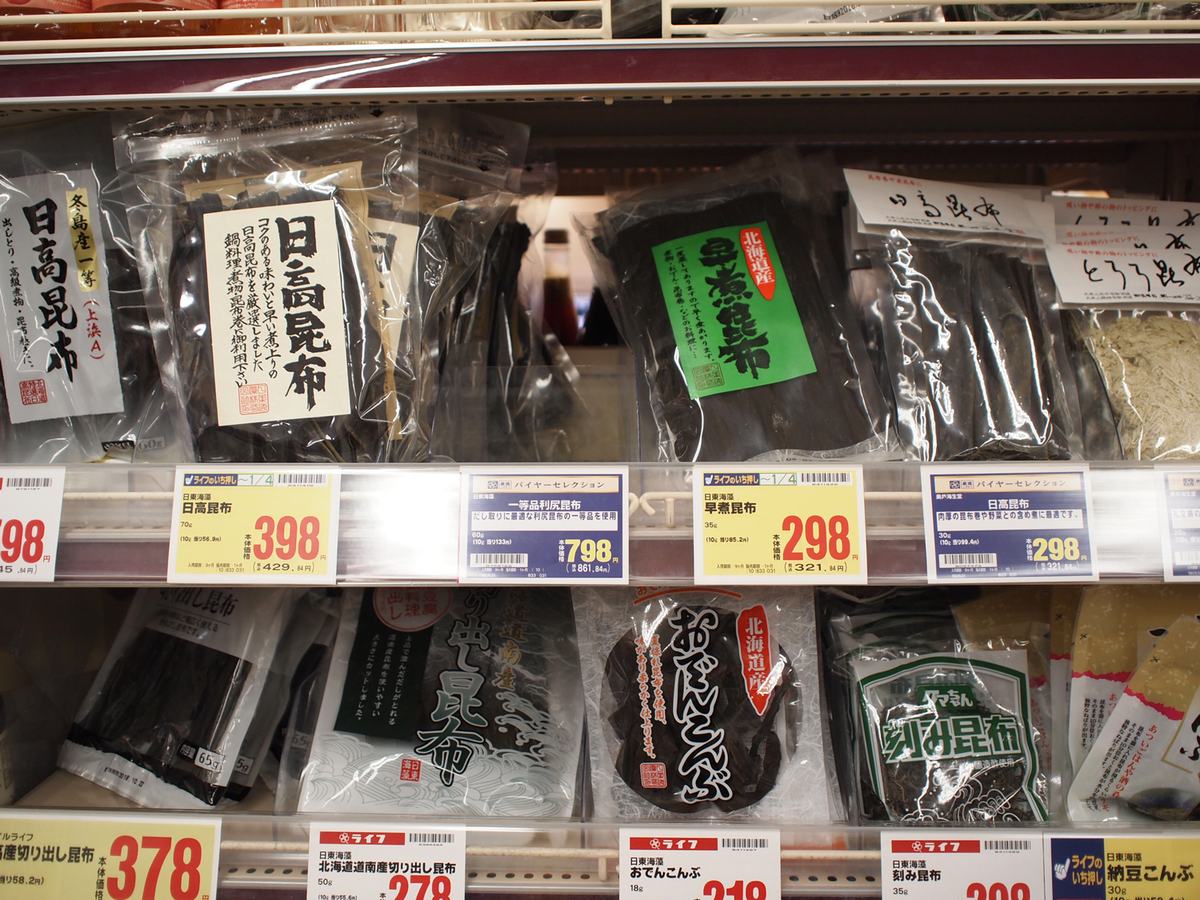
Six kilos sounds like a lot until you price a Hokkaido dried-goods run against it. Dried scallops come in 200-gram bags, so five bags is a kilo on their own; add kombu, dried salmon and shredded squid, then Okinawan black sugar, then tea and dried shiitake from wherever you happened to be — this is an ordinary way to shop, and almost nobody knows that tea and dried shiitake carry their own 1 kg ceilings on top of the 6 kg.
Note what is inside that 6 kg: entirely legal goods. Dried and cured seafood, dried shiitake and tea are themselves on the no-declaration whitelist — legal to carry, and still subject to the total and per-item caps. This is the limit a real traveller is most likely to hit.
Two: fresh fruit is prohibited outright (a ban, not a cap)
This is the well-meant mistake. Note 1 under agricultural, livestock and aquatic products in the Schedule to Article 4 opens with a single sentence: fresh fruit is prohibited from being carried in. The quarantine agency's prohibited list repeats it at item 2, covering fruits, melons and betel nut.
The difficulty is that Japanese airports sell exactly this. Aomori apples, Yamanashi grapes, Hokkaido melons, boxed and ribboned and displayed at the most visible spot in the departure hall — they look purpose-built to be carried home, and older relatives love them precisely because they look generous. But those boxes are designed for gifting within Japan, not for clearing Taiwanese quarantine.
The consequence: carrying plants or plant products without declaring them draws NT$3,000 to NT$15,000, and the fruit is surrendered regardless. Compared with the tens of thousands on the animal side the fine is modest — but that expensive melon is gone either way.
One escape route that does not work, before you look for it: posting it does not solve this. Animal-product quarantine items may not be imported into Taiwan by post at all — there is no declaration channel, and the fine falls on whoever receives the parcel. See why the postal route has no quarantine door.
The substitute is simple and just as presentable: dried fruit, jam and preserved fruit are all on the official no-quarantine-application list, which also covers dried vegetables, dried flowers, dried spices, roasted nuts and coffee beans. Same gesture, one version clears the border and one does not. For choosing souvenirs that travel well in general, see our guide to picking and sharing Japanese souvenirs.
The 2026 trap: those 200 heated tobacco sticks are not for Japan
This is the one genuinely new pitfall of 2026, and the seizure figures show the misunderstanding is happening at scale.
The sequence: the Ministry of Finance amended the baggage regulations on January 30, 2026, effective February 1, 2026, adding to the duty-free tobacco categories, for the first time, 200 sticks of designated tobacco products (heated tobacco) that have passed the Ministry of Health and Welfare health risk assessment. A new line appeared on the duty-free table, and it reads a great deal like "Taiwan has opened up heated tobacco."
Taipei Customs closed that reading down on May 20, 2026:
At present, travellers may only bring in heated tobacco purchased at a domestic duty-free shop and approved by the Ministry of Health and Welfare. Taipei Customs reminds travellers not to purchase heated tobacco overseas and carry it into the country, to avoid penalties for violation.
Why is anything bought abroad automatically in breach? Because the 200-stick allowance is conditioned on the product having passed Taiwan's health risk assessment. The Ministry approved 14 products and 4 component units in October 2025, on sale domestically in stages from October 11, 2025. And under Articles 9 and 10 of the Tobacco Hazards Prevention Act and the associated labelling regulations, any tobacco product sold legally must display nicotine and tar content plus health warnings in Chinese to Taiwan's specification — nothing sold in a Japanese shop meets that. (This guide does not list brand names: the Ministry of Finance release states "14 products" without publishing the list.)
The penalty is the heaviest in this article. Under Article 26 of the Tobacco Hazards Prevention Act, manufacturers or importers face NT$10 million to NT$50 million plus recall, destruction or return orders; a non-business individual — that is, you — faces NT$50,000 to NT$5,000,000.
E-cigarettes are simpler and stricter: under Article 15 of the same Act, e-cigarettes and their components remain banned from import and travellers may not carry them in at all. There is no 200-stick line for those.
Medicine, contact lenses and the other quantity caps
Beyond food, the Schedule to Article 4 (version effective February 1, 2026) sets a second group of caps — the ones drugstore shoppers most need.
| Item | Current limit | Notes |
|---|---|---|
| Over-the-counter western medicine | Up to 12 units per product (box, bottle, jar, tube, stick), 36 units in total | The widely circulated "2 boxes per type, 6 types total" has no official source (absent from all three schedule versions) |
| Prescription medicine | Without a prescription, a 2-month supply; with one, a reasonable amount capped at 6 months | Injectables always require the prescription |
| Tablet and capsule foods | Up to 12 units per product (box, bottle, jar, packet, bag), 36 in total | Supplements sit in this row |
| Chinese herbal materials | Up to 1 kg each, no more than 12 kinds | Counted separately from western medicine |
| Chinese herbal preparations | Up to 12 units each, 36 in total | — |
| Daily disposable contact lenses | 60 lenses per prescription strength | Limited to a single brand and two different strengths per person — the most-missed line here |
| Alcohol (dutiable limit) | 5 litres, no bottle count | 1.5 litres is duty free; this is the dutiable ceiling |
| Tobacco (dutiable limit) | 5 cartons of cigarettes (1,000), 5 lb pipe tobacco, or 125 cigars | Designated tobacco: 5 cartons (1,000 sticks) in stick form, or 5 lb otherwise |
One detail that catches everyone: the Schedule states that the units it specifies — box, bottle, jar, tube, stick, packet, bag — are counted in original packaging only. So decanting tablets into a zip bag or binning the outer cartons to save luggage space undermines the basis on which your allowance is counted. Keep things in the packaging they were sold in.
Cash, gold and how the red and green channels work
Finally, the mechanics. These thresholds all mean declare above this amount — not you may not carry it:
| What you are carrying | Declaration threshold | If you do not declare |
|---|---|---|
| New Taiwan dollars | Over NT$100,000 | The excess must be shipped back out even if declared; undeclared or misdeclared, the amount over the limit or the declared portion is confiscated |
| Chinese yuan | Over CNY 20,000 | Declared excess may be sealed and held at customs for collection on departure; undeclared, confiscated |
| Foreign currency (incl. HKD, MOP) | Equivalent of over US$10,000 | No limit once declared; undeclared, the excess is confiscated |
| Bearer negotiable instruments | Equivalent of over US$10,000 | Fine equal to the undeclared or misdeclared value |
| Gold | Equivalent of over US$20,000 | Also requires an import permit from the International Trade Administration; undeclared, fine equal to the value |
| Diamonds, gemstones, platinum | Beyond personal use and over NT$500,000 | Fine equal to the value |
Yen cash deserves a second look: travellers who exchanged generously — especially a family pooling notes into one bag — can pass the US$10,000 equivalent without noticing. Declaring costs nothing. Not declaring is the part with a price.
Red channel, green channel
The procedure is short. Three things to remember:
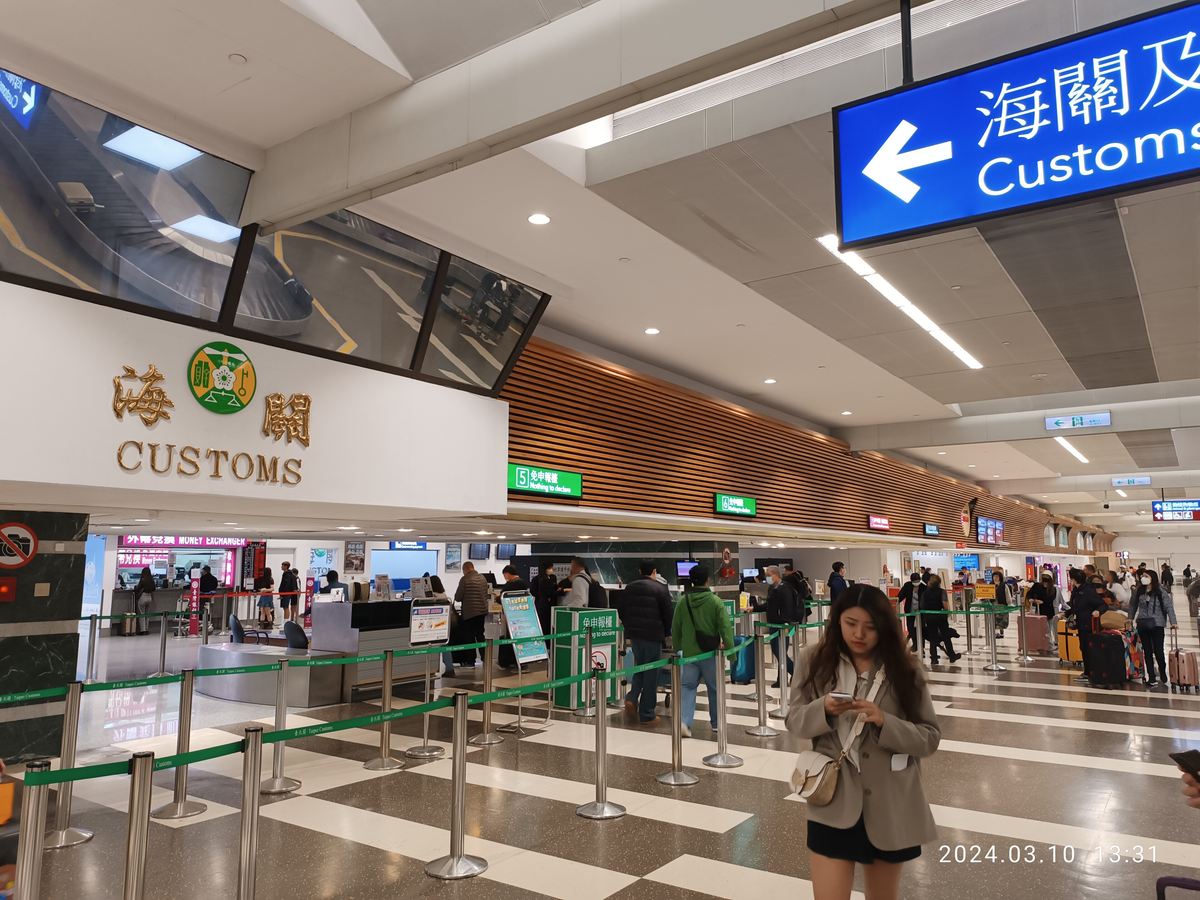
- Timing: you declare after collecting checked baggage and before passing the red and green channel desks — not once an officer has your case open.
- Paperwork: the ROC Customs Declaration Form for declarable goods; for cash, negotiable instruments, gold and similar, also the registration form for currency, securities, gold and articles carried in or out.
- Which lane: goods to declare go red, nothing to declare goes green. When unsure, take the red channel — if what you declared turns out not to be dutiable you lose nothing at all, whereas being caught with something undeclared starts in the tens of thousands.
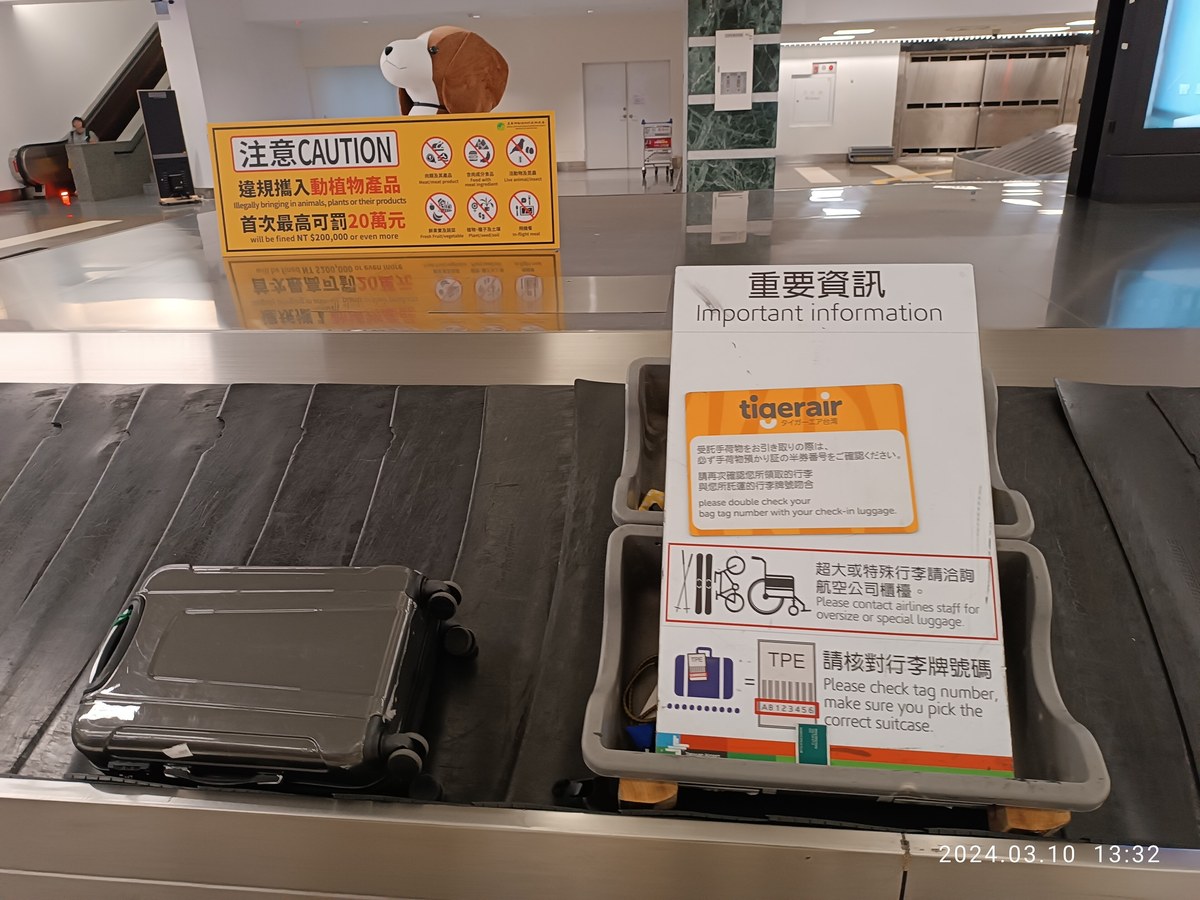
One practical note to close on: the detector dogs working the baggage carousels are not decorative. They respond to processed meat quickly and reliably, and vacuum packing or a layer of clothing does not defeat them. Rather than gambling at the belt, simply do not put meat products in the case in Japan.
The verdict in three lines
One: Japan is African swine fever free, and it does not save you. Taiwan's cloven-hoofed ban names four diseases in the alternative — foot-and-mouth, bovine pleuropneumonia, African swine fever, classical swine fever — and Japan fails on classical swine fever, as poultry fails on highly pathogenic avian influenza. Pork, beef, lamb and chicken products are therefore all prohibited, and a quarantine certificate cannot rescue them. While correcting that, correct the number too: Japan sits in the classical swine fever column, so undeclared pork is NT$30,000 for a first offence, not the NT$200,000 everyone copies.
Two: do not under-buy out of fear. NT$35,000 (about ¥177,700) and 1.5 litres of alcohol with no bottle count mean an ordinary souvenir haul uses under a third of the allowance, and if you do go over, personal-use miscellaneous articles are charged at 5% — taxation, not an offence. What genuinely catches people is the 6 kg agricultural total (with tea and dried shiitake capped at 1 kg each) and the flat prohibition on fresh fruit, neither of which has anything to do with how much you spent.
Three: the costliest new trap of 2026 is heated tobacco. The 200 sticks added to the duty-free table on February 1 apply only to approved products bought at a Taiwanese duty-free shop; buying in Japan exposes you to NT$50,000 to NT$5,000,000 under Article 26, and Taoyuan alone seized 384 cases and nearly 28,000 cartons between February and April this year. E-cigarettes do not even have a line — import is banned.
The whole guide in one sentence: what goes wrong is always the category you carried, never the amount you spent. Five minutes against the decision table before you fly beats an elevated heart rate at the baggage belt. To pull the rest of your pre-departure prep together, start from our Japan travel essentials overview.
Frequently Asked Questions
- Q1:Japan is free of African swine fever, so can I bring Japanese pork jerky back to Taiwan?
- No — and this is the single biggest misconception this guide exists to fix. Your premise is completely correct: the Ministry of Agriculture notice of July 31, 2026 lists Japan as an African swine fever free country, and it is the only country in Asia on that list. But Taiwan's ban on cloven-hoofed meat products is not written around one disease. The Animal and Plant Health Inspection Agency states it as: strictly prohibited from countries or regions affected by foot-and-mouth disease, contagious bovine pleuropneumonia, African swine fever, or classical swine fever. Four diseases, listed in the alternative — any one of them being present triggers the whole ban. Japan has not returned to the classical swine fever free list since the disease resurfaced there in 2018 (in fact no Asian country is on it), so Japanese pork, beef and lamb products all sit squarely in the prohibited box. Your get-out-of-jail card is genuine; it simply does not cover the thing in your suitcase.
- Q2:Is the fine for bringing meat into Taiwan really NT$200,000?
- Not when you are flying in from Japan — that figure comes from the wrong column. The penalty schedule currently published by the Animal and Plant Health Inspection Agency (the page and the PDF both carry no stated approval date) sorts source countries into three groups. Group one is countries that have had African swine fever within the past three years: pork products draw NT$200,000 for a first offence and NT$1,000,000 thereafter. That is the number the entire internet repeats. Group two covers countries not listed as free of foot-and-mouth disease, classical swine fever or highly pathogenic avian influenza — and that is where Japan sits: pork and other swine products draw NT$30,000 for a first offence, NT$300,000 for a second and NT$1,000,000 from the third; poultry meat is likewise NT$30,000 up; other quarantine items start at NT$10,000. NT$30,000 is still hugely out of proportion to what you saved, but quoting a wrong number is self-defeating: a reader who catches the error stops believing the rules that are actually true. Repeat offences are counted from the day after the previous penalty was lawfully served, within three years; where one seizure breaches several categories at once, the higher fine applies.
- Q3:Can I bring a box of Japanese fruit back to Taiwan?
- No. Fresh fruit is prohibited outright — this is a ban, not a quantity limit. The very first note under agricultural, livestock and aquatic products in the Schedule to Article 4 reads: fresh fruit is prohibited from being carried in. The quarantine agency's prohibited list says the same thing at item 2: fresh fruits, including melons and betel nut. Aomori apples, Yamanashi grapes, Hokkaido melon gift boxes — Japanese airports sell them beautifully boxed right by the departure gates, which is exactly why this trips people up. Carrying plants or plant products without declaring them draws a fine of NT$3,000 to NT$15,000, and the fruit is confiscated either way. The graceful substitute: dried fruit, jam and preserved fruit are all on the official no-quarantine-application-needed list, so the gesture survives even though the melon does not.
- Q4:Taiwan allows 200 heated tobacco sticks duty free from 2026 — can I buy them in Japan?
- No, and this is the most expensive new trap of 2026. The duty-free schedule did gain a line on February 1, 2026 for 200 sticks of designated tobacco products that have passed the Ministry of Health and Welfare health risk assessment. But Taipei Customs stated plainly on May 20, 2026 that travellers may only bring in heated tobacco purchased at a domestic duty-free shop in Taiwan and approved by the Ministry of Health and Welfare. The Ministry approved 14 products and 4 component units in October 2025, and under the Tobacco Hazards Prevention Act any legally sold tobacco product must carry nicotine and tar content plus health warnings in Chinese to Taiwan's specification — nothing on a Japanese shelf qualifies. Bringing some home falls under Article 26 of the Tobacco Hazards Prevention Act: NT$50,000 to NT$5,000,000 for a non-business individual. Between February and April 2026 alone, customs at Taoyuan International Airport seized 384 cases totalling nearly 28,000 cartons. Separately, e-cigarettes and their components remain banned from import entirely under Article 15 — there is no 200-stick line for those at all.
- Q5:What is Taiwan's duty-free allowance on arrival? I have read it is NT$20,000.
- NT$20,000 is out of date. The current figure is NT$35,000. Article 11, paragraph 2 of the Regulations Governing the Declaration, Inspection and Release of Inbound Passengers' Luggage raised the general-goods allowance from NT$20,000 to a total dutiable value of NT$35,000 with effect from June 26, 2024. You are not imagining the confusion: the Ministry of Finance's own December 2023 press release still says NT$20,000, because official pages have not all been synchronised. Two more lines get overlooked: alcohol is 1.5 litres with no bottle count (raised from 1 litre on January 25, 2025, for travellers aged 18 or over), and used personal effects that were already yours abroad, in reasonable quantity, valued at NT$10,000 or less per item or set, are exempt under a separate heading from the NT$35,000.
- Q6:What happens if I go over the allowance? Am I in trouble?
- You pay duty. You are not in trouble — keep these two things apart. Under Article 12, paragraph 1, the excess is dutiable at the rate in the Customs Import Tariff; however, miscellaneous articles for personal or household use may be taxed at the rate set in General Rule 5, which is 5%. So overshooting means handing over a modest amount of money and walking out with your shopping — that is taxation, not an offence. Three practical notes: the dutiable value is assessed by customs under Articles 29 to 35 of the Customs Act and is not simply what you paid in Japan; duty is payable within 14 days of the day after the payment notice is served; and the combined dutiable value of accompanied and unaccompanied baggage may not exceed US$20,000 per person. What actually gets people penalised is never buying too much — it is carrying a prohibited category.
- Q7:Can I bring instant noodles that contain meat?
- It depends on whether you can see meat in the sachet — the official dividing line really is that concrete. Item 10 of the no-declaration-required whitelist in the quarantine agency's reference table explicitly names instant noodles, instant congee, and solid or powdered soup products — so an ordinary cup noodle with powder sachets or a solid soup block needs no declaration. But the declaration-required list includes liquid soups containing meat and filled products where meat or offal is clearly identifiable to the naked eye — chunks of meat, minced meat, ham, bacon, sausage, jerky or floss. That is where a premium ramen kit with a liquid chashu pouch lands. Note too that vacuum packing is explicitly counted in, not exempted.
- Q8:How much over-the-counter medicine can I bring back from Japan?
- Up to 12 units (boxes, bottles, jars, tubes or sticks) per product, and no more than 36 units in total. The source is the Schedule to Article 4 (version effective February 1, 2026), under personal-use medicines and tablet or capsule foods, western medicine item 1. The widely circulated figure of "2 boxes per type, 6 types total" has no official source — it appears in none of the three schedule versions, and it understates your legal allowance by a factor of six — and an earlier version of this page carried that error until it was corrected on August 15, 2026. Related lines worth memorising: tablet and capsule health foods are also 12 per product and 36 in total; Chinese herbal materials are up to 1 kg each and no more than 12 kinds; Chinese herbal preparations are 12 per product and 36 in total; prescription medicine without a prescription is limited to a 2-month supply, and with a prescription to a reasonable amount capped at 6 months, with injectables always requiring the prescription. Everything is counted in original packaging only — decanting pills into a zip bag to save space defeats the basis of the count.