Tokyo Disney Resort is actually two completely separate theme parks — Tokyo Disneyland and Tokyo DisneySea. One ticket admits you to one park only, all day, with no switching, and plenty of first-timers don't realize that until they're standing at the gate. If your trip has room for just one Disney day, here's the blunt answer: first-timers with young kids choose Disneyland; adults and couples choose DisneySea; Disney superfans choose DisneySea; and if you have two days, do both — Disneyland first, DisneySea second. Below I'll break it down by park identity, signature rides, the Fantasy Springs expansion that opened in June 2024, and how the tickets and DPA priority pass actually work — capped with a side-by-side Land vs Sea table so you can decide in five minutes.
- Young kids (ages 0–6) → Disneyland (Land): dense toddler-friendly rides, castle and daytime parade, least walking
- Adults / couples / photos & a drink → DisneySea (Sea): the only one in the world, cinematic sets, serves alcohol, nighttime water show
- Superfans / want the newest & best → DisneySea: the 2024 Fantasy Springs (Frozen / Rapunzel / Peter Pan) exists only at Sea
- Two days? Do both: Disneyland day 1, DisneySea day 2 (save the re-watchable one for last)
- Tickets: 1-Day Passport adult ¥8,900–12,400 (single park, dynamic pricing); DPA ¥1,000–2,000 per ride, Fantasy Springs ¥2,000
Table of Contents (click to expand)
Park identity: fairy-tale vs cinematic
Get the core difference straight first — every trade-off below grows out of it.
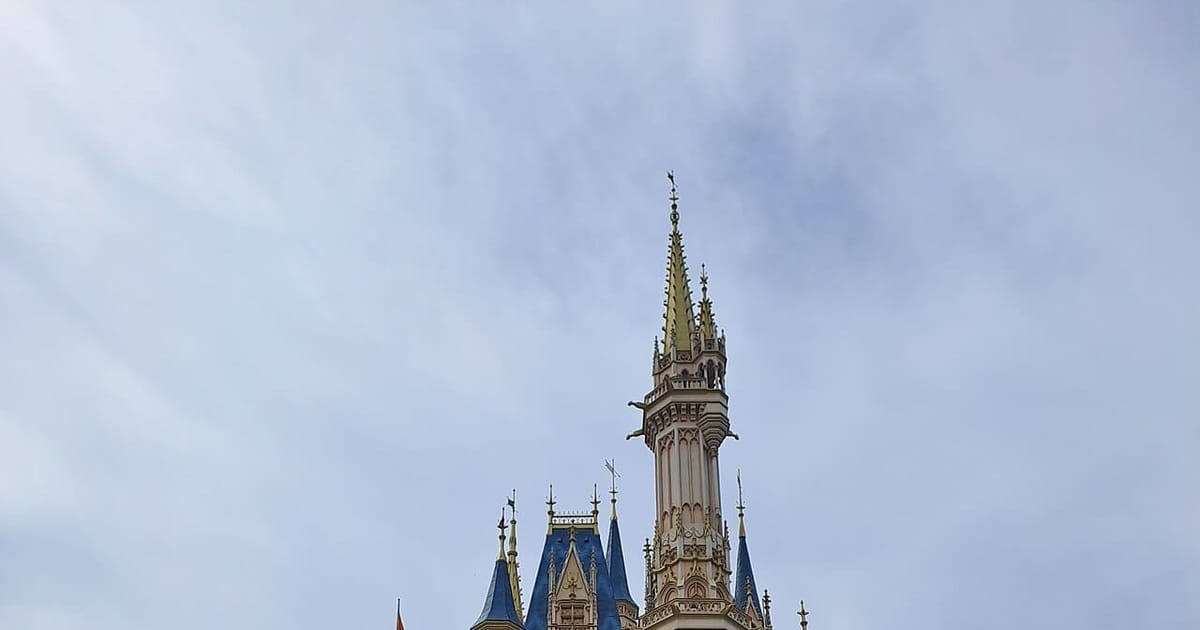
Tokyo Disneyland follows the classic American Disney blueprint — the same DNA as the Magic Kingdom in California and Florida. Cinderella Castle sits at the center, and the layout radiates out into themed lands: World Bazaar, Adventureland, Westernland, Toontown, Fantasyland, Tomorrowland. Its keywords are fairy-tale, warm, family, parades. The daytime parade and the castle-front shows are the soul of this park; Mickey, Minnie, and the princesses are highly visible, and small kids light up. Most rides are gentle and story-driven, and the density of attractions a 0–8-year-old can ride is among the highest in Asia.
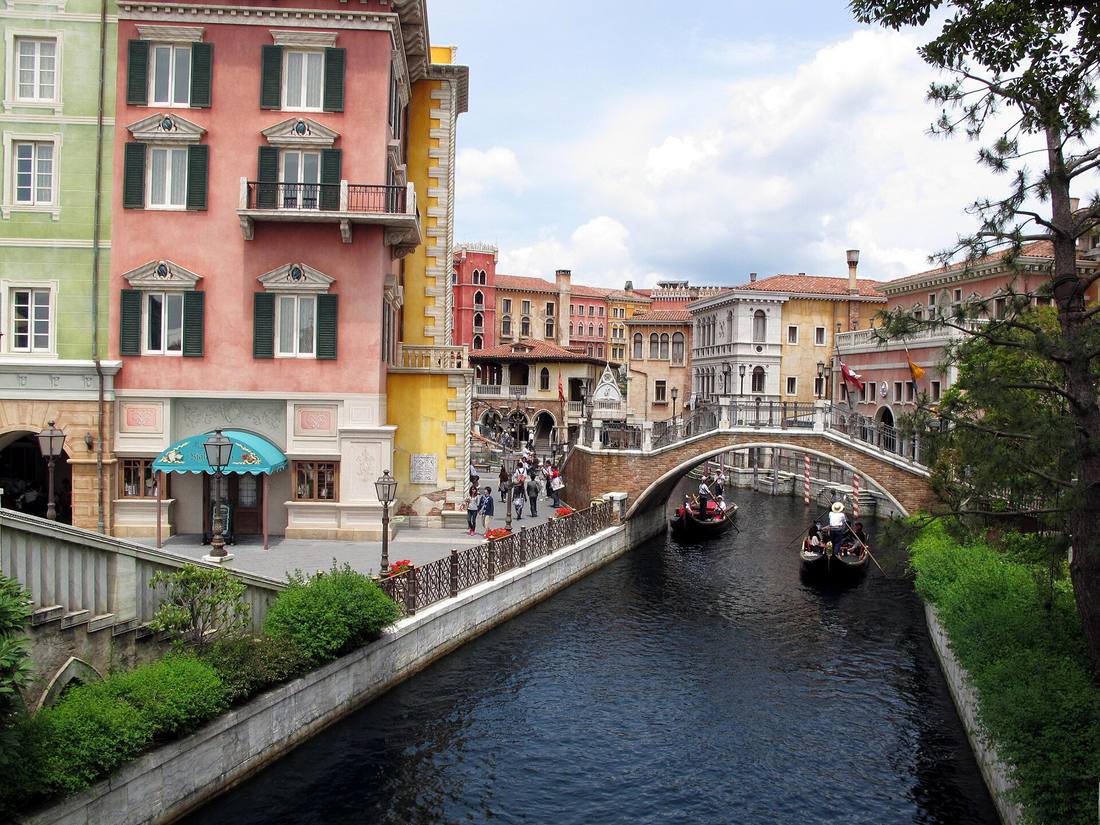
Tokyo DisneySea, by contrast, is one of a kind on the planet — no other country has it; it's Tokyo-exclusive. Themed around seafaring and adventure, its seven ports (Mediterranean Harbor, American Waterfront, Port Discovery, Lost River Delta, Arabian Coast, Mermaid Lagoon, Mysterious Island) feel less like a theme park and more like stepping into a live-action film: gondolas glide along Venetian canals, the Mount Prometheus volcano erupts, and the tilework on the Arabian Coast walls is detailed to a fault. Its keywords are mature, thrilling, scenic, adult-leaning. It serves alcohol (one of the few Disney parks that does), and the nighttime water show "Believe! Sea of Dreams" plays out over the harbor with a cinematic rather than storybook feel. Across the board, thrill level and re-ride value run higher than at Disneyland.
One line sums up the two parks: Disneyland is "bring the kids to dream"; DisneySea is "adults won't want to leave." Keep that in your head and the choice almost makes itself.
Fantasy Springs: DisneySea's biggest weapon
You can't talk about the 2026 Land-vs-Sea comparison without Fantasy Springs, because it tilted the scale.
Fantasy Springs opened at Tokyo DisneySea on June 6, 2024 — note, that's DisneySea, not Disneyland, which trips up a lot of people. It's the single largest expansion since DisneySea opened in 2001: an entirely new "magical forest" themed port divided into three film worlds:
- Frozen Kingdom — the world of Arendelle, with the "Anna and Elsa's Frozen Journey" boat ride that recreates key scenes from the film
- Rapunzel's Forest — the signature "Rapunzel's Lantern Festival" gondola ride; the nighttime lantern scene is one of the most photogenic spots in the entire park
- Peter Pan's Never Land — "Peter Pan's Never Land Adventure" is the most acclaimed ride in Fantasy Springs, paired with "Fairy Tinker Bell's Busy Buggies"
There's also the on-site Fantasy Springs Hotel (the sixth hotel at Tokyo Disney Resort). The set design across the whole area is exceptional, and it remains the hottest part of the entire resort — weekend standby waits routinely run 90–150 minutes.
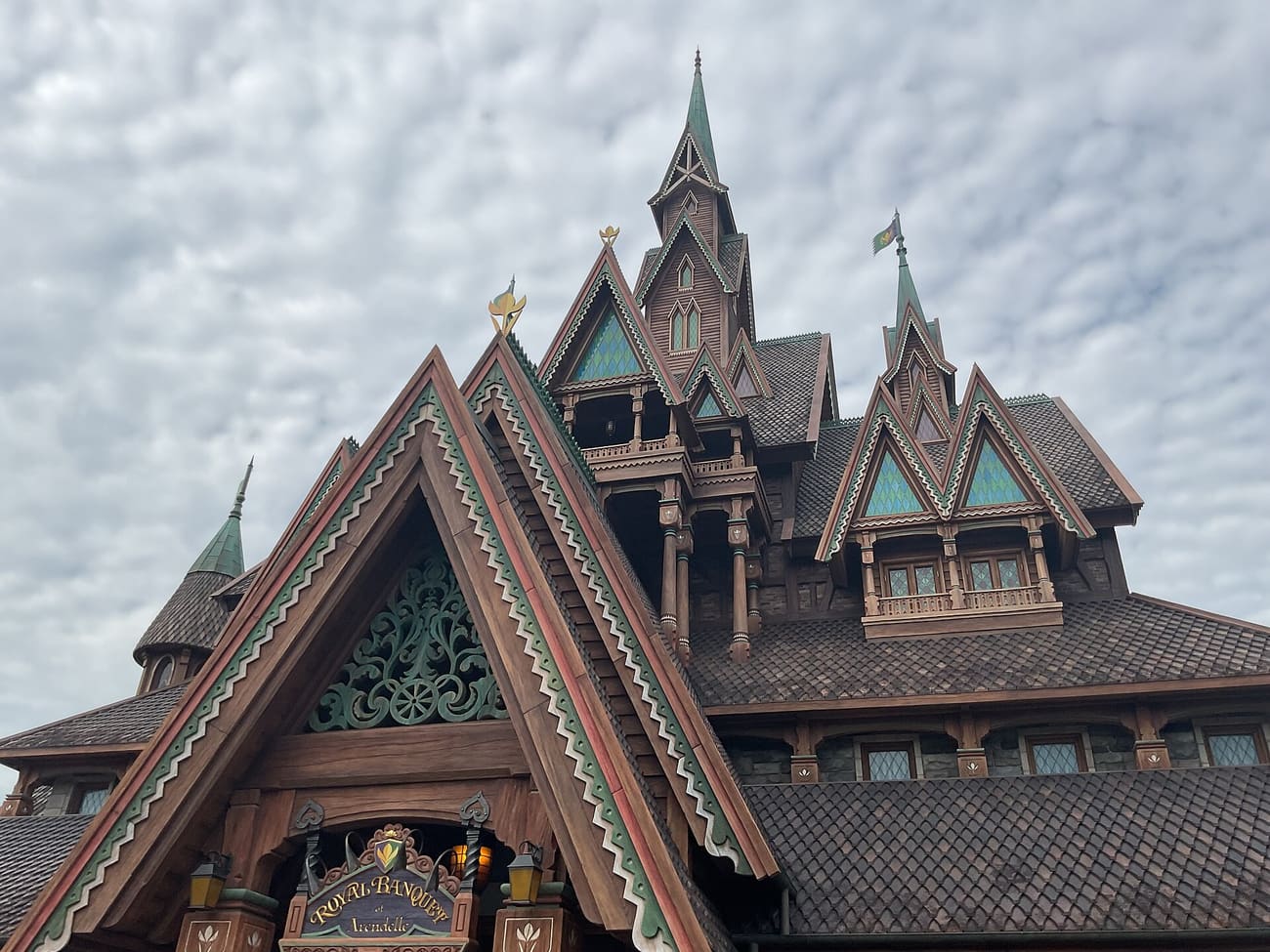
Fantasy Springs has a direct bearing on "which park": if you or anyone in your group is a Frozen or Rapunzel fan, DisneySea is your only option this trip, because those rides don't exist at Disneyland. For superfans, it's also "the most money Disney has poured into a single project in years" — for this area alone, DisneySea pulls ahead of Disneyland. The one caveat: high demand means long lines, and the ticket/DPA section below covers how to ride it reliably.
Signature rides, park by park
A big part of choosing a park is "which park has the rides I actually want." Listing each park's headliners makes it clearest:
Disneyland (Land) headliners
- Beauty and the Beast: The Enchanted Tale — Tokyo-exclusive, set inside the castle world with the score; Disneyland's most popular ride and the one to queue for first or buy DPA for
- Big Thunder Mountain / Space Mountain — classic coasters that work for all ages
- Haunted Mansion, Pirates of the Caribbean, Pooh's Hunny Hunt — gentle story rides, toddler-friendly
- Toontown — Mickey and Minnie's houses plus an interactive play area; a paradise for little kids
- Daytime parade + castle shows — the soul of Disneyland; DisneySea has no equivalent castle parade
DisneySea (Sea) headliners
- The three Fantasy Springs rides — Frozen Journey / Rapunzel's Lantern Festival / Peter Pan's Never Land Adventure (the hottest in the resort)
- Soaring: Fantastic Flight — a flying-theater ride that sweeps you around the world; visually stunning, all ages
- Tower of Terror — a drop ride, high thrill
- Journey to the Center of the Earth, Indiana Jones Adventure — DisneySea's adventure headliners, beautifully themed
- Toy Story Mania! — interactive shooting ride; adults and kids both love it
- Nighttime water show "Believe! Sea of Dreams" — staged over the harbor; DisneySea's exclusive, mature finale
My read: Disneyland's headliners skew "gentle classics," DisneySea's skew "thrill plus scenic immersion." If your group includes someone prone to motion sickness, someone afraid of heights, or a toddler, Disneyland has far more margin for error. If you're a group of adults wanting that "wow" visual punch, DisneySea's lineup wins outright.
Tickets and the DPA priority pass
Whichever park you pick, the ticket and queue logic is the same — let's clear it up.
Tickets: 1-Day Passport (single park)
The most common option is the 1-Day Passport: adult ¥8,900–12,400, child (ages 4–11) ¥5,300+, with dynamic pricing — lower on weekdays, hitting the ceiling on Saturdays and holidays. The key point: this ticket admits you to one park only, all day, with no switching. To do both parks, buy two tickets across two days (or pay DPA per ride in the same park). Tickets are date-specific and often sell out weeks ahead in peak season, so secure them through the official app/website or a trusted reseller before you lock in your itinerary. Visiting in autumn? The Halloween season (mid-Sept to end of Oct) has its own pricing and costume-day logic — see how to pick your Disney Halloween date.
DPA: Disney Premier Access (paid priority)
DPA is Disney's "pay to save time" system: in the Tokyo Disney Resort app you pay for a specific ride, the system assigns you a return window, and at that time you walk a dedicated lane with almost no wait. It's charged per person, per ride:
- Standard attractions (Beauty and the Beast, Soaring, Tower of Terror, Toy Story Mania, etc.): ¥1,000–2,000, dynamically priced, usually at the ceiling on weekends
- The three Fantasy Springs rides (Frozen / Rapunzel / Peter Pan): a flat ¥2,000. Note that Tokyo Disney Resort only says Premier Access is available in limited numbers and may sell out — it publishes no figure for how fast, so the widely repeated "sold out within 30 minutes" has no official source and we do not use it
Fantasy Springs: standby vs DPA
Fantasy Springs rides use either standby (free queue) or DPA (paid priority); you no longer need a separate timed-entry pass to enter the land. The difference: standby is free but runs 90–150 minutes on weekends, while DPA costs ¥2,000 and cuts the wait to 5–15 minutes. My advice is blunt — if you're going to DisneySea for Fantasy Springs, buy a Fantasy Springs DPA in the app the instant the park opens, because it's the fastest-selling DPA in the resort. On a tight budget, at least lock in the one Fantasy Springs ride you most want. For the full DPA math, credit-card pitfalls, and weekday-vs-weekend strategy, see our deep dive: Tokyo Disney Premier Access guide: is DPA worth it.
An honest note: Tokyo Disney tickets don't have a reliable affiliate channel, so I won't shove a "buy tickets here" button at you. The safest route is the official Tokyo Disney Resort app/website date-specific passport, or a reseller you trust. The parks themselves are open and easy to reach — don't get boxed in by any "online-only" framing; you can buy on-site and through official channels just fine.
Who each park is for: families / couples / superfans
First-timers with young kids (0–6) → Disneyland (Land)
No hesitation — choose Disneyland. The reason is toddler ride density: Toontown, Pooh's Hunny Hunt, Dumbo, "it's a small world", and the Minnie greeting are nearly all low-height-limit, gentle, story-based rides a 0–6-year-old can do start to finish. The daytime castle parade is the highlight that makes small kids glow. DisneySea's headliners, by contrast, skew thrill (Tower of Terror, Journey to the Center of the Earth, Indiana Jones), there are fewer toddler-friendly options, and the park is larger with more walking around water and elevation — harder going with very small children. Exception: if your kid is a die-hard Frozen fan, going to DisneySea for Fantasy Springs is reasonable — just be ready to fill the day with gentle rides and shows since the thrill rides will be off-limits.
Adults / couples → DisneySea (Sea)
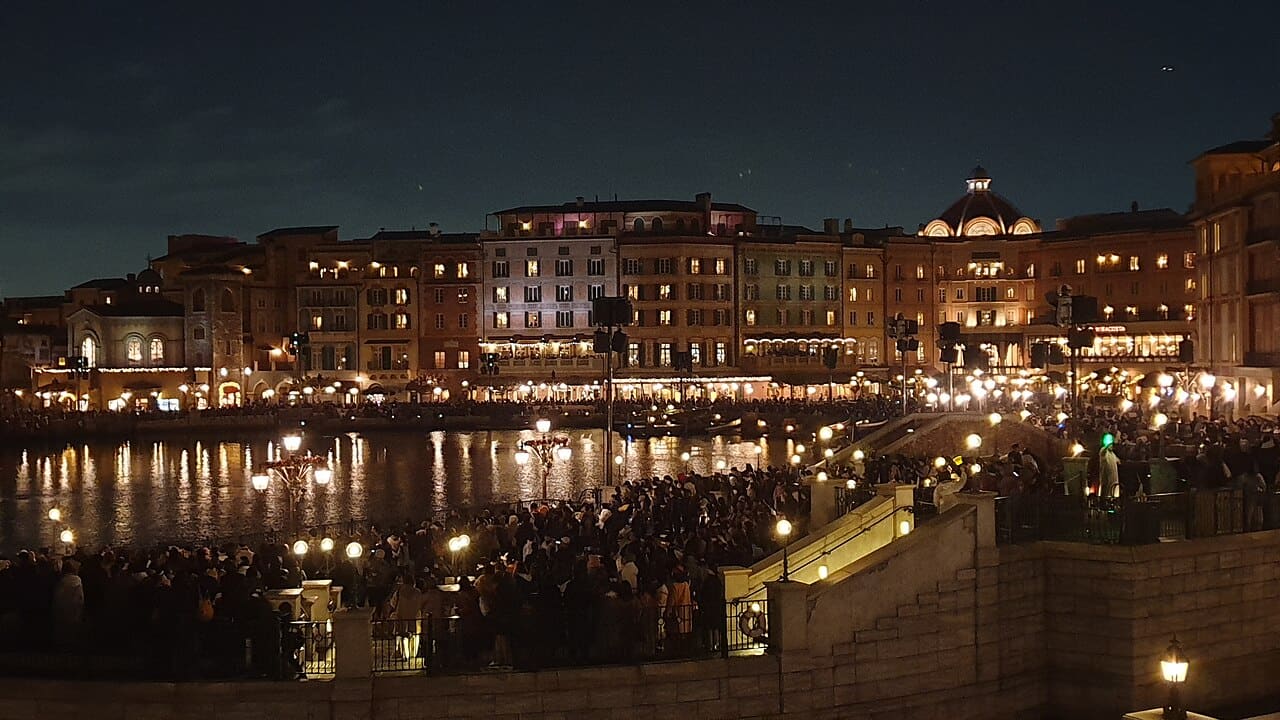
Choose DisneySea — there's barely a contest. The scenic immersion, the option to grab a drink, and the mature atmosphere of the nighttime water show are all designed for adults. The Mediterranean Harbor at night, Mermaid Lagoon's lighting, the Arabian Coast bazaar — every casual snapshot looks like a film still. If you want to take photos, wander slowly, and sit down with a drink to watch the sunset, DisneySea wins outright. Disneyland's fairy-tale charm is lovely, but for a group of adults, DisneySea's "don't want to leave" pull is on another level.
Disney superfans / want the newest & best → DisneySea
Choose DisneySea. First, Fantasy Springs is the newest, highest-priority Disney area in Asia right now — you'll itch to ride it. Second, DisneySea's rides have higher re-ride value (Journey to the Center of the Earth, Indiana Jones, Toy Story Mania, Soaring are all polished headliners). Disneyland's classics (Space Mountain, Big Thunder Mountain, Haunted Mansion) are rides most veterans have done many times, so the novelty is limited. To see "Disney's best recent work," the answer is DisneySea.
The core comparison table: Land vs Sea
Every trade-off above, condensed into one table you can decide from in five minutes:
| Factor | Disneyland (Land) | DisneySea (Sea) |
|---|---|---|
| Identity / vibe | Classic fairy-tale, warm, family | Seafaring adventure, mature, cinematic |
| One of a kind? | No (same DNA as CA/FL) | Yes — the only one in the world |
| Landmark | Cinderella Castle | Mount Prometheus / Mediterranean Harbor |
| Toddler (0–6) friendly | High (Toontown, dense gentle rides) | Medium (headliners skew thrill) |
| Thrill level | Medium (Big Thunder, Space Mountain) | High (Tower of Terror, Journey) |
| Parade / castle show | Strength (daytime parade, castle show) | Mainly the nighttime water show |
| Fantasy Springs (2024 new) | None | Yes (Frozen/Rapunzel/Peter Pan) |
| Alcohol in park | No | Yes |
| Photo atmosphere | Bright fairy-tale | Film-grade sets, strong at night |
| Amount of walking | Medium (compact layout) | High (spread-out ports, elevation) |
| Best for | Young kids, first-timers, parade fans | Adults / couples / superfans / newest rides |
If you finish the table and still can't decide, use the simplest filter: is anyone in your group under 6? Yes → Disneyland; no → DisneySea. Nine times out of ten, that one rule settles it.
One day, one park vs two days, two parks
Only one day: don't buy both parks, don't park-hop
People often ask "can I do both parks in one day?" Technically you'd buy two single-park tickets and the parks are 5–10 minutes apart — but in practice doing both in a day is rarely worth it. You can't even finish one park's headliners in a day, and forcing a switch just means doing both shallowly and paying for an extra ticket. My advice: spend one day fully on one park, pick it with the filter above, and put your time into the headliner queues and shows.
Two days, two parks: Disneyland first, DisneySea second
If you have the time, two days across both parks is the most comfortable way to do it. I'd run the order as Disneyland day one, DisneySea day two, for three reasons:
- Day one, your jet lag hasn't cleared but your energy is higher — spend it on Disneyland's denser, more walking-intensive layout
- DisneySea has higher re-watch value, and its nighttime water show and harbor views deserve to be the finale — leave it for the back half of the trip for the strongest impression
- On the Fantasy Springs day (DisneySea), grab a DPA the moment the park opens — by day two you know the app, so the grab goes smoother
Advanced tip: schedule the busier park on a weekday (Tuesday or Wednesday) to dodge the weekend and holiday peaks. If you're planning your whole Tokyo trip, our 5-day Tokyo itinerary can slot the Disney day into the smoothest spot; families can pair it with our Tokyo family guide for Maihama-area lodging and a midday hotel nap rhythm. For broader planning with kids, see the complete Japan family travel guide; and for packing, connectivity, and tax-free basics before you fly, our Japan travel essentials checklist has you covered.
One last practical reminder: buying DPA, checking live wait times, and scanning e-tickets inside the parks all require a stable connection, and the park public Wi-Fi routinely jams at opening peak — bring your own mobile data plan.
Japan unlimited-data eSIM: stay online to grab DPA and check wait times →Frequently Asked Questions
- Q1:If I can only visit one park with young kids, Disneyland or DisneySea?
- Choose Tokyo Disneyland. The density of ride-able attractions for ages 0–6 is far higher at Disneyland — Toontown, Pooh's Hunny Hunt, Dumbo, "it's a small world", and Minnie's greeting are nearly all low-height-limit, gentle, story-based rides. The daytime castle parade is a highlight that makes small kids light up. DisneySea's signature rides skew toward thrill (Tower of Terror, Journey to the Center of the Earth, Indiana Jones), there are fewer toddler-friendly options, and the park is larger with more walking around water and elevation.
- Q2:Disneyland or DisneySea for adults and couples?
- Choose DisneySea, almost without question. It's the only park of its kind in the world, themed around seafaring and adventure, with sets built like a live-action film: the Mediterranean Harbor, Mermaid Lagoon, Arabian Coast, and the Mount Prometheus volcano. It serves alcohol inside the park, and the nighttime water show "Believe! Sea of Dreams" has a mature, cinematic atmosphere rather than a fairy-tale one. Add the 2024 Fantasy Springs expansion and DisneySea is the park where adults linger and don't want to leave.
- Q3:Which park is Fantasy Springs in — Disneyland or DisneySea?
- Fantasy Springs is at DisneySea, not Disneyland. It opened on June 6, 2024 and is the largest expansion since DisneySea first opened in 2001. It is divided into three film-themed lands — Frozen Kingdom, Rapunzel's Forest, and Peter Pan's Never Land — with four attractions and the on-site Fantasy Springs Hotel. If you're visiting specifically for the Frozen or Rapunzel rides, DisneySea is your only option.
- Q4:For Disney superfans who want to ride the most, which park?
- Choose DisneySea, for two reasons. First, Fantasy Springs is the newest, highest-priority Disney area in all of Asia right now — superfans who haven't ridden it will be itching to. Second, DisneySea's ride lineup has higher re-ride value (Journey to the Center of the Earth, Indiana Jones, Toy Story Mania, Soaring are all polished signature attractions). Disneyland's classics (Space Mountain, Big Thunder Mountain, Haunted Mansion) are rides most veterans have done many times. If you want to see Disney's biggest recent investment, the answer is DisneySea.
- Q5:Can one ticket move freely between the two parks?
- No. A 1-Day Passport admits you to a single park only (either Disneyland or DisneySea) for the whole day — you can't switch mid-day. The two parks are about 5–10 minutes apart (connected by the Disney Resort Line monorail). To do both, you need two tickets across two days, or buy DPA in each park separately. Most families split the two parks over two days.
- Q6:With two days for both parks, what order is best?
- Do Disneyland on day one, DisneySea on day two. On day one your jet lag hasn't fully cleared but your energy and patience are higher, so spend it on Disneyland's denser, more walking-intensive layout. Save DisneySea for day two — it has higher re-watch value, and its nighttime water show and harbor views deserve to be the finale of your trip. Schedule the busier park on a weekday (Tuesday or Wednesday), and on the DisneySea day grab a Fantasy Springs DPA in the app the moment the park opens.
- Q7:How do I get into the Fantasy Springs rides — is DPA required?
- Fantasy Springs rides use either standby (free queue) or DPA (paid priority) — you no longer need a separate timed entry pass to enter the land. But because it's the most popular area in the resort, weekend standby waits routinely run 90–150 minutes, and the three Fantasy Springs DPAs are priced at a flat ¥2,000, often selling out within 30 minutes of park opening. To reliably ride them, buying DPA at park open is the practical move.
Read next
Tokyo Disney Premier Access 2026: Is DPA Worth It?
The verdict on paying ¥1,500–2,500 to skip 90-minute queues, broken down from official DPA pricing.
Tokyo with kids: the honest family guide
Stroller routes, kid-friendly restaurants, and the attractions worth the tantrum risk.
Tokyo 5-day itinerary 2026
A clear 5-day plan: Shinjuku base, two zones per day, honest budget.