In March 2025 we took a 3-year-old and a 7-year-old to Tokyo for six days. The toddler packed a breakneck meltdown schedule: stairs without a lift, a 4 pm dinner reservation with no kids menu, and the Tokyo Metro during evening rush hour. The older child refused to eat fish. By Day 4, we'd scrapped half the original itinerary and simply followed what worked: stroller access, food the kids would actually eat, and attractions where a 7-year-old wouldn't be bored. The family trip I describe below is not the Instagram Tokyo. It is the honest version — where your 3-year-old wins a crane game at an arcade, where you find a quiet park bench, where dinner is a family restaurant chain because their tonkatsu is genuinely good and the kids finish their plates.
- Best base: Shinjuku or Ikebukuro — wide station elevators, multiple hotel chains, close to airport, surrounded by kid-friendly restaurants.
- Must-see attractions (kids 5+): teamLab Borderless (2–3 hours, interactive, ages 6+), Tokyo Skytree (1 hour, high cost but worth it), Sumida Aquarium (90 min, stroller-friendly), Ueno Zoo (half-day, cheap, classic).
- Stroller reality: Allowed on trains, but fold during rush hours (7–9 am, 5–7 pm). Elevators at major stations are good; small shops and shrine steps are not.
- Family restaurants: Saizeriya (cheapest, kids meals ¥300–500), Gusto (Western + Japanese, good variety), Ootoya (home-style bowls, healthier), CoCo Ichibanya (curry, mild options).
- Real 4-day family budget: USD 1,500–2,200 per family of four (hotel, attractions, meals, transit, eSIM) — no theme parks, assume mid-range accommodation.
Tokyo was built for feet, not strollers. But it was also built with an obsessive attention to detail—including, thankfully, elevators at the right places. If you choose your hotel, attractions and meals with stroller logistics in mind, a family can move through Tokyo as smoothly as anyone else, and probably enjoy it more because you're not trying to sprint through a thousand photo spots in five days.
Table of Contents (click to expand)
Picking your base hotel
The single best decision you can make is staying in one hotel for the entire trip. Moving between hotels twice — especially with a stroller, luggage, and a tired toddler — drains more energy than visiting an extra attraction would ever gain you. Your hotel needs three things: an elevator in every hallway (no stairs-only access to rooms), a Western-style bathroom, and proximity to a major station.
Shinjuku is the best base for families. It has the largest station in Japan with lifts connecting every line, the Narita Express and Haneda bus terminals (direct from airport), and you can walk to family restaurants, 24-hour convenience stores, and parks within 10 minutes. Hotels we've used repeatedly:
- Hotel Gracery Shinjuku (the "Godzilla head" one) — reliable mid-range, ¥8,000–12,000/night for a double, kids under 12 stay free. Breakfast buffet is a genuine time-saver.
- Mitsui Garden Hotel Shinjuku Premier — upscale but not outrageous, ¥15,000–18,000, excellent buffet breakfast, large bathrooms (essential with a toddler).
- APA Hotel Shinjuku Kabukicho Tower — budget option, ¥6,000–8,000, tiny rooms but passable. We've never regretted it.
Ikebukuro is the backup choice — slightly quieter than Shinjuku, equally well-connected, with parks nearby (Ikebukuro Koen). Same chains available.
Avoid boutique hotels, ryokan (Japanese inn without western bathrooms), and anywhere with stairs-only access to rooms. Also skip hotels that advertise "cozy rooms" — code for closet-sized spaces where a stroller won't fit.
Family-friendly hotels in Shinjuku
Filter by "free cancellation" + "families with children" + look for "elevator access." The map view helps identify which are closest to JR Shinjuku.
Search Shinjuku family hotels →Stroller logistics: what works and what doesn't
Tokyo's train system is stroller-compatible in principle but exhausting in practice. You can bring a stroller on any train, but the social reality is tight: during rush hours (7–9 am, 5–7 pm) trains are so packed that you'll fold it anyway. Off-peak (10 am–4 pm, after 8 pm), stroller space is not a problem.
Station elevators: The big stations all have lifts. Shinjuku, Tokyo, Asakusa, Shibuya, Ueno, Ikebukuro — these all have wide elevators. At smaller stations, look for ramps or escalators as alternatives; many local lines still have stairs-first designs.
I recommend downloading Hyperdia (app) or using the web version of Navitime Transit — both show you which stations on your planned route have elevators. At a glance: if your journey has stations like "Higashi-Nihombashi" (tiny, no lift), plan a longer route via larger stations instead.
The Tokyo Metro has a feature I love: wide platform screens and station maps in English. Even with a stroller, you can identify which car to board to exit nearest the lift at your destination station — saves 5 minutes of wandering.
Shrine visits: Most shrines (Meiji, Senso-ji, Hanazono) have cobblestone paths and stairs. If your toddler naps at 10 am, visit the shrine during their window — you're not pushing a stroller uphill and everyone's happier. Bring a light carrier (like a Travelfolk pack) as backup; many families carry a compact sling for stairs and temple grounds.
Best family attractions for kids 3–12
teamLab Borderless (Tokyo/Odaiba)
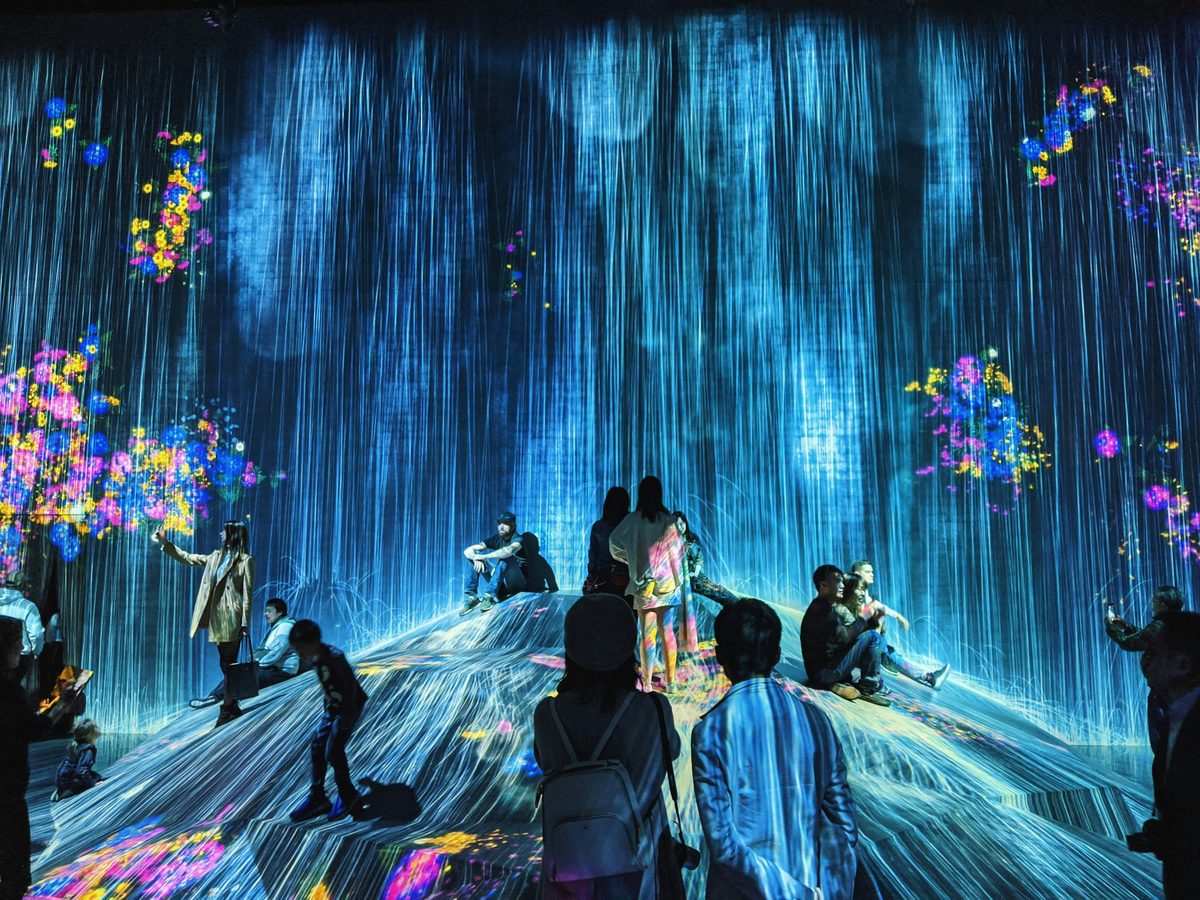
This is the one attraction that justifies the trip for kids 6 and up. teamLab Borderless is an immersive digital art museum: rooms where the walls respond to your touch, floors that react to footsteps, ceilings that bloom with animated flowers. A 7-year-old will spend 2–3 hours and not get bored. A 3-year-old will get overwhelmed by the dark rooms and crowds.
Logistics: It's in Odaiba, a artificial island in Tokyo Bay — 35 minutes from Shinjuku via Yurikamome monorail. The monorail is stroller-friendly and has views. Book tickets 4–6 weeks ahead (often sells out). Wear comfortable shoes; expect to walk 10,000+ steps in the dark. Budget 2.5–3 hours. The museum has a cloakroom but no proper stroller parking — ask staff to store it; they will.
teamLab Borderless Tokyo e-ticket
Date-and-time reservation, QR entry, skip the line. Sells out 2–4 weeks ahead during school holidays.
Reserve teamLab →Tokyo Skytree (Sumida ward)
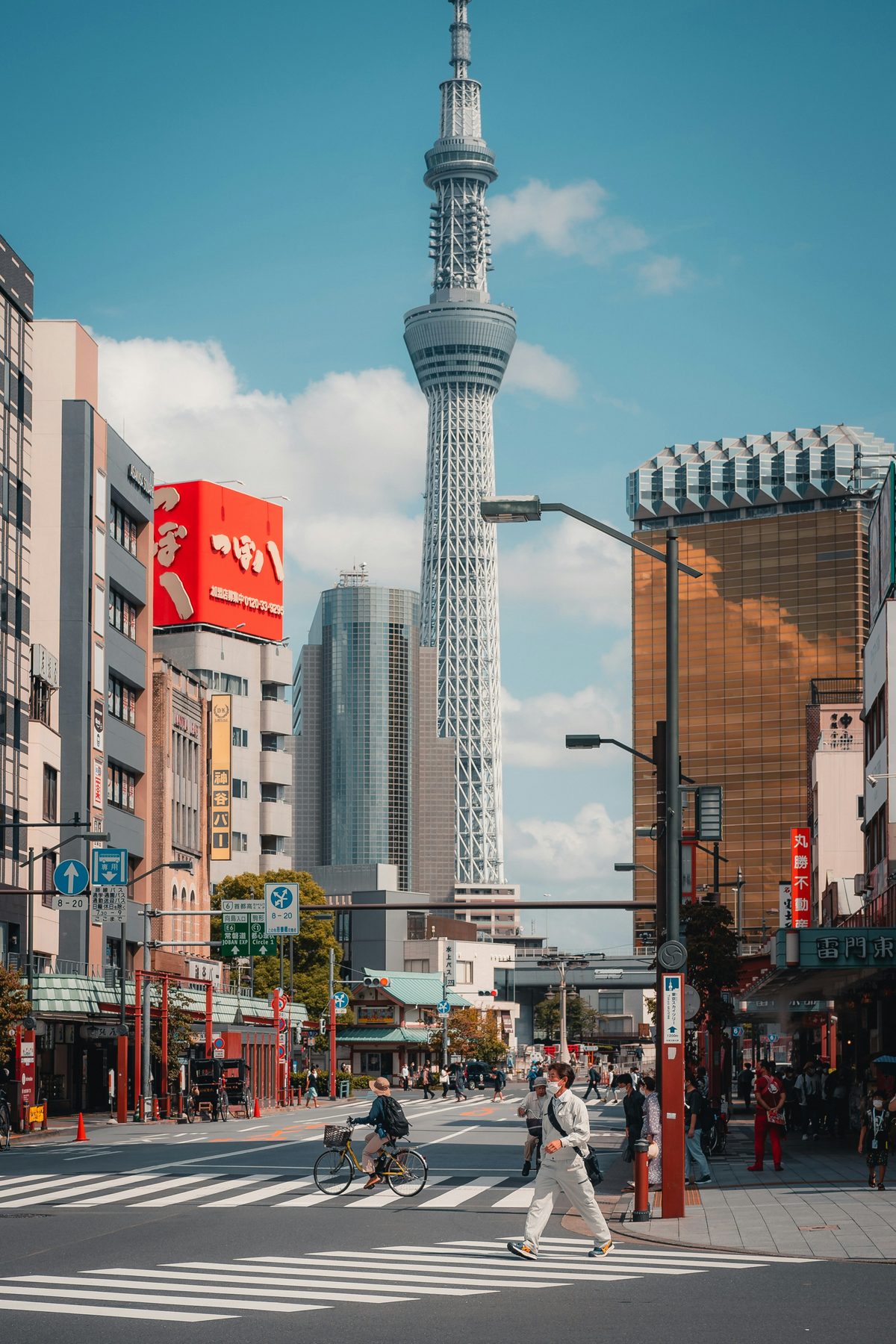
At 634 metres, Tokyo Skytree is the tallest structure in Japan. The view is genuinely worth it — on clear days you see Mt. Fuji. The Tembo Deck (at 350 m) gives you the views. The Tembo Galleria (450 m) is really for completionists; the extra ¥1,100 doesn't buy much more than "we were higher."
With a stroller: The base is stroller-friendly, and you can fold it at the lift to the Tembo Deck. Queues are bad 11 am–4 pm on weekends, but fine on weekday mornings (9–10 am). A 5-year-old will be engaged by the view for 30–45 minutes; a 9-year-old might spend an hour trying to spot landmarks. Younger toddlers (under 3) get bored quickly — come for the elevator ride and views, stay 45 minutes, leave.
Book tickets online 1–2 weeks ahead. At the base, there's a food court and gift shop that don't exploit tourists badly.
Tokyo Skytree admission ticket
Skip-the-queue e-ticket for Tembo Deck. Book 7–10 days ahead for school holidays.
Book Skytree →Sumida Aquarium
Right next to Tokyo Skytree, Sumida Aquarium is one of the cleanest, most kid-friendly aquariums I've visited. No crowds (compared to Ueno Zoo), excellent stroller parking, and genuinely engaging exhibits. There's a penguin feeding area, interactive touch pools, and an underwater acrylic tunnel. A 4-year-old will spend a full 90 minutes here contentedly.
The place is built vertically — elevators between floors, wide hallways, and a nursing room with good facilities. Many families spend 2–2.5 hours and don't feel rushed. Food court at the top is basic but clean (tempura udon, curry rice).
Sumida Aquarium admission
Stroller-accessible, no ticket lines, 90-min visit typical for families with young kids.
Book Sumida Aquarium →Ueno Zoo
This is Tokyo's oldest zoo. It's not cutting-edge, but it's beloved, cheap, and genuinely stroller-friendly. The zoo is laid out as a simple loop — you don't get lost. Stroller paths are paved, wide, and relatively flat. There are nursing rooms every 100 metres. The panda exhibit draws crowds, but off-peak days (Tuesday–Thursday) are manageable. A 5-year-old will spend 2–3 hours happy. Toddlers under 3 might nap in the stroller and miss the animals, but the walk itself is pleasant.
Admission: ¥600 for kids 3–11, free under 3. This is maybe the cheapest attraction in Tokyo. Budget ¥2,000 (lunch at the zoo cafe, a souvenir) per family.
Odaiba (Palette Town) – the budget zone
If you want kid attractions on a minimal budget, Odaiba's Palette Town has a giant Ferris wheel, an arcade with UFO catchers (crane games that toddlers obsess over), and a small science museum. None of it is world-class, but a 6-year-old can happily spend 3 hours winning plush toys and riding the Ferris wheel. The Yurikamome monorail to Odaiba is itself a free attraction — the views over Tokyo Bay are good.
Feeding kids in Tokyo (when they won't eat sushi)
Tokyo's food culture revolves around sushi, ramen and other Japanese food that three-quarters of Western kids refuse. I'll be blunt: do not spend money trying to force your child into sushi. Feed them what they'll eat, and move on.
Saizeriya (Italian chain, ¥500–800 per kids meal): Pasta, pizza, and fried foods. Every kids meal comes with a drink, a small salad, and gelato. It's cheap enough that you don't feel guilty. There are outlets everywhere — walk into any train station basement, you'll find one. Kids can choose their own pasta shape; autonomy buys goodwill.
Gusto (family restaurant, ¥600–1,200 per meal): Better quality than Saizeriya. They have a proper kids menu with tonkatsu (breaded pork cutlet), omurice (omelette rice), and curry. Food is hot, portions are solid, staff expect kids to be there. Often has colouring books. Reservations available on Tabelog — do this during dinner rush (6–7 pm) so you don't wait 20 minutes with a tired child.
CoCo Ichibanya (curry chain, ¥400–700): Curry rice with a million toppings. The "mild" curry is genuinely mild — not spicy. Kids can pile their own toppings. It's self-service so no waiter pressure. Builds confidence in kids age 5+.
Ootoya (home-style teishoku, ¥800–1,500): Healthy, warm meals. Rice, miso soup, grilled fish or vegetable side, pickles. It's the closest you'll get to "homemade," and kids often surprise you by eating fish in this context when they'd refuse raw sushi. Slower, quieter than Saizeriya — good for early dinner.
Yoshinoya (beef bowl chain, ¥600–900): Strips of beef over rice. Kids love the simplicity. Fast, casual, everywhere. No frills but reliable.
Lunch sets (teishoku): At non-chain restaurants, lunch teishoku (set meal) are 20–30% cheaper than dinner. A tonkatsu teishoku at ¥900 lunch becomes ¥1,200 at dinner. Eat lunch at 11:30 am or dinner at 5 pm to beat the rush and nab cheaper pricing.
Convenience stores: 7-Eleven, Lawson, and FamilyMart have decent food. Onigiri (rice balls), bento boxes, fried chicken, even pasta. Your toddler can pick their own snack and feel independent. Total: ¥300–500. Not "good" food, but survival food when you're tired and hangry.
Tap water: Tokyo tap water is safe and delicious. No need to buy bottled water. Most convenience stores have free ice water; restaurants serve it free. Huge money-saver with a thirsty kid.
4-day family itinerary
| Day | Morning | Afternoon | Evening |
|---|---|---|---|
| 1 | Land, hotel check-in, rest | Walk Shinjuku, play in Yoyogi Park | Dinner at hotel buffet (easy), early bed |
| 2 | Tokyo Skytree + Sumida Aquarium (9 am–2 pm) | Asakusa temple (2 hours), food court lunch | Dinner at Saizeriya, back to hotel |
| 3 | teamLab Borderless (9:30 am–12:30 pm) via Yurikamome | Odaiba Palette Town (Ferris wheel, arcade) | Late lunch at conveyor sushi (kids pick their own), early flight home |
| 4 (alt) | Ueno Zoo (9 am–12 pm) | National Museum if kids are interested (1–2 hrs) | Ginza shopping, dinner at Ootoya |
Day 1: You'll arrive tired. Check in to your hotel, rest for an hour (true jet lag mitigation), then take a gentle walk around Shinjuku without a fixed itinerary. Go to Yoyogi Park, find a bench, let the kids run. Eat hotel buffet dinner (they've got kids options, it's easy, you don't have to navigate menus). Sleep.
Day 2: This is your "main" day. Start early (8 am) because queues at Skytree are lightest 9–11 am. Ride the lift up, spend 45 minutes looking at the view, ride down. Walk to Sumida Aquarium (5 minutes), spend 90 minutes there. By 1 pm you're done with both. Lunch at the aquarium food court (nothing fancy, just fuel). Afternoon: Take the Metro to Asakusa (15 minutes from Sumida), see Senso-ji temple (30 minutes with a stroller and crowds), buy taiyaki, sit on the river promenade. Dinner back at Shinjuku — hit a Saizeriya where you don't have to choose.
Day 3 (if staying 4+ days): This is the teamLab or Odaiba day. If you're doing teamLab, wake early, head to Odaiba at 9 am, book a 9:30 am slot. Three hours in, taxi back to Shinjuku, early dinner. If kids are overwhelmed by dark rooms, skip teamLab and do Odaiba Palette Town instead — the Ferris wheel and arcade are fun, low-pressure. Lunch at the mall food court.
Day 4 (optional, if 5+ days): Ueno Zoo. It's the gentlest, most kid-friendly attraction. Less "Instagram-worthy" than Skytree but longer-lasting happiness. Spend 2.5 hours, have lunch at the zoo, walk home slowly. Afternoon: Ginza shopping (low-pressure, window-browse with kids, no purchase pressure). Dinner at Ootoya if you want "real" food, or Yoshinoya if you're tired.
Real family budget
| Category | Family of 4 (budget) | Family of 4 (comfortable) | Notes |
|---|---|---|---|
| Flights (round trip) | $1,200 | $1,800 | Economy, shoulder season vs. peak; higher cost per child than adults |
| Hotel (3 nights) | $600 | $1,200 | APA budget vs. Mitsui Garden; kids stay free at most chains |
| Attractions | $200 | $400 | Skytree ¥2,500 × 2 adults + kids discounts, Sumida ¥2,300, teamLab ¥3,200 × 2 if ages 6+ |
| Food | $250 | $450 | Saizeriya lunches, hotel breakfast buffer, one nicer dinner |
| Transit | $50 | $70 | Suica IC cards, airport limousine (cheaper for family vs. individual tickets) |
| eSIM | $30 | $40 | Shared family plan if available, or two eSIMs |
| Total | $2,330 | $3,960 | Per entire family of 4 for 3 nights |
This budget assumes one hotel for all nights, no theme parks (DisneySea/Disneyland are additional ¥10,900–13,200 per adult + kids), and mostly family chain restaurants. It's honest, not optimized.
Family packing essentials
- Stroller (if you have a toddler under 4): Don't buy a new lightweight stroller for the trip. Use your own if it fits in luggage, or accept the weight. For a week-long trip, renting a stroller locally (¥500–800/day) is not worth it; bring yours or buy a cheap umbrella stroller at Nitori (big furniture chain) and donate it afterward.
- Diapers: Bring ¥500–1,000 worth from home (carry-on), then buy locally at drug stores (Matsumotokiyoshi, Tomod's). Japanese diapers run small — consider going up a size.
- Small medical kit: Kids' paracetamol, antihistamine, anti-diarrheal (just in case), blister plasters. Tokyo has pharmacies, but language barriers exist.
- Clothes: Pack fewer outfits than you think. You can do laundry at a coin laundry (¥300–500 for wash + dry) near any major station, or ask your hotel.
- Shoes: Kids' feet swell in warm weather. Bring one comfortable walking shoe and check the fit daily; consider buying a pair of sandals in Tokyo if they complain.
- Wet sacks: Bring 2–3 waterproof bags for wet swimming clothes, accidents, or rain gear.
- Charger cables: Japan uses Type A plugs (same as US). If you're from UK/EU/SG, bring an adapter.
- Snacks: Bring a few high-calorie snacks (granola bars, dried fruit) to bridge meals. Japanese food can come slower than expected.
Mistakes families make
- Trying to do "too much" in 3 days. You're not on a solo trip. A 3-year-old has 2–3 hours of "productive sightseeing" in them per day. The rest is stroller naps, snacks, and getting from A to B. Plan 1–2 attractions per day, max.
- Booking rush-hour trains. A 7–9 am train with a stroller and luggage is hell. Aim to depart your hotel by 9:30 am or after 10 am.
- Assuming kids will "just eat" Japanese food. They won't. Have a backup plan (Saizeriya, Gusto) in mind for every meal.
- Not using coin lockers and luggage storage. You don't need to carry everything everywhere. Most train stations have coin lockers (¥700–1,000 per day). Hotels store luggage after checkout for free. This saves your back and the kids' mood.
- Visiting shrines and temples during peak hours. Senso-ji at 2 pm is a selfie-stick gauntlet. Go at 9 am when it's peaceful and your kid might actually enjoy it.
- Not booking attractions ahead. teamLab, Skytree, and popular restaurants sell out. Book 4–6 weeks ahead if you're coming during school holidays (April, July–August, December).
- Skipping the parks. Yoyogi, Sumida River, and Odaiba parks are free, have shade, and are where Tokyo locals hang out. Your kids will have as much fun running around grass as paying for an attraction.
- Changing hotels mid-trip. Even a two-hotel trip drains disproportionate energy. Stay in one place.
Connectivity for the whole family
Get an eSIM before you fly. Install it at the gate, activate on landing. For a family, one shared eSIM with a hot-spot works, but two eSIMs (one per adult) is safer — your partner can navigate while the other manages the kids. Buy 7–10 days before departure.
Japan unlimited eSIM (7-day)
Family-friendly: tether multiple phones if you buy one, or grab two for ¥ flexibility.
Get eSIM for the family →Read next
Tokyo 5-Day Itinerary 2026: First-Timer Plan
Adult-focused 5-day plan: Asakusa, Shibuya, DisneySea, Ginza. More attractions, faster pace.
Japan Packing Checklist 2026
What fits in carry-on, what kids actually need, adapters, and the stuff that saves your trip.
Visit Japan Web Complete Guide 2026
Online immigration form that cuts airport lines by 30 minutes — essential with kids in tow.