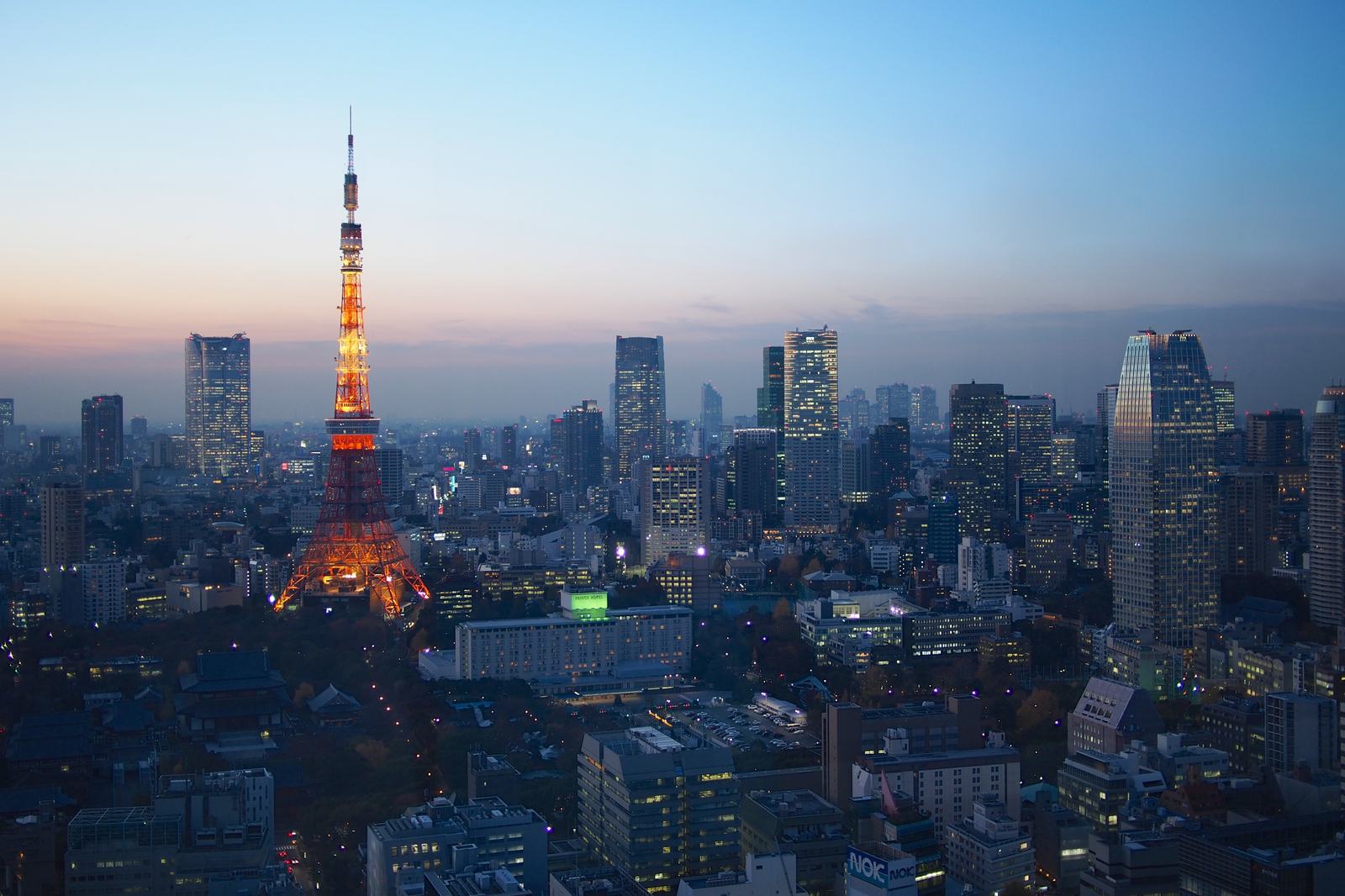
Two facts will reshape whatever plan you currently have. First, the street countdown at Shibuya has now been cancelled by the ward for six consecutive years, and the Hachiko statue is fenced off for most of New Year's Eve. Second, the countdown Tokyo's own metropolitan government actually runs is at the Tokyo Metropolitan Government Building, it is free, and it requires an advance application with a lottery if oversubscribed — last season applications opened in mid-November and closed in early December. Add a third number: sunrise in Tokyo on January 1, 2027 is at 06:50, per the National Astronomical Observatory of Japan. The real barrier to a good Tokyo New Year is not crowds. It is ticketing and application deadlines: observation-deck sunrise tickets go on sale from late November, Zojoji hands out its bell-ringing tickets in person on December 1, and the metropolitan countdown closes applications in early December. This guide splits in two. The first half is what actually happens from New Year's Eve through the first three days of January, including the transport reality that strands the most people. The second half is what a planner should lock in now. Every fact is labelled: confirmed items are stated as fact, anything not yet announced for 2026-27 is flagged as a typical-year pattern rather than dressed up as settled.
📍 This guide covers Tokyo only. Meiji Jingu's hatsumode detail — opening hours over the New Year, the crowd peaks, how to read the visitor figures — is handled in the Meiji Jingu guide. For whether the year-end period is a good time to be in Japan at all, see the Golden Week and Obon guide and best time to visit Japan; both argue for avoiding December 29 to January 3. This guide is for people who have decided to be in Tokyo anyway. Nationwide rules — convenience stores, pharmacies, bank ATMs, deliveries — are in what's open in Japan over New Year, and if you are weighing Kansai instead, Kyoto's New Year is a completely different night — while Osaka adds Toka Ebisu on January 9-11, a three-shrine festival Tokyo has no equivalent of.
- There are no midnight fireworks in Tokyo — not one official display anywhere in the city. To see fireworks at the turn of the year you have to leave Tokyo
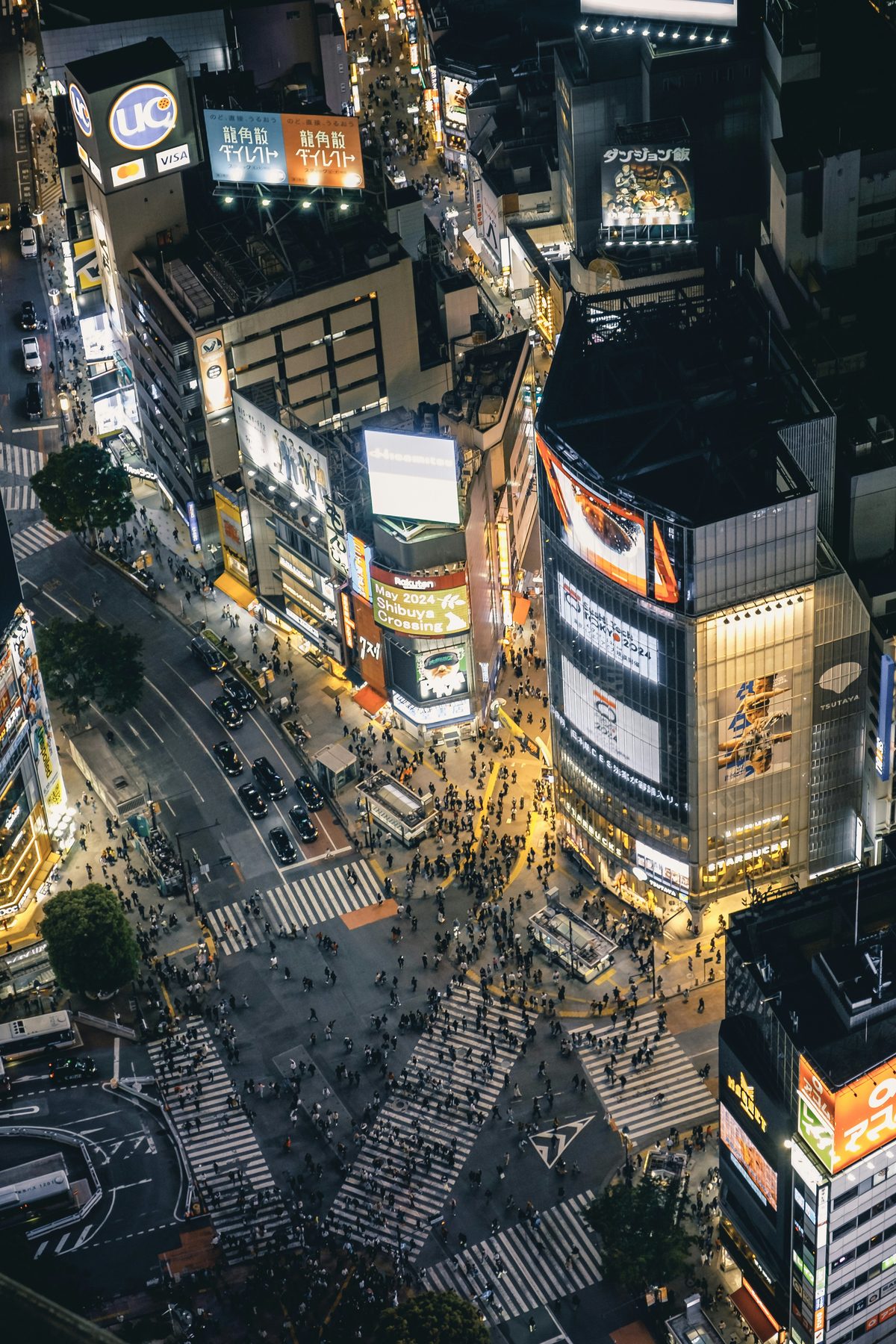
- No Shibuya street countdown, sixth year running: official press release confirms cancellation plus hoarding around the Hachiko statue; street drinking is banned by ordinance year-round, 18:00 to 05:00 — but cancelled event does not mean closed district
- The official countdown is at the Tocho: Happy New Year Tokyo on the Citizens' Plaza is free but needs an advance application, capped at about 2,000 places and balloted if oversubscribed. The 2027 edition is not announced yet; it is typically published in mid-November and applications open the same day (last season Nov 12 to Dec 7)
- Subways stop overnight: Tokyo Metro and Toei run no all-night service. What runs is a handful of JR lines, Keio to Takaosanguchi and Keisei to Narita
- Sunrise 06:50: all four observation decks sell ticketed pre-opening sessions from late November (Tokyo Tower's 209 seats sold out before the end of December last season). Free options are the bayside parks and Mount Takao
- Two pieces of stale advice: you cannot ring the bell at Senso-ji (society members only), and the balloon countdown at Zojoji no longer appears anywhere in the temple's official calendar
📖 Contents
- New Year's Eve: the official countdown is not in Shibuya
- Are there New Year's Eve fireworks in Tokyo?
- The Oji fox parade, straight out of a woodblock print
- The thing that strands people: subways stop
- Joya no kane: where you can ring, where you can only listen
- Sunrise at 06:50: decks, bayside, Mount Takao
- Hatsumode: how Tokyo's shrines actually run
- The first three days: markets, stores, parks
- What to lock in now
- FAQ
New Year's Eve: the official countdown is not in Shibuya
Search in English for a Tokyo New Year countdown and you will be told to go to Shibuya Crossing and count down with tens of thousands of people. That picture has been out of date for six years.
Shibuya: cancelled six years running, and Hachiko gets fenced off
Shibuya Ward's press release of December 3, 2025 leaves no room for interpretation: the Shibuya Countdown executive committee decided to cancel that season's Shibuya Countdown event. The same release sets out the safety measures — temporary hoarding and a press area around the Hachiko statue from 06:00 on December 31 until 01:00 on January 1 — and the ward asks anyone who wants to see the statue to come before December 30 or after the morning of January 1. Nikkei reported the same day that this was the sixth consecutive cancellation, with the rationale having moved from pandemic caution to crowd-crush risk as visitor numbers climbed, alongside street drinking and behaviour issues.
One more rule is worth knowing because it is legislation rather than an event policy. Shibuya Ward's ordinance on securing a safe environment around Shibuya Station has applied year-round since October 2024: within the designated zone around the station, drinking on the street or in parks is prohibited from 18:00 to 05:00, and the zone itself was widened. The old routine of buying a can and waiting for midnight on the pavement now breaks an ordinance.
Now the distinction that matters. What the ward cancels is the street event. Shibuya itself is not closed and not off-limits. Bars, clubs and the observation deck all trade that night, and the district is busy — it is simply that almost everything happening is ticketed and indoors. Event listings advertising things like a "Shibuya Countdown Night Fest" are private venue events, a different animal from the cancelled street countdown. So the working answer for anyone set on Shibuya at midnight is straightforward: buy a ticket to a venue. Do not build the night around the crossing. The ward normally publishes its stance for the coming season in early December.
Happy New Year Tokyo: the countdown the city actually runs
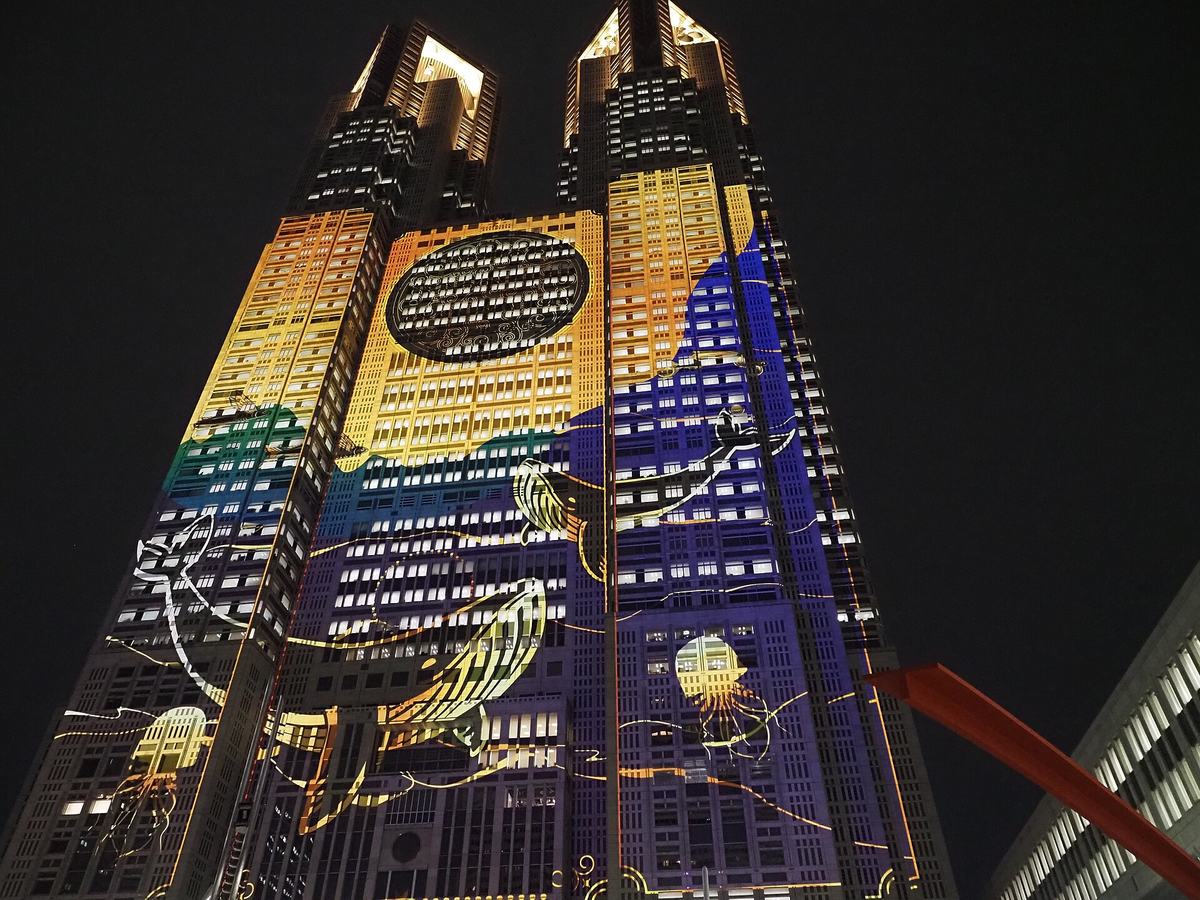
The 2027 edition has not been announced, and when it is announced applications open the same day. The genuinely public-sector countdown happens in Shinjuku, co-hosted by the Tokyo Nighttime Appeal Project committee and the Tokyo Metropolitan Government, on the Citizens' Plaza at the Tokyo Metropolitan Government Building. The last three editions were announced on November 12, 2025, November 22, 2024 and November 28, 2023 — earlier each year, so watch from mid-November. Here is what the previous season, for January 2026, officially involved:
| Item | Confirmed for the 2026 season |
|---|---|
| Main countdown | December 31, 23:30 to around 00:10 |
| Pre-event | From 22:00 (projection-mapping medley on the building, Sanrio character greetings) |
| Doors | 21:30 |
| Admission | Free, but by advance application |
| Capacity | About 2,000 places (stated in the official annex; balloted if oversubscribed) |
| Application window | Nov 12, 2025 14:00 to Dec 7, 2025 23:59, lottery if oversubscribed |
| Programme | Projection mapping by Mika Ninagawa with EiM, Hatsune Miku, Sanrio, Shigekix, MPLUSPLUS DANCERS |
The rows that matter are the capacity and the application window. Free does not mean walk-up: about 2,000 places, balloted, closing in early December. If you wait until you have booked flights in late December to look it up, it is already gone.
Whether non-residents may apply, and whether a Japanese phone number or address is required, has never been stated in the official material. Check the event's campaign site when applications open in November; it only goes live for each edition. Worth knowing separately: the projection mapping on the building, branded TOKYO Night & Light, is a permanent metropolitan programme, not a New Year exclusive, so you can see that facade lit on an ordinary evening too.
Other options
- COUNTDOWN JAPAN is not in Tokyo. The festival turns up on every "Tokyo New Year" list, but it is promoted by Rockin' On Japan and held at Makuhari Messe in Chiba, December 27 to 31 (on December 31 doors at 12:30, start 15:40, finish at 05:00). Budget your transport and accommodation for Chiba accordingly.
- Hotel and club parties are the largest single block of New Year's Eve supply in Tokyo, typically going on sale in November and December as one-off annual packages. Names and prices change every year and there is no central listing. Check the hotel's own page before booking.
- Street countdowns at Tokyo Station and Marunouchi or at Roppongi Hills: no official announcement exists for either. Individual operators do run their own ticketed events at those venues, but do not build an itinerary around a street countdown there.
Are there New Year's Eve fireworks in Tokyo?
No. There is no official fireworks display anywhere in central Tokyo at midnight. Not at Shibuya, not at the Metropolitan Government Building, not at Tokyo Station, not over Odaiba. What happens at the Tocho is projection mapping and a stage programme, not fireworks. The illuminated year numerals on Tokyo Tower get mistaken for a display too: that is tower lighting, it is not a guaranteed annual fixture, and the last official notice said it would not be shown — check the tower's own information page if that photo is the reason you are going. Tokyo Disney Resort closes both parks at 21:00 on December 31, so there is nothing at midnight there either.
If seeing fireworks at the turn of the year is non-negotiable, you have to leave Tokyo. The closest display is at Yokosuka in Kanagawa; beyond that, Universal Studios Japan in Osaka, Huis Ten Bosch in Nagasaki, and the west-coast resorts in Okinawa (mostly restricted to hotel guests, covered in the Okinawa New Year guide). If you are staying in Tokyo, swap the expectation of fireworks for ringing a temple bell at midnight or watching the sunrise at 06:50 — those are what this city actually delivers on this one night, and both are covered below.
The Oji fox parade, straight out of a woodblock print
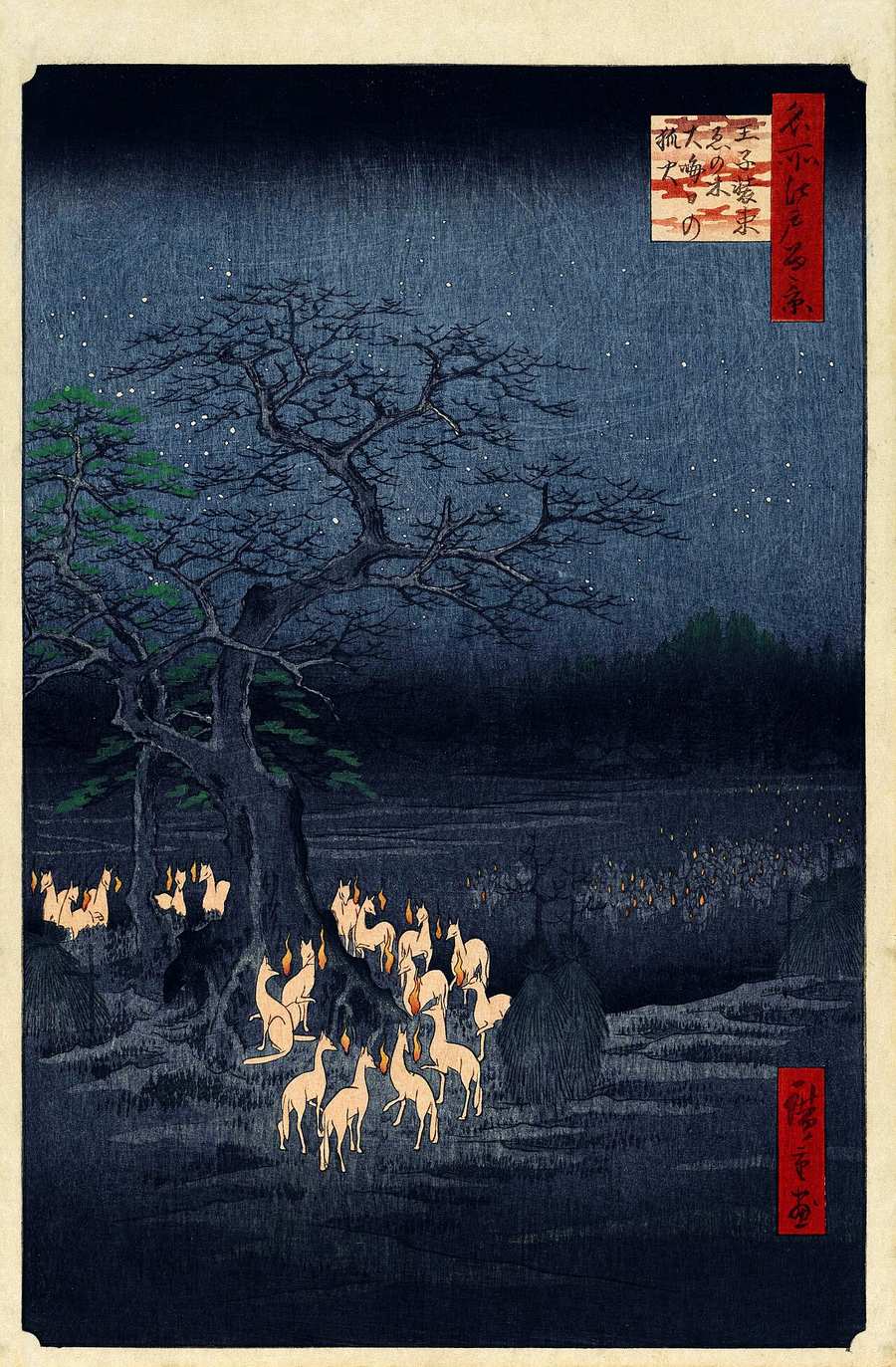
So with Shibuya out, what street-level New Year does Tokyo still have? The answer is the Kitsune no Gyoretsu, the fox parade at Oji in Kita Ward — the most visually striking thing happening in the city at midnight.
Its source is a print: Hiroshige's Foxfires on New Year's Eve at the Changing Tree at Oji, from One Hundred Famous Views of Edo. The legend has foxes from across the Kanto plain gathering at the hackberry tree at Oji on the last night of the year, dressing for the occasion and processing to Oji Inari Shrine, their fox-fires strung out across the fields. Since 1993 local residents have staged the print for real: late on December 31, participants in fox masks and make-up carry yellow lanterns from Shozoku Inari to Oji Inari Shrine.
The typical sequence per the official site: a kagami-biraki sake ceremony in front of Shozoku Inari at 23:00, a countdown and the procession setting off around midnight, a lantern exchange rite en route, then purification, fox-drum music and kagura on arrival at Oji Inari Shrine before the group disperses. The organisers note on their own page that the information reflects the 2024 edition and may change, so treat the timings as a typical-year pattern rather than a schedule for 2026-27.
Two limits to understand before you go. Joining the procession requires an advance application, and applications close early — the official page showed them already closed at the time of verification. And while the procession is moving, some areas are closed to the general public, meaning you watch from the side rather than walk with it. There is also a fox make-up service and a stamp rally capped at 150 people by advance booking.
Even with those limits I would still put it in the plan: it is the one street-level New Year event in Tokyo that is locally organised, rooted in a real ukiyo-e print, and free to watch, which is exactly the gap Shibuya left. Oji sits on the JR Keihin-Tohoku Line, which ran all night last season — and how you get home after midnight is the subject of the next section.
The thing that strands people: subways stop
Tokyo is not a city where the subway runs through the night on New Year's Eve.
Based on rail media compilations of the operators' official notices, Tokyo Metro runs no all-night service anywhere on its network, does not extend last trains or advance first trains, and switches to a weekend and holiday timetable from December 30 to January 3. Toei Subway and the Nippori-Toneri Liner also run no all-night service, on a weekend timetable from December 30 to January 4. What moves after midnight is JR plus two private railways. The table below is the 2025-26 season; the 2026-27 lines and hours are not out yet; last season JR East announced on October 17 and Keikyu on November 28:
| Operator | 2025-26 season |
|---|---|
| JR East | All-night service on six metropolitan lines: Yamanote; Keihin-Tohoku and Negishi (Sakuragicho to Omiya); Chuo-Sobu local (Mitaka to Chiba); Chuo Line rapid (Mitaka to Takao); Yokosuka (Yokohama to Zushi); Sobu Main and Narita (Chiba to Narita, two services each way). The Ome Line, included the previous season, dropped off, replaced by two Musashi-Mitake Shrine sunrise rapid services each way between Tachikawa and Mitake |
| Tokyo Metro | No all-night service, no extended last trains, no early first trains; weekend timetable Dec 30 to Jan 3 |
| Toei Subway / Nippori-Toneri Liner | No all-night service; weekend timetable Dec 30 to Jan 4 |
| Keio | All-night service Shinjuku to Takaosanguchi (locals roughly hourly) plus four southbound Keio Liner services; not on the Inokashira Line |
| Keisei | All-night service Keisei-Ueno to Keisei-Narita (every 20 to 50 minutes) and Oshiage to Keisei-Kanamachi (every 20 to 40 minutes), plus one return Naritasan Kaiun-go service |
| Tokyu / Keikyu | No all-night service, extended last trains only |
| Odakyu / Seibu / Tobu / Sotetsu / Tsukuba Express | No all-night service, weekend timetable |
⚠️ For the Tokyo Metro, Toei and private railway rows above, the operators' original notice pages had expired or were unreachable at verification, so the detail comes from rail media compiling those official announcements. The underlying status — no all-night service — has held for years and is low risk, but confirm the year's specifics against each operator's December notice.
Three practical conclusions follow.
- Which shrine you visit at midnight is effectively decided by the trains. Meiji Jingu (Harajuku and Yoyogi, on the Yamanote), Oji Inari (Oji, on the Keihin-Tohoku) and Mount Takao (Keio plus the cable car) all have a way home after midnight. Hie Shrine in Akasaka and Senso-ji in Asakusa do not — their nearest stations are subway stations, which are shut. Decide how you are leaving before you decide to go.
- December 30 to January 3 is a weekend timetable throughout. This is not just about New Year's Eve: daytime frequencies across the whole period are lower than a weekday and commuter expresses do not run, so add 15 to 20 minutes to every leg. For how the network fits together in the first place, see the Tokyo train and subway guide.
- A Tokyo Subway Pass is a dead asset on New Year's Eve. It is a genuinely good ticket, but the Metro and Toei lines it covers are not running late on December 31. If you buy one, start the clock during the daytime of the first three days for shrine visits and the New Year sales — not for the night itself.
What you will actually need on the night and at dawn is the ability to check live operator notices and navigate on the fly: which line has a train, which exit is closed, what time a park gate opens. Having data working the moment you land removes a lot of friction — KKday's Japan eSIM is a common pick, and the comparison across providers is in the Japan eSIM guide. On a night when the subway stops and restrictions shift in real time, connectivity is worth more than usual.
Joya no kane: where you can ring, where you can only listen
Two pieces of stale advice need correcting here: "ring the bell at Senso-ji" and "watch the balloon countdown at Zojoji".
| Temple | Can visitors ring? | What the official page says |
|---|---|---|
| Zojoji (Minato) | ✅ Yes, paid and limited | The chief abbot strikes the first bell at midnight, then groups of four ring out the 108. A bell-ringing ticket costs a 2,000 yen offering and includes a commemorative item; it is handed out in person from 09:00 on December 1 at the second-floor temple office, two per person, in small numbers |
| Ikegami Honmonji (Ota) | ✅ Yes, free, first come | Numbered tickets from 23:00 on Dec 31 in front of the bell tower, first 600 people, groups of six, free, ringing from midnight. One ticket per person; void if you are absent when called. Vehicle restrictions around the grounds Jan 1 to 3 |
| Senso-ji (Taito) | ❌ No | Rung at Bentenyama from midnight by members of the Hyakuhachi-kai society. Three uncounted sutegane warm-up strikes precede the 108, and the full sequence takes about 40 minutes |
| Kaneiji (Ueno) | ⚠️ Listed as possible, paid | Two locations, the bell house in Ueno Park and the belfry by the main hall. First strike at the turn of the year, 3,000 yen offering per strike with a hamaya arrow and talismans, applications by phone to the temple. ⚠️ The page carries no year and does not mention any "108 people, advance reservation" system |
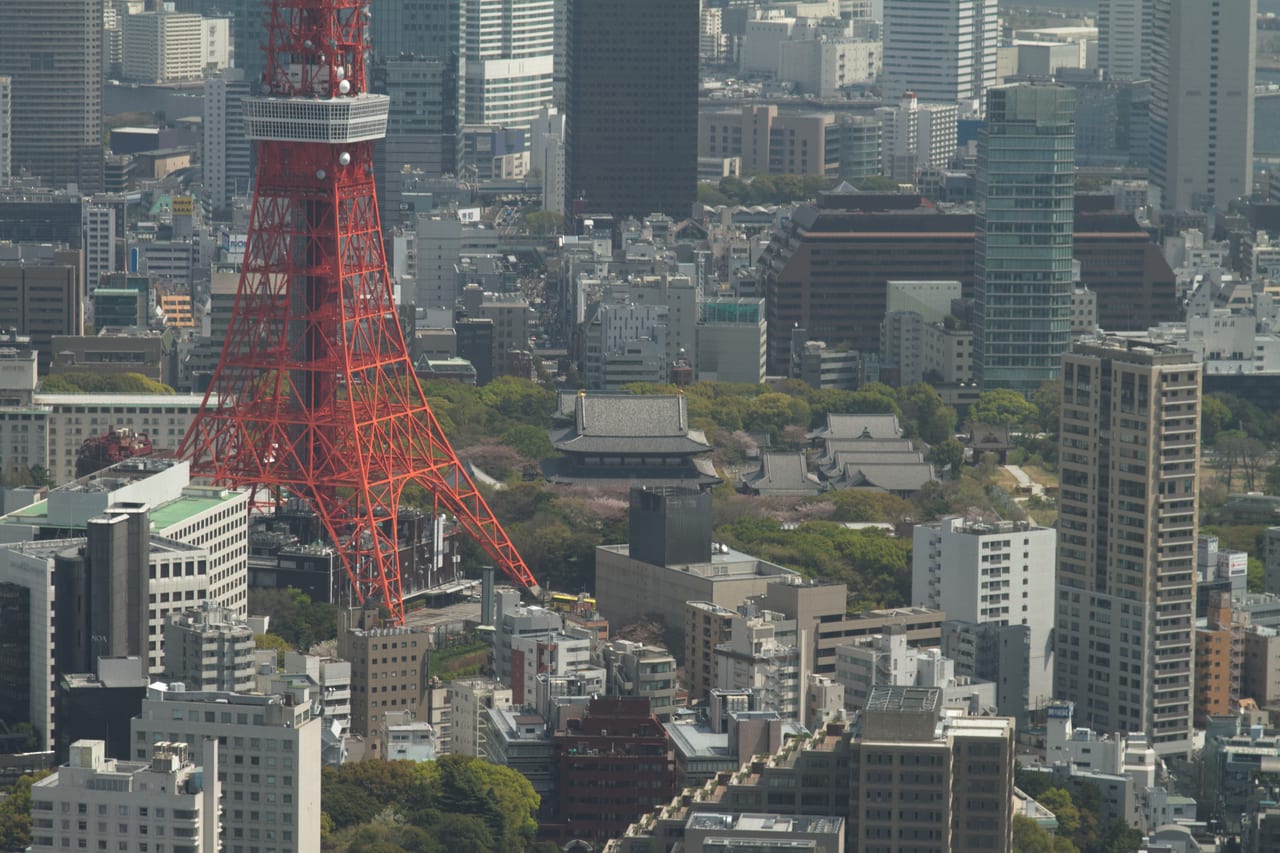
So if ringing the bell yourself is the goal, there are two real answers: Zojoji (paid, tickets from December 1) and Ikegami Honmonji (free, queue from 23:00 on the night). I would take Ikegami Honmonji — free, the clearest published rules, and groups of six means you can go with family or friends. The catch is Ota Ward and a subway network that has stopped, so plan the way back. Choose Zojoji if you want the shot with Tokyo Tower behind the bell, but be at the temple office early on December 1.
Zojoji's other official timings, and an event that no longer exists
Zojoji publishes the fullest New Year schedule of any temple in central Tokyo. For the 2026 season, as a typical-year pattern: the jobon-e fire rite at 23:00 on December 31 in front of the burning ground, walk-up; shushoe at midnight in the main hall; New Year prayers from 00:00 to 02:30 on January 1 with reception from the 00:30 service, then 09:30 to 16:00 on January 1 to 3 in half-hourly slots, 10:00 to 16:00 January 4 to 7 and 10:00 to 15:00 January 8 to 14; the Ankokuden hall and precinct offices open 22:00 on December 31 through 18:00 on January 1, then 09:00 to 17:00; and food stalls from New Year's Eve through January 7.
Two practical notes. The Sangedatsumon main gate is closed to through traffic from the evening of December 31 until January 4 because of restoration work, with pedestrian routing under police direction — the temple's own two pages disagree on whether the closure starts at 19:00 or 21:00, so no time is stated here; follow signage on the night. And the visitor car park has been abolished for the period, so driving there is a bad idea.
Finally, a long-lived piece of misinformation. The "3,000 balloons released at midnight" event at Zojoji does not appear anywhere in the temple's current calendar of annual observances, which lists only the fire rite, the bell, shushoe and New Year prayers. No official source states a year for when it ended, so no year is given here. The Zojoji New Year as it now exists is the quiet version: the bell, the liturgy, the food stalls, no balloons.
Sunrise at 06:50: decks, bayside, Mount Takao
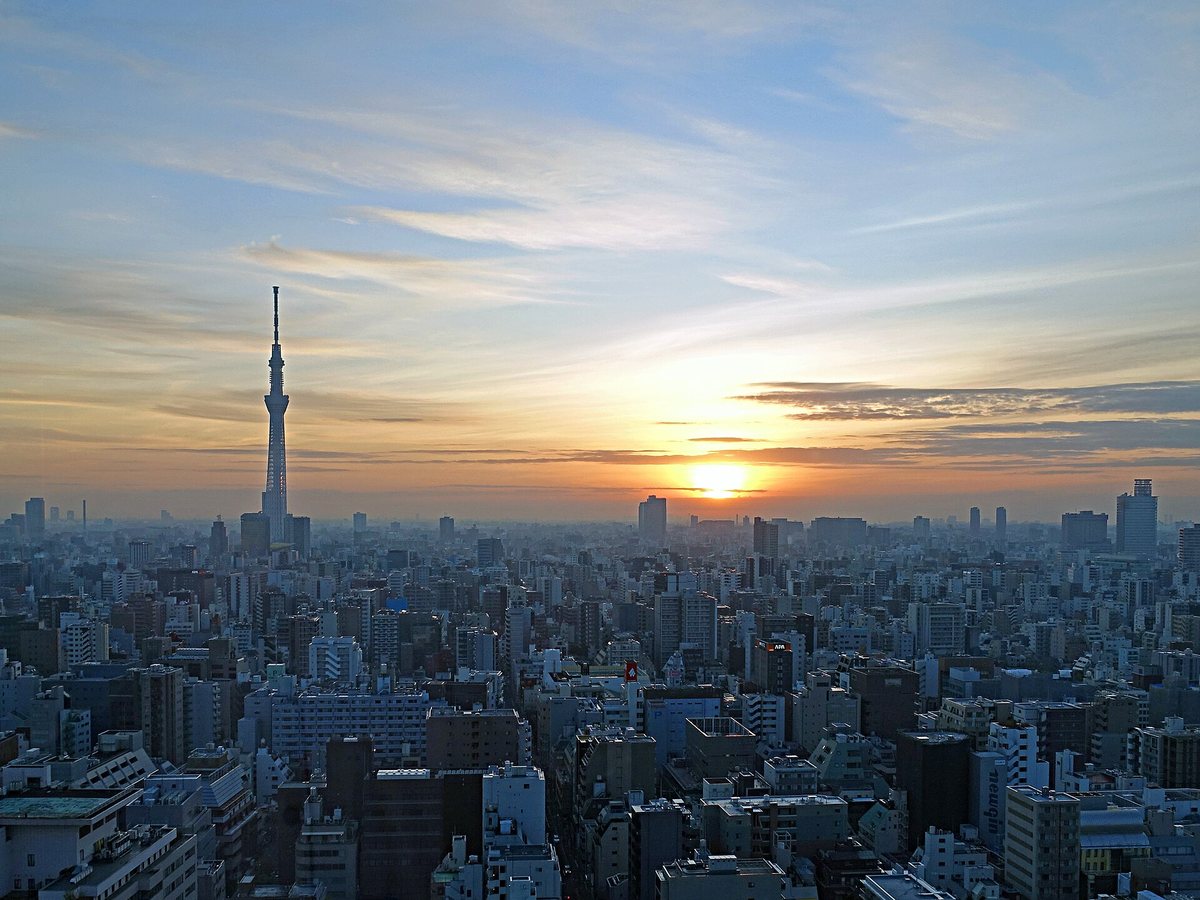
Per the National Astronomical Observatory of Japan, sunrise in Tokyo on January 1, 2027 is at 06:50 and sunset at 16:38, with January 2 and 3 both at 06:51. The sun rises roughly to the east-southeast. That time matters more than it looks: it is later than most visitors assume, so you can see in the new year in the city and still make it somewhere for dawn — but it also means you will be standing outdoors through the coldest hour of the day.
Observation decks: ticketed, and they sell out in November and December
All four major decks run special sessions before normal opening on January 1. Every one requires a ticket bought in advance, and last season all four were first come, first served rather than ballot. None of the four has announced its 2027 edition yet, and details and prices only land between late November and early December — last season Skytree announced on November 27 and sold from December 1, SHIBUYA SKY sold from November 27, and Roppongi from December 5. The table below is what the January 2026 edition officially involved, useful as an order of magnitude rather than as current prices:
| Venue | January 2026 edition | Sale and capacity |
|---|---|---|
| Tokyo Skytree | Jan 1, 05:30 to 07:30 (entry 05:30 to 06:00), 800 people, 9,000 yen including both decks and a 1,000 yen shop voucher | 540 tickets online, first come, from 12:00 on Dec 1, max five per application; the rest allocated via hotel packages, department-store lucky bags, shopping campaigns, social media and travel agents |
| Tokyo Tower "Hatsuhi no Kai 2026" | Jan 1, 05:50 to 08:30 (doors 05:50, venue's own stated sunrise 06:51, held in rain). Seven seating types, 209 people total, from 12,000 yen standing to 40,000 yen on the 250 m Top Deck | All seven categories were sold out at verification. Perks included exclusive use of the deck until 08:30, a limited medal, a lucky bag and a Main Deck ticket valid on another day |
| SHIBUYA SKY "New Year prayer" | Jan 1, 06:00 to 08:30 (entry 05:30 to 08:30, last entry 06:30, venue's own stated sunrise 06:50, rite 07:10 to 07:30), 8,200 yen, 330 tickets only. An altar on the rooftop, the rite led by a priest from Konno Hachimangu, Shibuya's tutelary shrine, with a sky amulet, an Akita cedar cup, sake or amazake and a 500 yen voucher | On sale 10:00 on Nov 27, first come, five per person; no cancellation or refund; rooftop closes and the rite is scaled back in rain or high wind |
| Tokyo City View, Roppongi | Jan 1, 06:00 to 08:00 (reception 05:50, last entry 07:30, venue's own stated sunrise around 06:50). 40,000 yen per block for up to five people including a lucky bag, 15 blocks only | Advance application, first come, from 12:00 on Dec 5 |
How I would choose between them, plainly. SHIBUYA SKY is the best value — 8,200 yen buys the rite, an amulet and a voucher, and it is an open-air rooftop with the whole skyline in view. Tokyo Tower is the priciest and the fastest to sell out: from 12,000 yen, and all 209 seats gone before the end of December last season, so start watching in November. Roppongi is sold by the block, 40,000 yen for up to five, which only makes sense with a full group and is the worst deal for a couple. Skytree is the highest but also the most expensive single ticket at 9,000 yen, and you are behind glass. Sunshine 60 in Ikebukuro and others also run their own January 1 sessions; no official page was obtained for those, so no detail is given here.
For a sense of the premium, compare with ordinary admission: Skytree's standard adult combination ticket is ¥3,000+, the Tokyo Tower Main Deck is ¥1,500, and SHIBUYA SKY booked online for a slot after 15:00 is ¥3,400 (entry before 14:59 is cheaper at ¥2,700 — the official fare splits first by web versus counter, then by whether you enter before or after 15:00, and both a countdown night and an evening skyline sit in the pricier band). You are paying three to twenty times normal for a pre-opening slot with a seat or exclusive access on one specific morning. If you only want the view, go on December 29 or January 2 instead and pay a fraction; the decks are compared in Tokyo Tower versus Skytree and Shibuya Sky versus the other observatories.
Free outdoor spots: the bay parks and a miniature Fuji
If you would rather not pay, the parks along Tokyo Bay are the default. The early opening times below come from previous seasons and in several cases the official notice pages have since expired, so check the current year's announcement for each park:
- Nishi-Nagisa, Kasai Rinkai Seaside Park (Edogawa): has opened early at 06:00 on January 1 in past seasons. Note that the Ferris wheel, aquarium and restaurants on the adjacent Kasai Rinkai Park side are not open at that hour — expect toilets and vending machines, nothing else.
- Tsubasa Beach, Jonanjima Seaside Park (Ota): has opened at 06:00 on January 1 against 08:30 normally, with the car park also opening at 06:00 rather than 07:30. The draw is aircraft on approach to Haneda in the frame.
- Shibaura South Pier Park (Minato): 06:00 opening in past seasons, Rainbow Bridge in view.
- Wakasu Seaside Park (Koto): the Tokyo Gate Bridge in view.
- Keihinjima Tsubasa Park (Ota) and the Tamagawa Sky Bridge: free, facing the Haneda runways and toward Mount Fuji.
- Shinagawa Shrine's miniature Mount Fuji (Shinagawa): a five-minute climb up a fujizuka for height — the option for people who want the ritual without a trip to the coast.
On crowds, only a qualitative statement is defensible: media reporting describes arrivals building one to two hours before sunrise, with car parks filling early. Any specific "arrive by X to get a spot" figure has no official basis and is not invented here. What you should prepare for instead is wind. A January dawn in Tokyo feels far colder than the thermometer suggests, and an hour standing on a sea wall is nothing like walking around the city.
Mount Takao: the only sunrise spot in Tokyo with full overnight transport
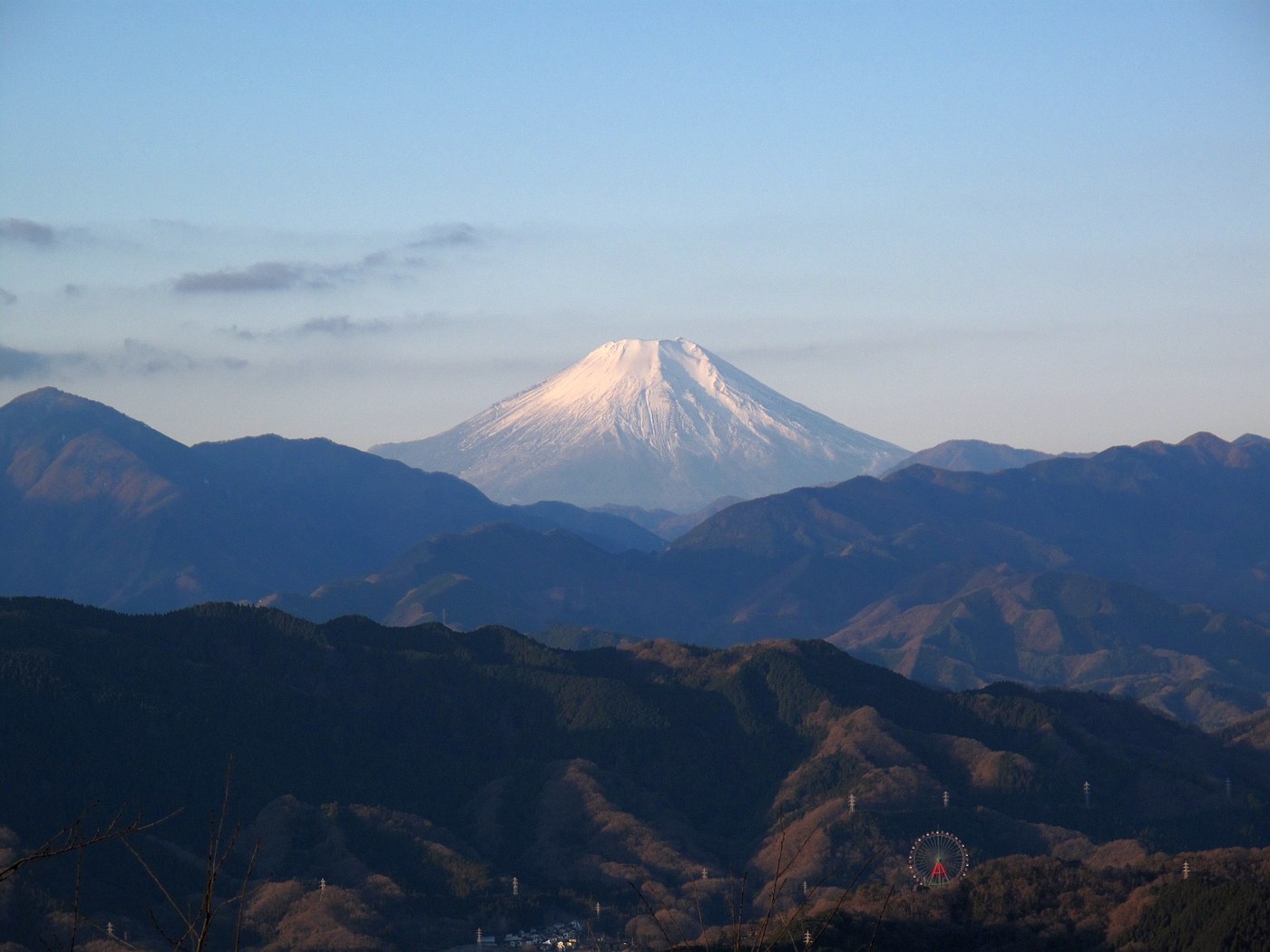
If I had to recommend one sunrise spot inside Tokyo Metropolis, it would be Mount Takao in Hachioji — and the reason is transport rather than scenery. It is the only option where both the railway and the cable car run overnight: Keio operates all-night service from Shinjuku to Takaosanguchi (locals roughly hourly last season, plus four southbound Keio Liner services), and the Takao Tozan Railway ran its cable car overnight over the last year-end period too (per last season's information, the cable car ran from 20:00 on December 31 through the night and on January 1 until a final descent at 18:00, with the chair lift running 05:00 to 17:30 on January 1). That means you can see in the new year in the city and go straight up the mountain for the 06:50 sunrise.
Fares are current official figures: the cable car and chair lift share a fare table at ¥980 return and ¥490 one way for adults, ¥500 return and ¥250 one way for children. A stale figure of 950 yen return still circulates widely online; that was the pre-October 2023 fare, so budget on 980 yen. The operator also notes that hours over the year-end period and during the beer garden season differ from the standard timetable, which is another reason to treat last season's overnight schedule as a pattern rather than a promise.
Takao is 599 m, the summit at dawn on January 1 is a different climate from the city, and it is the single busiest day of the year with long queues for the cable car. For a step up, JR ran two Musashi-Mitake Shrine sunrise rapid services each way to Mitake last season on the Ome Line side. And Mount Kumotori, at 2,017 m the highest point in Tokyo Metropolis, is a genuine mountaineering objective requiring a night on the mountain — do not let the words "in Tokyo" fool you.
Hatsumode: how Tokyo's shrines actually run
How to bow, what nininmairi means, how to buy an arrow or draw a fortune — those are nationwide questions, covered in the hatsumode guide rather than here. This section is about the operational reality at Tokyo's shrines: opening hours, queue routing, and where people go wrong.
Meiji Jingu: where the amulet and goshuin desks move to
The full Meiji Jingu treatment — official congestion windows, the New Year opening and closing schedule, how to read the visitor numbers — is in the Meiji Jingu guide. One thing catches people out on the night: during the New Year period the amulet, talisman, fortune and goshuin desks are not near the main hall. They are set up at two separate locations, in front of Meiji Jingu Kaikan on the Harajuku and Yoyogi side, and on the grass at Nishi-Sando toward Sangubashi. Plenty of people reach the hall and then hunt fruitlessly around it. Also note that traffic restrictions apply around Harajuku Station from December 31 to January 3, with the precise extent set by Harajuku Police Station.
Senso-ji: queue from Kaminarimon, you cannot cut in from a side lane
Asakusa draws one of Tokyo's densest New Year crowds, and it has one operational rule that is genuinely useful and rarely written down. Per the Asakusa Tourism Federation's official guidance (2025 edition): traffic restrictions run from the evening of December 31 through January 3, and late on New Year's Eve, Nakamise-dori becomes one-way toward the temple — you must join the queue at Kaminarimon and cannot enter from the side lanes partway along. Knowing that saves you a wasted detour looking for a shortcut.
On the official calendar, shushoe is observed for seven days from December 31 through January 6, and the bell rules are covered above (you cannot ring it). ⚠️ The times circulating online for the main hall have no official source. The precinct is largely open ground; the hall keeps its own hours, so check the official notice before you go.
Hie Shrine: for a real rite without being crushed
If what you want is a Japanese New Year rather than a crowd photograph, Hie Shrine in Akasaka is my first pick. Two reasons: it publishes the most complete schedule of any major shrine in Tokyo, and there is a formal rite at the very moment it opens at midnight.
| Item | Official notice |
|---|---|
| Gates | Jan 1, 00:00 to 18:00 / Jan 2 to 6, 06:00 to 18:00 / Jan 7 onward, 06:00 to 17:00 |
| New Year prayer reception | Jan 1 from about 00:40, after the Wakamizu rite, until 17:00 / Jan 2 to 6, 09:00 to 17:00 / Jan 7 onward, 09:00 to 16:00 |
| Interruptions | Jan 1 suspended 06:15 to 08:30 for the 07:00 Saitansai; Jan 3 starts at 09:30 after the 08:00 Genshisai |
| Wakamizu rite | Midnight on January 1 in the main hall, including a Noh piece, Hitori Okina, performed by Yamashina Yaemon XII — the okina dance without mask, without the Senzai and Sanbaso roles and without accompanying musicians |
| Auspicious items | Hamaya arrows, zodiac plaques, clay bells, carved figures — while stocks last |
| Normal times, for contrast | Gates 06:00 to 17:00 / amulet and goshuin desks 08:00 to 16:00 / prayer reception and treasure hall 09:00 to 16:00 |
A Noh offering at midnight on January 1 is not something many shrines do, and Hie is served by three stations — Akasaka, Tameike-Sanno and Kokkai-Gijidomae — which makes it very easy by day. The problem is getting away: all three are subway stations, and there are no trains after midnight. Seeing the Wakamizu rite means accepting a walk out or a wait until dawn. The shrine also posts a separate year-end notice page each season; use the current year's version.
Kanda Myojin and Zojoji: two different jobs
Kanda Myojin in Chiyoda is the tutelary shrine of old Edo, and its sharpest modern identity is business and IT fortune — it also sits next to Akihabara, which makes it easy to pair with a day's plan. The first rite of the year takes place at midnight. ⚠️ The shrine's home page lists year-end desk hours and New Year visit notices, and the hours circulating on travel platforms have no official source. Check the shrine's own site for the timetable.
Zojoji in Minato offers something different for hatsumode: the Kurohonzon Amida Buddha, Tokugawa Ieyasu's personal devotional image and a deity of victory, with New Year prayer slots as listed above — plus Tokyo Tower directly behind the halls. Two practical points to carry over: the visitor car park is gone and the main gate is closed with rerouting in force.
Tokyo Daijingu and Tomioka Hachimangu are popular too; check their own pages for New Year hours. If you want to collect New Year goshuin along the way, the rules and etiquette are in the Japan goshuin guide, though whether a given shrine issues a New Year design, and under what rules, must be confirmed on site. If Tokyo simply feels too crowded, Tsurugaoka Hachimangu in Kamakura is a genuine alternative — see the Tsurugaoka Hachimangu guide.
The first three days: markets, stores, parks
Once the countdown and the sunrise are done, the thing that derails the remaining days is assuming places are open when they are not.
Tsukiji Outer Market: the official line is "ask the shop"
Tsukiji Outer Market states on its own official page that the closure calendar shown there belongs to the Tokyo Metropolitan Central Wholesale Market, that some outer-market shops close as well, and that opening days must be confirmed with each shop directly; it publishes an annual calendar PDF for cross-checking. If you have seen a "closed December 30, reopens January 5" schedule, it does not come from the market itself. What the market does say: there is no unified schedule, late December is the busiest period of the year, most shops close over the first three days of January, and trading picks up gradually in early January.
Ameyoko: to see the famous scene, move your dates earlier
The Ameyoko year-end scene — shoulder-to-shoulder crowds buying New Year seafood, vendors shouting prices down — is one of the most recognisable images of December in Tokyo. But there is a timing mismatch worth understanding: the peak is December 28 to 30, and by New Year's Eve and January 1 the street is quiet, with most stalls shut until January 2 or later. If that is what you came for, schedule it before the countdown, not after. (The visitor-number figures quoted on television news have no official statistical basis.)
Department stores: closed on January 1
Per industry figures for the previous season in the Tokyo area, Mitsukoshi Isetan, Odakyu, Keio, Sogo and Seibu, PARCO and Lumine and Newoman all closed on January 1 and started their New Year sales on January 2, with Matsuya Ginza on January 3; shopping centres and outlets more often open on January 1. Two caveats: 2027 dates are announced store by store in December, so do not reuse last season's table, and some published round-ups list certain department stores as opening on January 1 — no official confirmation was obtained for that, so it is not stated here. The same applies to lucky bag contents and prices.
Tokyo Disney Resort: the event and the parks are separate questions
Precision matters here because the misunderstanding is expensive. Tokyo Disney Resort's official calendar states that its New Year's Eve event will not be held on December 31, 2026 at either park; it was not held the previous season either. That is the special overnight ticketed event, historically allocated by lottery — not a park closure. Both parks are open 09:00–21:00 on December 31 and January 1, and New Year decoration and merchandise appear from January. If your plan was to be inside the park at midnight, drop it. No reason for the pause has been published officially, so treat online explanations as speculation.
For reference, Tokyo Skytree extended its opening hours from December 27 to January 4 last season, and on January 1 resumed normal operation from 08:00 after the sunrise session ended — again, last season's arrangement, to be confirmed against the current year's notice.
What to lock in now
Here is what to do now, separated from what only becomes clear between October and December.
Lock in now
- Accommodation and flights. December 29 to January 3 is one of the highest-demand travel windows in Japan, central Tokyo hotels and inbound flights peak together, and school holidays across East Asia overlap it. No specific rates or percentage increases are quoted here, because those move daily and writing them down only misleads — but the direction is clear: fix your location and cabin early. The location logic is unusually simple this week of the year: stay on the JR Yamanote Line, because those are the trains that run when the subways stop. Use Trip.com to compare Tokyo hotels for a current price band before you commit. December in Tokyo also overlaps illumination season, and the logic of combining the two is in the Tokyo winter illumination guide.
- Decide your sunrise priority now. The genuinely scarce item on this trip is a deck ticket, not a hotel room. Last season SHIBUYA SKY opened sales on November 27, Skytree on December 1 and Roppongi on December 5, and Tokyo Tower was fully sold out before the end of December. If a deck is the plan, start watching official pages in late October.
- The Happy New Year Tokyo application. Free, but balloted, opening in mid-November and closing in early December last season. It is the one free event where not setting a reminder now means missing it entirely.
- If Hakone is going into the plan for 2 or 3 January, block out the travel hours first. Those are the Hakone Ekiden days: Route 1 through the mountains is closed while runners pass, several mountain bus routes are suspended, and Hakone-Yumoto Station may restrict platform entry — which lands squarely on the common pattern of staying in Hakone on New Year's night and returning to Tokyo on the morning of the 2nd. Safe travel windows are after 15:00 on the 2nd and after 09:30 on the 3rd; details in what closes in Hakone during the Ekiden.
What only becomes clear from October to December
| Item | Expected timing | Where to check |
|---|---|---|
| Observation-deck sunrise sessions and sale dates | Last season SHIBUYA SKY sold from Nov 27, Skytree announced Nov 27 and sold from Dec 1, Roppongi sold from Dec 5 | Each venue's official site or press release |
| Happy New Year Tokyo application rules and eligibility | Typically announced mid-November, applications open the same day (last season Nov 12, closing Dec 7) | Metropolitan government press releases / campaign site |
| JR East and private railway all-night services | JR East October 17 and Keikyu November 28 last season | Each operator (the line list shrinks year on year) |
| Shibuya Ward's stance and restriction zones | Typically early December press release (last season Dec 3) | Shibuya Ward official site |
| Zojoji bell-ringing tickets | In person from 09:00 on December 1 (typical) | Zojoji site and temple office |
| Oji fox parade participation applications | Typically autumn, closes early | Kitsune no Gyoretsu official site |
| Department store sale dates and lucky bags | December | Each store's site |
| Shrine and temple New Year schedules | Early December | Each shrine or temple site |
| Hakone Ekiden road closures and bus suspensions (affects leaving Hakone on Jan 2–3) | Organisers mid-November; bus operator late December | Organisers' site, Hakone Tozan Bus news listing |
How I would run the four days
- Dec 30 — Ameyoko for the year-end shopping scene, which only exists on these dates; Skytree or a museum in the afternoon; sleep on the Yamanote Line.
- Dec 31 — keep the daytime light (weekend timetable, shops closing progressively); soba in the early evening; then choose between the Oji fox parade (free to watch, and the Keihin-Tohoku ran all night last season) and Ikegami Honmonji (queue at 23:00, ring at midnight). If you won the Tocho ballot, Shinjuku instead.
- Jan 1 — sunrise: a deck if you have a ticket (be inside before 06:00), otherwise Jonanjima or Kasai, or Keio's all-night service up to Mount Takao. Sleep in the afternoon, then visit Hie Shrine later in the day, when its gates are open until 18:00 and the subway is running again.
- Jan 2-3 — New Year sales from January 2; Asakusa and Kanda Myojin once the subways are back to a normal pattern; leave Tsukiji Outer Market for the second week and cross-check the official calendar first.
Tokyo is not a city-wide street-party New Year. The official street countdown has been off for six years, the subways stop at midnight, and much of what visitors picture simply does not exist here. What it has instead is different. At midnight you can put your hands on a rope and ring a bell at a temple that has stood since the Edo period, or follow a line of lantern-carrying foxes through the back streets of Kita Ward. Seven hours later you can watch the year's first light from an open rooftop 230 metres up, or from a sea wall beside the Haneda runways. There is one condition: you have to start in November, not in late December.
Frequently Asked Questions
- Q1:Is the Shibuya Crossing countdown still a thing on New Year’s Eve?
- Not any more. Shibuya Ward said so in plain language in its official press release of December 3, 2025: the Shibuya Countdown executive committee decided to cancel that season’s Shibuya Countdown event. Reporting by Nikkei the same day noted it was the sixth consecutive year of cancellation, with the stated reasoning shifting from pandemic-era caution to crowd-crush risk as inbound numbers rose, plus street drinking and behaviour problems. The same press release also states that temporary hoarding and a press area would be installed around the Hachiko statue from 06:00 on December 31 until 01:00 on January 1, and the ward asked anyone who wants to see the statue to come before December 30 or after the morning of January 1. Separately, Shibuya Ward’s ordinance on securing a safe environment around Shibuya Station has applied year-round since October 2024: drinking on the street or in parks within the designated zone around the station is prohibited from 18:00 until 05:00 the following morning. That is an ordinance, not a temporary event rule. But get the distinction right. What is cancelled is the street countdown event, not access to Shibuya. Bars, clubs and observation decks trade as normal that night, and most of what happens is ticketed and indoors. If you want to be in Shibuya at midnight, buy a ticket to somewhere with a roof, do not plan on standing at the crossing. Shibuya Ward normally publishes its position for the coming season in early December.
- Q2:Do trains and subways run all night in Tokyo on New Year’s Eve?
- Mostly no, and this is the fastest way to get stranded. Based on rail media compilations of the operators’ official notices, Tokyo Metro runs no all-night service on New Year’s Eve across its entire network, does not extend last trains or bring forward first trains, and runs a weekend and holiday timetable from December 30 to January 3. Toei Subway and the Nippori-Toneri Liner likewise run no all-night service, on a weekend timetable from December 30 to January 4. What does run is JR East plus a couple of private lines. For the 2025-26 season JR East operated all-night service on six metropolitan lines: the Yamanote Line, the Keihin-Tohoku and Negishi Line between Sakuragicho and Omiya, the Chuo-Sobu local line between Mitaka and Chiba, Chuo Line rapid services between Mitaka and Takao, the Yokosuka Line between Yokohama and Zushi, and the Sobu Main and Narita Line between Chiba and Narita. Keio ran all-night service between Shinjuku and Takaosanguchi, though not on the Inokashira Line; Keisei ran all-night service from Keisei-Ueno to Keisei-Narita and from Oshiage to Keisei-Kanamachi. Tokyu and Keikyu only extended last trains, and Odakyu, Seibu, Tobu, Sotetsu and Tsukuba Express did nothing extra. Note that the list is shrinking year on year: the Ome Line ran all-night service the previous season and dropped off in 2025-26. The 2026-27 lists are not out yet; last season JR East announced on October 17 and Keikyu on November 28, so check each operator before you travel.
- Q3:What time is the first sunrise in Tokyo on January 1, 2027, and where should you watch it?
- The National Astronomical Observatory of Japan gives sunrise in Tokyo on January 1, 2027 at 06:50 and sunset at 16:38, with January 2 and 3 both at 06:51. The sun comes up roughly to the east-southeast. There are three categories of viewing spot. Free outdoor spots on Tokyo Bay: Nishi-Nagisa at Kasai Rinkai Seaside Park in Edogawa Ward has opened early at 06:00 on January 1 in past seasons, Tsubasa Beach at Jonanjima Seaside Park in Ota Ward has opened at 06:00 with its car park opening early too, and there are also Shibaura South Pier Park in Minato Ward with Rainbow Bridge in frame, Wakasu Seaside Park in Koto Ward with the Tokyo Gate Bridge, and Keihinjima Tsubasa Park facing the Haneda runways. Those opening times come from previous seasons and in several cases the official notice pages have since expired, so confirm the current year. Note too that at Kasai the Ferris wheel, aquarium and restaurants are not open at sunrise. Second, city options with a bit of ritual to them, such as the miniature Mount Fuji at Shinagawa Shrine, five minutes of climbing for a viewpoint. Third, the observation decks, all four of which run ticketed pre-opening special sessions on January 1 at three to twenty times the normal admission. If money matters less than sleep, the decks are the low-effort answer. If you would rather spend nothing, pick a bayside park and bring a genuinely windproof jacket, because the hour before sunrise is the coldest of the trip.
- Q4:Can visitors ring the temple bell on New Year’s Eve in Tokyo?
- Yes at some temples, but not at the famous one. Senso-ji states on its official annual events page that the joya no kane is rung at Bentenyama from midnight by members of the Hyakuhachi-kai society, that three uncounted warm-up strikes known as sutegane precede the formal 108, and that the full 108 takes about 40 minutes. At Asakusa you listen, you do not ring. Two temples do open it up. Zojoji in Minato Ward has the chief abbot strike the first bell at midnight on January 1, after which groups of four visitors ring out the remaining 108. You need a bell-ringing ticket, a 2,000 yen offering that comes with a commemorative item; the temple distributes them in person from 09:00 on December 1 at the second-floor temple office, two per person, in limited numbers, and they go fast. Ikegami Honmonji in Ota Ward is the free option: its official notice for the same season says numbered tickets are handed out in front of the bell tower from 23:00 on December 31, first come first served, capped at 600 people, rung in groups of six, free of charge, starting at midnight, one ticket per person, void if you are not present when called. Kaneiji in Ueno also lists a bell ceremony with a 3,000 yen offering per strike including a hamaya arrow, applications by phone to the temple, but that page carries no year and does not mention any 108-person advance reservation system.
- Q5:What is open in Tokyo on January 1 and over the first three days of the year?
- Start with the one people most often get wrong. Tsukiji Outer Market states on its own official page that the closure calendar shown there is the Tokyo Metropolitan Central Wholesale Market calendar, that some outer market shops close too, and that opening days must be confirmed with individual shops; it publishes an annual calendar PDF for cross-checking. So ignore any blanket claim that the market shuts on December 30 and reopens on January 5. The accurate picture is that there is no unified schedule, late December is the busiest stretch of the year, most shops close over the first three days of January, and trading resumes gradually in early January. Ameyoko in Ueno is the mirror image: its famous crush of shoppers buying New Year food is December 28 to 30, and by New Year’s Eve and January 1 the street is thin, with most stalls closed until January 2 or later. If that scene is what you came for, move your dates earlier. For department stores, industry figures for the previous season had Mitsukoshi Isetan, Odakyu, Keio, Sogo and Seibu, PARCO and Lumine and Newoman all closed on January 1 and opening their New Year sales on January 2, with Matsuya Ginza on January 3; shopping centres and outlets more often open on January 1. Individual stores publish their own dates in December, so do not reuse last season’s table. Nationwide questions about convenience stores, pharmacies, banks and delivery services over the year-end period sit outside the scope of this Tokyo guide.
- Q6:Does Tokyo Disney Resort hold a New Year’s Eve event?
- Two separate things get conflated here. Tokyo Disney Resort’s official calendar states that its New Year’s Eve event will not be held on December 31, 2026 at either park, and it was not held the previous season either. That refers to the special overnight ticketed event, historically allocated by lottery, which runs from the evening through to New Year’s morning. It does not mean the parks close. Both parks trade normally, and New Year decoration and merchandise appear from January. On December 31, 2026 and January 1, 2027 both parks are open 09:00–21:00, so you cannot stay in the park until midnight. The resort has not published a reason for the pause, so treat any explanation you read online as speculation.
Read next
Meiji Shrine 2026: Hours by Month, Goshuin & Kiyomasa's Well
Free to enter, with gates that track the sunrise — the monthly hours table, goshuin at the Nagadono, the ¥500 Inner Garden and Kiyomasa's Well.
Tokyo Winter Illuminations: 5 Venues, Free vs Paid
Marunouchi, Roppongi, Midtown and Omotesando are free; only Yomiuriland charges. Dates, vibe, and a one-night route compared.
Tokyo 5-day itinerary 2026
A clear 5-day plan: Shinjuku base, two zones per day, honest budget.
📊 See the 2026 Price Index (JR Pass, DPA, eSIM, Airport Transport) →