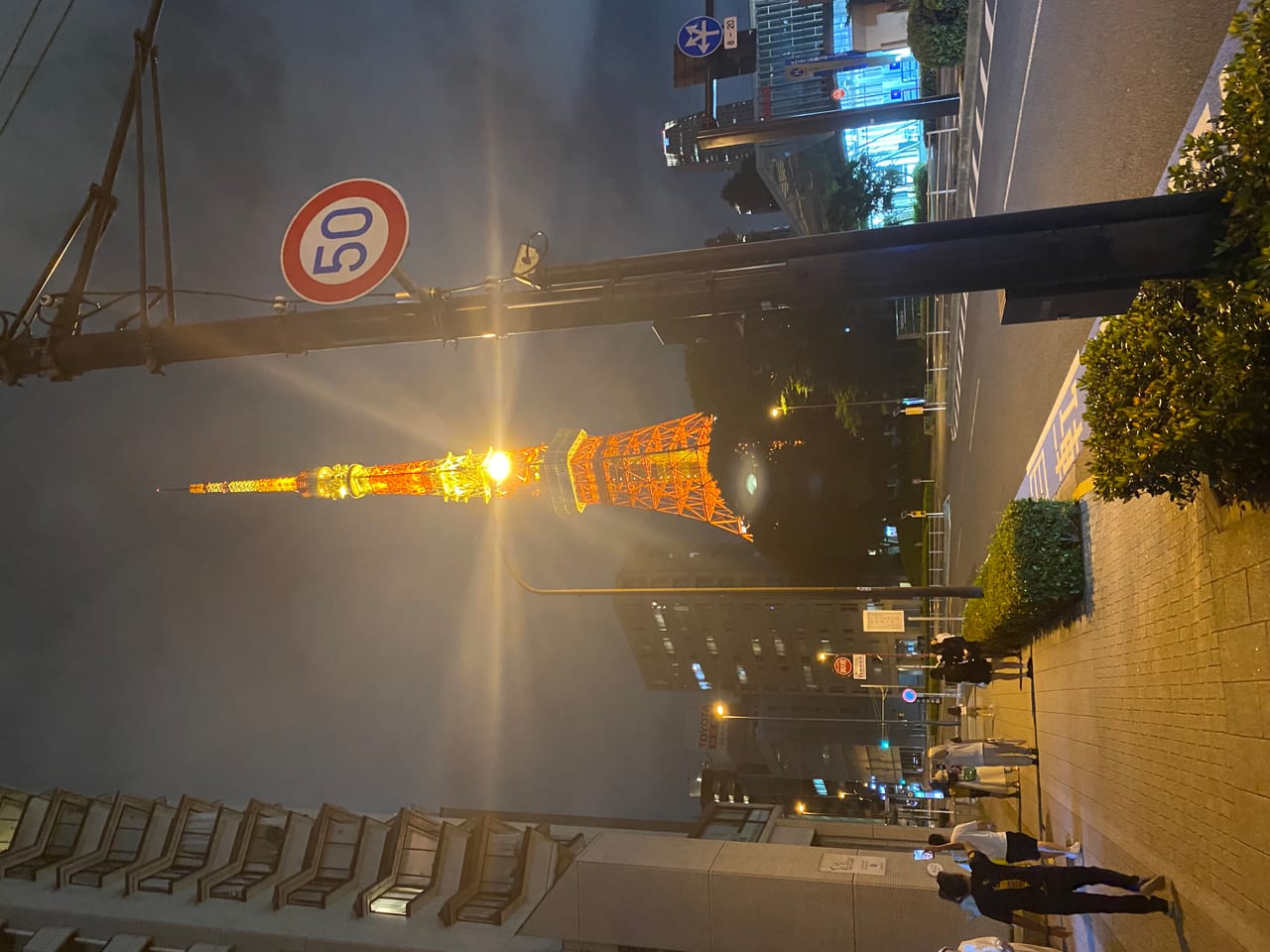
Tokyo Tower is 333m, Skytree is 634m, and if you can only go up one, which is worth it? Here's the blunt verdict first: if it's your first visit, you want an instantly recognizable Tokyo night skyline, and budget is tight, choose Tokyo Tower (Main Deck adult ¥1,500); if you want to stand on Japan's highest observation deck with the whole Kanto plain at your feet, choose Skytree (350m — 100m higher than Tokyo Tower's highest deck). Below I break it down point by point: deck heights and types, how the tickets really add up, what each night view shows, which one to go up if you want the other tower in your photo, crowds and transit, and what weather to skip. By the end you'll decide in a second. For other observation decks on the same trip, see our Shibuya Sky vs other observatories comparison.
- Classic red-tower night skyline, tight budget, first visit → Tokyo Tower (Main Deck ¥1,500, cheapest)
- Stand the highest, look down over all of Kanto, Mt. Fuji on clear days → Skytree (350m / 450m)
- Want the "other tower" in your shot → go up Skytree to shoot Tokyo Tower, or vice versa; remember you can't photograph the tower you're standing on
- Traveling with kids or worried about rain → Skytree has a mall and aquarium next door, easiest for a full day
- Skip low cloud, fog and rain — Skytree's 450m often sits inside the cloud; book Skytree fast entry online at peak times
📖 Table of contents
- 1. Height and view: 333m vs 634m
- 2. Tickets: which is better value
- 3. Night views: what each one shows
- 4. Which to go up to shoot the other tower
- 5. Crowds, queues and transit
- 6. Who each suits: couples / families / photographers / first-timers
- 7. What weather to avoid
- 8. The head-to-head table
- 9. Beyond the big two: Shibuya Sky and the free Metropolitan Building
- 10. FAQ
Height and view: 333m vs 634m
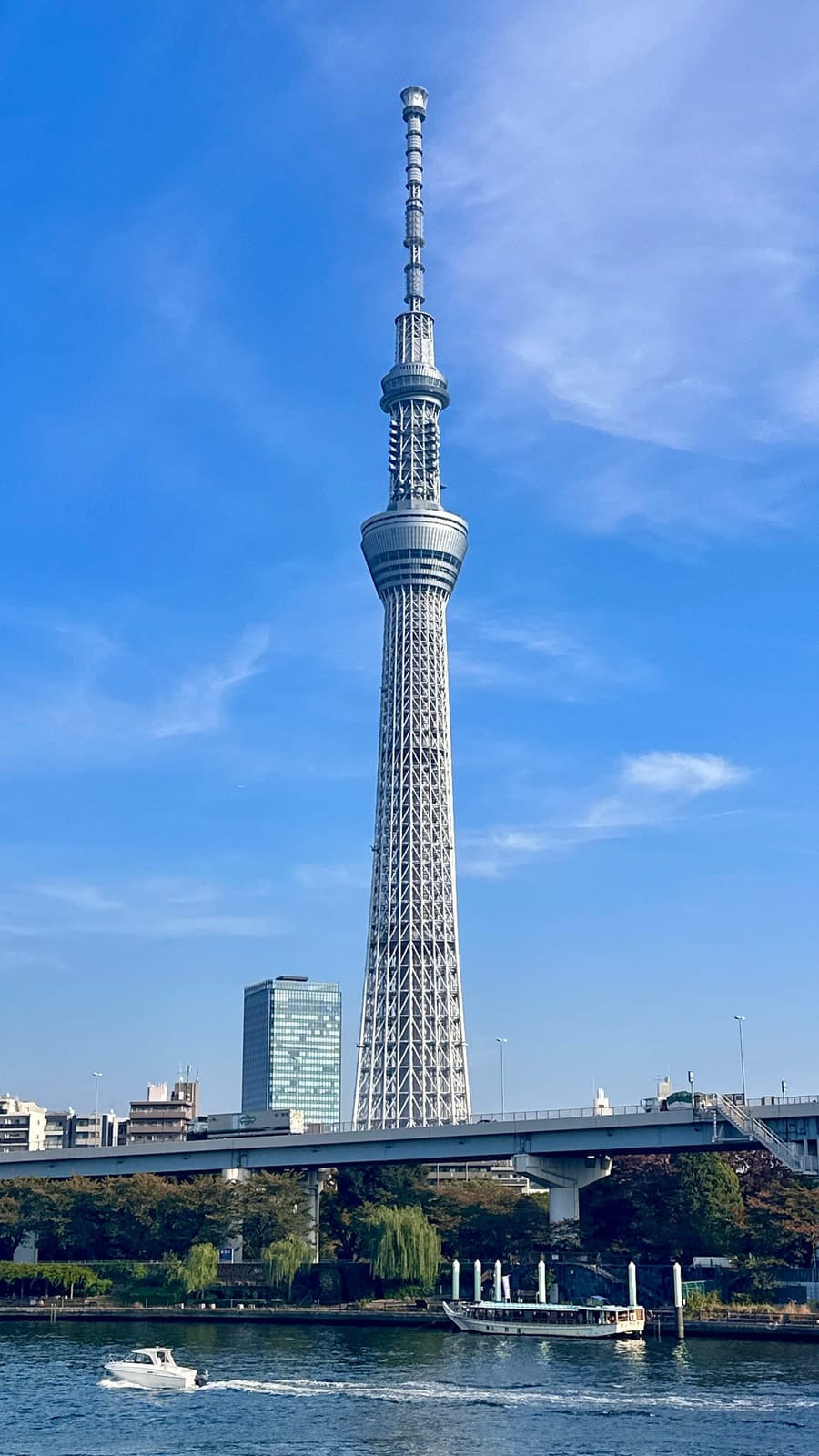
Let's clear up the numbers people confuse. Structure height: Tokyo Tower 333m, Skytree 634m — the latter is recognised by Guinness World Records as the world's tallest tower. But what you actually stand on is the deck, and that's what decides the view:
- Tokyo Tower: the Main Deck at 150m (the main level, where most people stop), plus an upper 250m level via the separately ticketed Top Deck Tour (with a guide, capacity control and a nicer atmosphere).
- Skytree: the Tembo Deck at 350m (the main level), and above it the Tembo Galleria, a circular sky corridor at 450m.
In other words, Skytree's lowest deck (350m) is already 100m higher than Tokyo Tower's highest deck (250m). That's not a small gap — from Skytree's 350m you get a true bird's-eye sweep over the entire Kanto plain, with distant houses like models; Tokyo Tower's 150m is a "tall-building-in-the-city" angle where you clearly see downtown blocks, the Imperial Palace direction and the bay at Odaiba, with a more intimate, in-the-city feel. Neither is strictly better — it's overwhelming altitude versus a warmer, closer city night view.
Tickets: which is better value
The two price quite differently, so here's the clear version.
Tokyo Tower uses fixed pricing: the Main Deck (150m) is ¥1,500 for adults, the same price online and at the counter — no reservation needed, and walking up to buy costs you nothing extra. For the 250m level you add the Top Deck Tour: ¥3,300 with a web reservation, ¥3,500 at the counter, including the Main Deck plus a guide and timed slot.
Skytree prices by date, and every time slot on a given day costs the same. The official ticket page only lists from-prices (350m Tembo Deck ¥1,800+, 350m+450m combo ¥3,000+), but not a single day in October–December 2026 sells at those: the online price actually runs ¥2,000–3,200 for 350m and ¥3,200–4,400 for the combo. The cheapest days are weekdays in November and December; the October 10–12 and November 21–23 long weekends and December 26–31 are the dearest, and tickets for January 2027 onward aren't on sale yet. Buy at the 4F counter or ticket machines and a flat ¥500 issuing fee is added per ticket.
The verdict is clear: for the lowest cost to simply ride one deck up for the night view, Tokyo Tower's Main Deck wins; to stand at Japan's highest point, it's Skytree, and it costs the most. Buying at Skytree in person costs the issuing fee on every ticket, and counter sales can be suspended outright on busy days, so the value-and-time move is a timed fast-entry ticket online and walk straight in.
Book Skytree fast-entry tickets online →For Tokyo Tower, you can usually just buy at the counter — it doesn't sell out like Skytree, the Main Deck queue is usually short, and the counter costs the same as online, so there's no need to force an advance ticket; only the Top Deck Tour is cheaper online, so book that ahead if you want the 250m level. Only at New Year, cherry-blossom season or big-event peaks would I plan ahead. One thing to add: the January 1 sunrise sessions are an entirely separate ticketing system — pre-opening entry, strictly limited seats, sold first come from late November or early December (Tokyo Tower's 209 seats were sold out before the end of December last season), with nothing in common with the usual walk-up logic. See the Tokyo New Year guide.
Night views: what each one shows
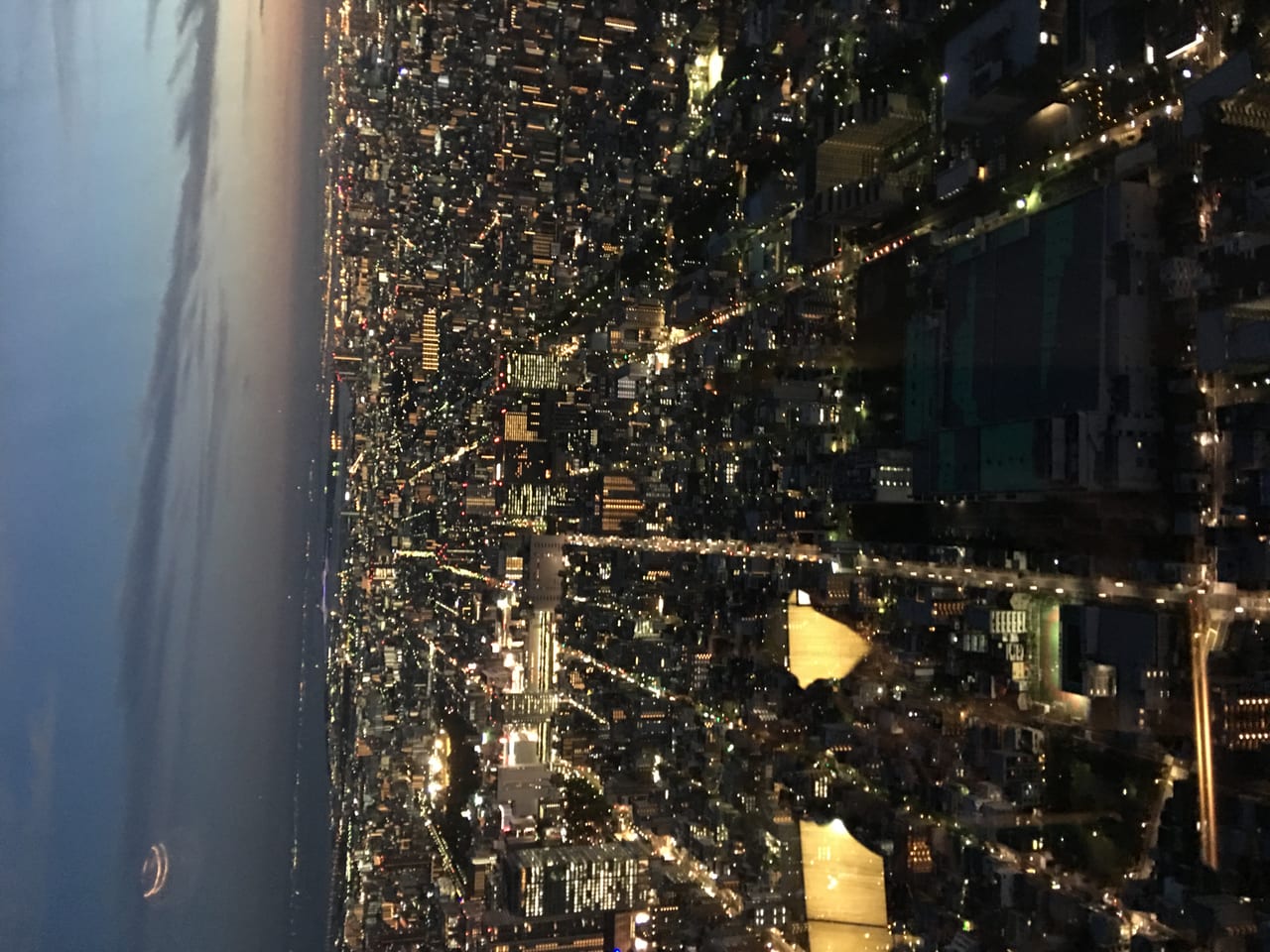
They sit in different places, so the direction and the star of the view differ:
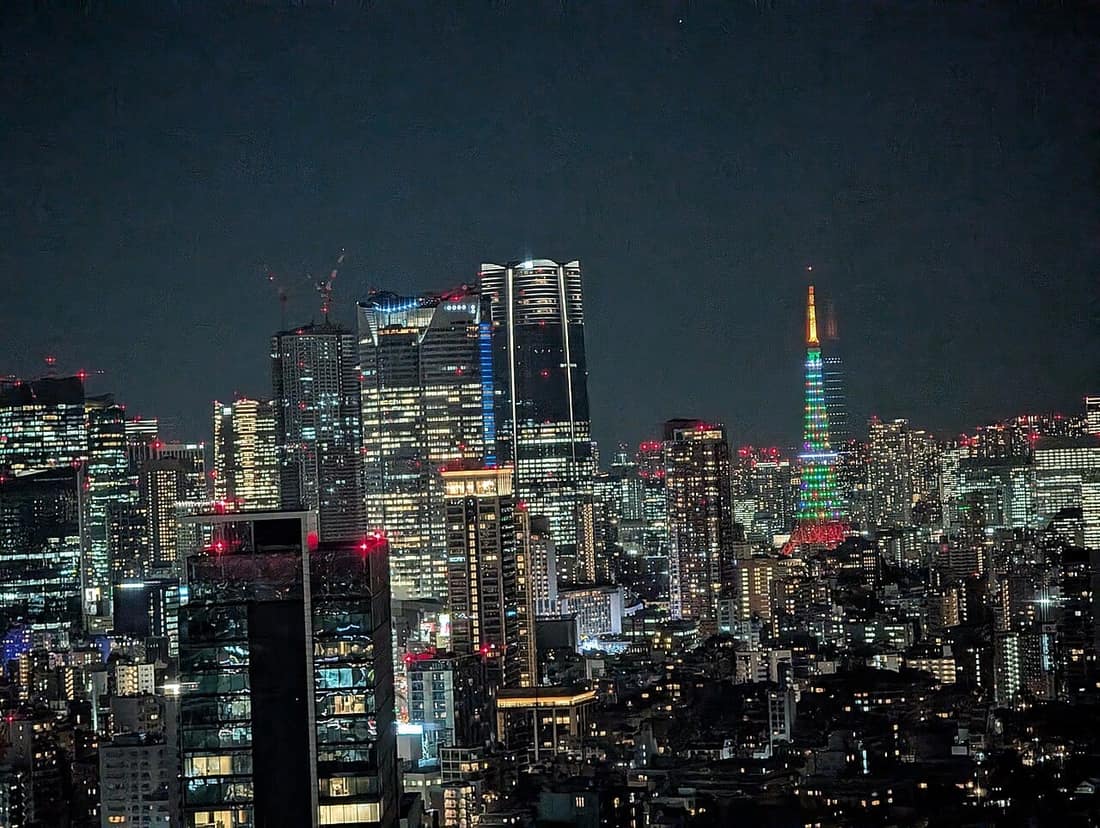
- Tokyo Tower (Minato, central-south): you look over dense downtown skyscrapers, the Imperial Palace direction, Odaiba and Tokyo Bay, with Mt. Fuji to the west on clear days. The view is "close and dense," with high-rise lights right in front of you — very urban.
- Skytree (Sumida, east side by the Sumida River): from 350m / 450m the view is far wider and more sweeping — Asakusa, the Sumida River, Tokyo Bay, and a sea of lights stretching to the horizon. It sits farther from the downtown high-rise cluster, so it's a "wide city panorama" rather than "hugging the skyscrapers."
My take: for that "lights right in front of you, warm and close" urban night view, Tokyo Tower's mood is more enchanting; for that "endless, city-at-your-feet" awe, Skytree's altitude is unmatched. A rainy dusk is a sneaky-good time — lights go softer in the damp air, and an indoor deck keeps you dry; for more wet-weather backups, see our Tokyo rainy-day guide.
One more thing on timing: the best window at either tower is the "blue hour," the roughly 20–30 minutes just after sunset when the sky still holds a deep blue and the city lights are switching on. Arrive about 30 minutes before sunset, ride up, and you catch both the last daylight panorama and the full night view in a single visit — far better value than going up in pure darkness. Tokyo Tower's red illumination also changes through the seasons, so the tower you photograph from outside won't look identical month to month. If you're chasing the cleanest air and the chance of Mt. Fuji on the horizon, winter blue hour is the sweet spot, though it also means the earliest sunsets and the coldest waits.
Which to go up to shoot the other tower
This is the bit people regret afterward, so let's be clear: when you're standing on one tower, you can't photograph that tower. So which tower you want as the star of your photo directly decides which one to go up — or whether to go up at all.
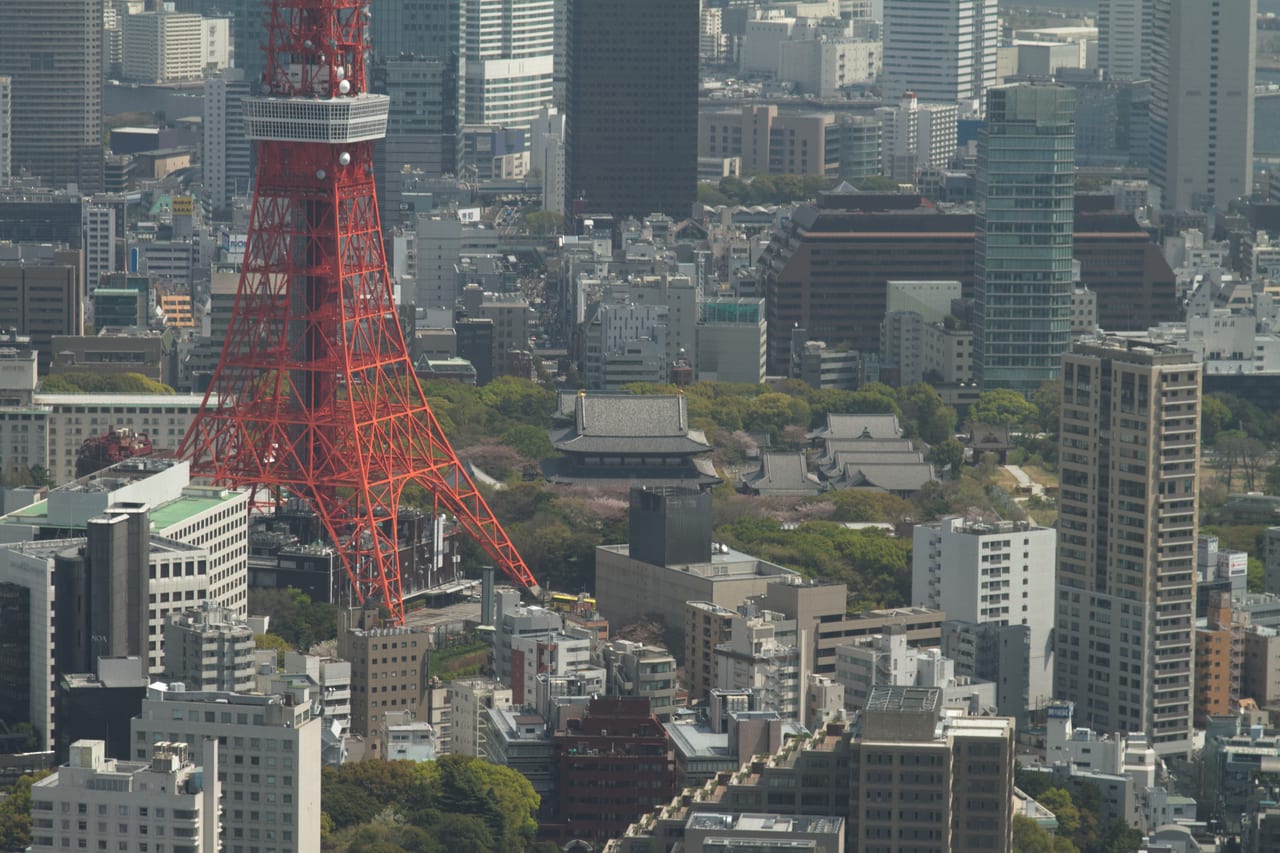
- Want the red Tokyo Tower as the subject: don't go up Tokyo Tower (you'd be inside it). The best spots are in front of Zojoji (temple-and-tower classic), the Odaiba waterfront (a reflection across the bay), and the Roppongi Hills Mori Tower deck (a downward angle that sets the tower into the city). To shoot it from a deck, go up Skytree and shoot toward Minato.
- Want Skytree as the subject: head to Asakusa and along the Sumida River (Kaminarimon with Skytree), or go up Tokyo Tower and shoot east.
So before deciding, ask yourself one question: do you want "the view from a tower" or "a photo of that tower"? Getting that straight matters more than agonizing over height. You can slot the decks and photo spots into the same afternoon along our Tokyo 5-day itinerary.
Crowds, queues and transit
Crowds: Skytree is busier overall, with noticeable queues and elevator waits at peak (weekend evenings to night, long weekends), so book a timed slot online. Tokyo Tower's crowds are gentler — you can usually buy the Main Deck on the spot with a short wait, and the Top Deck Tour's timed system actually feels relaxed.
Transit:
- Tokyo Tower: nearest is Akabanebashi on the Toei Oedo Line (~5 min walk), or Kamiyacho (Hibiya Line) and Onarimon (Mita Line). It's central, easy to pair with Zojoji, Roppongi and Odaiba.
- Skytree: it connects directly to Tokyo Skytree Station (Tobu Skytree Line) and Oshiage (Skytree-mae) on the Hanzomon/Asakusa lines — off the train and you're there — and it's one stop from Asakusa, so it pairs naturally with Kaminarimon.
The two sit on different rail systems (Oedo, Hanzomon, Tobu), so if you're new to Tokyo, our Tokyo trains and subway guide untangles the JR / Metro / Toei / private-railway transfer rules before you set out.
Shooting from a deck, checking that day's ticket price, hailing a taxi — it all runs on mobile data, so sort out connectivity before you land.
Set up a KKday Japan eSIM online →Who each suits: couples / families / photographers / first-timers
- Couples / date night: Tokyo Tower is more romantic — the lit red tower, Zojoji and nearby restaurants make for a lovely evening stroll; Skytree wins on the openness and occasion of real height. Either works — mood versus awe.
- Families: pick Skytree — the Tokyo Solamachi mall and Sumida Aquarium are right there, so tired kids or rain are no problem and you can fill a whole day. Details in our Tokyo family travel guide.
- Photographers: to shoot "the tower itself," don't go up it — use the spots above; for a sweeping bird's-eye, Skytree's height is unbeatable; for a warm, lights-in-your-face urban night view, Tokyo Tower's Main Deck is more photogenic.
- First time in Tokyo: for most people I'd lean Tokyo Tower — it's Tokyo's visual symbol, and shooting it or going up it both say "I made it to Tokyo," while saving money and time and sitting in an easy-to-pair location. If Mt. Fuji is on the plan too, pair this with our Tokyo to Mt. Fuji guide.
What weather to avoid
What decks really fear isn't heat or cold — it's visibility. Switch days or go indoors in this weather:
- Low cloud, heavy fog: Skytree's 450m often sits right inside the cloud, so you pay to see white; Tokyo Tower is lower and a bit less affected, but thick fog blurs it too.
- Rain, heavy haze: poor visibility kills the distance shots. But a rainy dusk for the sea of lights still works — night views need less visibility than daytime distance views.
- Want Mt. Fuji: pick a clear, dry winter day, usually with better odds in the early morning; summer humidity usually hides it, so don't count on it.
A Skytree ticket cannot be moved to another date or time slot — you can only cancel and rebuy: cancelling within 30 days of the visit costs 20%, nothing comes back once your entry time has passed, and there is no refund for poor visibility. So I wouldn't buy Skytree tickets far ahead; wait until two or three days out, when the forecast has settled, and buy online then. On long weekends and at year-end the slot you want may be gone by then, so buy earlier for those dates. Tokyo Tower's counter purchase means you can read the sky on arrival and still decide. For reading the forecast and packing before you go, plan alongside our Japan pre-trip essentials checklist.
The head-to-head table
Everything above, distilled into one table so you can settle it at a glance:
| Item | Tokyo Tower | Skytree |
|---|---|---|
| Structure height | 333m | 634m (world's tallest tower) |
| Deck heights | Main Deck 150m / Top Deck 250m | Tembo Deck 350m / Galleria 450m |
| Adult ticket (main deck) | Main Deck ¥1,500 (same online & counter) | 350m ¥2,000–3,200 (online, Oct–Dec; by date) |
| Highest level | Top Deck Tour ¥3,300 online (guided) | 350m+450m combo ¥3,200–4,400 (online, Oct–Dec) |
| Night-view character | Close downtown high-rises, warm urban feel | Sweeping bird's-eye, panorama to the horizon |
| Mt. Fuji | Visible to the west on clear days | Wider view, easier to spot on clear days |
| Shooting the "other tower" | Can shoot Skytree to the east | Can shoot the red Tokyo Tower toward Minato |
| Crowds / queues | Gentler, often buy on the spot | Busier, book fast entry online |
| Surroundings | Zojoji, Roppongi, Odaiba (walkable) | Solamachi mall, Sumida Aquarium, Asakusa |
| Nearest station | Akabanebashi (Oedo Line), ~5 min walk | Oshiage / Tokyo Skytree Station, directly connected |
| Best for | First-timers, couples, the classic tower shot, tight budgets | Standing highest, a full family day, sweeping awe |
Hours: Tokyo Tower Main Deck 9:00–23:00 (last admission 22:30); Skytree in October–December 2026 runs 10:00–22:00 on weekdays and 9:00–22:00 on weekends and holidays (to 22:30 on October 10–11, November 21–22 and December 29–31), with last admission one hour before closing; hours from January 2027 aren't published yet. Actual hours and prices follow official notices.
Beyond the big two: Shibuya Sky, the free Metropolitan Building & more
Search the Tokyo observation-deck debate for long enough and two more names keep surfacing — and they happen to plug exactly the two gaps the towers leave open: Shibuya Sky (open-air) and the Tokyo Metropolitan Government Building (free). Here's how they stack up against the big two.
Shibuya Sky: both towers put glass between you and the city; Shibuya Sky doesn't. Its rooftop SKY STAGE is a 230m open-air platform — wind in your face, no reflections, Shibuya Crossing directly below, and Tokyo Tower sitting on the southern skyline (a frame neither tower can give you of itself). The catch is that it's the hardest deck in Tokyo to book: timed entry, and a fare that splits at 15:00 — adults pay ¥2,700 online for entry by 14:59 and ¥3,400 from 15:00, with the walk-up counter at ¥3,000 and ¥3,700 respectively. Any sunset or night slot sits in that pricier tier, so budget for it. On timing, the official wording is that tickets are sold "up to dates two weeks ahead" — so booking a month out isn't just hard, it's impossible; sunset slots routinely sell out within hours of that window opening. My call is blunt: if the photo in your head is "me on an open rooftop with the Tokyo skyline behind," pick Shibuya Sky over either tower; if you want altitude or the landmark itself, stay with the big two.
Tokyo Metropolitan Government Building: completely free, no reservation — a 202m observatory on the 45th floor of Building One in Shinjuku, reached by a dedicated elevator in about 55 seconds. Per the official notice (verified July 2026): the South Observatory runs 9:30–21:30 (last entry 21:00, closed the 1st and 3rd Tuesdays), while the North Observatory runs 9:30–17:00 (last entry 16:30, closed the 2nd and 4th Mondays) — so for a night view, make sure you head to the South Observatory, and check the official site for that day's status before going. My take: on a tight budget, or with kids whose deck patience is an unknown, do this one first — the free 202m already out-heights Tokyo Tower's Main Deck (150m), and you can still pay for a tower later if it leaves you wanting more. Its view faces the Shinjuku skyscrapers to the west, which barely overlaps either tower, so it also works as a cheap "second night view."
| Deck | Adult price | Height | Booking | Best for |
|---|---|---|---|---|
| Tokyo Tower | Main Deck ¥1,500 (same online & counter) | 150m / 250m | No booking needed, buy on the spot | First-timers, the classic red-tower mood, tight budgets |
| Skytree | ¥3,200–4,400 (350m+450m combo; online, Oct–Dec, by date) | 350m / 450m | Book a timed slot online | Standing the highest, rainy-day backup, full family day |
| Shibuya Sky | Online ¥2,700 (by 14:59) / ¥3,400 (from 15:00) | 230m (open-air rooftop) | Sold only two weeks out; sunset slots go at release | Open-air feel, the rooftop portrait shot |
| Metropolitan Government Building | Free | 202m (45F) | None; South Observatory open to 21:30 | Tight budgets, kids and seniors, a bonus second night view |
One aside for Kansai plans: the deck most often compared with Shibuya Sky is Osaka's Umeda Sky Building Kuchu Teien (a 173m open-air circular rooftop, adults ¥2,000) — it's the Osaka answer to an open-air deck and it's covered outright by the Osaka Amazing Pass; details in our Osaka Amazing Pass guide. And if you want Roppongi Hills City View in the mix too, our full six-deck Tokyo observatory comparison breaks down booking difficulty and the best time slots in more detail.
Book a timed Shibuya Sky entry online →To close in a line: for the classic Tokyo night skyline, a first visit and a tight budget, choose Tokyo Tower; to stand the highest with all of Kanto at your feet, choose Skytree. Chasing the open-air rooftop shot, fight for Shibuya Sky; genuinely tight on cash, take the free Metropolitan Building first. Both towers are great, but they're for different things — don't go up both and waste money. Pick the right one and this Tokyo night view pays for itself.
Frequently Asked Questions
- Q1:First time in Tokyo and I can only do one — Tokyo Tower or Skytree?
- If your priority is shooting an instantly recognizable Tokyo night skyline, you want a romantic mood, and budget/time are tight, choose Tokyo Tower. The red-and-white lattice tower is Tokyo's most photogenic landmark, it photographs best from Zojoji, Odaiba and Roppongi, and the entry is gentler (Main Deck adult ¥1,500). If your priority is standing on Japan's highest observation deck and looking down over the whole Kanto plain — even Mt. Fuji on clear days — choose Skytree (the 350m Tembo Deck is 1.4x the height of Tokyo Tower's highest deck). In a line: to "shoot the tower," pick Tokyo Tower; to "look down from up high," pick Skytree.
- Q2:How tall are Tokyo Tower and Skytree, and how much do the decks differ?
- Structure height: Tokyo Tower is 333m and Skytree is 634m (recognised by Guinness World Records as the world's tallest tower). But what matters is the deck you actually stand on: Tokyo Tower has a Main Deck (150m) and an upper 250m level via the separately ticketed Top Deck Tour; Skytree has the Tembo Deck (350m) and the Tembo Galleria (450m). So Skytree's lowest deck (350m) is already 100m higher than Tokyo Tower's highest deck (250m) — a completely different scale of view.
- Q3:What do tickets cost, and which is better value?
- Tokyo Tower Main Deck (150m) is ¥1,500 for adults — same price online and at the counter; the 250m level needs the Top Deck Tour, ¥3,300 online / ¥3,500 at the counter (Main Deck included). Skytree prices by date, with every time slot on a given day costing the same: the official ticket page lists from-prices of ¥1,800+ for the 350m Tembo Deck and ¥3,000+ for the 350m+450m combo, but for October–December 2026 the online price actually runs ¥2,000–3,200 for 350m and ¥3,200–4,400 for the combo, highest on long weekends and at year-end, plus a flat ¥500 per ticket if you buy at the 4F counter or ticket machines. For the cheapest way to simply ride up for the view, Tokyo Tower's Main Deck wins; to stand at the highest point it's Skytree, but it costs the most.
- Q4:I want the "other tower" in my photo — which one do I go up?
- Here's the bit people miss: when you're standing on a tower, you can't photograph that tower. If you want the iconic red Tokyo Tower as your subject, go up Skytree and shoot toward it, or skip the tower entirely and shoot from Zojoji, the Odaiba waterfront or Roppongi Hills. Conversely, to feature Skytree, go up Tokyo Tower or shoot from Asakusa. Decide first: do you want "the view from a tower" or "a photo of that tower"?
- Q5:What weather should I avoid, and will an overcast day be a waste?
- Decks hate low cloud, heavy fog, rain and serious haze — visibility drops sharply, and Skytree's 450m level often sits right inside the clouds, so you pay to see white. Tips: (1) check visibility and cloud before you go; (2) for Mt. Fuji, pick a clear, dry winter day — summer humidity usually hides it; (3) night views need less visibility than daytime distance views, so an overcast dusk for the sea of lights still delivers; (4) a Skytree ticket cannot be moved to another date or time slot — you can only cancel and rebuy (20% fee within 30 days of the visit) and there is no refund for poor visibility, so buy online two or three days out, once the forecast has settled.
- Q6:With kids or older parents, or to dodge crowds — which suits better?
- Both have elevators and step-free routes and suit families and seniors. The difference: Skytree sits right beside the Tokyo Solamachi mall and the Sumida Aquarium, so if it rains or kids tire, you can eat and shop on the spot and easily fill a whole day (see our family guide). Tokyo Tower wins on mood and walkable surroundings — Zojoji is next door, great for evening photos and nearby dining. To dodge crowds, avoid weekend evening peaks at both; Skytree especially gets busy, so book a timed fast-entry ticket online and walk straight in.
- Q7:Shibuya Sky vs the Tokyo Metropolitan Government Building: which should I pick?
- Budget and the photo you want decide it. The Metropolitan Government Building observatory is completely free: 45th floor, 202m, no reservation, and the South Observatory runs to 21:30 for night views (closed the 1st and 3rd Tuesdays; the North closes at 17:00). Shibuya Sky splits its adult fare at 15:00: 2,700 yen online for entry by 14:59 and 3,400 yen online from 15:00, with the walk-up counter 300 yen dearer in each case (3,000 / 3,700) — so any sunset slot lands in the expensive tier. Its 230m rooftop is open-air and looks straight down on Shibuya Crossing, the only major Tokyo deck that delivers that rooftop shot. Note that tickets are only sold up to two weeks out, so booking a month ahead is impossible; sunset slots go within hours of that window opening. On a tight budget, or with kids and an uncertain schedule, do the free Government Building first. Pay for Shibuya Sky only if the open-air rooftop photo is the whole point.
- Q8:Is Tokyo Skytree worth it when the Metropolitan Building deck is free?
- It depends on what you are buying. Skytree Tembo Deck at 350m is about 1.7 times the height of the free 202m Government Building deck, and it sits on the east side over Asakusa and the Sumida River, so the two views barely overlap. If you just want one Tokyo night view on a tight budget, the free deck is genuinely enough — best value in the city. Skytree earns its price (the 350m+450m combo sells online for ¥3,200–4,400 in October–December 2026) when you want the tallest deck in Japan, the widest sweep over the Kanto plain, or the best odds of spotting Mt. Fuji from altitude.