"Tokyo or Osaka for a first trip to Japan?" gets asked constantly, and almost every answer is the useless "it depends." I'm not going to do that. This piece gives you a clear verdict with real trade-offs: which city if you can only pick one, which purely for food, which with elderly parents or kids. Tokyo's core carries 4-5 days and day trips add 2-3 more; Osaka's core takes just two days but it's the Kansai gateway, with Kyoto, Nara and Kobe all within 30-45 minutes. By the end you'll know which airport to book, how many days to plan, and which side to save for your second trip.
- One city, first trip: I lean Tokyo (highest info density, best day-trip range, most flexible flights) — five days never get dull
- Here for the food + old capital: pick Osaka — two days in the city, but as a Kansai base for Kyoto/Nara/Kobe it's unbeatable value
- With kids: Mario/Potter fans → Osaka USJ; Disney fans → Tokyo
- With elderly parents: lean Osaka/Kansai — clustered sights, simpler transfers, slower old-capital pace
- Doing both: 5 days "Tokyo 3 + Osaka 2," 7 days "Tokyo 4 + Kansai 3," linked by shinkansen on a 7-day JR Pass
📖 Table of contents
City character: megacity vs gateway
The difference between Tokyo and Osaka isn't just "big city vs smaller city" — they're two different Japans. Get this character gap, and you'll know which one you'll fall for.
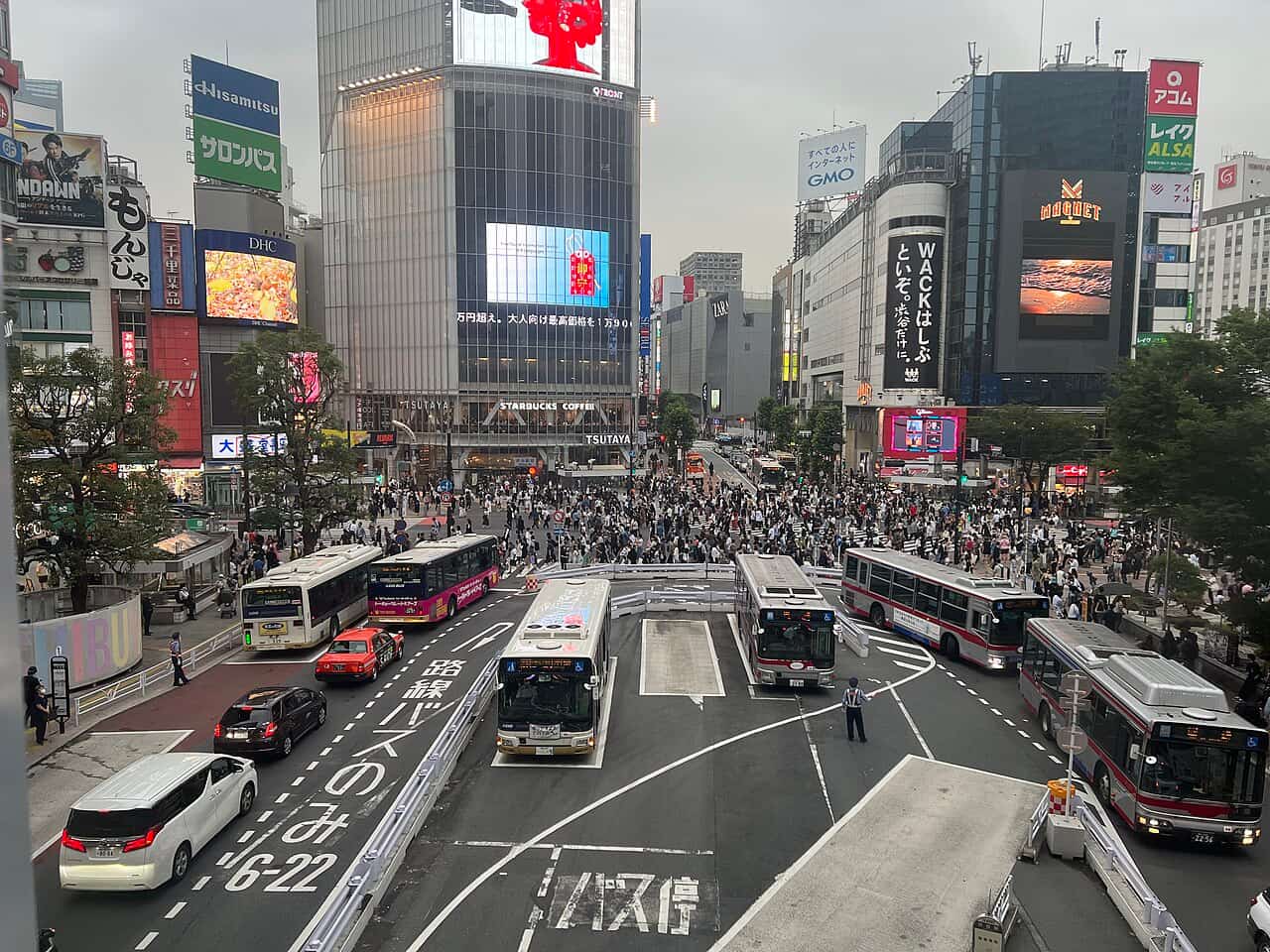
Tokyo is the all-encompassing world megacity. It has everything, and does each thing at the top of its game: the world's densest cluster of Michelin-starred restaurants, the cutting edge of fashion and design, the most complete museums, two Disney parks, and countless neighborhoods with sharp personalities (young Shibuya, refined Ginza, old-Tokyo Asakusa, subcultural Shimokitazawa, lived-in Kichijoji). Tokyo's appeal is "so varied you couldn't see it in a lifetime" — but the cost is that it's vast, fast, and a touch cold: maze-like stations, everyone in a hurry, staff polite but at a distance. First-timers are often stunned by the information density, and occasionally worn down by the sheer scale.
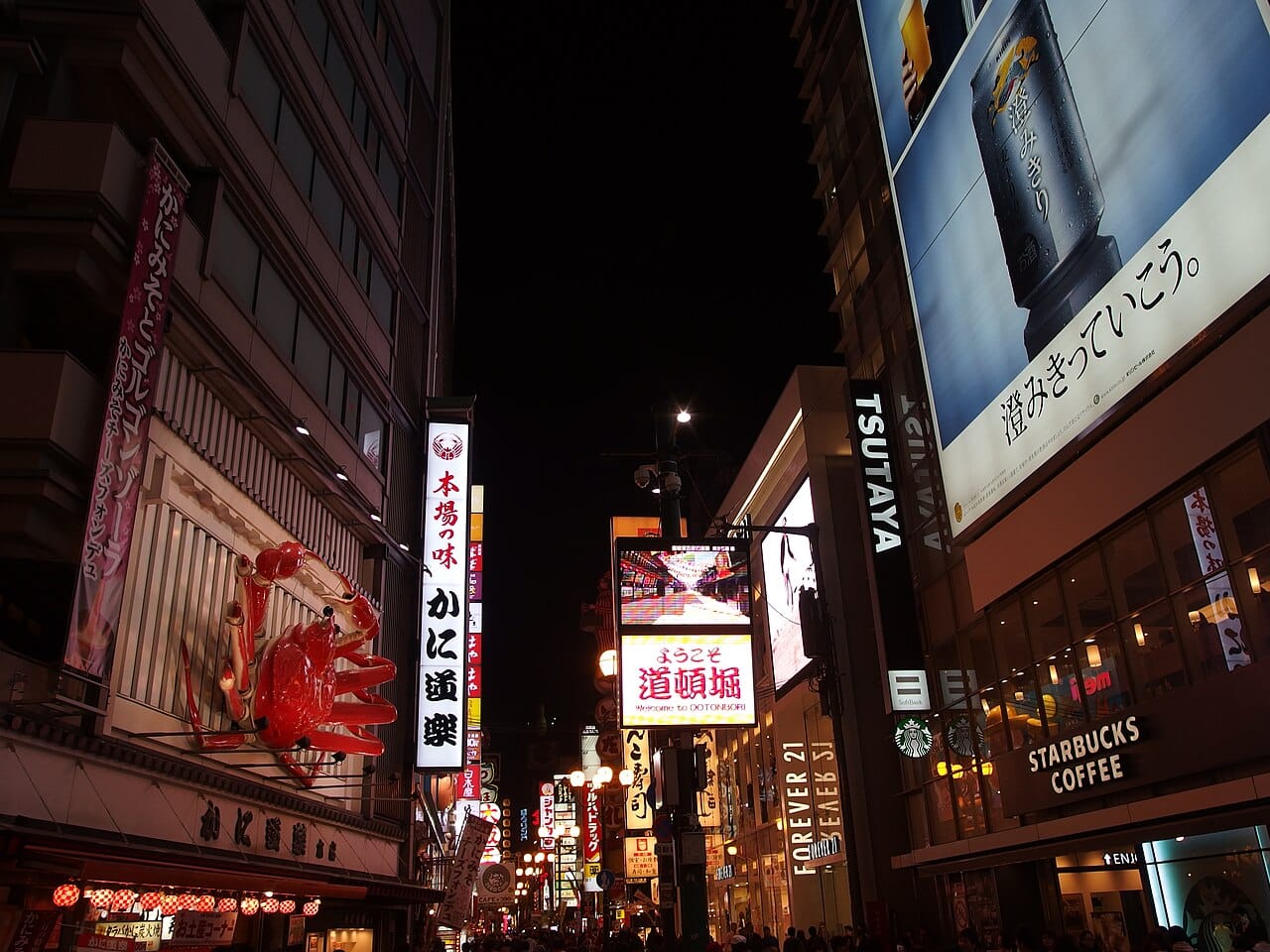
Osaka is the friendly, down-to-earth Kansai gateway. Its character is almost the opposite of Tokyo's: a half-beat slower, warmer, staff who'll joke with you, streets buzzing with the energy of eating. Osakans take pride in "kuidaore" (eating yourself bankrupt); Dotonbori, Shinsekai and Kuromon Market are whole streets of street food. It lacks Tokyo's endless choice, but it has a relaxed, working-class vitality. More crucially — Osaka is Kansai's transport hub: 30 minutes to Kyoto, 45 to Nara, 30 to Kobe. Basing in Osaka means one base for the entire region. So Osaka's value has to be read together with its hinterland.
In one line: Tokyo is the destination itself; Osaka is the gateway to all of Kansai. The first goes deep, the second goes wide.
Which traveler are you?
Rather than "which is better," find yourself in the list. Based on common traveler preferences, here's how I'd sort it:
Pick Tokyo if you're this person
- A shopping/fashion person: Ginza, Omotesando, Shibuya, Shinjuku, Harajuku — shop till you drop, more storefronts than you can see. Tokyo wins outright.
- A museum / exhibition / design lover: teamLab, Mori Art Museum, the Ueno museum cluster, endless limited-run shows. Tokyo's cultural density has no rival.
- You want lots of day trips: to hit Mt. Fuji, Hakone onsen, the Kamakura Buddha, and Nikko's shrines on one trip, Tokyo is the most convenient base.
- A die-hard Disney fan: the world's only DisneySea is in Tokyo.
- You want "the ultimate Japanese megacity experience": if a first trip means being floored by Japan's modernity, Tokyo is the textbook answer.
Pick Osaka if you're this person
- You came to eat: takoyaki, okonomiyaki, kushikatsu, fugu, wagyu — Osaka is a city built around food, generous portions, great value.
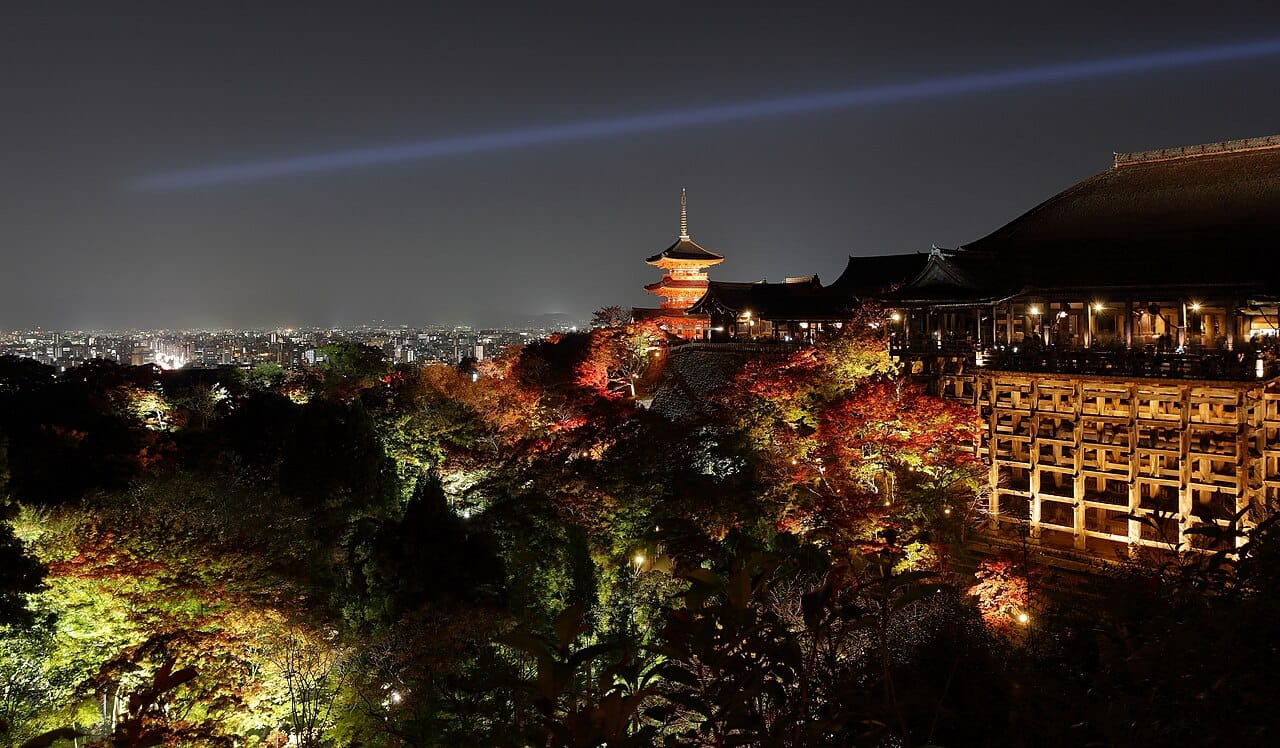
- You want the Kyoto old-capital pairing: Kiyomizu-dera, Fushimi Inari, Arashiyama, Kinkaku-ji — those "most Japanese" images live in Kyoto, which is just 30 minutes from Osaka.
- A Universal Studios (USJ) fan: Super Nintendo World and the Wizarding World of Harry Potter are at Osaka's USJ.
- Budget-conscious: Osaka's lodging and street food are cheaper, so the same budget eats better.
- Traveling with elderly parents and wanting a slow pace: Kansai's clustered sights, simple transfers, and the gentle rhythm of temples and feeding the Nara deer.
See it? This isn't "both are great" — Tokyo wins on depth and variety, Osaka wins on food, the old capital, and warmth. You probably already know your answer.
How many days each
This is where most people miscalculate, because the two cities run on completely different "how many days" logic.
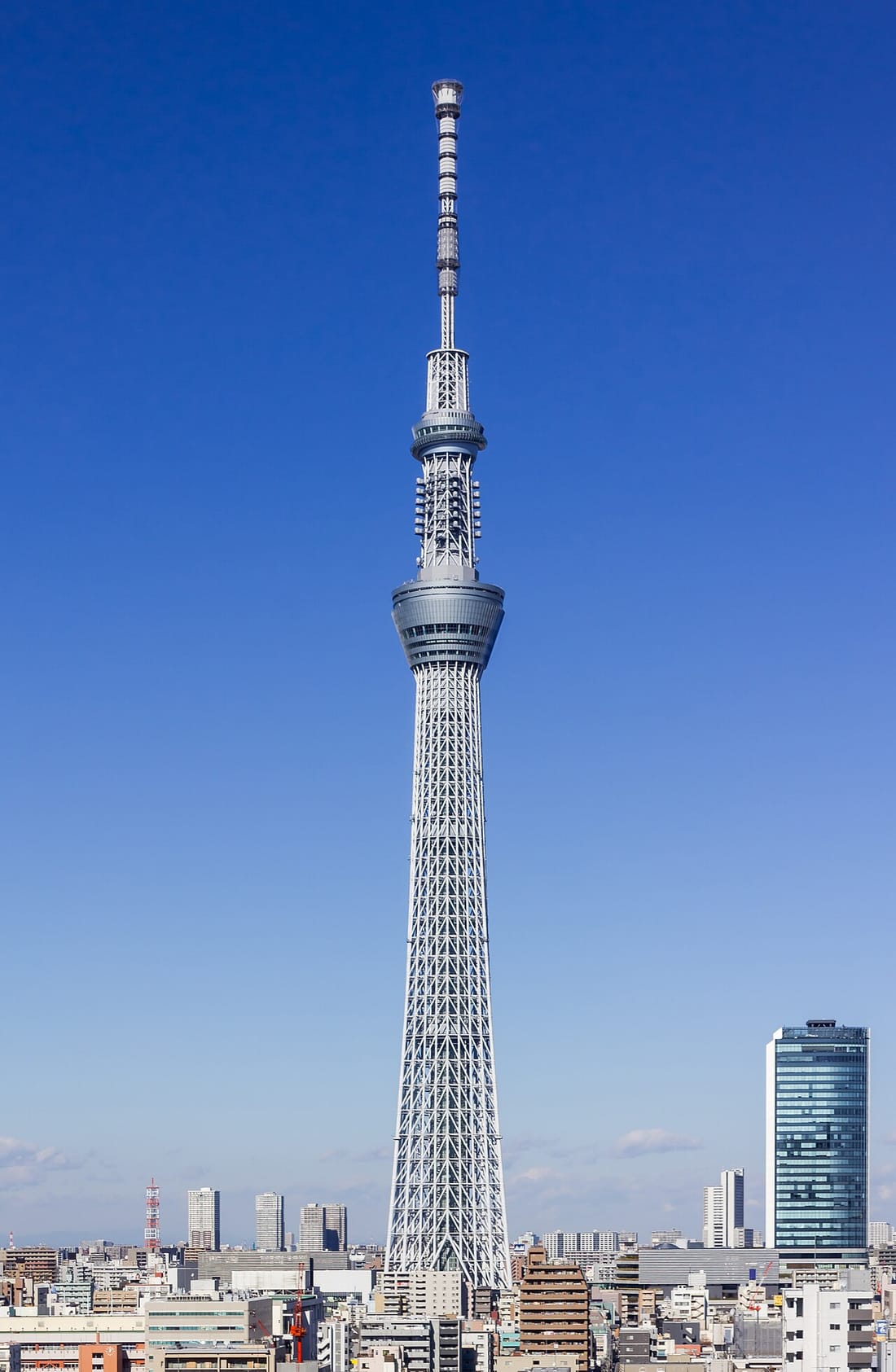
Tokyo: 4-5 days in the city, up to 7 with day trips. Tokyo alone splits into several distinct day themes — Shibuya/Shinjuku/Harajuku one day, Asakusa/Skytree/Ueno another, Odaiba a third, Kichijoji/Mitaka (the Ghibli Museum, booked on the 10th a month ahead) a fourth, plus a full Disney day. That's already five, with no repeated theme. Add day trips (Kamakura day, a night in Hakone, a night at Lake Kawaguchi) and Tokyo as a base never gets boring across 7-8 days. For a first trip to a single city, Tokyo's "stays interesting" factor is its biggest edge — full day-by-day in our Tokyo 5-day itinerary.
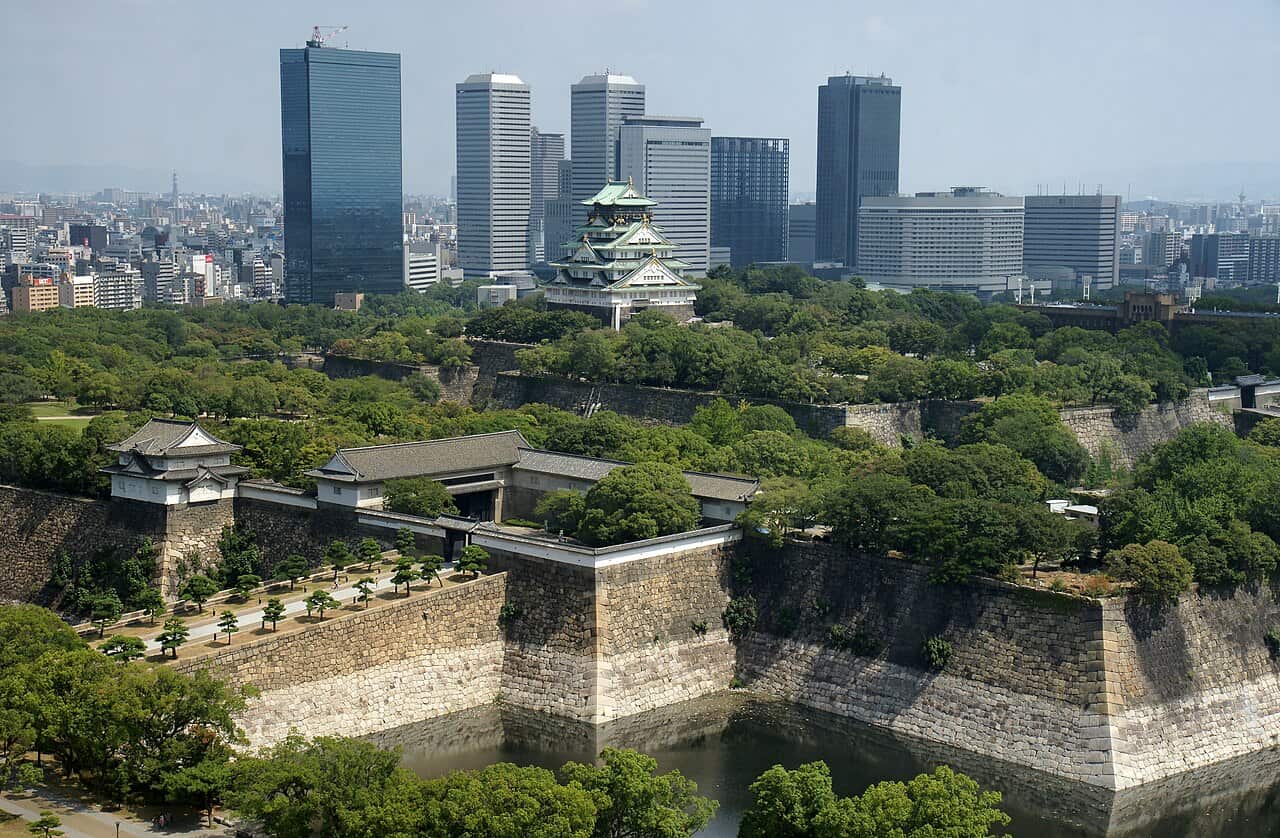
Osaka: two days is enough; its value is as a Kansai base. Honestly, Osaka's "must-sees" aren't that many — half a day for Dotonbori/Shinsaibashi, half a day for Osaka Castle, half a day for Shinsekai/Tsutenkaku, and a full day for Universal Studios. Done properly, two days (including USJ) covers the highlights. Five days in Osaka city alone would feel thin. So the right way to do Osaka is "Osaka 2 nights + Kyoto 2 nights + a half day in Nara or Kobe," using it as a base for three (or four) Kansai cities — the day-by-day version is in our Osaka & Kyoto 5-day itinerary.
The takeaway: with the same five days, Tokyo means "all Tokyo + nearby," Osaka means "Osaka + Kyoto + Nara." That's also why "how many days for Osaka" has no single answer — it depends on how much of Kansai you fold in.
Day trips: each city's hinterland
Day trips often decide how rich a trip feels, and these two cities have very different strengths.
Tokyo's day trips
- Kamakura (~1 hr): the Great Buddha, the Enoden coastal line, Shonan beach — a half-to-full-day old-town-plus-seaside combo.
- Hakone (~1.5 hrs): onsen, Lake Ashi, Owakudani, art museums, and Mt. Fuji views on a clear day — ideal for one overnight. Full guide in our Hakone onsen day-trip / overnight guide.
- Nikko (~2 hrs): Toshogu Shrine, Kegon Falls, Lake Chuzenji — World Heritage mountain temples.
- Fuji-Kawaguchiko (~2 hrs): the classic upside-down Fuji, lakeside onsen, Fuji-Q Highland.
Tokyo's day-trip strength is variety — old town, onsen, beach, famous mountain, theme park, each in a different direction. Whatever mood you're in, you can reach it.
Osaka/Kansai's day trips
- Kyoto (~30 min): Kiyomizu-dera, Fushimi Inari, Arashiyama, Kinkaku-ji — the ceiling of Japanese old-capital imagery, and Osaka's single strongest card as a base.
- Nara (~45 min): Todai-ji, feeding the deer in Nara Park, Kasuga Taisha — a half day does it. See our Nara day-trip guide.
- Kobe (~30 min): Kobe beef, the Kitano foreign residences, the Mt. Rokko night view, Arima onsen — a Western-style port-town route. See our Kobe day-trip guide.
- Himeji (~1 hr): Himeji Castle, Japan's finest castle and a national treasure "white heron."
Kansai's strength is dense, all top-tier old-capital sights — Kyoto, Nara and Kobe within 30 minutes means one base covers the best of the region. That's where Osaka's real value lies.
Check the National JR Pass (for inter-city travel) →If you plan to do both Tokyo and Osaka, inter-city moves run on the shinkansen, and a 7-day National JR Pass (¥50,000) usually nearly breaks even on a single round trip; for a single city you won't use it — don't buy it.
Flights and transit
Flights
Flying into Tokyo means Narita (NRT) or Haneda (HND), the densest flight schedules in Japan — red-eyes, early and midday departures, your pick — easiest to find a seat on short notice, and the widest low-cost choice. Osaka is Kansai Airport (KIX), still plenty of flights but overall slightly fewer than Tokyo, with a bit more price volatility in peak season. If you're picky about departure times or chasing a cheap red-eye, Tokyo gives more flexibility.
In-city transit
Tokyo's rail network is the most complex in Japan: the JR Yamanote loop plus Tokyo Metro plus Toei subway plus a pile of private lines. Newcomers most often get lost in mega-transfer stations like Shinjuku and Shibuya. A Suica card taps you everywhere, but "lots of walking, lots of transfers" is daily life in Tokyo. Osaka/Kansai is simpler — one ICOCA taps you through, the Midosuji subway line runs straight through the main sights, and the private lines to Kyoto/Nara/Kobe are easy to read. For anyone with a weak sense of direction or traveling with seniors, Kansai is clearly friendlier. The cards, tax refunds and connectivity to sort before you fly are in our Japan first-trip essentials checklist.
Between the cities
Tokyo ⇄ Shin-Osaka runs on the Tokaido Shinkansen, ~2 hr 27 min at the fastest. This is the one big transport cost when doing both — roughly ¥14,000+ one way, so a round trip nears the price of a 7-day National JR Pass. That's why only a two-city trip really warrants pricing out a JR Pass; details in our is the JR Pass still worth it.
Budget differences
Overall Tokyo runs a bit pricier, but not by enough to decide where to go on its own. Broken down:
| Item | Tokyo | Osaka | Notes |
|---|---|---|---|
| Hotels (same tier) | Higher | Lower | Tokyo averages 15-25% more at the same star level; pricier in hot areas (Shinjuku, Shibuya) |
| Street food | Mid | Cheap | Osaka's takoyaki/kushikatsu/okonomiyaki are big portions, low prices, great value |
| Fine dining | Most options | Also strong | Tokyo has the world's top Michelin density, but Osaka's wagyu/fugu hold their own |
| City transit | Slightly higher | Slightly lower | Tokyo's bigger network and more transfers usually mean higher daily transit cost |
| Theme park tickets | Disney | USJ | Tickets are similar, both rise in peak season — the difference is which you want |
| Day trips | Pricier | Cheaper | Tokyo's (Hakone, Fuji) are farther and cost more; the three Kansai cities are close and cheap |
What actually moves your budget is never "Tokyo or Osaka" — it's how many nights, whether you do a theme park, and how much you shop. The city is just the baseline; for precise numbers see our full Japan trip cost breakdown. If your budget is tight but you want to eat your fill, Osaka's street-food value really is a strong card.
Food differences
Many people wave this off with "Tokyo's great for food too," but the two cities have very different food personalities.
Tokyo = breadth and the peak. The densest cluster of Michelin-starred restaurants on earth, the highest-end sushi and kaiseki, the most complete range of world cuisines, the most avant-garde desserts and coffee. Tokyo's strength is "everything, and you can taste the ceiling" — if you want to spend big on the absolute best, Tokyo has no rival. The trade-off: Tokyo's street food lacks the strong regional identity Osaka's has.
Osaka = the holy land of street food. Osakans calling themselves the "kuidaore" capital isn't an exaggeration: takoyaki, okonomiyaki, kushikatsu, udon, fugu, wagyu — these "cheap-to-midrange" street foods are done with soul, history and care in Osaka. Dotonbori, Shinsekai and Kuromon Market are whole streets of eat-while-you-walk energy. If the core joy of your trip is "local snacks till you're stuffed," Osaka's density and value are things Tokyo can't give.
In one line: for the peak, pick Tokyo; to eat happy and eat the local soul, pick Osaka. Purely for the food, I'd take Osaka.
Head-to-head table
Everything above, condensed into one side-by-side:
| Dimension | Tokyo 🗼 | Osaka 🐙 |
|---|---|---|
| City character | All-encompassing megacity, fashion, efficiency | Down-to-earth, friendly, half-beat slower |
| Days the city holds | 4-5 (7-8 with day trips) | 2 (value is as a Kansai base) |
| Day trips | Kamakura/Hakone/Nikko/Fuji (varied) | Kyoto/Nara/Kobe/Himeji (dense old capital) |
| Food profile | Breadth and the peak, #1 Michelin density | Street-food holy land, great value |
| Theme parks | Disneyland + DisneySea (two) | Universal Studios USJ (Nintendo/Potter) |
| Flight frequency | Most (NRT/HND), most flexible | Many but slightly fewer (KIX) |
| In-city transit | Most complex, easy to get lost | Simpler, ICOCA taps everywhere |
| Overall budget | Slightly higher | Slightly lower (food + lodging cheaper) |
| Best for | Shopping/fashion, museums, day trips, Disney | Food, old capital, USJ, seniors, tight budget |
| With kids | Disney fans, pick this | Mario/Potter fans, pick this |
| With elderly parents | Big stations, lots of walking — harder | Clustered sights, simple transfers — friendlier |
My final verdict
Skip the diplomatic non-answer; here's my actual call:
- First trip, one city only: I lean Tokyo. The reasons are staying power, day-trip variety, and flight flexibility — five days plan out without ever getting dull, and it best satisfies the "first trip, see the Japanese megacity in full" expectation.
- Purely for the food: pick Osaka. The density, value and regional soul of its street food are things Tokyo can't match.
- To see the "most Japanese" old capital: pick Osaka as a base and major in Kyoto. Kiyomizu-dera, Fushimi Inari, Arashiyama — those images are in Kansai.
- With elderly parents or wanting a slow pace: pick Osaka/Kansai. Clustered sights, simple transfers, and the gentle rhythm of temples and the Nara deer.
- With kids: it's about the park — Disney fans to Tokyo, Mario/Potter fans to Osaka's USJ.
- Second trip: naturally do the other side. Tokyo first-timers do Kansai next; Osaka first-timers tackle Tokyo + nearby next. Two trips together make a complete Japan introduction.
So "both are great, depends on you" is a cop-out — for most first-timers I'd say go to Tokyo first, but if your biggest motivation is "food" or "the old capital," Osaka (and Kansai) is the right call.
Doing both: how to split days
If you have the time and want to hit both megacities plus the old capital in one go, here's the least-rushed split:
| Total days | Suggested split | Best for |
|---|---|---|
| 5 days (tight) | Tokyo 3 nights (city + Kamakura) → shinkansen → Osaka/Kyoto 2 nights | Limited time but wanting to touch both, moving luggage once |
| 7 days (most comfortable) | Tokyo 3-4 nights (incl. a night in Hakone or Kawaguchiko) → Osaka 1-2 nights (Dotonbori + USJ) → Kyoto 2 nights | A first trip wanting "Tokyo + Osaka + Kyoto" in full |
| 10 days (deep) | Tokyo 4 nights + 1-2 nearby → Osaka 2 nights → Kyoto 2-3 nights (incl. half days in Nara/Kobe) | No rush, going deep on both megacities and all of Kansai |
When doing both, inter-city moves all run on the shinkansen (Tokyo ⇄ Shin-Osaka, ~2.5 hrs), and a 7-day National JR Pass usually nearly breaks even on one round trip — but for a single city, don't buy it, it's a pure loss. The full day-by-day 7-day version is in our Japan 7-day first-timer itinerary, and budgets in our Japan cost breakdown.
🧭 Still torn on a first trip? Decide the city, then read its day-by-day: Tokyo in our Tokyo 5-day, Kansai in our Osaka & Kyoto 5-day, and the pre-departure list in our Japan essentials checklist.
Frequently Asked Questions
- Q1:Tokyo vs Osaka for a first trip — if I can only pick one, which?
- If you want one all-encompassing Japanese megacity — shopping, fashion, museums, theme parks, and a deep bench of day trips — pick Tokyo. Its day-trip range (Kamakura, Hakone, Nikko, Mt. Fuji) is something Osaka can't match, so five days never feel thin. If you're here for the food, for the old capital, on a tighter budget, or wanting a friendlier, slower pace — pick Osaka. Osaka itself only needs two days, but it's the Kansai gateway: Kyoto, Nara and Kobe are all within 30-45 minutes, so one base covers the whole region. For most first-timers I lean Tokyo (more flights, more to do), but choosing Osaka "for the food and the old capital" is never a wrong call.
- Q2:How many days for Tokyo, and how many for Osaka?
- For the city alone, Tokyo carries 4-5 days easily (Shibuya/Shinjuku, Asakusa/Skytree, Odaiba, Kichijoji, plus a full Disney day), and adding day trips stretches it to 7-8. Osaka's core takes just two days (Dotonbori, Osaka Castle, Shinsekai, a full USJ day) — its real value is as a Kansai base: Osaka 2 nights + Kyoto 2 nights + a half day in Nara or Kobe fits a perfect five. So with the same five days, Tokyo means "all Tokyo + nearby," while Osaka means "Osaka + Kyoto + Nara."
- Q3:Traveling with elderly parents or kids — which city is better?
- With kids: both have world-class parks — Tokyo has Disneyland + DisneySea (two parks), Osaka has Universal Studios Japan (Super Nintendo World, Harry Potter). Mario/Potter fans → Osaka USJ; Disney fans → Tokyo. With elderly parents: Osaka/Kansai is usually gentler — sights are clustered, walking distances are shorter, Kyoto's temples and Nara's deer move at a slow pace, and transfers are simpler than Tokyo's maze-like mega-stations. So for a relaxed old-capital trip with seniors, I'd lean Osaka as a base.
- Q4:Do flights and transit differ between Tokyo and Osaka?
- Flying into Tokyo means Narita (NRT) or Haneda (HND) — the densest schedules in Japan, red-eyes to early departures, the most flexible timing. Osaka is Kansai Airport (KIX), still plenty of flights but slightly fewer than Tokyo. In-city: Tokyo's rail web is the most complex in Japan (JR + Tokyo Metro + Toei + private lines), easy to get lost in as a newcomer; Osaka/Kansai is simpler — one ICOCA card taps you through everything. If you're doing both cities, the shinkansen links them (Tokyo ⇄ Shin-Osaka, ~2.5 hrs), and only then does a JR Pass become worth pricing out.
- Q5:Which is more expensive, Tokyo or Osaka?
- Overall Tokyo runs a bit pricier — same-tier hotels average 15-25% more, and dining and tickets skew higher, though convenience stores and cheap chains (gyudon, standing bars) keep costs down either way. Osaka's lodging and street food (takoyaki, kushikatsu, okonomiyaki) are relatively cheaper, so "eat well, eat a lot" value goes to Osaka. But the gap isn't big enough to drive the decision — what really moves your budget is how many nights, whether you do a theme park, and how much you shop. The city itself is just the baseline.
- Q6:I want to do both — how do I split 5 or 7 days?
- 5 days (tight): Tokyo 3 nights (city + one day trip like Kamakura) → shinkansen to Osaka → Osaka/Kyoto 2 nights. You move luggage once and a 7-day JR Pass usually just about breaks even. 7 days (most comfortable): Tokyo 3-4 nights (city + a night in Hakone or Kawaguchiko) → Osaka 1-2 nights (Dotonbori + USJ) → Kyoto 2 nights (Kiyomizu-dera, Arashiyama, Fushimi Inari). For a first trip hitting both megacities plus the old capital, the 7-day split is the least rushed. Full day-by-day in our Japan 7-day first-timer itinerary.